
Sound Surgical Arts
Achieve a Beautiful Smile in No Time with Teeth in a Day at Sound Surgical Arts

Everyone deserves a radiant, healthy smile that they can be proud of. However, factors such as tooth loss, dental disease, or injury can make this dream seem unattainable. Fortunately, advances in dental technology now make it possible to restore your smile and dental function in a minimal amount of time. At Sound Surgical Arts, we are proud to offer the revolutionary Teeth in a Day treatment to our Tacoma, WA patients.
Teeth in a Day is an innovative solution for individuals with missing teeth or those who require a full-mouth restoration. Designed as a faster, more efficient alternative to traditional dental implants, this groundbreaking procedure allows our team of skilled dental professionals to place a full arch of functional, beautiful teeth in as little as one day. This transformative option can help restore your self-confidence and quality of life without the lengthy wait time of traditional implant treatments.
In this in-depth article, we will explore the Teeth in a Day procedure, detailing the process, benefits, and the clinical considerations involved to help determine if it’s the right choice for you. Our commitment to providing high-quality, patient-focused care enables us to tailor this advanced treatment to your specific needs, allowing you to achieve a stunning and lasting smile with minimal downtime. Join us as we provide invaluable insights into the Teeth in a Day solution and how our team at Sound Surgical Arts is dedicated to supporting your journey to a brilliantly restored smile.
Teeth in a Day: A Revolutionary Alternative to Traditional Dental Implants
Teeth in a Day is a state-of-the-art procedure that combines the advantages of implant-supported dentures and All-on-4 dental implant technology. With this approach, we can replace an entire arch of missing teeth in a single appointment. The key to this accelerated solution is the strategic placement of dental implants, which optimizes stability while minimizing the number of implants needed.
As a result, Teeth in a Day:
- Reduces treatment time: Instead of waiting for months to receive your final dental prosthetic, Teeth in a Day allows you to leave our office with a full arch of teeth on the same day as your appointment.
- Minimizes bone grafting requirements: The innovative implant placement techniques used in Teeth in a Day typically eliminate the need for time-consuming bone grafting procedures.
- Ensures optimal customization: Our team designs the Teeth in a Day prosthetic specifically for you, ensuring a comfortable fit and a natural appearance.
The Teeth in a Day Process: Turning a Dream Smile into Reality
Regain your confident smile in just one day with the Teeth in a Day procedure, which consists of several key steps:
- Consultation and Assessment: During your initial appointment, we will assess your oral and overall health, review your dental and medical history, and determine if you’re a suitable candidate for Teeth in a Day.
- Digital Imaging and Treatment Planning: We will take detailed digital images and impressions of your mouth, which will help us customize your Teeth in a Day prosthetic and devise a precise treatment plan.
- Teeth Extraction (if necessary): If required, we may extract damaged or decayed teeth before proceeding with the implant surgery.
- Implant Placement: Our skilled dental professionals will carefully place four to six dental implants at strategic angles in your jawbone, maximizing stability and minimizing the need for bone grafting.
- Temporary Prosthetic Fitting: While your dental implants integrate with your jawbone, we will provide you with a temporary, custom-designed prosthetic that will allow you to eat, speak, and smile without worry.
- Final Prosthetic Delivery: Once your jawbone has fully healed and your implants have integrated, we will replace your temporary prosthetic with a permanent, customized prosthetic. This final piece is designed to function like natural teeth and provide a long-lasting, beautiful smile.
Who Is an Ideal Candidate for Teeth in a Day?
Teeth in a Day may be an ideal solution for individuals who:
- Are missing multiple teeth or require a full-arch restoration.
- Desire a minimally invasive, time-efficient alternative to traditional dental implants.
- Experience difficulty chewing, speaking, or smiling due to tooth loss.
- Want a fixed, fully functional, and natural-looking dental solution.
- Have sufficient jawbone density to support dental implants without the need for extensive bone grafting.
Benefits of Teeth in a Day
Choosing Teeth in a Day as your restorative dental solution offers numerous benefits:
- Speed: As the name suggests, Teeth in a Day significantly reduces the treatment time compared to traditional dental implants. In a single appointment, you can leave our office with a restored, functional smile.
- Confidence: A new set of beautiful, functional teeth will restore your confidence and improve your daily life.
- Improved Facial Aesthetics: Teeth in a Day not only restores your smile but also helps maintain your facial structure by preventing bone loss commonly associated with missing teeth.
- Convenience: This procedure eliminates the need for removable dentures, messy adhesives, and extensive maintenance, making your daily oral care routine significantly more straightforward.
- Long-lasting Results: Like traditional dental implants, Teeth in a Day provides a durable and long-lasting solution when maintained with proper oral care and regular dental checkups.
Conclusion
With Teeth in a Day, achieving your dream smile has never been more accessible, quick, or convenient. At Sound Surgical Arts, we are dedicated to helping our Tacoma, WA patients rediscover the joy of a beautiful, healthy smile through cutting-edge dental solutions and exceptional care.
If you’re considering restoring your smile and embracing the life-changing benefits of Teeth in a Day, we invite you to contact Sound Surgical Arts (Tacoma, WA) today to schedule your personalized consultation and take the first step toward a renewed, radiant smile that lasts a lifetime.
Exploring the Pinhole Surgical Technique at Sound Surgical Arts in Tacoma, WA
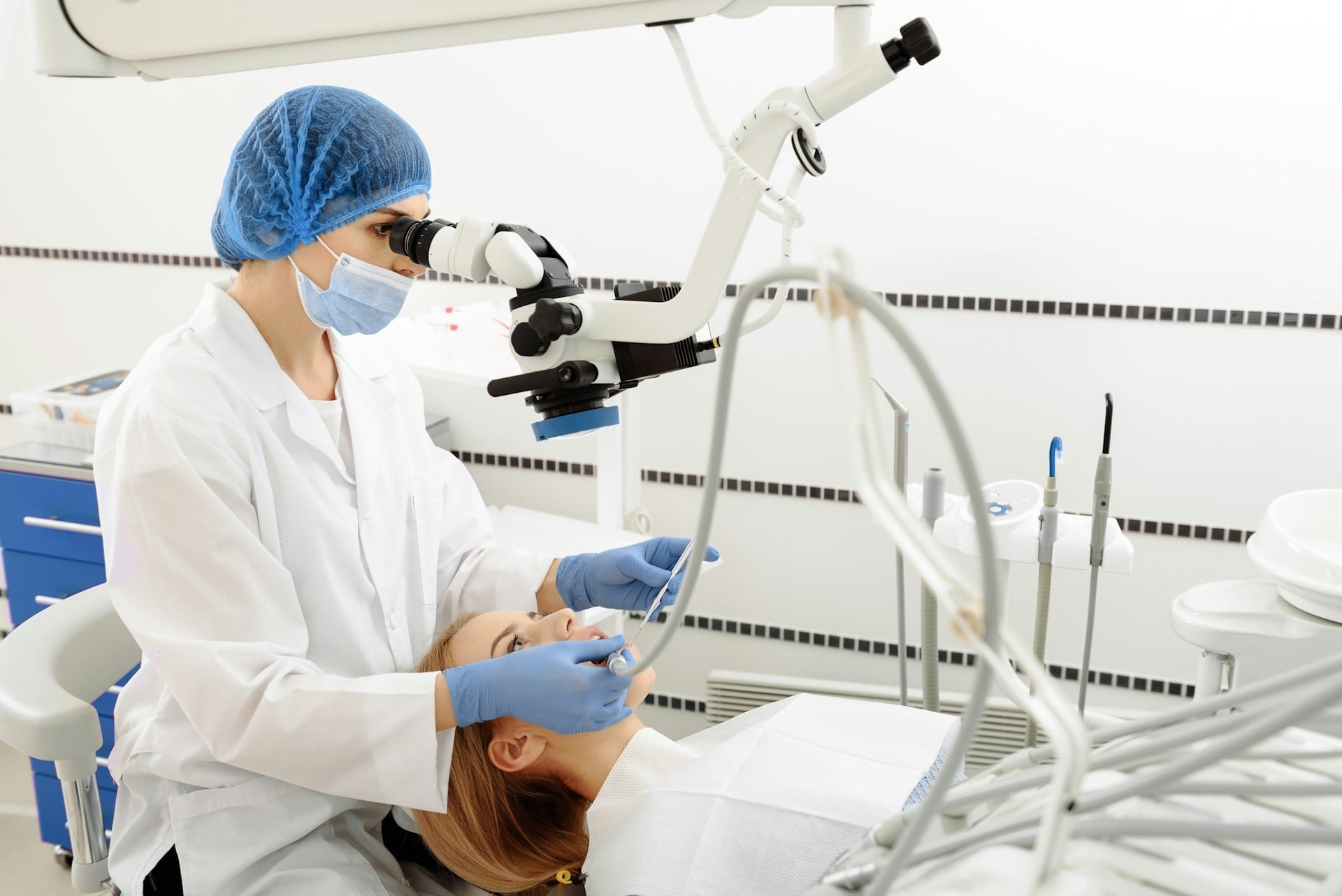
Gum recession is a concerning dental issue in which the gum line gradually pulls back from the tooth, exposing more of the tooth’s surface. If left untreated, this can eventually lead to tooth sensitivity, decay, or even tooth loss. Traditional gum recession treatments, like gum grafting, require invasive procedures that can involve lengthy recovery times. Fortunately, there is a breakthrough solution for those suffering from gum recession – the Pinhole Surgical Technique. At Sound Surgical Arts, we are proud to offer this cutting-edge procedure to residents of Tacoma, WA, and the surrounding areas.
The Pinhole Surgical Technique is a scalpel-free, suture-free, and graft-free solution for treating gum recession. This innovative procedure, also known as the Chao Pinhole® Technique, was developed by Dr. John Chao to address gum recession in a less invasive way. It involves using a tiny needle to create a small hole (or pinhole) in the gum tissue. Through this pinhole, our skilled professionals gently reposition the gums back to their original, healthy state. The method has garnered praise for its many benefits, including reduced pain, shorter recovery time, and immediate cosmetic improvements.
In this detailed blog article, we will delve into the world of the Pinhole Surgical Technique, explaining how it works, its advantages, and how it compares to other gum recession treatments. Our team at Sound Surgical Arts strives to provide the residents of Tacoma with the highest quality of dental care using the most up-to-date procedures and technology. By offering the Pinhole Surgical Technique, we hope to help more people enjoy healthier, more confident smiles without the need for invasive surgery.
A Step-by-Step Overview of the Pinhole Surgical Technique
To give you a deeper understanding of this revolutionary gum recession treatment, let’s look at the procedural steps involved in the Pinhole Surgical Technique:
- Initial Consultation and Examination: Our professionals will thoroughly assess your gum health and determine if you are a suitable candidate for the Pinhole Surgical Technique. This initial stage also allows us to identify the specific areas that require treatment.
- Anesthesia Administration: To ensure your complete comfort during the procedure, we’ll apply a local anesthetic to numb the targeted treatment area.
- Creating the Pinhole: Our skilled team will use a tiny needle to create a small hole in your gum tissue above the area of recession.
- Gently Repositioning the Gums: Utilizing specially designed dental instruments, we will gently loosen and elevate the gum tissue, guiding it back into its original, healthy position covering the exposed roots.
- Stabilizing the Repositioned Gums: To hold the repositioned gum tissue in place, we’ll insert tiny collagen strips through the pinhole. These strips promote tissue regeneration and fast healing.
- Post-Procedure Care and Follow-Up: We’ll provide you with detailed post-operative care instructions to aid the healing process, and schedule a follow-up visit to assess your progress.
The Advantages of the Pinhole Surgical Technique
There are several benefits to choosing the Pinhole Surgical Technique, setting it apart from other gum recession treatment options:
- Minimally Invasive: The Pinhole Surgical Technique eliminates the need for incisions or sutures, considerably reducing the discomfort and pain associated with traditional gum surgery.
- Faster Recovery Time: Thanks to its minimally invasive nature, patients typically enjoy a quicker recovery period, enabling you to return to your normal activities much sooner.
- Immediate Cosmetic Improvements: The results of this innovative technique are immediately visible. You’ll notice a significant difference in the appearance of your gums and your overall smile as soon as the procedure is complete.
- Reduced Risk of Infection: With no incisions or sutures, the Pinhole Surgical Technique minimizes the risk of complications and infection.
Pinhole Surgical Technique vs. Traditional Gum Grafting
When choosing a gum recession treatment, it’s crucial to understand the key differences between the Pinhole Surgical Technique and traditional gum grafting procedures:
- Surgical Approach: Traditional gum grafting requires the transplantation of tissue from one area of your mouth to another, often resulting in multiple surgical sites that need to heal. In contrast, the Pinhole Surgical Technique uses a small hole to access and manipulate the gum tissue, making it significantly less invasive.
- Pain and Discomfort: Due to its less invasive nature, the Pinhole Surgical Technique typically involves much less pain and discomfort during and after the procedure compared to traditional gum grafting.
- Recovery Time: Recovery from the Pinhole Surgical Technique is generally faster, with minimal post-operative pain and swelling. Traditional gum grafting can require several weeks of healing and may involve a more complicated recovery process.
- Long-Term Effects: Both treatment options can effectively address gum recession, but the Pinhole Surgical Technique offers a more streamlined, less invasive alternative with comparable long-term success rates.
Revolutionizing Gum Recession Treatment with the Pinhole Surgical Technique
The Pinhole Surgical Technique is transforming the way gum recession is treated, offering a minimally invasive, yet highly effective option. By providing this breakthrough procedure, our team is dedicated to helping our patients restore their smiles and improve their oral health with reduced pain, faster recovery times, and immediate results.
If you’re experiencing gum recession and are interested in exploring the revolutionary Pinhole Surgical Technique, trust the skilled professionals at Sound Surgical Arts (Tacoma, WA) to provide the exceptional treatment and care you deserve.
Best Solution for Missing Teeth: Dental Implants
Losing one or more teeth can significantly impact daily life, affecting how you eat, speak, and smile. Traditionally, options like dentures or bridges were used to remedy missing teeth, but they often came with limitations. Today, dental implants represent a state-of-the-art solution that not only looks and feels like your natural teeth but also offers unmatched benefits for oral health.
At our dental practice, we specialize in providing durable and aesthetically pleasing dental implants that serve as a long-term answer for those missing one or several teeth. Unlike dentures, which may slip or cause discomfort, implants integrate with your bone, providing stable support for artificial teeth. This integration helps maintain jaw structure and supports facial tissues, which can sag or appear sunken due to bone loss from missing teeth.
Furthermore, dental implants function just like your natural teeth, from their appearance to their care requirements, which includes regular brushing and flossing. They are designed to blend seamlessly with your existing teeth, enhancing your smile while improving your oral health. Join us as we explore how dental implants work, their advantages over other tooth replacement options, and what to expect if you choose this method for restoring your smile.
Understanding Dental Implants and How They Work
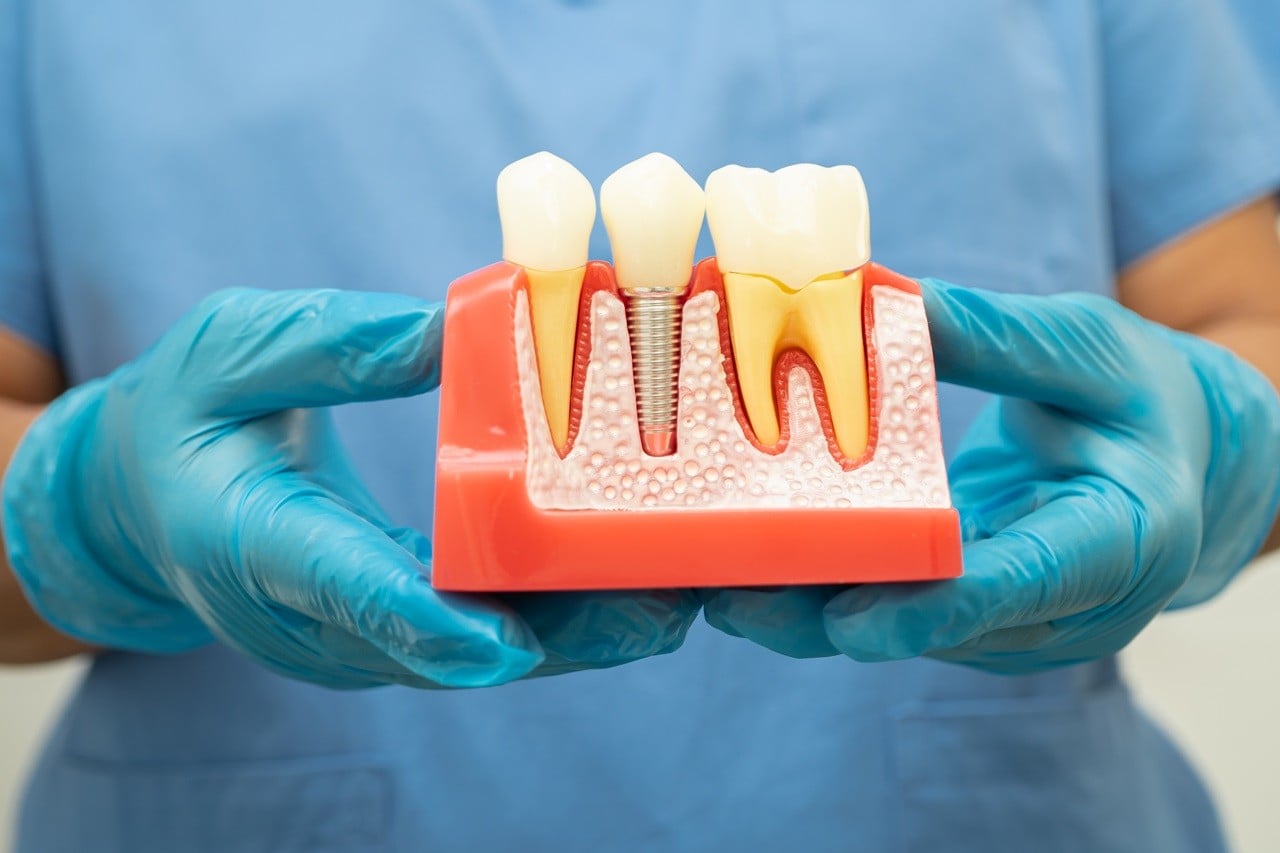
Dental implants are a modern dental technology designed to replace missing teeth and provide a durable, natural-looking solution. Essentially, a dental implant is a small, strong titanium post that serves as a synthetic tooth root. When we place an implant, it is surgically inserted into the jawbone beneath the gum line. This process allows the implant to integrate with the bone in your jaw, a process known as osseointegration. This integration provides stability unlike any other tooth replacement option.
Once the implant has bonded with your jawbone, a process that generally takes a few months, we then proceed to attach an abutment to the post. The abutment serves as a link between the dental implant and the crown, which is the visible part that looks like a natural tooth. The customization of the crown ensures it blends seamlessly with your other teeth, both in color and shape, thus restoring not only the functionality but also the aesthetics of your smile.
Comparing Dental Implants with Other Tooth Replacement Options
When considering options for replacing missing teeth, it’s important to weigh the pros and cons of each possibility. Here’s how dental implants stack up against other common treatments:
1. Dentures: While dentures are less expensive upfront and quicker to fit, they can slip or cause discomfort while eating or speaking. Unlike implants, dentures do not prevent bone loss in the jaw and require ongoing adjustments over time.
2. Bridges: Dental bridges can be a viable option and require less time for placement compared to implants. However, they involve the alteration of adjacent healthy teeth to anchor the bridge, potentially leading to further dental issues down the line. Bridges also do not address bone loss, which can alter the appearance of your face over the years.
3. Dental Implants: Unlike the above options, dental implants provide a fixed solution that doesn’t affect adjacent teeth and helps preserve the jawbone. Their stable integration into the jaw prevents the bone degradation that typically accompanies tooth loss. Although the initial cost may be higher, the longevity, improved oral health, and convenience make them a more cost-effective solution in the long run.
Each of these options has its place in dental treatment, but for many of our patients, the comprehensive benefits of dental implants make them the preferred choice for tooth replacement.
The Long-Term Benefits of Choosing Dental Implants
Opting for dental implants offers numerous long-term benefits that significantly impact not just oral health but overall quality of life. Firstly, dental implants are designed to last. With proper care and maintenance, they can serve you for decades without the need for replacement. This permanence provides a sense of security not found in other tooth replacement alternatives.
Moreover, dental implants play a critical role in preserving natural bone. When a tooth is missing, the jawbone in the vacated area can begin to deteriorate due to lack of stimulation, which typically occurs through tooth roots. Dental implants mimic these roots, helping to maintain and stimulate bone growth. This is crucial not only for your oral health but also in maintaining your facial structure and preventing the sunken appearance that often accompanies tooth loss. Furthermore, implants allow you to maintain your natural eating and speaking habits without the worry of slipping dentures, lending themselves to a better overall quality of life.
What to Expect During the Dental Implant Procedure
Understanding what to expect during the dental implant procedure can help alleviate any anxieties and prepare you for a successful treatment. The process begins with a consultation where we assess your oral health and discuss your specific needs. If we determine you are a candidate for implants, we plan the procedure tailored to your situation.
The implantation process itself involves several steps, starting with the placement of the titanium implant into your jawbone. This surgery is typically performed under local anesthesia, and while you may experience some discomfort, pain management techniques are applied to ensure your comfort throughout the procedure. After the implant is placed, a period of healing is necessary, during which the implant integrates with the bone—a process that can take a few months.
Once integration is complete, you’ll return to our office for the placement of the abutment and later, the custom-made crown. Each of these components plays a crucial role in ensuring the finished implant looks and feels like a natural tooth. We ensure that every detail is crafted to meet your expectations, from the shape and color to the fit and function.
In Closing
Choosing dental implants is a significant decision that can positively transform your oral health and boost your confidence. At Sound Surgical Arts, we are dedicated to providing state-of-the-art dental care to ensure your implant procedure is a success. Our experienced team is here to guide you through every step of the process, from the initial consultation to the final placement of your new tooth.
If you are considering dental implants in Gig Harbor or have any questions about whether they are the right option for you, don’t hesitate to contact us. Let us help you regain your smile and ensure your teeth are as healthy as they are beautiful. Visit Sound Surgical Arts today to start your journey toward a happier, healthier smile.
Gum Grafting for Dental Bridges Explained
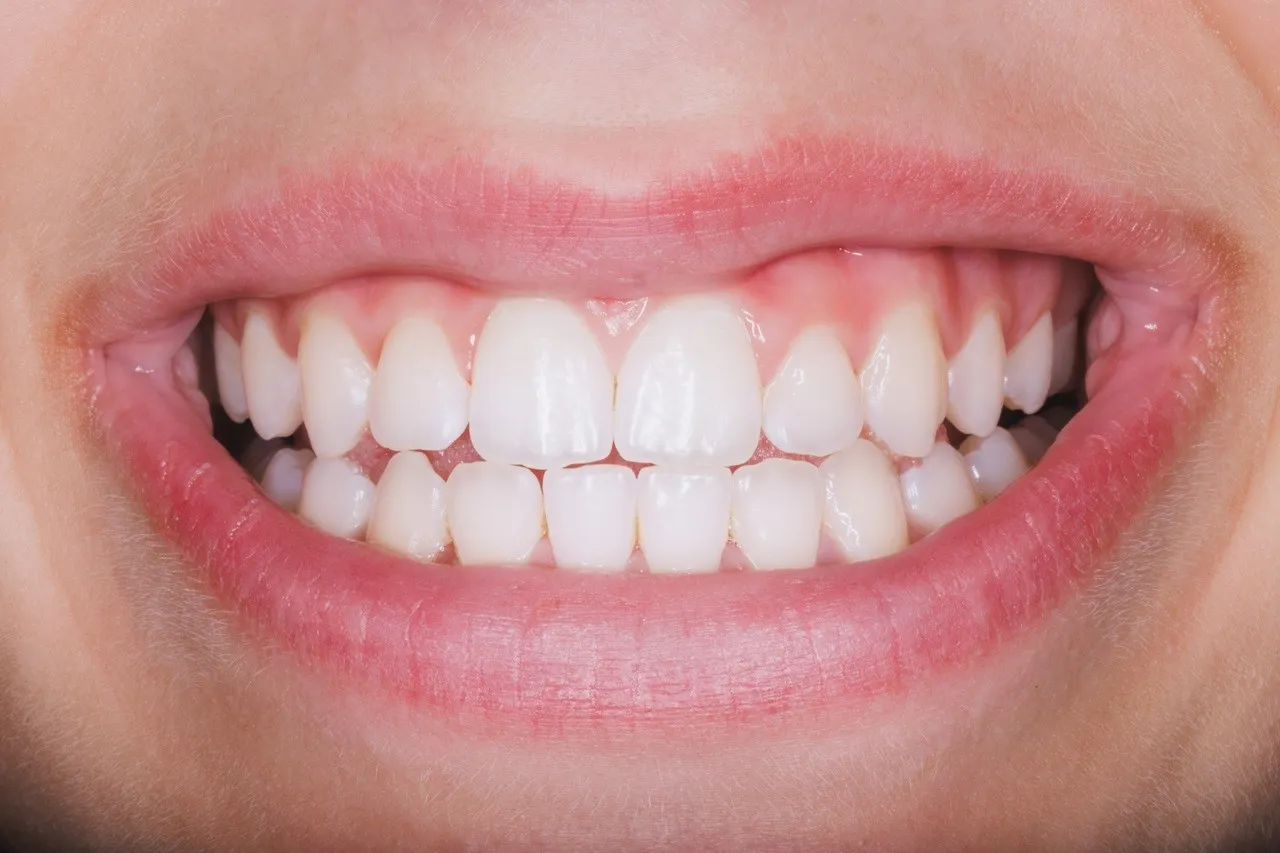
Gum health is foundational to overall dental wellness and the longevity of dental treatments such as bridges. In our ongoing commitment to providing top-tier dental care, we emphasize the importance of solid gum support for any dental appliance, particularly dental bridges. Gum grafting emerges as a pivotal procedure in cases where the natural gum tissue has receded or isn’t adequate to support the dental structure properly.
Gum recession can be caused by a variety of factors, including periodontal disease, aggressive brushing, or even genetic predisposition. When the gums recede, the roots of the teeth become exposed, which not only increases the risk for decay and sensitivity but can also lead to instability of dental bridges. This is where gum grafting comes into play. By transplanting healthy gum tissue to areas where the gums have receded, we can ensure that your dental bridges have the robust support they need. This not only enhances the function of the bridge but also improves the aesthetic appearance of your smile.
This introduction into the world of gum grafting for bridges sets the stage for a deeper exploration into why this procedure is beneficial, what types are available, how it is performed, and the lasting benefits it holds for your dental health. By understanding these elements, you’ll be better equipped to make informed decisions about your oral health needs and treatment options.
What Is Gum Grafting and Why Is It Needed for Dental Bridges?
Gum grafting is a surgical procedure that involves the transplantation of gum tissue to areas where it is absent or insufficient. This need typically arises when there has been significant gum recession which can expose tooth roots, potentially leading to decay, sensitivity, and even tooth loss. In the context of dental bridges, sufficient gum tissue is critical for supporting the pontics (the false teeth that fill the gap in a bridge) and the abutments (the natural teeth or implants that support the bridge).
For patients with insufficient gum tissue around the proposed bridge area, grafting ensures that the dental bridge has a strong foundation, thereby enhancing both functionality and aesthetic appearance. The presence of healthy, robust gum tissue around the bridge helps in distributing the biting pressure evenly, which is vital for the longevity and stability of the bridge. Furthermore, well-contoured gums contribute significantly to a natural-looking smile, making this procedure not only a necessity for oral health but also a desirable choice for cosmetic enhancements.
Types of Gum Grafts Used Around Dental Bridges
Various types of gum grafts are available, each tailored to address specific needs around dental bridges. The choice of graft typically depends on the extent of gum recession and the specific aesthetic and functional needs of the patient. Here are the most common types:
1. Connective Tissue Grafts: This is the most common type of graft used for treating root exposure. A flap of skin is cut at the roof of the mouth (palate) and tissue from under the flap, known as subepithelial connective tissue, is removed and then stitched to the gum area surrounding the bridge.
2. Free Gingival Grafts: Similar to connective tissue grafts, this method involves the direct extraction of a small strip of tissue from the palate. This type of graft is typically used when the aim is to increase the amount of thick gum tissue around a dental bridge.
3. Pedicle Grafts: In this technique, instead of taking tissue from the palate, a flap (pedicle) is partially cut away from the gum around or near the tooth needing repair. The flap is then pulled over or down to cover the exposed roots and sewn in place. This method is preferred when there is plenty of gum tissue near the tooth.
Each type of gum graft offers unique benefits and is chosen based on specific patient needs. Our expertise allows us to evaluate your particular situation and recommend the most effective grafting technique to support your dental bridge and improve your oral health.
Step-by-Step Process of Performing Gum Grafting for Bridges
Performing gum grafting is a meticulous process that we handle with the utmost care and precision to ensure the best outcomes for our patients. The procedure typically begins with a thorough consultation and examination to determine the specific needs of your gums and teeth. Here’s how we usually proceed:
First, we administer a local anesthetic to ensure comfort throughout the procedure. Once the area is numb, we select the appropriate type of gum graft—be it a connective tissue graft, free gingival graft, or a pedicle graft—depending on your specific dental scenario and gum condition.
For a connective tissue graft, a small flap is made in the roof of your mouth to remove some tissue from beneath it. This tissue is then stitched to the gum area around the bridge, covering any exposed roots and increasing gum tissue volume. The flap at the donor site is then stitched back up, usually healing without issue. In the case of a pedicle graft, the gum tissue near the bridge is partially cut and stretched over the area where it’s needed and then secured in place.
Throughout this process, we ensure that the graft integrates well with the surrounding tissues to promote optimal healing and functionality. This careful attention to technique and detail helps set the foundation for a successful recovery and lasting dental health.
Aftercare and Long-Term Benefits of Gum Grafting for Dental Bridges
After the gum grafting procedure, proper care is critical to ensure effective healing and to maximize the long-term benefits of the graft. Immediately following the surgery, it’s vital to keep the area clean yet undisturbed. We generally advise against brushing or flossing the grafted area until it has healed sufficiently. Instead, using an antimicrobial mouthwash can help prevent plaque buildup and infections.
We’ll schedule follow-up visits to monitor the healing process, making any necessary adjustments to your post-care regime. It’s also essential to avoid any actions that could put pressure on the new graft, such as chewing hard foods directly on it or engaging in activities that could impact the mouth until full healing has occurred.
The benefits of undergoing gum grafting for a dental bridge extend far beyond the immediate improvement of your dental architecture. Over time, this procedure helps prevent further recession of the gums and bone loss around the dental bridge and adjacent teeth, contributing to a healthier oral environment and maintaining your natural tooth alignment. Additionally, it significantly enhances the aesthetic appearance of your smile and leads to improved self-confidence.
If you are experiencing gum recession or need gum grafting around bridges in Gig Harbor, don’t hesitate to reach out to us at Sound Surgical Arts. Our dedicated team is here to guide you through each step, ensuring you receive the quality care you deserve to achieve a healthy, beautiful smile.
Restore Your Smile with All-on-Four Dental Implants at Sound Surgical Arts
Tooth loss can be a traumatizing experience, significantly impacting one’s quality of life, self-confidence, and ability to enjoy the simple pleasures of eating and smiling. Traditional dental implants and dentures have long been the go-to options for patients seeking to restore their smiles. However, in recent years, a revolutionary solution has emerged: All-on-Four dental implants. At Sound Surgical Arts, we are dedicated to providing our clients in the Tacoma, WA, area with the most advanced and effective restorative options. We proudly offer All-on-Four dental implant procedures as a quick, efficient, and long-lasting solution for those looking to replace an entire arch of teeth.
All-on-Four dental implants comprise a unique full-mouth restoration technique that uses just four dental implants per arch to support a fixed set of prosthetic teeth. Unlike traditional implant techniques that may require six to eight implants per arch, All-on-Four streamlines the process while still ensuring a stable and reliable restoration. This revolutionary method offers numerous benefits such as shorter treatment time, minimal invasive procedures, and increased affordability compared to conventional full-arch implants.
In this comprehensive blog post, we will explore the All-on-Four dental implant procedure, its benefits, the treatment process, and what sets it apart from other tooth replacement options. Our expert team at Sound Surgical Arts is committed to giving our patients the highest quality dental care by utilizing innovative techniques and personalized treatment plans. With the All-on-Four approach, we can help you regain the full functionality and the beautiful smile you’ve been dreaming of.
Understanding the All-On-Four Dental Implant Technique
All-on-Four is a dental implant technique designed to replace an entire arch of missing teeth using just four implants per arch. These strategically placed implants support a fixed dental prosthesis elegantly designed to resemble your natural teeth. The procedure involves:
- Consultation and Examination: Our expert team will assess your oral health and determine if you are a suitable candidate for the All-on-Four procedure. We will also discuss your restorative goals and custom design the prosthesis to match the desired appearance.
- Implant Placement: We’ll surgically place four dental implants in your jawbone, with two in the front and two slightly angled towards the back. This strategic positioning ensures maximum stability and allows for even distribution of forces across the arch.
- Temporary Prosthesis: After placing the implants, we’ll attach a temporary prosthesis to provide you with immediate functionality. This allows you to eat and speak comfortably while your jawbone gradually fuses to the implants.
- Final Restoration: Once the healing and integration process is complete, we’ll replace the temporary prosthesis with a permanent, custom-designed set of teeth, thus concluding your All-on-Four journey towards a fully restored smile.
Dental Implants vs. Traditional Dentures: Comparing Your Options
In comparing All-on-Four dental implants with traditional dentures, it’s essential to weigh the pros and cons of each:
- Functionality: All-on-Four implants are fixed and stable, allowing you to chew food more effectively and speak with ease. In contrast, traditional dentures may shift or become ill-fitting over time, making everyday functions challenging.
- Bone Preservation: Dental implants stimulate bone growth, effectively preserving your jawbone’s structure and preventing deterioration. Dentures, on the other hand, may lead to bone loss over time as they lack the stimuli necessary to maintain bone density.
- Longevity: With proper care and maintenance, dental implants can last a lifetime, often far outlasting traditional dentures, which typically require replacement at periodic intervals.
- Aesthetics: All-on-Four implants provide a natural-looking, permanent smile. While modern dentures have improved in appearance and fit, they still lack the same level of stability and long-term aesthetic appeal.
The Benefits of All-On-Four Dental Implants
Patients who choose All-on-Four dental implants can expect to experience numerous advantages:
- Immediate Results: The All-on-Four technique allows for immediate placement of a temporary prosthesis, enabling you to enjoy the benefits of a fully functional set of teeth from day one.
- Minimally Invasive: The procedure requires fewer implants and often eliminates the need for bone grafting, making it a less invasive option than traditional full arch restoration.
- Time and Cost Efficiency: With a more streamlined process, All-on-Four dental implants generally require less time in the dental chair and can be a more affordable option than traditional full-arch implant procedures.
- Improved Quality of Life: By securely and permanently restoring your smile, All-on-Four implants enhance your quality of life, allowing you to eat, speak, and smile with confidence.
A Comprehensive Solution for Total Smile Restoration
When considering tooth replacement options, it’s crucial to select a solution that complements your overall oral health and lifestyle. All-on-Four dental implants provide a comprehensive and reliable full-arch restoration, utilizing innovative techniques to ensure lasting results.
Our skilled team is dedicated to helping you achieve the smile of your dreams and restore your confidence. If you’re considering All-on-Four dental implants, it’s essential to work with a dental provider experienced in this cutting-edge procedure. Discover the transformative power of a fully restored smile and enhanced oral health by entrusting your All-on-Four treatment to the caring professionals at Sound Surgical Arts.
A Quick Guide to LANAP: Laser-Assisted Treatment for Gum Disease

Gum disease, also known as periodontal disease, is a prevalent oral health condition affecting millions of Americans. When left untreated, gum disease can lead to various complications, including tooth loss, gum recession, and even systemic health issues. At Sound Surgical Arts, we are dedicated to providing advanced, effective treatment options for gum disease patients in Tacoma, WA. One such cutting-edge solution is LANAP, which stands for Laser-Assisted New Attachment Procedure.
LANAP is an FDA-approved, minimally invasive treatment option that uses advanced laser technology to eradicate infection-causing bacteria and remove damaged tissue, all while preserving healthy gums. This groundbreaking procedure offers numerous benefits over traditional gum disease treatments, such as scaling and root planing or osseous surgery, leading to improved patient comfort, faster recovery, and better long-term success.
In this comprehensive guide, we will delve into the benefits of LANAP, discuss the procedure in detail, and help you understand why this innovation in gum disease treatment has transformed countless lives. By focusing on advanced dental technology and patient-focused care, our team at Sound Surgical Arts aims to deliver the best possible results for Tacoma, WA, residents suffering from the debilitating effects of gum disease.
Join us as we explore the transformational possibilities of LANAP, showcasing our commitment to innovation and expert care, and learn how our team at Sound Surgical Arts strives to provide patients with exceptional treatment options and the chance to enjoy optimal oral health. As we discuss the details of LANAP, you will gain valuable insight into the treatment process and understand why this advanced solution is preferred by experts and patients alike.
Comprehensive Guide to LANAP: Laser-Assisted Treatment for Gum Disease at Sound Surgical Arts
How LANAP Works: The Science Behind the Technology
Understanding the principles of LANAP technology is essential to fully appreciating its advantages over traditional gum disease treatments. The procedure utilizes a specialized laser, known as the PerioLase MVP-7, which specifically targets the bacteria and diseased tissue associated with gum disease.
- Selective Targeting: The laser’s dual-wavelength configuration enables it to selectively remove infected tissue and bacteria without harming healthy gums or tooth structure. This precision leads to minimal damage and optimal healing of the surrounding tissues.
- Stimulation of Regeneration: The LANAP laser process not only removes diseased tissue but also encourages the natural regeneration of healthy gums. This rejuvenation helps to restore periodontal health, reduce gum pocket depths, and prevent tooth loss.
- Blood Clot Formation: The LANAP procedure promotes blood clot formation at the treatment site, which aids in healing and further stabilizes the connection between the teeth and gums.
The LANAP Procedure: Step-by-Step Process
Our experienced dental professionals at Sound Surgical Arts follow a systematic, patient-focused approach to the LANAP treatment process, ensuring optimal comfort, safety, and effectiveness:
- Pre-Procedure Consultation: During the initial consultation, we will thoroughly assess your oral health, diagnose the severity of gum disease, and determine if LANAP is the best treatment option for your individual needs.
- Numbing and Preparation: On the day of the procedure, we will begin by administering a local anesthetic to ensure your total comfort throughout the treatment.
- Laser Application: Our skilled dental professionals will guide the LANAP laser along the affected gum line, gently and accurately removing the bacteria and diseased tissue while preserving the healthy surrounding structures.
- Scaling and Root Planing: We will perform a deep cleaning of the tooth roots below the gum line by carefully eliminating plaque and tartar, allowing for a smoother and cleaner surface that promotes healing and reattachment of the gums.
- Laser Finishing: The LANAP laser is utilized once more to complete the treatment, stimulating blood clot formation and sealing the treated area.
- Post-Treatment Care: Our team will provide comprehensive aftercare instructions to ensure a smooth recovery and ongoing oral health.
Benefits of LANAP Treatment
Choosing LANAP treatment at Sound Surgical Arts offers several significant advantages over traditional gum disease therapies:
- Minimally Invasive: LANAP is a minimally invasive treatment compared to conventional surgical gum disease procedures, meaning less discomfort, reduced bleeding, and minimal swelling.
- Faster Recovery: With LANAP, patients can expect a quicker and more comfortable recovery process, often able to return to daily activities within 24 hours.
- Preservation of Healthy Tissue: LANAP’s selective laser technology results in decreased tissue damage and a greater preservation of healthy gums, ultimately promoting quicker healing and reduced gum recession.
- Effective and Long-lasting Results: The LANAP treatment not only effectively addresses the symptoms of gum disease but also stimulates natural regeneration, promoting long-term periodontal health.
- Systemic Health Benefits: By eliminating the harmful bacteria associated with gum disease, LANAP may reduce the risk of systemic health issues linked to periodontal inflammation, such as diabetes, heart disease, and stroke.
When to Consider LANAP
If you are experiencing any of the following symptoms, LANAP may be the ideal treatment option for you:
- Persistent Bad Breath: Chronic halitosis that does not subside with regular dental care may indicate an underlying gum disease requiring professional treatment.
- Red, Swollen, or Bleeding Gums: Inflammation and bleeding of the gums during brushing or flossing can signal a gum infection necessitating intervention.
- Receding Gums: Gum recession, which may lead to tooth sensitivity and aesthetic concerns, can be a sign of advanced gum disease.
- Loose Teeth or Changes in Bite: Shifting teeth or changes in your bite pattern might signify the need for gum disease treatment to preserve your dental health.
Conclusion
As a leading provider of high-quality dental care in Tacoma, WA, Sound Surgical Arts is proud to offer the LANAP treatment as a ground-breaking option for patients suffering from gum disease. Through our state-of-the-art laser technology and our team’s expertise, we are committed to guiding you towards lasting oral health and an improved quality of life.
If you’re experiencing the discomfort and concern associated with gum disease, consider the benefits of LANAP treatment and trust the compassionate care of our dental professionals at Sound Surgical Arts (Tacoma, WA). Contact us today to schedule a consultation and take the first step on your journey to restored periodontal health.
What to Expect During Oral Surgery: A Patient’s Guide
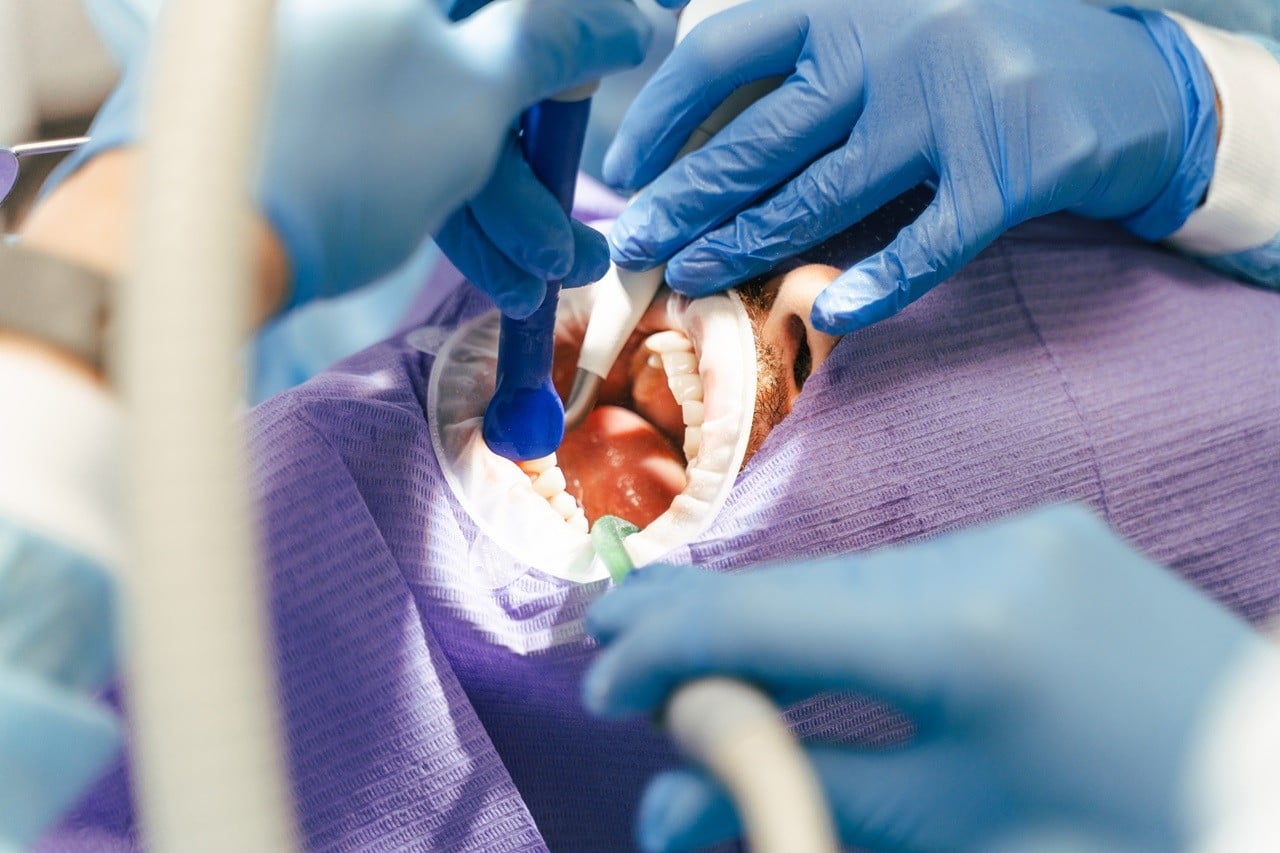
Oral surgery can seem daunting, but understanding the process can help ease some of your worries and ensure a smoother experience. Whether you need tooth extractions, dental implants, or other surgical procedures, proper preparation and post-operative care are vital. We believe that informed patients have better surgical outcomes and smoother recoveries, which is why we prioritize education at every step.
Preparing for oral surgery involves more than just showing up on the day of your appointment. There are important steps to take beforehand to ensure your procedure goes as smoothly as possible. This includes following dietary restrictions, arranging for transportation, and understanding what to expect during the surgery itself.
After the procedure, immediate care and long-term recovery practices are crucial. Knowing how to take care of your surgical site, what foods to eat, and when to contact your dentist for follow-up can make a significant difference in your healing process.
By following these guidelines, you can minimize discomfort, prevent complications, and ensure a faster, more effective recovery. Our goal is to equip you with the knowledge and tools needed to handle every phase of your oral surgery journey confidently.
Preparing for Oral Surgery: Steps to Take Before Your Procedure
Preparing for oral surgery can help ensure a smoother experience and a faster recovery. It’s crucial to follow certain steps before your procedure. First, make sure to discuss your medical history with us, including any medications you are taking. This information helps us plan your surgery and manage any potential risks. We may advise you to stop taking certain medications, such as blood thinners, to reduce the risk of excessive bleeding during the procedure.
Another important aspect of preparation is arranging transportation for the day of your surgery. Since anesthesia will likely be used, driving yourself home is not safe. Plan to have a friend or family member accompany you, so you have someone to support you immediately after the surgery. Additionally, stock up on soft foods like yogurt, soup, and applesauce, as you will need to follow a soft diet during the initial recovery period. It is also wise to create a comfortable recovery area at home with plenty of pillows and any prescribed medications within easy reach.
What Happens During Oral Surgery: An Overview
Understanding what happens during oral surgery can help ease any anxiety you may have about the procedure. On the day of your surgery, you will initially meet with your oral surgeon to go over any last-minute questions or concerns. We will also review your anesthesia options, as most oral surgeries require either local anesthesia, sedation, or general anesthesia to ensure your comfort throughout the procedure.
During the surgery, we will begin by administering the chosen form of anesthesia to make sure you are comfortable and pain-free. The specific steps of the surgery will depend on the type of procedure being performed. For example, if you’re having a dental implant placed, we will first make an incision in the gum to expose the bone. Then, we will drill a small hole in the bone where the titanium post will be inserted. The post will act as a root for your new tooth.
After the surgery is complete, we will close any incisions with stitches if needed. You will be monitored as the anesthesia wears off to ensure you are stable and comfortable. We will provide you with detailed post-operative instructions to help you manage pain and prevent complications as you begin the healing process.
Immediate Post-Operative Care: What to Do After Your Surgery
Taking proper care of yourself immediately after oral surgery is crucial for a smooth recovery. After the procedure, you will likely feel groggy and disoriented due to the effects of anesthesia. Rest is vital during this time. Make sure to keep your head elevated with pillows to reduce swelling and promote healing. Applying an ice pack to the affected area for 15 minutes at a time can help minimize swelling and discomfort.
Managing pain is another primary focus right after surgery. We will provide you with pain medications to ensure your comfort. Follow the prescribed dosage instructions carefully and avoid taking aspirin, as it can increase the risk of bleeding. It is also essential to maintain proper oral hygiene. Gently rinse your mouth with warm salt water, avoiding vigorous swishing or spitting, which can disturb blood clots and delay healing. Stick to a soft diet, consuming foods that are easy to chew and won’t irritate the surgical site.
Long-Term Recovery Tips and Expectations
Long-term recovery from oral surgery requires diligence and patience. While most immediate discomfort subsides within a few days, complete healing can take several weeks or even months, depending on the procedure. To ensure a smooth recovery, follow these tips. First, continue to avoid hard, crunchy, or spicy foods that could irritate the surgical site. Gradually reintroduce a more varied diet as you heal.
Maintaining follow-up appointments is crucial. We will monitor your healing progress and address any concerns during these visits. If you’ve had dental implants, we will check the integration of the implant with the bone. Keep an eye out for signs of complications, such as persistent pain, swelling, or unusual discharge, and report these to us immediately. Adhering to a good oral hygiene routine remains essential; use a soft-bristled toothbrush and be gentle around the surgical area.
Final Thoughts
Oral surgery, while intricate and sometimes daunting, offers the promise of enhanced oral and facial health. From preparation to post-operative care and long-term recovery, understanding each phase of the process can significantly improve your experience and results. By taking the right steps before, during, and after surgery, you contribute to a successful outcome. Maxillofacial surgery not only addresses immediate health concerns but also paves the way for a better quality of life.
At Sound Surgical Arts, we’re committed to guiding you through every step of your oral surgery journey. Our team is here to provide you with the expertise and care you need for a successful recovery. If you have any concerns or need further information, please reach out to us. Schedule your oral surgery consultation with Sound Surgical Arts today, and take the first step towards a healthier, more confident you.
A Guide to Emergency Dental Care: Recognizing Symptoms, Seeking Immediate Treatment, and Prevention Tips
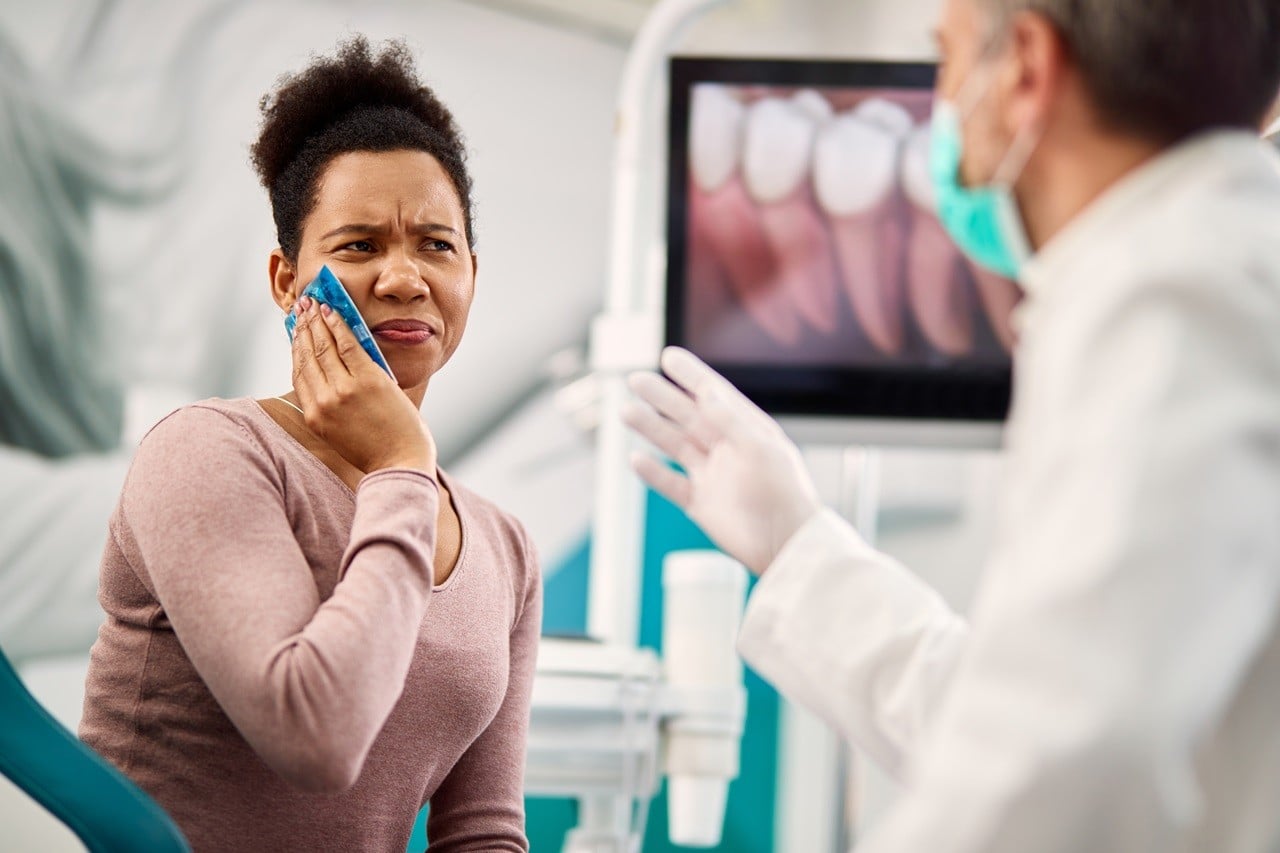
Dental emergencies can happen to anyone at any time and often occur unexpectedly. Whether it’s a sudden toothache, broken tooth, or a knocked-out tooth from an unexpected accident, recognizing the signs and seeking immediate treatment can significantly impact your oral health and overall well-being.
At Sound Surgical Arts, our team of experienced professionals is well-equipped to address various emergency dental care needs, ensuring prompt and effective treatment.
In this comprehensive guide, we will shed light on different aspects of emergency dental care, including recognizing dental emergencies, seeking immediate treatment, and the importance of routine dental visits.
Recognizing Dental Emergencies
Knowing the signs and symptoms of dental emergencies is essential for receiving timely and appropriate care. Common dental emergencies to be aware of include:
1. Severe Toothache: Intense and persistent tooth pain that is not alleviated by over-the-counter pain relievers can signal an infection or underlying dental issue requiring immediate attention.
2. Chipped, Cracked or Broken Tooth: Accidents, injuries, or biting down on hard substances can result in damaged teeth, potentially causing intense pain and infection if left untreated.
3. Knocked-Out Tooth: A knocked-out tooth due to trauma or a sports injury requires immediate attention, as time is a critical factor in potentially saving the tooth.
4. Abscess or Swelling: A dental abscess is an infection that can cause intense pain, swelling, and fever. Seeking prompt care is vital to prevent the spread of infection and preserve oral health.
5. Lost Filling or Crown: A dislodged dental restoration can leave the affected tooth exposed, increasing the risk of infection, sensitivity, and further damage.
Seeking Immediate Treatment
When experiencing a dental emergency, seeking prompt care is paramount in protecting your oral health and providing relief from pain. Our team at Sound Surgical Arts is equipped to address a wide range of emergency dental concerns effectively and efficiently, ensuring you receive the care you need when it is most critical.
Handling Dental Emergencies at Home
In the event of a dental emergency, follow these tips to alleviate pain and discomfort temporarily while you prepare to visit our dental office:
1. Toothache: Rinse your mouth with warm saltwater and apply a cold compress to the affected area to mitigate swelling and discomfort. Avoid placing aspirin directly on the tooth or gum, as this can cause irritation.
2. Chipped or Broken Tooth: Rinse your mouth with warm water to clean the area and apply a cold compress to reduce swelling. Save any broken tooth fragments in a clean container and bring them with you to your dental appointment.
3. Knocked-Out Tooth: Gently rinse the tooth without touching the root and, if possible, try to reinsert it in its socket. If unsuccessful, place the tooth in a cup of milk or saliva to preserve it until your dental visit.
4. Abscess: Rinse your mouth with a warm saltwater solution to help alleviate pain and draw the pus to the surface. Avoid any self-draining attempts or puncturing the abscess and seek dental care immediately.
5. Lost Filling or Crown: For a lost filling, use sugar-free gum or dental cement as a temporary protective seal. For a lost crown, use dental cement or adhesive to reattach it until you can receive professional care.
Preventing Dental Emergencies
While not all dental emergencies can be prevented, adopting prudent oral care practices can significantly reduce the risk:
1. Maintain Oral Hygiene: Regular brushing, flossing, and mouth rinsing help keep your teeth and gums healthy, minimizing the risk of dental emergencies.
2. Use Proper Tools: Avoid using your teeth as tools; instead, utilize scissors or bottle openers for their respective purposes.
3. Wear Protective Gear: Use mouthguards or sport-specific protective equipment during athletic activities to protect your teeth and jaw from injuries.
4. Stick to a Balanced Diet: Consuming a well-rounded diet and limiting sugar intake reduces the likelihood of dental problems, such as decay and gum disease.
5. Schedule Regular Dental Checkups: Routine dental exams and cleanings can help identify and address potential dental issues before they escalate, minimizing the risk of emergencies.
Importance of Routine Dental Visits
Regular dental checkups not only maintain your oral health, but they also play a vital role in identifying and mitigating potential emergency situations. Routine visits include comprehensive examinations, X-rays, and professional cleanings that help detect early signs of decay, gum disease, or other dental issues that may require more urgent care if left unaddressed.
Final Thoughts
Understanding the signs and symptoms of dental emergencies, seeking immediate treatment, and taking preventive measures can help you be better prepared to maintain your oral health. Knowledge is key, and by being informed, you can confidently navigate any dental crisis that may arise.
If you or a loved one is experiencing a dental emergency in Gig Harbor or would like to learn more about emergency dental care, call Sound Surgical Arts to schedule an appointment. Our skilled and compassionate team is committed to providing comprehensive care in a comfortable environment, ensuring you receive the best possible support for your dental health needs.
Navigated Implant Placement: Precision and Success with Sound Surgical Arts
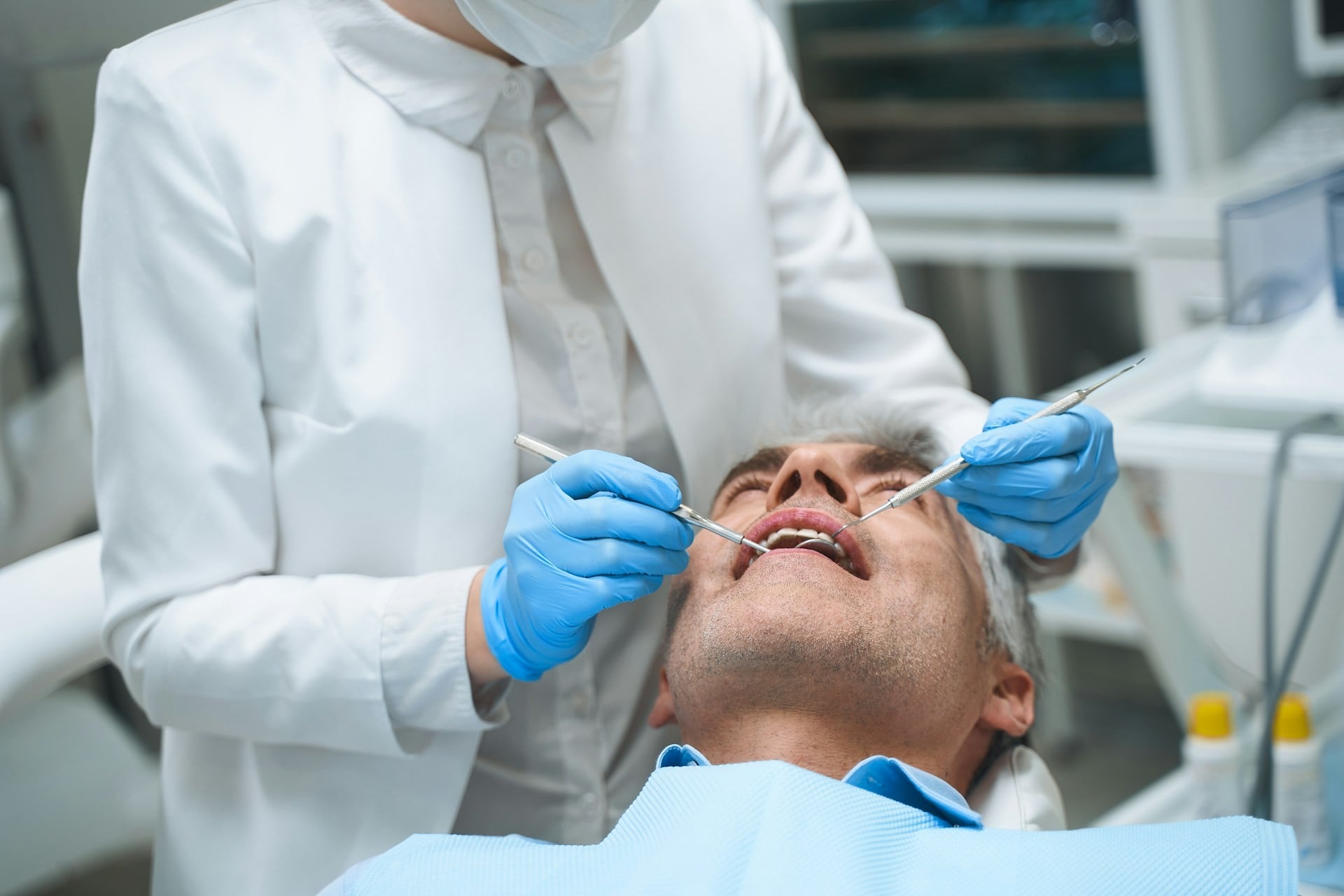
Dental implants have rapidly become the go-to solution for patients looking to replace missing teeth, boasting impressive aesthetics, functionality, and durability. However, the success of dental implants largely depends on accurate and precise implant placement. Leading the way in providing cutting-edge dental solutions, Sound Surgical Arts in Tacoma, WA, offers navigated implant placement to ensure perfect positioning and ultimate success for your dental implants.
Navigated implant placement utilizes advanced technology to guide the dental professional during the implant procedure, ensuring the utmost precision and accuracy. By using state-of-the-art equipment, such as three-dimensional imaging (CBCT) and specialized software, we can create personalized treatment plans and execute implant placement with unparalleled precision. Navigated implant placement significantly reduces the risk of complications and increases the success rate of dental implant procedures.
In this blog post, we will delve deeper into the navigated implant placement process, its benefits, and how it sets Sound Surgical Arts apart in delivering the highest standard of dental care. By choosing our experienced team and state-of-the-art facilities, you can trust that your dental implant journey is in the best hands, ensuring an exceptional treatment experience and long-lasting results.
The Importance of Precision in Dental Implant Placement
To ensure the long-term success of dental implants, it is crucial that the implant be placed with absolute precision. Accurate placement directly affects the implant’s stability, functionality, and aesthetics. The traditional method of implant placement relies primarily on the dentist’s skill and judgment. Navigated implant placement, on the other hand, harnesses advanced technology to provide a higher level of precision and predictability, resulting in successful outcomes for patients.
Benefits of Navigated Implant Placement
Navigated implant placement offers numerous advantages over traditional implant placement methods. Some key benefits include:
- Improved Precision and Accuracy – Navigated implant placement allows for a higher degree of precision, ensuring that the implant is placed in the optimal position to support a successful outcome.
- Personalized Treatment Planning – Using advanced imaging and digital planning tools, we can create a customized treatment plan tailored to your unique anatomy and dental needs.
- Reduced Risk of Complications – Precise implant placement minimizes the risk of damage to surrounding tissues, nerves, or adjacent teeth, resulting in fewer complications and a higher success rate.
- Faster Healing and Recovery – Navigated implant placement typically results in a less invasive procedure and less trauma to surrounding tissues, allowing for faster healing and recovery.
- Increased Patient Comfort – The increased precision and predictability of the navigated implant placement process can lead to a more comfortable treatment experience for patients.
Navigated Implant Placement Process
When you choose Sound Surgical Arts for your dental implant journey, you can expect a thorough and streamlined process that prioritizes your comfort and care:
- Evaluation and Consultation – We will first complete a comprehensive examination of your oral health and discuss your treatment goals to determine if dental implants are suitable for your needs.
- Advanced Imaging – To obtain a clear understanding of your unique anatomy, we employ cutting-edge three-dimensional imaging (CBCT) technology to create detailed scans of your jawbone and surrounding tissues.
- Treatment Planning – Using the digital imaging data and specialized software, we create a personalized treatment plan that outlines the ideal implant positioning, size, and type.
- Navigated Implant Placement – During the procedure, we utilize advanced navigational tools in real-time to guide the implant placement, ensuring optimal accuracy and results.
- Post-Operative Care and Follow-up – After the procedure, we will continue to monitor your progress, provide guidance on at-home care, and answer any questions or concerns you may have throughout the healing process.
A Team You Can Trust
At Sound Surgical Arts, our skilled and compassionate team is dedicated to providing exceptional dental care and ensuring patient satisfaction. Our expertise in navigated implant placement, combined with our commitment to utilizing the latest dental technology, guarantees that you will receive the highest standard of care during your dental implant journey.
Final Thoughts
Navigated implant placement offers unparalleled precision and predictability in the world of dental implants, contributing to more successful outcomes and a better overall experience for patients.
Trust the professionals at Sound Surgical Arts to provide this cutting-edge treatment and guide you every step of the way. If you’re interested in learning more about navigated implant placement or would like to schedule a consultation, contact us today and take the first step towards a restored smile with Sound Surgical Arts.
All-on-Four Dental Implants: Transform Your Smile with Sound Surgical Arts
Living with missing teeth or uncomfortable dentures can significantly impact a person’s quality of life, making everyday activities such as eating, speaking, and smiling a challenge. At Sound Surgical Arts in Tacoma, WA, we are dedicated to providing the most advanced, reliable, and safe dental treatments possible to help our patients rediscover their confidence and enjoy a beautiful, fully functional smile. One such revolutionary treatment we offer is All-on-Four dental implants, a state-of-the-art solution for individuals seeking to restore their smile without the hassle of traditional dentures.
The All-on-Four dental implant system is a groundbreaking approach to replacing missing teeth efficiently and effectively, using just four dental implants to support an entire arch of new, natural-looking teeth. This innovative technique offers numerous benefits over traditional dentures or individual dental implants, including a shorter treatment time, lower cost, and minimal disruption to the patient’s daily life.
In this comprehensive article, we will explore the All-on-Four dental implant system, its advantages, and the treatment process, giving you the information you need to determine if this life-changing solution is right for you.
What are All-on-Four Dental Implants?
All-on-Four dental implants are a revolutionary solution for people who have lost most or all of their teeth or are dissatisfied with traditional dentures. This innovative technique involves placing four dental implants strategically in the upper or lower jaw to support a full-arch prosthesis, effectively replacing an entire set of teeth with just four implants. This approach not only reduces the number of implants required but also provides patients with natural-looking, stable, and durable replacement teeth.
Benefits of Choosing All-on-Four Dental Implants
Opting for All-on-Four dental implants offers several advantages over traditional dentures and individual implant procedures:
- Immediate Results – With All-on-Four dental implants, you can expect an immediate transformation of your smile. We can extract any remaining teeth, place the implants, and attach a temporary prosthesis all in one day, meaning you’ll leave our office with a new, fully functional smile.
- Minimally Invasive – Unlike traditional implant procedures, which may require extensive bone grafting and multiple surgeries, the All-on-Four technique involves placing the implants at precise angles, taking advantage of the patient’s existing bone structure. This approach minimizes the need for bone grafting and reduces the number of required surgeries.
- Faster Healing and Recovery – Due to the minimally invasive nature of the All-on-Four procedure, patients generally experience shortened healing times compared to traditional implant treatments.
- Improved Stability and Comfort – The All-on-Four system securely anchors the prosthesis to the jaw, providing superior stability and comfort compared to removable dentures.
- Cost-Effective – By requiring fewer implants and surgeries, All-on-Four dental implants can be more cost-effective than traditional full-mouth reconstruction methods.
The All-on-Four Treatment Process
At Sound Surgical Arts, our skilled and compassionate team will guide you through the All-on-Four treatment process, ensuring you receive the highest quality care and desired results:
- Consultation – During your initial consultation, we will evaluate your oral health, review your medical history, and determine if you’re an ideal candidate for the All-on-Four procedure. We’ll also answer any questions or concerns you may have.
- Treatment Planning – We will use advanced diagnostic imaging, such as cone-beam computed tomography (CBCT) scans, to create a detailed and personalized treatment plan. These images allow us to determine the optimal implant placement, maximizing the use of your available bone structure.
- Implant Placement – During the implant placement procedure, we’ll use our expertise and precision to carefully insert the dental implants into your jawbone. We place two implants near the front of the jaw, where bone density tends to be higher, and two implants angled towards the back of the jaw, taking advantage of the existing bone structure.
- Temporary Prosthesis – After placing the implants, we’ll attach a temporary prosthesis to the implants, allowing you to leave our office with an immediate, functional smile on the same day.
- Healing and Follow-up Care – Over the next several months, the dental implants will integrate with your jawbone, a process known as osseointegration. During this time, we’ll monitor your healing progress and make any necessary adjustments to your temporary prosthesis.
- Final Prosthesis – Once your implants have fully integrated with your jawbone, we’ll replace your temporary prosthesis with a custom-made, permanent prosthesis designed for optimal comfort, function, and aesthetics.
Final Thoughts
Choosing All-on-Four dental implants can dramatically transform your life by restoring your smile’s function, aesthetics, and confidence. Our team at Sound Surgical Arts is committed to providing you with exceptional care and personalized solutions to address your unique dental needs. If you’re considering All-on-Four dental implants or seeking more information on this innovative treatment option, contact us today and experience the unparalleled care we provide at Sound Surgical Arts.