
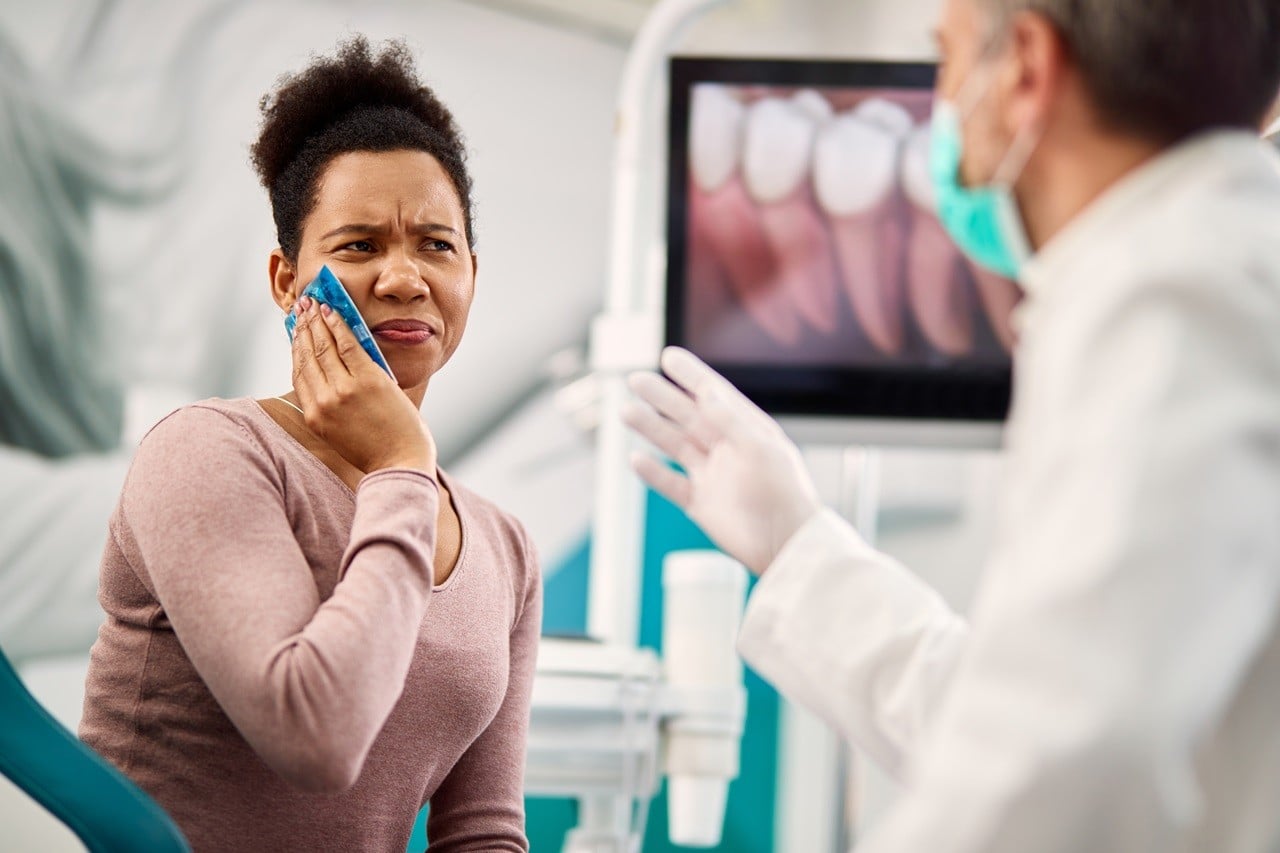
Dental emergencies can happen to anyone at any time and often occur unexpectedly. Whether it’s a sudden toothache, broken tooth, or a knocked-out tooth from an unexpected accident, recognizing the signs and seeking immediate treatment can significantly impact your oral health and overall well-being.
At Sound Surgical Arts, our team of experienced professionals is well-equipped to address various emergency dental care needs, ensuring prompt and effective treatment.
In this comprehensive guide, we will shed light on different aspects of emergency dental care, including recognizing dental emergencies, seeking immediate treatment, and the importance of routine dental visits.
Recognizing Dental Emergencies
Knowing the signs and symptoms of dental emergencies is essential for receiving timely and appropriate care. Common dental emergencies to be aware of include:
1. Severe Toothache: Intense and persistent tooth pain that is not alleviated by over-the-counter pain relievers can signal an infection or underlying dental issue requiring immediate attention.
2. Chipped, Cracked or Broken Tooth: Accidents, injuries, or biting down on hard substances can result in damaged teeth, potentially causing intense pain and infection if left untreated.
3. Knocked-Out Tooth: A knocked-out tooth due to trauma or a sports injury requires immediate attention, as time is a critical factor in potentially saving the tooth.
4. Abscess or Swelling: A dental abscess is an infection that can cause intense pain, swelling, and fever. Seeking prompt care is vital to prevent the spread of infection and preserve oral health.
5. Lost Filling or Crown: A dislodged dental restoration can leave the affected tooth exposed, increasing the risk of infection, sensitivity, and further damage.
Seeking Immediate Treatment
When experiencing a dental emergency, seeking prompt care is paramount in protecting your oral health and providing relief from pain. Our team at Sound Surgical Arts is equipped to address a wide range of emergency dental concerns effectively and efficiently, ensuring you receive the care you need when it is most critical.
Handling Dental Emergencies at Home
In the event of a dental emergency, follow these tips to alleviate pain and discomfort temporarily while you prepare to visit our dental office:
1. Toothache: Rinse your mouth with warm saltwater and apply a cold compress to the affected area to mitigate swelling and discomfort. Avoid placing aspirin directly on the tooth or gum, as this can cause irritation.
2. Chipped or Broken Tooth: Rinse your mouth with warm water to clean the area and apply a cold compress to reduce swelling. Save any broken tooth fragments in a clean container and bring them with you to your dental appointment.
3. Knocked-Out Tooth: Gently rinse the tooth without touching the root and, if possible, try to reinsert it in its socket. If unsuccessful, place the tooth in a cup of milk or saliva to preserve it until your dental visit.
4. Abscess: Rinse your mouth with a warm saltwater solution to help alleviate pain and draw the pus to the surface. Avoid any self-draining attempts or puncturing the abscess and seek dental care immediately.
5. Lost Filling or Crown: For a lost filling, use sugar-free gum or dental cement as a temporary protective seal. For a lost crown, use dental cement or adhesive to reattach it until you can receive professional care.
Preventing Dental Emergencies
While not all dental emergencies can be prevented, adopting prudent oral care practices can significantly reduce the risk:
1. Maintain Oral Hygiene: Regular brushing, flossing, and mouth rinsing help keep your teeth and gums healthy, minimizing the risk of dental emergencies.
2. Use Proper Tools: Avoid using your teeth as tools; instead, utilize scissors or bottle openers for their respective purposes.
3. Wear Protective Gear: Use mouthguards or sport-specific protective equipment during athletic activities to protect your teeth and jaw from injuries.
4. Stick to a Balanced Diet: Consuming a well-rounded diet and limiting sugar intake reduces the likelihood of dental problems, such as decay and gum disease.
5. Schedule Regular Dental Checkups: Routine dental exams and cleanings can help identify and address potential dental issues before they escalate, minimizing the risk of emergencies.
Importance of Routine Dental Visits
Regular dental checkups not only maintain your oral health, but they also play a vital role in identifying and mitigating potential emergency situations. Routine visits include comprehensive examinations, X-rays, and professional cleanings that help detect early signs of decay, gum disease, or other dental issues that may require more urgent care if left unaddressed.
Final Thoughts
Understanding the signs and symptoms of dental emergencies, seeking immediate treatment, and taking preventive measures can help you be better prepared to maintain your oral health. Knowledge is key, and by being informed, you can confidently navigate any dental crisis that may arise.
If you or a loved one is experiencing a dental emergency in Gig Harbor or would like to learn more about emergency dental care, call Sound Surgical Arts to schedule an appointment. Our skilled and compassionate team is committed to providing comprehensive care in a comfortable environment, ensuring you receive the best possible support for your dental health needs.