
Professional Teeth Cleaning
Dental Prophylaxis
Key Takeaways
- Professional teeth cleaning removes plaque and tartar buildup that even perfect home care cannot reach, preventing gum disease and tooth decay.
- Regular dental prophylaxis is recommended twice annually for healthy patients, while those with periodontal issues need more frequent maintenance every 3-4 months.
- Sound Surgical Arts offers specialized periodontal cleaning services in Tacoma, Gig Harbor, and Vashon Island with advanced techniques for optimal gum health.
- Professional cleaning includes a comprehensive oral examination, plaque/tartar removal, polishing, and personalized oral health recommendations.
- The connection between oral health and systemic conditions like heart disease and diabetes makes regular professional cleanings essential for overall wellness.
That nagging sensation of food trapped between your teeth or the slight roughness you feel when running your tongue across your teeth—these are signs that even diligent brushing and flossing can’t address everything. Professional teeth cleaning is your first line of defense against serious oral health problems.
At Sound Surgical Arts, we provide comprehensive dental prophylaxis (professional teeth cleaning) services across our Tacoma, Gig Harbor, and Vashon Island locations. Our specialized periodontal team focuses on maintaining your oral health through preventative care that goes far beyond what you can achieve at home.
Quick Guide: Professional Teeth Cleaning Benefits
Professional teeth cleaning delivers immediate and long-term benefits that protect both your smile and overall health. Beyond the fresh, clean feeling, these procedures remove harmful bacteria and deposits that contribute to gum disease, tooth decay, and even systemic health issues like heart disease and diabetes complications.
Regular prophylaxis creates a healthier-looking smile by effectively removing stains and discoloration that diminish your smile’s aesthetics. The procedure also eliminates sources of bad breath, removes plaque that leads to cavities, and helps prevent tooth loss by maintaining gum health—all while potentially saving you money by preventing costly dental procedures down the road.
Why Professional Teeth Cleaning Prevents Serious Dental Problems
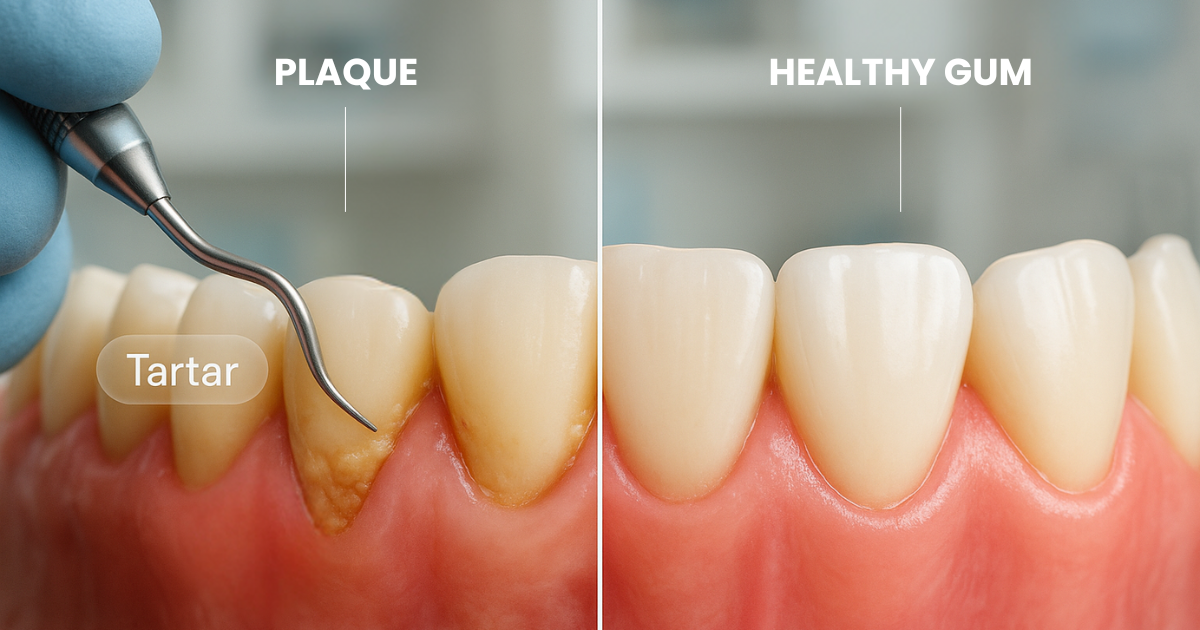
The mouth harbors hundreds of types of bacteria, some beneficial and others harmful. When harmful bacteria multiply and form colonies, they create a sticky film called plaque that adheres to teeth. Within just 24-72 hours, this plaque begins to harden into tartar (calculus)—a mineralized substance that can only be removed professionally. Left untreated, these deposits become the perfect environment for disease-causing bacteria to thrive.
What Dental Prophylaxis Actually Removes From Your Teeth
Professional teeth cleaning targets both the visible and hidden dangers in your mouth. During the procedure, our hygienists remove accumulated plaque, which is the soft, sticky bacterial film that constantly forms on teeth. They also eliminate hardened tartar deposits that have calcified onto tooth surfaces, particularly in areas below the gumline where your toothbrush can’t reach. Additionally, the cleaning addresses surface stains from coffee, tea, tobacco, and other substances that dull your smile over time.
The process thoroughly cleans the periodontal pockets—small spaces between your teeth and gums that can harbor bacteria and lead to inflammation if not properly maintained. By clearing these areas, we significantly reduce your risk of developing periodontal disease and its associated complications.
How Regular Cleanings Stop Gum Disease Before It Starts
Gum disease develops in stages, beginning with gingivitis, characterized by red, swollen, and bleeding gums. At this early stage, the condition is completely reversible with professional cleaning and improved home care. Without intervention, however, gingivitis progresses to periodontitis, where bacteria destroy the supporting structures of your teeth, potentially leading to tooth loss.
Professional cleanings interrupt this disease progression by removing the bacterial colonies and creating an environment where your gums can heal. For those already showing signs of gum problems, more frequent cleanings can help manage the condition and prevent it from advancing to more serious stages.
The American Academy of Periodontology recognizes regular professional cleanings as one of the most effective ways to prevent periodontal disease. By maintaining a consistent cleaning schedule, you’re not just preserving your smile – you’re protecting your overall health.
Professional Cleaning vs. At-Home Brushing: The Critical Differences
Your daily oral hygiene routine is essential, but even perfect brushing and flossing cannot replace professional cleaning. Home care primarily manages plaque on accessible tooth surfaces, while professional cleaning addresses areas beyond your reach and removes substances your toothbrush simply cannot tackle.
Think of it this way: home care is like regularly dusting and vacuuming your house, while professional cleaning is the deep clean that gets into all the corners and removes the accumulated grime that regular maintenance misses. Both are necessary for optimal results.
Why Even Perfect Brushing Can’t Replace Professional Cleaning
Even with meticulous brushing twice daily and consistent flossing, certain oral health challenges remain beyond your reach. Once plaque hardens into tartar, no amount of brushing can remove it—specialized dental instruments are required. Additionally, professional cleaning provides a thorough assessment of your oral health that you cannot perform yourself, potentially catching issues before they become problematic.
The specialized tools used during professional cleaning reach places your toothbrush and floss cannot access effectively. These instruments are designed to clean below the gumline and between teeth with precision that home care products cannot match. Furthermore, the training and expertise of dental professionals allow them to identify and address problem areas that might go unnoticed during your regular routine.
Areas Your Toothbrush Simply Cannot Reach
Your mouth contains numerous hard-to-reach areas where plaque and bacteria accumulate despite diligent home care. The deep pockets between teeth and gums, particularly in the back of the mouth, remain largely inaccessible to standard toothbrushes. Anatomical variations like crowded teeth, dental restorations, and natural grooves in molars create additional hiding spots for bacteria. These areas require professional attention with specialized instruments designed specifically for these challenging regions.
Additionally, the bacterial composition in these hidden areas differs from what’s found on exposed tooth surfaces. These protected colonies can produce more aggressive toxins that accelerate gum inflammation and tissue damage. Only through professional intervention can these bacterial strongholds be effectively disrupted and removed.
What Happens During Your Professional Teeth Cleaning
Professional teeth cleaning at Sound Surgical Arts follows a systematic approach to ensure comprehensive care. Our periodontal specialists use advanced techniques to thoroughly assess and clean your entire oral cavity, addressing both visible concerns and potential hidden issues. The process typically takes 45-60 minutes and includes several key components designed to maximize your oral health outcomes.
Each step builds upon the previous one, creating a thorough cleaning experience that not only addresses current conditions but also helps prevent future problems. Our approach is both therapeutic and educational, ensuring you leave with a healthier mouth and the knowledge to maintain it.
1. Comprehensive Oral Examination
Before the cleaning begins, we conduct a thorough examination of your entire oral cavity. This includes checking for signs of gum disease, tooth decay, damaged restorations, and oral cancer screening. We also measure the depth of periodontal pockets—the spaces between your teeth and gums – to assess gum health and identify areas requiring special attention. These measurements serve as baselines for tracking your oral health over time and help determine whether you need standard prophylaxis or more intensive periodontal treatment.
Digital imaging may be taken when necessary to provide a more detailed view of areas that cannot be visually inspected. This examination phase is crucial for creating a personalized treatment approach that addresses your specific needs and concerns. For more information on dental services, visit Sound Surgical Arts.
2. Removal of Plaque and Tartar
Using specialized instruments called scalers and curettes, our hygienists meticulously remove plaque and tartar deposits from all tooth surfaces. This process, called scaling, focuses particularly on the areas along and just below the gumline where bacteria thrive. For patients with deeper periodontal pockets or significant buildup, we may utilize ultrasonic scalers that use water and vibration to gently dislodge more stubborn deposits while being more comfortable for patients.
Each tooth is carefully treated individually, ensuring no areas are missed. This meticulous approach is time-consuming but essential for effectively disrupting bacterial colonies and creating an environment where gums can heal and remain healthy.
3. Expert Polishing and Stain Removal
Following scaling, we polish your teeth using a special paste and rotary instrument. This polishing step removes minor stains and creates a smooth tooth surface that makes it more difficult for new plaque to adhere. The process leaves your teeth feeling incredibly clean and looking noticeably brighter. For more significant staining, we may recommend additional cosmetic procedures, but the standard polishing significantly improves the appearance of most smiles.
We may also apply fluoride treatment to strengthen enamel and provide additional protection against decay, particularly for patients with higher cavity risk factors. This professional-strength fluoride creates a temporary protective barrier while being absorbed into your enamel.
4. Personalized Oral Health Recommendations
The cleaning concludes with personalized recommendations for improving your at-home care routine. Based on observations during your cleaning, our specialists identify areas where your current routine may be falling short and suggest specific techniques or products to enhance your daily oral hygiene. These might include recommendations for specialized toothbrushes, interdental cleaners, or adjustments to your brushing technique. We may also discuss dietary factors affecting your oral health and provide guidance on reducing habits that contribute to staining or decay.
Who Needs Special Cleaning Attention
While regular professional cleanings benefit everyone, certain conditions require specialized approaches and more frequent care. At Sound Surgical Arts, we recognize that oral health needs vary significantly between individuals and tailor our cleaning protocols accordingly.
Our specialized periodontal team is particularly equipped to handle complex cases that general dentists might refer out. We employ advanced techniques and technologies specifically designed for patients with special oral health challenges.
Patients with Periodontal (Gum) Disease
For patients with active periodontal disease, standard cleaning is insufficient. These cases require a more intensive procedure called scaling and root planing (deep cleaning) that addresses bacteria beneath the gumline and smooths root surfaces to promote healing and gum reattachment. Following initial treatment, these patients typically need more frequent maintenance visits every 3-4 months rather than the standard six-month interval. Our periodontal specialists monitor disease progression carefully, measuring pocket depths and checking for bleeding to ensure the condition is properly managed. Without this specialized care, periodontal disease continues to progress silently, eventually leading to tooth loss and potentially impacting systemic health.
Patients with Braces or Orthodontic Appliances
Orthodontic appliances create numerous additional surfaces where plaque and food particles can accumulate, significantly increasing the risk of decay and gum inflammation. Professional cleaning for these patients requires specialized techniques to clean around brackets, wires, and bands without disrupting the orthodontic treatment. We use modified instruments and approaches specifically designed for cleaning around orthodontic appliances. Additionally, we provide customized home care instructions for navigating the challenges of maintaining oral hygiene during orthodontic treatment, including recommendations for specialized cleaning tools like proxy brushes and water flossers that can reach areas standard toothbrushes cannot access.
Dental Implant Maintenance Requirements
Dental implants require special maintenance protocols to ensure their longevity and prevent peri-implantitis – an inflammatory condition affecting the tissues surrounding implants. Unlike natural teeth, implants connect to bone through osseointegration rather than periodontal ligaments, creating different cleaning needs. Our hygienists use specialized instruments made of materials that won’t scratch or damage implant surfaces while effectively removing bacterial buildup. Regular professional maintenance of implants is crucial for preserving bone support and preventing complications that could lead to implant failure. At Sound Surgical Arts, our periodontal expertise makes us particularly qualified to provide appropriate implant maintenance that extends the life of these significant investments.
Regular Prophylaxis vs. Periodontal Maintenance
Understanding the difference between standard cleaning (prophylaxis) and periodontal maintenance is crucial for patients with a history of gum disease. While both procedures clean teeth professionally, they differ significantly in scope, technique, and frequency.
Prophylaxis is preventative care for patients with generally healthy gums, focusing primarily on removing plaque, tartar, and stains from tooth surfaces. Periodontal maintenance, however, is a therapeutic treatment for patients who have been treated for periodontal disease and need ongoing care to prevent recurrence.
How to Know Which Treatment You Need
The type of cleaning you require depends on your periodontal health status, which we determine through clinical examination. Key indicators include the depth of periodontal pockets (spaces between teeth and gums), presence of bleeding during probing, bone loss visible on X-rays, and history of previous periodontal therapy. Generally, pocket depths of 1-3mm with minimal bleeding indicate healthy tissue appropriate for standard prophylaxis, while deeper pockets, persistent bleeding, or history of periodontal disease necessitate periodontal maintenance.
It’s important to understand that once you’ve had periodontal disease, you remain susceptible to recurrence even after successful treatment. This ongoing vulnerability is why periodontal maintenance becomes a lifelong component of your oral healthcare routine.
- Prophylaxis: Preventive cleaning for healthy gums; typically recommended every 6 months
- Periodontal Maintenance: Therapeutic cleaning for treated gum disease; typically needed every 3-4 months
- Scaling and Root Planing: Initial treatment for active periodontal disease; precedes ongoing maintenance
- Full-Mouth Debridement: Preliminary cleaning for excessive buildup before more detailed treatment
- Localized Antimicrobial Therapy: May be incorporated into periodontal maintenance for stubborn areas
The distinction between these treatment types is important not just clinically but also for insurance purposes, as coverage may vary depending on whether the procedure is classified as preventative or therapeutic. Our team can help you understand your specific needs and navigate insurance considerations.
Why Periodontal Maintenance Requires More Frequent Visits
The 3-4 month interval commonly recommended for periodontal maintenance isn’t arbitrary—it’s based on scientific understanding of bacterial recolonization patterns. Research shows that harmful bacterial colonies begin to reestablish themselves in periodontal pockets approximately 90 days after professional cleaning. By scheduling maintenance at this interval, we can disrupt bacterial activity before it causes new damage to your periodontal tissues.
Additionally, patients with a history of periodontal disease typically have deeper pocket structures that are more difficult to clean at home, even with excellent technique. These anatomical changes create environments where bacteria can multiply more rapidly and cause damage more quickly than in healthy mouths. The more frequent professional intervention helps compensate for these challenging conditions.
For patients who have invested in periodontal treatment, maintaining this schedule is crucial for protecting that investment. Studies consistently show that patients who adhere to recommended maintenance intervals experience significantly better long-term outcomes and retain more teeth than those who stretch their appointments beyond the recommended timeframe.
The Whole-Body Health Benefits of Clean Teeth
The importance of professional teeth cleaning extends far beyond your mouth. Mounting scientific evidence confirms strong connections between oral health and numerous systemic conditions. The mouth serves as a gateway to the body, and bacterial infections in oral tissues can spread through the bloodstream to affect distant organs and systems.
This oral-systemic connection highlights why professional cleaning should be viewed not merely as a cosmetic procedure but as an essential component of your overall preventive healthcare strategy. By maintaining excellent oral health, you’re supporting your body’s broader wellness goals.
Connection Between Oral Health and Heart Disease
Research has established significant links between periodontal disease and cardiovascular conditions. The same inflammatory processes that damage gum tissue can affect arterial walls, potentially contributing to atherosclerosis (hardening of the arteries). Studies have found that people with periodontal disease have a 2- to 3 times higher risk of experiencing a heart attack, stroke, or other serious cardiovascular event.
The connection appears to involve several mechanisms, including direct bacterial invasion of arterial tissues and systemic inflammation triggered by oral bacteria. Periodontal pathogens have been identified in arterial plaque samples, suggesting they may directly contribute to vessel narrowing. By maintaining excellent oral health through regular professional cleanings, you may be taking an important step toward protecting your cardiovascular system.
How Gum Health Affects Diabetes Management
The relationship between diabetes and periodontal disease represents one of the strongest oral-systemic connections currently understood. These conditions have a bidirectional relationship—diabetes increases susceptibility to periodontal disease, while periodontal inflammation makes blood glucose control more difficult. For people with diabetes, untreated periodontal disease can increase the risk of diabetic complications and make the condition more difficult to manage.
Professional cleanings play a crucial role in this relationship. Studies have shown that treating periodontal disease can lead to measurable improvements in glycemic control, with some patients experiencing reductions in HbA1c levels (a measure of long-term blood glucose control). This improvement occurs because reducing oral inflammation decreases insulin resistance and improves the body’s ability to regulate blood sugar.
Why Choose a Periodontist for Your Dental Cleaning
- Specialized training in gum health and disease management
- Advanced diagnostic capabilities for early problem detection
- Expertise in treating complex cases and preventing recurrence
- Comprehensive approach addressing both symptoms and underlying causes
- Access to advanced treatment options not available in general practices
While general dentists provide excellent routine care, periodontists offer specialized expertise specifically focused on gum health. As periodontists, we’ve completed years of additional training beyond dental school, focusing exclusively on the structures that support your teeth and the complex microbiology of oral disease. This specialized knowledge allows us to detect subtle changes that might indicate developing problems long before they become obvious.
At Sound Surgical Arts, our periodontal team brings this advanced expertise to every cleaning appointment. We’re not just cleaning teeth—we’re comprehensively evaluating your periodontal health and intervening at the earliest signs of trouble. For patients with existing periodontal issues or complex dental situations, this specialized approach can make a significant difference in long-term outcomes.
Many patients benefit from alternating between their general dentist and our periodontal practice for cleaning appointments. This collaborative approach ensures you receive comprehensive care addressing all aspects of your oral health while providing additional monitoring of your periodontal condition.
Advanced Training in Gum Health
Periodontists undergo an additional three years of specialized training beyond dental school, focusing specifically on the prevention, diagnosis, and treatment of periodontal disease. This extensive education includes advanced study of periodontal anatomy, microbiology, immunology, and wound healing, creating a depth of knowledge that allows for more nuanced treatment approaches. Our specialists stay current with the latest research through continuing education, ensuring that our patients benefit from the most up-to-date techniques and protocols.
This specialized training becomes particularly valuable when dealing with complex cases or persistent periodontal issues that haven’t responded to standard approaches. Our periodontists can identify subtle patterns that might indicate developing problems and implement targeted interventions before significant damage occurs. For patients with a history of periodontal disease, this expertise can be crucial in preventing recurrence and protecting previous treatment investments.
Beyond technical knowledge, our periodontal specialists develop a clinical sensitivity that allows them to detect problems through tactile feedback during examinations, feeling subtle changes in tissue consistency or root surface texture that might indicate developing issues. This combination of advanced knowledge and refined clinical skills creates a level of care specifically optimized for long-term periodontal health.
Specialized Equipment for Better Results
Our periodontal practice utilizes advanced technologies specifically designed for optimal periodontal outcomes. These include high-magnification visualization systems that allow us to see minute details invisible to the naked eye, advanced ultrasonic cleaning devices that remove deposits more thoroughly while being gentler on tissues, and specialized hand instruments designed for accessing difficult areas around tooth roots. We also employ digital imaging systems that detect bone changes earlier than conventional methods, allowing for more timely intervention.
Additionally, we offer advanced diagnostic testing when appropriate, including bacterial DNA analysis that can identify specific pathogens contributing to periodontal issues. This targeted approach allows us to customize treatment protocols based on your unique oral microbiome rather than using a one-size-fits-all approach. The combination of specialized equipment and advanced diagnostics creates cleaning experiences that are both more comfortable and more effective than what many patients have previously experienced.
Early Detection of Periodontal Issues
- Comprehensive periodontal charting at every maintenance visit
- Digital radiography for early detection of bone changes
- Bleeding index measurements to identify active inflammation
- Assessment of mobility and migration patterns
- Evaluation of recession progression and attachment loss
One of the most valuable aspects of receiving cleaning from a periodontal practice is the emphasis on early detection. Periodontal disease often progresses silently, with minimal symptoms until significant damage has occurred. Our specialized training allows us to identify subtle changes that might indicate developing problems long before they become obvious or symptomatic.
During each maintenance visit, we perform comprehensive periodontal charting—measuring the depth of the space between your teeth and gums at six points around each tooth. Increases in these measurements over time can indicate active disease, even before other symptoms appear. We also assess bleeding patterns, which often provide the earliest indication of developing inflammation before visible changes occur.
This proactive approach to detection means problems can be addressed when they’re minor, often requiring less invasive treatment. For many patients, this early intervention means the difference between simple, non-surgical approaches and more complex procedures. The value of this preventive philosophy extends beyond oral health, potentially impacting your overall wellness and healthcare costs.
Our comprehensive approach includes monitoring for non-periodontal issues as well. During cleaning appointments, we perform oral cancer screenings, evaluate existing restorations for signs of failure, and assess your bite for indications of grinding or clenching that might damage teeth over time. This holistic perspective ensures that all aspects of your oral health receive appropriate attention.
Schedule Your Professional Teeth Cleaning in Tacoma, Gig Harbor, or Vashon Island
Taking the next step toward optimal oral health is simple. Contact Sound Surgical Arts today at 253-565-4700 to schedule your professional teeth cleaning appointment at any of our three convenient locations. Our friendly staff will help determine whether you need regular prophylaxis or periodontal maintenance and find an appointment time that works with your schedule.
Frequently Asked Questions
Here are answers to some common questions our patients ask about professional teeth cleaning. If you have additional questions not covered here, please don’t hesitate to contact our office directly.
How often should I get my teeth professionally cleaned?
For patients with healthy gums, we typically recommend professional cleaning every six months. This interval allows us to remove buildup before it causes significant problems while monitoring for any changes in your oral health. However, this schedule may not be appropriate for everyone.
If you have a history of periodontal disease, have certain risk factors like smoking or diabetes, or show signs of accelerated plaque formation, we may recommend more frequent cleanings—typically every three to four months. These recommendations are personalized based on your specific oral health needs and risk factors, not arbitrary guidelines.
Will my dental insurance cover professional cleanings?
Most dental insurance plans cover preventive cleanings (prophylaxis) twice per year at 100%. Coverage for periodontal maintenance may differ, with many plans covering this at 80% after deductibles, though frequency limitations vary by provider. Our administrative team can help verify your specific coverage and explain any out-of-pocket costs before your appointment.
Is teeth cleaning painful?
Professional teeth cleaning should cause minimal discomfort. For patients with healthy gums, the process is typically painless, though you may experience slight sensitivity during certain phases. Our hygienists use gentle techniques and can adjust their approach based on your comfort level.
For patients with gum inflammation or those who haven’t had a cleaning in a long time, there may be more sensitivity during the procedure. In these cases, we can use topical anesthetics or break the cleaning into multiple appointments to ensure your comfort. We prioritize creating a positive experience and will work with you to address any concerns about discomfort.
What’s the difference between regular cleaning and deep cleaning?
Regular cleaning (prophylaxis) focuses on removing plaque and tartar from the tooth surfaces and just slightly below the gumline in healthy tissues. Deep cleaning (scaling and root planing) is a more intensive procedure that addresses bacteria and deposits within deeper periodontal pockets, including detailed cleaning of root surfaces. Deep cleaning is a therapeutic procedure for active periodontal disease, while regular cleaning is preventative maintenance for healthy mouths.
How long does a professional teeth cleaning take?
A standard prophylaxis appointment typically takes 45-60 minutes, though this can vary based on individual needs. Factors affecting appointment length include the amount of buildup present, time since your last cleaning, and whether additional procedures like X-rays or comprehensive examinations are included.
Periodontal maintenance appointments may require additional time—usually 60-75 minutes—to properly address deeper pocket structures and ensure thorough biofilm disruption. For patients requiring extensive care or those with high anxiety, we can arrange shorter, more frequent appointments to improve comfort while still achieving optimal results.