
Guided Bone & Tissue Regeneration
Key Takeaways: Restoring Your Smile’s Foundation
- Guided bone and tissue regeneration can save endangered teeth and create the necessary foundation for successful dental implant placement.
- This advanced periodontal procedure addresses bone loss caused by gum disease by encouraging your body to regrow lost bone and tissue naturally.
- Unlike traditional gum surgery, which only removes infected tissue, regenerative procedures actively rebuild lost oral structures.
- Recovery typically takes 6-9 months for complete bone regeneration, but the long-term benefits include preserved teeth and restored jaw structure.
- Sound Surgical Arts provides specialized guided bone and tissue regeneration services across Tacoma, Gig Harbor, and Vashon, WA, with advanced techniques for optimal results.
When periodontal disease progresses, or teeth are lost, your jawbone can deteriorate, creating pockets of degenerated bone that threaten your oral health. Guided bone and tissue regeneration offers a sophisticated solution to this common but serious problem. At Sound Surgical Arts, we provide this advanced procedure to help patients throughout Tacoma, Gig Harbor, and Vashon, Washington, restore their oral health and create a stable foundation for both natural teeth and dental implants.
Modern regenerative techniques have revolutionized how we approach bone loss in the jaw. Rather than simply cleaning infected areas, these procedures actively stimulate your body’s natural healing processes to rebuild what was lost. The result is stronger support for endangered teeth and proper structural integrity for dental implant placement—all while maintaining the natural aesthetics of your smile.
How Guided Bone & Tissue Regeneration Saves Teeth and Enables Implants
Bone loss in the jaw creates a cascading effect of oral health problems. As periodontal disease progresses, the supporting structures around teeth begin to deteriorate, leading to tooth mobility and eventually tooth loss. Additionally, when teeth are missing, the surrounding bone no longer receives stimulation from chewing forces, causing it to resorb over time. Guided bone and tissue regeneration addresses these issues by creating an environment where new bone can form, effectively reversing damage that was once considered permanent.
What This Advanced Procedure Actually Does
- Cleans infected tissue from bone pockets created by periodontal disease
- Places specialized membranes that prevent fast-growing gum tissue from invading the bone space
- Introduces bone graft material to serve as a scaffold for new bone growth
- Stimulates your body’s natural regenerative processes to rebuild lost bone volume
- Creates the necessary foundation for dental implants or stabilizes endangered natural teeth
The name “guided” refers to the critical membrane component that directs where healing occurs. This barrier membrane prevents soft tissue from growing into the bone defect, allowing slower-growing bone cells to populate the area. Think of it as creating a protected space where only bone is allowed to develop. Without this guidance, soft tissue would fill the space first, preventing proper bone regeneration.
Why It’s Better Than Traditional Gum Surgery
Traditional periodontal surgery focused primarily on removing infected tissue and smoothing irregular bone—cleaning up the damage but not reversing it. While effective at halting disease progression, these approaches couldn’t restore what was lost. Guided regeneration takes treatment a crucial step further by actively rebuilding bone and tissue that had deteriorated. This represents a fundamental shift from damage control to actual restoration of oral structures. The end result is stronger support for teeth, better aesthetics, and improved long-term prognosis compared to traditional surgical approaches that simply prevented further deterioration.
When You Might Need Bone Regeneration Treatment
Several clinical situations may indicate the need for guided bone and tissue regeneration. Recognizing these scenarios early can lead to more successful outcomes and preserve your natural teeth whenever possible.
Signs of Periodontal Disease Requiring Regenerative Care
Advanced periodontal disease often creates distinct bone defects around teeth that can benefit from regenerative therapy. Warning signs include increasing tooth mobility, gum recession, exposed tooth roots, widening spaces between teeth, or persistent deep periodontal pockets despite previous treatments. During your comprehensive evaluation at Sound Surgical Arts, we’ll assess pocket depths, bone loss patterns on X-rays, and tooth stability to determine if regeneration could help save teeth that might otherwise require extraction. Early intervention typically yields better results, so seeking evaluation at the first sign of these symptoms is strongly recommended.
Preparing for Dental Implants with Insufficient Bone
When teeth have been missing for some time, the surrounding jawbone often shrinks in both height and width. This natural process, called resorption, can make implant placement difficult or impossible without first rebuilding adequate bone volume. For successful implant integration, you need sufficient bone to surround and support the titanium implant fixture. Guided bone regeneration creates this foundation by adding bone width and height where needed.
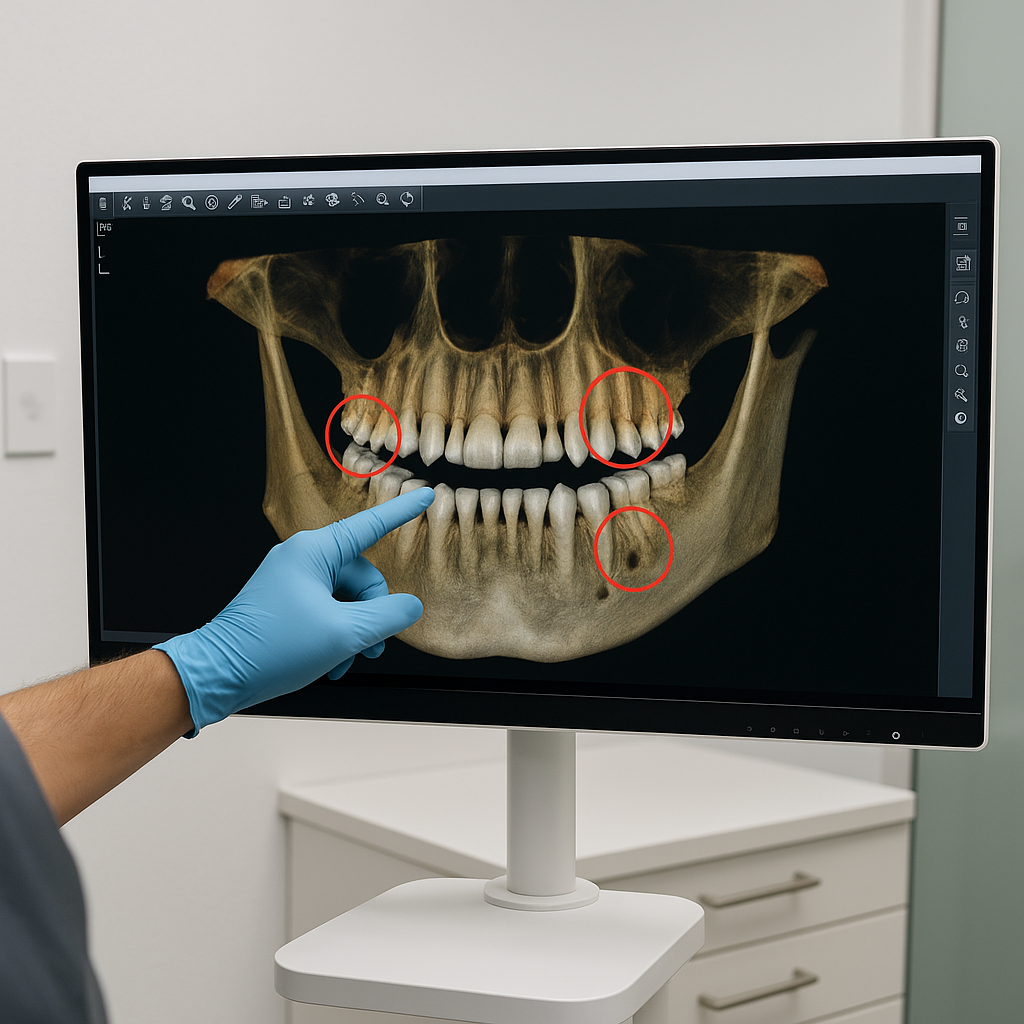
Implant specialists at Sound Surgical Arts will evaluate your jaw using advanced 3D imaging to determine exactly how much regeneration is needed. In some cases, we can perform bone grafting simultaneously with implant placement, while more substantial defects may require a staged approach with a healing time between regeneration and implant surgery. This precise planning ensures optimal implant positioning for both function and aesthetics.
After Tooth Extraction to Preserve Your Jaw Structure
The time immediately following tooth extraction represents a critical window for preserving bone structure. Within the first year after extraction, up to 40% of the surrounding bone width can be lost without intervention. Socket preservation—a specialized form of guided bone regeneration—can be performed at the time of extraction to minimize this loss. By placing bone graft material and sometimes a protective membrane in the socket immediately after tooth removal, we can maintain the bone dimensions needed for future implant placement or simply preserve jaw integrity.
This proactive approach is particularly important in the aesthetic zone, where bone loss can affect facial appearance and make future restoration more challenging. Patients planning future implants should always discuss preservation options at the time of extraction rather than waiting until bone loss has already occurred.
The Step-by-Step Regeneration Process
Understanding what happens during guided bone and tissue regeneration can help reduce anxiety about the procedure. While techniques may vary based on your specific needs, most regenerative procedures follow a similar sequence designed to create optimal conditions for healing and bone formation.
1. Comprehensive Evaluation and Treatment Planning
Before any surgical intervention, we conduct a thorough examination, including clinical assessment, digital radiographs, and often 3D cone beam CT imaging to evaluate bone architecture. This detailed analysis allows us to identify the exact location and dimensions of bone defects, determine appropriate graft materials, and plan the surgical approach. We’ll discuss your treatment options and expected outcomes and answer any questions you might have about the procedure.
This planning phase also includes reviewing your medical history and current medications and discussing any factors that could affect healing. Patients with uncontrolled diabetes, those taking certain medications, or smokers may need additional considerations to optimize outcomes.
2. The Actual Surgical Procedure
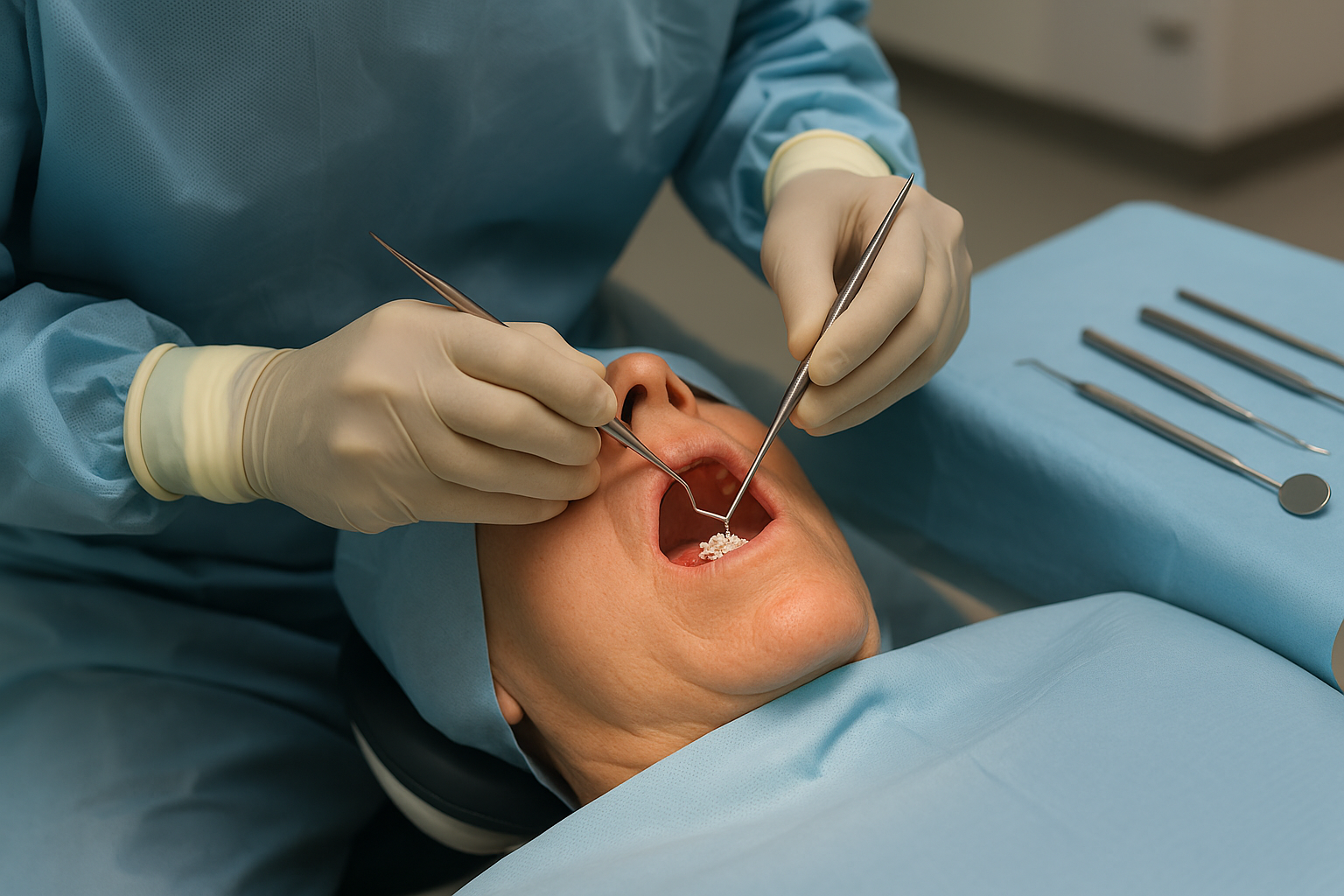
On the day of surgery, we’ll ensure your comfort with appropriate anesthesia, typically local anesthesia, though sedation options are available for anxious patients. Once you’re comfortable, the procedure begins with a small incision in the gum tissue to access the bone defect. Any infected tissue is thoroughly removed, and the bone surface is prepared to receive the graft material.
Next, carefully selected bone graft material is placed in the defect to serve as a scaffold. A specialized membrane is positioned over the graft site to prevent faster-growing gum tissue from entering the area where bone should form. Some membranes naturally dissolve over time, while others may require a brief follow-up procedure for removal. Finally, the gum tissue is secured over the site with small sutures to protect the healing area. Learn more about guided bone and tissue regeneration at Sound Surgical Arts.
Most guided bone regeneration procedures take between 45 and 90 minutes, depending on the extent of the defect and whether other procedures are performed simultaneously. Many patients are surprised by how straightforward the experience is compared to their expectations.
3. Recovery Timeline and What to Expect
Immediately after surgery, you’ll likely experience some swelling and minor discomfort for 3-7 days. We’ll provide detailed post-operative instructions and appropriate pain management to keep you comfortable. Most patients can return to work and normal activities within 1-3 days, though strenuous exercise should be avoided for about a week.
Initial soft tissue healing occurs within the first two weeks, but the bone regeneration process takes considerably longer. The membrane typically protects the graft material for 4-6 weeks while early bone formation begins. Full maturation of the regenerated bone generally requires 4-9 months, depending on the size of the defect and the type of graft material used. During this healing period, we’ll schedule check-up appointments to monitor your progress and ensure proper healing.
4. How New Bone Forms Over Time
Bone regeneration follows a fascinating biological sequence. Initially, the graft material serves primarily as a scaffold—a physical structure that holds space and provides surface area for bone-forming cells to attach. Within weeks, specialized cells called osteoblasts begin depositing new bone matrix around and between the graft particles. As healing progresses, your body gradually resorbs the graft material and replaces it with your own living bone tissue.
This transformation from graft material to living bone is called “creeping substitution” and happens gradually over several months. The final result is an integrated, functional bone that’s virtually indistinguishable from your natural bone. While the complete process takes time, this patience is rewarded with truly regenerated tissue rather than just a temporary space-filler.
Materials Used in Modern Regenerative Procedures
The science behind guided bone and tissue regeneration has advanced significantly in recent years, with a variety of sophisticated materials now available. Each serves a specific purpose in the regeneration process, and selection depends on your specific clinical situation.
Bone Graft Materials: Where They Come From
Modern regenerative procedures utilize several types of bone graft materials, each with distinct advantages. Autografts—bone harvested from elsewhere in your own body—provide the gold standard in terms of biological properties but require a second surgical site. Allografts, carefully processed bone from human tissue donors, eliminate the need for a second surgical site while still providing an excellent scaffold for your cells. Xenografts derived from bovine or porcine sources offer excellent volume stability and are thoroughly processed to remove all organic components, leaving only the mineral structure.
For some patients, synthetic bone substitutes made from calcium phosphate compounds provide another excellent option. These materials closely mimic natural bone mineral and gradually dissolve as your body replaces them with natural bone. At Sound Surgical Arts, we select the most appropriate material or combination of materials based on your specific clinical needs, ensuring optimal results for your situation.
Specialized Membranes That Guide Healing
The membrane component is crucial to successful regeneration, as it prevents fast-growing soft tissue from invading the space needed for bone development. Resorbable collagen membranes naturally dissolve over a predetermined timeframe, typically 4-8 weeks, providing the necessary protection during critical early healing without requiring a second procedure for removal. Non-resorbable membranes made from medical-grade expanded polytetrafluoroethylene (e-PTFE) or titanium-reinforced materials offer superior space maintenance for larger defects but do require a minor procedure for removal after healing.
The selection of membrane type depends on multiple factors, including the size and location of the defect, expected healing time, and whether the membrane will be exposed in the mouth during healing. Our specialists will recommend the appropriate type based on your specific clinical situation.
Growth Factors That Speed Up Recovery
Emerging technologies have introduced biological growth factors that can accelerate and enhance the regeneration process. Platelet-rich fibrin (PRF) or platelet-rich plasma (PRP) derived from a small sample of your own blood contains concentrated growth factors that stimulate healing. These autologous preparations can be combined with graft materials to improve results. More advanced options include recombinant human bone morphogenetic proteins (rhBMPs) that directly stimulate bone-forming cells, though these are typically reserved for more challenging cases.
- Platelet concentrates enhance early vascularization and cell recruitment
- Growth factors accelerate the natural healing cascade
- Specialized proteins provide signaling cues to direct cell activity
- Combined approaches often yield superior results compared to grafting alone
Benefits That Make Regeneration Worth It
Guided bone and tissue regeneration represents a significant investment in your oral health, but the benefits extend far beyond the immediate procedure. Understanding these advantages helps explain why this approach has become standard care for addressing bone loss.
Tooth Preservation: Avoiding Extractions
Perhaps the most compelling benefit of regenerative procedures is the ability to save teeth that might otherwise require extraction. When periodontal disease causes bone loss around teeth, regeneration can rebuild the supporting structures, stabilizing teeth and extending their functional lifespan by years or even decades. This preservation of natural teeth maintains better chewing function, prevents the complications associated with missing teeth, and avoids the need for more extensive prosthetic replacements.
Preserving natural teeth through regeneration also maintains the normal stimulation of surrounding bone, preventing the accelerated bone loss that typically follows extraction. This proactive approach addresses not just the immediate problem but also helps protect your long-term oral health.
Creating a Strong Foundation for Dental Implants
When teeth are already missing, guided bone regeneration creates the necessary foundation for successful implant placement. Dental implants require adequate bone volume in all dimensions to achieve proper positioning, stability, and long-term integration. Through regenerative procedures, even patients who were previously told they “don’t have enough bone for implants” can often become candidates for this optimal tooth replacement option.
The regenerated bone provides the critical support implants need to withstand years of chewing forces while maintaining proper alignment with adjacent teeth. This strong foundation ensures not just initial implant success but long-term stability and function that can last a lifetime with proper care.
Improved Aesthetics and Gum Appearance
Beyond the functional benefits, guided tissue regeneration often significantly improves the appearance of your smile. Receding gums that expose tooth roots can make teeth appear unnaturally long, while collapsed areas where teeth are missing can create visible depressions in the jaw. Regenerative procedures restore the natural contours of both bone and gum tissue, creating a more youthful, healthy appearance.
This aesthetic improvement is particularly important in the visible areas of your smile, where even minor tissue deficiencies can be noticeable. By restoring natural tissue architecture, regeneration helps create results that look entirely natural rather than obviously “repaired.”
Recovery and Aftercare for Optimal Results
The success of guided bone and tissue regeneration depends not just on the surgical procedure itself but on proper aftercare during the healing period. Following post-operative instructions carefully maximizes your chances for optimal regeneration.
What to Do (and Not Do) After Your Procedure
Protecting the surgical site during initial healing is crucial for success. You’ll need to follow a soft food diet for the first week and avoid chewing in the treatment area. Gentle rinsing with prescribed antimicrobial mouthwash helps control bacteria without disturbing the healing tissues. Most importantly, you must absolutely avoid smoking or using tobacco products as these significantly impair healing and can cause regeneration failure. We also recommend avoiding strenuous physical activity for the first 5-7 days to prevent bleeding and excessive swelling.
Good oral hygiene remains essential, though you’ll need to modify your technique around the surgical site. We’ll provide specific instructions for cleaning the area gently while protecting the healing tissues. Typically, this involves careful brushing of non-surgical areas and rinsing rather than brushing over the regeneration site initially.
Managing Any Discomfort
Most patients experience moderate discomfort for the first 24-72 hours after regenerative procedures. This can usually be managed effectively with prescribed or over-the-counter pain medications. Cold compresses applied to the outside of your face for 20 minutes at a time during the first 24 hours help reduce swelling and discomfort. Some swelling is normal and typically peaks around the third day before gradually subsiding.
Minor bleeding or oozing may occur during the first day and is not cause for concern. If bleeding persists or pain becomes severe, contact our office promptly for additional guidance. Most patients are pleasantly surprised by how manageable recovery is compared to their expectations.
Follow-Up Care Schedule
Your follow-up schedule will be tailored to your specific procedure and healing progress. Typically, we’ll see you for a brief check at one week to evaluate initial healing and possibly remove sutures if they aren’t self-dissolving. Additional follow-up appointments occur at one month, three months, and six months to monitor the regeneration process. These visits allow us to ensure healing is progressing as expected and make any necessary adjustments to your care plan.
Why Choose Sound Surgical Arts for Your Procedure
Guided bone and tissue regeneration requires specialized training, experience, and technological resources to achieve optimal results. At Sound Surgical Arts, we combine all these elements to provide exceptional care for patients throughout Tacoma, Gig Harbor, and Vashon, Washington. Our focus on regenerative procedures has established us as leaders in this sophisticated field of dental care.
Our Specialists’ Advanced Training
Our periodontal specialists have completed years of advanced training beyond dental school, focusing specifically on procedures that address gum disease and bone regeneration. This specialized education includes extensive hands-on experience with the latest regenerative techniques and materials. Each of our doctors maintains current knowledge through ongoing continuing education, ensuring that we incorporate the most effective, evidence-based approaches to regeneration.
This depth of expertise allows us to handle even complex regenerative cases with confidence, creating predictable results where general practitioners might struggle. For procedures that directly impact your long-term oral health, this specialized knowledge makes a significant difference in outcomes.
- Board-certified periodontists with specialized training in tissue regeneration
- Extensive experience with complex cases requiring sophisticated approaches
- Ongoing education in the latest regenerative techniques and materials
- Comprehensive understanding of the biological principles behind successful regeneration
Our commitment to excellence extends beyond technical skills to include a patient-centered approach that prioritizes your comfort, understanding, and long-term satisfaction with treatment outcomes.
Technology That Improves Your Results
Successful regeneration depends not just on surgical skill but on precise diagnosis and planning. We invest in advanced technology including 3D cone beam CT imaging that allows us to visualize bone defects in extraordinary detail before treatment begins. This precision imaging helps us plan the exact approach needed for your specific situation, improving predictability and outcomes. During procedures, we utilize magnification and specialized instruments designed specifically for delicate regenerative techniques, ensuring meticulous execution of your treatment plan.
Convenient Locations Across Puget Sound
With office locations serving Tacoma, Gig Harbor, and Vashon, we make specialized regenerative care accessible throughout the Puget Sound region. Each location maintains the same high standards of care and offers the full range of regenerative procedures. This regional presence means you can access specialized care close to home, making the treatment process more convenient without sacrificing quality.
Getting Started With Your Treatment
The first step toward addressing bone loss through guided regeneration is a comprehensive evaluation at Sound Surgical Arts. During this initial consultation, we’ll assess your current condition, discuss your goals, and determine whether regenerative procedures would benefit you. We’ll explain the recommended approach in detail, including expected outcomes, timeline, and investment. This no-pressure consultation provides all the information you need to make an informed decision about proceeding with treatment.
Frequently Asked Questions
Patients considering guided bone and tissue regeneration often have similar questions about the procedure. Here are answers to some of the most common inquiries we receive.
Is guided bone regeneration painful?
Most patients report minimal discomfort during the procedure itself, thanks to effective local anesthesia and optional sedation. Post-operative discomfort is typically moderate and well-managed with prescribed pain medications. Many patients compare the recovery to that of a tooth extraction—noticeable but not severe. By following post-operative instructions carefully, most people find the recovery process quite manageable.
How long until I can get my dental implant after regeneration?
The waiting period between bone regeneration and implant placement depends on several factors, including the extent of regeneration needed and the specific materials used. Typically, smaller regenerative procedures may allow implant placement in as little as 3-4 months, while more substantial bone augmentation may require 6-9 months of healing before implant surgery. In some cases where only minor regeneration is needed, implants can be placed simultaneously with the regenerative procedure. Your specific timeline will be established during treatment planning based on your individual situation.
Will insurance cover my guided tissue regeneration?
Many dental insurance plans provide some coverage for regenerative procedures, particularly when performed to treat periodontal disease. Coverage for regeneration related to implant preparation varies more widely between plans. Our experienced administrative team will verify your benefits before treatment and provide a clear estimate of your coverage and out-of-pocket costs. For patients without insurance or with limited coverage, we offer financing options to make treatment more accessible.
What’s the success rate for this procedure?
Guided bone and tissue regeneration has excellent success rates when performed by specialists with proper training and experience. For periodontal applications, successful regeneration occurs in approximately 85-95% of cases. For pre-implant bone augmentation, success rates typically range from 80-90% depending on the location and extent of regeneration needed. Factors that can affect success include smoking (which significantly reduces success rates), uncontrolled diabetes, and poor oral hygiene. During your consultation, we’ll discuss any factors that might affect your individual prognosis.
Can I drive myself home after the procedure?
If your procedure is performed using only local anesthesia, you can safely drive yourself home afterward. However, if you choose oral sedation or IV sedation for additional comfort, you will need someone to drive you home and stay with you for several hours after the procedure. We’ll discuss these considerations during your pre-operative consultation so you can plan accordingly.
Guided bone and tissue regeneration represents one of the most significant advances in modern dentistry, offering solutions for bone loss that simply weren’t available a generation ago. By recreating the necessary foundation for natural teeth and dental implants, these sophisticated procedures help preserve oral function and aesthetics for years to come.
If you’re facing challenges with bone loss, periodontal disease, or preparing for dental implants, the specialists at Sound Surgical Arts can help determine whether regenerative procedures might benefit you. With locations serving Tacoma, Gig Harbor, and Vashon, we make advanced regenerative care accessible throughout the Puget Sound region.
Contact Sound Surgical Arts today to schedule your consultation and discover how guided bone and tissue regeneration might help restore your oral health and create a foundation for your smile that lasts a lifetime.