
Perioscope Treatment
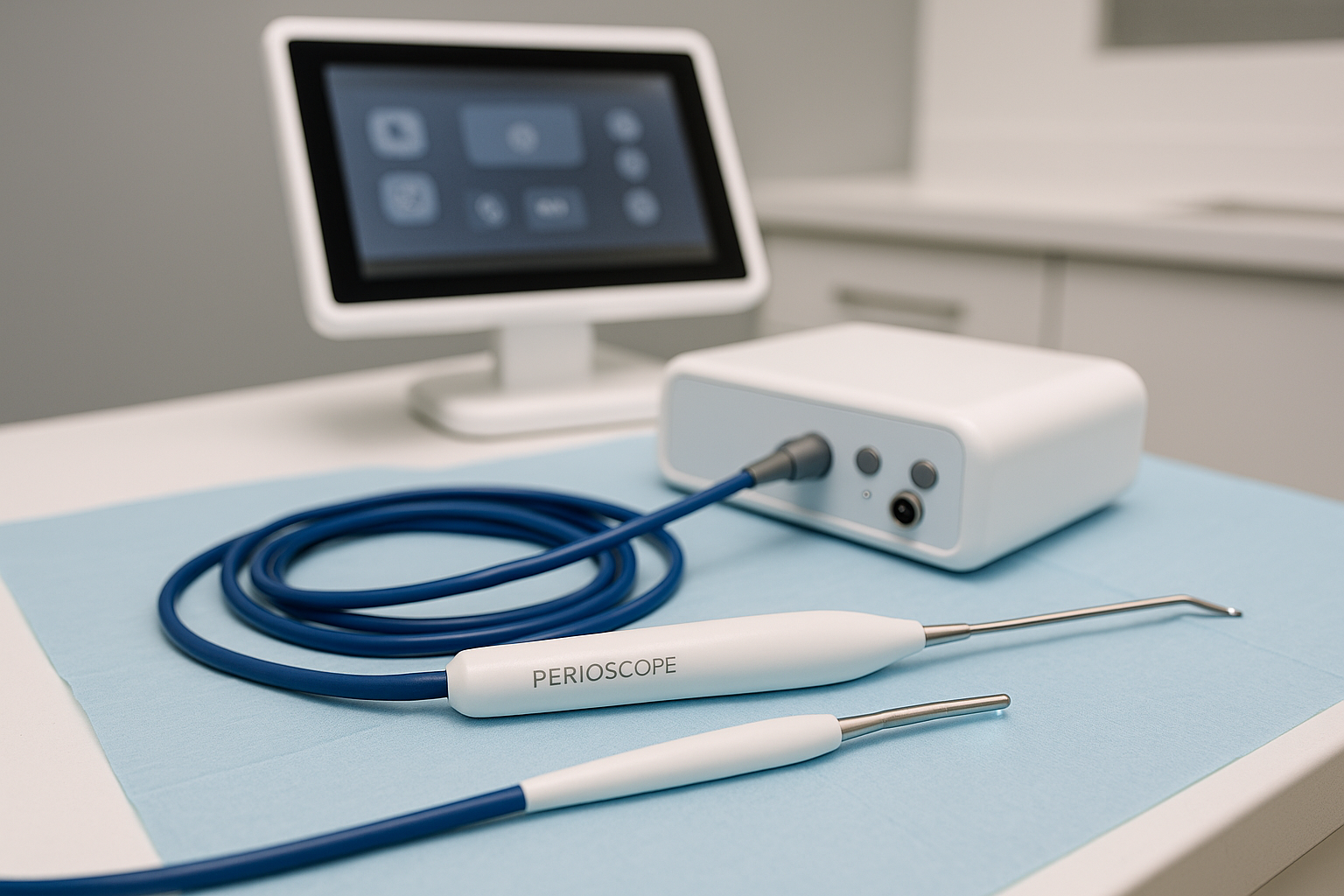
The Perioscope
Key Takeaways: Advanced Gum Disease Treatment Without Surgery
- Perioscopic gum treatment uses dental endoscope technology to treat periodontal disease without surgical cutting or stitches
- This minimally invasive approach provides real-time visualization of root surfaces, allowing for more thorough cleaning than traditional methods
- Patients experience faster recovery, minimal discomfort, and potentially avoid more invasive periodontal surgery
- Sound Surgical Arts offers specialized perioscopic treatment at their Tacoma, Gig Harbor, and Vashon Island locations
- Long-term tooth preservation improves with perioscopic treatment’s ability to remove disease-causing bacteria that traditional methods might miss
Revolutionary Gum Disease Treatment Without Cutting or Stitches
Gum disease affects millions of Americans, often progressing silently until significant damage has occurred. However, treatment no longer requires invasive surgery and requires lengthy recovery periods. Periodontic gum disease treatment represents a breakthrough approach that’s changing lives throughout the Puget Sound region. This minimally invasive technique allows periodontists at Sound Surgical Arts to effectively treat moderate to severe periodontal disease without the cutting and stitching associated with traditional gum surgery.
Using state-of-the-art dental endoscope technology, our specialists can see below the gumline with remarkable clarity, targeting disease-causing bacteria and calculus deposits that traditional treatments might miss. The result? More effective treatment, faster healing, and better long-term outcomes for your dental health. For patients in Tacoma, Gig Harbor, and Vashon Island seeking advanced periodontal care with minimal discomfort, perioscopic treatment offers a welcome alternative to conventional surgical approaches.
What Is Perioscopic Treatment and How Does It Work?
Perioscopic treatment represents a revolutionary approach to addressing periodontal disease using advanced visualization technology. Unlike traditional methods that rely on the practitioner’s tactile sense and experience, perioscopy allows direct observation of the areas beneath your gumline where disease-causing bacteria hide. This minimally invasive procedure combines the thoroughness of deep cleaning with the precision of microscopic visualization to deliver superior results without surgical intervention.
The Dental Endoscope Technology Explained
At the heart of perioscopic treatment is the dental endoscope—a tiny fiber-optic camera specially designed for periodontal use. This miniature camera, typically less than a millimeter in diameter, is gently inserted into the periodontal pockets surrounding your teeth. The endoscope connects to a high-definition monitor, magnifying the root surface up to 48 times its actual size. This revolutionary technology illuminates areas that have traditionally remained invisible to the naked eye, allowing your periodontist to see exactly where treatment is needed rather than working blindly beneath the gumline.
How the Perioscope Reveals Hidden Gum Disease
Periodontal disease thrives in the hidden pockets between your teeth and gums, making it challenging to treat effectively with conventional methods. The perioscope changes this dynamic completely by revealing the actual disease process in real-time. As the tiny camera moves along the root surface, it exposes bacterial biofilm, hardened calculus deposits, and areas of root damage that contribute to ongoing infection. This enhanced visibility allows your periodontist to identify the precise location and extent of disease, resulting in more targeted and effective treatment. The perioscope can detect problems that might be missed during traditional scaling and root planing, including calculus in deep pockets, root fractures, and anatomical irregularities that harbor bacteria.
Real-Time Visualization of Root Surfaces
Perhaps the most significant advantage of perioscopic treatment is the ability to see the root surfaces in real-time as they’re being cleaned. Your periodontist can observe the actual removal of bacterial deposits, ensuring complete cleaning of affected areas. This visual confirmation eliminates the guesswork involved in traditional non-surgical therapy, where practitioners must rely solely on tactile feedback. With perioscopy, your treatment provider can verify that all disease-causing deposits have been removed before concluding treatment, significantly improving the likelihood of successful outcomes and long-term gum health.
“The perioscope enables us to see what we’re treating with unprecedented clarity. It’s like having microscopic vision beneath the gumline, allowing us to be much more thorough and precise in eliminating the bacterial causes of periodontal disease.” – Periodontics Team at Sound Surgical Arts
5 Major Benefits of Choosing Perioscopic Therapy
Perioscopic therapy represents a significant advancement in periodontal treatment, offering numerous advantages over traditional approaches. Patients throughout Tacoma, Gig Harbor, and Vashon Island are discovering how this innovative treatment can effectively address gum disease while minimizing discomfort and recovery time. The benefits of choosing perioscopic therapy extend beyond the treatment itself, potentially changing the trajectory of your long-term oral health.
1. No Incisions or Surgical Trauma
Unlike conventional periodontal surgery, which requires cutting the gums to access root surfaces, perioscopic treatment is completely non-surgical. The tiny endoscope slips gently into existing periodontal pockets, eliminating the need for incisions, sutures, or surgical flaps. This non-invasive approach significantly reduces trauma to your gum tissues, preserving their natural architecture and attachment to your teeth. Without surgical wounds to heal, you’ll experience minimal post-procedure swelling, bleeding, or discomfort. This makes perioscopic treatment particularly valuable for patients with medical conditions that might complicate surgical healing, such as diabetes or those taking blood-thinning medications.
2. More Thorough Cleaning Than Traditional Methods
Traditional scaling and root planing relies heavily on tactile feedback, with dental professionals using their sense of touch to detect and remove calculus deposits. Perioscopic treatment revolutionizes this approach by providing direct visual confirmation of cleaning effectiveness. The high-magnification camera allows practitioners to see microscopic deposits that fingers simply cannot feel, ensuring a more complete removal of disease-causing bacteria and calculus. Studies have shown that perioscopic therapy can remove up to 90% more bacterial deposits compared to traditional non-surgical methods, particularly in deep pockets where tactile cleaning is most challenging.
3. Faster Recovery and Minimal Discomfort
Without surgical cutting and stitching, perioscopic treatment dramatically reduces recovery time and post-procedure discomfort. Most patients return to normal activities immediately following treatment, experiencing only minor sensitivity that typically resolves within 24-48 hours. This contrasts sharply with traditional periodontal surgery, which often requires several days of recovery and pain management. The non-invasive nature of perioscopy also means less post-treatment bleeding and a significantly reduced risk of infection. Many patients are pleasantly surprised by how comfortable they feel both during and after perioscopic therapy.
4. Potential to Avoid Periodontal Surgery
For many patients with moderate to advanced periodontal disease, perioscopic treatment offers a realistic alternative to surgical intervention. By enabling more thorough cleaning of root surfaces and periodontal pockets, perioscopy can effectively resolve many cases that would traditionally require surgery. This treatment option bridges the gap between standard scaling and root planing and more invasive surgical approaches. Clinical studies indicate that approximately 80% of patients who would otherwise require periodontal surgery can be successfully treated with perioscopic therapy, preserving gum tissue and avoiding surgical trauma altogether.
5. Better Long-Term Tooth Preservation
The ultimate goal of periodontal treatment is to save your natural teeth, and perioscopic therapy excels in this regard. By thoroughly removing the bacterial cause of gum disease while preserving the natural attachment of gums to teeth, perioscopy creates optimal conditions for healing and regeneration. The enhanced visualization allows practitioners to identify and address problems that might otherwise go undetected until significant damage occurs. Regular perioscopic maintenance has been shown to slow or halt periodontal disease progression more effectively than traditional methods, helping patients maintain their natural teeth for years longer than might otherwise be possible.
Your Perioscopic Treatment Experience at Sound Surgical Arts
Understanding what to expect during perioscopic treatment can help ease any anxiety about the procedure. At Sound Surgical Arts, we’ve designed our perioscopic therapy process to be comfortable, efficient, and effective. Our specialized periodontists combine advanced technology with gentle techniques to provide an exceptional treatment experience. From your initial consultation through your follow-up care, you’ll receive personalized attention that addresses your specific periodontal needs while prioritizing your comfort and convenience.
What Happens During Your Appointment
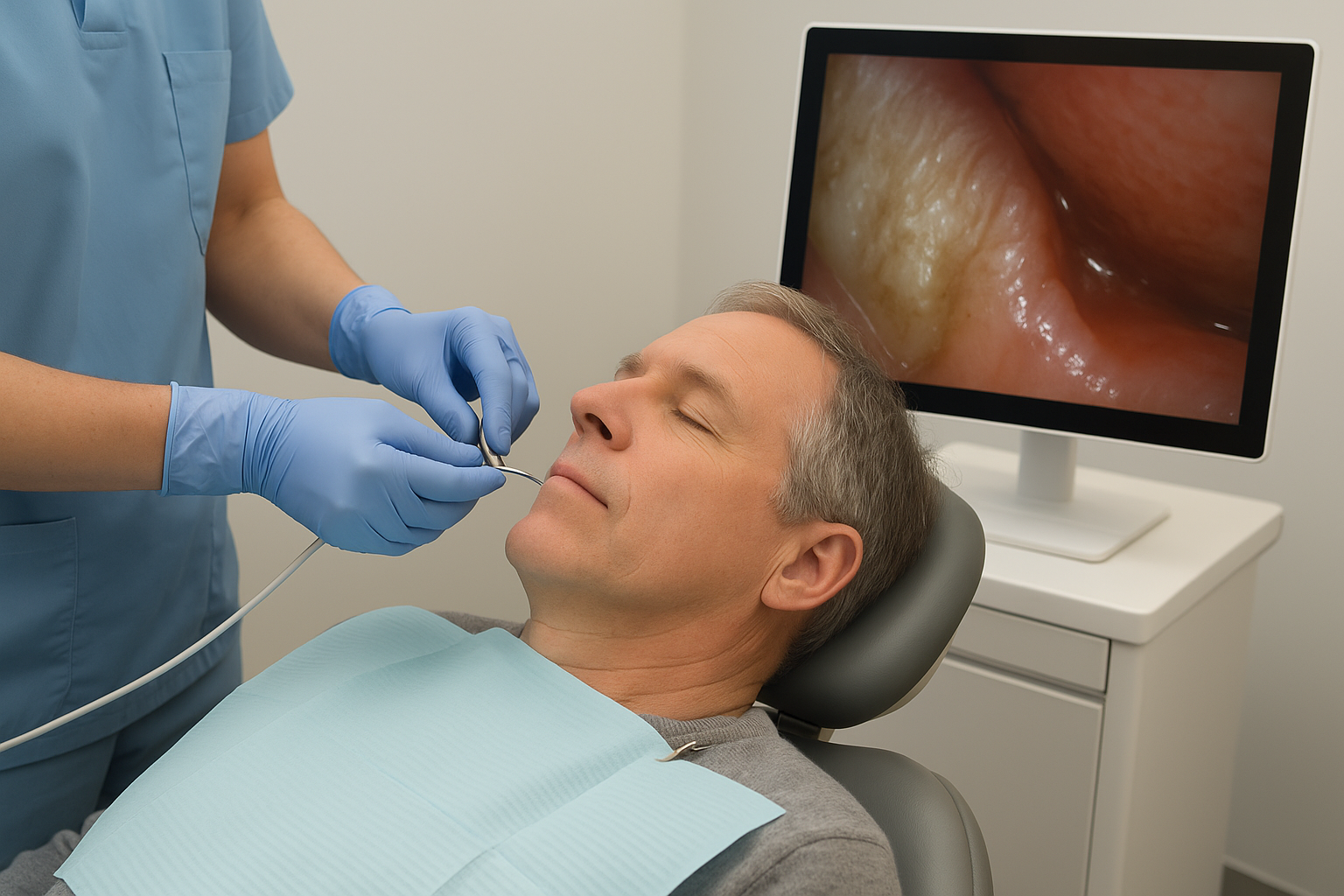
Your perioscopic treatment appointment begins with a comprehensive review of your oral health history and previous periodontal treatments. Our periodontist will then explain the procedure in detail, answering any questions you might have about the process or expected outcomes. During the actual treatment, you’ll be comfortably positioned in one of our state-of-the-art treatment chairs while the area is gently numbed to ensure your comfort. The periodontist will carefully insert the tiny perioscope into the periodontal pockets around affected teeth, projecting magnified images onto a monitor that both you and the treatment team can view. As bacterial deposits are identified, specialized instruments are used to clean the root surfaces meticulously under direct visualization. The entire procedure typically takes between 1-2 hours, depending on the number of teeth being treated, with many patients expressing surprise at how quickly and comfortably the appointment progresses.
Comfort Measures and Pain Management
Your comfort is our priority during perioscopic treatment. Prior to beginning, we apply a topical anesthetic to the gum tissue, followed by a gentle local anesthetic to ensure you remain comfortable throughout the procedure. Many patients report feeling only mild pressure during treatment, with no pain. Our treatment rooms are equipped with amenities like noise-canceling headphones, warm blankets, and supportive neck pillows to enhance your comfort during the appointment. For patients with dental anxiety, we offer additional sedation options ranging from nitrous oxide to oral conscious sedation, allowing you to relax completely during your treatment.
After your procedure, you’ll receive detailed aftercare instructions and prescription-strength anti-inflammatory rinses to minimize any potential discomfort. Most patients require only over-the-counter pain relievers, if any, following perioscopic treatment. Our team will schedule a brief follow-up call the day after your procedure to check on your comfort and address any questions that may arise during the initial healing period.
- Pre-treatment numbing ensures complete comfort during the procedure
- Treatment typically lasts 1-2 hours, depending on the number of teeth treated
- Recovery is minimal, with most patients resuming normal activities immediately
- Follow-up appointments monitor healing and maintenance needs
- Specialized oral hygiene instructions help maintain treatment results
Throughout your treatment journey, our dedicated periodontal team remains available to address any concerns or questions. We pride ourselves on creating a supportive, educational environment where patients feel empowered in their oral health decisions. Your successful outcome depends not only on our technical expertise but also on your understanding of the treatment process and participation in follow-up care.
Who Benefits Most from Perioscopic Gum Treatment?
While perioscopic therapy offers advantages for many patients with periodontal disease, certain individuals may particularly benefit from this advanced approach. Understanding whether you’re an ideal candidate for perioscopic treatment can help you make informed decisions about your periodontal care. Our periodontists at Sound Surgical Arts conduct thorough evaluations to determine which treatment approach will best address your specific condition and meet your personal preferences.
Signs Your Gum Disease Needs Advanced Treatment
Recognizing when your periodontal condition requires more than routine cleaning is essential for preventing irreversible damage to your teeth and supporting structures. Persistent bleeding when brushing or flossing often signals active gum inflammation that needs professional attention. Deepening periodontal pockets measuring 5mm or greater indicate progressing disease that standard cleaning may not adequately address. If you’ve noticed increasing tooth sensitivity, receding gums, or teeth that feel loose or have shifted position, these symptoms suggest advanced periodontal disease that could benefit from perioscopic intervention.
Patients who have undergone traditional scaling and root planing without significant improvement are particularly good candidates for perioscopic treatment. This technology often serves as an effective “rescue” therapy when conventional approaches have failed to resolve infection and inflammation. Additionally, those with areas of difficult access—such as furcations (where roots divide), deep pockets, or anatomical irregularities—stand to gain substantial benefits from the enhanced visualization and precision that perioscopy provides.
Patients Who Want to Avoid Traditional Surgery
Many patients seek perioscopic treatment specifically to avoid the more invasive nature of traditional periodontal surgery. If you’ve been told you need gum surgery but are concerned about recovery time, discomfort, or aesthetic changes to your gumline, perioscopy offers a compelling alternative. This approach is particularly valuable for individuals with busy schedules who cannot accommodate extended recovery periods. Patients with dental anxiety or previous negative experiences with dental procedures often find perioscopic treatment far less intimidating than conventional surgery, making it easier to proceed with necessary care.
Medical considerations may also make perioscopic treatment preferable for certain patients. Those taking anticoagulant medications, who have compromised immune systems, or who live with conditions like diabetes that can complicate surgical healing, often benefit from this minimally invasive approach. The reduced trauma and lower risk of bleeding and infection make perioscopic therapy a safer option for medically complex cases. Additionally, older adults or those with multiple health conditions who might not be ideal candidates for more invasive surgery can often successfully undergo perioscopic treatment with excellent results.
Perioscopic vs. Traditional Gum Surgery: The Critical Differences
When comparing perioscopic therapy to traditional periodontal surgery, several key differences stand out that impact both the treatment experience and outcomes. Traditional surgery typically involves making incisions in the gum tissue to create flaps that are folded back, exposing the roots and bone for cleaning and possible recontouring. This approach requires sutures to close the surgical site and creates a wound that needs several weeks to fully heal. In contrast, perioscopic treatment accesses the diseased areas through the natural space between the tooth and gum, eliminating the need for cutting, flap creation, or stitches.
Recovery experiences differ dramatically between the two approaches. Traditional surgery often results in significant swelling, discomfort, and dietary restrictions for 1-2 weeks, with complete healing taking up to a month. Perioscopic patients typically experience minimal swelling, manageable sensitivity that resolves within days, and few dietary limitations. While traditional surgery sometimes leads to increased tooth sensitivity and gum recession due to tissue removal, perioscopic treatment preserves natural gum architecture and attachment, resulting in less post-treatment sensitivity and improved aesthetics.
The treatment environments also contrast significantly. Traditional surgery is often performed in surgical suites with more extensive anesthesia requirements, while perioscopic therapy can be completed in standard treatment rooms with lighter anesthesia. This difference translates to reduced anxiety for many patients and eliminates concerns about post-anesthesia recovery. For appropriate cases, perioscopic treatment delivers comparable or superior results to traditional surgery with substantially less intervention and disruption to your daily life.
Results You Can Expect After Perioscopic Treatment
Setting realistic expectations for your perioscopic treatment outcomes helps ensure satisfaction with your care experience. While individual results vary based on disease severity, oral hygiene practices, and overall health factors, most patients experience significant improvements following perioscopic therapy. Understanding both the immediate effects and long-term benefits can help you recognize the signs of successful treatment and maintain your improved periodontal health.
Immediate Post-Treatment Effects
In the days immediately following perioscopic treatment, you’ll likely notice several positive changes in your oral health. Gum inflammation typically begins subsiding within 48-72 hours, with noticeably reduced redness and swelling around treated teeth. Bleeding during brushing and flossing, a common symptom of active periodontal disease, often decreases significantly or resolves completely within the first week. Many patients report that their mouth feels remarkably cleaner, with diminished bad breath and a fresher taste. Some degree of tooth sensitivity to temperature or pressure is normal during this initial period, but typically resolves quickly as the gums begin healing and reattaching to the newly cleaned root surfaces.
Long-Term Gum Health Improvements
The most significant benefits of perioscopic treatment emerge in the weeks and months following your procedure. Periodontal pocket depths typically reduce by 2-3mm on average, indicating successful healing and reattachment of gum tissue to tooth roots. This tissue reattachment helps stabilize teeth that may have felt loose prior to treatment. Clinical studies show that approximately 80% of patients maintain these improvements for 5+ years with proper maintenance. Beyond the measurable clinical improvements, patients commonly report subjective benefits including increased confidence in their smile, greater comfort when eating, and reduced dental anxiety knowing their condition is under control.
Maintaining Your Results
The success of perioscopic treatment depends significantly on your post-procedure care routine. Most patients require a personalized maintenance schedule involving professional cleanings every 3-4 months to prevent recolonization of harmful bacteria. Daily home care becomes even more crucial after treatment, with specific techniques and tools recommended based on your unique oral anatomy. Interdental cleaning with brushes or water flossers, antimicrobial mouth rinses, and high-quality electric toothbrushes often form the foundation of an effective maintenance program. For optimal long-term results, our team provides detailed guidance on these maintenance practices and regularly reassesses your periodontal health to catch and address any concerns before they develop into serious problems.
Why Choose Sound Surgical Arts for Perioscopic Treatment
Selecting the right provider for your periodontal care significantly impacts your treatment experience and outcomes. Sound Surgical Arts has established itself as a leader in advanced periodontal treatments throughout the Puget Sound region. Our practice combines cutting-edge technology with compassionate, patient-centered care to deliver exceptional results. We’ve invested in the latest perioscopic equipment and extensive training to ensure our patients receive the highest standard of periodontal therapy available in Washington state.
Our Specialized Periodontal Expertise
The periodontists at Sound Surgical Arts bring specialized training and extensive experience specifically focused on gum disease treatment. Beyond standard dental education, our specialists have completed additional years of advanced periodontal training, including specific certification in perioscopic techniques. This specialized knowledge allows our team to address even the most complex periodontal cases with confidence and precision. Our practitioners regularly participate in continuing education to stay current with the latest advances in periodontal treatment, ensuring our patients benefit from the most effective, evidence-based approaches available.
Convenient Locations Serving the Puget Sound Area
We understand that receiving specialized periodontal care shouldn’t require lengthy travel or complicated logistics. Sound Surgical Arts provides perioscopic treatment at three convenient locations throughout the Puget Sound region: Tacoma, Gig Harbor, and Vashon Island. Each office is equipped with identical advanced technology and maintains the same exceptional standards of care. Our multiple locations offer flexible scheduling options, including some evening appointments to accommodate busy work schedules. The practice has established relationships with most major insurance providers and offers various payment options to make advanced periodontal care as accessible as possible for our community.
Schedule Your Perioscopic Consultation Today
Taking the first step toward healthier gums and preservation of your natural teeth is just a phone call away. Our friendly scheduling team can help you arrange an initial consultation at the location most convenient for you. During this appointment, our periodontal specialists will evaluate your current gum health, discuss your treatment options, and determine whether perioscopic therapy is right for your specific condition. You’ll have the opportunity to ask questions, view educational materials about the procedure, and even see the perioscope technology firsthand.
Don’t let periodontal disease progress to the point of tooth loss or more invasive treatment needs. Contact Sound Surgical Arts today at 253-565-4700 for our Tacoma office, 253-851-0300 for Gig Harbor, or 253-564-1000 for Vashon Island to schedule your consultation. Your journey to optimal gum health and a confident smile starts with this simple step.
Frequently Asked Questions About Perioscopic Treatment
We understand that patients often have questions about perioscopic treatment, especially since this advanced approach is not yet available at all dental practices. Our team has compiled answers to the most common questions we receive. If you have additional concerns not addressed here, please don’t hesitate to contact our office directly for more information.
These frequently asked questions reflect the real concerns and inquiries we’ve received from patients considering perioscopic treatment. Our goal is to provide clear, honest information that helps you make confident decisions about your periodontal care.
Is perioscopic treatment painful?
Most patients report minimal discomfort during perioscopic treatment. The procedure is performed under local anesthesia to ensure your comfort, and the non-surgical nature means there’s significantly less post-procedure pain compared to traditional surgery. Typically, patients experience only mild sensitivity for 24-48 hours following treatment, which is easily managed with over-the-counter pain relievers. Many patients are pleasantly surprised by how comfortable the entire experience is, often returning to normal activities immediately after their appointment.
How many appointments will I need?
The number of appointments required depends on the extent of your periodontal disease and how many areas of your mouth need treatment. For most patients, perioscopic therapy is completed in 1-2 sessions, with each session lasting approximately 1-2 hours. More extensive cases might require treatment to be divided into quadrants, potentially resulting in 3-4 appointments. During your initial consultation, we’ll provide a personalized treatment plan outlining the exact number of appointments you’ll need based on your specific condition. Following active treatment, most patients transition to a maintenance schedule involving periodontal cleanings every 3-4 months to sustain the results.
Will my insurance cover perioscopic treatment?
Many dental insurance plans provide coverage for perioscopic treatment as a non-surgical periodontal therapy. Coverage typically ranges from 50-80% of the procedure cost after any applicable deductibles. Our office staff is experienced in working with insurance providers and will verify your benefits prior to treatment, providing you with a clear understanding of any out-of-pocket expenses. For patients without insurance coverage or those with significant out-of-pocket costs, we offer flexible payment plans and financing options through CareCredit to make treatment more accessible.
It’s worth noting that untreated periodontal disease often leads to more extensive and expensive treatments down the road, including potential tooth loss and replacement needs. Many patients find that investing in perioscopic treatment represents significant long-term savings by preserving natural teeth and preventing more costly procedures.
What’s the difference between perioscopy and laser gum treatment?
While both perioscopic and laser treatments are advanced alternatives to traditional surgery, they function quite differently. Perioscopic treatment uses a miniature camera to visualize diseased areas below the gumline, allowing for precise manual cleaning of root surfaces under direct observation. Laser therapy, by contrast, uses light energy to remove infected tissue and potentially stimulate reattachment of gums to tooth surfaces. Perioscopy excels at cleaning root surfaces while preserving healthy gum tissue, making it ideal for cases where thorough calculus removal is the primary goal. Your periodontist will recommend the most appropriate technology based on your specific condition, and in some cases, may suggest combining these approaches for optimal results.
How soon can I return to normal activities after treatment?
One of the major advantages of perioscopic treatment is the minimal recovery period. Most patients return to normal activities, including work or school, immediately following their appointment. Unlike traditional surgery, there are typically no activity restrictions after perioscopic therapy. Some patients experience mild gum sensitivity for 1-2 days, particularly to temperature extremes, but this rarely interferes with eating or speaking. We recommend avoiding extremely hot, spicy, or abrasive foods for 24 hours after treatment, but otherwise, you can maintain your normal routine. This quick return to daily activities makes perioscopic treatment particularly convenient for busy professionals or anyone who can’t accommodate extended downtime.
At Sound Surgical Arts, we’re committed to providing the most advanced periodontal care available in the Puget Sound region. Our perioscopic treatment offers a minimally invasive solution to gum disease that preserves your natural teeth and promotes long-term oral health.
Contact our team today to discover how perioscopic treatment can transform your periodontal health and protect your smile for years to come.