
Snoring & Sleep Apnea Treatment
Key Takeaways: Effective Snoring & Sleep Apnea Solutions in Puget Sound
- Obstructive sleep apnea causes oxygen deprivation that can lead to serious cardiovascular problems and chronic daytime fatigue if left untreated.
- Treatment options range from non-invasive oral appliances and CPAP therapy to advanced surgical procedures, all available at Sound Surgical Arts in Tacoma, Gig Harbor, and Vashon Island.
- Custom oral appliances provide an effective CPAP alternative for many patients, improving breathing without the discomfort of masks and tubes.
- A proper diagnosis through clinical evaluation and sleep studies is essential to determine the severity of your condition and the most appropriate treatment plan.
- Seeking treatment for sleep breathing disorders can dramatically improve your quality of life, relationships, and long-term health outcomes.
Struggling with chronic snoring or waking up gasping for breath? These aren’t just annoying sleep habits—they could be warning signs of a serious health condition. At Sound Surgical Arts, we provide comprehensive evaluation and treatment for sleep breathing disorders across Tacoma, Gig Harbor, and Vashon Island, helping patients breathe easier and sleep better.

Why Snoring Isn’t Just an Annoying Sound (And When to Get Help)
Snoring occurs when air can’t move freely through your nose and throat during sleep, causing the surrounding tissues to vibrate. While occasional snoring might be harmless, chronic loud snoring often signals an underlying problem. When snoring is accompanied by choking sounds, gasping, or periods of breathing cessation, it may indicate obstructive sleep apnea (OSA)—a potentially dangerous condition that requires professional intervention.
Beyond the relationship strain caused by keeping your partner awake, untreated snoring can gradually damage the soft tissues in your airway, making the problem progressively worse. This tissue inflammation creates a vicious cycle, increasing both the frequency and volume of snoring over time. Many patients come to Sound Surgical Arts after years of using ineffective over-the-counter remedies, unaware that professional treatment could resolve their issues entirely.
How Sleep Apnea Damages Your Body and Mind Every Night
Sleep apnea is far more serious than simple snoring. When obstructive sleep apnea occurs, the tongue is sucked against the back of the throat, completely blocking the upper airway. This blockage stops airflow entirely—you’re essentially not breathing. When oxygen levels in the brain drop low enough, your body forces a partial awakening, clearing the obstruction with a characteristic loud gasp or choking sound.
These breathing interruptions can happen dozens or even hundreds of times per night, though you may have no recollection of them. Each episode places tremendous stress on your cardiovascular system and fragments your sleep architecture, preventing the restorative deep sleep your body needs.
Without proper treatment, sleep apnea sufferers face a significantly higher risk of high blood pressure, heart disease, stroke, diabetes, and cognitive decline. The chronic sleep deprivation also leads to excessive daytime sleepiness, mood disorders, impaired concentration, and reduced quality of life.
The Immediate Effects of Oxygen Deprivation During Sleep
The moment your airway becomes obstructed during sleep, your body enters a state of physiological stress. Blood oxygen levels drop, heart rate increases, and stress hormones flood your system. This nightly oxygen deprivation triggers inflammation throughout the body and elevates blood pressure. Many patients report morning headaches, dry mouth, and a feeling of unrefreshing sleep—all direct consequences of these breathing disruptions.
Long-Term Health Consequences You Can’t Afford to Ignore
The cumulative damage from untreated sleep apnea can be devastating. Research shows that severe sleep apnea increases the risk of early death by up to 46%, primarily through cardiovascular complications. Beyond heart concerns, chronic sleep fragmentation impairs glucose metabolism, weakens immune function, and accelerates cognitive decline. Many patients also experience weight gain, as sleep deprivation disrupts hunger hormones and reduces energy for physical activity.
The good news? Effective treatment can reverse many of these effects. Studies show that proper sleep apnea management can reduce blood pressure, improve insulin sensitivity, enhance mood, and significantly reduce daytime fatigue. At Sound Surgical Arts, we’ve helped countless patients reclaim both their sleep quality and their overall health through customized treatment plans.
Diagnosing Your Sleep Breathing Problem
Accurate diagnosis is the critical first step toward effective treatment. Our specialists can assess your airway anatomy, evaluate your symptoms, and determine whether you’re experiencing primary snoring or true sleep apnea. While both conditions involve airway obstruction, their severity and treatment approaches differ significantly.
Signs That Separate Simple Snoring From Dangerous Sleep Apnea
Not all snoring indicates sleep apnea, but certain warning signs should prompt immediate evaluation. If your partner notices pauses in your breathing during sleep, or if you experience morning headaches, excessive daytime sleepiness, difficulty concentrating, or mood changes, these may signal sleep apnea rather than simple snoring. Gasping or choking during sleep, waking with a dry mouth or sore throat, and nighttime sweating are also common indicators of sleep apnea.
Advanced Airway Assessment Using CT Imaging
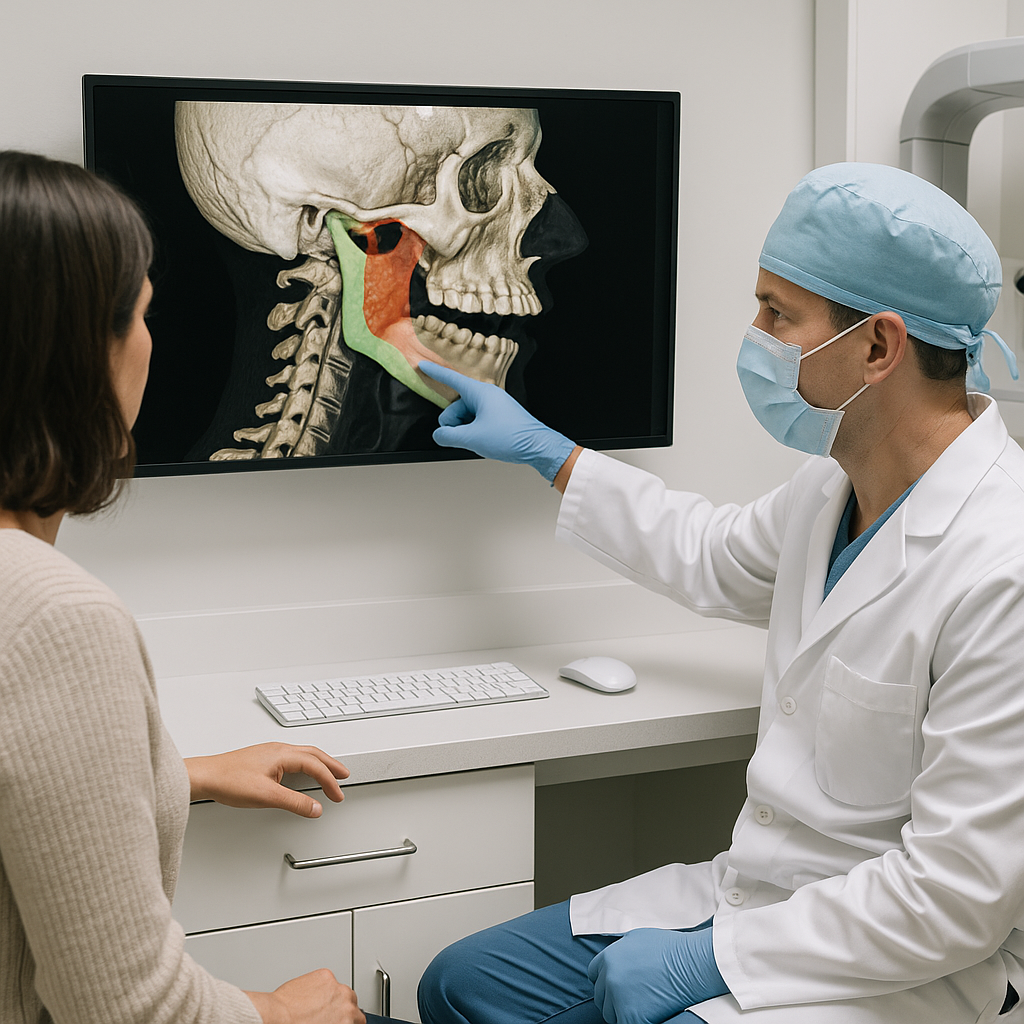
At Sound Surgical Arts, we utilize advanced imaging technology to visualize the precise location and extent of your airway obstruction. CT scanning allows us to create detailed 3D models of your airway anatomy, identifying exactly where tissue collapse occurs during sleep. This precision diagnostics helps us tailor treatment specifically to your unique anatomical structures, rather than using a one-size-fits-all approach. For patients with complex airway issues, this advanced visualization can mean the difference between partial improvement and complete resolution of sleep breathing problems.
Sleep Studies: What They Measure and Why They Matter
To confirm the severity of sleep disruption and evaluate your oxygen levels during sleep, we may recommend a polysomnogram (sleep study). This comprehensive overnight assessment measures brain waves, heart rate, breathing patterns, blood oxygen levels, and body movements. Modern sleep testing options include both in-lab studies and home sleep apnea tests, depending on your specific situation. The data collected allows us to objectively quantify the severity of your condition, from mild primary snoring to severe obstructive sleep apnea, and determine the most appropriate treatment pathway.
Sleep studies also provide valuable baseline measurements that help us assess treatment effectiveness later. Many patients are surprised to learn they experience dozens or even hundreds of breathing interruptions each night, despite having no conscious awareness of these events. This objective data often motivates many patients to pursue treatment seriously.
Non-Surgical Treatment Options in Tacoma, Gig Harbor & Vashon
For many patients with snoring or mild to moderate sleep apnea, non-surgical approaches can provide significant relief. These conservative treatments focus on maintaining airway patency without modifying tissue or bone structure. At Sound Surgical Arts, we offer several effective non-surgical options that can dramatically improve sleep quality and reduce health risks associated with sleep-disordered breathing.
Custom Oral Appliances: A CPAP Alternative That Actually Works
Oral appliance therapy uses custom-fitted devices worn during sleep to reposition the lower jaw, tongue, and soft palate, keeping the airway open. Unlike bulky CPAP machines with masks and hoses, these comfortable mouthpieces are easy to wear, silent, and portable. Our precision-crafted appliances are designed specifically for your mouth structure, ensuring optimal effectiveness and comfort. Many patients who couldn’t tolerate CPAP find that oral appliances provide comparable benefits without the discomfort and inconvenience, resulting in better long-term compliance and improved treatment outcomes.
Somnoplasty: Tightening the Soft Palate Without Major Surgery
Somnoplasty uses radiofrequency energy to tighten and reduce excess tissue in the soft palate and uvula. This minimally invasive procedure can be performed in our office under local anesthesia, with most patients returning to normal activities within a day. By creating controlled, precise tissue reduction, somnoplasty addresses one of the most common sources of airway vibration and obstruction without the significant recovery time associated with traditional surgery.
The procedure typically takes less than 30 minutes and causes minimal discomfort. Many patients notice improvement after a single treatment, though some may benefit from a series of sessions to achieve optimal results. Somnoplasty is particularly effective for primary snoring and mild sleep apnea, where soft palate issues are the primary concern.
Surgical Solutions for Severe Sleep Apnea
When non-surgical approaches don’t provide adequate relief, especially in cases of severe obstructive sleep apnea, surgical intervention may become necessary. At Sound Surgical Arts, our specialists have extensive experience with advanced surgical techniques designed to permanently address the anatomical causes of airway obstruction. These procedures can transform breathing patterns and eliminate the need for lifetime CPAP use in properly selected patients.
UPPP and LAUP: Reshaping the Throat for Better Breathing
Uvulopalatopharyngoplasty (UPPP) and Laser-Assisted Uvulopalatoplasty (LAUP) are surgical procedures that remove and reshape excess tissue in the throat to widen the airway. UPPP is the more extensive option, removing portions of the soft palate, uvula, and sometimes tonsils to create a permanently enlarged throat passage. LAUP achieves similar goals using laser technology, often with less recovery time. These procedures are particularly effective when obstruction occurs primarily in the soft palate region and can significantly reduce both snoring and sleep apnea episodes.
Maxillomandibular Advancement: When and Why Jaw Surgery Works Best
For patients with severe sleep apnea and specific jaw anatomy issues, maxillomandibular advancement surgery offers the highest success rate of any sleep apnea procedure. This operation repositions both the upper and lower jaws forward, effectively enlarging the entire airway passage. By moving the jaw bones and attached soft tissues forward, this procedure creates more space for breathing throughout the entire airway, not just at a single point of obstruction.
Although more involved than other treatments, maxillomandibular advancement has success rates approaching 90% for carefully selected patients. The procedure is performed under general anesthesia and typically requires a one to two-day hospital stay. Despite being more extensive, this surgery offers a permanent solution that eliminates the need for lifetime CPAP use or oral appliance wear.
Our surgical team utilizes advanced computer-aided surgical planning to precisely determine the optimal jaw positioning for each patient. This technology allows us to visualize the expected airway changes before surgery and ensures the most aesthetically pleasing facial proportions after repositioning.
- Higher success rates than any other surgical approach for severe sleep apnea
- Permanent solution that addresses the entire airway, not just one area
- Simultaneous improvement in facial aesthetics for many patients
- Elimination of lifetime dependence on CPAP or other devices
- Comprehensive improvement in sleep quality and oxygen levels
Recovery and Results: What to Expect After Sleep Apnea Surgery
Recovery time varies significantly depending on the specific procedure performed. Minimally invasive options like somnoplasty may only require a few days of modified activity, while more extensive surgeries like maxillomandibular advancement typically need 2-4 weeks for initial recovery. Our team provides comprehensive pre-operative counseling and post-operative support to ensure you know exactly what to expect during each phase of healing.
- Immediate post-surgery: Managing swelling, pain control, and dietary modifications
- Early recovery (1-2 weeks): Gradual return to normal activities and diet
- Complete healing (4-8 weeks): Final tissue settling and adaptation
- Long-term results: Follow-up sleep studies to document improvement
Insurance Coverage for Sleep Apnea Treatment in Washington
Navigating insurance coverage for sleep breathing disorders can be complex, but our experienced billing team at Sound Surgical Arts helps patients maximize their benefits. Understanding the financial aspects of treatment upfront allows you to focus on what matters most—improving your health and quality of life.
Medical vs. Dental Insurance: Navigating Coverage Options
Sleep apnea treatment often falls into a unique category that may involve both medical and dental insurance. CPAP therapy and surgical interventions are typically covered under medical insurance when deemed medically necessary. Oral appliances, while primarily treating a medical condition, are sometimes handled through dental insurance, though increasingly, medical plans are covering these devices with proper documentation.
Most insurance providers recognize obstructive sleep apnea as a serious medical condition warranting treatment. Coverage rates for procedures vary by plan, but many patients find that their out-of-pocket costs are significantly lower than expected. Washington state insurance regulations generally require coverage for sleep apnea treatment when properly diagnosed, though specific coverage levels depend on your individual plan.
Documentation Needed for Insurance Approval
Securing insurance approval typically requires specific documentation that our office helps coordinate. A formal sleep study (polysomnogram) report is the most critical component, objectively demonstrating the presence and severity of your sleep breathing disorder. Clinical evaluation notes, treatment recommendations from sleep specialists, and documentation of previous treatment attempts may also strengthen your case for coverage.
Our administrative team works directly with your insurance providers to obtain pre-authorizations, clarify benefits, and minimize unexpected expenses. For patients with high-deductible plans or procedures not fully covered by insurance, we offer flexible payment options to make treatment accessible regardless of financial circumstances.
Why Local Treatment Matters: Specialized Care in Puget Sound
Choosing a local provider for sleep breathing disorders offers significant advantages in both treatment quality and convenience. Our three locations in Tacoma, Gig Harbor, and Vashon Island make it easy for Puget Sound residents to access specialized care without extensive travel. The regional expertise of our team means we understand the specific needs and challenges facing our local community.
Our Multi-Disciplinary Approach to Sleep Breathing Disorders
At Sound Surgical Arts, we take a comprehensive approach to treating sleep breathing disorders that goes beyond simply addressing symptoms. Our team includes specialists in oral surgery, sleep medicine, and advanced dental techniques, allowing us to offer truly personalized care. This multi-disciplinary collaboration ensures that every aspect of your condition—from anatomical considerations to lifestyle factors—is thoroughly addressed in your treatment plan.
Our practitioners remain at the forefront of sleep medicine through ongoing education and implementation of the latest evidence-based techniques. Rather than limiting patients to a single treatment modality, we provide access to the full spectrum of options, from conservative approaches to advanced surgical solutions. This comprehensive approach allows us to match each patient with the specific intervention most likely to succeed for their unique situation.
Follow-Up Care: Ensuring Your Treatment Keeps Working
Effective treatment of sleep breathing disorders doesn’t end after the initial intervention. Our commitment to your health includes structured follow-up care to monitor progress, make necessary adjustments, and ensure long-term success. For patients using oral appliances, regular check-ups allow us to verify proper fit and function, extending the device’s effectiveness and lifespan. Surgical patients benefit from progressive evaluation of healing and airway improvement during the recovery period.
This ongoing relationship with our practice ensures that your treatment continues to meet your needs as your health status evolves. Many patients find that this consistent support significantly improves their treatment compliance and outcomes compared to disconnected care models. We often recommend periodic reassessment of sleep quality through follow-up sleep studies, providing objective confirmation of improvement and identifying any need for treatment modification.
Take Back Your Sleep and Your Health Today
Don’t let another night of disruptive breathing impact your health and quality of life. Sleep breathing disorders are highly treatable conditions, and the sooner you seek help, the sooner you can experience the profound benefits of proper treatment. From improved daytime energy and cognitive function to reduced risk of serious health complications, addressing your sleep breathing disorder can transform nearly every aspect of your well-being. Contact Sound Surgical Arts today to schedule your consultation at our Tacoma, Gig Harbor, or Vashon Island location and take the first step toward restful, restorative sleep.
Frequently Asked Questions
Patients often have questions about sleep breathing disorders and available treatments. We’ve compiled answers to some of the most common queries to help you better understand your condition and treatment options.
What’s the difference between primary snoring and obstructive sleep apnea?
Primary snoring involves the vibration of respiratory structures during sleep without significant airway obstruction. While it can be disruptive to bed partners, primary snoring doesn’t typically cause the oxygen desaturation or sleep fragmentation seen in sleep apnea. You may still breathe normally and maintain healthy oxygen levels while snoring.
Obstructive sleep apnea, by contrast, involves actual cessation of breathing due to complete airway collapse. These breathing pauses trigger physiological stress responses and disrupt normal sleep architecture. The key difference is that sleep apnea poses significant health risks due to repeated oxygen deprivation and sleep fragmentation, while primary snoring—though annoying—doesn’t typically threaten physical health in the same way.
Can I use an over-the-counter mouthguard instead of a custom oral appliance?
Over-the-counter mouthguards are not designed for treating sleep apnea and lack the precise positioning mechanisms found in professional oral appliances. These generic devices often fit poorly, causing jaw discomfort, excessive salivation, and potential dental issues with prolonged use. Most importantly, they typically fail to adequately advance the lower jaw to the precise position needed to maintain airway patency during sleep.
Custom oral appliances are specifically designed for your unique oral anatomy based on detailed impressions and measurements. They include calibrated advancement mechanisms that can be precisely adjusted to achieve optimal airway positioning without unnecessary stress on teeth or jaw joints. This precision is critical for both effectiveness and comfort, ensuring you’ll actually use the device consistently.
While the initial investment in a custom device is higher, the superior results, comfort, and durability make professional oral appliances the more cost-effective solution in the long term. Additionally, custom devices are eligible for insurance coverage with proper documentation, unlike over-the-counter alternatives.
How long has the recovery from sleep apnea surgery been?
Recovery timelines vary significantly depending on the specific surgical procedure performed. Minimally invasive procedures like somnoplasty typically allow return to normal activities within a few days, with only mild discomfort during healing. Soft tissue procedures like UPPP or LAUP generally require 1-2 weeks before resuming normal diet and activities, with complete healing occurring over 3-4 weeks.
More extensive procedures like maxillomandibular advancement involve a longer recovery period, typically with 2-3 weeks of significant activity restriction followed by a gradual return to normal function over 6-8 weeks. Throughout any surgical recovery, our team provides comprehensive support, detailed care instructions, and regular follow-up appointments to ensure proper healing and optimal results.
Will my insurance cover treatment for snoring if I don’t have diagnosed sleep apnea?
Insurance coverage for primary snoring (without diagnosed sleep apnea) varies significantly between providers. Most medical insurance plans consider isolated snoring a cosmetic issue rather than a medical necessity, resulting in limited coverage. However, we often find that patients seeking treatment for snoring actually have undiagnosed mild sleep apnea when properly evaluated through sleep testing, which can qualify for medical coverage under most plans.
How quickly will I notice improvement after starting treatment?
Many patients report significant improvement in sleep quality and daytime alertness within the first week of effective treatment. Bed partners often notice an immediate reduction in snoring from the very first night of oral appliance use or following surgical intervention. Improvements in energy levels, mood, and concentration typically develop over the first 2-4 weeks as your body recovers from chronic sleep deprivation.
Complete resolution of all symptoms may take longer, particularly for patients with severe, long-standing sleep apnea. Physiological adaptations to healthy breathing patterns and normalization of sleep architecture continue to progress over several months. Most patients experience their most dramatic improvements within the first 30 days, with continued gradual benefits developing over 3-6 months of consistent treatment.
Regular follow-up appointments allow us to track your progress and make any necessary adjustments to optimize your results. Many patients are surprised by the profound impact effective treatment has on their overall quality of life, with improvements extending far beyond simply eliminating snoring or breathing pauses.
If you’re ready to experience better sleep and improved health, contact Sound Surgical Arts today to schedule your consultation at our Tacoma, Gig Harbor, or Vashon Island location.