
Braces & Periodontics
Key Takeaways
- Healthy gums are essential for successful orthodontic treatment, with regular cleanings every 3-4 months recommended during braces treatment.
- Periodontal procedures like gum grafting and gingivectomy may be necessary before or during orthodontic treatment to ensure optimal results.
- Sound Surgical Arts offers specialized periodontal care that works collaboratively with orthodontists in Tacoma, Gig Harbor, and Vashon.
- Poor oral hygiene with braces can lead to gum inflammation, making specialized cleaning techniques and more frequent professional cleanings crucial.
- Some patients may require exposed tooth procedures or frenectomies to address impacted teeth or tissue barriers that would otherwise impede orthodontic progress.
Achieving that perfect smile isn’t just about straightening teeth. When it comes to braces, your gum health plays a critical role in treatment success and long-term results.
At Sound Surgical Arts, we understand that orthodontic treatment and periodontal health are deeply interconnected. Our periodontal specialists work closely with orthodontists throughout Tacoma, Gig Harbor, and Vashon to ensure your gums provide the healthy foundation needed for successful orthodontic treatment.
Why Gum Health Matters for Braces: Essential Facts
Think of your gums as the foundation of your house. No matter how beautiful the structure above, without a solid foundation, problems will eventually emerge. Braces move teeth through bone and gum tissue, making the health of these supporting structures vital to successful orthodontic outcomes.
During orthodontic treatment, brackets and wires create numerous places for plaque to hide, increasing the risk of gum inflammation and disease. Healthy gums respond better to the forces applied by braces, allowing for more predictable tooth movement and reduced treatment time.
Did You Know? Patients with braces should have professional cleanings every 3-4 months rather than the standard 6-month interval. This increased frequency helps manage the additional challenges of maintaining oral hygiene with orthodontic appliances.
Many patients are surprised to learn that periodontal evaluation should occur before braces are placed. This proactive approach allows us to address any existing gum issues that could complicate or compromise orthodontic treatment.
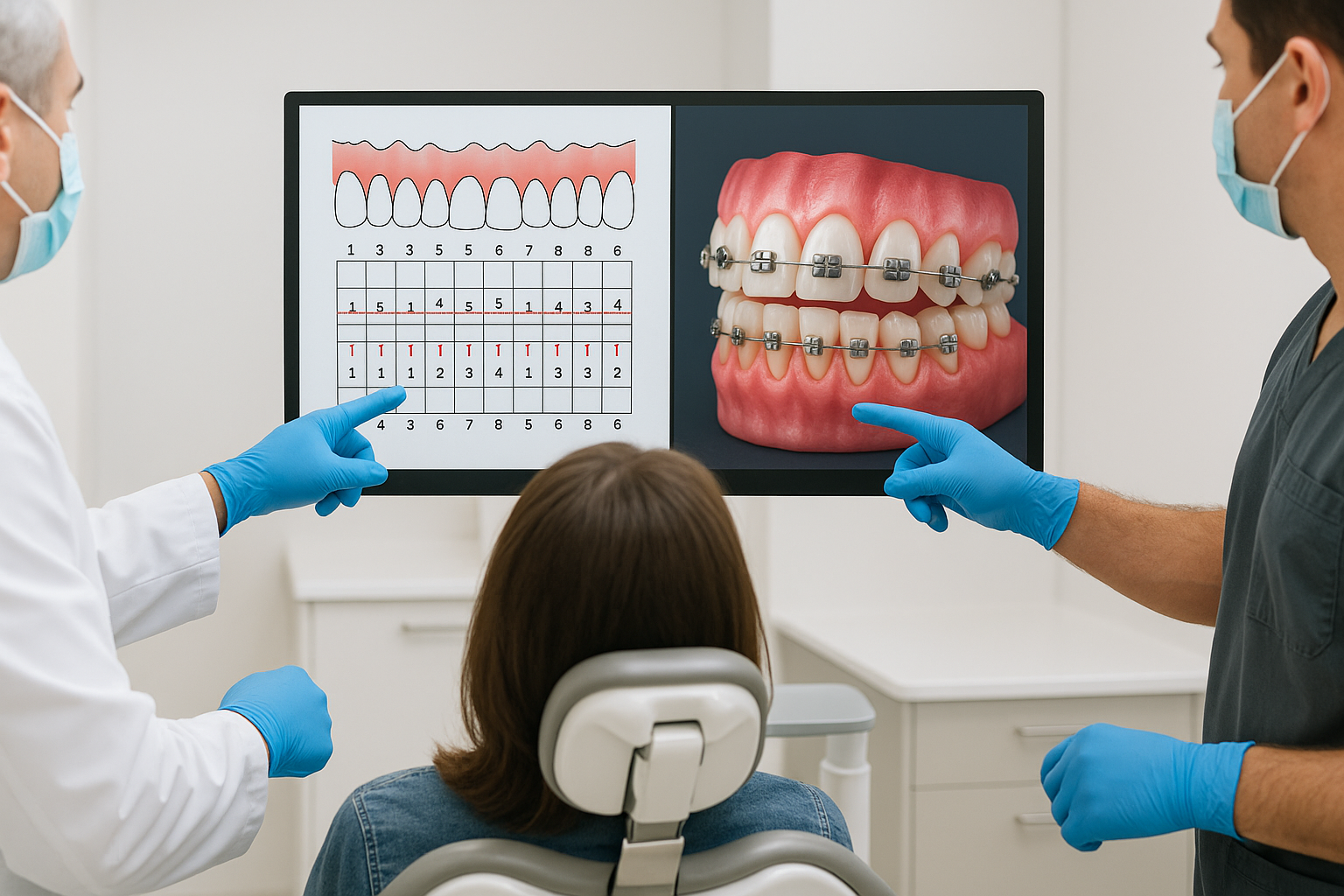
The Critical Connection Between Healthy Gums and Successful Braces
Orthodontic treatment works by applying gentle, consistent pressure to move teeth through the alveolar bone. This process, called bone remodeling, requires healthy gum tissue and adequate bone support. When gum disease is present, the inflammation can accelerate bone loss and compromise the stability of your teeth during and after orthodontic treatment.
How Periodontal Health Affects Your Orthodontic Results
The relationship between periodontics and orthodontics isn’t just about preventing problems—it directly impacts your treatment results. Inflamed gums become swollen and can physically impede tooth movement. Additionally, the inflammatory response can interfere with the biological processes needed for proper bone remodeling.
Patients with excellent periodontal health typically experience more efficient tooth movement, fewer complications, and better long-term stability after braces are removed. This often translates to shorter treatment times and more predictable results.
Why Orthodontists in Tacoma Recommend Periodontal Evaluation
Local orthodontists regularly refer patients to our offices because they understand that addressing periodontal issues is crucial before beginning orthodontic treatment. Sometimes what appears to be a straightforward case can become complicated by undiagnosed gum problems.
During your periodontal evaluation, we assess gum attachment levels and tissue thickness and look for signs of existing disease. We also identify potential issues that could develop during treatment, such as areas of thin gum tissue that might recede when teeth are moved.
This collaborative approach between your orthodontist and our periodontal team ensures that your entire treatment plan is coordinated for optimal oral health and aesthetic results.
Risk Factors: When Braces Meet Untreated Gum Problems
- Increased plaque retention around brackets, leading to gingivitis and potential periodontitis
- Gum recession in areas where tissue is naturally thin or compromised
- Excessive gum growth (hyperplasia) in response to orthodontic appliances
- Difficulty maintaining proper oral hygiene, especially in hard-to-reach areas
- Bone loss that can compromise tooth stability and orthodontic outcomes
These risk factors underscore why periodontal evaluation and treatment should be considered an essential part of comprehensive orthodontic care. By addressing these issues proactively, we help ensure your investment in orthodontic treatment yields the best possible results.
Common Periodontal Procedures That Support Orthodontic Treatment
To ensure optimal results, several specialized periodontal procedures may be necessary before or during your orthodontic treatment. These interventions address specific gum and tissue concerns that could otherwise compromise your orthodontic outcome or oral health.
Gum Grafting: Protecting Thin Tissues Before Tooth Movement
When gum tissue is too thin or roots are already exposed, orthodontic movement can worsen these conditions, potentially leading to tooth sensitivity or compromised support. Gum grafting adds tissue thickness in vulnerable areas, creating a protective buffer before teeth are moved.
This procedure involves taking tissue from elsewhere in your mouth (usually the palate) or using donor tissue to augment areas of recession or thinness. The grafted tissue integrates with your existing gums, providing additional coverage and protection during orthodontic treatment.
At Sound Surgical Arts, we use minimally invasive techniques for gum grafting that minimize discomfort and provide predictable results. Most patients can resume their orthodontic treatment within a few weeks of the procedure.
Frenectomy: Removing Tissue Barriers for Gap Closure
A frenum is a small fold of tissue that connects or restricts the movement of an organ. In the mouth, the labial frenum connects your lip to your gums, while the lingual frenum connects your tongue to the floor of your mouth. Sometimes these tissue attachments can interfere with orthodontic treatment.
When a large or improperly positioned frenum prevents teeth from coming together—particularly common with front teeth gaps (diastemas)—a frenectomy may be necessary. This simple procedure removes or repositions the restrictive tissue, allowing teeth to move properly during orthodontic treatment.
Gingivectomy: Managing Gum Overgrowth Around Brackets
Some patients experience gum overgrowth (hyperplasia) during orthodontic treatment, which can make it difficult to maintain good oral hygiene and impede the completion of orthodontic therapy. A gingivectomy carefully removes excess gum tissue, restoring proper gum architecture.
This procedure not only improves your ability to clean around brackets but also enhances the visibility of teeth for your orthodontist, allowing for more precise adjustments. The result is healthier gums and more efficient orthodontic treatment.
Crown Lengthening: Creating Space for Proper Bracket Placement
Sometimes teeth are partially covered by excessive gum tissue or appear too short for effective bracket placement. Crown lengthening exposes more of the tooth surface by removing some gum tissue and potentially reshaping the underlying bone.
This procedure creates adequate space for bracket placement and ensures that when your braces are removed, your smile has balanced proportions. Crown lengthening is particularly important for patients with a “gummy smile” who want to improve their overall aesthetic results.
Special Periodontal Concerns During Orthodontic Treatment
Wearing braces creates unique challenges for maintaining periodontal health. The brackets and wires not only make cleaning more difficult but can also contribute to changes in the oral environment that affect your gums. Understanding and addressing these concerns is essential for both your orthodontic success and long-term oral health.
Managing Inflammation and Swollen Gums With Braces
Inflammation and swollen gums are common complaints during orthodontic treatment. The presence of brackets and wires creates numerous places for bacteria to hide and makes thorough cleaning more challenging. This often leads to gingivitis, characterized by red, puffy gums that bleed easily during brushing. For more information on managing these issues, you can explore braces and periodontics at Sound Surgical Arts.
Using anti-inflammatory rinses containing ingredients like chlorhexidine can help reduce gum inflammation. We may also recommend specialized gels or prescription products if inflammation becomes severe. Addressing inflammation promptly is crucial, as it can slow tooth movement and extend your time in braces.
For patients experiencing persistent inflammation despite good home care, we may suggest temporary removal of arch wires to allow for a professional deep cleaning. This intervention can dramatically improve gum health and get your orthodontic treatment back on track.
Effective Cleaning Techniques for Braces Wearers
Maintaining excellent oral hygiene with braces requires specialized tools and techniques. Standard brushing alone simply cannot reach all the areas around brackets and under wires where plaque accumulates. We recommend a multi-faceted approach that includes angled brushing, interdental brushes, water flossers, and floss threaders.
One particularly effective technique is the “two-toothbrush method”–using a regular brush for the gumline at a 45-degree angle and a smaller interdental brush to clean around and between brackets. Combined with daily water flossing, this approach can dramatically reduce the risk of periodontal issues during orthodontic treatment.
When to Schedule More Frequent Cleanings
While every braces patient benefits from more frequent professional cleanings, certain individuals may need even more regular appointments. Patients with a history of gum disease, those with complex orthodontic appliances, individuals with crowding that will take time to resolve, and anyone showing signs of gingival hyperplasia should consider scheduling cleanings every 2-3 months rather than the usual 3-4 month interval. These additional visits allow us to monitor your periodontal health closely and intervene promptly if issues arise, potentially saving you from more extensive treatment later.

After Braces: Maintaining Periodontal Health
The journey to optimal oral health doesn’t end when your braces come off. In fact, the transition period following orthodontic treatment is critical for ensuring long-term periodontal stability and preserving your newly aligned smile.
Post-Orthodontic Gum Evaluation
Once your braces are removed, we recommend scheduling a comprehensive periodontal evaluation within 4-6 weeks. This timing allows your gums to recover from the presence of orthodontic appliances while giving us the opportunity to assess any areas that may need attention before they develop into more significant issues.
During this evaluation, we’ll check for any signs of inflammation, measure gum pocket depths, and identify areas of recession that may have developed during treatment. We’ll also assess your bone levels to ensure they remain adequate for supporting your newly positioned teeth.
Many patients are surprised to discover that certain periodontal issues only become apparent after braces are removed. Addressing these promptly can prevent regression of your orthodontic results and protect your investment in treatment.
Treating Recession That May Occur During Treatment
Even with careful planning and monitoring, some patients experience gum recession during orthodontic treatment. This is particularly common when teeth with naturally thin gum tissue are moved significantly. The good news is that modern microsurgical techniques allow us to address this recession predictably and with minimal discomfort.
Using advanced grafting procedures, we can restore gum coverage to exposed root surfaces, improving both aesthetics and reducing sensitivity. For most patients, these procedures can be completed in a single visit with relatively short recovery times.
The timing of recession treatment is important—we typically recommend waiting at least 3-6 months after braces removal to ensure the teeth have stabilized in their new positions before performing grafting procedures.
Cosmetic Gum Contouring for the Perfect Smile Frame
Now that your teeth are beautifully aligned, you may notice that your gum line could benefit from some refinement to frame your smile perfectly. Cosmetic gum contouring, sometimes called aesthetic crown lengthening, can put the finishing touches on your orthodontic results.
This procedure sculpts the gum tissue to create ideal proportions and symmetry, addressing issues like uneven gum heights or a gummy smile. Using precise laser technology, we can reshape your gum line with minimal discomfort and rapid healing, revealing the full beauty of your orthodontically corrected teeth.
“After two years in braces, I was thrilled with how straight my teeth were, but disappointed that my smile still looked uneven because of my gum line. Dr. Samson performed cosmetic gum contouring, and it was the perfect finishing touch. Now my smile is exactly what I hoped for!” – Melissa T., Tacoma
The Sound Surgical Arts Approach to Orthodontic Patients
Our Collaborative Care Model With Tacoma Orthodontists
At Sound Surgical Arts, we believe that the best outcomes for orthodontic patients come from seamless collaboration between specialists. We’ve developed strong working relationships with orthodontists throughout Tacoma, Gig Harbor, and Vashon to ensure coordinated care from start to finish.
This collaborative approach begins with joint treatment planning when complex cases require both periodontal and orthodontic expertise. We maintain open communication throughout your treatment, sharing clinical findings and adjusting plans as needed to optimize your results.
Many of our patients appreciate that we can coordinate appointment timing with their orthodontist, minimizing disruption to their schedules and ensuring efficient progression of treatment. This team-based approach has proven particularly valuable for adults with existing periodontal conditions who are pursuing orthodontic treatment.
Specialized Treatment Plans for Teens vs. Adult Braces Patients
The periodontal needs of teenage orthodontic patients differ significantly from those of adults. Teenagers typically have excellent regenerative capacity and fewer existing periodontal issues, but may struggle more with oral hygiene compliance. Our approach for teens focuses heavily on prevention, with extensive education on cleaning techniques and more frequent monitoring during critical phases of treatment.
Adult patients, particularly those over 40, often present with existing periodontal conditions that require treatment before orthodontics can begin. These patients benefit from our comprehensive approach that may include scaling and root planing, site-specific antibiotic therapy, or surgical intervention to create a healthy foundation for tooth movement.
- For teens: Focus on hygiene education, preventive cleanings, and monitoring for orthodontic-induced issues
- For young adults: Emphasis on long-term stability and preventing recession during treatment
- For mature adults: Comprehensive pre-treatment to address existing periodontal disease and bone loss
- For seniors: Special consideration for medication effects, reduced healing capacity, and realistic treatment goals
By tailoring our approach to each age group’s specific needs, we can help ensure that patients of all ages achieve both the straight teeth and the healthy gums necessary for a lifetime of oral health.
Frequently Asked Questions
We understand that the relationship between periodontal health and orthodontic treatment raises many questions for our patients. Here are answers to the most common concerns we hear in our offices.
Remember that your situation is unique, and we’re always available to provide personalized guidance.
Can I get braces if I already have gum disease?
- Active periodontal disease must be treated before orthodontic treatment begins
- Even mild gingivitis should be resolved prior to bracket placement
- A history of treated periodontal disease requires special monitoring during orthodontics
- Some advanced cases may require ongoing periodontal maintenance throughout orthodontic treatment
The good news is that having a history of gum disease doesn’t automatically disqualify you from getting braces. However, active infection and inflammation must be controlled first. This typically involves a series of deep cleanings (scaling and root planing) and reevaluation to ensure the disease is stabilized.
For patients with more advanced periodontal disease, surgical intervention may be necessary before orthodontic treatment can begin. These procedures address bone loss and create a healthier environment for tooth movement.
After periodontal therapy and before orthodontic treatment begins, we’ll work with your orthodontist to develop a customized maintenance plan. This usually includes more frequent professional cleanings and careful monitoring throughout your orthodontic treatment.
Why did my orthodontist refer me to a periodontist?
Orthodontists refer patients to periodontists for several reasons. They may have noticed signs of gum disease during your evaluation, identified potential issues with gum thickness or attachment, or recognized that certain teeth require specialized periodontal procedures before they can be moved effectively. Sometimes, the referral comes because of anatomical factors like impacted teeth that need surgical exposure or a prominent frenum that could prevent gap closure.
This referral is a positive step that demonstrates your orthodontist’s commitment to comprehensive care. By addressing periodontal issues before or during orthodontic treatment, you’re much more likely to achieve optimal results and maintain them long-term. Think of it as a team approach to your oral health, with each specialist contributing their expertise to your treatment plan.
How long should I wait after periodontal treatment to start braces?
The waiting period between periodontal treatment and beginning orthodontic treatment varies based on the specific procedures performed and your body’s healing response. For basic treatments like scaling and root planing, we typically recommend waiting 4-6 weeks to ensure inflammation has resolved and tissues have stabilized. Following surgical procedures such as bone grafting or regenerative therapy, the waiting period extends to 3-6 months to allow for complete healing and tissue maturation before applying orthodontic forces.
Will periodontal procedures during braces extend my treatment time?
While some periodontal procedures may require temporarily slowing or pausing active orthodontic treatment, the overall impact on your treatment timeline is usually minimal compared to the benefits gained. Most minor procedures require only 2-3 weeks of healing before orthodontic adjustments can resume, and we coordinate closely with your orthodontist to minimize any disruption. In fact, addressing periodontal issues promptly often prevents complications that could cause even longer delays, ultimately supporting more efficient and predictable orthodontic results.
Does insurance cover periodontal procedures related to orthodontics?
Insurance Coverage Facts: Most dental insurance plans distinguish between “necessary” periodontal procedures and those considered “cosmetic.” Treatments addressing active disease or functional problems are typically covered at 50-80%, while purely aesthetic procedures may receive limited or no coverage. Our financial coordinators can help you navigate your specific plan benefits and maximize your coverage.
Insurance coverage for periodontal procedures related to orthodontics varies widely depending on your specific plan and the nature of the procedure. Procedures deemed medically necessary to treat disease or prevent complications are more likely to be covered than those considered primarily cosmetic.
At Sound Surgical Arts, our administrative team performs a thorough benefit analysis before beginning treatment. We’ll provide you with a clear breakdown of expected coverage and out-of-pocket costs, along with flexible payment options to make your treatment affordable.
For patients without insurance or with limited coverage, we offer in-house membership plans that provide discounts on many periodontal procedures. We believe that financial concerns shouldn’t be a barrier to receiving the care you need for optimal oral health and a beautiful smile.
Schedule Your Periodontal Consultation in Tacoma, Gig Harbor, or Vashon
Taking the first step toward integrated periodontal and orthodontic care is simple. Contact our office today to schedule a comprehensive evaluation at any of our three convenient locations. Our friendly team will guide you through the process and ensure all your questions are answered.
During your initial consultation, we’ll assess your current periodontal health, discuss any concerns related to your planned or ongoing orthodontic treatment, and develop a personalized care plan. We’ll also coordinate with your orthodontist to ensure seamless communication throughout your treatment journey. Many patients find that addressing periodontal needs before or during orthodontic treatment leads to better results, fewer complications, and a more comfortable experience overall. Don’t wait until problems develop—proactive periodontal care is an investment in your smile’s beauty and longevity.