
Pre-Prosthetic Surgery
Key Takeaways
- Pre-prosthetic surgery prepares your mouth for optimal denture fit and comfort by modifying bone and soft tissues before denture placement.
- Common procedures include alveoloplasty (bone smoothing), tori removal, excess tissue reduction, and ridge augmentation, all performed by specialized oral surgeons in Tacoma.
- Most patients require 4-6 weeks of healing after pre-prosthetic surgery before final denture fittings can begin.
- Sound Surgical Arts offers comprehensive pre-prosthetic surgical care across three convenient locations in Tacoma, Gig Harbor, and Vashon Island.
- Skipping pre-prosthetic preparation can lead to painful denture sores, poor fit, difficulty eating, and premature denture replacement.
The journey to comfortable, functional dentures doesn’t begin with the dentures themselves. It starts with properly preparing your mouth to create the ideal foundation. At Sound Surgical Arts, we understand that the success of your dentures depends on the condition of the underlying structures that will support them every day.
Pre-prosthetic surgery encompasses specialized procedures designed to reshape and prepare your mouth for the best possible denture fit. Our experienced oral surgeons at our Tacoma, Gig Harbor, and Vashon Island locations provide these crucial preparatory surgeries to ensure your future dentures fit comfortably and function naturally. Sound Surgical Arts specializes in creating the optimal foundation for prosthetic teeth, addressing common obstacles that might otherwise lead to painful denture complications.
Why You Need Proper Preparation For Dentures
Imagine trying to wear shoes on uneven ground—no matter how well-made the shoes, you’ll experience discomfort with every step. The same principle applies to dentures. Without a properly prepared foundation, even the most expertly crafted dentures will cause discomfort, sores, and functional problems. Pre-prosthetic surgery addresses the irregularities in your jaw and gums that would otherwise interfere with denture fit and function.
What Pre-Prosthetic Surgery Does For Your Denture Fit
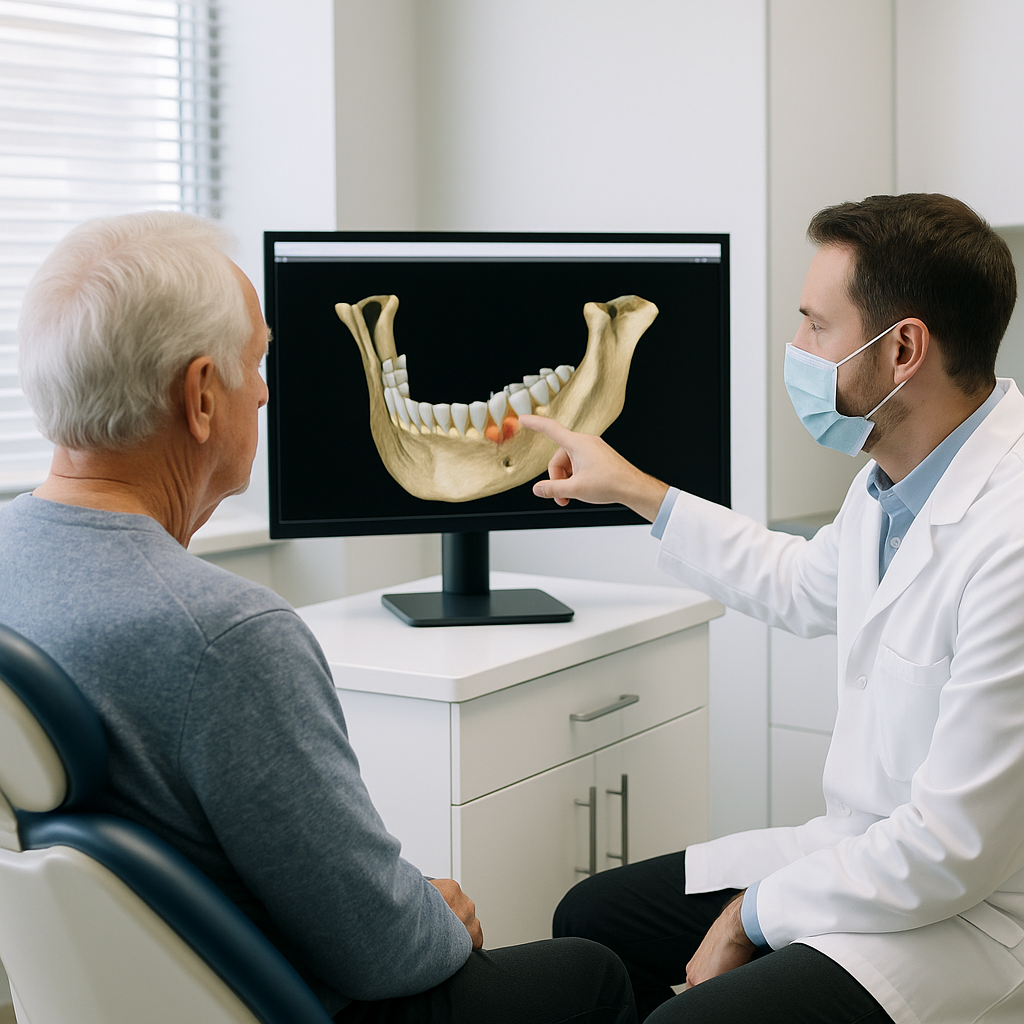
Pre-prosthetic surgery modifies the bone and soft tissues of your mouth to create an ideal environment for dentures. This specialized preparation eliminates obstacles like sharp bone edges, irregular ridges, and excess tissue that would otherwise make denture wearing uncomfortable or even painful. The procedures ensure that your denture base has a smooth, properly shaped foundation that maximizes stability and minimizes pressure points. By addressing these issues before denture fabrication, we dramatically improve both the comfort and functionality of your future dental prosthetics.
Creating the Perfect Foundation for Dentures
Your jawbone naturally resorbs (shrinks) after tooth extraction, often creating irregular ridges that make denture fitting challenging. Pre-prosthetic surgery addresses these irregularities, creating the smooth, properly contoured foundation necessary for denture success. Our oral surgeons carefully evaluate your unique oral anatomy to determine exactly which modifications will create optimal denture support. These procedures can range from minor smoothing of sharp bone edges to more comprehensive reshaping of the dental arch. The end goal is always the same: to create the ideal foundation that allows your denture to fit securely and comfortably while enabling natural speech and efficient chewing.
Who Needs This Preparation Before Getting Dentures
While not every denture patient requires pre-prosthetic surgery, many benefit significantly from these preparatory procedures. Candidates typically include patients with sharp bone edges following extractions, large bony protuberances (tori), excessive or fibrous gum tissue, or severely resorbed jawbone ridges. If you’ve previously struggled with uncomfortable dentures that rock, slip, or cause sore spots, pre-prosthetic surgery might be the solution you’ve been seeking. Our Tacoma oral surgeons can evaluate your specific situation and determine whether preparatory procedures would improve your denture experience. Patients with certain medical conditions or those requiring full-mouth extractions often benefit most from comprehensive pre-prosthetic preparation.
Common Pre-Prosthetic Procedures at Our Tacoma Practice
At Sound Surgical Arts, we perform a variety of pre-prosthetic procedures tailored to each patient’s unique needs. These specialized surgeries prepare your mouth for optimal denture fit and function by addressing specific structural issues that would otherwise interfere with prosthetic comfort. Our comprehensive approach ensures that every aspect of your oral anatomy is properly prepared for successful denture wear.
Alveoloplasty: Smoothing the Jawbone for Better Fit
Alveoloplasty is perhaps the most common pre-prosthetic procedure we perform at our Tacoma practice. This precision bone recontouring technique smooths and reshapes the jawbone ridge after tooth extractions. When teeth are removed, the socket often heals with irregular, sharp edges that can cause significant discomfort under dentures. Our surgeons carefully reshape these areas, creating a smooth, even surface that allows dentures to rest comfortably without creating painful pressure points. The procedure is particularly important for patients receiving immediate dentures after extractions, as it creates the optimal foundation right from the start.
Tori Removal: Eliminating Bone Growths That Interfere With Dentures
Many patients have benign bone growths called tori (singular: torus) in their mouths that can significantly interfere with denture fit. These hard protrusions commonly occur on the roof of the mouth (palatine tori) or along the inner surface of the lower jaw (mandibular tori). While harmless in themselves, these bony outgrowths create obstacles that prevent dentures from seating properly. Our oral surgeons gently remove these growths, creating the flat, smooth surfaces necessary for stable denture placement. The procedure is straightforward, and patients are typically surprised by how quickly they recover and how dramatically it improves their denture experience.
Excess Tissue Reduction: Reshaping Gums for Comfort
Soft tissue irregularities can be just as problematic for denture fit as bone issues. Fibrous gum ridges, excessive tissue, and muscle attachments that insert too high on the ridge can all destabilize dentures and create discomfort. Our surgeons carefully trim and reshape these tissues to create the ideal contours for denture support. This might include reducing hyperplastic (overgrown) tissue, repositioning frenum attachments (small muscle connections), or removing fibrous areas that would otherwise interfere with denture stability. These soft tissue modifications, often performed alongside bone reshaping, ensure that both the hard and soft tissues work together to support your prosthetic comfortably.
Ridge Augmentation: Building Up Thin Jaw Areas
For patients with significant bone loss, ridge augmentation may be necessary to create adequate support for dentures. This procedure builds up deficient areas of the jawbone using bone grafting materials, creating the proper dimensions needed for denture stability. Ridge augmentation is particularly important in the lower jaw, where bone resorption can create a thin, knife-edge ridge that cannot comfortably support a denture. By restoring proper ridge height and width, we establish the substantial foundation necessary for denture success. This more complex procedure may extend your pre-prosthetic timeline, but it delivers dramatic improvements in long-term denture comfort and function.
Your Surgical Experience in Gig Harbor and Vashon
At Sound Surgical Arts, we’ve created a seamless surgical experience across all our locations in Tacoma, Gig Harbor, and Vashon Island. Our consistent protocols ensure you receive the same exceptional care regardless of which office is most convenient for you. We’ve designed every aspect of your surgical journey with your comfort and confidence in mind, from your first consultation through your final follow-up appointment. Learn more about our oral surgery services and how we can assist you.
1. Initial Consultation and Personalized Treatment Planning
Your pre-prosthetic journey begins with a comprehensive consultation where we evaluate your oral structures and discuss your prosthetic goals. During this appointment, we’ll take detailed images of your jaws, assess your tissue health, and identify the specific modifications needed to optimize your denture foundation. We understand that each patient’s anatomy is unique, which is why we develop highly individualized treatment plans rather than applying a one-size-fits-all approach.
We’ll explain exactly which procedures will benefit you, what each entails, and how they will improve your future denture experience. Our surgeons take time to answer all your questions, address concerns, and help you feel fully informed and comfortable with your treatment plan. We also coordinate closely with your restorative dentist or prosthodontist to ensure our surgical plan aligns perfectly with their prosthetic design.
- Comprehensive oral examination and detailed imaging
- Personalized treatment planning based on your unique anatomy
- Coordination with your restorative dentist for seamless care
- Detailed explanation of procedures, timeline, and expected outcomes
- Insurance and financial planning assistance
Our consultation process sets the foundation for successful treatment by ensuring you’re fully informed, comfortable with the plan, and confident in your decision to proceed. We believe this initial investment of time creates a smoother, more predictable surgical experience and ultimately leads to better outcomes.
2. Day of Surgery: What to Expect
On your surgery day, you’ll be welcomed by our friendly team, who will guide you through each step of the process. Most pre-prosthetic procedures are performed on an outpatient basis, meaning you’ll be able to return home the same day. Depending on the complexity of your case and your comfort needs, we offer various sedation options ranging from local anesthesia to IV sedation. The actual surgical time varies based on the specific procedures being performed, but most are completed within 1-2 hours. Our surgeons use precise, minimally invasive techniques to achieve the necessary modifications while minimizing tissue trauma, which helps speed your recovery and reduce post-operative discomfort.
3. Comfort Measures and Sedation Options
Your comfort is our priority throughout your surgical experience. We offer a range of sedation options tailored to your needs and the complexity of your procedure. For minor modifications, local anesthesia may be sufficient, while more extensive surgeries might benefit from IV sedation that keeps you comfortable and relaxed throughout. Our surgical suites are equipped with advanced monitoring technology to ensure your safety during sedation. Following your procedure, we provide detailed pain management instructions and prescriptions as needed. Many patients are pleasantly surprised by how manageable their discomfort is with our proactive approach to pain control and our minimally invasive surgical techniques.
We understand that dental anxiety is real, and our compassionate team takes every measure to ensure you feel supported and comfortable throughout your experience. From warm blankets to gentle explanations during treatment, we’ve thought of the details that make a difference in your surgical experience.
Recovery Timeline After Pre-Prosthetic Surgery
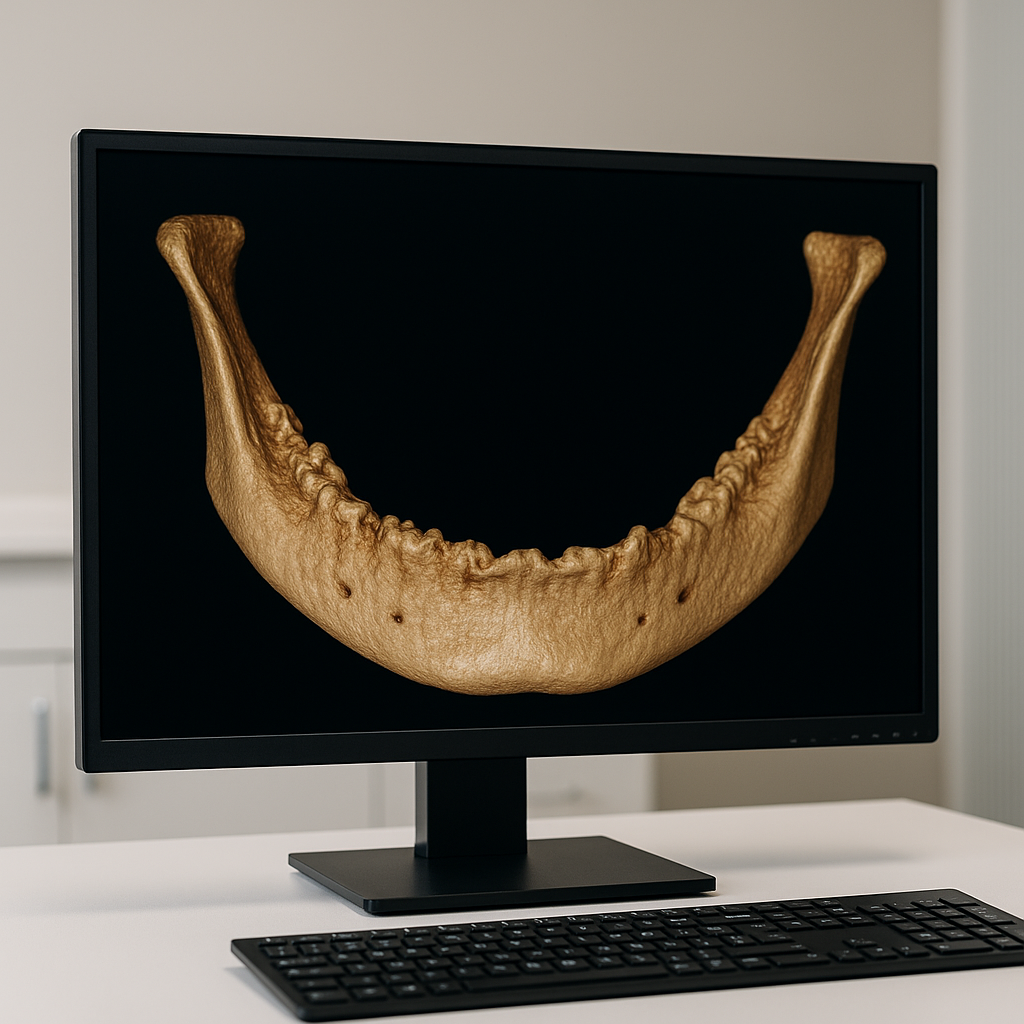
Understanding what to expect during recovery helps you plan appropriately and ensures optimal healing. Your recovery timeline will vary depending on which specific procedures were performed, your overall health, and how well you follow post-operative instructions. Our team provides comprehensive aftercare guidance to support your healing process at every stage.
First 48 Hours: Managing Swelling and Discomfort
The initial recovery phase focuses on controlling swelling and discomfort while protecting the surgical sites. You’ll likely experience some swelling that typically peaks around 48-72 hours after surgery before gradually subsiding. Apply ice packs as directed during the first day (20 minutes on, 20 minutes off) to minimize swelling. Minor bleeding or oozing is normal during the first day and can be managed with gentle pressure using gauze pads. Take prescribed or recommended pain medications as directed, ideally starting before the local anesthesia wears off completely.
You’ll need to follow a soft diet during this initial phase, avoiding anything that requires significant chewing. Stay hydrated but avoid using straws, as the suction can disrupt healing sites. Most patients take 2-3 days away from work or normal activities, though this varies based on the extent of your surgery and your personal recovery rate.
Weeks 1-2: Initial Healing Phase
During the first couple of weeks, your tissue will begin the significant healing process. Superficial sutures may dissolve or be removed during a follow-up appointment, typically 7-10 days after surgery. Swelling should gradually diminish, though complete resolution may take several weeks. You can usually transition to a slightly firmer diet as comfort allows, but continue avoiding hard, crunchy, or spicy foods that could irritate the surgical sites.
Gentle oral hygiene becomes increasingly important during this phase to keep the healing areas clean. We’ll provide specific instructions for safely cleaning around surgical sites without disrupting the healing process. Most patients return to normal daily activities during this phase, though you should continue avoiding strenuous exercise that could increase blood pressure and potentially cause bleeding at surgical sites.
Weeks 4-6: When You Can Begin Denture Fittings
The most significant tissue healing and initial bone remodeling typically occur within the first 4-6 weeks after surgery. This is generally when your restorative dentist can begin the denture fabrication process or reline existing dentures to match your newly contoured tissues. The exact timing depends on your specific procedures and healing progress, which we’ll evaluate during follow-up appointments.
It’s important to understand that bone remodeling continues for several months after surgery, so your denture may require additional adjustments during this period. Your patience during this phase will be rewarded with a more stable, comfortable prosthetic that functions better long-term. We coordinate closely with your restorative dentist during this transition to ensure optimal timing for your denture fabrication.
Why Our Tacoma Oral Surgeons Deliver Superior Results
The success of pre-prosthetic surgery depends heavily on the skill, experience, and precision of your surgical team. At Sound Surgical Arts, our board-certified oral surgeons have specialized training that extends far beyond general dentistry, allowing them to achieve exceptional results even in complex cases. Our practice combines extensive clinical experience with the latest surgical innovations to provide truly outstanding care.
Advanced Surgical Techniques for Minimal Recovery Time
Our surgeons employ the most current, minimally invasive techniques to achieve optimal results while minimizing tissue trauma. This approach significantly reduces post-operative discomfort and shortens recovery time. We utilize advanced imaging technology to precisely plan procedures, allowing for more conservative tissue management and greater precision. Our surgical suites are equipped with state-of-the-art instrumentation that enhances surgical efficiency and improves outcomes.
We also stay at the forefront of pain management protocols, implementing enhanced recovery techniques that make your surgical experience more comfortable. From tissue-sparing surgical approaches to innovative biocompatible materials, every aspect of your procedure is designed to promote faster healing and minimize discomfort. This commitment to surgical excellence means you spend less time recovering and more time enjoying the benefits of your improved oral foundation.
Coordinated Care With Your Dentist or Prosthodontist
Successful denture treatment requires seamless collaboration between your surgical team and restorative dentist. We pride ourselves on excellent communication with referring dentists, ensuring that our pre-prosthetic procedures align perfectly with their prosthetic plans. This collaborative approach prevents disconnects in your treatment journey and results in better prosthetic outcomes. Our surgeons provide detailed reports and imaging to your restorative dentist, creating continuity of care that benefits your overall treatment experience.
Schedule Your Consultation at Our Convenient Locations
Taking the first step toward comfortable, functional dentures is easy. We offer consultations at our three convenient locations in Tacoma, Gig Harbor, and Vashon Island. During your consultation, we’ll evaluate your specific needs, discuss treatment options, and develop a personalized plan to prepare your mouth for optimal prosthetic success. Contact our office today to schedule your pre-prosthetic consultation and begin your journey to improved oral function and confidence.
Frequently Asked Questions
Pre-prosthetic surgery generates many questions from our patients as they prepare for this important step in their dental restoration journey. We’ve compiled answers to the most common questions to help you better understand what to expect before, during, and after these preparatory procedures.
If you have additional questions not covered here, please don’t hesitate to contact our office. Our team is always happy to provide the information you need to feel confident in your treatment decisions.
Will my insurance cover pre-prosthetic surgery?
Many dental insurance plans provide coverage for pre-prosthetic surgical procedures, particularly when they’re deemed necessary for successful denture placement. Coverage amounts vary significantly between plans, with some covering 50-80% of the procedure costs after deductibles. Our insurance specialists will verify your benefits before treatment and provide a clear breakdown of expected coverage and out-of-pocket expenses.
For patients without insurance or with limited coverage, we offer various payment options and financing plans to make treatment more accessible. We believe financial concerns shouldn’t prevent you from receiving the care you need for optimal oral health and function. Our team works diligently to maximize your insurance benefits and find financial solutions that fit your budget.
How long should I wait after extractions before pre-prosthetic surgery?
The timing between extractions and pre-prosthetic surgery depends on several factors, including the condition of your mouth, your overall health, and your specific treatment plan. In some cases, minor pre-prosthetic procedures can be performed at the same time as extractions, streamlining your treatment process. This approach is particularly common when patients are receiving immediate dentures.
For more extensive pre-prosthetic procedures, we typically recommend waiting 6-8 weeks after extractions to allow initial healing and natural bone remodeling to occur. This waiting period gives us a clearer picture of the healed ridge anatomy and allows us to make more precise modifications. During your consultation, we’ll evaluate your specific situation and recommend the optimal timing for your procedures.
- Minor smoothing may be done immediately with extractions
- More extensive reshaping typically requires 6-8 weeks of healing time
- Ridge augmentation procedures might follow different timelines
- Your overall health impacts optimal surgical timing
- Coordinated planning with your restorative dentist influences the schedule
Your treatment timeline will be carefully planned to balance efficient completion with the biological healing time necessary for optimal results. We understand that patients are eager to complete their restoration process, and we work efficiently while respecting the body’s natural healing requirements. For more information on oral surgery procedures, visit our oral surgery page.
Is pre-prosthetic surgery painful?
With modern surgical techniques and effective anesthesia protocols, you’ll feel no pain during the actual procedures. Most patients report that post-operative discomfort is much milder than anticipated and is typically well-managed with prescribed or over-the-counter pain medications. The level of discomfort varies depending on the extent of the procedures performed, but most patients describe it as similar to or less uncomfortable than tooth extractions. Our proactive pain management approach, which often includes starting medications before anesthesia wears off completely, helps minimize discomfort throughout your recovery.
Can I get immediate dentures after surgery?
In most cases, we recommend waiting until the initial healing phase is complete before fitting final dentures, typically 4-6 weeks after pre-prosthetic surgery. This allows time for swelling to resolve and tissues to stabilize into their new contours. However, if you already have existing dentures, they can often be temporarily relined and used during the healing period, though they may require adjustments to accommodate your changing tissue contours.
For patients having extractions and pre-prosthetic surgery simultaneously, immediate dentures are sometimes possible through careful advance planning with your restorative dentist. These immediate prosthetics serve as both healing aids and temporary teeth, but will require relining or replacement after healing is complete. Your specific timeline will be determined based on your individual procedures and healing progress.
What happens if I skip this step before getting dentures?
Attempting to fit dentures without proper pre-prosthetic preparation often leads to significant problems with comfort and function. Without addressing underlying structural issues, dentures may cause persistent sore spots, poor stability, difficulty speaking, and inadequate chewing function. Many patients who skip these preparatory procedures end up unable to wear their dentures comfortably and require subsequent surgery after their dentures have been made—a more complicated and costly approach.
Here’s one patient’s experience with trying to skip pre-prosthetic surgery:
“I initially tried to get dentures without having the recommended pre-prosthetic surgery. After months of discomfort and multiple failed adjustments, I finally had the proper surgical preparation done. The difference was night and day—my new dentures fit comfortably and stay in place when I eat and speak. I wish I’d done it right the first time!” — Margaret R., Tacoma
Investing in proper pre-prosthetic preparation creates the foundation for denture success and comfort that will benefit you for years to come. It’s truly one of those situations where doing things right the first time saves significant discomfort, time, and expense in the long run.
Pre-prosthetic surgery represents a crucial bridge between tooth loss and successful prosthetic restoration. By creating the optimal foundation through careful surgical preparation, we help ensure your dentures will fit comfortably, function properly, and provide the confidence you deserve. Our experienced surgical team is dedicated to achieving the precise modifications needed for your specific situation.
With offices in Tacoma, Gig Harbor, and Vashon Island, Sound Surgical Arts makes accessing specialized pre-prosthetic care convenient for patients throughout the Puget Sound region. We combine surgical excellence with compassionate care to support you throughout your journey to restored oral function.
Whether you’re preparing for your first denture or seeking to improve the fit of existing prosthetics, proper pre-prosthetic surgery can make a dramatic difference in your denture experience. Contact us today to schedule your consultation and take the first step toward comfortable, functional dentures that allow you to speak, eat, and smile with confidence.