
Sound Surgical Arts
Navigated Implant Placement: A Comprehensive Guide to Precise Dental Implant Procedures in Tacoma, WA
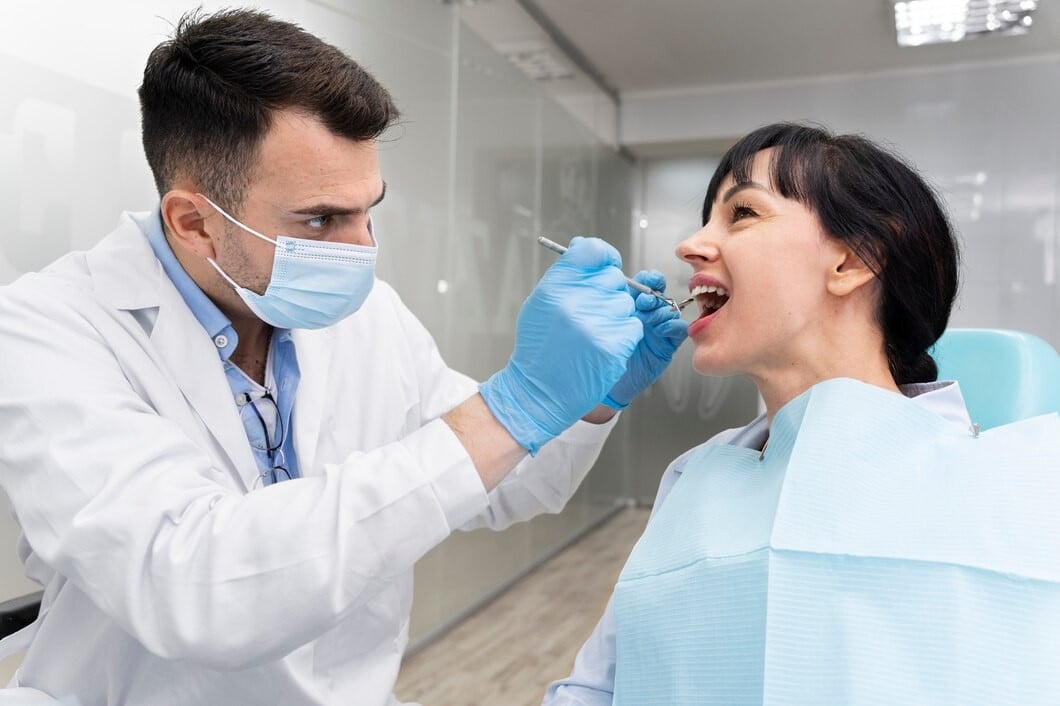
Dental implants are a popular solution for replacing missing teeth and restoring one’s smile. However, traditional dental implant procedures often rely on a dentist’s experience and visual assessment to determine the optimal placement of the implant. While experienced dental professionals can achieve satisfactory results with this approach, there is always room for improvement. Enter the innovative world of navigated implant placement. This cutting-edge procedure utilizes state-of-the-art technology to ensure a higher level of precision and accuracy when placing dental implants, increasing the chances of successful implant integration and long-term stability.
As trusted dental professionals in Tacoma, WA, we are excited to provide you with a comprehensive guide to navigated implant placement. In this educational blog post, we will discuss the technology behind the procedure, including how it allows for more precise and accurate implant placement. We will also highlight the benefits of choosing navigated implant placement over traditional dental implant techniques, particularly in terms of enhanced outcome predictability and reduced risk of complications. Additionally, we will walk you through the navigated implant placement process so that you can better understand what to expect during this innovative treatment.
Continue reading to learn how navigated implant placement is revolutionizing dental implant procedures, providing patients with an optimal solution for tooth replacement. Schedule a consultation with our experienced dental team in Tacoma, WA, today to explore this advanced technology and determine if navigated implant placement is the right choice for you.
The Technology Behind Navigated Implant Placement
Navigated implant placement utilizes cutting-edge technology to enhance the precision and accuracy of dental implant procedures:
- 3D Imaging (CBCT): Cone Beam Computed Tomography (CBCT) is a 3D imaging technique that captures detailed images of the patient’s jawbone, teeth, and surrounding structures. These images provide essential information for treatment planning, allowing the dentist to visualize the implant site and evaluate the bone density and available space for implant placement.
- Computer-Aided Planning: Utilizing the 3D images obtained from CBCT, dental professionals can use specialized software to create a virtual model of the patient’s oral structures and plan the implant procedure in great detail. The software allows the dentist to determine the optimal size, angle, and position of the implant for each individual case digitally.
- Surgical Navigation: During the surgical procedure, advanced navigation technology is used to guide the dental professional in following the pre-planned treatment path. The navigation system provides real-time feedback on the implant position, angle, and depth as the procedure unfolds, ensuring precise and accurate implant placement.
Benefits of Navigated Implant Placement
The use of advanced technology in navigated implant placement offers several advantages over traditional dental implant techniques:
- Enhanced Precision and Accuracy: Navigated implant placement allows for a higher level of precision and accuracy when placing dental implants, ensuring that the implant is optimally positioned to provide long-lasting support for the dental restoration.
- Reduced Risk of Complications: Accurate implant placement reduces the risk of complications such as implant failure, damage to nerves or blood vessels, and sinus perforation, resulting in a safer and more predictable procedure.
- Shorter Surgery Time: The detailed planning and real-time guidance provided by navigated implant placement can lead to more efficient surgical procedures, cutting down on the time spent in the dental chair.
- Increased Chances of Implant Success: The optimized implant placement achieved with navigated implant placement can lead to improved osseointegration (the process by which the implant fuses with the jawbone), increasing the chances of successful and long-lasting dental implants.
The Navigated Implant Placement Process
The navigated implant placement process follows a series of steps to ensure the best possible outcome for dental implant patients:
- Initial Consultation: During your first appointment, we will evaluate your oral health, discuss your tooth replacement needs, and determine if navigated implant placement is the appropriate solution for you.
- Diagnostic Imaging: A CBCT scan will be performed to obtain detailed 3D images of your jaw and surrounding oral structures. These images will be used to plan the implant procedure and create a precise surgical guide.
- Treatment Planning: Utilizing the 3D images and specialized software, we will construct a virtual model of your oral structures and plan the dental implant surgery in detail. The surgical guide, created based on this digital treatment plan, will ensure accurate implant placement during the procedure.
- Surgery and Navigation: On the day of your surgery, the surgical guide will be used to help position the dental implant precisely as planned. The navigated implant placement technology will provide real-time feedback about implant placement, ensuring optimal positioning for lasting success.
- Restoration Placement: After the implant has successfully integrated with the jawbone, a dental restoration, such as a crown, bridge, or denture, will be placed to complete the tooth replacement process.
Candidacy and Considerations for Navigated Implant Placement
While navigated implant placement offers numerous benefits, it is essential to consider the following factors before deciding on this treatment option:
- Candidacy: Dental implant candidates should be in good general and oral health, have adequate bone density to support the dental implant, and be free of uncontrolled gum disease or other oral health conditions that could compromise implant success.
- Bone Grafting or Sinus Lifts: In some cases, patients may require additional procedures, such as bone grafting or sinus lifts, to prepare for navigated implant placement. These procedures can help ensure a strong foundation for the dental implant, increasing the chances of successful treatment.
- Cost: Navigated implant placement can sometimes be more expensive than traditional dental implant techniques due to the use of advanced technology. However, the benefits of precise implant placement and reduced risk of complications often make this investment worthwhile for many patients. Check with your dental insurance provider to determine what coverage is available for navigated implant placement.
Discover the Advantages of Navigated Implant Placement
Navigated implant placement is a game-changer in dental implant treatment, providing increased precision, accuracy, and predictability compared to traditional dental implant techniques. With reduced surgery time and risk of complications, navigated implant placement offers patients an optimal tooth replacement that can result in a more comfortable and satisfying experience.
If you’re considering dental implants to replace missing teeth, navigated implant placement could be the ideal solution for your needs. Schedule a consultation with our expert dental team at Sound Surgical Arts in Tacoma, WA, to discuss navigated implant placement further and determine if this cutting-edge treatment is the right choice for you as you embark on your journey towards a complete, beautiful, and fully functional smile.
Restore Your Smile with All-on-4 Dental Implants at Sound Surgical Arts
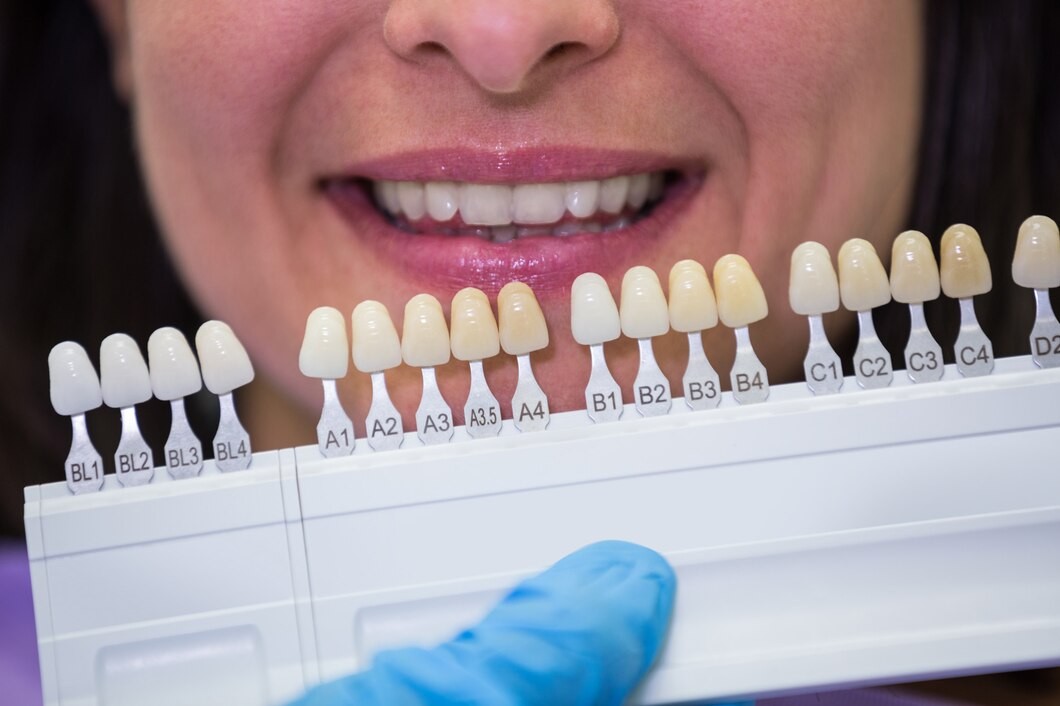
Tooth loss can have a significant impact on your self-esteem, oral health, and overall quality of life. Finding a solution that suits your needs and lifestyle is crucial for regaining the function, appearance, and confidence that a complete set of teeth provides. At Sound Surgical Arts, we are delighted to offer the innovative All-on-4 dental implant technology as a transformative option for our Tacoma, WA patients seeking a full-arch restoration.
All-on-4 dental implants are a state-of-the-art solution for patients who require full-arch dental restorations, providing long-term stability and natural-looking results. The All-on-4 procedure utilizes a unique implant placement technique that enables patients to receive a fixed and fully functional set of new teeth in as few as four strategically placed implants. This groundbreaking approach offers a quicker and more streamlined treatment process compared to traditional dental implant procedures.
In this comprehensive article, we will delve into the All-on-4 dental implant procedure, exploring its benefits, the treatment process, and what sets it apart from other restorative dental options. Our goal is to provide you with the knowledge and guidance you need to make an informed decision about your dental health journey. So, join us as we discuss the All-on-4 dental implant solution and how our team at Sound Surgical Arts is committed to helping you achieve a captivating, rejuvenated smile.
How All-on-4 Dental Implants Compare to Traditional Dental Implants
While traditional dental implants provide excellent tooth replacement solutions, full-arch restoration using this method can be time-consuming, often requiring multiple appointments and a lengthy recovery period. On the other hand, All-on-4 dental implants offer a more efficient and streamlined approach to full-arch restoration. Key distinctions between traditional dental implants and All-on-4 include:
- Fewer Implants Needed: All-on-4 utilizes a unique implant placement technique requiring only four implants to support a full dental arch, significantly reducing treatment complexity.
- Minimized Bone Grafting: Thanks to the strategic positioning of the implants, All-on-4 typically eliminates the need for bone grafting, shortening treatment time and recovery.
- Rapid Restoration: Due to the All-on-4 process, patients can often receive a full set of functional teeth within one or two appointments, dramatically improving their oral health and appearance in a fraction of the time.
The All-on-4 Treatment Process: Rebuilding Your Smile with Expertise
The journey to a fully restored smile with All-on-4 dental implants involves four main steps:
- Comprehensive Evaluation and Consultation: During your initial appointment, we will discuss your dental concerns, analyze your oral health, and determine your eligibility for the All-on-4 procedure.
- Treatment Planning and Customization: Utilizing advanced digital imaging technology, we’ll create a detailed and personalized treatment plan tailored to your specific needs, from gum health assessment to precise implant placement.
- Implant Surgery and Temporary Prosthesis: Our highly skilled dental professionals will surgically place the four implants at strategic positions in your jawbone. Following this, a temporary prosthesis will be affixed, allowing you to smile, eat, and speak without worrying about your appearance or dental function.
- Permanent Prosthesis: Once the implants integrate with your jawbone, we’ll replace your temporary prosthesis with a custom-designed, high-quality permanent prosthesis, providing you a beautiful, functional, and long-lasting smile.
Am I a Candidate for All-on-4 Dental Implants?
All-on-4 dental implants may be the ideal solution for patients who:
- Have lost multiple teeth or require full-arch restoration.
- Seek a time-efficient and long-lasting solution for tooth loss.
- Are looking for an alternative to removable dentures or conventional dental implants.
- Have sufficient jawbone density to support the implants.
It is essential to consult with our dental professionals to evaluate your candidacy for All-on-4 dental implants, as not all patients may be suitable for this treatment option.
Taking Care of Your All-on-4 Dental Implants: Ensuring Long-Lasting Results
While All-on-4 dental implants are designed to last for many years, proper care and maintenance are crucial to ensuring their longevity. Here are some tips for maintaining your newly restored smile:
- Practice Good Oral Hygiene: Brush your teeth twice a day, floss daily, and use an antimicrobial mouth rinse to keep your mouth clean and free from harmful bacteria.
- Keep Regular Dental Checkups: Schedule routine dental visits for professional cleanings and examinations, allowing our team to monitor the health and integrity of your All-on-4 dental implants.
- Protect Your Investment: Avoid using your teeth as tools or biting hard objects to prevent damage to your new teeth and dental implants.
- Maintain a Balanced Diet: Maintain a healthy, balanced diet to support your overall oral health and general well-being.
Conclusion
By offering a fast, efficient, and life-changing solution, All-on-4 dental implants have revolutionized the field of restorative dentistry. At Sound Surgical Arts, we are dedicated to helping our Tacoma, WA patients regain their confidence, function, and radiant smiles through exceptional dental care and advanced treatment options. If All-on-4 dental implants sound like the perfect solution for you, contact us today to schedule a personalized consultation and take the first step toward a beautiful, restored smile that lasts a lifetime.
Addressing Facial Trauma: Reconstructive Surgery Solutions at Sound Surgical Arts
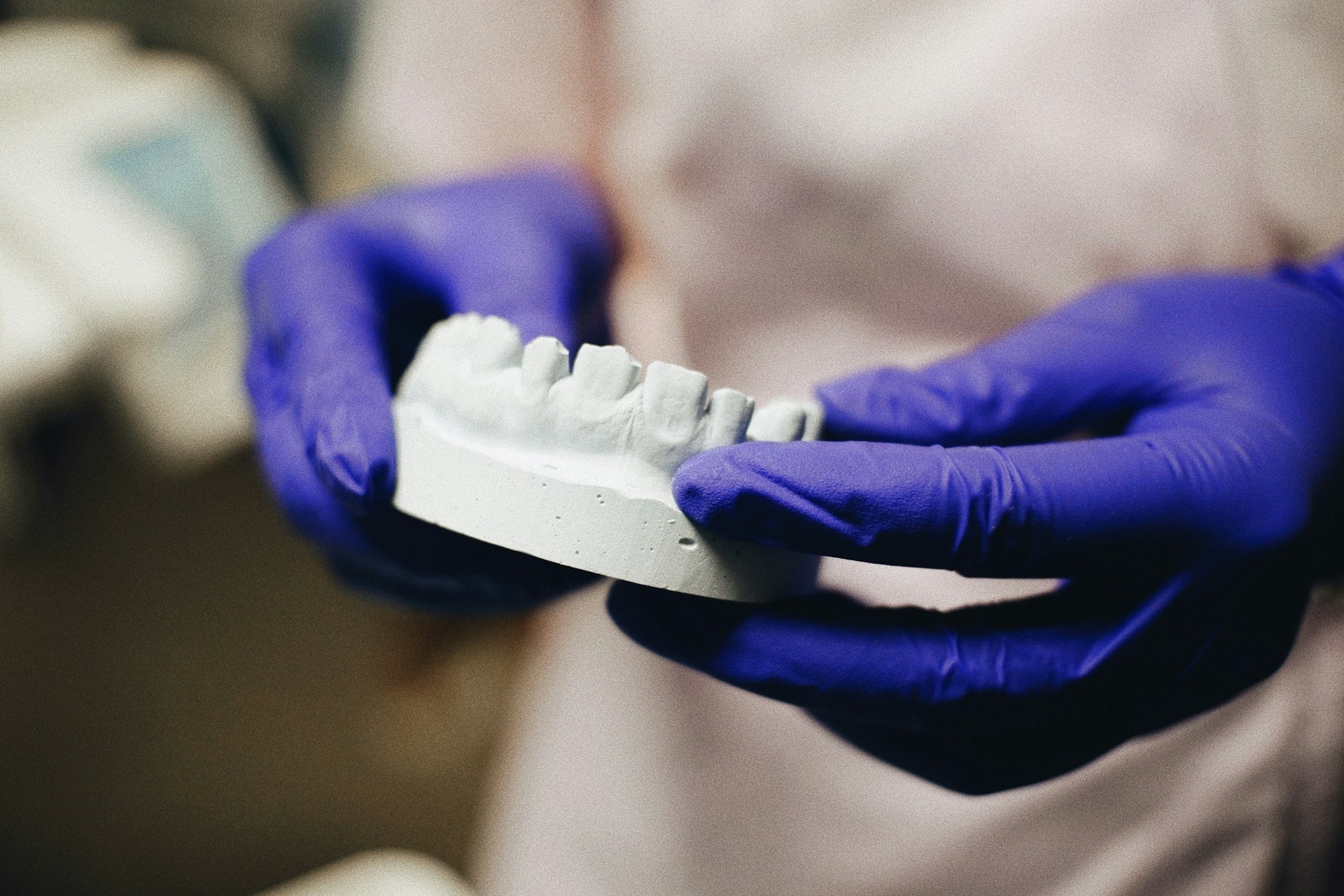
Facial trauma can not only be painful and detrimental to one’s overall health, but it can also have a significant impact on a person’s self-esteem and confidence. We understand the importance of addressing facial trauma with advanced and compassionate reconstructive surgery solutions. Our team of highly skilled dental surgeons is dedicated to helping patients restore their oral function and facial esthetics following traumatic injuries.
In this article, we will be covering various aspects of facial trauma. We’ll begin by examining the different types of facial trauma, including soft tissue injuries, bone fractures, and dental injuries, aiming to provide a clear understanding. Next, we’ll delve into the common causes behind facial injuries, ranging from accidents to sports-related incidents and interpersonal violence.
Additionally, we’ll highlight the reconstructive surgery options available for addressing facial trauma, encompassing procedures like laceration repair, bone fracture fixation, and dental injury treatments. Furthermore, we’ll walk you through the reconstructive surgery process, starting from the initial consultation to the post-operative recovery phase.
With the expert guidance of the dental surgeons at Sound Surgical Arts, you can navigate your way through facial trauma recovery and reconstructive surgery, ultimately restoring your oral function, facial appearance, and confidence.
Types of Facial Trauma
Facial trauma can manifest in various forms, making it essential to understand the different types of injuries to ensure proper treatment. Some common types of facial trauma include:
1. Soft Tissue Injuries: These injuries involve damage to the skin, muscles, and other connective tissues in the face. Examples include lacerations, bruises, and abrasions.
2. Bone Fractures: Facial bone fractures can involve any of the bones in the face, including the jaw, cheekbones, eye sockets, and nose, significantly impacting facial appearance and function.
3. Dental Injuries: Trauma to the teeth and supporting oral structures can result in fractured, cracked, or dislodged teeth, as well as damaged gums and jawbones.
Causes of Facial Trauma
Recognizing the typical causes of facial trauma can help increase awareness and prioritization of safety measures. Some common causes of facial injuries include:
1. Accidents: Vehicle collisions, workplace incidents, and falls are among the most frequent causes of facial trauma, making it imperative to take necessary safety precautions in various settings.
2. Sports Injuries: Contact sports like football, basketball, and soccer can lead to facial injuries due to collisions and falls. Wearing appropriate protective gear can help minimize the risk of severe trauma.
3. Interpersonal Violence: Physical altercations, whether intentional or accidental, can result in facial injuries requiring immediate medical attention and proper care.
Reconstructive Surgery Options
The reconstructive surgery solutions offered at Sound Surgical Arts focus on restoring the function, appearance, and overall health of patients who have experienced facial trauma. Some of the treatment options include:
1. Repair of Lacerations: Reconstructive surgeons can skillfully close facial lacerations using delicate sutures and techniques that minimize scarring while promoting optimal healing.
2. Bone Fracture Fixation: Operative and non-operative methods can be employed to address facial bone fractures, including internal fixation, external fixation, and bone grafting, depending on the severity and location of the injury.
3. Dental Injury Treatments: A range of dental procedures can be performed to address trauma to teeth and oral structures, including tooth extraction, dental implants, root canals, and bone or gum grafting.
The Reconstructive Surgery Process
Undergoing reconstructive surgery following facial trauma involves a well-established process that includes the following steps:
1. Initial Consultation: During your first appointment, your dental surgeon will assess the extent of your facial injuries and recommend the appropriate course of action based on your specific needs.
2. Preoperative Preparation: Prior to your surgery, you may need to undergo diagnostic imaging, and your surgeon will provide you with detailed instructions on how to prepare for the procedure, including fasting and medication guidelines.
3. Surgery: Depending on the nature of your facial trauma and relevant treatment plan, your surgery may involve general anesthesia, local anesthesia, or a combination of both. The duration and complexity of the procedure will vary according to the type and severity of your injuries.
4. Postoperative Care: Your dental surgeon will closely monitor your post-surgery recovery, regularly evaluating your healing progress and providing you with comprehensive instructions on appropriate at-home care.
5. Follow-up Appointments: Regular follow-up visits to your dental surgeon will help ensure proper healing and prevent potential complications, as well as address any concerns or questions you may have during your recovery.
Choosing a Skilled Dental Surgeon in Gig Harbor, WA: Prioritizing Expertise and Compassionate Care
Selecting a dental surgeon with the necessary experience and qualifications is crucial to achieving the best possible reconstructive surgery outcomes. When considering a dental surgeon to address your facial trauma, keep the following elements in mind:
1. Training and Experience: A qualified dental surgeon should have extensive training and experience in the treatment of facial trauma and reconstructive surgery.
2. Practice Reputation: Research patient testimonials and online reviews to gain insight into the dental surgeon’s history of patient satisfaction and successful outcomes.
3. Consultation Experience: Your initial consultation should provide a sense of the dental surgeon’s expertise, communication style, and overall approach to patient care.
Conclusion
Recovering from facial trauma can be a challenging journey, but with expert guidance and comprehensive reconstructive surgery solutions, it is possible to regain oral function, facial esthetics, and self-confidence. Sound Surgical Arts is dedicated to providing patients with personalized care and expertise to help them navigate their reconstructive surgery experience and achieve optimal results.
Schedule a consultation at Sound Surgical Arts today to discuss your facial and dental trauma needs in Gig Harbor with our skilled, compassionate team.
The Role of Reconstructive Surgery in Restoring Dental and Oral Function
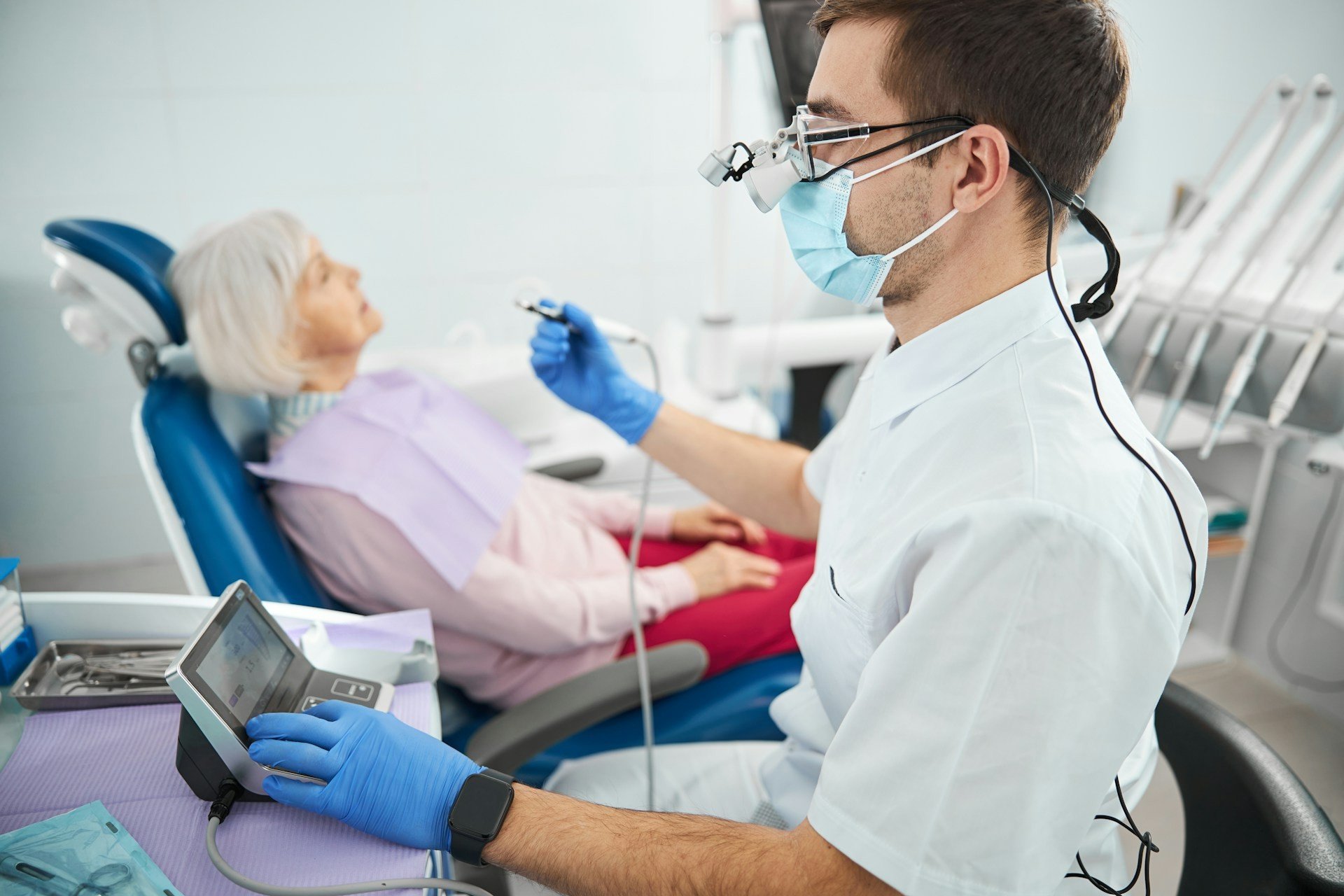
Reconstructive surgery is a specialized area of dental care that focuses on repairing and restoring dental function and appearance. Whether it’s addressing congenital defects, damage caused by trauma, or the aftermath of disease, reconstructive surgery can play a significant role in restoring patients’ dental health and overall well-being.
In this article, we will explore reconstructive surgery, including its goals of improving function, aesthetics, and oral health. We’ll discuss common procedures like dental implants, bone grafts, maxillofacial surgery, soft tissue grafts, and their applications and benefits. Additionally, we’ll provide advice on selecting an experienced reconstructive dental surgeon and outline the process from consultation to post-operative care.
At Sound Surgical Arts, our team of dental professionals is committed to providing expert reconstructive dental care that caters to each patient’s unique circumstances. Through personalized treatment plans and a dedication to patient comfort, our team strives to deliver unparalleled service and superior results.
The Goal of Reconstructive Surgery
The primary goal of reconstructive dental surgery is to restore dental function, appearance, and oral health for patients experiencing damage, defects, or disease-related complications. By addressing these issues, reconstructive surgery can have a profound impact on patient’s lives, including:
1. Restored or improved chewing and speech abilities
2. Enhanced oral health and prevention of further dental complications
3. Reinforced self-confidence through heightened dental aesthetics
4. Alleviation of pain or discomfort related to dental issues
Through individualized treatment plans and expert dental care, reconstructive surgery can help patients regain a healthy and functional oral foundation.
Common Types of Reconstructive Surgery Procedures
There are numerous reconstructive dental procedures available to address a wide range of issues, including:
1. Dental Implants: Used to replace missing teeth, dental implants consist of a titanium post that is surgically inserted into the jawbone and a custom-made dental crown to mimic the appearance of a natural tooth. Dental implants offer a permanent, comfortable, and aesthetically pleasing solution for tooth replacement.
2. Bone Grafting: For patients lacking sufficient bone density for dental implants or other reconstructive procedures, bone grafting can help build up the jawbone and create the necessary support for successful dental treatment.
3. Maxillofacial Surgery: This specialization includes corrective jaw surgery, addressing issues related to jaw misalignment, TMJ disorders, and facial reconstruction following trauma or disease.
4. Soft Tissue Grafts: In cases of gum recession, soft tissue grafts can be used to restore and reinforce gum tissue, protecting the roots of teeth and reducing the risk of tooth sensitivity, decay, or loss.
Factors to Consider When Choosing a Reconstructive Dental Surgeon
Selecting a qualified reconstructive dental surgeon is essential for achieving optimal results and ensuring a comfortable, safe surgical experience. Consider the following factors when choosing a reconstructive dental professional:
1. Education and Experience: Look for a dental professional who has participated in specialized training related to reconstructive surgery and has ample experience performing the specific procedures you require.
2. Board Certification: A board-certified oral and maxillofacial surgeon or a dentist certified in prosthodontics is highly recommended for complex reconstructive procedures.
3. Consultation: Schedule a consultation with your prospective dental professional to discuss your needs, ask questions, and learn more about their treatment approach and philosophy.
4. Patient Testimonials: Seek testimonials or reviews from past patients to gauge the dental professional’s reputation and success rate.
5. Location and Facilities: Consider a dental practice that is conveniently located and offers a state-of-the-art facility to ensure the best possible treatment experience.
The Process of Dental Reconstruction
Reconstructive dental surgery typically involves several stages, each critical for ensuring optimal outcomes:
1. Consultation and Diagnosis: Your dental professional will conduct a thorough evaluation of your oral health, including x-rays or 3D imaging, to determine the most appropriate course of action for your situation.
2. Treatment Planning: The dental professional will develop a personalized plan outlining the specific procedures, timeline, and potential costs involved in your reconstructive dental treatment.
3. Pre-Operative Preparations: Preparations may include dental impressions, pre-surgical imaging, and obtaining necessary materials, appliances, or medications in preparation for surgery.
4. Surgery and Post-Operative Care: Reconstructive dental procedures will be performed according to the treatment plan, and post-operative care will focus on proper pain management, healing, and oral hygiene.
5. Follow-up and Maintenance: Regular dental check-ups and any necessary ongoing treatment will help ensure the long-term success and maintenance of your reconstructive dental care.
The Impact of Reconstructive Procedures on Patients’ Lives
Reconstructive dental surgery has the power to transform patients’ lives, offering a multitude of benefits:
1. Improved Function: Patients often experience enhanced chewing, speaking, and overall oral function following reconstructive procedures.
2. Aesthetics: Reconstructive surgery can improve dental appearance and contribute to increased self-esteem and self-confidence.
3. Oral Health: By addressing damaged or missing teeth, bone loss, and other dental complications, reconstructive surgery can help prevent further issues and maintain a healthy oral foundation.
4. Quality of Life: The combined benefits of restored function, aesthetics, and oral health can contribute significantly to an improved overall quality of life for patients who undergo reconstructive dental procedures.
Conclusion
Reconstructive dental surgery plays an essential role in restoring dental function and ensuring optimal oral health for patients facing a variety of dental challenges. By understanding the various reconstructive procedures and their benefits, as well as selecting an experienced dental professional, patients are well-equipped to achieve a healthier, more confident smile. Contact Sound Surgical Arts to schedule a consultation and explore your reconstructive dental surgery options, like dental implants in Gig Harbor, taking the first steps toward a brighter, more functional smile.
Achieving a Brighter Smile with Teeth Whitening Solutions in Tacoma, WA

A beautiful, bright smile is often considered an essential aspect of one’s appearance, contributing to increased self-confidence and a positive, welcoming demeanor. Discolored or stained teeth can detract from the appeal of your smile, leading many individuals to seek effective teeth-whitening solutions. We are committed to providing exceptional dental services, including professional teeth whitening options, to help you achieve the radiant smile you’ve always desired.
In this blog article, we will explore various teeth whitening options, focusing on the effectiveness, benefits, and convenience of professional teeth whitening services. Furthermore, we will discuss the common causes of tooth discoloration and helpful tips for maintaining a long-lasting, whiter smile after completing your teeth whitening treatment at Sound Surgical Arts.
1. Understanding Teeth Whitening Options
There are various teeth whitening solutions available, ranging from over-the-counter (OTC) products to professional, dentist-supervised treatments. It’s essential to understand the differences and benefits of each method to make an informed decision for your smile.
– Over-The-Counter Whitening Solutions: OTC options include whitening toothpaste, strips, and at-home trays with bleaching gel. While these products may offer some improvement in tooth brightness, they often provide inconsistent or minimal results compared to professional treatments and may cause gum irritation due to improper application.
– Professional Teeth Whitening Services: Sound Surgical Arts, offers dentist-supervised teeth whitening treatments that provide a higher degree of efficacy and safety compared to over-the-counter solutions. Our professionally administered whitening services include in-office procedures that deliver immediate, dramatic results and take-home custom-fit trays for a more gradual, controlled teeth whitening experience.
2. Benefits of Professional Teeth Whitening Services
We deliver an exceptional teeth whitening experience with various benefits that make professional solutions stand out from over-the-counter options:
– Proven Effectiveness: Professional teeth whitening services offer more reliable, predictable, and long-lasting results, ensuring you achieve the desired level of brightness for your smile.
– Supervised Safety: Your dentist will monitor the teeth whitening process, ensuring the appropriate application of whitening agents to avoid tooth sensitivity or gum irritation.
– Personalized Treatment: Your dental care team will customize teeth whitening treatments based on your specific needs, tooth color, and desired results.
– Faster Results: In-office teeth whitening treatments provide immediate results, often lightening teeth by several shades in just one visit. Even take-home trays from your dentist offer more effective whitening than OTC options.
– Comprehensive Dental Examination: Prior to any teeth whitening treatment, your dentist will assess your oral health to ensure that you are an ideal candidate for the procedure and address any underlying dental issues that may impact treatment success.
3. Common Causes of Tooth Discoloration and Staining
Various factors contribute to tooth discoloration and staining; identifying these culprits is crucial for maintaining a whiter smile following your teeth whitening treatment:
– Food and Beverages: Consuming foods and drinks with strong pigments, such as coffee, tea, wine, berries, and tomato sauce, can cause tooth staining over time.
– Tobacco Use: Nicotine and tar present in cigarettes and other tobacco products can lead to unsightly yellow or brown stains on teeth.
– Poor Dental Hygiene: Inadequate brushing and flossing can allow plaque and stains to accumulate on teeth, affecting their color and overall health.
– Medications: Certain medications, such as tetracycline antibiotics or doxycycline, can cause tooth discoloration, especially when taken during tooth development in children.
– Aging: As we age, tooth enamel gradually wears away, revealing the naturally yellow-colored dentin beneath and giving teeth a darker appearance.
4. Tips for Maintaining a Whiter Smile after Professional Whitening
To ensure lasting results and preserve the radiance of your smile following your teeth whitening treatment, consider these helpful tips:
– Practice Good Oral Hygiene: Brush at least twice a day using fluoride toothpaste and floss daily to remove plaque and prevent staining.
– Rinse with Water: After consuming tooth-staining food or beverages, rinse your mouth with water to help dilute and wash away staining pigments.
– Avoid Tobacco Products: Quit or reduce tobacco use to prevent stains and promote better oral and overall health.
– Eat a Balanced Diet: Consuming a diet rich in fruits and vegetables can support strong, healthy, and naturally white teeth.
– Visit Your Dentist Regularly: Schedule regular dental checkups and cleanings to ensure your teeth remain in excellent condition and address any potential staining or dental concerns promptly.
Brighten Your Smile with Teeth Whitening at Sound Surgical Arts
If you’re seeking a brighter, more radiant smile, our professional teeth whitening services offer a safe, effective, and personalized solution for achieving the results you desire. Our dedicated team of dental professionals is committed to providing exceptional patient care and guiding you through the teeth whitening process, ensuring a comfortable and satisfying experience.
Take the first step toward a dazzling, captivating smile by scheduling a consultation for teeth whitening in Tacoma, WA, at Sound Surgical Arts today. Trust our team to deliver top-notch dental care and tailor-made teeth whitening solutions that will leave you feeling confident and proud of your newfound smile.
Gum Health Essentials: Preventing and Treating Gum Disease in Tacoma, WA

When it comes to oral health, a stunning smile is only possible with healthy gums. These soft tissues act as a supportive foundation for your teeth, and maintaining their well-being is crucial for preventing gum disease. We are dedicated to offering exceptional dental services, including gum disease treatment and prevention, to ensure our patients enjoy optimal oral health and the confidence that comes with a radiant smile.
In this blog article, we will delve into the essentials of gum health and discuss the various stages of gum disease, its associated symptoms, and preventative measures. Additionally, we will outline the gum disease treatment options available and illustrate how a proactive approach to gum health can significantly impact the longevity of your teeth and the brilliance of your smile.
1. Understanding the Stages of Gum Disease
Gum disease, also known as periodontal disease, is an inflammatory condition affecting the tissues surrounding the teeth. It progresses through different stages, and early detection and treatment are crucial for preventing further damage:
– Gingivitis: The initial stage of gum disease is characterized by inflammation and irritation of the gingival tissues due to plaque buildup. At this stage, symptoms are typically mild, and the condition is easily reversible with proper dental care.
– Periodontitis: If gingivitis is left untreated, it can progress into periodontitis, a more severe gum infection that causes pockets to form between the teeth and gums. These pockets often harbor bacteria, further aggravating the condition and potentially leading to tooth loss.
– Advanced Periodontitis: In its advanced stage, periodontitis results in the destruction of gum tissue, bone, and tooth-supporting ligaments, leading to tooth loosening, shifting, and eventual tooth loss if left untreated.
2. Common Symptoms and Risk Factors of Gum Disease
Recognizing the symptoms of gum disease and understanding the risk factors can help you identify potential issues and address them promptly:
– Symptoms: Gingivitis symptoms include red, swollen, and bleeding gums, especially during brushing and flossing. As the disease progresses to periodontitis, symptoms may also include tooth sensitivity, receding gums, bad breath, and loose or shifting teeth.
– Risk Factors: Poor oral hygiene is the leading cause of gum disease, but other contributing factors include tobacco use, genetics, hormonal changes, certain medications, and underlying health conditions, such as diabetes.
3. Preventing Gum Disease: The Power of Good Oral Hygiene
Implementing excellent oral hygiene practices and making informed lifestyle decisions are essential in preventing gum disease:
– Brushing: Brush your teeth at least twice a day, using a soft-bristled toothbrush and fluoride toothpaste to effectively remove plaque and avoid damaging delicate gum tissue.
– Flossing: Floss daily to remove plaque and food particles from between teeth and under the gumline, where your toothbrush cannot reach.
– Dental Checkups and Cleanings: Schedule regular dental checkups and cleanings to ensure your teeth and gums remain in optimal condition, and to address any gum health concerns early.
– Eat a Balanced Diet: Limit sugary and starchy foods that contribute to plaque buildup, and consume a well-rounded diet rich in fruits, vegetables, and whole grains to support overall oral health.
– Avoid Tobacco Products: Eliminating tobacco use reduces the risk of gum disease, oral cancer, and other health issues.
4. Treating Gum Disease at Sound Surgical Arts
Our skilled dental professionals provide comprehensive gum disease treatment options tailored to your specific needs:
– Scaling and Root Planing: This non-surgical procedure, often referred to as a deep cleaning, involves the removal of plaque and tartar from tooth surfaces and below the gumline. The dentist will then smooth the tooth roots to help gums reattach to the teeth and prevent harmful bacteria from re-colonizing.
– Antibiotic Therapy: Topical or oral antibiotics may be prescribed to help control infection and reduce gum inflammation.
– Gingival Flap Surgery: For advanced cases of periodontitis, a dentist may recommend gingival flap surgery to clean deep periodontal pockets, remove tartar, and repair damaged bone and tissue.
– Guided Tissue Regeneration: This regenerative procedure may be performed alongside gingival flap surgery to encourage the regrowth of lost bone and gum tissue.
– Gum Grafting: If gum recession is severe, a gum graft may be necessary to cover exposed tooth roots and protect them from further damage.
Maintain Your Gum Health with Sound Surgical Arts
Your journey to superb oral health begins with maintaining healthy gums as the foundation for a brilliant smile. We have the expertise, state-of-the-art technology, and high-quality dental care to help you prevent and treat gum disease effectively.
Embrace the benefits of excellent gum health by scheduling a consultation for gum disease in Tacoma, WA, at Sound Surgical Arts and let our team of dedicated dental professionals guide and support you in achieving and maintaining a radiant, healthy smile.
Comprehensive Guide to Dental Implant Care

Dental implants represent a significant advancement in oral health care, offering long-lasting solutions for those missing one or several teeth. At our dental practice, we specialize in installing and maintaining these implants, providing our patients with not only a restored smile but also a renewed sense of confidence. The journey with dental implants doesn’t end post-surgery; understanding how to care for them properly is crucial for their longevity and your overall oral health.
Taking care of your dental implants is similar in many ways to caring for your natural teeth, yet there are specific nuances key to their upkeep and functionality. Through our expertise, we aim to empower you with essential knowledge and practical skills to maintain your implants. This article will guide you through daily dental implant care routines, address common concerns, and highlight when it’s important to visit us for professional maintenance. By adhering to these guidelines, you can ensure that your dental implants remain in optimal condition, contributing to the long-term health and beauty of your smile.
Understanding Your Dental Implants
Dental implants are a revolutionary solution for people who have lost teeth due to injury, disease, or decay. We provide dental implants because they not only restore the aesthetic appearance of teeth but also the functionality and structure of the jaw. A dental implant typically consists of a small titanium post that acts as a replacement for the root portion of a missing natural tooth. Titanium is used because of its durability and its ability to fuse with bone over time, a process known as osseointegration.
Once the implant has bonded successfully with the jawbone, a crown, which mimics the look of a natural tooth, is placed on top of the implant. This procedure not only enhances your smile but also restores chewing efficiency and supports facial structures. Understanding that dental implants can significantly improve quality of life, we make an effort to provide this durable and reliable solution, ensuring that each step—from the initial consultation to the surgical placement and final restoration—is handled with utmost care and precision.
Daily Dental Implant Care Routine
Maintaining dental implants is just as important as caring for natural teeth. To ensure the longevity and health of your implants, we recommend incorporating a few specific steps into your daily oral hygiene routine. Here’s a simple, effective care routine you can follow:
1. Brush Twice a Day: Use a soft-bristled toothbrush and a non-abrasive toothpaste to clean your teeth and implants thoroughly. Brushing helps remove plaque and food particles and prevents the build-up of bacteria.
2. Floss Daily: Use unwaxed tape or implant-specific floss to clean around your implants, crowns, and gums. It’s crucial to remove plaque and food debris from under the gum line and around the implant.
3. Rinse with Mouthwash: Antimicrobial mouth rinses can help reduce bacteria in your mouth and freshen your breath. Avoid alcohol-containing rinses as they can dry out the mouth.
4. Regular Check-ups: Schedule regular check-ups and cleanings with us. Although dental implants don’t decay, they require regular maintenance to keep the surrounding gums and bone healthy.
By adhering to this care routine, you’ll help ensure that your dental implants remain in excellent condition, providing comfort and functionality for years to come.
Addressing Common Dental Implant Concerns
When considering dental implants, many patients have concerns regarding the process, success rates, and possible complications. We’re committed to addressing these concerns transparently, ensuring you feel confident and informed throughout your journey with us. A common worry relates to the longevity of implants and potential rejection by the body. Fortunately, due to advances in dental technology and materials, dental implants now have a success rate of over 95%. Made from biocompatible titanium, they are often readily accepted by the body.
Another frequent concern is the pain associated with the implant procedure. We prioritize your comfort and use advanced pain management techniques to minimize discomfort. Most of our patients report that the procedure is less painful than they anticipated, and many liken it to a simple tooth extraction, with manageable recovery times. We also reassure our patients regarding the care and maintenance of implants; much like natural teeth, they require consistent but straightforward care.
When to See Your Dentist for Dental Implant Maintenance
Regular visits to the dentist are crucial for maintaining the health of your dental implants. We recommend a visit at least every six months for a professional cleaning and examination to ensure the implants, gums, and surrounding teeth remain healthy. During these check-ups, we ensure that the implants have not loosened, that the crowns are still well-fitted, and that there are no signs of infection or gum disease.
If you experience any discomfort, swelling, or bleeding around the implant site, or if you notice that the implant feels loose, it is important to contact us immediately. These could be signs of infection or implant failure that need prompt attention. Additionally, if you encounter any issues with biting or chewing, or feel any unusual movement of your implant, a consultation can help address any potential adjustments or corrections that may be needed.
In Conclusion
Dental implants are a durable and reliable solution for replacing missing teeth, offering both functional benefits and aesthetic improvement. It’s important to remember that like any significant dental procedure, understanding the treatment, proper care, and maintaining regular check-ups play crucial roles in the success of your dental implants. Our team is here to provide you with the highest quality of care and to address any concerns you may have throughout your treatment process.
If you’re considering dental implants in Gig Harbor or have concerns about a current implant, do not hesitate to reach out to us at Sound Surgical Arts (Gig Harbor, WA). Our experienced team is ready to assist you with expert care and ensure your dental health is preserved for years to come.
Emergency Dental Care: Know When to Act
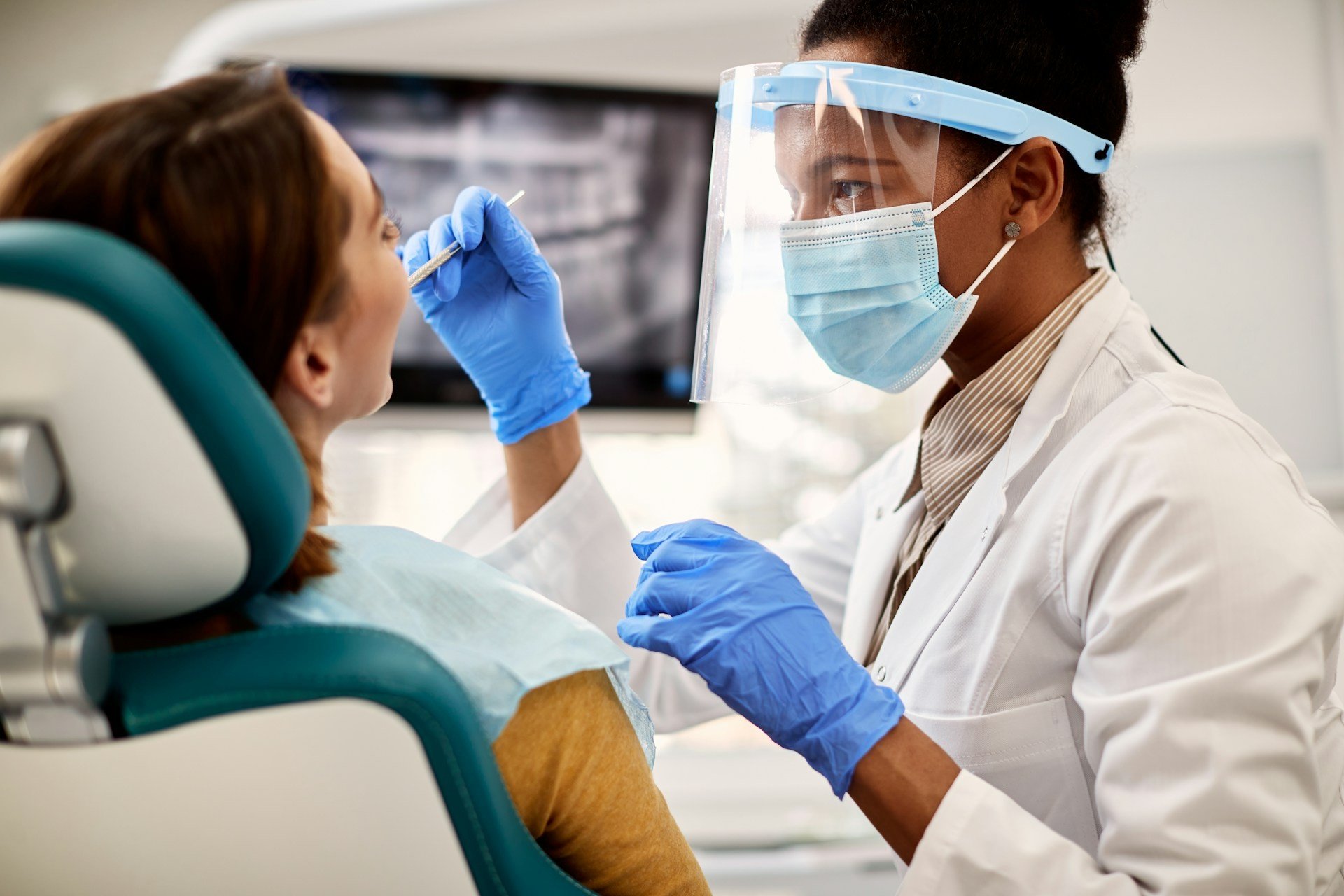
When sudden dental pain strikes, recognizing whether it’s a true emergency can be crucial for taking the right actions to protect your oral health. As a dedicated provider of comprehensive dental care services, we understand the urgency and anxiety that come with potential dental emergencies. It’s important to distinguish between normal discomforts or minor dental issues and true emergencies that require immediate, professional intervention.
In this article, we’ll guide you through identifying clear signs of a dental emergency, understanding common causes, and knowing the essential steps to take until you can get professional help. Our aim is to equip you with the knowledge necessary to act swiftly and effectively, ensuring your safety and health are maintained. Whether it’s sudden severe pain, a broken tooth, or another alarming symptom, understanding when to seek immediate dental care is key to managing potential complications effectively.
Identifying Signs of a Dental Emergency
Recognizing the signs of a dental emergency can be the difference between saving a tooth and losing it. One of the clearest indications of a dental emergency is sudden, severe pain that disrupts your ability to carry on with normal daily activities. This pain might originate from the tooth itself, surrounding gums, or even radiate to the jaw and neck area. Another unmistakable sign is significant bleeding that does not subside with gentle pressure, which should never be ignored as it can pose serious risks if not promptly addressed.
Other signs include swelling in the mouth, face, or neck area, which can sometimes accompany an abscess. Abscesses are particularly serious as they signify infections that could spread and lead to more systemic health issues. Similarly, a tooth that is noticeably loose or has been knocked out completely is a critical situation requiring emergency care. We stress the importance of being vigilant about these signs and recommend contacting us immediately if any of these symptoms occur. Doing so could save your teeth and prevent further complications.
Common Causes of Dental Emergencies
Dental emergencies can spring from various origins, some of which might surprise you due to their everyday nature. One common cause is biting down on food that is too hard for the teeth to handle, resulting in chipped, cracked, or broken teeth. Accidents or injuries involving the face and mouth, such as during sports activities or due to falls, are also frequent precursors to emergency dental visits.
Periodontal disease (gum disease) can progress unnoticed until it becomes an emergency, manifesting as severe discomfort or even tooth loss. Neglect in regular dental care can exacerbate or lead to situations that require urgent attention, highlighting the importance of routine check-ups and maintenance. Moreover, failed restorations or detachments, such as old fillings or crowns coming loose, also account for emergency visits where immediate care is needed to prevent further damage or infection.
Being aware of these causes helps us emphasize prevention, which includes wearing mouthguards during sports, maintaining good oral hygiene, and keeping up with regular dental exams. By doing so, we can minimize the risk of dental emergencies and ensure a healthier, more stable dental condition for you.
Immediate Steps to Take in a Dental Emergency
When a dental emergency strikes, knowing the right steps to take can significantly affect the outcome of your dental health. First and foremost, try to remain calm; panicking can worsen the situation. If you experience severe pain, begin by rinsing your mouth with warm water, which can help clean the area and soothe discomfort. If there is bleeding, apply pressure with a piece of clean gauze or a tea bag for about 20 minutes or until the bleeding stops.
For a tooth that has been knocked out, it’s crucial to handle the tooth by the crown (the part that is visible when it’s in place) and avoid touching the root. If possible, place the tooth back in its socket and hold it there with gauze or a wet tea bag. If that isn’t possible, store the tooth in a small container of milk or saliva until you can get to us. Cold compresses can be applied externally to the cheek to help reduce swelling and alleviate pain. It’s essential to avoid applying any heat or painkillers directly to the gums as they can cause tissue damage.
When to Visit Us for Emergency Dental Care
It is important to visit our office without delay when facing a dental emergency. Situations such as severe pain, dental abscesses, sustained bleeding, knocked-out teeth, or injuries to your jaw warrant immediate professional attention. Remember, treating dental emergencies swiftly is not only important for alleviating pain but also for preventing potential long-term damage.
Our team is equipped and ready to handle various dental emergencies with promptness and utmost care. We prioritize such urgent cases while ensuring you receive the most appropriate and effective treatment. Never hesitate to contact us when you suspect that you’re experiencing a dental emergency. It’s better to be cautious than to face complications from delayed treatment.
In Conclusion
Dental emergencies can be stressful, but being prepared and knowing when to seek immediate care can help mitigate the impacts significantly. We encourage our patients to contact us immediately in situations of severe pain, damage, or distress in their dental health. Regular check-ups can also reduce the likelihood of sudden emergencies by addressing potential issues before they escalate.
Remember, at Sound Surgical Arts (Gig Harbor, WA), our priority is your oral health and comfort. We’re here to assist you during those critical moments with precise, compassionate care and address problems with your teeth in an hour in Gig Harbor. If you believe you are experiencing a dental emergency, do not hesitate to reach out to us for prompt, professional assistance.
Addressing Dental Trauma with Skilled and Compassionate Care
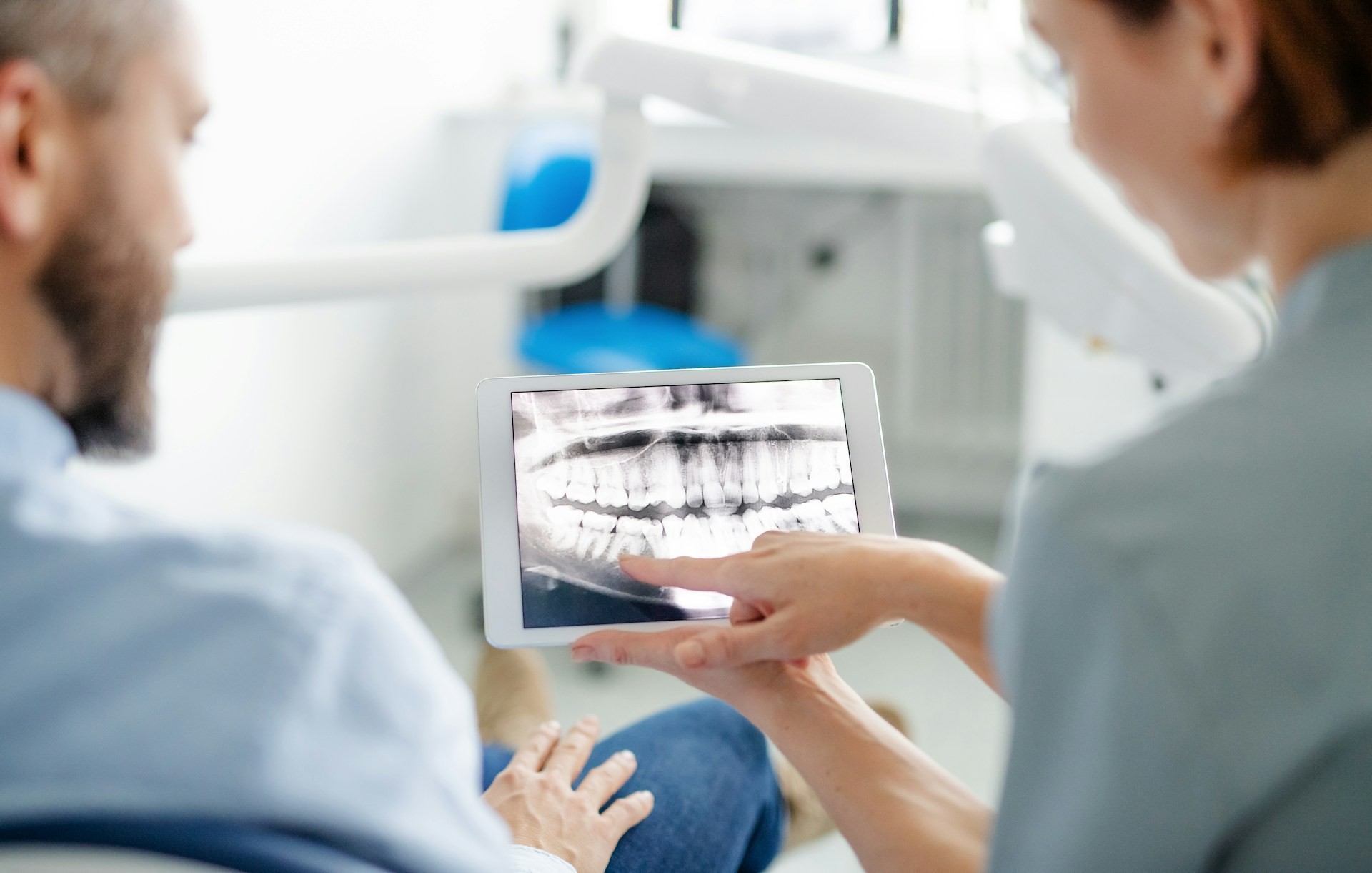
Dental trauma, which refers to any injury to the teeth, gums, or surrounding oral structures, is a prevalent issue that can occur due to accidents, sports injuries, or other unexpected events. While dental trauma may vary from mild to severe, prompt and appropriate treatment is crucial in promoting optimal healing, preserving oral health, and minimizing the risk of complications. As dental professionals at Sound Surgical Arts (Tacoma, WA) in Tacoma, WA, our top priority is to provide you with the highest quality care, utilizing the latest techniques and technology to address your dental trauma and restore your beautiful smile.
In this informative article, we’ll discuss various types of dental trauma, their consequences, and the tailored treatment options available at Sound Surgical Arts (Tacoma, WA). We understand that addressing dental trauma can often be stressful and intimidating; thus, we aim to educate and empower our patients to make informed decisions regarding their oral health. Our talented and compassionate team will guide you every step of the way and ensure your comfort and well-being during your dental trauma treatment at our state-of-the-art facility.
Types of Dental Trauma
Dental trauma refers to a wide range of injuries that can affect the teeth, gums, and other supportive oral structures. Some common types of dental trauma include:
1. Chipped or Fractured Teeth: A chipped or broken tooth may occur due to biting hard foods or objects, accidents, or injuries during sports. The extent of the damage determines the necessary treatment, which may range from dental bonding to dental crowns or root canal therapy.
2. Dislodged (Luxated) Teeth: A traumatic event can cause a tooth to become displaced, either partially out of the socket or pushed deeper into the jawbone. Immediate intervention is crucial in such cases to reposition and stabilize the affected tooth to prevent further complications.
3. Avulsed (Knocked-out) Teeth: One of the most severe forms of dental trauma, a knocked-out tooth requires immediate attention to increase the likelihood of successful reimplantation. It’s essential to store the tooth in a suitable medium, such as milk or a tooth preservation kit, and visit our clinic without delay.
4. Root Fractures: Root fractures often occur due to direct impact and can vary in severity. Treatment depends on the fracture’s location and extent and may involve bonding, splinting, or even extraction and tooth replacement.
5. Injuries to Soft Tissues: Dental trauma may also involve damage to the gums, lips, cheeks, or tongue. Wounds may require sutures and proper care to ensure proper healing and prevent infections.
Consequences of Dental Trauma
Left untreated or improperly managed, dental trauma can lead to more severe oral health problems, including:
1. Infections: Damaged teeth or soft tissues may become vulnerable to bacterial infections and require immediate treatment to prevent their spread.
2. Tooth Loss: Dislodged or avulsed teeth can result in tooth loss if not treated appropriately and promptly.
3. Altered Oral Function: Untreated dental trauma can cause difficulty in speaking, eating, and maintaining proper oral hygiene.
4. Changes to Facial Appearance: Severe dental trauma can lead to visible changes in facial appearance, such as misaligned teeth or bone structure.
Treatment Options for Dental Trauma
At Sound Surgical Arts (Tacoma, WA), we offer a wide range of treatment options to address dental trauma effectively:
1. Dental Bonding: If a tooth is chipped or cracked, dental bonding can restore its shape and function with a tooth-colored composite resin material.
2. Dental Crowns: In cases where a tooth is fractured or weak, a dental crown can cover and protect the tooth, ensuring full restoration of its function and esthetics.
3. Root Canal Therapy: When dental trauma affects the tooth’s nerve, a root canal treatment may be necessary to preserve the tooth structure and prevent extraction.
4. Implants and Prosthodontics: For teeth that cannot be saved, dental implants or other tooth replacement solutions can provide excellent long-term options for restoring function and appearance.
5. Soft Tissue Management: Depending on the extent of injuries to the soft tissues, sutures and specialized wound care may be necessary to promote proper healing and reduce the risk of infection.
Preventing Dental Trauma
Although it is impossible to predict or prevent all instances of dental trauma, some preventive measures can minimize the risk:
1. Wear mouthguards during sports activities.
2. Implement proper precautions while engaging in high-risk activities.
3. Maintain routine dental checkups to address any underlying oral health issues that may increase the risk of dental trauma.
Conclusion
Dealing with dental trauma can be a challenging and anxiety-inducing experience. At Sound Surgical Arts (Tacoma, WA), we prioritize your comfort and well-being while providing skilled and compassionate care to address your dental trauma efficiently and effectively.
If you or a loved one is experiencing dental trauma, don’t hesitate; contact Sound Surgical Arts (Tacoma, WA) today to schedule an appointment and begin your journey toward restored oral health and a confident smile.
Combating Gum Disease: Understanding LANAP and Its Benefits
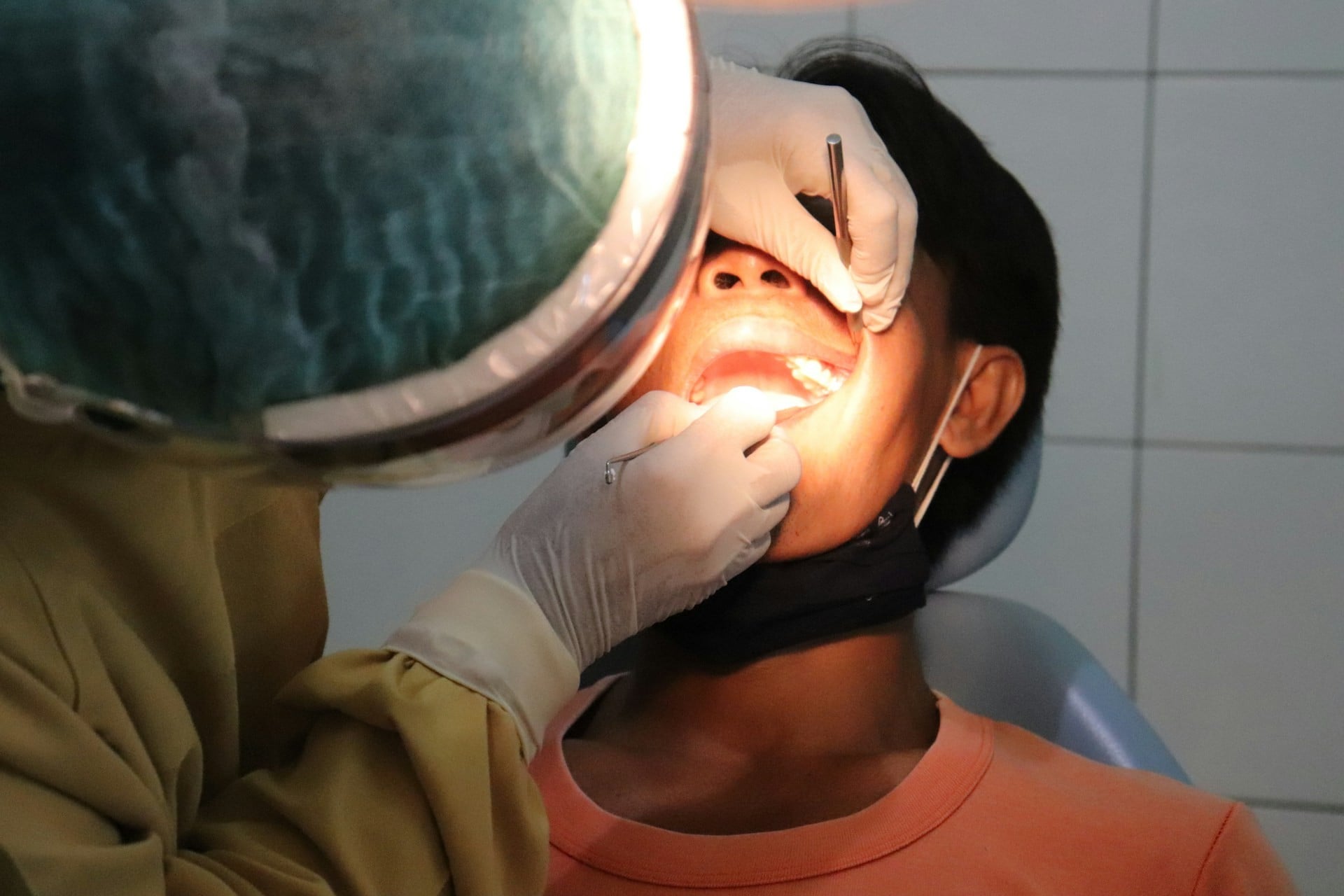
Gum disease, also known as periodontal disease, is a common dental issue experienced by millions of Americans. Left untreated, it can progressively damage the gingival tissues and supporting bone structures, causing tooth loss and overall oral health deterioration. At Sound Surgical Arts (Tacoma, WA), we are committed to providing comprehensive dental care utilizing the latest techniques and treatments to address this prevalent problem. One such cutting-edge solution for gum disease is LANAP, a minimally invasive laser-assisted treatment that delivers remarkable results.
LANAP, short for Laser-Assisted New Attachment Procedure, is a revolutionary approach to treating gum disease that involves using a specially designed dental laser to selectively and effectively remove diseased tissues, stimulate bone and tissue regeneration, and promote natural healing. As opposed to traditional osseous surgery, which often requires the use of scalpels, sutures, and prolonged healing times, LANAP offers a less invasive, highly effective alternative with quicker recovery and fewer post-treatment complications.
In this in-depth blog post, we will discuss the LANAP procedure and its various benefits, including how it compares to traditional surgical methods. Our skilled team at Sound Surgical Arts (Tacoma, WA) is dedicated to providing the best possible patient experience and optimal oral health outcomes through the use of innovative, state-of-the-art treatments like LANAP.
The LANAP Procedure: A Step-by-Step Breakdown
The LANAP treatment process involves several key steps that work together to address gum disease effectively and efficiently:
1. Diagnosis and Assessment – Our team will evaluate the severity of your gum disease and determine if LANAP is the most appropriate treatment for your specific needs.
2. Laser Decontamination – Using the specialized PerioLase MVP-7 dental laser, we will target and eliminate bacteria, infected tissue, and calculus (tartar) from the affected area without harming healthy gum tissue.
3. Tissue Reattachment – The laser is then used to stimulate clotting, encouraging the remaining healthy tissue to reattach to the tooth surface and create a stable environment for healing.
4. Bone Regeneration – In addition to its tissue preservative abilities, the LANAP laser also promotes bone regeneration, improving the support structure around your teeth.
5. Post-Treatment Care – Our team will provide instructions on how to properly care for the treated area during the healing process and will schedule follow-up appointments to monitor progress and ensure the best possible results.
LANAP vs. Traditional Gum Disease Treatments
In comparison to traditional osseous surgery, LANAP offers several significant advantages:
1. Minimally Invasive – Unlike conventional surgical methods that often involve scalpels and sutures, LANAP uses a light-based dental laser to gently and selectively target and treat infected tissues.
2. Reduced Discomfort and Recovery Time – The minimally invasive nature of LANAP results in less post-operative discomfort compared to traditional surgery, allowing you to return to your daily life with minimal disruption.
3. Preservation of Healthy Tissues – The precision of the LANAP laser allows it to treat only the diseased tissues, preserving healthy gum tissue and promoting natural healing.
4. Stimulates Bone Regeneration – LANAP not only addresses the infection but also encourages the regeneration of supportive bone, further enhancing the long-term health of your teeth and gums.
The Benefits of LANAP Laser Treatment
Patients who choose LANAP as their gum disease treatment option can expect numerous benefits, including the following:
1. Improved Oral Health – By effectively eliminating infection and promoting tissue reattachment, LANAP contributes to overall improved oral health, reducing the risk of tooth loss and other complications associated with gum disease.
2. Less Invasive Procedure – LANAP’s laser-based treatment approach is minimally invasive, causing significantly less discomfort and swelling than traditional surgical methods.
3. Faster Recovery – Due to its gentle approach, LANAP patients often experience quicker recovery times compared to those who undergo traditional gum surgery.
4. Enhanced Aesthetics – With minimal tissue damage, LANAP helps to maintain the natural appearance of your gums, ensuring an attractive and healthy smile.
5. Long-Lasting Results – The precision of LANAP treatment, combined with proper oral hygiene practices, can result in long-lasting, effective solutions for managing gum disease.
Maintaining Healthy Gums Post-LANAP
To preserve your LANAP results and maintain overall oral health, consider the following tips:
1. Practice Good Oral Hygiene – Regular brushing and flossing, along with using recommended mouthwashes and dental products, can help prevent the recurrence of gum disease.
2. Schedule Regular Dental Checkups – Having regular dental exams and professional cleanings can ensure the ongoing health of your gums and timely detection of potential issues.
3. Stick to a Healthy Diet – Consuming a well-balanced diet comprising of various vitamins and nutrients may contribute to overall gum health and immune system support.
4. Avoid Tobacco Use – Tobacco products can exacerbate gum disease and undermine treatment results, so abstaining from their use is crucial for your oral health.
Conclusion
LANAP laser treatment is an innovative and minimally invasive solution to gum disease, offering an array of benefits compared to traditional surgical methods.
If you’re ready to take the first step toward rejuvenated oral health and a healthier, more confident smile, reach out to us today to discover the benefits of LANAP at Sound Surgical Arts (Tacoma, WA).