
Sound Surgical Arts
Bone Grafting for Dental Implants: Types, Procedure, and Benefits
Bone grafting is a crucial step in many dental implant procedures, ensuring that there is sufficient bone density in the jaw to support the implants. Bone loss can occur for various reasons, including tooth extraction, gum disease, or trauma. Unfortunately, it can jeopardize the success of dental implants, as insufficient bone mass may not provide enough support. At Sound Surgical Arts, we specialize in dental implants and associated procedures, such as bone grafting, to help our patients achieve a stable, functional, and attractive smile.
In this comprehensive guide, we will cover critical aspects of bone grafting for dental implants to help you understand the importance of the procedure, its various types, and the numerous benefits involved.
At Sound Surgical Arts, our top priority is ensuring our patients have access to the latest advancements in dental implant procedures, including bone grafting techniques. We work closely with you to develop a personalized treatment plan that best suits your needs, establishing a solid foundation for successful dental implants.
The Need for Bone Grafting
Bone grafting plays a crucial role in many dental implant procedures, providing the necessary foundation for long-lasting, stable implants. Some key reasons for bone grafting include:
1. Insufficient Bone Density: Dental implants require a certain amount of jawbone mass to anchor securely. If there is inadequate bone density, the implant may fail or become unstable over time.
2. Bone Deterioration: Missing teeth can often lead to jawbone deterioration over time as the bone loses stimulation. Bone grafting can help restore lost bone, preserving facial structure and preparing the site for an implant.
3. Gum Disease: Bone loss can also be a result of advanced gum disease, which can damage the foundation for implants. Grafting may be necessary to rebuild the affected bone for successful implant placement.
4. Tooth Extraction: Following a tooth extraction, bone grafting may be performed to preserve the socket’s integrity and prevent bone loss, making it easier to place an implant in the future.
Types of Bone Grafts
There are several bone grafting options available, each with unique characteristics and applications:
1. Autografts: These grafts are harvested from the patient’s own body, typically from the chin, hip, or another area with suitable bone mass. Since the graft is taken from the patient, it has the highest success rate, as it eliminates the risk of rejection or disease transmission.
2. Allografts: Allografts are sourced from human donors, often from a bone bank. They have gained popularity due to the reduced pain and recovery time associated with not needing to harvest the patient’s bone.
3. Xenografts: These grafts derive from an animal source, typically a cow. They act as a framework for the patient’s bone to grow into, eventually replacing the graft material entirely.
4. Alloplasts: Alloplastic grafts are synthetic and made from biocompatible materials such as hydroxyapatite or bioactive glass. These grafts also serve as a scaffold for new bone growth and have the advantage of being readily available without the need for donor bone.
The Bone Grafting Procedure
The bone grafting process usually consists of several stages, including:
1. Evaluation and Diagnostics: Your oral surgeon will thoroughly assess your oral health to determine if bone grafting is required. This assessment may involve X-rays, 3D scans, and physical examinations.
2. Graft Selection: Based on your individual needs, your surgeon will select the appropriate graft type and develop a personalized treatment plan.
3. Surgical Procedure: The bone grafting procedure begins with administering anesthesia for comfort. An incision is made in the gum tissue, exposing the bone beneath. The graft material is placed in the site, filling in any voids or irregularities in the bone structure, and then secured with sutures or specialized membranes.
4. Post-Operative Care: Following the procedure, your surgeon will provide you with detailed aftercare instructions, including pain management, oral hygiene, and follow-up appointments. It’s crucial to follow these guidelines to ensure successful bone graft integration.
Benefits of Bone Grafting
Bone grafting for dental implants provides numerous benefits, such as:
1. Stable Foundation for Implants: Grafting strengthens the jawbone, ensuring dental implants maintain stability and support.
2. Restored Facial Appearance: Bone loss can lead to changes in facial structure, causing a sunken or aged appearance. Grafting can help restore bone volume, enhancing facial aesthetics.
3. Improved Oral Health: By rebuilding the jawbone, bone grafting can aid in overall oral health maintenance, providing support for the gums and surrounding teeth.
4. Increased Implant Success: Bone grafting increases the chances of successful implant placement, contributing to improved function and long-term results.
Conclusion
Bone grafting plays a vital role in dental implant procedures, particularly for individuals with insufficient bone density. Patients can confidently approach this treatment by understanding the need for bone grafting, the different graft types, the procedure itself, and the numerous benefits it provides.
If you’re considering dental implants and believe bone grafting may be part of your treatment plan, don’t hesitate to contact Sound Surgical Arts to schedule a consultation. Our experienced team is ready to provide personalized care, guiding you through your journey towards a healthy and radiant smile.
Understanding Periodontal Disease: Causes, Symptoms, and Treatment Options

Periodontal (gum) disease is a progressive inflammatory condition affecting the tissues surrounding and supporting the teeth. Left untreated, it can lead to tooth loss, damage to the jawbone, and even systemic health issues. At Sound Surgical Arts, we specialize in periodontics, providing expert diagnosis and treatment of periodontal disease using the latest techniques and technology to help our patients achieve optimal oral health.
In this comprehensive guide, we aim to shed light on the causes and symptoms of periodontal disease, as well as the importance of early detection and effective treatment options. At Sound Surgical Arts, we are committed to educating our patients about the importance of periodontal health. Understanding the causes, symptoms, and treatment options for periodontal disease can empower individuals to prioritize their oral health, seeking timely and appropriate care to mitigate potential complications.
Causes of Periodontal Disease
Periodontal disease has multiple contributing factors, with some of the most common ones being:
1. Plaque Accumulation: Dental plaque is a sticky film of bacteria that forms on the teeth and gum line. When left to accumulate, plaque hardens into tartar, which irritates the gums and leads to inflammation and infection.
2. Poor Oral Hygiene: Inadequate oral care, such as insufficient brushing, flossing, and dental check-ups, can contribute to plaque and tartar buildup, increasing the risk of periodontal disease.
3. Genetic Factors: Some individuals may have a genetic predisposition to periodontal disease, making them more susceptible to gum inflammation and infection.
4. Smoking and Tobacco Use: These habits can exacerbate gum inflammation, impair immunity, and reduce the effectiveness of periodontal treatments.
5. Medical Conditions: Certain conditions like diabetes, hormonal imbalances, and autoimmune diseases can increase the risk of developing periodontal disease.
Signs and Symptoms of Periodontal Disease
Early detection of periodontal disease is critical to prevent its progression and preserve oral health. Common signs and symptoms include:
1. Red, Swollen, or Tender Gums: Inflammation is a key indicator of periodontal disease, with gums appearing red and swollen or becoming more sensitive to touch.
2. Bleeding Gums: Healthy gums should not bleed during regular brushing and flossing. Bleeding may indicate the presence of inflammation or infection.
3. Receding Gum Line: As periodontal disease progresses, the gum tissue may pull away from the teeth, creating pockets and exposing the tooth root.
4. Persistent Bad Breath: Foul-smelling breath, despite maintaining proper oral hygiene, can be a sign of underlying periodontal issues.
5. Loose or Shifting Teeth: Advanced periodontal disease can lead to the deterioration of tooth support, causing them to become loose or shift in the mouth.
Stages of Periodontal Disease
Periodontal disease progresses through several stages:
1. Gingivitis: The initial stage is marked by mild gum inflammation caused by plaque buildup. It is reversible with proper oral hygiene and professional dental cleanings.
2. Mild Periodontitis: If not treated, gingivitis can progress to periodontitis, leading to gum pocket formation and early bone loss around the teeth.
3. Moderate Periodontitis: At this stage, gum pockets deepen, bone loss increases, and teeth may begin to loosen. Treatment is essential to prevent further damage and tooth loss.
4. Advanced Periodontitis: The most severe periodontal disease stage is extensive bone loss, gum recession, and tooth mobility. At this stage, surgical intervention and aggressive treatment may be necessary to save teeth and restore oral health.
Diagnostic Techniques for Periodontal Disease
A thorough evaluation of your oral health is essential for proper periodontal disease diagnosis. Common diagnostic tools include:
1. Dental Exams: Your dental professional will visually examine the color, texture, and consistency of your gums, checking for signs of inflammation or recession.
2. X-rays: Dental X-rays can reveal bone loss around teeth and assess the extent of periodontal damage.
3. Periodontal Probing: A small instrument called a periodontal probe is used to measure the depth of gum pockets, providing crucial information about the severity of the disease.
Treatment Options for Periodontal Disease
Effective periodontal treatment options include:
1. Nonsurgical Treatments: Early-stage periodontal disease can often be managed through professional dental cleanings, scaling, and root planing, which remove plaque and tartar buildup and smooth the tooth root surfaces.
2. Surgical Treatments: Depending on the severity of the disease, surgical treatments such as gum grafting, bone grafting, or guided tissue regeneration may be necessary.
3. Maintenance and Prevention: Proper oral hygiene practices, dental check-ups, and quitting smoking can help prevent periodontal disease recurrence and maintain optimal oral health.
Conclusion
Periodontal disease is a prevalent condition that can have significant oral and systemic health implications if left untreated. Understanding its causes, symptoms, and available treatment options is critical for preventing progression and maintaining a healthy smile.
If you’re concerned about periodontal disease and would like to take proactive steps to protect your oral health, we invite you to contact Sound Surgical Arts to schedule a consultation. Our skilled and compassionate team is ready to assess your periodontal needs and develop a personalized treatment plan to ensure your smile stays bright and healthy.
Oral Cancer Screening at Our Clinic: Early Detection and Modern Treatment Strategies

Oral cancer is among the most pressing concerns in dental and oral health, with early detection being critical for effective treatment and outcomes. At our clinic, we are committed to using advanced diagnostics and providing comprehensive care to safeguard the health of our patients. Oral cancer can manifest in the mouth, lips, tongue, or throat, presenting various symptoms, including lumps, sores, and persistent pain. Recognizing these signs early is the key to initiating prompt medical intervention, significantly boosting successful treatment chances.
We combine our extensive experience with cutting-edge technology to ensure detailed examinations and precise results. Offering modern screening techniques tailored to each patient’s needs, our focus is on detecting oral cancer and educating about prevention. Our advanced tools, which include digital impressions and three-dimensional imaging, play a crucial role in these screenings. By prioritizing regular checks and embracing innovation, we can tackle oral cancer head-on, enhancing our patients’ wellness and peace of mind.
What is Oral Cancer and Why Early Detection Is Critical
Oral cancer refers to cancers found in the oral cavity and oropharyngeal region, including cancers of the mouth, tongue, lips, and throat. Some early signs of oral cancer include sores that don’t heal, lumps or thick patches in the mouth, and difficulty swallowing. Why is early detection so crucial? Simply put, the earlier oral cancer is recognized and diagnosed, the more effective treatment can be. Early detection of oral cancer significantly increases the chances of successful treatment outcomes and helps limit the type of treatment necessary, often allowing for less invasive options.
As we bring our expertise to bear on this critical issue, it’s our commitment to educate our patients on recognizing potential symptoms and encourage them to undergo regular screenings. We believe knowledge empowers our patients to make informed decisions about their health, promoting early detection strategies that could potentially save lives.
Modern Screening Techniques for Oral Cancer at Our Clinic
At our clinic, we harness a variety of advanced screening techniques designed to detect oral cancer at its earliest stages. These techniques include:
1. Visual Examination: Routine visual inspections of the mouth are fundamental to our screening process. We look for asymmetries, swellings, discolorations, ulcerations, and any other abnormalities that could indicate the presence of cancer.
2. Digital Imaging: We employ sophisticated digital imaging technologies that allow us to detect irregularities that are not visible to the naked eye. This can include detailed digital X-rays and computerized tomography (CT) scans, which offer a three-dimensional look at the oral structures, providing us with clearer, more accurate views.
3. Biopsy Procedures: If suspicious areas are identified, we can perform a biopsy to gather cells for closer examination. This is a definitive method for diagnosing oral cancer.
4. Toluidine Blue Dye Testing: A special dye that adheres to malignant cells more than normal cells, helping us identify areas that might need further evaluation or immediate treatment.
These sophisticated techniques not only facilitate an early diagnosis but also customize the screening process to fit the unique needs and conditions of each patient. They allow us to act swiftly and decisively, planning treatments that effectively address the specific stages and types of detected oral cancers. By staying at the forefront of technological advancements and integrating comprehensive screening procedures, we ensure that we provide the best possible care to fend off oral cancer.
Integrating Digital Impressions and 3D Imaging for Accurate Diagnoses
In our ongoing effort to enhance the accuracy of oral cancer diagnoses, we have integrated state-of-the-art digital impressions and three-dimensional (3D) imaging into our diagnostic processes. Digital impressions utilize advanced scanning technology to create precise and detailed views of the oral cavity, capturing data that traditional methods might miss. These high-resolution images allow us to examine the soft tissues and bone structure in great detail, which is essential for identifying early signs of oral cancer.
Furthermore, 3D imaging technologies such as Cone Beam Computed Tomography (CBCT) provide us with comprehensive views of the oral and maxillofacial regions. This not only aids in detecting malignancies but also enables us to plan treatments more effectively. By embracing these technologies, we ensure our diagnostic processes are non-invasive and incredibly thorough, offering patients peace of mind and facilitating early intervention strategies.
Next Steps After a Positive Screening: Treatment Options and Support
Receiving a positive screening result for oral cancer can be daunting, but early detection is a critical advantage. We are committed to supporting our patients through every step of their journey, starting with a comprehensive discussion of the treatment options available. Treatment may involve surgery, radiation therapy, chemotherapy, or a combination of these methods, depending on the type and stage of cancer detected.
We collaborate with specialists in oncology and reconstructive surgery to create a personalized treatment plan tailored to each patient’s specific needs. Our team remains actively involved in managing and monitoring treatment, ensuring continuity of care and optimizing outcomes. Additionally, we provide emotional and psychological support through patient education, addressing any concerns and preparing them for the journey ahead.
Conclusion
The proactive management of oral health is crucial in the fight against oral cancer. Regular screenings, advanced diagnostic tools, and a comprehensive treatment approach are key components of the care we provide. We encourage everyone to participate in regular screening, especially those who may be at increased risk.
If you are looking for a trusted partner in your oral health journey, consider Sound Surgical Arts. Our dedicated team is ready to provide you with the highest standard of care. Schedule your next oral health screening with us and take a proactive step toward maintaining your health and wellness.
Understanding the Cost of Dental Implants in Seattle: An In-Depth Overview

Choosing to enhance your smile and oral health with dental implants is a significant decision, one that involves a consideration of both the physical benefits and the financial implications. As dental professionals committed to providing comprehensive dental services tailored to our clients’ needs and budgets, we understand that the cost of dental implants in Seattle can sometimes be a deciding factor.
In this in-depth overview, we’ll explore the multiple factors contributing to dental implant costs. These factors include the technological advancements that make dental implants a preferred option, the materials used, and the expertise involved in ensuring successful implantation. Our goal is to present clear, concise information to help you navigate your options effectively.
Furthermore, apart from just discussing costs, we’ll compare dental implants to other tooth replacement options. This analysis aims to empower you with knowledge about the effectiveness, durability, and value of investing in dental implants versus other solutions available in the market today. By understanding these dynamics, you’re better positioned to make an informed decision about your dental care that aligns with your long-term oral health goals and financial considerations.
Breaking Down the Cost Factors of Dental Implants in Seattle
Understanding the cost factors of dental implants in Seattle is crucial for anyone considering this life-changing procedure. We believe in transparency and educating our patients about what affects their overall dental health investment. The first factor influencing the cost of dental implants is the type of implant and the technology used. We utilize only the highest-grade materials and the latest in implant technology to ensure durability and functionality.
Additionally, the complexity of the patient’s case can affect costs. For instance, if bone grafting is needed to provide adequate support for the implants, this will be an additional part of the process and cost. The number of implants required also plays a significant role in the total expense. Whether replacing a single tooth or opting for full arch restoration can greatly vary the cost.
Comparative Analysis: Dental Implants vs. Other Tooth Replacement Options
When comparing dental implants to other tooth replacement options, it’s clear why implants are often considered the superior choice. Dentures, for instance, are less expensive upfront but can require frequent adjustments and replacements, which adds to their cost over time. Furthermore, dentures don’t prevent bone loss in the jaw—a common consequence of tooth loss. This can lead to changes in facial structure and additional oral health issues.
Bridges, another common alternative, often require the alteration of adjacent healthy teeth to anchor the prosthetic tooth. While less expensive than implants, bridges also have a shorter lifespan and can lead to complications with anchored teeth. Dental implants, on the other hand, provide a standalone solution that doesn’t compromise the health of adjacent teeth and can last a lifetime with proper care. Thus, while the initial investment might be higher, the long-term benefits and cost-effectiveness of dental implants are significant.
Common Questions about Dental Implant Procedures and Costs
When considering dental implants, our patients often have a number of questions regarding the procedure and its associated costs. One frequently asked question concerns the longevity of dental implants. With proper care and maintenance, including regular check-ups and good oral hygiene, dental implants can last a lifetime. This makes them a more sustainable option compared to other tooth replacement methods that may require more frequent replacements or adjustments.
Another common query is about the pain associated with the procedure. We use local anesthesia to ensure that the implant process is as comfortable as possible. Post-procedure discomfort is typically minimal and can usually be managed effectively with over-the-counter pain relievers. Moreover, we provide detailed aftercare instructions and are always available to address any concerns during the recovery phase.
How We Optimize Patient Investment with High-Quality Dental Implants
Investing in high-quality dental implants is a significant decision, and we understand the importance of maximizing this investment for our patients. We optimize your investment through the use of cutting-edge technology and materials. For instance, our state-of-the-art digital imaging and precise navigated implant placement techniques ensure that each implant is placed with the utmost accuracy, enhancing both functional and aesthetic outcomes.
Additionally, our comprehensive pre-procedural consultations help tailor each treatment plan to meet the specific needs and conditions of the individual patient, thereby avoiding unnecessary procedures and associated costs. By focusing on customized care, we improve the effectiveness of each implant and enhance the overall patient experience and satisfaction with the results.
Conclusion
Deciding to proceed with dental implants is a step towards not only enhancing your smile but also improving your overall dental health. In Seattle, where we operate, we pride ourselves on being at the forefront of dental implant technology and patient care. Whether you are contemplating a single tooth implant or full arch restoration, our approach is tailored to meet your unique needs and expectations.
Our commitment is to provide not just medical treatment but a comprehensive, compassionate service that addresses both the functional and aesthetic concerns of our patients. We encourage anyone considering dental implants to reach out to us and discuss their options, ensuring they are fully informed and comfortable with their decision prior to moving forward with treatment. For more information or to schedule a consultation, contact Sound Surgical Arts today, and let us help you revive your confident smile.
Periodontic Treatments: What They Are and How They Improve Oral Health
Periodontics is a specialized field of dentistry focused on the prevention, diagnosis, and treatment of gum-related diseases and conditions. A vital component of comprehensive oral health care, periodontics plays a significant role in maintaining the health of your gums and the supporting structures of your teeth. Our dental professionals specialize in various services, including dental implants, emergency dental care, periodontics, oral surgery, and maxillofacial surgery, ensuring a diversified and informed approach to your oral health needs.
This informative article will take a deep dive into the realm of periodontics, discussing the importance of maintaining healthy gums, the range of periodontal treatment options available, and the benefits these procedures offer in combatting gum disease. Understanding periodontics can empower individuals to make educated decisions regarding their oral health care, ultimately promoting healthy gums and supporting a strong and beautiful smile.
The Importance of Periodontal Health: Gums as the Foundation
Healthy gums are crucial for maintaining the overall wellness of your teeth and supporting structures. Neglecting gum health can lead to a variety of complications, including tooth loss and systemic health issues. Consider the following reasons why periodontal health matters:
- Tooth Stability: Healthy gums firmly hold teeth in place, providing the necessary stability for normal functions such as chewing and speaking.
- Prevention of Gum Disease: Taking care of your gums helps prevent gingivitis and periodontitis, two common forms of gum disease that could lead to more severe oral health problems.
- Overall Health: Numerous studies indicate a connection between gum disease and systemic health conditions, such as heart disease, diabetes, and respiratory infections.
Types of Periodontal Treatments: Achieving Healthy Gums and a Strong Smile
Depending on the specific gum-related issues, a variety of periodontal treatments are available to address and manage gum health effectively. Let’s explore some common procedures:
- Scaling and Root Planing: This deep cleaning procedure involves removing plaque and tartar buildup from the tooth’s surface and beneath the gum line, smoothing the root surfaces to promote healing and prevent bacteria from re-colonizing.
- Gum Graft Surgery: Exposed tooth roots caused by gum recession can be treated with gum graft surgery, where healthy gum tissue from another part of the mouth is transplanted to the affected area, protecting the roots and enhancing aesthetics.
- Periodontal Surgery: When non-surgical treatments are insufficient, periodontal surgery may be necessary to access and clean deep pockets of bacteria, reduce inflammation, and promote regeneration of lost gum and bone tissue.
- Dental Implants: For patients with missing teeth due to gum disease, dental implants provide a permanent and stable tooth replacement solution that also helps prevent further bone loss.
Detecting Gum Disease: Signs and Symptoms
Early detection and treatment of gum disease are crucial in preventing complications and maintaining oral health. Look out for these common signs and symptoms indicating a potential periodontal issue:
- Red, Swollen, or Bleeding Gums: Healthy gums are pink, firm, and should not bleed during routine brushing and flossing.
- Persistent Bad Breath: Chronic bad breath or a foul taste in the mouth, despite maintaining proper oral hygiene, can indicate the presence of gum disease.
- Loose or Shifting Teeth: Advanced gum disease can cause teeth to become loose or shift positions, a sign that the supporting gum structures are becoming damaged.
- Gum Recession: Gum recession, or the exposure of a tooth’s root, can result from the loss of gum tissue due to periodontal disease, leading to increased sensitivity and a higher risk of decay.
Preventative Measures: Keeping Gum Disease at Bay
Preventing gum disease is not only possible but also essential for maintaining optimal oral health. Consider implementing the following preventative measures:
- Oral Hygiene: Brush at least twice a day, floss daily, and use antibacterial mouthwash to eliminate harmful bacteria.
- Professional Cleanings: Schedule regular dental cleanings to remove plaque and tartar buildup, as well as receive a thorough periodontal evaluation.
- Balanced Diet: Consume a nutrient-rich diet low in sugar to strengthen your immune system and promote gum health.
- Tobacco and Alcohol Intake: Avoid tobacco products and excessive alcohol consumption, as they can increase the risk of gum disease.
In Conclusion
Periodontal health is an integral component of your overall oral well-being and should not be overlooked. Understanding the importance of periodontics, the range of treatments available, and the necessary steps to prevent gum disease can empower you to take charge of your oral health and maintain a strong, healthy smile. By prioritizing periodontal care, you can ensure a lifetime of excellent gum health and support your teeth and their surrounding structures.
For expert guidance on periodontal wellness and access to a comprehensive range of periodontal treatments, please contact our dedicated team of dental professionals at Sound Surgical Arts. We are committed to providing you with the highest quality care to help you maintain healthy gums and enjoy an exceptional oral health experience with our gum disease services and more.
Emergency Dental Care: Essential Tips and When to Seek Help
Dental emergencies can occur at any time, often causing immediate discomfort, anxiety, and potential damage to your oral health. Understanding how to manage common dental emergencies and when to seek professional help is essential in effectively addressing these situations. In this comprehensive guide, we will discuss emergency dental care, including:
- Common Types of Dental Emergencies: Explore the various dental emergencies that may require urgent care, such as toothaches, broken teeth, knocked-out teeth, and more.
- Tips for Handling Dental Emergencies at Home: Learn how to manage dental emergencies through temporary, at-home solutions before seeking professional care.
- When to Seek Emergency Dental Care: Know when it’s necessary to consult an emergency dentist and what to expect during an emergency dental appointment.
- Preventive Measures to Avoid Dental Emergencies: Discover practical tips for maintaining good oral hygiene and minimizing the risk of dental emergencies.
- Choosing an Emergency Dentist in Gig Harbor, WA: Understand the essential factors to consider when selecting an emergency dentist to address your urgent dental needs.
With the experienced team at Sound Surgical Arts as your dependable partner in oral health, you can trust us to provide prompt and efficient emergency dental care, ensuring the well-being of your smile.
Common Types of Dental Emergencies: Identifying Urgent Dental Situations
Dental emergencies can manifest in various forms, each requiring unique management and care. Some of the most common dental emergencies include:
- Toothaches: Severe or persistent toothaches can be a sign of an underlying issue, such as an infection or abscess, and should not be ignored.
- Broken or Cracked Teeth: Accidents or biting on hard foods can cause teeth to break or crack, potentially exposing the tooth’s nerves and causing severe pain or sensitivity.
- Knocked-Out Teeth: A complete loss of a tooth due to trauma or impact requires immediate attention to maximize the chances of saving the tooth.
- Lost or Damaged Restorations: Lost fillings, crowns, or dental prosthetics can leave the tooth vulnerable to further damage or infection and should be addressed promptly.
- Dental Abscesses: An infection at the tooth’s root or between the gum and tooth can lead to a painful dental abscess that must be treated as soon as possible to avoid further complications.
Tips for Handling Dental Emergencies at Home: First-Aid Measures for Temporary Relief
While professional care is often necessary for dental emergencies, some temporary measures can help alleviate discomfort and protect your oral health as you arrange for an emergency dental appointment:
- Toothaches: Rinse your mouth with warm saltwater and use over-the-counter pain relievers or anti-inflammatory medications to alleviate pain. Avoid placing aspirin directly on the affected tooth or gum tissues.
- Broken or Cracked Teeth: Gently clean the area with warm water and apply a cold compress to the exterior cheek to reduce swelling. Avoid chewing on the damaged tooth and schedule an emergency dental appointment as soon as possible.
- Knocked-Out Teeth: Handle the tooth only by its crown, avoiding contact with the root. Gently rinse the tooth with clean water if necessary, and attempt to place it back in its socket carefully. If unsuccessful, store the tooth in a container of milk or saline solution and seek emergency dental care immediately.
- Lost or Damaged Restorations: Keep the affected area clean and schedule an appointment as soon as possible to replace or repair the restoration. In the case of lost crowns, you may temporarily hold it in place using dental cement from a pharmacy.
- Dental Abscesses: Rinse your mouth with warm saltwater to alleviate discomfort, but do not attempt to drain the abscess yourself. Seek emergency dental care as soon as possible for appropriate treatment.
When to Seek Emergency Dental Care: Helping You Make the Right Decision
If you experience persistent pain, visible damage, excessive bleeding, or severe swelling, it’s essential to seek emergency dental care. Timely professional treatment can often prevent further complications and preserve your oral health. During your emergency dental appointment, expect the following:
- A thorough examination of the affected area and dental issue.
- X-rays, if necessary, to assess the extent of the damage or identify underlying problems.
- Treatment and care for the issue, which may vary from dental restorations to extractions or even referrals for specialized care.
Preventive Measures to Avoid Dental Emergencies: Taking Charge of Your Oral Health
Despite the unpredictable nature of dental emergencies, there are preventive steps you can take to cultivate long-term oral health and minimize the risk of emergencies:
- Maintain a consistent oral hygiene routine, including brushing and flossing daily.
- Regularly visit your dentist for checkups and professional cleanings.
- Take care when eating hard or sticky foods and avoid chewing on ice, pencils, or other hard objects.
- Wear a mouthguard when participating in sports or activities with a risk of facial injury.
- Address any underlying oral health issues before they escalate into emergencies.
Choosing an Emergency Dentist in Gig Harbor, WA: Finding the Right Fit for Your Needs
Selecting the right emergency dentist to address your urgent dental needs is imperative. Factors to consider when evaluating potential emergency dentists include:
- Availability: Look for an emergency dentist with flexible hours and readily accessible appointments.
- Experience: Find a dentist with extensive experience in handling various dental issues, including emergencies.
- Services Offered: Evaluate the range of dental services provided, ensuring they can address your specific emergency needs.
- Patient Reviews: Research patient feedback and testimonials to gauge the dentist’s commitment to patient satisfaction and successful outcomes.
- Communication and Comfort: Consider the dentist’s ability to address your concerns, provide support, and adhere to your comfort levels during treatment.
Conclusion
Being prepared to handle common dental emergencies effectively and knowing when to seek professional care can be essential to preserving your smile’s health and well-being. By partnering with a trusted emergency dentist in Gig Harbor, WA, you can safeguard your oral health, no matter what unforeseen situations may arise.
If you encounter a dental emergency, don’t hesitate to reach out to us at Sound Surgical Arts for expert care and guidance from our compassionate team of professionals. Your oral health and comfort are our top priorities.
Pinhole Surgical Technique: The Minimally Invasive Solution for Gum Recession

Gum recession is a common dental issue that affects millions of adults worldwide. It occurs when the gum tissue surrounding the teeth pulls back, exposing more of the tooth’s surface or even the tooth root. Left untreated, gum recession can lead to various dental problems, including tooth sensitivity, tooth decay, and even tooth loss. At Sound Surgical Arts, we strive to provide our patients with the latest advancements in dental treatments. One innovative procedure that has gained increasing popularity for addressing gum recession is the Pinhole Surgical Technique.
The Pinhole Surgical Technique, also known as PST™, is a minimally invasive procedure that offers an effective and comfortable solution for treating gum recession. Developed by Dr. John Chao, the Pinhole Surgical Technique has revolutionized gum recession treatment, providing a less-invasive alternative to traditional gum grafting methods. Our dental professionals at Sound Surgical Arts have adopted this state-of-the-art technique to help Tacoma, WA residents restore their gum health and enhance their smile with minimal discomfort and faster recovery time.
In this in-depth guide, we will explore the Pinhole Surgical Technique, discuss its benefits, and compare it to conventional gum grafting procedures. We will provide insights into the procedure itself and the suitability of the treatment for different patients. Our goal is to empower you with knowledge that enables you to make an informed decision about your gum health and overall oral well-being.
Understanding Gum Recession and Its Causes
Gum recession is a condition where the gingival tissue surrounding the teeth gradually recedes, exposing more of the tooth or its root. This process can be triggered by several factors, including:
- Periodontal Disease: Gum disease is a leading cause of gum recession. As bacteria and plaque accumulate around the teeth, they can cause inflammation, damage to the gums, and eventually recession.
- Aggressive Tooth Brushing: Brushing your teeth with excessive force can contribute to gum recession by causing the gums to weaken and recede over time.
- Dental Misalignment: Teeth that are crooked or improperly positioned may place uneven pressure on the gums and jawbone, potentially resulting in gum recession.
- Teeth Grinding and Clenching: Individuals who habitually grind or clench their teeth may experience gum recession due to the excessive force applied to the teeth and surrounding tissues.
The Revolutionary Pinhole Surgical Technique
The Pinhole Surgical Technique offers a less invasive alternative to traditional gum grafting procedures in treating gum recession. This innovative method involves the following steps:
- Anesthesia and Access: After administering local anesthesia, our dental professionals will create a tiny pinhole incision in the patient’s gum tissue above the affected area.
- Lifting and Repositioning: Using specialized dental instruments, the gum tissue is gently loosened and repositioned to cover the exposed tooth surface or root.
- Collagen Stabilization: To hold the repositioned tissue in place, collagen strips are inserted through the pinhole, acting as a supportive meshwork and promoting the healing process.
- Healing and Recovery: The pinhole incision typically heals in just 24 hours, allowing for a faster recovery period compared to traditional gum grafting procedures.
Comparing the Pinhole Surgical Technique to Traditional Gum Grafting
When considering the Pinhole Surgical Technique, it’s important to understand how it differs from traditional gum grafting procedures:
- Minimally Invasive: One of the most significant differences between PST™ and conventional gum grafting is the level of invasiveness. PST™ uses a tiny pinhole incision, whereas traditional gum grafting often involves significant incisions and sutures.
- Faster Recovery Time: With the Pinhole Surgical Technique, the healing process is quicker and more comfortable since the procedure is less invasive. Patients generally experience less pain, swelling, and discomfort compared to traditional gum grafting.
- No Donor Tissue Required: Traditional gum grafting often requires donor tissue to replace the receded gum tissue, which can be harvested from the patient’s palate or a tissue bank. PST™ eliminates the need for donor tissue, as the existing gum tissue is repositioned instead.
Who Can Benefit from the Pinhole Surgical Technique?
To determine if the Pinhole Surgical Technique is the best treatment option for your gum recession, our dental professionals will conduct a thorough assessment, considering factors such as:
- Severity of Gum Recession: PST™ can be a suitable option for patients with mild to moderate gum recession. For more severe cases, our team may recommend alternate treatment options.
- Oral Hygiene and Health: Maintaining good oral hygiene is crucial for the success of your PST™ treatment. Individuals suffering from gum disease or active infections must resolve these issues before undergoing the procedure.
- Medical History: Some medical conditions or medications can impact the success of the Pinhole Surgical Technique, so it’s essential to disclose your complete medical history during the consultation phase.
Caring for Your Gums After the Pinhole Surgical Technique
Post-procedure care is vital to ensure the success and longevity of your Pinhole Surgical Technique treatment. Some tips for maintaining optimal gum health include:
- Gentle Oral Hygiene: Brush your teeth with a soft-bristled toothbrush, taking care not to apply excessive force. Flossing regularly is also important for maintaining good gum health.
- Regular Dental Check-ups: Schedule routine dental examinations and cleanings to detect and prevent potential gum issues.
- Avoid Tobacco Products: Tobacco use can undermine gum health and cause gum recession, so it’s best to avoid these products.
Conclusion
The Pinhole Surgical Technique is an innovative, minimally invasive solution for treating gum recession that offers numerous advantages over traditional gum grafting methods. Through a combination of skilled expertise and cutting-edge dental techniques, our team at Sound Surgical Arts in Tacoma, WA, is committed to helping you achieve excellent gum health and a radiant smile. Trust us with your gum recession treatment and experience the lasting benefits of our comprehensive, patient-focused care.
All-on-Four Dental Implants: A Comprehensive Solution for Missing Teeth
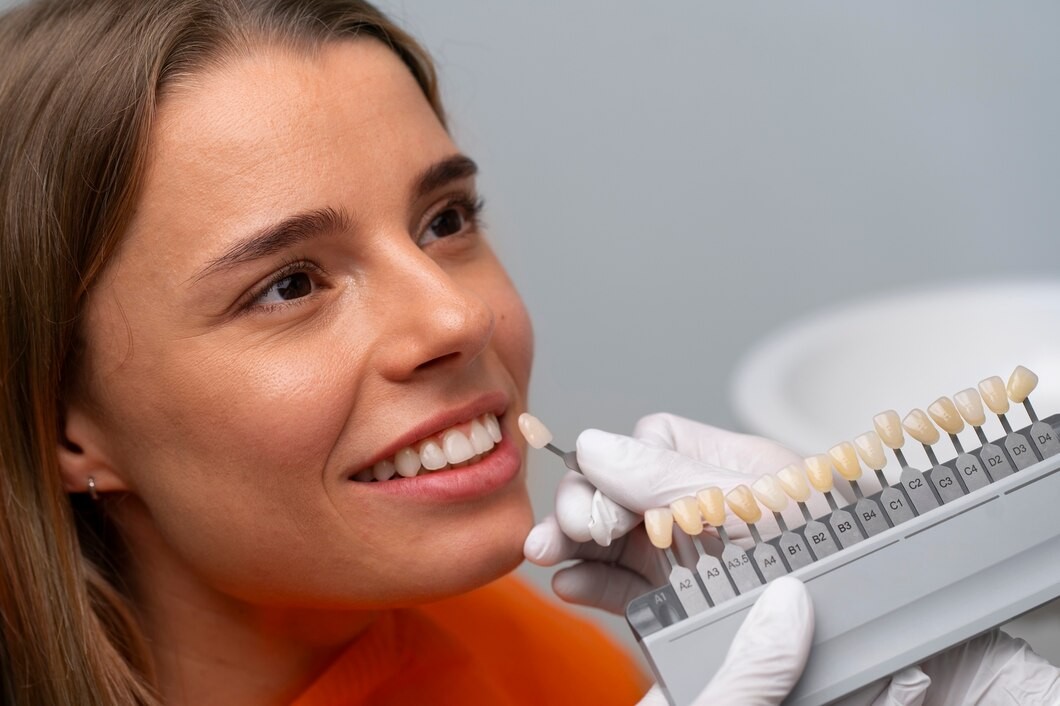
Tooth loss doesn’t just affect your appearance – it can also significantly impact your oral health and overall quality of life. If you’re missing multiple teeth, wearing dentures, or struggling with severely damaged teeth, you may be looking for a more permanent and efficient solution. All-on-Four dental implants offer an innovative, comprehensive approach to restoring your smile, maximized functionality, and confidence. At Sound Surgical Arts in Tacoma, WA, we’re dedicated to providing our patients with the highest quality dental care and are proud to offer All-on-Four implant solutions as part of our comprehensive range of services.
All-on-Four dental implants are a cutting-edge and efficient method of replacing a full arch of missing teeth using only four strategically placed implants to support an entire dental bridge. This transformative approach combines the best aspects of both dental implants and dentures, providing a fixed, non-removable, and more comfortable prosthetic solution that’s virtually indistinguishable from natural teeth.
In this detailed article, we aim to provide you with an in-depth understanding of the All-on-Four dental implant procedure, its benefits, and how it compares to alternative tooth replacement options, helping you make an informed decision on choosing the path to your perfect smile.
How All-on-Four Dental Implants Work
All-on-Four dental implants are a remarkable advancement in tooth replacement technology. The procedure involves the strategic placement of four dental implants in the jawbone to support a full-arch dental prosthesis. The steps involved in the process include:
- Initial Consultation: Our team assesses your oral health, takes necessary diagnostic images, and discusses your suitability for the All-on-Four procedure.
- Planning: We develop a customized treatment plan that outlines the procedure, recovery, and aftercare to ensure optimal results.
- Implant Placement: The implants are surgically placed in the jawbone, with the two anterior implants positioned vertically and two posterior implants angled to maximize stability.
- Prosthetic Attachment: A high-quality, natural-looking, and fully functional dental bridge is attached to the implants, completing the restoration process.
Benefits of All-on-Four Dental Implants
All-on-Four dental implants provide several advantages over traditional tooth replacement options, including:
- Improved Functionality: All-on-Four implants provide better chewing efficiency and overall oral function compared to traditional dentures.
- Greater Stability: The strategically angled implant placement offers a secure and stable foundation for the dental bridge, ensuring exceptional support and comfort.
- Bone Preservation: Dental implants stimulate the jawbone, preventing bone loss caused by tooth loss and preserving the facial structure.
- Long-Lasting Solution: With proper care and maintenance, All-on-Four dental implants can last a lifetime, making them a cost-effective investment in your oral health and quality of life.
Candidates for All-on-Four Dental Implants
Ideal candidates for All-on-Four dental implants are individuals who:
- Most or all teeth in one or both arches are missing.
- Have adequate jawbone density to support the dental implants.
- Are in good overall health without any medical conditions that could hinder the surgery or recovery process.
If you’re considering All-on-Four dental implants, an in-depth consultation with our dental experts will help determine your eligibility and develop an appropriate treatment plan.
Comparing All-on-Four to Traditional Dental Implants and Dentures
Understanding the key differences between All-on-Four dental implants and traditional tooth replacement options is essential for making an informed decision:
- Implant Quantity: All-on-Four implants require only four implant posts to support a full dental arch, whereas traditional dental implants often involve placing 6-8 implants for an arch.
- Procedure Time: The All-on-Four implant process typically takes less time to complete than traditional dental implant procedures, offering a faster path to a fully restored smile.
- Bone Grafting: In many cases, All-on-Four implants can be placed without the need for additional bone grafting procedures, making it an ideal solution for patients with insufficient bone density.
- Longevity and Comfort: All-on-Four dental implants provide a more secure and natural fit compared to dentures, which often require frequent adjustments and can cause discomfort or inconvenience.
Caring for Your All-on-Four Dental Implants
Proper care for your All-on-Four dental implants is essential for long-lasting results. Here are some essential care tips:
- Daily Oral Hygiene: Maintain a consistent oral hygiene routine, including brushing, flossing, and using a non-alcoholic mouth rinse.
- Regular Dental Visits: Schedule regular checkups and professional cleanings to ensure the health of your implants and natural teeth.
- Preventative Measures: Avoid hard foods, practice caution during physical activities, and use a nightguard if you grind your teeth to protect your dental bridge.
Conclusion
All-on-Four dental implants offer a revolutionary and efficient way to restore your smile, confidence, and overall quality of life. If you’re facing extensive tooth loss and seeking a long-lasting, functional, and aesthetically pleasing solution, All-on-Four implants could be your answer. At Sound Surgical Arts in Tacoma, WA, our team is dedicated to helping you achieve the healthy, radiant smile you deserve. Contact us today to discover more about how All-on-Four dental implants can transform your oral health and well-being.
Wisdom Tooth Extraction: Causes, Procedure, and Recovery Expectations
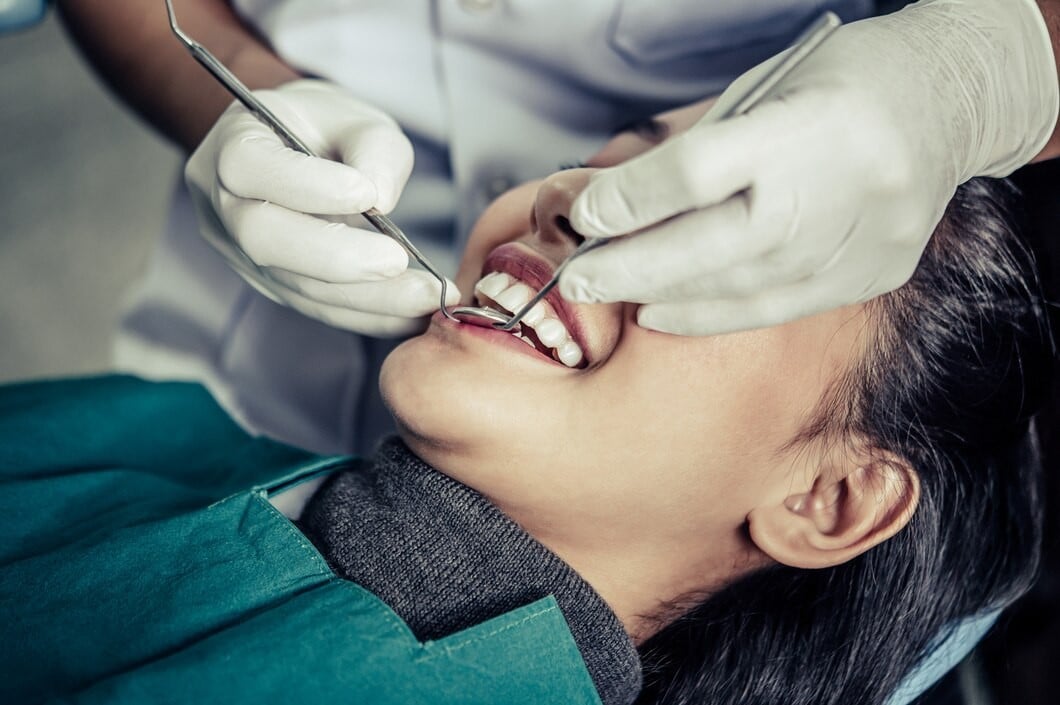
Wisdom tooth extraction has become a relatively common dental procedure, with many people experiencing challenges related to these third molars. Wisdom teeth, also known as third molars, typically emerge between the ages of 17 and 25. Due to their late arrival and limited space in the mouth, these teeth can cause various complications, such as impaction, infection, and damage to neighboring teeth. At Sound Surgical Arts, we provide comprehensive oral surgery services, including wisdom tooth extraction, to help our patients maintain optimal oral health and prevent potential complications.
In this article, we will guide you through the essential aspects of wisdom tooth extraction to help you make informed decisions about your dental care. Key areas covered will include:
- Causes for Wisdom Tooth Extraction: Understand the reasons behind wisdom tooth extraction, such as impaction, infection risk, crowding, and damage to neighboring teeth.
- Diagnosis and Evaluation: Dive into the process of diagnosing and assessing wisdom tooth complications, including dental examinations and advanced imaging techniques.
- The Wisdom Tooth Extraction Procedure: Get familiar with the steps involved in the extraction process, anesthesia options, and variations in surgical complexity based on individual needs.
- Post-Operative Care and Recovery: Set realistic expectations for post-operative care and recovery, including pain management, potential complications, and the healing timeline.
Causes for Wisdom Tooth Extraction
Several factors can contribute to the need for wisdom tooth extraction, including:
- Impaction: When there’s not enough room for wisdom teeth to properly emerge, they can become trapped beneath the gums or jawbone, resulting in impaction. Impacted wisdom teeth can lead to pain, swelling, and infection.
- Infection Risk: Wisdom teeth are often hard to reach and clean, making them more susceptible to cavities and gum disease. Removing these teeth can lower the risk of infections that may compromise overall oral health.
- Crowding: Overcrowded teeth can cause discomfort and alignment issues. When wisdom teeth emerge and push the neighboring teeth, they may cause shifting, crowding, and even damage to other teeth.
- Damage to Neighboring Teeth: In some cases, wisdom teeth can grow at an angle or push against the neighboring teeth, causing damage or even resorption (when the roots of neighboring teeth are absorbed).
Diagnosis and Evaluation
A thorough examination is crucial to determine if wisdom tooth extraction is necessary. This process typically includes:
- Dental Exam: Your dentist or oral surgeon will assess your overall oral health, focusing on the condition and position of your wisdom teeth. This assessment may involve probing gum tissue, checking tooth alignment, and discerning any visible signs of dental issues.
- Imaging: Advanced imaging techniques, such as X-rays or 3D cone-beam scans, help dental professionals assess the position, number, and development of wisdom teeth and identify any potential complications, like impaction or damage to neighboring structures.
- Treatment Plan: Based on the diagnosis, your dentist or oral surgeon will develop a customized treatment plan, discussing the reasons for extraction, procedure details, potential risks, and expected recovery timeline.
The Wisdom Tooth Extraction Procedure
The wisdom tooth extraction process usually involves the following steps:
- Anesthesia: Prior to the extraction, you will receive anesthesia to ensure a comfortable experience. Options typically include local anesthesia, IV sedation, or general anesthesia, depending on patient preferences and complexity of the case.
- Incision and Tooth Exposure: An incision is made in the gum tissue to expose the bone and tooth. If the tooth is still encased in bone, the surgeon will remove the bone to fully expose the tooth.
- Tooth Removal: Using specialized dental instruments, the tooth is loosened and removed. In cases of impacted or large teeth, the tooth may need to be sectioned (cut into smaller pieces) for easier removal.
- Suturing: After the tooth is removed, the incision site is closed with self-dissolving sutures to promote healing.
Post-Operative Care and Recovery
Proper post-operative care is essential to ensure a smooth recovery. Some key aspects of post-operative care and recovery expectations include:
- Pain Management: Over-the-counter pain relievers or prescription medications may be recommended to manage discomfort. It’s essential to follow your surgeon’s instructions and use medications as directed.
- Swelling and Bruising: Mild to moderate swelling and bruising are common after wisdom tooth extraction. Applying ice packs to the outside of your face in 20-minute intervals can help reduce these symptoms.
- Oral Hygiene: Keeping your mouth clean after surgery is crucial for preventing infection. You will be advised to rinse gently with warm saltwater and avoid vigorous spitting or rinsing.
- Diet: Stick to a soft diet for the first few days, gradually reintroducing firmer foods as your comfort level permits. Avoid crunchy, spicy, or hard foods that might irritate the extraction site.
- Healing Timeline: The initial healing period usually takes about one to two weeks, with complete recovery happening over the course of several months. It’s essential to follow your surgeon’s instructions and attend any scheduled follow-up appointments to ensure proper healing and address any concerns.
Conclusion
Wisdom tooth extraction is a common dental procedure that offers significant benefits when necessary. By understanding the causes, evaluation process, procedure, and recovery expectations, patients can approach this treatment with confidence, prepared for what lies ahead.
If you suspect you may need a wisdom tooth extraction or have any concerns, don’t hesitate to contact Sound Surgical Arts to schedule a consultation. Our experienced team is dedicated to providing personalized care to help you achieve and maintain optimal oral health.
All About Dental Implants: Types, Benefits, and Candidacy in 2024
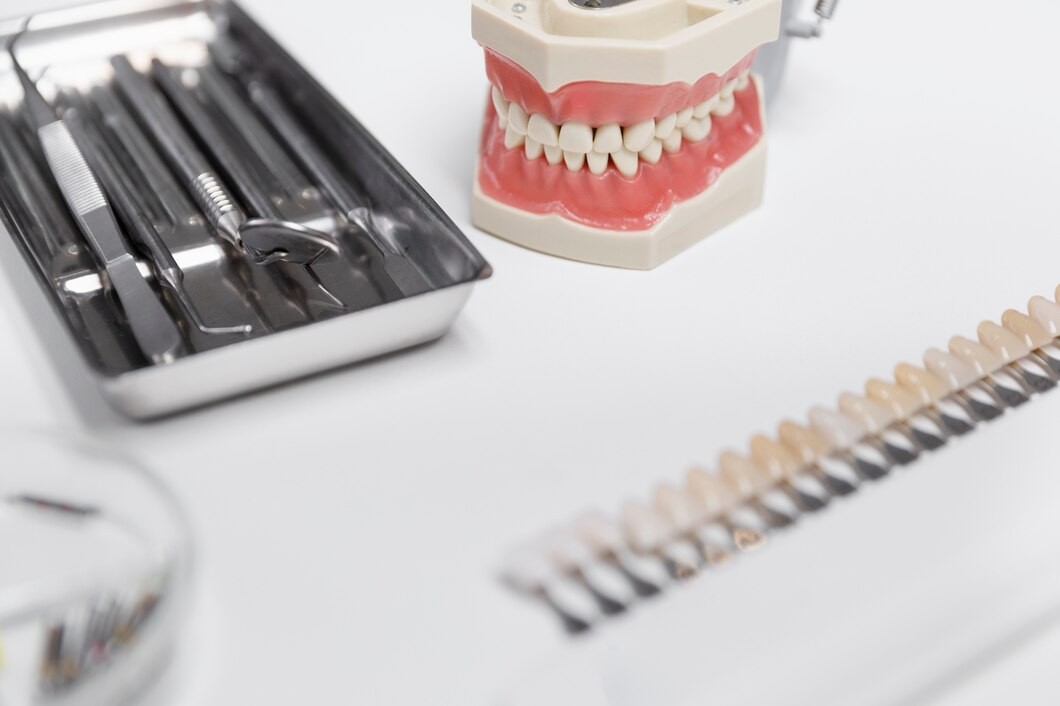
Dental implants have become increasingly popular in recent years, providing a durable, long-lasting, and natural-looking solution for replacing missing teeth. Thanks to advancements in dental technology, there is now an array of implant types available to suit the needs and preferences of each unique patient. At Sound Surgical Arts, we specialize in dental implant solutions, offering a comprehensive range of services to help our patients achieve a beautiful, functional smile, regardless of their dental situation.
In this guide, we will explore the latest trends in dental implants for 2024, delving into various aspects of this innovative tooth replacement option, including:
- Understanding Dental Implants: Gain insight into the basics of dental implants, their components, and the purpose they serve in replacing teeth.
- Types of Dental Implants: Discover the different types of dental implants available on the market today and understand the suitability of each kind for specific dental situations.
- Candidacy for Dental Implants: Learn about the factors that determine if a patient is an ideal candidate for dental implants and the pre-assessment process.
- Benefits of Dental Implants: Explore the numerous advantages dental implants offer over traditional tooth replacement options, such as increased stability, improved aesthetics, and preservation of bone health.
- The Dental Implant Procedure: Get a clear overview of the dental implant process from initial consultation through post-operative care, providing a transparent look into what patients can expect.
Understanding Dental Implants
Dental implants are permanent tooth replacements that look, feel, and function like natural teeth. They consist of three essential components: the implant post, abutment, and dental crown. The implant post is a small, screw-like titanium structure that is surgically placed in the jawbone, acting as an artificial tooth root. The abutment connects the implant post to the dental crown, which serves as the visible tooth replacement. With proper care, dental implants can last for many years, providing a reliable solution for missing teeth.
Types of Dental Implants
In 2024, several dental implant types are available, catering to different dental needs and preferences. These include:
- Endosteal Implants: The most common type of dental implant, endosteal implants are placed directly into the jawbone. They are usually made from titanium and designed as a screw, plate, or cylinder, depending on the specific requirements of the patient.
- Subperiosteal Implants: These implants consist of a metal framework that sits on top of the jawbone, beneath the gum tissue. Subperiosteal implants are often recommended for patients with insufficient bone for endosteal implants.
- Zygomatic Implants: As an alternative for patients lacking adequate bone in the upper jaw, zygomatic implants are anchored in the zygomatic bone (cheekbone) instead of the jawbone.
- Mini Dental Implants: With a smaller diameter than traditional implants, mini dental implants are ideal for patients needing support for dentures or those who lack sufficient bone for standard implants.
Candidacy for Dental Implants
Several factors determine an individual’s eligibility for dental implants, including:
- Adequate Bone Density: Sufficient bone density in the jaw is crucial for supporting the implant. Patients with inadequate bone may require a bone graft before implant placement.
- Good Oral Health: Candidates for dental implants should be free from gum disease and other oral health issues. Required treatment for existing conditions must be completed before implant surgery.
- Overall Health: Chronic conditions, such as diabetes or autoimmune disorders, may impact the body’s ability to heal and accept the implant. Patients with these conditions should discuss their suitability for implants with their healthcare provider.
- Commitment to Oral Hygiene: Proper oral hygiene is crucial for implant longevity. Candidates must be committed to maintaining regular dental visits and a consistent oral care routine.
Benefits of Dental Implants
Dental implants offer a range of benefits compared to traditional tooth replacement options, including:
- Enhanced Stability and Function: Dental implants are securely anchored in the jawbone, providing unparalleled stability and allowing patients to eat, speak, and smile with confidence.
- Aesthetics: Dental implants look and feel like natural teeth, blending seamlessly with your existing smile for a beautiful, natural appearance.
- Preservation of Bone and Facial Structure: Dental implants help maintain jawbone density and prevent the bone deterioration that often occurs with missing teeth. This preservation promotes a more youthful facial appearance and prevents the sunken look associated with tooth loss.
- Long-Lasting Solution: With proper care and maintenance, dental implants can last for many years or even a lifetime, offering a durable solution for tooth replacement.
The Dental Implant Procedure
The dental implant procedure generally consists of several stages, including:
- Initial Consultation: During the consultation, your dental professional evaluates your oral health, discusses your desires and expectations, and determines if dental implants are a suitable solution for your individual needs.
- Pre-operative Preparation: If necessary, additional treatments, such as bone grafting or gum disease management, may be completed before implant placement.
- Surgical Procedure: The dental implant is placed into your jawbone during a minor surgical procedure. The site is allowed to heal, and the implant fuses with the bone in a process called osseointegration, typically taking several months.
- Dental Crown Placement: Once osseointegration is complete, an abutment is attached to the implant, and a dental crown is placed on top, completing the process.
Conclusion
Dental implants have revolutionized tooth replacement options, providing patients with a natural, long-lasting, and functional solution. By understanding the diverse types of dental implants, determining candidacy, and learning about the many benefits, individuals with missing teeth can make informed decisions about their dental health.
If you’re considering dental implants in Gig Harbor or would like to learn more about our implant services, contact Sound Surgical Arts to schedule a consultation. Our dedicated team is here to guide you through the process and help you achieve the confident smile you’ve always desired.