
Sound Surgical Arts
Navigated Implant Placement: Experience Precision and Predictability with Sound Surgical Arts
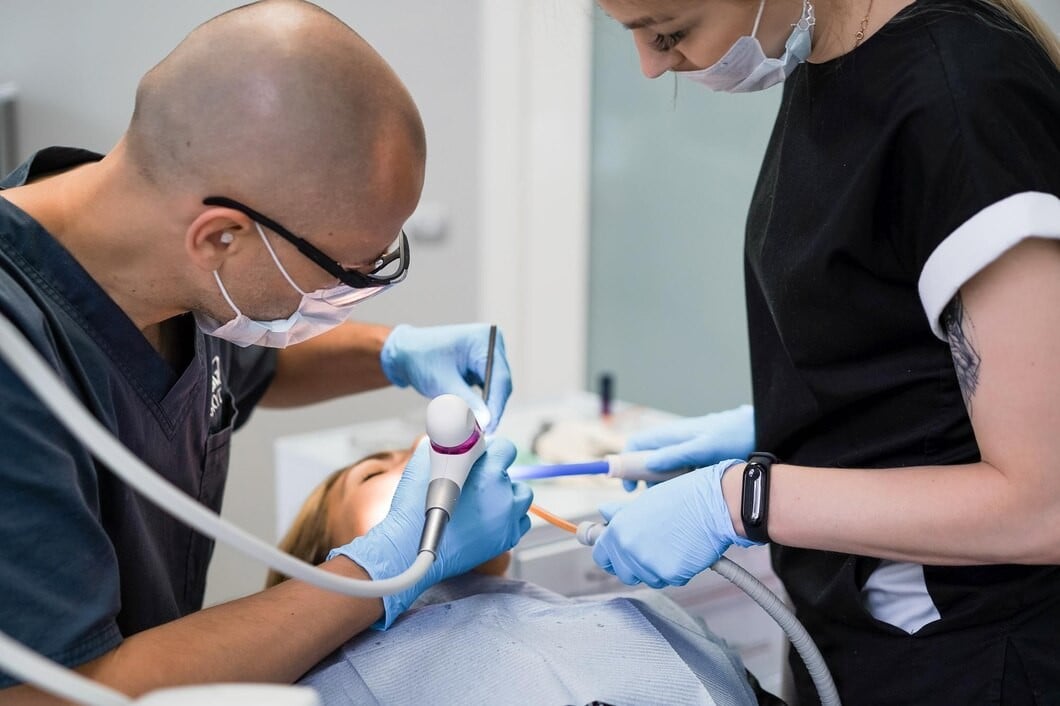
The world of dental implants has been revolutionized in recent years with the introduction of cutting-edge technology and techniques, resulting in more precise and predictable procedures. Among these advancements, navigated implant placement has emerged as a game-changer, offering unparalleled accuracy and ensuring the best possible outcomes for patients. At Sound Surgical Arts, we pride ourselves on staying abreast of the latest developments in dental technology and are proud to offer navigated implant placement to our Tacoma, WA patients.
Navigated implant placement is a technologically advanced method of implant surgery that employs computer-guided technology and real-time feedback to accurately and efficiently place dental implants. This approach increases the precision and predictability of implant placement, ultimately contributing to more successful outcomes and higher patient satisfaction compared to traditional methods.
In this comprehensive blog post, we will dive into the world of navigated implant placement and explore its benefits, the treatment process, and what sets it apart from conventional implant placement techniques. Our expert team at Sound Surgical Arts is committed to providing exceptional dental care and ensuring the highest standard of treatment for our patients. By choosing navigated implant placement, you can be confident that you are entrusting your smile to experienced professionals who prioritize your comfort, well-being, and lasting satisfaction.
What Sets Navigated Implant Placement Apart
Navigated implant placement stands out due to its utilization of advanced technology to ensure a higher degree of precision, accuracy, and predictability than conventional implant placement techniques. The following aspects make navigated implant placement the superior choice for dental implant surgery:
- 3D Imaging and Treatment Planning – Our team uses CBCT scans to obtain a detailed, three-dimensional view of your oral structures, allowing for a highly accurate assessment of your individual dental needs and more effective treatment planning.
- Computer-Guided Implant Placement – With the help of cutting-edge software, the exact position, angle, and depth of implant placement are calculated, ensuring optimal placement in relation to the existing bone and surrounding anatomical features.
- Real-Time Monitoring – During the surgical procedure, the navigated implant placement system provides real-time feedback, allowing our team to make any necessary adjustments on-the-fly, further enhancing the precision of the final implant positioning.
- Reduced Risk of Complications – The increased accuracy offered by navigated implant placement can significantly minimize the risk of potential complications, such as damage to critical anatomical structures or improper implant positioning.
Key Benefits of Navigated Implant Placement
Choosing navigated implant placement at Sound Surgical Arts comes with numerous benefits that contribute to an overall improved patient experience and higher success rates of dental implant procedures. Some of these advantages include:
- Increased Precision and Predictability – The use of advanced technology ensures a more accurate and efficient dental implant placement, resulting in enhanced predictability and superior outcomes.
- Minimized Surgical Duration – The streamlined process of navigated implant placement often leads to shorter surgery times, thus reducing the overall duration of the procedure and enhancing patient comfort.
- Improved Aesthetics and Functionality – The precision provided by navigated implant placement allows for optimal implant positioning, which directly affects the longevity, function, and appearance of the final implant restoration.
- Enhanced Patient Comfort – The precise nature of navigated implant placement reduces the likelihood of complications and post-operative discomfort, ensuring a more comfortable dental implant experience.
The Navigated Implant Placement Process
The journey towards a successful dental implant restoration using navigated implant placement involves several distinct steps:
- Initial Consultation – Our team will evaluate your oral health, assess your dental needs, and determine if navigated implant placement is the best option for you.
- Advanced Diagnostic Imaging – We utilize CBCT scans to acquire detailed 3D images of your oral structures, enabling us to design a precise and personalized treatment plan tailored to your specific requirements.
- Treatment Planning – With the help of advanced software, our team will map out the ideal implant placement locations, taking into account factors such as bone density, available bone volume, and proximity to adjacent structures.
- Implant Surgery – During the procedure, our dental team will follow the pre-planned treatment pathway as well as utilize real-time feedback from the navigated implant placement system to ensure accurate implant positioning.
- Post-Operative Care and Restoration – Following the surgery, we will closely monitor your healing and provide any necessary additional treatments. Once your implant has fully integrated with the surrounding bone, we will attach the final dental restoration, completing your transformation to a fully functional and beautiful smile.
Maintaining Your Dental Implants
To ensure the long-term success of your dental implants, patients are recommended to:
- Follow a consistent oral hygiene routine, including brushing at least twice daily and flossing daily.
- Visit Sound Surgical Arts for regular dental cleanings and checkups, allowing our team to monitor and maintain your dental implants’ health and stability.
- Avoid harmful habits that could negatively impact your implants, such as smoking or using your teeth as tools.
Conclusion
Navigated implant placement represents the pinnacle of dental implant technology, ensuring a more precise, predictable, and successful implant experience. At Sound Surgical Arts, our expert team is dedicated to providing the highest standard of dental care, optimizing your comfort and satisfaction throughout your implant journey.
If you’re ready to embark on your dental implant journey with confidence, reach out to us today to explore the benefits of navigated implant placement at Sound Surgical Arts.
Smile in a Day: Transform Your Smile with Sound Surgical Arts

At Sound Surgical Arts, we understand the vital role a confident smile plays in one’s overall well-being and self-esteem. That’s why we are thrilled to offer Smile in a Day, an advanced dental treatment that allows patients to enjoy a fully restored, beautiful smile within the same day. This innovative procedure is designed for individuals who require immediate tooth replacement due to various reasons, including tooth decay, gum disease, injury, or age-related tooth loss.
Smile in a Day combines cutting-edge dental technology with state-of-the-art implant techniques to create a comprehensive treatment plan that delivers immediate results with minimal downtime. Unlike traditional dental implant procedures, which may require multiple appointments and a longer healing process, Smile in a Day provides patients with the convenience and efficiency of a single-day treatment.
In this informative blog post, we will explore the details of the Smile in a Day procedure, its benefits, and what patients can expect throughout the treatment process at Sound Surgical Arts. Our skilled team of dental professionals is committed to providing patients with an exceptional level of care, ensuring a comfortable and stress-free experience, and ultimately, a stunning new smile.
Smile in a Day: Transform Your Smile with Sound Surgical Arts
Understanding Smile in a Day Procedure
The foundation of the Smile in a Day procedure lies in the revolutionary All-on-Four dental implant technique, which involves placing a full arch of replacement teeth on just four dental implants. This method eliminates the need for individual implants for each missing tooth, significantly reducing treatment time and complexity. Here’s an overview of the Smile in a Day treatment process:
- Initial Consultation and Evaluation – A thorough examination and assessment of your oral health and dental needs will be performed to determine if Smile in a Day is the right solution for your situation.
- Digital Impressions and 3D Imaging – We will take digital impressions of your mouth using advanced intraoral surface scan technology (IOS) and perform a CBCT scan, allowing us to visualize your oral structures in three dimensions for accurate planning.
- Treatment Plan Development – Utilizing the digital information, we will create a personalized treatment plan that outlines the required preparation, implant placement, and tooth restoration process.
- Surgical Procedure and Immediate Restoration – On your treatment day, our dental team will carefully extract any remaining teeth, place the necessary implants, and attach a temporary set of replacement teeth, all within the same appointment.
- Post-Operative Care and Follow-up – We will closely monitor your healing and ensure proper maintenance of your implants and oral health. Once fully healed, the temporary teeth will be replaced by a permanent, custom-made set of teeth to restore your beautiful, functional smile.
Key Benefits of Smile in a Day
Choosing Smile in a Day at Sound Surgical Arts comes with a host of benefits, both short and long-term, including:
- Convenience – With one dental appointment for both implant placement and tooth restoration, you can undergo a full smile transformation without the need to schedule and attend multiple visits.
- Immediate Functionality – Unlike traditional implant procedures, which may require a lengthy integration process, Smile in a Day allows patients to enjoy a functional set of teeth right away.
- Minimized Downtime – Owing to the streamlined process and reduced invasiveness, patients typically experience a faster recovery period compared to orthodox implant treatments.
- Enhanced Aesthetics – Smile in a Day utilizes modern materials and designs, delivering a natural and attractive appearance that flawlessly mimics the look and feel of your own teeth.
- Long-lasting Results – Dental implants are a highly durable solution, providing long-lasting support for replacement teeth and promoting healthy bone and tissue preservation.
Maintaining Your New Smile
To ensure the long-term success and longevity of your Smile in a Day, proper oral hygiene practices and regular dental checkups are crucial. Some tips for maintaining your transformed smile include:
- Practice diligent at-home oral care by brushing your teeth at least twice daily and flossing daily, reaching all aspects of your implants and replacement teeth.
- Utilize specialized cleaning aids such as interdental brushes or water flossers to reach areas around the implant-supported teeth that might be challenging to clean with traditional methods.
- Schedule regular dental visits with Sound Surgical Arts for cleaning, maintenance, and dental monitoring, ensuring the ongoing health of your implants and overall oral health.
Conclusion
Smile in a Day offers an innovative solution for individuals who want to restore their smile quickly, effectively, and with minimum disruption to their daily lives. At Sound Surgical Arts, our expert team is committed to providing patient-centered, high-quality care for your dental implant journey.
If you’re ready to transform your smile with minimal downtime, contact us today to schedule a consultation and discover how Smile in a Day can change your life at Sound Surgical Arts.
Dental Anxiety Management: Strategies for Overcoming Fear and Ensuring Comfortable Care

Dental anxiety is a common issue that affects countless individuals and can lead to the avoidance of dental care and compromised oral health. At Sound Surgical Arts, our team of compassionate dental professionals understands the challenges faced by patients with dental anxiety, and we are dedicated to providing comfortable, personalized care for every patient. By embracing specific strategies and measures, those with dental anxiety can take control of their fears and prioritize their oral health.
In this comprehensive guide, we will explore effective strategies for managing dental anxiety and ensuring a comfortable dental experience. By understanding the sources of dental anxiety and implementing effective coping strategies, patients can regain control over their fears and embrace regular dental care for a lifetime of optimal oral health.
Understanding Dental Anxiety: Identifying the Origins and Symptoms of Dental Anxiety
Dental anxiety, also known as dental phobia, is a common issue that can stem from past negative experiences, fear of pain, or feelings of vulnerability during dental procedures. People with dental anxiety often exhibit several symptoms, including:
- Avoidance of dental appointments
- Increased heart rate or panic at the dental office
- Difficulty sleeping the night before an appointment
- Feelings of dread or intense nerves
- Nausea or upset stomach connected to dental care
Acknowledging and understanding the origins of dental anxiety is the first step toward effectively managing these fears and ensuring a comfortable dental experience.
Communication with Your Dental Professional: The Importance of Open Dialogue to Address Fears and Concerns
Having an open and honest conversation with your dental professional can play a critical role in managing dental anxiety. By discussing your fears and concerns, your dental team can better understand your unique needs and tailor your treatment plan accordingly. Here are some tips for effective communication with your dentist:
- Share your dental history, including any past traumatic experiences or fears you may have.
- Ask questions and request explanations regarding procedures, instruments, and what to expect during your visit.
- Discuss concerns about pain management and request strategies to minimize discomfort.
- Establish a signal that you can use during treatment to indicate the need for a break or if you are feeling particularly anxious.
Strategies to Manage Anxiety: Techniques Such as Deep Breathing, Distraction, and Visualization
There are several techniques and strategies that patients with dental anxiety can employ to manage their fears and feel more relaxed during dental appointments:
- Deep Breathing Exercises: Deep, slow breaths can help lower your heart rate and promote relaxation. Practice these exercises before and during your appointment to manage anxiety effectively.
- Distractions: Bringing headphones and listening to music or an audiobook during your appointment can serve as a distraction to reduce anxiety levels.
- Visualization: Imagining a soothing, happy place can help take your mind off the dental procedure and create a sense of calm.
- Progressive Muscle Relaxation: Tense and relax your muscles in a specific order to promote overall relaxation and manage anxiety.
In-Office Comfort Measures: The Role of a Calming Environment and Amenities to Promote Relaxation
A comfortable and calming dental office environment can help ease patients’ anxiety and contribute to a more positive experience. We strive to create an atmosphere where patients can feel relaxed and at ease by providing:
- A clean, inviting reception area with comfortable seating
- Patient-centric amenities, such as a beverage station and reading materials
- Friendly, compassionate staff willing to listen to your concerns and needs
- A peaceful atmosphere with calming decor and low lighting
Sedation Dentistry Options: An Overview of the Types of Sedation Available for Patients with Dental Anxiety
For some patients, sedation dentistry may be the optimal solution for managing dental anxiety. Several options are available based on the patient’s specific needs and concerns:
- Nitrous Oxide: Commonly known as “laughing gas,” this form of sedation is inhaled and helps patients feel relaxed and at ease during their dental procedure.
- Oral Sedation: Patients take a prescribed medication before their appointment, helping them feel more relaxed and less aware of their surroundings.
- IV Sedation: This form of sedation is administered intravenously and helps patients achieve a deeper state of relaxation during dental procedures.
- General Anesthesia: In some cases, patients may be completely unconscious during their dental treatment to eliminate anxiety and ensure comfort.
Consult with your dental professional to discuss sedation dentistry options and determine which method might be best suited for your specific needs.
Conclusion
Dental anxiety is a common obstacle that many patients face when seeking dental care. By understanding its origins, communicating openly with dental professionals, utilizing anxiety management techniques, and embracing the comforts of a calming dental environment, individuals can overcome their dental anxiety and prioritize their oral health. At Sound Surgical Arts, our compassionate team is here to support you through your dental anxiety journey, offering dental services for dental implants, dental trauma, gum disease in Gig Harbor, and more. Schedule a consultation with us and learn more about our commitment to patients experiencing dental anxiety.
A Comprehensive Guide to Wisdom Tooth Extractions
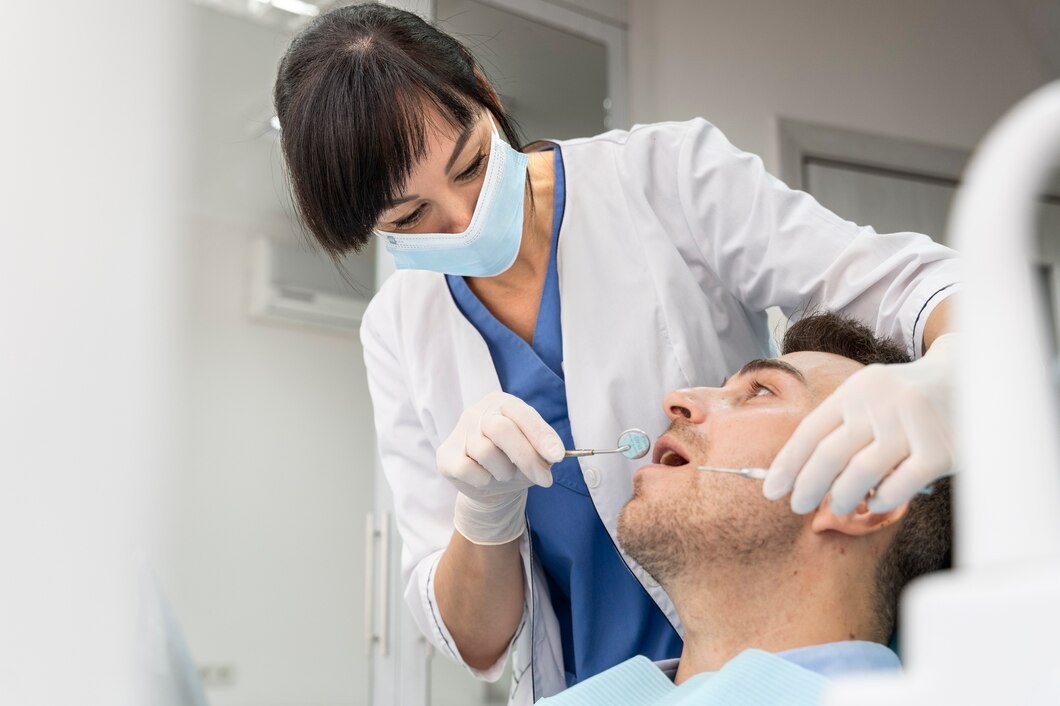
Wisdom tooth extraction is a common dental procedure that many individuals undergo to prevent or address a variety of oral health issues. Our experienced team of dental professionals is committed to providing safe, effective wisdom tooth extraction services, ensuring patient comfort and timely recovery.
In this comprehensive guide, we will explore the various aspects of wisdom tooth extraction. By understanding the significance of wisdom tooth extraction, patients can make well-informed decisions about their oral health and confidently navigate their journey toward optimal dental wellness. The dedicated team of oral surgeons and dental professionals at Sound Surgical Arts, is available to provide personalized consultation and expert care throughout the wisdom tooth extraction process.
The Purpose of Wisdom Tooth Extraction: Understanding the Reasons for Removing Wisdom Teeth and the Benefits of This Procedure for Maintaining Optimal Oral Health
Wisdom tooth extraction, also known as third molar removal, is often performed to prevent or address a variety of oral health issues. Some key reasons for wisdom tooth extraction include:
- Impacted Teeth: Wisdom teeth may become impacted or trapped in the jawbone or gum tissue, leading to pain, swelling, and an increased risk of infection.
- Overcrowding: Insufficient space in the mouth can cause wisdom teeth to push against neighboring teeth, leading to misalignment or damage to adjacent teeth.
- Decay or Gum Disease: Partially erupted or misaligned wisdom teeth can be challenging to clean, increasing the risk of tooth decay and gum disease.
- Cysts or Tumors: In rare instances, impacted wisdom teeth can contribute to the development of cysts or tumors, necessitating removal to protect surrounding bone and oral structures.
Indications for Wisdom Tooth Removal: Discussing Common Signs and Scenarios That May Warrant Extraction, as Well as Expert Recommendations for Treatment
While not all wisdom teeth require removal, certain signs and scenarios may signal the need for extraction. Common indications for wisdom tooth removal include:
- Persistent pain or swelling in the back of the mouth or jaw
- Visible signs of tooth decay or gum inflammation around the wisdom teeth
- X-ray evidence of impacted wisdom teeth or potential damage to neighboring teeth or bone
- Difficulties with proper oral hygiene due to partially erupted or misaligned wisdom teeth
- Recommendations from dental professionals based on patient-specific risk factors and oral health history
The Wisdom Tooth Extraction Procedure: Explaining the Step-by-Step Surgical Process of Wisdom Tooth Removal, Including Anesthesia, Extraction Techniques, and Wound Closure
Wisdom tooth extraction is a surgical procedure that typically involves the following steps:
- Pre-Operative Evaluation: Prior to extraction, your dental professional will assess the size, shape, and location of the wisdom teeth through x-rays or 3D imaging techniques, allowing for a detailed treatment plan.
- Anesthesia: Patients have several anesthesia options available to ensure comfort during the procedure, including local anesthesia, conscious sedation, or general anesthesia.
- Incision and Tooth Removal: The oral surgeon will make an incision in the gum tissue to expose the tooth and bone, followed by sectioning the tooth into smaller pieces (if necessary) and carefully removing the wisdom tooth.
- Wound Closure: Once the tooth is removed, any remaining debris will be cleared, and the wound will often be closed with dissolvable stitches to promote optimal healing.
- Post-Operative Care: Patients will receive detailed instructions on managing post-operative pain, swelling, and bleeding, as well as guidance on proper oral hygiene and nutrition.
Recovery and Aftercare Tips: Offering Practical Guidance for Managing Post-Operative Pain, Protecting the Extraction Site, and Promoting a Smooth Healing Process
Following wisdom tooth extraction, patients should utilize proper aftercare techniques to minimize discomfort and promote a smooth healing process:
- Pain Management: Prescribed medication or over-the-counter pain relievers, as recommended by your dental professional, can help alleviate post-operative pain.
- Cold Compresses: Applying cold compresses to the affected area can reduce swelling and inflammation during the first 24 hours after surgery.
- Rest and Elevation: After the procedure, plan for ample rest and keep your head elevated to minimize swelling and facilitate healing.
- Proper Oral Hygiene: Gently clean the extraction site and maintain oral hygiene by brushing and rinsing gently with warm saltwater.
- Nutritional Care: Consume soft foods and avoid using straws or consuming crunchy, sticky, or spicy foods, as they may disrupt the healing process.
Potential Complications and Preventive Measures: Addressing Potential Risks Associated with Wisdom Tooth Extraction and Providing Strategies for Minimizing and Managing Complications
While wisdom tooth extraction is generally a safe and effective procedure, potential complications may arise, such as:
- Dry Socket: The premature dislodging or dissolving of the blood clot, resulting in exposed bone and increased pain. Prevent dry socket by avoiding smoking, using straws, and rinsing vigorously during the healing period.
- Infection: Proper oral hygiene and following your dental professional’s instructions can help reduce the risk of infection.
- Prolonged Bleeding or Swelling: Notify your dental professional if excessive bleeding or swelling persists or worsens after 48 hours.
- Nerve or Tissue Damage: Although rare, complications involving nerve or tissue damage can occur during the extraction process. Ensuring the procedure is performed by an experienced dental professional is essential in minimizing risks.
Conclusion
Understanding the importance of wisdom tooth extraction allows patients to make informed decisions regarding their oral health and potential treatment options. By familiarizing themselves with the extraction process and crucial aftercare tips, patients can successfully navigate their wisdom tooth removal journey. At Sound Surgical Arts, our experienced team of dental professionals is prepared to expertly guide and support patients through wisdom tooth extraction and other services like dental implants in Gig Harbor. Schedule your evaluation today and embark on the path to a healthier, problem-free smile.
Protecting Your Teeth: The Impact of Diet on Oral Health and How to Make Tooth-Friendly Choices

Your diet plays a significant role in maintaining your overall health, and it also has a direct impact on the well-being of your teeth and gums. A balanced and nutrient-rich diet can contribute to a healthier, more vibrant smile, while excessive consumption of certain foods and drinks may lead to dental issues such as tooth decay, enamel erosion, and gum disease. As part of our commitment to facilitating comprehensive dental care, Sound Surgical Arts offers guidance and education on the relationship between diet and oral health, empowering our patients to make informed decisions that will benefit both their dental and general wellness.
In this blog post, we will explore the impact of various foods and beverages on oral health, provide a list of tooth-friendly diet choices, and offer practical tips for developing a dental-conscious diet that helps maintain strong, healthy teeth and gums. By understanding the connection between diet and oral health, patients in Tacoma, WA, can take proactive steps to safeguard their smiles and ensure a lifetime of excellent oral health.
1. Foods and Beverages That Harm Oral Health
Though a wide range of foods and drinks are essential for balanced nutrition, there are some culprits that can negatively impact your oral health. It’s important to be aware of these items and to consume them in moderation to protect your teeth and gums.
- Sugary Foods and Drinks: Sugars present in candies, sodas, and other sweets can lead to tooth decay. Bacteria in the mouth feed on these sugars, producing acids that erode tooth enamel and create cavities.
- Acidic Foods and Beverages: Foods and drinks with high acidity, such as citrus fruits and carbonated beverages, can weaken tooth enamel and make teeth more susceptible to decay and erosion.
- Starchy Foods: Starchy foods like bread, pasta, and potato chips can become lodged between teeth, encouraging bacterial growth and increasing plaque build-up.
- Hard or Crunchy Foods: Hard or crunchy foods like ice, hard candies, and certain nuts can damage teeth by causing chips, breaks, or even fractures.
Being mindful of your consumption of these potentially harmful foods and drinks can help preserve your oral health and lessen the risk of dental issues.
2. Tooth-Friendly Foods and Beverages
In addition to reducing the intake of potentially harmful items, incorporating tooth-friendly foods and drinks into your daily diet can contribute to improved oral health. Some of these oral-health-friendly options include:
- Water: Drinking water helps to wash away food particles and bacteria, dilutes acids, and aids in saliva production, which is vital for neutralizing harmful substances in the mouth.
- Dairy Products: Foods like cheese, milk, and yogurt are high in calcium, protein, and phosphorus, which help strengthen tooth enamel and protect against decay.
- Lean Proteins: Chicken, turkey, and fish offer phosphorus, which helps reinforce tooth enamel and promote remineralization. Additionally, nuts and seeds provide vital nutrients and protein without adding excessive sugar or acidity.
- Fruits and Vegetables: Crunchy fruits and vegetables, such as apples, carrots, and celery, help to physically remove plaque from teeth and stimulate saliva production due to their high water and fiber content.
Incorporating these tooth-friendly foods and beverages into your diet can support a healthy oral environment and encourage strong, resilient teeth.
3. Practical Tips for a Dental-Conscious Diet
Adopting a dental-conscious diet doesn’t have to be overwhelming. Following these practical tips can help you maintain a balance between enjoying the foods you love and prioritizing your oral health:
- Be Mindful of Snacking: Frequent snacking on sugary or acidic foods and drinks exposes your teeth to harmful substances for extended periods, increasing the risk of dental issues. Opt for healthier snacks, like fruits, vegetables, or nuts, and limit the number of times you snack throughout the day.
- Rinse Your Mouth After Meals: Rinsing your mouth with water following meals or snacks can help eliminate food particles and dilute acids in your mouth, reducing damage to tooth enamel.
- Chew Sugar-Free Gum: Chewing sugar-free gum, particularly those containing xylitol, can help increase saliva production, neutralize harmful substances and promote a healthier oral environment.
- Practice Moderation: Allot an occasional treat for yourself, but be mindful of your consumption of potentially harmful foods and drinks. Balance your intake with tooth-friendly options to ensure optimal oral health.
By implementing these tips, you can develop a dental-conscious diet that promotes strong, vibrant teeth and gums while still enjoying a wide variety of flavorful foods.
4. Partnering with Sound Surgical Arts for Comprehensive Dental Care
Maintaining a balanced diet is just one aspect of prioritizing your oral health. Partnering with us for comprehensive dental care ensures you receive:
- Preventive Care: Regular dental checkups and cleanings provide preventive care that complements your oral health-friendly diet, detecting and addressing potential issues early on.
- Personalized Care: Our dental professionals work closely with patients to develop customized treatment plans and provide guidance on optimal oral health practices, including dietary and lifestyle recommendations.
- Advanced Dental Technology: We utilize the latest dental technology and techniques to ensure effective, efficient, and comfortable dental care for our patients.
Achieve a Healthier Smile Through Diet and Sound Surgical Arts
Understanding the impact of diet on oral health is essential for making smart choices that promote strong, beautiful teeth and gums. We are committed to providing comprehensive dental care and guiding patients on the path to maintaining a healthy, radiant smile.
Embrace the benefits of a dental-conscious diet and schedule an appointment with Sound Surgical Arts today. Our periodontist in Tacoma is eager to help you achieve a lifetime of exceptional oral health.
The Benefits of Invisalign for Adults in Tacoma, WA
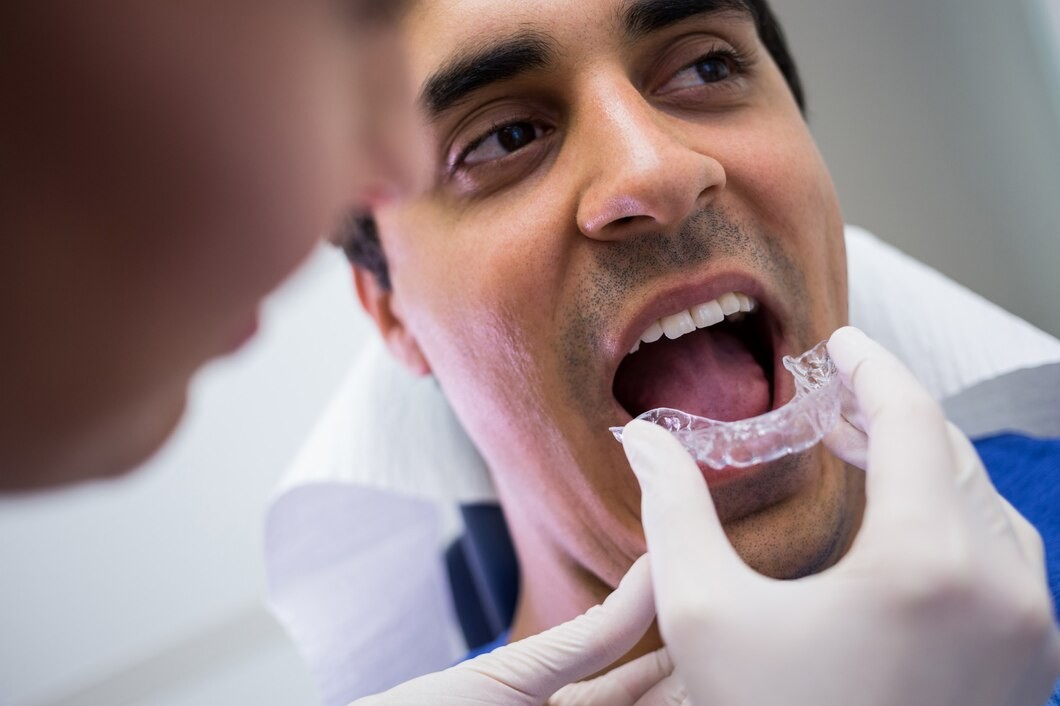
Orthodontic treatment is not just for adolescents – an increasing number of adults are seeking solutions to correct misaligned teeth and enhance their smiles. Invisalign, a cutting-edge orthodontic treatment, has emerged as a popular choice for adults who wish to straighten their teeth discreetly and effectively.
In this comprehensive blog article, we will delve into the world of Invisalign for adults, guiding you through the treatment process, the advantages of Invisalign over traditional braces, and the factors that impact successful treatment outcomes. Sound Surgical Arts is committed to providing Tacoma, WA, residents with tailored Invisalign services supported by the expertise of our skilled dental professionals and the latest advancements in orthodontic technology.
1. The Invisalign Treatment Process for Adults
Invisalign utilizes a series of custom-made, removable, clear aligner trays to gradually shift teeth into their proper positions. The treatment process for adults is convenient and straightforward:
- Consultation and Assessment: During the initial consultation with your dentist, they will evaluate your orthodontic needs, dental health, and medical history to determine if Invisalign is the right treatment option for you.
- Treatment Planning and Custom Aligners: Using advanced 3D digital imaging technology, your dentist will create a precise and personalized treatment plan that outlines the step-by-step progression of your teeth. Based on this plan, customized Invisalign aligners will be crafted to fit your teeth comfortably.
- Wearing Your Aligners: For optimal results, you should wear your Invisalign aligners for 20-22 hours per day, removing them only for eating, drinking, and cleaning your teeth. Approximately every two weeks, you’ll switch to a new set of aligners, which will gradually move your teeth into their desired positions.
- Follow-Up Visits: You’ll periodically visit your dentist to monitor your progress, make any necessary adjustments, and ensure that your treatment is progressing as planned.
- Aftercare and Retainers: Once you’ve completed your Invisalign treatment, your dentist may recommend wearing a retainer to help maintain your newly aligned teeth and ensure lasting results.
2. Advantages of Invisalign Over Traditional Braces for Adults
Invisalign offers several benefits that make it a preferred choice for many adults seeking orthodontic treatment:
- Discreet Appearance: Invisalign aligners are made of clear, medical-grade plastic material, making them virtually invisible when worn. This allows you to straighten your teeth discreetly without the stigma of metal braces.
- Enhanced Comfort: Unlike traditional metal braces, Invisalign aligners are smooth and comfortable to wear, without any sharp metal components that can irritate the gums or cheeks.
- Improved Oral Hygiene: Invisalign’s removable design allows for easier brushing and flossing, promoting better dental hygiene throughout your treatment.
- Flexible Lifestyle: With Invisalign, you can remove your aligners when eating, allowing you to continue enjoying your favorite foods without worrying about damaging your orthodontic appliances.
- Time-Efficient: Invisalign typically requires fewer dental visits than traditional braces, as there are no wires to adjust. Additionally, for many adults, treatment with Invisalign can be completed in a shorter timeframe than with conventional braces.
3. Factors Contributing to Successful Invisalign Treatment
To ensure the success of your Invisalign treatment, it’s essential to keep a few key factors in mind:
- Commitment to Wearing Aligners: The effectiveness of Invisalign relies heavily on consistently wearing your aligners for the recommended 20-22 hours per day. Disregarding this guideline may result in delayed treatment progress and less satisfactory results.
- Proper Care and Maintenance of Aligners: Cleaning your aligners as instructed by your dentist is vital for maintaining their clarity and functionality throughout the treatment process.
- Regular Dental Visits: Consistently attending all follow-up appointments and maintaining open communication with your dentist is crucial for the success of your Invisalign treatment.
- Post-Treatment Retainer Use: Wearing a retainer as prescribed by your dentist after completing your Invisalign treatment helps to maintain your newly straightened teeth and ensures a lasting, beautiful smile.
4. Personalized Invisalign Solutions at Sound Surgical Arts
We are dedicated to providing adult patients with tailored Invisalign solutions that address their unique orthodontic needs and concerns:
- Invisalign Full: This comprehensive treatment option is designed to address a wide range of dental issues, including overbites, underbites, crossbites, crowded teeth, and gaps between teeth.
- Invisalign Lite: For those with minor orthodontic issues requiring less extensive treatment, Invisalign Lite offers an effective solution with a fewer number of aligners and shorter treatment times.
- Invisalign Express: Ideal for those requiring minimal teeth movement, such as slight tooth rotation or space closure after previous orthodontic treatment, Invisalign Express offers fast and efficient results.
Transform Your Smile with Invisalign at Sound Surgical Arts
We are committed to helping adult patients achieve the stunning, straight smiles they desire through exceptional Invisalign services and support. Our experienced dental professionals, state-of-the-art technology, and personalized treatment plans come together to provide patients with an effective, discreet, and convenient orthodontic solution.
Take the first step toward a more confident, radiant smile by scheduling a consultation for Invisalign in Tacoma, WA, today. Trust Sound Surgical Arts to guide you through the Invisalign process, offering top-notch dental care and customized solutions tailored to your unique needs and goals.
Emergency Dental Care: Signs, Symptoms, and When to Seek Help
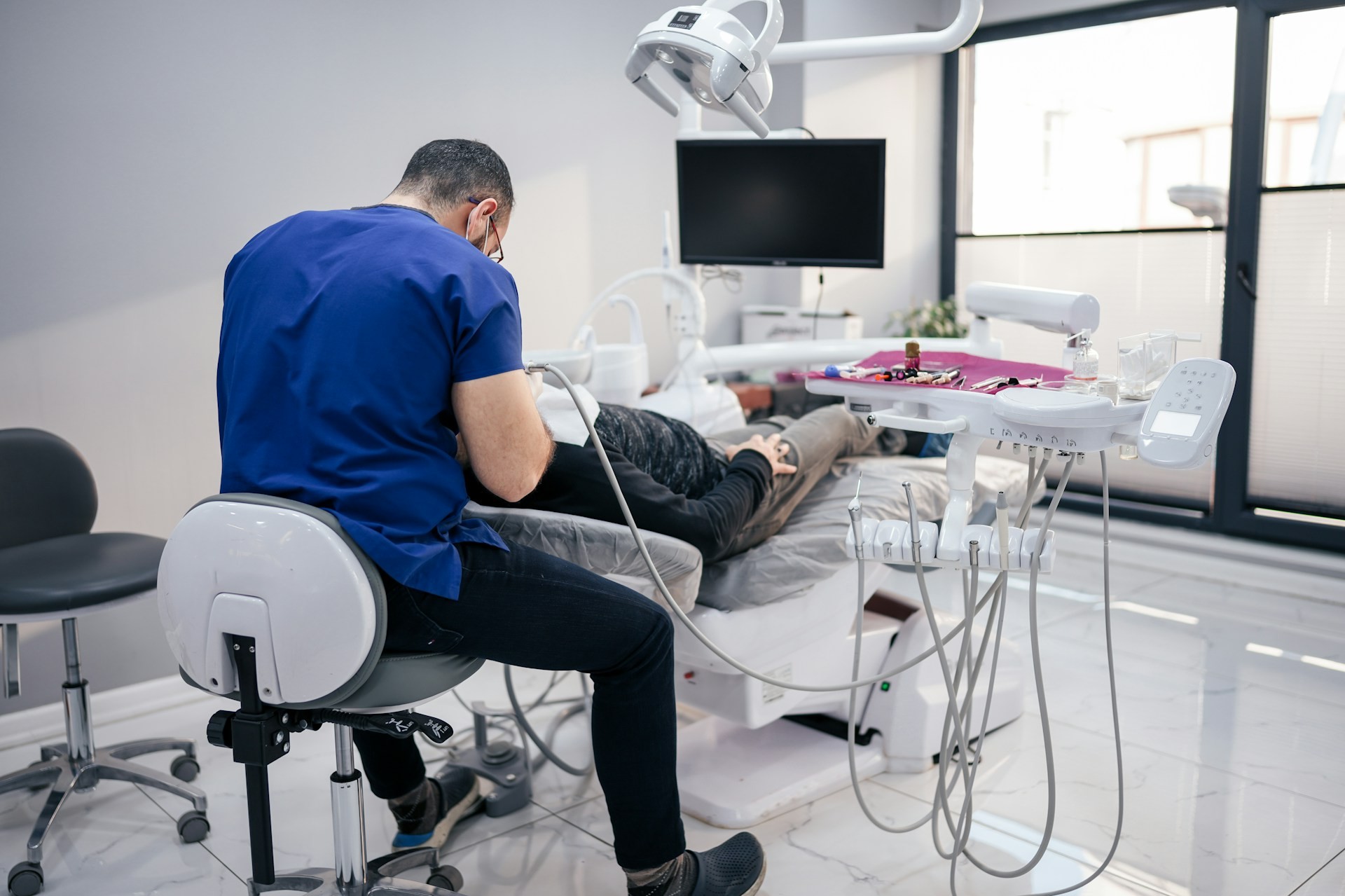
Dental emergencies can be unexpected and distressing, often leaving individuals unsure about the appropriate course of action and the need for urgent care. As dental professionals experienced in dental implants, emergency dental care, periodontics, oral surgery, and maxillofacial surgery, our team understands the importance of recognizing the signs and symptoms of emergency dental situations. Addressing dental emergencies promptly can minimize pain, save teeth, and prevent potential complications.
With a strong commitment to patient care and education, our dental practice strives to provide accessible, high-quality emergency dental services when the need arises. Informed decision-making coupled with immediate intervention can often be the difference between saving a tooth and losing it, improving the overall prognosis, and maintaining optimal oral health in the long run.
Continue reading as we delve into common dental emergencies, what to expect during an emergency dental visit, and the importance of swift intervention. By recognizing the signs of a dental emergency, you can act promptly to protect your oral health and seek the necessary care from our expert team of dental specialists.
Types of Dental Emergencies: What You Need to Know
Understanding the various types of dental emergencies is critical in deciding when to seek professional dental care. Let’s examine some common situations that require prompt attention:
- Severe Toothaches: Intense tooth pain can be a sign of an infection, dental abscess, or decay reaching the tooth’s nerve. Immediate evaluation and treatment are crucial to alleviate pain and prevent the spread of infection.
- Broken or Fractured Teeth: Accidents, sports injuries, or biting on hard foods can result in broken or fractured teeth. Prompt dental care is essential to address tooth damage, assess the need for a root canal treatment, and avoid infection.
- Knocked-Out Teeth: Complete displacement of a tooth is a time-sensitive dental emergency. Seeking immediate treatment can potentially save the tooth, improve the prognosis, and minimize the need for more extensive restorative procedures.
- Loose or Dislodged Dental Implants and Restorations: A loose or dislodged dental crown, bridge, or implant can compromise oral function and may require immediate attention to avoid complications, such as infection or further tooth damage.
At-Home Care for Dental Emergencies: What to Do Before Seeing a Dentist
Though it’s essential to seek professional help for dental emergencies, knowing the right steps for at-home care can provide temporary relief and improve the chances of successful treatment:
- Severe Toothaches: Rinse your mouth with warm salt water and gently floss around the affected tooth to remove debris. Avoid using heat or painkillers directly on the gums, as they can cause burns or irritation.
- Broken or Fractured Teeth: Gently rinse your mouth with lukewarm water and apply ice to the cheek area to reduce swelling. Save any larger tooth fragments to be taken to your emergency dental visit.
- Knocked-Out Teeth: Carefully handle the tooth by its crown (the top portion) and rinse it with water without scrubbing. Try to reinsert the tooth gently into the socket or place it in a clean container with milk or saline solution to preserve it.
- Injury to Lips or Cheeks: Apply a cold compress to the affected area and assess for any potential foreign objects or damage to teeth. Gently rinse the mouth to clear debris and consult a dentist if significant damage has occurred.
Steps to Prevent Dental Emergencies: Maintaining Oral Health
While not all dental emergencies are preventable, adopting a proactive approach to oral health and implementing protective measures can minimize your risk:
- Regular Dental Checkups: Routine dental examinations and cleanings help identify potential problems early on and can prevent complications.
- Protective Gear: Wearing a custom-fitted mouthguard during contact sports can significantly reduce the risk of dental injuries, including knocked-out, broken, or displaced teeth.
- Healthy Diet: Consuming a well-balanced, nutrient-rich diet promotes overall oral health and reduces the risk of dental decay and tooth fractures caused by hard or sugary food items.
- Avoid Harmful Habits: Refrain from using your teeth to open packages, bite nails, or crack nuts, as these actions can lead to cracks, fractures, or dental displacement.
Emergency Dental Visits: What to Expect and Aftercare Instructions
During an emergency dental visit, your dental professional will assess the situation, diagnose the problem, and provide appropriate treatment, which may include:
- Prescribing Antibiotics: In the case of infection or abscesses, antibiotics may be prescribed to control and eliminate the infection, reducing pain and preventing complications.
- Immediate Repair: Depending on the severity of the issue, the dentist may immediately repair the broken or dislodged tooth or restoration, clean the affected area, or perform a root canal treatment if necessary.
- Post-Operative Care: Your dentist will provide aftercare instructions following an emergency dental visit, including pain management, precautions during the recovery period, and maintaining impeccable oral hygiene.
Conclusion
Recognizing dental emergencies and seeking immediate professional care are crucial factors in restoring oral health and preventing complications. With a clear understanding of various dental emergencies, at-home care guidelines, and the importance of a proactive approach to your oral well-being, you can minimize the risk of dental distress and preserve a healthy, confident smile.
For dental emergencies or expert guidance on preserving your oral health, contact Sound Surgical Arts in Gig Harbor. Our practice is focused on providing comprehensive emergency dental care and support to ensure the health and happiness of our patients, including those seeking dental implants. Contact us now to schedule an appointment.
Restorative Dentistry: Understanding Dental Implant Procedure and Lifelong Benefits
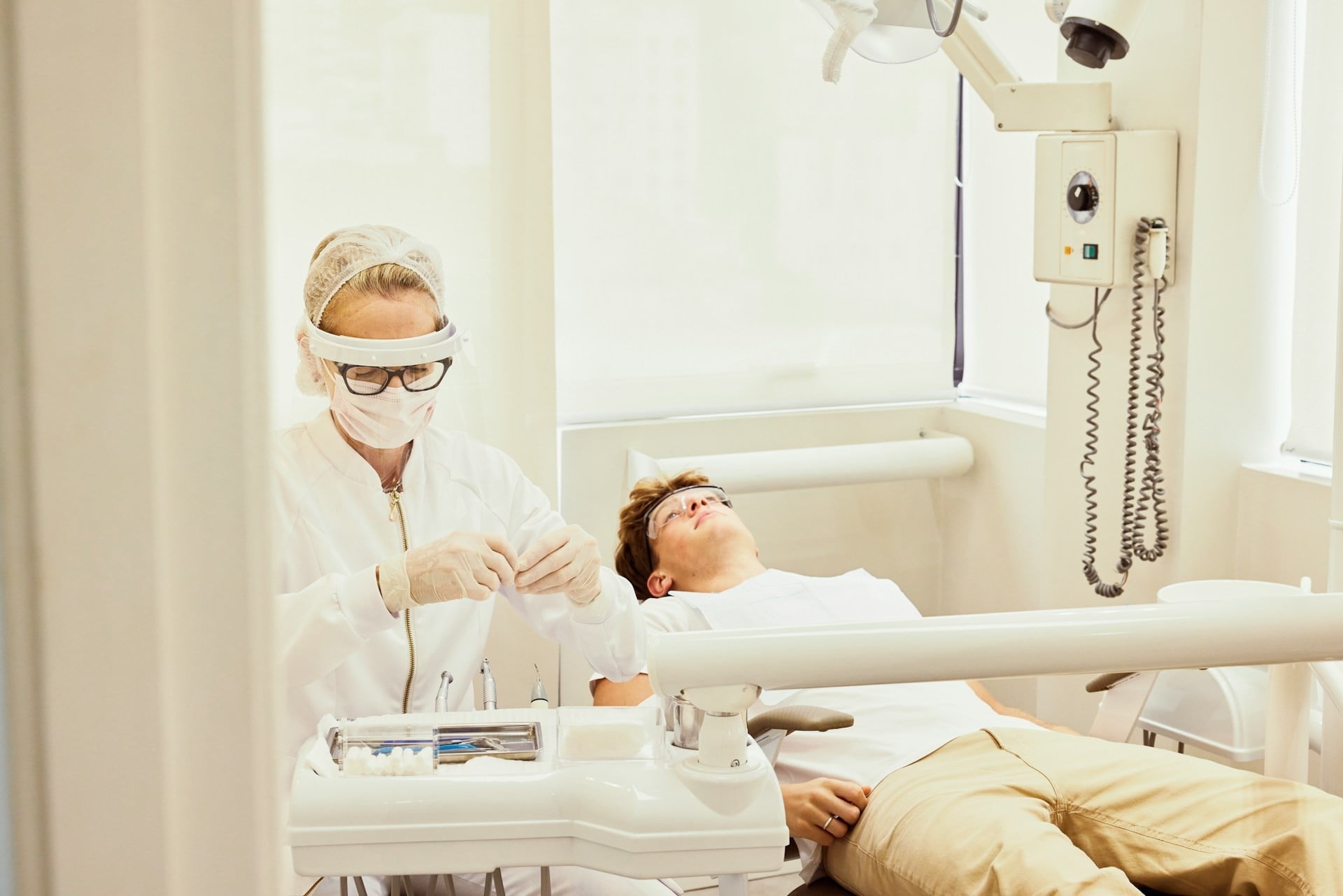
Restorative dentistry plays a crucial role in overcoming the challenges of a missing tooth or teeth, with dental implants standing out as the gold standard treatment. Offering unparalleled advantages in aesthetics, functionality, and longevity, dental implants have become an increasingly popular solution for replicating the appearance and performance of natural teeth. As experts in dental implants, emergency dental care, periodontics, oral surgery, and maxillofacial surgery, our team is committed to providing our patients with innovative and long-lasting tooth replacement options that can ultimately restore confidence and enhance quality of life.
As a leading dental practice, we take immense pride in delivering comprehensive patient care and education, consistently embracing innovative dental solutions to ensure that our patients reap maximum benefits from treatments. Dental implants have revolutionized the realm of restorative dentistry and, when expertly placed, can deliver lasting and transformative results.
Continue reading to gain a comprehensive understanding of the dental implant procedure, the multiple benefits it offers, and how they can truly enhance your quality of life. By learning about the intricacies of dental implant treatment, you can make informed decisions when considering your tooth replacement options and enjoy renewed self-assurance with a rejuvenated smile.
Dental Implant Procedure: A Step-by-Step Guide
Comprehending the dental implant process can help patients feel more at ease and prepared for their treatment journey. Here, we describe the key steps involved in receiving dental implants:
- Initial Consultation: The first step toward dental implant treatment is having a thorough examination and consultation with a dental specialist, who will evaluate your specific needs, overall oral health, and bone density.
- Treatment Planning: Utilizing advanced imaging techniques like CT scans and 3D modeling, your dental professional will create a customized treatment plan, considering factors such as implant type, size, angulation, and location.
- Dental Implant Surgery: The surgical process involves placing the implant fixture into the jawbone and securing it with a protective covering to facilitate osseointegration – the fusion of the dental implant and jawbone.
- Healing and Osseointegration: Over a period of several weeks to months, the jawbone will grow around the implant, creating a stable and long-lasting foundation for the dental prosthesis.
- Abutment Placement: Once osseointegration is complete, your dental specialist will connect a small connector piece called an abutment to the implant fixture.
- Prosthetic Teeth: After taking impressions of your teeth and bite, a custom dental crown, bridge, or denture will be created and securely attached to the abutment.
Long-Term Benefits of Dental Implants
Dental implants offer numerous advantages over traditional tooth replacement methods, such as dental bridges and dentures:
- Enhanced Aesthetics: Dental implants closely resemble natural teeth, creating a natural and aesthetically pleasing appearance.
- Improved Functionality: Implants restore normal chewing and speaking function by replicating the tooth root structure, resulting in increased stability and strength compared to traditional tooth replacement options.
- Bone Preservation: Unlike dental bridges or dentures, dental implants prevent further bone loss by stimulating the jawbone, preserving your facial structure, and supporting surrounding teeth.
- Longevity: With proper oral hygiene and routine dental care, dental implants can last a lifetime, making them a worthwhile investment in your overall oral health.
Dental Implant Maintenance and Care
While dental implants are designed to be long-lasting, they do require proper care and maintenance to ensure optimal results:
- Oral Hygiene: Maintain impeccable oral hygiene by brushing twice daily, flossing regularly, and using an antimicrobial mouthwash to keep the implant site free of harmful bacteria.
- Routine Dental Checkups: Regular dental visits will allow your dentists to monitor the health of your dental implants and surrounding tissues, address any issues promptly, and perform professional cleanings to ensure implant longevity.
- Avoid Harmful Habits: Refrain from smoking and excessive alcohol consumption, as these can compromise implant success. Also, avoid excessively hard or sticky foods and practice caution while brushing and flossing around the implant area.
Dental Implant Candidates: Assessing Your Suitability
Dental implants are an ideal tooth replacement solution for many patients; however, not everyone is a viable candidate. Certain factors must be considered to determine whether dental implants are suitable for you:
- Jawbone Density: A sufficient amount of healthy jawbone is essential for dental implant success, as it provides a stable foundation for the implant fixture. Bone grafting procedures can be performed if necessary to increase bone density.
- Gum Health: Healthy gums are crucial for dental implant success. Patients with untreated gum disease or periodontal issues must address these concerns before proceeding with implant treatment.
- Overall Health: Systemic conditions such as uncontrolled diabetes, autoimmune disorders, or patients undergoing cancer treatment may impede the body’s ability to heal and integrate dental implants properly. It is crucial to discuss your medical history and potential risk factors with your dental specialist before considering implants.
Conclusion
Dental implants represent a transformative and long-lasting solution for patients experiencing tooth loss. Understanding the dental implant process, benefits, and maintenance requirements can help individuals make informed decisions about their restorative dentistry options and ultimately improve their oral health and quality of life. By choosing dental implants as your tooth replacement solution, you can expect exceptional aesthetics, functionality, and longevity, resulting in a renewed sense of confidence and well-being.
If you’re considering dental implants in Gig Harbor, get in touch with Sound Surgical Arts. Our team is committed to delivering state-of-the-art restorative dental solutions that produce long-lasting, life-changing outcomes for our patients. Contact us today to learn more about this transformative treatment option.
Smile in a Day: Revolutionary Dental Solutions at Sound Surgical Arts

A beautiful smile can work wonders for your self-esteem, confidence, and overall appearance. However, sometimes life can throw challenges our way, leading to dental problems that call for comprehensive and expedient solutions. Whether it’s tooth loss, decay, or dental trauma, finding the appropriate treatment can be crucial in regaining your radiant smile. At Sound Surgical Arts, we specialize in providing revolutionary approaches to dental care. One of the breakthrough procedures we offer—and the focus of this article—is Smile in a Day.
Smile in a Day, also known as Teeth in a Day, is a cutting-edge dental treatment that can effectively restore an entire arch of missing teeth in as little as one appointment. This innovative service has become increasingly popular among patients who want minimal disruption to their daily lives while enjoying the benefits of durable, natural-looking replacement teeth. Our team of experienced dental professionals is committed to offering the highest quality care in Tacoma, WA, ensuring that you receive the treatment you deserve.
Join us as we shine a light on the revolutionary Smile in a Day procedure, highlighting the exceptional customer service and state-of-the-art technology that make us your go-to dental service provider in Tacoma, WA. Encapsulating our dedication to patient education and satisfaction, this comprehensive article will empower you with the knowledge you need to ensure lasting, life-changing results and a beautiful smile that you can be proud of.
The Advantages of Smile in a Day
Opting for Smile in a Day can be a life-changing decision that brings numerous benefits, contributing to improved quality of life and overall well-being. As we explore the transformative potential of this dental solution, consider the following advantages:
- Time-Efficient: Traditional dental procedures for tooth replacement may require several appointments and a lengthy treatment period. With Smile in a Day, patients can restore their smiles in just one appointment, making it an efficient and practical solution for busy individuals.
- Immediate Aesthetic Results: Smile in a Day delivers an immediate and significant enhancement to your appearance, as the procedure involves placing dental implants and attaching natural-looking prosthetic teeth in the same visit.
- Enhanced Functionality: Smile in a Day not only restores the appearance of your smile but also improves functionality by enabling you to bite, chew, and speak comfortably and efficiently.
- High Success Rate: The procedure boasts a high success rate, thanks to advancements in dental technology and techniques adopted by dental professionals during the treatment.
The Smile in a Day Procedure
Before diving into the Smile in a Day procedure, it’s important to understand the critical role that dental implants play in this groundbreaking treatment. Dental implants are small titanium posts that serve as artificial tooth roots, providing a stable and durable foundation for prosthetic teeth. The Smile in a Day treatment involves the following steps:
- Consultation and Planning: During the initial consultation, a thorough examination of your dental and oral health will be performed to determine if you are a suitable candidate for the procedure. This examination will typically involve digital impressions (IOS-intraoral surface scan), three-dimensional imaging (CBCT), and discussions regarding your dental history, goals, and expectations.
- Implant Placement: During the procedure, our dental professionals will carefully place dental implants into your jawbone, taking care to ensure optimal positioning and angling. Depending on the unique circumstances of your case, four to six implants may be required to support a full arch of prosthetic teeth.
- Prosthetic Teeth Attachment: Once the implants are in place, custom-crafted prosthetic teeth will be attached, effectively restoring your smile and enhancing dental functionality.
- Recovery and Aftercare: After the Smile in a Day procedure, you will receive post-treatment care instructions to ensure long-lasting results. Proper dental hygiene, regular dental check-ups, and a commitment to maintaining good oral health are essential for the longevity of your dental implants and prosthetic teeth.
Advanced Dental Technology for Smile in a Day
Incorporating state-of-the-art technology and dental techniques is an integral aspect of the Smile in a Day procedure. By employing advanced dental technologies, we are able to ensure the accuracy, efficiency, and success of this transformative treatment:
- Digital Impressions (IOS-intraoral surface scan): Gone are the days of messy, uncomfortable traditional dental impressions. Digital impressions provide a precise and comfortable method of capturing detailed images of your teeth, allowing for the creation of perfectly fitting prosthetic teeth.
- Three-Dimensional Imaging (CBCT): Cone Beam Computed Tomography (CBCT) offers highly detailed 3D images of your teeth, jaw, and soft tissues, enabling comprehensive treatment planning and accurate implant placement.
- Navigated Implant Placement: This technology provides unprecedented accuracy and precision during the implant placement process. By utilizing navigated implant placement, our dental professionals can ensure optimal implant positioning, improving the overall success rates of the procedure.
Ideal Candidates for Smile in a Day
While Smile in a Day can be an excellent option for many people seeking comprehensive dental restoration, certain factors may determine your eligibility for the procedure:
- Adequate Jawbone Density: Sufficient jawbone density and quality are necessary to support dental implants and ensure their long-term success.
- Good Oral Health: Patients with gum disease or active infections may need to address these issues before undergoing Smile in a Day treatment.
- Medical Considerations: Some medical conditions or medications can impact the success of dental implants. A thorough discussion of your medical history with our dental professionals is essential during the consultation phase.
Conclusion
Smile in a Day is a revolutionary dental solution that has transformed countless lives, offering fast, effective, and lasting results. By understanding the benefits, processes, and dental technology involved in this cutting-edge procedure, you can make well-informed decisions about your oral health.
Trust us with your Smile in a Day treatment and experience the unparalleled dental care you deserve. With our commitment to patient satisfaction, Sound Surgical Arts is proud to help Tacoma, WA, residents achieve and maintain radiant, healthy smiles.
Transform Your Smile with Pinhole Surgical Technique at Sound Surgical Arts

Gum recession, a common dental issue, can lead to a range of complications, including tooth sensitivity, an aged appearance, and an increased risk of decay and tooth loss. Traditionally, treating gum recession required invasive procedures like gum grafting surgery, but recent advances in dentistry have introduced less invasive and more efficient treatment options. One such revolutionary development is the Pinhole Surgical Technique (PST), a minimally invasive, quick gum rejuvenation method for patients suffering from gum recession.
At Sound Surgical Arts in Tacoma, WA, we are proud to offer the Pinhole Surgical Technique to our patients who seek a more comfortable and convenient solution for their receding gums. Our focus is to provide cutting-edge dental care, ensuring you receive the best treatment options for your unique dental needs.
Causes and Consequences of Gum Recession
Receding gums essentially means that the gum tissue surrounding the teeth gradually pulls away, exposing more tooth structure, including the tooth root, leading to several complications. Identifying the causes of gum recession is crucial for timely treatment. There are a few common contributing factors:
- Periodontal Disease: Chronic gum inflammation or bacterial infections can result in gum recession.
- Brushing Technique: Aggressive tooth brushing or using a hard-bristle toothbrush can prompt the gums to recede.
- Genetics: Some individuals are predisposed to gum recession due to hereditary factors.
- Hormonal Fluctuations: Changes in hormone levels, particularly in women, may lead to increased tooth sensitivity and gumline changes.
When gum recession goes untreated, it can cause tooth sensitivity, decay near the gumline, and even tooth loss in severe cases.
The Pinhole Surgical Technique: A Revolutionary Approach to Gum Recession Treatment
The Pinhole Surgical Technique is a groundbreaking, minimally invasive alternative to conventional gum grafting surgery. This innovative approach offers numerous benefits, including the following:
- Faster Healing: PST promotes a quicker recovery period than traditional gum grafting surgery.
- No Scalpels or Stitches: This technique does not require the use of scalpels or sutures, resulting in minimal discomfort and postoperative care.
- Less Invasive: PST is a non-grafting procedure that instantly rejuvenates your gumline without the need for donor tissue.
- Multiple Teeth Treated in One Session: PST has the advantage of treating multiple teeth in a single appointment, saving both time and hassle.
Understanding the Pinhole Surgical Technique Procedure
The Pinhole Surgical Technique is a simple and straightforward process that spans a few key steps:
- Pre-treatment Assessment: Our experienced dentists will evaluate the extent of your gum recession, determine your eligibility for PST, and design a custom treatment plan.
- Local Anesthesia: Before beginning the procedure, local anesthesia is applied to ensure a comfortable and pain-free experience.
- Creating a Pinhole: A minuscule hole, or pinhole, is discreetly made in the affected gum tissue.
- Adjusting Gum Position: Utilizing special dental instruments, the gum tissue is gently loosened and repositioned over the exposed tooth root.
- Collagen Strips Insertion: Collagen strips are inserted through the pinhole, helping the gums remain in their desired position and promoting faster healing.
Post-treatment, you’ll experience immediate cosmetic improvement, and the pinhole will naturally close within 24 hours.
Pinhole Surgical Technique vs. Traditional Gum Grafting
The benefits of opting for PST over traditional gum grafting methods are worth considering:
- Comfort: PST is significantly less painful than traditional gum grafting due to the absence of any incisions or sutures.
- Speed: PST is a faster procedure compared to gum grafting, often taking just a couple of hours to complete.
- Recovery: The healing period for PST is remarkably shorter than conventional gum grafting, allowing patients to return to daily activities sooner.
- Appearance: The Pinhole Surgical Technique provides an instant improvement in appearance, while traditional gum grafting involves a longer waiting period for noticeable results.
Maintaining Healthy Gums Post-Pinhole Surgical Technique
After undergoing PST, it is essential to maintain good oral hygiene habits to retain the benefits of your gum rejuvenation treatment:
- Brush and Floss: Gently brush your teeth using a soft-bristle toothbrush and fluoride toothpaste at least twice a day, and floss daily.
- Regular Dental Checkups: Schedule regular dental checkups and professional cleanings to ensure optimal oral health.
- Avoid Tobacco and Minimize Sugars: Quit smoking and limit your sugar intake to reduce the risk of gum disease and tooth decay.
Conclusion
If you struggle with gum recession and seek a minimally invasive, time-efficient solution, the Pinhole Surgical Technique may be the perfect option for you. This innovative technique involves no incisions or sutures, allowing for a quicker healing time and minimal discomfort. With its high success rate and long-lasting results, the Pinhole Surgical Technique is a promising option for those looking to restore their gum health.
At Sound Surgical Arts, our dedicated team is committed to offering our Tacoma, WA, patients the highest quality dental care, ensuring a comfortable and positive experience. Don’t let gum recession keep you from smiling confidently – contact us today to explore the benefits of the Pinhole Surgical Technique and take the first step towards a vibrant and healthy smile.