
Sound Surgical Arts
A Comprehensive Guide to Reconstructive Jaw Surgery Options in Gig Harbor, WA

Reconstructive jaw surgery, also known as orthognathic surgery, is a specialized branch of oral and maxillofacial surgery that focuses on correcting irregularities in the jaw and related facial structures. Such irregularities could be congenital, trauma-induced, or the result of growth and development. Jaw misalignment can not only affect the appearance and function of your smile but can also lead to issues such as improper bite alignment, difficulty speaking or chewing, and sleep apnea. At Sound Surgical Arts in Gig Harbor, Washington, our team of highly trained dental professionals is committed to helping you achieve an optimal oral health through personalized and comprehensive treatment plans, including reconstructive jaw surgery options tailored to your needs.
The team at Sound Surgical Arts is dedicated to providing patient-centered care, offering guidance and support through every step of your reconstructive jaw surgery journey. We believe that informed decision-making is key to achieving the best possible outcomes for your oral health and overall well-being.
If you experience jaw misalignment or related facial structure irregularities, we invite you to schedule a consultation with our experienced team at our Gig Harbor clinic. We will thoroughly evaluate your condition, discuss your concerns and treatment goals, and recommend the best course of action to restore proper jaw function and an aesthetically pleasing smile.
Common Conditions Treated with Reconstructive Jaw Surgery
Reconstructive jaw surgery aims to correct a range of jaw and facial structure irregularities, including the following common conditions:
1. Malocclusion: Misaligned bite resulting from an improper alignment of the upper and lower jaws, which can affect chewing and speaking abilities.
2. Prognathism: An excessive protrusion of the lower jaw, creating an underbite.
3. Retrognathism: An underdeveloped lower jaw, leading to an overbite.
4. Asymmetry: Uneven growth or development resulting in a skewed or off-center jaw and facial appearance.
5. Facial trauma: Accidents or injuries that cause damage to the jaw and related structures, necessitating surgical intervention to restore function and aesthetics.
6. Sleep apnea: Compromised airway due to jaw positioning or irregularities, contributing to sleep apnea and associated health problems.
Determining Candidacy for Reconstructive Jaw Surgery
Ideal candidates for reconstructive jaw surgery typically share the following characteristics:
1. Persistent problems: The presence of ongoing jaw-related issues that significantly impact your oral function and overall quality of life.
2. Growth completion: Your facial growth and development must be complete, which generally occurs around age 16 for females and age 18 for males.
3. No improvement with non-surgical treatments: Your condition has not improved significantly with orthodontic treatments or other non-surgical approaches.
4. Good overall health: Candidates should be in good general health and free of any conditions that may complicate the surgery or healing process.
Different Types of Reconstructive Jaw Surgery Techniques
Several reconstructive jaw surgery techniques are available, depending on the specific issue and individual needs, including:
1. Maxillary osteotomy: Targets the upper jaw to correct issues such as an open bite, crossbite, or excessive overbite.
2. Mandibular osteotomy: Focuses on the lower jaw to resolve problems like an underbite or a receded lower jaw.
3. Genioplasty: Addresses irregularities in the chin to improve facial harmony and proportions.
4. Le Fort osteotomy: A comprehensive approach that encompasses multiple sections of the upper jaw and midface to correct complex irregularities.
The Process and Timeline for Reconstructive Jaw Surgery
The reconstructive jaw surgery process typically unfolds in the following stages:
1. Consultation and evaluation: Your surgeon will review your medical history, perform a comprehensive oral examination, and take X-rays or other imaging to evaluate your condition.
2. Treatment planning: Based on the findings, your surgeon will determine the most appropriate reconstructive technique and develop a customized treatment plan.
3. Pre-surgical preparation: You may undergo orthodontic treatment to align your teeth before surgery. Anesthesia options will also be discussed and selected.
4. Surgery: Reconstructive jaw surgery is usually performed at a hospital or surgical center under general anesthesia. The duration may vary from a few hours to an entire day, depending on the complexity of your case.
5. Recovery and post-surgical orthodontic treatment: A recovery period of approximately four to six weeks is typical, during which you will need to follow post-operative care instructions. Once healed, you may require further orthodontic treatment to fine-tune your bite.
Recovery and Post-Operative Care Tips
To ensure successful healing and outcomes after reconstructive jaw surgery, follow these post-operative care tips:
1. Medication compliance: Take pain relief and other prescribed medications as directed by your surgeon to manage discomfort and decrease the risk of infection.
2. Diet and nutrition: Follow a soft-food or liquid diet immediately after surgery before gradually reintroducing solid foods, as advised by your healthcare team.
3. Oral hygiene: Maintain a gentle but thorough oral hygiene routine, including brushing and flossing carefully around the surgical sites.
4. Rest and activity restrictions: Get plenty of rest post-surgery, avoiding any strenuous physical activities, and gradually resume normal activities as advised by your healthcare provider.
Frequently Asked Questions (FAQ) About Reconstructive Jaw Surgery
1. How long does it take to recover from reconstructive jaw surgery?
The initial recovery period may last between four to six weeks, with complete healing often taking anywhere from six to twelve months, depending on the complexity of the case.
2. Will insurance cover reconstructive jaw surgery?
Many insurance companies will cover reconstructive jaw surgery if it’s deemed medically necessary to improve oral function. However, coverage varies between providers, so it’s crucial to review your individual insurance policy and discuss options with your surgeon and insurance provider.
3. Are there any risks or complications associated with reconstructive jaw surgery?
As with any surgical procedure, reconstructive jaw surgery carries some risks, such as infection, excessive bleeding, negative reactions to anesthesia, and temporary or permanent nerve damage. Your surgeon will discuss these potential risks with you and take measures to minimize them during your surgery.
Conclusion
Reconstructive jaw surgery is a transformative procedure that can significantly improve oral function, facial aesthetics, and overall quality of life for those suffering from jaw and facial structure irregularities. The team of dental professionals at Sound Surgical Arts in Gig Harbor, WA, is dedicated to providing exceptional and personalized care every step of the way. Schedule your consultation and learn more about how our reconstructive jaw surgery options can help you achieve the healthy, beautiful smile you deserve. Learn more about our other services, such as teeth in an hour in Gig Harbor.
Understanding the Impact of Wisdom Tooth Extraction on Oral Health in Gig Harbor, WA
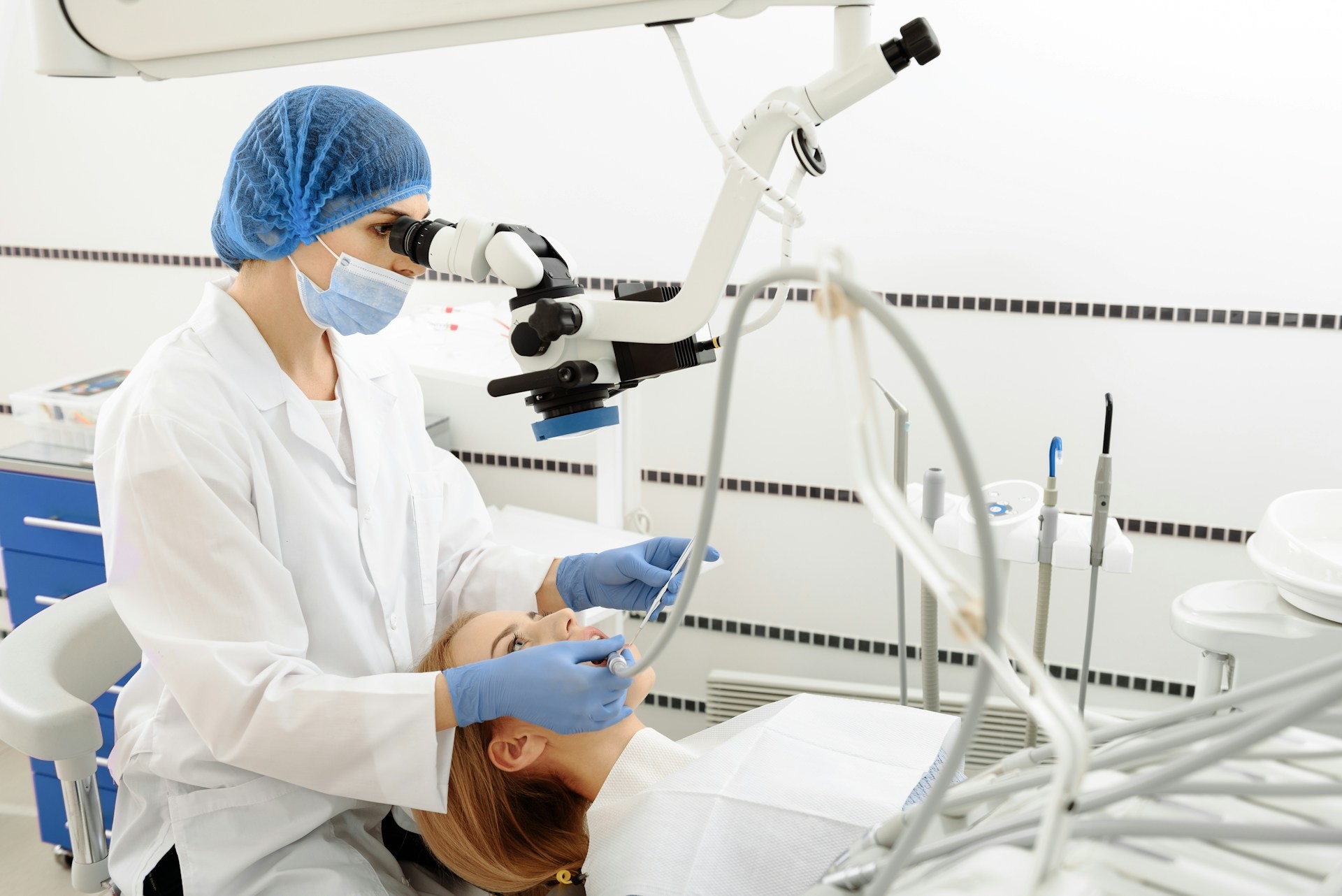
Wisdom teeth, also known as third molars, are the last set of teeth to emerge, typically during late adolescence or early adulthood. In many cases, wisdom teeth can cause a variety of dental problems due to their size, location, or because they become impacted – meaning they do not fully emerge through the gumline. Wisdom tooth extraction is a common oral surgery to address these issues and maintain optimal oral health. At Sound Surgical Arts in Gig Harbor, Washington, we are committed to providing comprehensive dental care solutions, including wisdom tooth extraction services, to help our patients achieve healthy, beautiful, and functional smiles.
At Sound Surgical Arts, patient education and personalized care are at the heart of our practice. Our team of experienced dental professionals is dedicated to helping you make informed decisions about your oral health, offering guidance on whether wisdom tooth extraction is the right choice for you.
If you have concerns about your wisdom teeth or are experiencing pain, discomfort, or other symptoms related to wisdom tooth growth, don’t hesitate to contact our Gig Harbor clinic for a consultation. We will carefully evaluate your oral health and discuss the best treatment options tailored to your needs.
Common Issues Caused by Wisdom Teeth
Wisdom teeth can lead to various complications as they develop and emerge, often warranting their removal. Some common issues associated with wisdom teeth include:
1. Impacted teeth: When wisdom teeth do not fully emerge from the gumline, they become impacted, which can cause pain, swelling, and infection.
2. Overcrowding: Due to limited space in the mouth, wisdom teeth may cause other teeth to shift, resulting in overcrowding, misalignment, and bite problems.
3. Gum disease: Partially erupted wisdom teeth can create pockets in the gums where bacteria can accumulate, increasing the risk of gum disease (periodontitis).
4. Tooth decay: Wisdom teeth are challenging to clean adequately due to their location, making them more susceptible to tooth decay.
When Wisdom Tooth Extraction is Necessary
Here are some instances when wisdom tooth extraction may be the best course of action:
1. Pain and discomfort: If you are experiencing persistent pain or discomfort due to the growth and positioning of your wisdom teeth, extraction may provide relief.
2. Infection or inflammation: Wisdom teeth that are impacted or partially erupted can lead to recurring infections in the gum tissue.
3. Orthodontic concerns: If your wisdom teeth are causing crowding, misalignment, or jeopardizing previous orthodontic work, extraction may be recommended.
4. Cysts or tumors: Impacted wisdom teeth can sometimes lead to the development of cysts or tumors, which may require their removal.
5. Preventive care: In some cases, dentists may recommend proactive extraction, especially when the potential for complications related to wisdom teeth is high.
Preparing for Your Wisdom Tooth Extraction Appointment
To ensure a smooth wisdom tooth extraction process, consider the following steps in preparation:
1. Consultation: Schedule an appointment with your dentist or oral surgeon to discuss the need for wisdom tooth extraction, potential risks, and the best approach for your situation.
2. Imaging: Your dentist may recommend X-rays or other imaging methods to assess the position of your wisdom teeth and plan the extraction process.
3. Pre-operative instructions: Follow your dentist’s pre-operative instructions, which may include fasting before surgery, discontinuing specific medications, and arranging for a companion to drive you home after the procedure.
4. Discuss anesthesia options: Discuss the available anesthesia options with your dentist during the consultation to choose the one that’s best for you.
What to Expect During the Wisdom Tooth Extraction Procedure
Although the specific steps of wisdom tooth extraction vary depending on each individual’s case, the following general stages typically apply to most patients:
1. Anesthesia: To ensure a comfortable experience, your dentist will administer local anesthesia, sedation, or general anesthesia, depending on your needs and the complexity of the extraction.
2. Tooth removal: Your dentist will make an incision in the gum tissue (for impacted teeth) and gently remove any bone obstructing access to the tooth. The tooth may be extracted whole or divided into smaller pieces for easier removal.
3. Stitches (if needed): If required, your dentist will place sutures to close the gum tissue and facilitate healing.
4. Gauze application: As the surgery concludes, gauze will be applied to the extraction site to control bleeding and promote clot formation.
Tips for Recovery and Post-Operative Care
Following the wisdom tooth extraction, it’s vital to practice proper post-operative care for a successful recovery:
1. Bite on the gauze: Apply firm, consistent pressure on the gauze placed over the extraction site to control bleeding and encourage blood clot formation.
2. Manage pain and swelling: Use over-the-counter pain relievers and apply ice packs to the affected area to reduce discomfort and swelling.
3. Consume a soft-food diet: Stick to soft, easy-to-chew foods for a few days, gradually reintroducing harder foods as the healing progresses.
4. Maintain good oral hygiene: Continue your normal oral hygiene routine carefully; avoid brushing the extraction site directly for the first few days following the surgery.
5. Avoid smoking and alcohol: Refrain from smoking and limit alcohol consumption, as these substances can impair the healing process.
Frequently Asked Questions (FAQ) About Wisdom Tooth Extraction
1. How long does recovery take after wisdom tooth extraction?
Recovery time varies from person to person, but generally, expect a healing period of 7 to 10 days for gum tissue and up to a few weeks for bone tissue.
2. What can I eat after wisdom tooth extraction?
A soft-food diet, including items like soups, yogurt, applesauce, mashed potatoes, and smoothies, is recommended for the first few days following surgery.
3. Are there any risks associated with wisdom tooth extraction?
Although considered a safe and routine procedure, wisdom tooth extraction carries potential risks, including dry socket, infection, or damage to nearby teeth and nerves; consult your dentist about the best approach to minimize these risks during your surgery.
Conclusion
Wisdom tooth extraction is a common and essential procedure to address dental issues related to third molars and maintain a healthy, functional smile. The dedicated dental professionals at Sound Surgical Arts in Gig Harbor, WA, are here to provide expert guidance and personalized care throughout the entire process. Schedule your appointment and discuss wisdom tooth extraction and other dental services, such as dental implants in Gig Harbor, with our team, and take the first step toward achieving optimal oral health.
Expert Aftercare Tips: Maintaining Optimal Oral Health after Dental Implants

Dental implants have revolutionized tooth replacement, providing a durable and aesthetically pleasing solution for missing teeth. To maintain excellent oral health after receiving dental implants, understanding and implementing proper aftercare is crucial. In this post, we’ll share seven expert tips to preserve the health, function, and appearance of your dental implants for years to come.
From oral hygiene habits to regular dental checkups, our advice covers all aspects of post-implant care. As a Sound Surgical Arts patient, you have already made a significant investment in your oral health, and these tips will help you protect and maintain that investment. By following our expert guidance, you can enjoy the benefits of your dental implants with confidence, knowing you’re taking all necessary steps to ensure their longevity.
1. Maintain Excellent Oral Hygiene
Arguably the most critical aspect of aftercare, maintaining good oral hygiene is crucial to the health of your dental implants and surrounding teeth. To avoid bacterial infection, plaque buildup, and gum disease, follow these steps:
– Brush twice a day: Use a soft-bristled toothbrush, preferably an electric one with a built-in timer, to brush your teeth for two minutes, reaching all sides of the implant and surrounding teeth. An interdental brush with an angled head can help reach difficult areas around your implant.
– Floss regularly: Use dental floss or specialized implant floss to clean between your teeth and around the implant to remove food particles, minimizing the risk of inflammation or infection.
– Use mouthwash: Rinse daily with a non-alcoholic, antimicrobial mouthwash to fight bacteria and support overall oral health.
2. Avoid Chewing Hard or Sticky Foods
To prevent damage to your dental implants, approach hard and sticky foods with caution. Consuming these foods can harm the implanted tooth as well as the implant’s supporting structure, potentially leading to displacement. Foods to avoid include hard candies, caramel, chewing gum, and ice. Remember to chew food evenly on both sides of your mouth, distributing the chewing pressure to protect your implants.
3. Be Cautious of Teeth Grinding
Teeth grinding, or bruxism, can have detrimental effects on dental implants, causing excess force and potentially damaging the implant’s structure. If you’re aware or suspect that you grind your teeth, especially during sleep, consult your dentist about obtaining a customized night guard. This will help protect your dental implants from wear and tear caused by grinding.
4. Maintain a Healthy Diet and Lifestyle
Adhering to a healthy diet and lifestyle can improve oral health significantly and contribute to the longevity of your dental implants. Keep these tips in mind:
– Incorporate nutrient-dense foods: Eat a balanced diet rich in vitamins and minerals to support healthy teeth and gums. Foods high in calcium, phosphorus, and vitamin D, such as dairy products, leafy greens, and fish, promote strong teeth and bones.
– Stay hydrated: Adequate hydration promotes saliva production, which helps neutralize harmful bacteria in your mouth and wash away food debris.
– Avoid tobacco products: Tobacco use, including cigarettes and smokeless tobacco, is linked to increased risks of gum disease, implant failure, and oral cancers. Quitting smoking can significantly improve your oral health and increase the success rate of dental implants.
5. Schedule Regular Dental Checkups and Cleanings
Regular dental checkups and cleanings are essential for maintaining overall oral health and detecting potential issues with your dental implants early on. Visit Sound Surgical Arts at least twice a year for an examination, professional cleaning, and assessment of your dental implant’s health and stability. This proactive approach allows your dental care team to address any concerns or complications before they escalate.
6. Pay Attention to Signs of Infection or Complications
Infection or failure of dental implants is rare, but it’s essential to recognize early warning signs to address any potential issues. If you experience any of the following symptoms post-implant placement, consult your dentist immediately:
– Persistent pain or sensitivity
– Swelling around the dental implant
– Difficulty chewing or biting
– Loose implant or visible shifting
– Gum recession around the implant site
Prompt intervention can prevent complications from worsening and protect your dental implant investment.
7. Trust the Experts at Sound Surgical Arts for Ongoing Support
Our skilled dental professionals at Sound Surgical Arts are dedicated to helping you achieve and maintain optimal oral health, ensuring long-term success for your dental implants. We are always available for questions, concerns, and ongoing support for your dental implant aftercare.
Achieve Lasting Oral Health with Sound Surgical Arts
Diligent dental implant aftercare is vital to ensure long-lasting oral health, enhancing your beautiful smile and overall well-being. By implementing the expert advice provided in this article and partnering with the dedicated professionals at Sound Surgical Arts, you’ll have a personalized roadmap to maintain your dental implants and continuously achieve excellent oral health.
At Sound Surgical Arts, our team’s expertise, commitment, and advanced dental technology promise the best possible experience and outcomes for our patients. Schedule your next dental checkup or reach out with any concerns – let’s work together to make your dental implants and oral health journey a complete success. Experience the difference that Sound Surgical Arts makes in safeguarding your radiant smile and healthy dental future.
Dental Trauma Treatment in Tacoma, WA: Advanced Solutions at Sound Surgical Arts
Dental trauma, such as cracked, chipped, dislodged, or fractured teeth, can result from various unexpected factors like accidents, sports injuries, or even biting down on hard foods. Regardless of the cause, it’s crucial to treat dental trauma promptly and effectively to minimize complications and maintain optimal oral health. The team of dental professionals at Sound Surgical Arts understands the importance of addressing dental emergencies in a timely and comprehensive manner. With a focus on innovative approaches and the latest in dental technology, restoring patients’ smiles and confidence is a priority at our Tacoma, WA clinic.
Experiencing dental trauma can be distressing and overwhelming, but seeking treatment from seasoned dental professionals with a comprehensive understanding of advanced treatment methods can make all the difference. This informative blog post will discuss the various types of dental trauma, the innovative solutions available at Sound Surgical Arts, and why acting quickly is essential in dental emergencies. By understanding the significance of expert dental care in trauma situations and the array of techniques available at Sound Surgical Arts, you can ensure your smile remains healthy and intact, even during life’s most unexpected moments.
1. Common Types of Dental Trauma and Their Causes
Dental trauma can take many forms, each requiring specific treatment approaches to ensure the best possible outcome. Some of the most common types of dental trauma include:
– Cracked Teeth: Teeth can crack due to grinding habits, exposure to temperature extremes, or biting on hard objects. If left untreated, the crack can deepen and lead to infection or tooth loss.
– Chipped Teeth: Chipping can occur from accidents, sports injuries, or biting on hard substances. Depending on the chip’s size and location, it may require bonding, veneers, or dental crowns for restoration.
– Dislodged or Avulsed Teeth: A knocked-out tooth, or avulsion, is a dental emergency that can happen due to falls, accidents, or sports-related injuries. A fast response and proper handling can potentially save the tooth.
– Fractured Teeth: Fractures can be caused by hard bites, traumatic impacts, and severe decay. Treatment ranges from stabilization to tooth extraction, depending on the severity of the fracture.
2. Innovative Approaches to Dental Trauma Treatment at Sound Surgical Arts
At Sound Surgical Arts, we take pride in offering innovative dental trauma solutions designed to restore your smile and confidence. A few of these advanced techniques include:
– Dental Bonding: This minimally invasive procedure utilizes tooth-colored composite resin to repair cracks, chips, and other minor tooth damage.
– Veneers and Dental Crowns: Custom-designed porcelain veneers and crowns are often used to restore strength, function, and aesthetics to chipped or fractured teeth.
– Root Canal Treatment: In some cases, dental trauma may necessitate a root canal procedure to remove damaged, infected, or inflamed pulp and preserve the affected tooth structure.
– Dental Implants: For avulsed or irreparably damaged teeth, dental implant placement offers a long-lasting solution that closely mimics the appearance and functionality of natural teeth.
3. The Importance of Prompt Dental Trauma Treatment
Addressing dental trauma as soon as possible is crucial for several reasons:
– Prevent Further Damage: Failure to treat dental trauma in a timely manner can lead to complications like infection, worsening cracks, or extensive structural damage, resulting in more complex and costly treatments.
– Optimal Treatment Outcomes: In certain dental trauma scenarios, such as a dislodged tooth, prompt treatment can significantly increase the likelihood of successfully saving the tooth and preserving overall dental health.
– Restore Oral Function and Aesthetics: Addressing dental trauma quickly helps ensure that you regain the ability to eat, speak, and smile with confidence, resulting in a restored quality of life.
4. Dental Trauma Prevention Tips and Emergency Preparedness
While dental emergencies can be unpredictable, taking certain preventative measures may help reduce the probability of dental trauma:
– Wear Protective Gear: Utilize a custom-fitted mouthguard while engaging in contact sports or any activities that pose a risk of oral injuries.
– Avoid Hard Foods: Limit the consumption of hard and sticky foods that can crack or chip teeth, and exercise caution when biting into foods containing hidden hard objects like pits or seeds.
– Regular Dental Check-ups: Schedule regular dental check-ups and cleanings at Sound Surgical Arts to maintain optimal oral health and identify potential dental issues early on, before they become more significant problems.
In case of a dental emergency, it’s essential to know what steps to take:
– Have an Emergency Dental Contact: Keep the contact information for Sound Surgical Arts readily available for quick access in case of a dental trauma emergency.
– Handle Avulsed Teeth Appropriately: If a tooth has been completely dislodged, gently rinse it with water (without scrubbing), if dirty, and try to reinsert it into the socket, or keep it moist in milk or a saline solution while en route to the dental clinic.
– Contact Sound Surgical Arts Immediately: In any dental emergency, contact our office as soon as possible for guidance on handling the situation and to arrange for prompt treatment.
Trust Sound Surgical Arts with Your Dental Trauma Treatment
At Sound Surgical Arts in Tacoma, WA, we understand the importance of providing comprehensive, cutting-edge dental treatment for patients experiencing dental trauma. Our team of experienced dental professionals is committed to restoring your smile and peace of mind, using the latest techniques and technology available. If you or a loved one encounters a dental emergency, trust the team at Sound Surgical Arts to provide the exceptional care and timely treatment you deserve. Contact our office today to schedule a consultation or inquire about our emergency dental services, such as tooth extraction in Tacoma, WA.
Dental Implants in Gig Harbor, WA: A Comprehensive Guide to Restoring Your Smile with Sound Surgical Arts
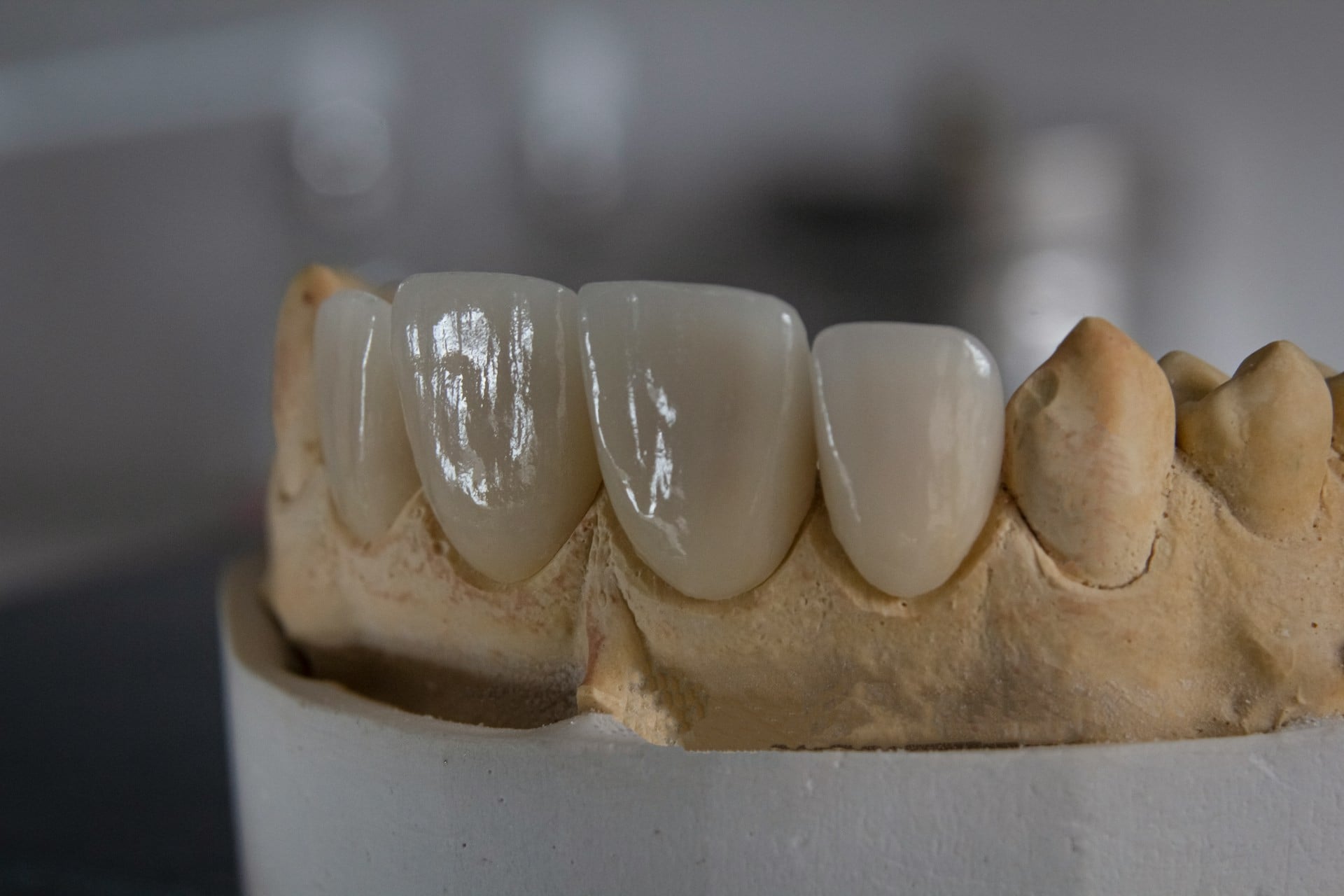
Dental implants have become a popular and highly effective tooth replacement solution, providing patients with a natural-looking, durable, and fully functional alternative to traditional dentures or bridgework. Sound Surgical Arts in Gig Harbor, WA, is proud to offer state-of-the-art dental implant services to help you regain the confidence and quality of life that comes from having a complete and healthy smile.
In this comprehensive guide, we will delve into various aspects of dental implants. With the skilled team at Sound Surgical Arts in Gig Harbor, WA, you can rest assured that your journey to a restored smile is in the hands of dental implant experts who prioritize your comfort, satisfaction, and long-term oral health.
Candidacy for Dental Implants: Determining Your Eligibility for a Restored Smile
One of the first steps in considering dental implants is determining if you are a suitable candidate for the procedure. Factors affecting candidacy include:
1. Oral Health: Healthy gums and surrounding teeth are essential for the success of dental implants. Patients with gum disease, tooth decay, or other oral health issues may need to address these concerns before proceeding with implant treatment.
2. Overall Health: Dental implant surgery requires a good overall health status. Certain chronic conditions, such as uncontrolled diabetes or immune system disorders, can impact the likelihood of successful implant integration.
3. Bone Density: Adequate jawbone density is required for optimal dental implant placement and stability. Patients with insufficient bone density may need to undergo a bone graft procedure prior to implant surgery.
The Dental Implant Procedure: Understanding the Stages and What to Expect
Dental implant placement typically involves several stages, with each phase focused on achieving long-term stability and functionality. The process may include the following steps:
1. Initial Consultation: During this appointment, your dental implant specialist will assess your oral health and overall candidacy for the procedure. They will discuss your treatment goals and create a tailored plan to restore your smile.
2. Tooth Extraction: If necessary, any damaged or unhealthy teeth will be removed to prepare the site for implant placement.
3. Bone Grafting (if needed): Some patients may require bone grafting to ensure adequate jawbone density to support the implants. This procedure typically adds a few months to the overall treatment timeline.
4. Implant Placement: Once the jawbone is prepared, your dental professional will surgically place titanium implant posts into the bone. These posts act as artificial tooth roots and will securely support the prosthetic teeth.
5. Osseointegration: A healing period of several months allows the implant posts to fuse with your jawbone in a process called osseointegration. This integration ensures the long-term stability and durability of your implants.
6. Abutment Placement: After osseointegration is complete, a small connector piece called an abutment is attached to the implant post. The abutment is used to secure the dental crown or prosthetic tooth.
7. Prosthetic Tooth Placement: Once the abutments are in place, custom-made dental crowns, bridges, or dentures are secured to complete the restoration of your smile.
Benefits of Dental Implants: Embracing the Advantages of a Revitalized Smile
Dental implants offer numerous benefits over traditional tooth replacement options, including:
1. Natural Appearance: Dental implants closely resemble natural teeth in both appearance and function. The custom-made prosthetic teeth ensure a seamless match with your existing smile.
2. Improved Comfort: Since dental implants function like natural teeth, they offer a more comfortable fit than removable dentures, reducing irritation and discomfort.
3. Enhanced Functionality: With the stable foundation provided by dental implants, patients can enjoy a restored ability to eat, speak, and smile confidently.
4. Preservation of Jawbone and Facial Structure: Dental implants help prevent jawbone resorption and maintain facial structure integrity by stimulating and supporting the jawbone.
5. Long-lasting Solution: With proper care and maintenance, dental implants can provide a durable and long-lasting tooth replacement solution, potentially lasting a lifetime.
Caring for Your Dental Implants: Ensuring the Longevity of Your Restored Smile
Maintaining your dental implants requires a commitment to good oral hygiene and regular dental check-ups. To ensure the longevity and continued success of your implants, consider the following care guidance:
1. Daily Oral Hygiene: Brush your teeth twice a day and floss daily to keep your gums and remaining natural teeth healthy. Regular cleaning around the implant site is crucial to avoid inflammation and infection.
2. Regular Dental Check-ups: Schedule biannual dental visits for cleanings and routine exams to monitor the continued success of your dental implants and ensure proper maintenance.
3. Avoid Tobacco: Using tobacco products can increase the risk of implant failure and impact the longevity of your rebuilt smile. It is highly recommended to quit smoking or using other tobacco products during the implant process and beyond.
Choosing a Dental Implant Specialist in Gig Harbor, WA: Trusting Your Smile to Expert Hands
Selecting an experienced dental professional is critical to achieving optimal dental implant results. When evaluating potential implant specialists, consider:
1. Training and Experience: Ensure the dental professional has advanced training and extensive experience in dental implant procedures.
2. Patient Testimonials: Review patient testimonials and online reviews to gain insight into patient satisfaction and the practice’s reputation.
3. Communication and Comfort: During your initial consultation, gauge the dental professional’s communication style, willingness to address concerns, and their commitment to patient comfort.
Conclusion
By choosing dental implants to restore your smile at Sound Surgical Arts in Gig Harbor, WA, you can reap the benefits of a natural-looking, comfortable, and long-lasting tooth replacement solution. Trust our expert team to guide you through each step of the dental implant journey and help you achieve the revitalized smile you deserve.
Get in touch with us to schedule a consultation at Sound Surgical Arts in Gig Harbor, WA, and begin exploring your dental implant options with our compassionate and knowledgeable team.
The Importance of Wisdom Tooth Extraction: Expert Care at Sound Surgical Arts in Gig Harbor, WA
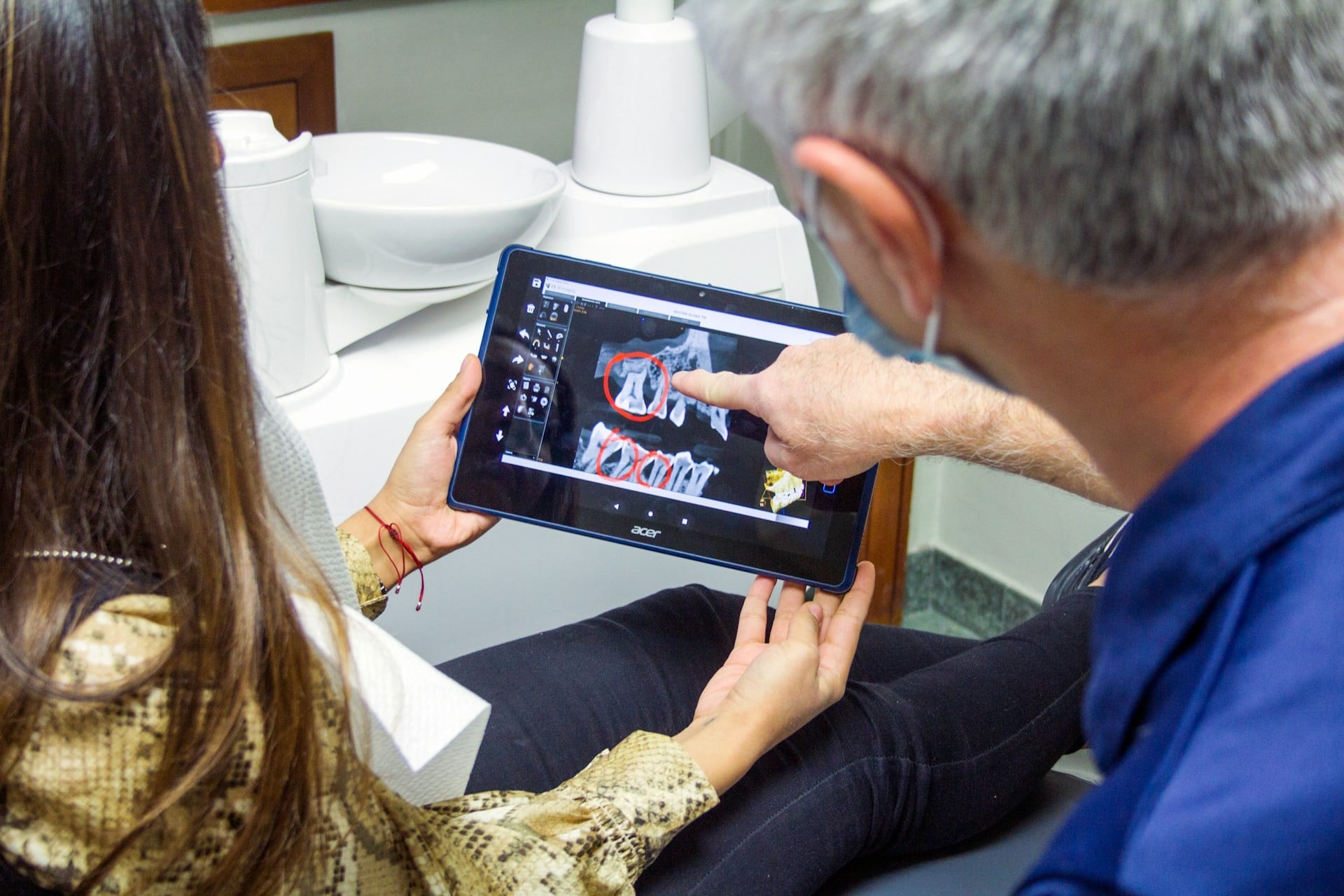
Wisdom tooth extractions are a common dental procedure to maintain oral health and prevent complications that may arise from impacted or overcrowded third molars. At Sound Surgical Arts in Gig Harbor, WA, our team of dental professionals is dedicated to providing best-in-class wisdom tooth extraction services, ensuring patient comfort and an optimal outcome.
In this informative guide, we will explore various aspects of wisdom tooth extraction. With the skilled team at Sound Surgical Arts guiding you through wisdom tooth extraction, you can feel confident in your oral health care decisions and resulting outcomes.
Why Wisdom Tooth Extraction is Necessary: Addressing Potential Complications
Wisdom teeth, also known as third molars, typically erupt between the ages of 17 and 25. Due to their late arrival, wisdom teeth often cause complications in oral health that necessitate extraction. Reasons for wisdom tooth extraction include:
1. Impacted Wisdom Teeth: When a wisdom tooth cannot break through the gum line because of insufficient space, it becomes impacted. Impacted wisdom teeth can result in pain, infection, and damage to nearby teeth.
2. Overcrowding Concerns: Even when wisdom teeth emerge without becoming impacted, they can still cause overcrowding and misalignment of existing teeth, leading to discomfort and cosmetic concerns.
3. Tooth Decay and Gum Disease: Wisdom teeth are often difficult to clean due to their location in the back of the mouth, leading to an increased risk of tooth decay and gum disease.
4. Cysts or Tumors: Impacted wisdom teeth can lead to the development of cysts or tumors around the impacted tooth, potentially causing damage to the jawbone and surrounding tissues.
Signs and Symptoms Indicating the Need for Extraction: Recognizing the Warning Signs
Recognizing the signs and symptoms that may indicate the need for a wisdom tooth evaluation or possible extraction is essential. These may include:
1. Pain or Swelling: Discomfort and inflammation near the back of the mouth are common indicators of an impacted or problematic wisdom tooth.
2. Pressure: Pressure or discomfort against adjacent teeth can signify overcrowding caused by an emerging wisdom tooth.
3. Infection: Persistent bad breath, pus discharge, or a bad taste in the mouth may signal an infection around an impacted wisdom tooth.
4. Limited Mouth Movement: Difficulty opening and closing the mouth, especially when accompanied by pain or swelling, could suggest that a wisdom tooth is causing issues.
The Wisdom Tooth Extraction Process: Understanding the Steps Involved
Wisdom tooth extraction is a routine procedure that typically involves the following steps:
1. Consultation and Assessment: During the initial consultation, your dental professional will examine your oral health and determine the need for wisdom tooth extraction through careful examination and diagnostic imaging.
2. Numbing and Sedation: Local anesthesia is administered to numb the extraction site, ensuring patient comfort during the procedure. In some cases, sedation options may also be provided for added relaxation.
3. Surgical Extraction: Depending on the position of the wisdom tooth, your dental professional may need to make an incision in the gum tissue to access and remove the tooth. For an impacted tooth, removing some bone surrounding the tooth may be necessary or cutting the tooth into smaller pieces for easier extraction.
4. Closure and Recovery: After the tooth is removed, the extraction site is cleaned thoroughly, and, if applicable, sutures are placed to close the incision. The wound is then packed with gauze to control bleeding and facilitate the formation of a blood clot.
Post-Extraction Care and Recovery: Promoting Successful Healing
Adhering to proper post-extraction care and recovery guidelines is crucial to ensuring successful healing. Key care tips to follow include:
1. Bite Gently: Keep firm pressure on the gauze pad placed over the extraction site, biting gently to minimize bleeding and promote clot formation.
2. Limit Activities: Rest as much as possible and avoid any strenuous activities within the first 24 hours after extraction to reduce the risk of complications.
3. Manage Pain and Swelling: Use prescribed pain medication and over-the-counter anti-inflammatory medications as directed to alleviate discomfort and swelling.
4. Maintain Oral hygiene: Continue to gently brush your teeth, taking care to avoid disrupting the extraction site. After 24 hours, begin flushing the area with warm saltwater rinses to keep the site clean.
5. Avoid Negative Influences: Do not smoke, use a straw, or drink alcohol for a few days after the extraction, as these activities can compromise the healing process or dislodge the blood clot.
Choosing a Dental Specialist in Gig Harbor, WA: Trusting Your Oral Health to Experienced Hands
Selecting an experienced and caring dental professional to handle your wisdom tooth extraction is vital for ensuring your wellbeing and treatment satisfaction. Key factors to consider when choosing a dental specialist include:
1. Training and Experience: Look for a dental professional with extensive training, experience in wisdom tooth extraction, and a dedication to staying informed on the latest procedures and techniques.
2. Testimonials and Reviews: Review patient testimonials and online reviews to gain insight into the practice’s commitment to patient care and satisfaction.
3. Comfort and Communication: During an initial consultation, note the dental professional’s communication style, attentiveness to your concerns, and dedication to making you feel as comfortable as possible during the extraction process.
Conclusion
Wisdom tooth extraction is crucial to maintaining optimal oral health and preventing complications related to impacted or overcrowded third molars. Trust the skilled team at Sound Surgical Arts in Gig Harbor, WA, to provide the expert care and guidance you need throughout the wisdom tooth extraction process.
Get in touch with us to schedule a consultation at Sound Surgical Arts in Gig Harbor, WA, and let our team address your wisdom tooth concerns with the highest level of care and expertise.
Teeth in an Hour: How Sound Surgical Arts is Transforming Dental Implant Procedures
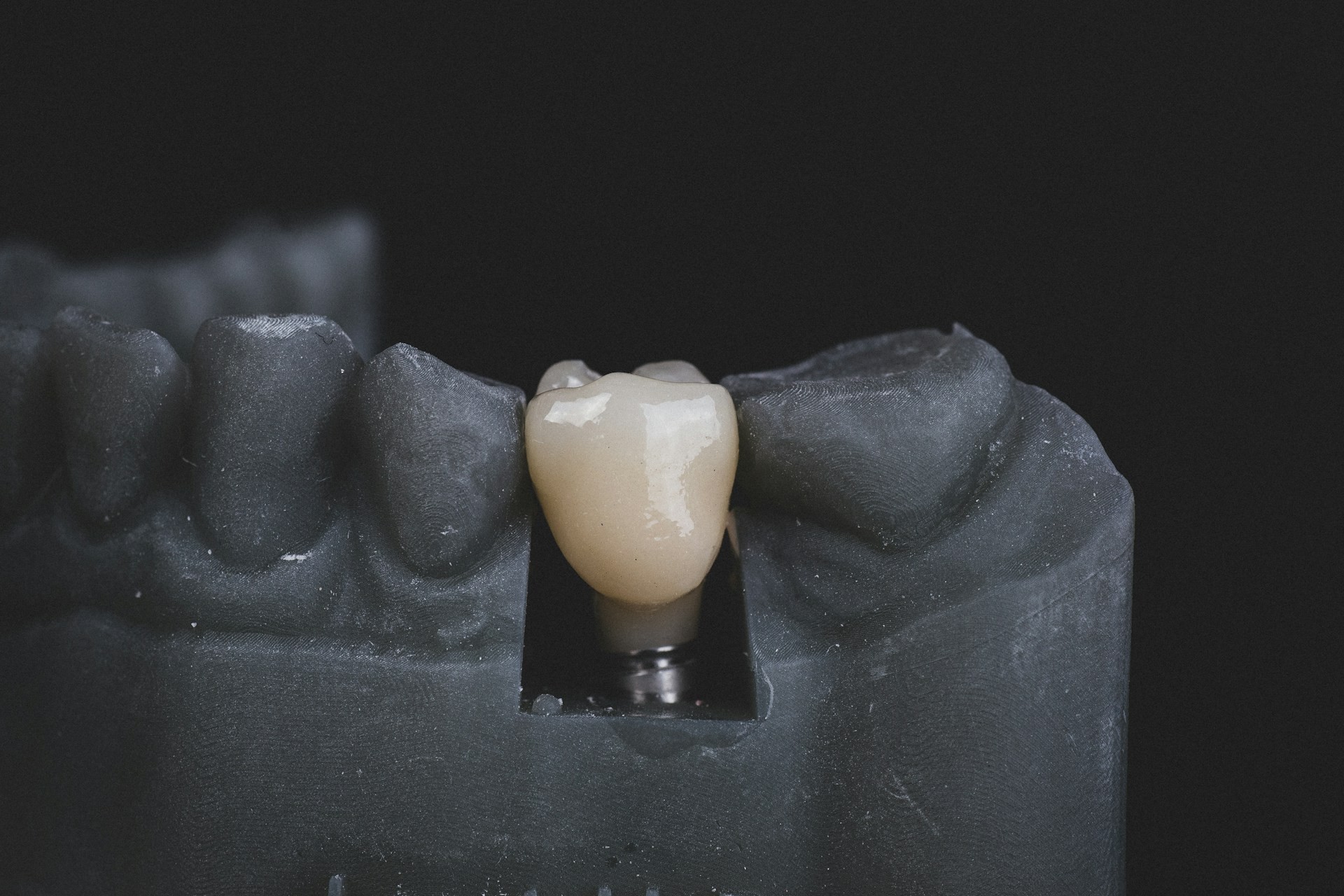
At Sound Surgical Arts in Tacoma, WA, we aim to provide you with state-of-the-art dental solutions, and our Teeth-in-an-Hour procedure is a prime example. This revolutionary dental implant method has transformed the way patients receive their new teeth, offering a faster, more efficient, and more comfortable option for those looking for tooth replacement solutions. With Teeth-in-an-Hour technology, patients can now enjoy the benefits of dental implants in a fraction of the time required for traditional techniques and with minimal discomfort.
In this informative article, we will explore the Teeth-in-an-Hour procedure, discuss the advantages it offers over traditional dental implant methods, and explain how Sound Surgical Arts is at the forefront of providing cutting-edge dental care to Tacoma, WA residents. Discover a new era in dental implant procedures and regain your confidence with a beautiful and fully functional smile in record time.
Understanding Traditional Dental Implant Procedures
Before diving into the Teeth-in-an-Hour revolution, it is crucial to understand the traditional dental implant process. Dental implants have become a popular and effective solution for replacing missing teeth, as they offer patients a stable, functional, and natural-looking replacement option. The traditional dental implant process generally involves three main steps:
1. Consultation and treatment planning
2. Surgical placement of the implant post
3. Design and attachment of the prosthetic tooth (crown, bridge, or denture)
While dental implants have a high success rate, the traditional process can be time-consuming, requiring multiple appointments, and may involve a lengthy recovery period.
What is Teeth-in-an-Hour?
Teeth-in-an-Hour is a dental implant solution that, as the name suggests, allows patients to receive new teeth in just one hour. Using cutting-edge technology and precise planning, Teeth-in-an-Hour streamlines the dental implant process, cutting down treatment time and increasing patient comfort. This innovative approach relies on detailed 3D imaging, computer-guided surgical planning, and prefabricated prosthetics to deliver efficient and satisfactory results.
The Teeth-in-an-Hour Process
The Teeth-in-an-Hour procedure at Sound Surgical Arts begins with a thorough consultation and digital imaging of the patient’s teeth and jaws. Utilizing advanced imaging technology, our dental professionals create a detailed, virtual 3D model of the patient’s mouth, allowing for accurate treatment planning and visualization.
Next, our dental professionals develop a computer-guided surgical template based on the patient’s unique anatomy. This template guides the implant placement during surgery, ensuring precision and minimizing room for error. Prior to the procedure, a prefabricated prosthetic, expertly designed to match the patient’s dental requirements, is prepared.
During the procedure, our dental professionals use the surgical template to precisely place the dental implants, following the pre-designed plan. The prefabricated prosthetic is then secured onto the implants, and the patient’s new teeth are firmly in place within an hour.
Benefits of Teeth-in-an-Hour
Teeth-in-an-Hour offers several advantages over traditional dental implant methods, making it an attractive option for those seeking a quick and efficient solution for tooth replacement. Some of the key benefits of Teeth-in-an-Hour include:
Reduced treatment time: As the name suggests, Teeth-in-an-Hour significantly cuts down the amount of time needed for the dental implant process. From the initial consultation and planning stages through the surgery and placement of the prosthetic, the entire process is condensed and streamlined, saving patients time and inconvenience.
Minimally invasive procedure: Teeth-in-an-Hour utilizes advanced digital imaging and surgical planning, which allows our dental professionals to place implants with minimal disturbance to the surrounding tissue precisely. This results in a less invasive procedure and subsequently less discomfort and swelling for the patient.
Faster recovery period: Due to the minimally invasive nature of Teeth-in-an-Hour, patients typically experience a shorter recovery period compared to traditional dental implant procedures. This allows patients to quickly return to their normal daily activities with their new teeth fully functional.
Immediate results: With Teeth-in-an-Hour, patients can walk out of Sound Surgical Arts with a brand-new smile in just one appointment. The prefabricated prosthetic tooth (crown, bridge, or denture) is designed to match each patient’s unique dental requirements and is affixed to the dental implant right after its placement.
Teeth-in-an-Hour at Sound Surgical Arts
At Sound Surgical Arts, we are committed to providing our patients with the latest advancements in dental care in Tacoma, WA. Our Teeth-in-an-Hour procedure showcases our dedication to staying at the forefront of dental technology to ensure our patients receive the best care possible. Our team of skilled dental professionals leverages years of experience and advanced training to deliver efficient, comfortable, and life-changing results through Teeth-in-an-Hour.
By offering Teeth-in-an-Hour, we provide our patients with an innovative and viable alternative to traditional dental implant procedures, addressing their dental needs with minimal disruption to their lives. Sound Surgical Arts remains committed to offering groundbreaking dental solutions to ensure our patients’ experience the highest level of care and service.
Embrace the Future of Dental Implant Procedures at Sound Surgical Arts
Teeth-in-an-Hour is a dental implant solution that has revolutionized patient experience by offering fast, efficient, and comfortable tooth replacement options. At Sound Surgical Arts in Tacoma, WA, we pride ourselves on adopting cutting-edge dental technology and bringing innovative solutions to our patients, ensuring the highest standards of care and convenience.
If you’re seeking a quick, hassle-free, and efficient tooth replacement solution, consider the Teeth-in-an-Hour procedure at Sound Surgical Arts. Contact our skilled team to schedule a consultation and discover how you can reclaim your smile, confidence, and oral health with our advanced dental implant solutions. It’s time to embark on your journey toward a brighter, more beautiful smile.
A Step-by-Step Look at the Digital Impressions Process for Dental Implants
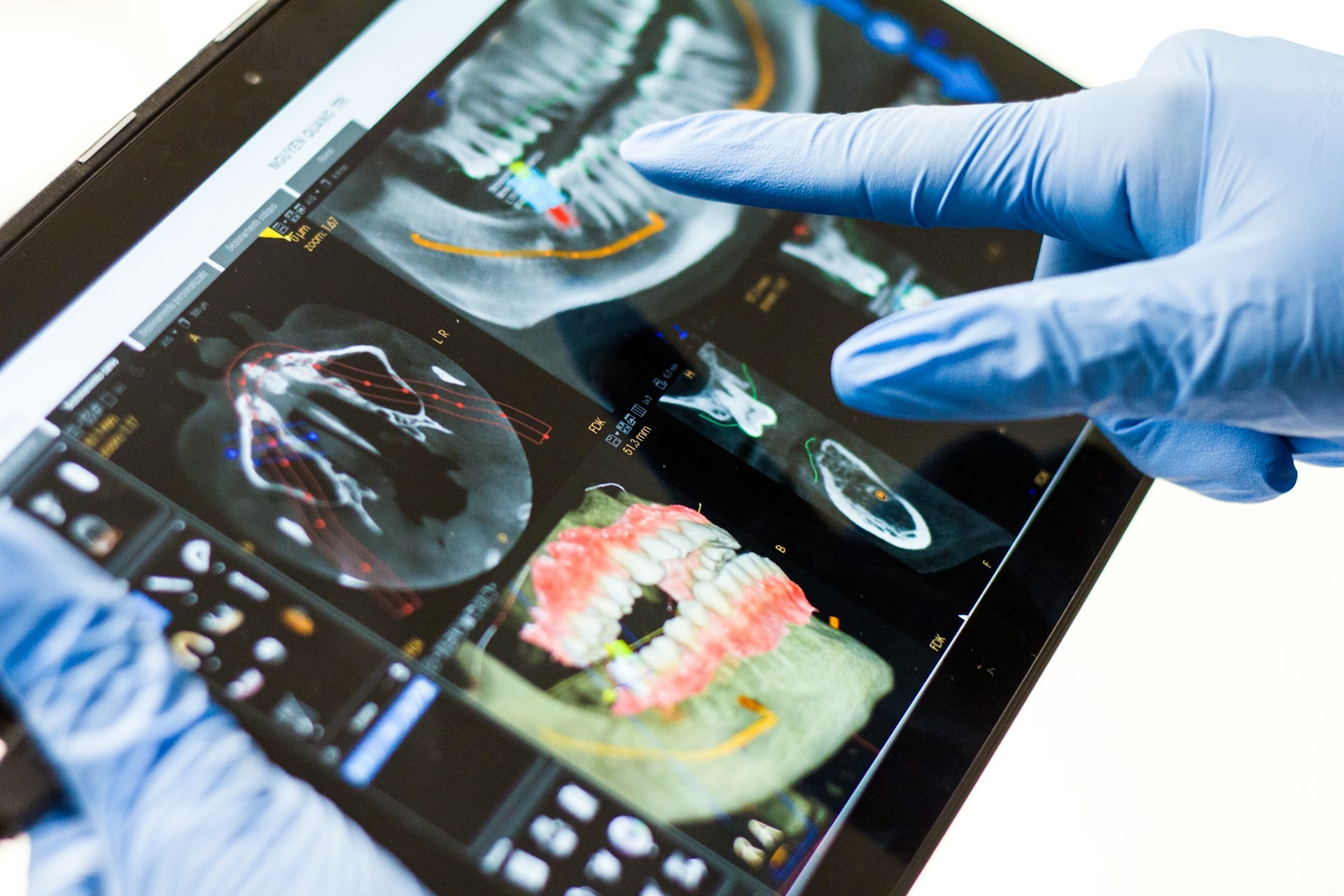
When it comes to dental implants, attention to detail and precision are critical for achieving optimal results. At Sound Surgical Arts in Tacoma, WA, our team embraces cutting-edge technology, utilizing digital impressions (iOS-intraoral surface scans) to create accurate and comfortable dental implant procedures. This innovative technique offers numerous benefits over traditional dental impressions, improving patient experience and ensuring a precise fit for dental restorations.
In this step-by-step guide, we will walk you through the digital impressions process for dental implants and showcase how this advanced technology helps create successful outcomes for patients seeking to restore their smiles. Embrace the future of dentistry and discover how our skilled professionals at Sound Surgical Arts leverage the latest innovations to provide outstanding results tailored to your unique needs.
Benefits of Digital Impressions for Dental Implants
With the growing emphasis on a patient-centered approach, digital impressions have become essential to modern dentistry. Let’s explore the benefits patients can expect when choosing Sound Surgical Arts for their dental implant procedures:
1. Improved Accuracy and Precision
Digital impressions offer exceptional accuracy and precision, providing a more reliable foundation for designing and creating dental restorations. Greater accuracy supports the creation of better-fitting and more comfortable dental implant prosthetics, ensuring optimal long-term results.
2. Enhanced Patient Comfort
Traditional impressions require the use of uncomfortable impression trays and materials, which can cause gagging or discomfort for some patients. Digital impressions eliminate this issue, using a handheld intraoral scanner to capture detailed images of the patient’s teeth and gums in a more comfortable and efficient manner.
3. Streamlined Treatment Process
With digital impressions, the data captured can be instantly transmitted to dental laboratories, reducing the turnaround time for creating the implant prosthesis. This faster process means shorter wait times for patients and fewer appointments needed to complete the dental implant procedure.
The Digital Impressions Process — Step by Step
Taking digital impressions for dental implants has become more streamlined and comfortable than traditional methods. Here’s a closer look at the step-by-step process you can expect when visiting Sound Surgical Arts:
1. Patient Evaluation and Treatment Planning
The first step in the dental implant process is a thorough evaluation of the patient’s oral health and dental history. The dental professional will review the patient’s specific needs, discussing the implant procedure and examining the mouth to ensure that the patient is a suitable candidate. Alongside X-rays or 3D dental imaging, the digital impressions captured during the intraoral scan provide crucial information for developing a customized treatment plan.
2. Intraoral Scanning
Once the patient is ready for the digital impressions, the dental professional will use a handheld intraoral scanner to capture high-resolution, 3D images of the mouth. The scanner passes over each tooth and along the gumline, recording the dental structures in accurate detail. This process typically takes just a few minutes and is completely non-invasive.
3. Computer-Aided Design (CAD) and Dental Restoration Creation
After capturing the digital impressions, dental professionals can view them on computer screens and manipulate them in digital form. By using computer-aided design (CAD) software, the dental lab or in-office milling machine can create the implant-supported restoration with precision and efficiency.
4. Implant Placement and Restoration
Once the dental restoration is ready, the dental implant process can proceed. If necessary, the patient undergoes a bone graft procedure to prepare the jaw for implant placement. After adequate healing, the implant is placed into the jawbone and given time to fuse securely. Finally, the dental restoration, such as a crown or bridge, is attached to the implant, creating a natural-looking and functional tooth replacement.
Patient Aftercare and Long-term Maintenance
To ensure long-lasting success with dental implants, proper aftercare, and maintenance play a critical role. Sound Surgical Arts will provide detailed instructions on caring for your dental implants, including brushing, flossing, and attending regular dental check-ups.
Future Applications of Digital Impressions in Dentistry
The use of digital impressions is becoming increasingly popular as the limitations of traditional impressions are widely recognized. As technology continues to evolve, digital impressions are expected to play an even more significant role in dental procedures. Future applications may include:
1. Orthodontic Treatment
Digital impressions can be used for planning and tracking orthodontic treatment, facilitating efficient and accurate alignment of teeth with tools like Invisalign.
2. Digital Dentures
Digital dentures are becoming more prevalent, offering patients a more accurate fit and a faster production process. Digital impressions would play a key role in this shift, ensuring an exact representation of the patient’s mouth structure.
3. Virtual Reality (VR) and Augmented Reality (AR) Applications
As VR and AR technologies continue to develop, digital impressions can be used to generate virtual dental models, enhancing patient education and providing a unique, interactive experience for patients to visualize their treatment outcomes.
Embracing the Future of Dental Implants with Sound Surgical Arts
The use of digital impressions at Sound Surgical Arts represents a significant advancement in dental implant procedures. Patients in Tacoma, WA, can trust our team of dental professionals to provide accurate, comfortable, and efficient solutions for restoring their smiles. By embracing cutting-edge technology, we are committed to offering the best possible dental care, from initial consultations to long-term maintenance of your dental implants.
Are you considering dental implants and curious about the benefits of digital impressions? Schedule a consultation with the experts at Sound Surgical Arts in Tacoma, WA, today! Allow our skilled professionals to guide you through the process and help you achieve the smile you’ve always wanted with confidence and precision.
Emerging Trends in Maxillofacial Surgery: Latest Innovations Enhancing Patient Care
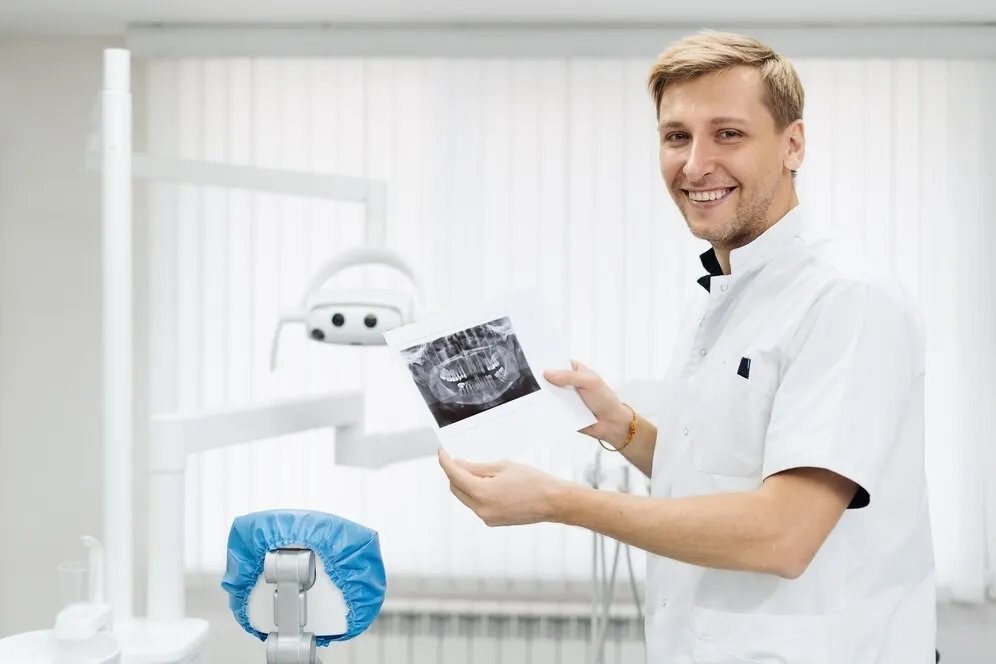
Maxillofacial surgery, a specialized field encompassing surgical solutions to treat a variety of conditions related to the mouth, jaw, face, and neck, has experienced a multitude of advancements in recent years. As dental specialists in dental implants, emergency dental care, periodontics, oral surgery, and maxillofacial surgery, our team stays current with the latest innovations in the industry to ensure our patients receive the highest standard of care and the best possible outcomes. In the evolving landscape of maxillofacial surgery, novelties in surgical techniques, technology, and implant materials have significantly improved the patient experience and results.
In this comprehensive article, we will explore some notable advancements in the field of maxillofacial surgery that contribute to the overall improvement in patient care, including reduced procedure times, minimized discomfort, and enhanced recovery. Delving into innovations such as 3D printing, virtual surgical planning, regenerative medicine, and state-of-the-art implant materials, we will examine the impact of these trends on the field and how they allow us to provide superior surgical care to our patients.
As an innovative and patient-centric dental practice, we understand the importance of staying informed about cutting-edge developments in maxillofacial surgery and incorporating them into our clinical practice. This focus on adopting the latest technology and techniques enables us to offer patients a more efficient, comfortable, and effective treatment experience.
Continue reading to learn about the most recent advancements in maxillofacial surgery and how these trends are revolutionizing patient care and outcomes. By staying informed about the current developments in our industry, patients can make educated decisions about their treatment options and have the confidence that they are receiving the highest standard of care available.
Virtual Surgical Planning: Enhancing Precision and Efficiency
The advent of virtual surgical planning (VSP) has positively impacted the field of maxillofacial surgery, providing a more precise, predictable, and efficient approach to operation planning and execution. Utilizing advanced computer software and detailed medical imaging, such as CT scans and 3D models, VSP offers numerous benefits:
- Improved Surgical Outcomes: VSP enables dental specialists to visualize and meticulously plan each step of a surgical procedure, resulting in more accurate and consistent results.
- Reduced Operating Time: By planning the surgical procedure in a virtual environment, the actual time spent in the operating room is minimized, thus reducing the risk of surgical complications.
- Enhanced Patient Safety and Comfort: VSP offers a personalized approach catered to each patient’s unique anatomy and requirements, resulting in a safer, more comfortable surgical experience.
3D Printing: Revolutionizing Implant Fabrication and Patient Care
3D printing technology has made significant strides in the field of maxillofacial surgery, transforming the way patient-specific implants and surgical guides are created. Offering exceptional accuracy, modeling capability, and cost-effectiveness, 3D printing holds great promise for revolutionizing patient treatment:
- Custom-Designed Implants: 3D printing allows for the fabrication of tailor-made implants designed to fit each patient’s unique anatomy perfectly, resulting in hassle-free and natural-looking results.
- Surgical Guides: By producing patient-specific surgical guides and templates using 3D printing, surgical procedures become more accurate, thus minimizing the risk of complications.
- Improved Recovery Time: The use of custom-made 3D printed implants and surgical guides can shorten the recovery period by facilitating a more precise and efficient surgical approach.
Regenerative Medicine: Harnessing the Body’s Healing Potential
Regenerative medicine, which focuses on repairing, regenerating, or replacing damaged tissues, has made significant advancements in recent years, providing promising solutions for maxillofacial surgery patients:
- Platelet-Rich Plasma (PRP) Therapy: PRP therapy is an innovative technique that utilizes a patient’s blood platelets to stimulate healing and tissue regeneration. It has been used successfully in various maxillofacial procedures, including bone grafting, dental implant surgery, and periodontal treatment.
- Stem Cell Therapy: Using stem cells harvested from a patient’s adipose tissue or bone marrow, this groundbreaking approach has the potential to accelerate the healing process, reduce inflammation, and promote the growth and repair of healthy tissue.
- Growth Factors: The application of growth factors, proteins that regulate cell growth and repair, improves the regeneration of bone, gum tissue, and blood vessels, resulting in a faster recovery and more successful outcomes for maxillofacial surgery patients.
Advanced Implant Materials: Raising the Bar for Prosthetic Quality and Durability
Technological advancements have led to the development of state-of-the-art implant materials that are stronger, more durable, and more biocompatible than ever before:
- Zirconia: As a robust and biocompatible ceramic material, zirconia has been increasingly favored as an alternative to conventional titanium dental implants, offering excellent performance and esthetics.
- Polyetheretherketone (PEEK): This highly biocompatible polymer has demonstrated promising results in maxillofacial surgery for its ability to promote bone ingrowth, provide a stable foundation for dental prostheses, and withstand the loading forces in the oral environment.
- Bioactive Materials: Incorporating bioactive elements into implant materials has the potential to improve their osseointegration, an essential factor to ensure implant stability and longevity.
Conclusion
The innovations in maxillofacial surgery, such as virtual surgical planning, 3D printing, regenerative medicine, and advanced implant materials, have significantly improved patient outcomes, comfort, and recovery times. By staying abreast of the latest advancements in our industry, we strive to provide the highest standard of care to our patients and ensure they benefit from state-of-the-art technology and treatment methods.
If you’re considering maxillofacial surgery and would like to learn more about how these emerging trends could benefit your treatment plan, please don’t hesitate to contact our team at Sound Surgical Arts. We are committed to helping our patients achieve the best possible results with the most innovative and effective treatment options available today.
Understanding Periodontal Disease: Symptoms, Causes, and Treatment Options

Periodontal disease, also known as gum disease, is a common yet often overlooked oral health issue affecting millions of Americans. Ranging from early-stage gingivitis to advanced periodontitis, periodontal disease can lead to significant consequences if left untreated, including tooth loss, damage to the underlying bone structure, and even systemic health problems. As dental specialists in dental implants, emergency dental, periodontics, oral surgery, and maxillofacial surgery, we recognize the importance of educating our patients on periodontal disease and its potential impact on their overall well-being.
In this comprehensive article, we aim to provide in-depth information on periodontal disease, its causes and symptoms, and effective treatment options to manage and prevent further progression. A better understanding of this oral health issue can empower patients to take the necessary steps in maintaining proper oral hygiene, seeking timely professional care, and ultimately preserving a healthy smile.
Identifying Signs and Symptoms of Periodontal Disease
Early detection of periodontal disease is crucial to preventing its progression and minimizing potential damage. Being aware of the following signs and symptoms can help you recognize periodontal issues before they worsen:
- Bleeding Gums: If your gums bleed easily, especially when brushing or flossing, it can be an early sign of gum disease.
- Red and Swollen Gums: Inflamed, red, and swollen gums are often a result of the body’s immune response to the presence of harmful bacteria.
- Persistent Bad Breath: While occasional bad breath can have various causes, persistent halitosis may indicate an accumulation of bacteria or an infection in the gum tissue.
- Receding Gums: Gum recession occurs as the inflamed gum tissue pulls away from the teeth, exposing the root structure and making teeth appear longer.
- Loose or Shifting Teeth: As gum disease progresses, the periodontal ligament and bone supporting the teeth can break down, causing the teeth to become loose or shift out of position.
If you notice any of these symptoms, it’s crucial to consult a dental specialist promptly for an accurate diagnosis and appropriate treatment plan.
Risk Factors Contributing to Periodontal Disease
Certain factors can contribute to an individual’s susceptibility to periodontal disease, and recognizing these elements can help reduce the risk of developing gum issues:
- Poor Oral Hygiene: Inadequate daily oral hygiene habits, such as improper brushing and flossing techniques, can increase the likelihood of developing gum disease.
- Genetics: Research has shown that some individuals may be genetically predisposed to periodontal disease, making it essential to maintain regular dental check-ups and practice good oral hygiene.
- Tobacco Use: Smoking or using smokeless tobacco products can interfere with blood flow in the gum tissue and impede the healing process, thereby increasing the risk of periodontal disease.
- Hormonal Changes: Situations like pregnancy, menstruation, and menopause can cause hormonal fluctuations that affect gum tissue and make it more susceptible to inflammation and disease.
- Health Conditions: Certain systemic health issues, such as diabetes, HIV/AIDS, and some autoimmune disorders, can negatively impact the body’s response to infection and increase the risk of periodontal disease.
Treatment Options for Periodontal Disease
Depending on the stage of the disease, various treatment options can effectively manage and control periodontal disease:
- Scaling and Root Planing: Often the initial treatment method for periodontal disease, scaling, and root planing is a non-surgical deep-cleaning procedure that involves removing plaque and tartar from below the gum line and smoothing the root surfaces to promote gum reattachment to the teeth.
- Pocket Reduction Surgery: In cases where the pockets formed between the teeth and gums are too deep for conventional cleaning, pocket reduction surgery may be necessary. This involves the oral surgeon gently lifting the gum tissue, cleaning the underlying bone and tooth roots, and repositioning the gum tissue back into place.
- Bone Grafting: In severe cases where periodontal disease has resulted in bone loss, bone grafting can help regenerate lost bone and provide support to the teeth, promoting stability and preventing tooth loss.
- Gum Grafting: For cases of gum recession, gum grafting can help cover exposed tooth roots, protect them from further damage, and improve gum aesthetics.
- Periodontal Maintenance: Periodontal treatment does not end with the initial therapy; ongoing maintenance is crucial to ensuring the long-term success of any treatment plan. Regular dental check-ups, professional cleanings, and diligent oral hygiene practices are vital components of periodontal maintenance.
The Importance of Preventative Care
Preventing periodontal disease starts at home, with proper oral hygiene, regular dental examinations, and professional cleanings. Adhering to these fundamental concepts can significantly contribute to maintaining healthy gums and preventing gum disease:
- Brushing and Flossing: Adequate oral hygiene practice, including brushing at least twice daily and flossing once a day, is the cornerstone of preventing plaque and bacteria build-up, which leads to periodontal disease.
- Regular Dental Check-ups: Visiting your dental specialist for regular check-ups and cleanings can help detect early signs of periodontal disease, allowing for prompt treatment and reducing the risk of more severe issues.
- Healthy Lifestyle: Embracing a healthy lifestyle, including a balanced diet, adequate hydration, and avoiding tobacco products, can improve your overall oral health and reduce the risk of developing periodontal disease.
Conclusion
Understanding the signs, symptoms, and causes of periodontal disease can empower you to take the necessary steps in maintaining proper oral health and addressing potential gum issues promptly. With comprehensive periodontal treatment options and preventative care measures, you can preserve a healthy, functional smile for the long term.
If you are experiencing periodontal issues or would like to schedule a consultation, please don’t hesitate to contact our dental specialists at Sound Surgical Arts. We are dedicated to providing expert care and guidance tailored to your unique oral health needs. Ask us how we treat gum disease in Gig Harbor!