
Sound Surgical Arts
The Importance of Bone Grafting in Dental Implant Procedures
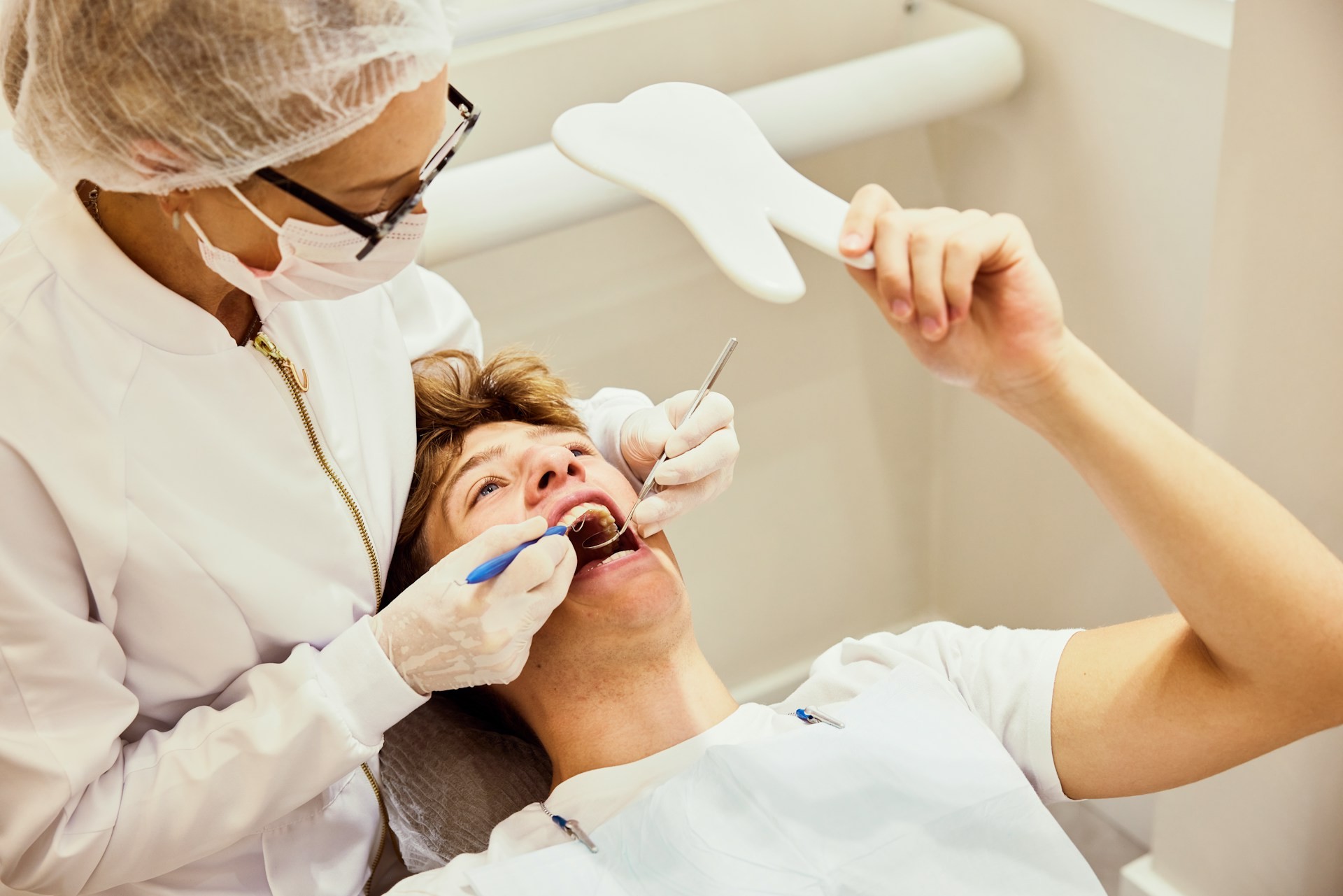
Dental implants have become the gold standard in tooth replacement solutions, offering numerous benefits such as improved appearance, function, and overall oral health. However, the success of a dental implant procedure largely depends on the adequate bone density and volume in the jaw to support the implant. In some cases, a patient’s jawbone may have resorbed due to tooth loss, gum disease, or trauma, making it insufficient to anchor a dental implant securely. That’s where bone grafting comes into play.
As specialists in dental implants, emergency dental, periodontics, and oral and maxillofacial surgery, we understand the critical role that bone grafting plays in the overall success of dental implant procedures. In this article, we’ll delve into the importance of bone grafting, the process involved, its benefits to dental implant candidates, and the different types of bone graft materials available.
Bone grafting is a surgical procedure that involves the addition of bone or bone substitutes to augment the size, shape, volume, and density of the patient’s jawbone. By performing bone grafting, we can restore the jawbone’s structure and provide a secure foundation for the dental implant. This ensures long-term stability and function for the implanted tooth. Furthermore, bone grafting can also help preserve facial aesthetics by preventing the collapse of the facial structures that can occur due to the loss of bone mass in the jaw.
Bone grafting is an essential and effective solution for patients with insufficient bone density, enabling them to enjoy the numerous advantages of dental implants. By ensuring a sturdy and reliable foundation for dental implant placement, bone grafting contributes significantly to the long-term success and satisfaction of our your dental implant journey. Read on to discover more about the bone grafting process, its benefits, and the variety of bone graft materials suited to different patient needs.
1. The Bone Grafting Process
The bone grafting process begins with thoroughly evaluating your oral health, medical history, and the site where the dental implant will be placed. This evaluation often involves taking X-rays, CT scans, or 3D images to assess the bone structure and determine the best approach for bone grafting.
After a detailed evaluation, we will discuss the most suitable bone grafting technique and material based on your needs. The procedure typically involves administering local anesthesia, although sedation may be recommended in some cases to ensure patient comfort.
During the surgical procedure, an incision is made in the gum tissue to expose the bone underneath, and the chosen bone graft material is carefully placed in the area of bone deficiency. In some situations, a membrane may also be placed over the graft material to encourage proper bone growth. Finally, the gums are sutured back into place, and the healing process begins.
It’s important to note that the healing period can vary depending on the individual and the extent of bone grafting performed. It generally takes several months for the grafted bone to integrate fully with the existing bone and create a strong foundation for the dental implant. Once the area has healed, the dental implant can be placed, and the restoration process can move forward.
2. Benefits of Bone Grafting
Bone grafting offers several benefits for patients considering dental implants. Some of the advantages include:
a. Improved Implant Success Rates: By providing a stable and secure foundation for dental implants, bone grafting greatly contributes to the long-term success and satisfaction of patients who undergo the procedure.
b. Preservation of Facial Aesthetics: The resorption of bone in the jaw following tooth loss can lead to a change in facial contours and a sunken appearance. Bone grafting counteracts these effects by restoring bone structure and preventing further bone loss, preserving the patient’s facial aesthetic.
c. Enhanced Functionality: A stable foundation for dental implants ensures the restoration of proper bite function, making it easier for patients to eat, speak, and smile confidently.
d. Prevention of Further Bone Loss: By stimulating bone growth, bone grafting can prevent further bone resorption and safeguard overall oral health.
3. Types of Bone Graft Materials
There are several types of bone graft materials available, each with its own advantages and suitability for your specific needs. The most common types include:
a. Autografts: In this method, the bone graft material is taken from the patient’s own body, usually from areas such as the chin, jaw, or hip. Autografts are considered the gold standard due to their high success rates, as they contain live cells that promote optimal bone integration.
b. Allografts: Allografts are sourced from a human donor, typically from a tissue bank. The graft material is carefully processed and sterilized to ensure safety and compatibility. Allografts offer the advantage of eliminating the need for a second surgical site on the patient’s body, reducing discomfort and healing time.
c. Xenografts: Xenografts are derived from animals, most commonly bovine (cow) bone. The graft material undergoes a rigorous purification process to ensure it’s free of contaminants and compatible with human tissue. Xenografts are advantageous for patients who may not have a sufficient amount of their own bone for grafting or prefer to avoid a second surgery.
d. Alloplasts: These are synthetic graft materials made from biocompatible substances such as calcium phosphate or hydroxyapatite. Alloplasts offer a predictable and safe alternative to other bone graft materials and can be produced in varying shapes and sizes to meet individual patient requirements.
4. Post-Operative Care and Recovery
Following a bone grafting procedure, it’s important that patients diligently follow the post-operative care instructions provided by their oral surgeon to ensure a smooth healing process. Some of these instructions may include:
a. Pain Management: Over-the-counter pain relievers or prescribed medications should be taken as directed to alleviate discomfort following the procedure.
b. Ice Therapy: Applying ice to the external surgical area in intervals can help control swelling and inflammation.
c. Dietary Adjustments: A soft food diet should be followed for the first few days after the surgery, gradually reintroducing solid foods as tolerated.
d. Oral Hygiene: Proper oral hygiene is essential to prevent infection and promote healing. Gently brush around the surgical area and use a prescribed mouth rinse as directed to keep the mouth clean.
Conclusion
Bone grafting plays a key role in the success of dental implant procedures, ensuring the best possible foundation for implant stability and long-term satisfaction. By understanding the process, benefits, and types of graft materials available, patients can feel confident in their decision to undergo bone grafting and dental implant placement.
Schedule a consultation with our experienced dental specialists at Sound Surgical Arts to determine if bone grafting and dental implants are the right solution for your smile.
Understanding the Different Types of Dental Emergencies and How to Manage Them

Accidents and unexpected dental issues can happen to anyone, and knowing how to recognize and manage dental emergencies is essential to preserving oral health and avoiding further complications. As professionals specializing in dental implants, emergency dental, periodontics, oral and maxillofacial surgery, we have in-depth knowledge and experience in managing a wide range of dental emergencies for our patients. In this blog post, we will discuss the most common types of dental emergencies, identifying the warning signs, and what steps you can take to manage the situation before seeking professional help.
Dental emergencies can be broadly categorized into traumatic injuries and non-traumatic incidents. Traumatic injuries involve physical damage to the teeth, gums, or surrounding tissues due to an accident or impact, such as a fall, sports injury, or a car accident. Non-traumatic incidents, on the other hand, involve situations where existing dental issues or underlying oral health conditions suddenly worsen, resulting in acute pain, swelling, or infection that requires urgent attention.
Recognizing when a dental situation is a true emergency is crucial because it helps you make the right decisions for managing the problem and seeking timely professional assistance. Some of the most common dental emergencies include severe tooth pain, knocked-out or dislodged teeth, fractured or broken teeth, and soft-tissue injuries such as cuts or lacerations to the gums, cheeks, or tongue.
In addition to discussing the various types of dental emergencies, we will also provide guidance on the crucial first steps to take when managing these situations at home, whether it involves rinsing the mouth with a saline solution, gently repositioning a dislodged tooth, or applying cold compresses to manage swelling. While these interim measures can help alleviate pain and discomfort temporarily, it is important to remember that an emergency dental visit is essential to properly diagnose, treat, and prevent further complications or damage.
We invite you to continue reading this informative article to better understand the different types of dental emergencies and be better prepared to manage them effectively if they ever occur in your life.
1. Common Types of Dental Emergencies
To help our patients better understand and recognize the critical situations requiring emergency dental care, we’ve highlighted some of the most common dental emergencies below:
a. Severe Tooth Pain: Intense tooth pain can be caused by various reasons, such as tooth decay, an abscess, or even a broken or cracked tooth. If the ache intensifies and becomes unbearable, seek emergency dental care to assess the cause and recommend the appropriate treatment.
b. Knocked-Out or Dislodged Teeth: An accident or impact to the mouth can result in teeth being knocked out or dislodged from their sockets. In these cases, time is of the essence, and immediate emergency dental care is essential for the best chances of saving the tooth.
c. Fractured or Broken Teeth: Teeth can become cracked, chipped, or broken, either due to physical trauma, biting down on hard objects, or as a result of existing dental issues. It is crucial to visit an emergency dentist as soon as possible in these situations to prevent further pain or damage.
d. Soft-Tissue Injuries: Injuries to the soft tissues of the mouth, such as cuts or lacerations to the gums, cheeks, or tongue, can cause significant pain and bleeding. It is essential to address these injuries urgently to minimize the risk of infection and promote healing.
2. First Steps for Managing Dental Emergencies
While it is always important to seek professional help for dental emergencies, here are some initial steps you can take at home to manage the situation effectively before visiting the dentist:
a. For Severe Tooth Pain: Rinse your mouth with warm saltwater and use dental floss to remove any trapped food particles. Avoid applying heat or painkillers directly to the affected area, as it may worsen the condition. Over-the-counter pain relievers can be taken to alleviate discomfort temporarily.
b. For Knocked-Out or Dislodged Teeth: If a tooth is knocked out, handle it by the crown and not the root. Gently rinse it under water to remove dirt or debris, and try to reinsert it into the socket if possible. If you are unable to do so, place the tooth in a container of milk or saline solution to keep it moist and call your dentist immediately. For a dislodged tooth, try to reposition it gently with your fingers and bite down on a wet gauze until you can visit an emergency dentist.
c. For Fractured or Broken Teeth: Rinse your mouth with warm water and apply a cold compress to the affected area to minimize swelling. Save any broken pieces of the tooth, if possible, and bring them with you to the dentist’s office.
d. For Soft-Tissue Injuries: Rinse your mouth with a mild saltwater solution and use a clean, damp cloth or gauze to apply pressure to the injured area to control bleeding. Applying a cold compress externally can also help reduce swelling and pain.
3. Preventing Dental Emergencies
While some dental emergencies are unavoidable, there are certain steps you can take to minimize the risk of experiencing a dental emergency:
a. Maintain Good Oral Hygiene: Regular brushing and flossing, along with routine dental checkups and cleanings, can help prevent common dental issues that can lead to emergencies.
b. Use a Mouth Guard: If you play contact sports or engage in high-impact physical activities, wearing a custom-fitted mouth guard can protect your teeth and gums from potential injuries.
c. Be Cautious with Hard Foods: Avoid biting down on hard candies, ice, and other foods that can potentially crack or chip your teeth.
d. Address Dental Issues Early: By addressing minor dental problems, such as cavities or loose fillings, at an early stage, you can prevent more severe complications that may require emergency dental care.
4. Seeking Emergency Dental Care
Remember that time is of the essence when it comes to dental emergencies, and delaying treatment can result in severe pain, dental complications, and even tooth loss. If you or a loved one experiences a dental emergency, contact your dentist as soon as possible for advice and to schedule an urgent appointment.
Conclusion
Understanding the different types of dental emergencies, how to recognize them, and the initial steps to manage them effectively, can help you protect your oral health during critical situations. Keep in mind that seeking professional help is vital for proper treatment and prevention of further complications.
If you ever experience a dental emergency, don’t hesitate to contact our experienced team of dental specialists at Sound Surgical Arts for prompt and compassionate care for your dental trauma in Gig Harbor.
Understanding Osseous Surgery: A Periodontal Disease Solution
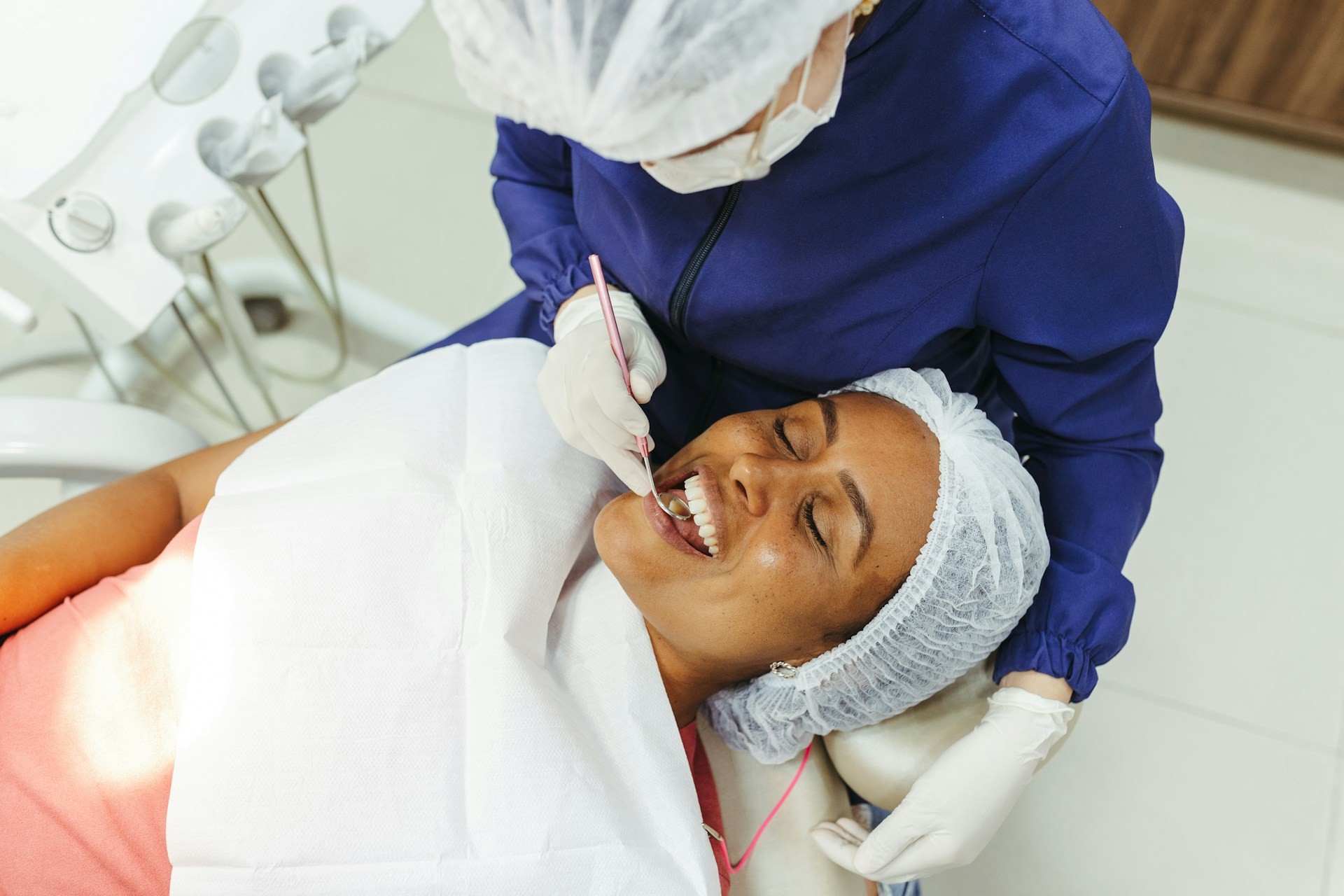
Periodontal disease, or gum disease, is a widespread oral health issue that can lead to severe consequences if left untreated, such as tooth loss and damage to the bone tissue supporting the teeth. At Sound Surgical Arts, we understand the importance of addressing advanced periodontal disease in a timely manner, and in such cases, osseous surgery can play a critical role.
Osseous surgery, also known as pocket reduction surgery or flap surgery, is a surgical procedure designed to eliminate periodontal pockets, and smooth irregular bone surfaces, and promote a healthier oral environment. By restoring a more manageable pocket depth, osseous surgery allows patients to maintain proper oral hygiene and prevent further progression of periodontal disease – a vital step in preserving oral health.
In this blog post, you will gain insight into the osseous surgery procedure, its many benefits, and how our team of professionals is dedicated to helping patients in Tacoma, WA combat advanced periodontal disease and improve their overall oral health. By understanding the significance of this treatment option and its role in managing periodontal disease, you can make informed decisions about your dental care and work towards achieving a healthier smile.
1. Causes and Symptoms of Advanced Periodontal Disease
Periodontal disease begins as gingivitis, a mild form of gum inflammation typically caused by the accumulation of plaque and tartar. It can progress to periodontitis, a more severe form of gum disease, if left untreated. Some common causes and risk factors for advanced periodontal disease include:
– Poor oral hygiene habits
– Tobacco use
– Aging
– Diabetes
– Hormonal changes
– Medications that cause dry mouth
– A family history of gum disease
Common symptoms associated with advanced periodontal disease include:
– Red, swollen, or bleeding gums
– Pain while chewing
– Persistent bad breath
– Tooth Sensitivity
– Gum recession, leading to longer-looking teeth
– Loose teeth or tooth loss
It’s essential to consult with your dental professional if you notice any of these symptoms to maintain optimal oral health.
2. What Happens During Osseous Surgery?
Osseous surgery is performed by a skilled dental professional, usually a periodontist, and involves the following steps:
– Anesthesia: The first step in osseous surgery is the administration of local anesthesia to ensure the patient’s comfort during the procedure.
– Gum Tissue Flap: A tiny incision is made in the affected gum tissue to create a small flap, which is then gently pulled back, providing access to the periodontal pockets and underlying bone.
– Pocket Reduction and Bone Reshaping: The periodontist cleans the area, removes plaque and tartar deposits, and reduces the periodontal pockets by trimming away the diseased gum tissue. In cases where the bone has been damaged, the periodontist will carefully smooth and reshape the irregular bone surfaces to create a more favorable environment for healing and future oral care.
– Reattachment of Gum Tissue: Once the area has been thoroughly cleaned, the gum tissue flap is repositioned and secured with sutures, ensuring that it closely adheres to the reshaped bone. A protective dressing may be applied to the surgical site to facilitate healing.
– Postoperative Care: The periodontist will provide the patient with detailed instructions for postoperative care, such as recommended oral hygiene practices, pain management, and necessary follow-up appointments.
3. The Benefits of Osseous Surgery
Opting for osseous surgery for advanced periodontal disease offers numerous advantages:
– Reduced Pocket Depth: By eliminating deep periodontal pockets, osseous surgery effectively reduces the risk of harmful bacteria harboring and leading to further gum and bone deterioration.
– Improved Oral Hygiene: Osseous surgery allows for easier cleaning and maintenance of the gum line, bolstering the effectiveness of dental hygiene practices and reducing the likelihood of periodontal disease recurrence.
– Aesthetic Improvement: Adjusting the gum tissue during osseous surgery may provide a more even appearance, leading to increased confidence and a more attractive smile.
– Prevention of Tooth Loss: By addressing periodontal disease at its source, osseous surgery aims to protect patients’ teeth and prevent tooth loss resulting from further periodontal damage.
4. Preparing for Osseous Surgery and Postoperative Care
We take your comfort and oral health seriously. Here are some tips on preparing for osseous surgery and ensuring proper postoperative care:
– Preoperative Consultation: Discuss any concerns or questions you may have with your dental professional prior to the procedure, and provide them with a full medical and dental history, as well as any medications you are currently taking.
– Proper Oral Hygiene: Ensure you follow a proper oral care routine before your osseous surgery appointment, as a clean oral environment is essential for successful surgical outcomes.
– Pain Management: Your periodontist will provide you with appropriate pain management options, such as over-the-counter medications or prescription pain relievers if necessary.
– Dental Cleaning and Check-ups: Attend regular dental cleanings and check-ups after osseous surgery to maintain optimal oral health and monitor the success of the procedure.
Put Your Oral Health First with Osseous Surgery
At Sound Surgical Arts, our team of experienced dental professionals is dedicated to helping patients in Tacoma, WA regain control of their oral health and tackle advanced periodontal disease through effective solutions like osseous surgery. By providing valuable information about this treatment option and its numerous benefits, we aim to empower patients to make informed decisions about their dental care. Don’t let advanced periodontal disease compromise your smile; contact us today to explore osseous surgery as a solution for a healthier mouth and a renewed sense of confidence.
Dental Implants: A Comprehensive Solution for Missing Teeth

Missing teeth can lead to several challenges, such as difficulty chewing and speaking, reduced self-confidence, and an increased risk of further dental complications. Dental implants have revolutionized the way dentists approach tooth replacement, offering a long-lasting, functional, and aesthetically pleasing solution for patients with missing teeth. Sound Surgical Arts in Tacoma, WA, is a leading provider of dental implant services, dedicated to restoring the smiles of our patients with the highest quality dental care.
In this blog article, we will delve into the world of dental implants, exploring the implant process, the benefits of dental implants compared to alternative tooth replacement options, and the factors that impact successful implant outcomes. We are committed to providing Tacoma, WA residents with optimized implant services, backed by the expertise of our skilled dental professionals and utilizing the latest innovations in dental technology.
By electing dental implants as your tooth replacement solution, you can experience a myriad of benefits, such as a secure, natural-looking smile, restored functionality, and improved oral health. Trust us to guide you through the dental implant journey and provide the exceptional dental care you deserve. Schedule a dental implant consultation with our Tacoma, WA team today, and embark on your pathway to a revitalized, beautiful smile.
1. Understanding the Dental Implant Process
Dental implants are a popular and effective tooth-replacement solution that mimics the appearance and function of natural teeth. The dental implant process consists of several stages, which may be spread out over a few months to ensure optimal healing and osseointegration:
– Consultation and Assessment: Your dental implant journey begins with a thorough assessment and consultation with your dentist. They will evaluate your oral health, bone density, and medical history to determine if you are an ideal candidate for dental implants.
– Preparation and Bone Grafting (if necessary): If your dentist determines that you require bone grafting to restore bone density and provide a stable foundation for the implant, this procedure will be performed before proceeding with the implant process.
– Implant Placement: During this stage, your dentist will surgically place the dental implant, a titanium post, into your jawbone. This process may require several months for healing and osseointegration, where the implant fuses with the surrounding bone.
– Abutment Placement and Impression: After the healing period and successful osseointegration, your dentist will attach an abutment, connecting the implant with the dental crown. Impressions are then taken to create a custom-designed crown to match your natural teeth.
– Crown Placement: Once the custom crown is crafted, it will be permanently secured to the abutment, completing the implant process and restoring your smile.
2. Comparing Dental Implants: Advantages over Alternative Tooth Replacement Options
While there are alternative tooth replacement options, such as bridges and dentures, dental implants offer several benefits that set them apart:
– Aesthetics: Dental implants provide a natural-looking and feeling tooth replacement, as the crown is designed to match the color, shape, and size of your existing teeth.
– Functionality: Implants function just like your natural teeth, allowing for a comfortable chewing experience and restored bite strength.
– Bone Preservation: Dental implants help prevent bone loss by providing stimulation to the jawbone, which is essential for maintaining bone density.
– Durability and Longevity: With proper care and maintenance, dental implants can last a lifetime, making them a long-lasting tooth replacement solution.
– No Harm to Adjacent Teeth: Unlike dental bridges, which require the adjacent teeth to be altered to support the bridge, dental implants do not impact surrounding teeth.
3. Factors Influencing Dental Implant Success
While dental implants boast a high success rate of over 95%, several factors may influence the outcome:
– Jawbone Health and Density: A healthy, dense jawbone is necessary for the dental implant to be firmly anchored within the bone. Bone grafting procedures can correct issues with bone density prior to implant placement.
– Overall Oral Health: Good oral hygiene habits and routine dental visits are crucial for maintaining the health of your implants and surrounding teeth.
– Regular Maintenance: Although the dental implant itself cannot decay, it is still essential to brush at least twice a day, floss daily, and use mouthwash to ensure the health of surrounding gum tissue.
– Lifestyle Choices: Certain lifestyle choices, such as smoking or excessive alcohol consumption, can negatively impact the success of your dental implants. It is recommended to quit smoking or reduce alcohol intake for better implant outcomes.
– Medical Conditions: Chronic conditions, such as diabetes, may affect the healing process and implant success rate. It is essential to discuss any medical issues with your dentist prior to considering dental implants.
4. Tailored Dental Implant Solutions
We are committed to providing customized, high-quality dental implant services to our patients. We understand that each individual’s circumstances and desired outcomes are unique, and we pride ourselves on developing personalized dental implant solutions tailored to your specific needs:
– Single-Tooth Implants: For patients missing just one tooth, a single-tooth dental implant is a viable solution for restoring your smile.
– Multiple Teeth Implants: If you are missing several teeth, our dentists can create a customized implant plan to replace multiple teeth seamlessly.
– Implant-Supported Dentures: For patients missing most or all of their teeth, implant-supported dentures offer a secure and comfortable tooth replacement solution.
Regain Your Beautiful Smile with Dental Implants
At Sound Surgical Arts, our team of experienced dental professionals is dedicated to providing unparalleled dental implant services in Tacoma, WA. By offering comprehensive, tailored implant solutions, we aim to restore your confidence, functionality, and overall oral health in a supportive and caring environment.
Embark on your journey to a revitalized, radiant smile by scheduling a consultation for dental implants in Tacoma, WA at Sound Surgical Arts today. Trust us to guide and support you throughout your dental implant experience, delivering the exceptional oral care and personalized solutions you deserve.
Wisdom Tooth Extraction in Gig Harbor, WA: Know When It’s Time
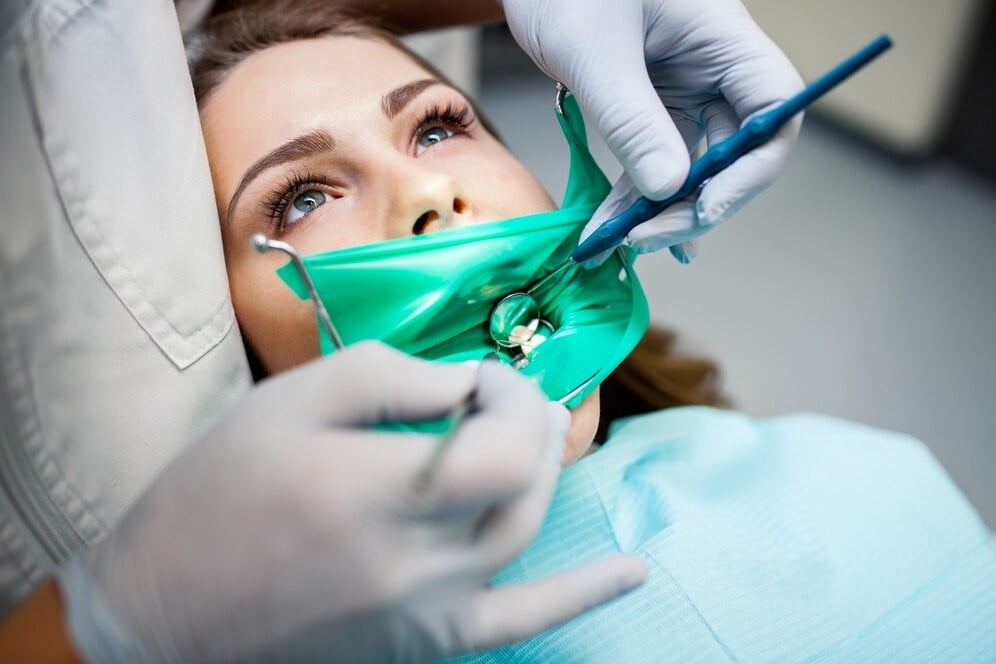
Wisdom teeth, also known as third molars, are the final set of teeth to emerge, typically making their appearance between the ages of 17 and 25. While some individuals may never experience any issues with their wisdom teeth, many others will require extraction due to complications like impaction, overcrowding, or increased risk of dental decay. It is essential to have your wisdom teeth evaluated by an experienced dental professional to determine if and when extraction is required. Ignoring potential warning signs or delaying necessary extractions can lead to increased pain, discomfort, and oral health concerns.
In this comprehensive blog post, we will discuss the importance of wisdom tooth extraction, the potential complications that may arise if extraction is not performed promptly, and provide insight into the extraction process itself. With the guidance and expertise of our team at Sound Surgical Arts, you can feel confident in your wisdom tooth extraction journey, knowing you are receiving the highest standard of care and support.
Why Wisdom Tooth Extraction is Crucial
Wisdom tooth extraction is a commonly recommended procedure for several reasons, some of which include:
- Impacted Teeth: When wisdom teeth do not fully erupt and become trapped under the gum line or within the jawbone, they are considered impacted. Impacted teeth can lead to severe pain, swelling, and infection.
- Damage to Neighboring Teeth: Impacted or partially erupted wisdom teeth can cause overcrowding, pushing adjacent teeth out of alignment. This misalignment can lead to tooth damage, difficulty cleaning, and a higher risk of decay.
- Gum Infections: Wisdom teeth can cause gum inflammation and infection due to their position, making it challenging to clean those areas efficiently. This inflammation may lead to gum disease or periodontal issues.
- Dental Cysts: Impacted wisdom teeth can lead to the formation of cysts, which are fluid-filled sacs that can cause damage to the surrounding bone and teeth.
Signs You May Need Wisdom Tooth Extraction
While not all wisdom teeth need to be removed, there are specific indications that may warrant extraction. Some signs that you may require a wisdom tooth extraction include:
- Persistent Pain: Wisdom tooth eruption may cause pain at the back of the mouth, which can worsen over time or come in waves.
- Swelling and Redness: Inflammation around the area of the wisdom tooth is a sign that your body may be struggling to accommodate the new tooth.
- Infection: Difficulty cleaning around the wisdom tooth can result in gum infections. If you experience recurring infections, your dentist may recommend extraction.
- Damage to Adjacent Teeth: If your wisdom teeth push the neighboring teeth out of position or cause damage, your dentist may suggest extraction to prevent further problems.
The Wisdom Tooth Extraction Process
While wisdom tooth extraction may seem daunting, understanding the process can aid in alleviating any concerns. The general procedure often involves the following steps:
- Consultation and Evaluation: During your initial appointment, your dentist will assess your teeth and determine if wisdom tooth extraction is necessary.
- Anesthesia: Before the procedure, your dental professional will administer local anesthesia to numb the area, ensuring that you feel minimal discomfort during the extraction.
- Removal: Depending on the position and complexity of your wisdom tooth, a dental professional may need to make a small incision in the gum to access the tooth. The tooth may be cut into smaller pieces for easier removal. Once extracted, the incision will be closed using dissolvable stitches.
- Recovery: Although the recovery period varies from individual to individual, many patients can expect to return to normal activities within a few days. Your dental professional will provide specific aftercare instructions to help ensure a smooth recovery.
Wisdom Tooth Extraction Aftercare
Proper aftercare is essential in ensuring a swift and trouble-free recovery. Some guidelines for post-operative care include:
- Bleeding Management: Bite down gently on a gauze pad placed over the extraction site, as suggested by your dental professional, to control bleeding.
- Pain and Swelling Control: Use over-the-counter pain relievers or prescribed medications to manage discomfort. Applying ice packs to the side of the face can reduce swelling.
- Diet: During the initial recovery phase, consume soft foods, gradually reintroducing harder foods as your mouth heals.
- Oral Hygiene: Continue to practice good oral hygiene, being careful not to disturb the extraction site for the first few days.
Conclusion
Wisdom tooth extraction is a vital procedure to maintain optimal oral health and avoid complications associated with impacted wisdom teeth. At Sound Surgical Arts, our expert team is committed to providing compassionate and efficient wisdom tooth extraction services to help our patients maintain excellent oral health.
We understand that undergoing dental procedures can be stressful, but our dedicated dental professionals are here to guide you through each step of the wisdom tooth extraction process, from evaluation to aftercare. With Sound Surgical Arts, you can trust our experienced and skilled team to deliver exceptional oral health care tailored to your needs.
If you suspect that you require a wisdom tooth extraction or are experiencing any dental discomfort, do not hesitate to contact us at Sound Surgical Arts in Gig Harbor, WA. Our top priority is your dental health and comfort, and we are here to provide the care and support necessary to maintain a healthy and beautiful smile throughout your dental journey.
7 Essential Questions to Ask Your Dental Surgeon
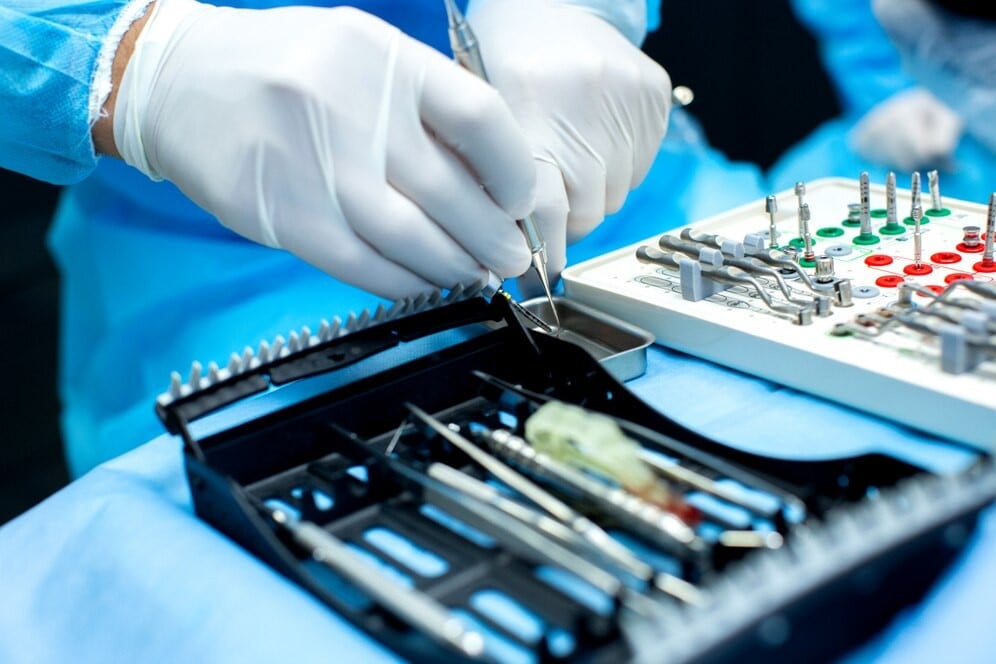
Before undergoing dental surgery, it’s crucial to have a thorough understanding of the procedure and be confident in your dental surgeon’s capabilities. At Sound Surgical Arts, we believe in empowering our patients with the information they need to make informed decisions and participate actively in their dental care. In this listicle, we’ll provide you with the top 7 essential questions you should ask your dental surgeon at Sound Surgical Arts before any procedure. These questions will help set expectations, increase confidence in your surgical team, and ensure a smooth and successful operation.
Understand the surgical process, post-operative care, potential risks, and the expertise of your dental surgeon by asking the right questions. Use this list as a guide to pave the way towards a positive dental surgery experience and optimal treatment outcomes.
1. What Are Your Qualifications and Experience?
Before entrusting your dental care to a surgeon, it’s crucial to know their qualifications and level of experience. Ask your dental surgeon at Sound Surgical Arts about their education, years of experience, and any additional training or professional development undertaken. Look for a dental surgeon who is board certified, as this indicates a high level of professionalism and knowledge in their field.
2. How Do You Keep Up to Date with Advances in Dentistry?
Dentistry, like any medical field, is continuously evolving with new technologies and best practices. It’s essential to work with a dental surgeon who actively keeps up-to-date with these advancements to provide the highest standard of care. Ask your dental surgeon about how they stay informed, whether it’s through conferences, professional memberships, or continued education. A dental surgeon dedicated to continuous learning ensures you benefit from the latest treatments and technologies available, offering the best possible outcomes.
3. What Does the Surgical Process Involve and What Are the Expected Outcomes?
Understanding the specifics of your dental surgery is critical in making an informed decision. Each procedure has a unique process, risks, and benefits that you should be aware of before proceeding. Ask your dental surgeon to explain the surgical steps, the expected outcome, and how it aligns with your dental goals. Inquire about other viable treatment options and, if applicable, why a particular procedure has been recommended by the Sound Surgical Arts team. Being well-informed about your surgery ensures that you have realistic expectations and can make the best decision for your dental health.
4. What Are the Potential Risks and Complications Associated with This Procedure?
All surgical procedures carry some degree of risk, ranging from mild side effects to more severe complications. It’s crucial to discuss these risks with your dental surgeon so you can make an informed decision about whether to proceed with the surgery. Ask your dental surgeon to outline the potential risks, their frequency, and how they manage those risks to minimize the chance of complications. Knowing the possible risks allows you to weigh the pros and cons of undergoing the surgery, empowering you to make an educated decision.
5. What Steps Should I Take to Prepare for the Surgery?
Proper preparation before your dental surgery can help ensure a smoother process and a successful outcome. Each procedure may have different preoperative requirements, which your dental surgeon should outline for you. Questions to address in this discussion include whether you need to adjust medications, fasting requirements before the surgery, hygiene instructions, and any necessary pre-operative appointments or imaging. Open communication with your dental surgeon ensures you are fully prepared and helps alleviate any preoperative anxiety.
6. What Will My Post-Operative Care and Recovery Look Like?
Understanding the post-operative care and recovery process is essential for both your physical well-being and peace of mind. Ask your dental surgeon about the expected duration of recovery, what post-operative discomfort might be expected, and how to manage pain or swelling effectively. The surgeon should provide clear instructions on oral hygiene, diet, and any necessary follow-up appointments. Inquire about any possible signs of complications that warrant immediate attention from the Sound Surgical Arts team. Being well-prepared for your recovery period ensures a smoother healing journey and an optimal outcome.
7. What Is the Estimated Total Cost, and Are There Payment Plan Options?
Discussing the estimated cost of your procedure and any financial options available is vital in planning your dental surgery. Transparent communication with your dental surgeon allows you to understand the costs involved, insurance coverage, and any available payment plans or financing options. Sound Surgical Arts is dedicated to working with you to identify the most appropriate financial solutions and ensure that you receive the care you need while maintaining your budget.
Achieve a Successful Dental Surgery Experience with Sound Surgical Arts
Taking the time to ask these essential questions will help you better understand your dental surgery and feel confident in your dental surgeon’s expertise. At Sound Surgical Arts, our team is dedicated to providing clear, comprehensive information and guiding you through the entire surgical process, ensuring a comfortable and successful experience. Understanding all aspects of your dental surgery empowers you to make informed decisions and achieve optimal outcomes.
Ready to take the next step in your dental journey? Schedule a consultation with our highly qualified dental surgeons at Sound Surgical Arts in Gig Harbor, WA, today, and rest assured that you’re in good hands with a dental team that genuinely cares about your oral health and overall well-being. Contact us now to begin your path toward a healthier, more confident smile.
A Guide to Regenerating and Strengthening Your Jawbone in Tacoma, WA

A strong and healthy jawbone is essential for overall dental health, as well as for supporting dental implants and other restorative procedures. However, factors such as tooth loss, gum disease, and trauma can lead to bone resorption or deterioration, potentially compromising the success of dental implants and prosthetics. Bone grafting, a surgical procedure that rebuilds and regenerates jawbone, provides patients the opportunity to regain and maintain their oral health by restoring lost bone density and strength.
At Sound Surgical Arts in Tacoma, WA, our team of top dentists and oral surgeons has been offering bone grafting services since 2011. We are dedicated to helping patients rebuild and strengthen their jawbones, paving the way for successful dental restorations and a beautiful, functional smile.
In this informative guide, we will explore the various types of bone grafting techniques, the vital role bone grafting plays in dental health, and the expert care provided by Sound Surgical Arts in Tacoma, WA. Understanding the benefits of bone grafting, how it is performed, and when it is necessary will empower patients to make informed decisions about their oral health.
Join us as we delve into the essential topic of bone grafting and demonstrate how Sound Surgical Arts can help regrow and strengthen your jawbone, paving the way to a healthier, more vibrant smile.
Reasons for Bone Grafting
Bone grafting is a crucial procedure in addressing issues related to jawbone loss and preparing the jaw for dental restorations. Some common reasons for bone grafting include:
- Dental Implants: A strong and healthy jawbone is necessary for the successful placement and integration of dental implants. Bone grafting helps increase jawbone volume and strength, ensuring a stable foundation for dental implants.
- Tooth Extractions: Following a tooth extraction, bone grafting can help preserve the socket and prevent significant bone resorption.
- Periodontal Disease: Bone loss commonly occurs in patients suffering from advanced gum disease (periodontitis). Bone grafting aids in rebuilding and stabilizing the affected areas, promoting overall oral health.
- Trauma or Infection: Bone grafting may be necessary following a traumatic injury or severe infection that has resulted in jawbone loss or damage.
Types of Bone Grafting Techniques
There are several bone grafting techniques utilized at Sound Surgical Arts in Tacoma, WA, each tailored to meet specific patient needs:
- Autogenous Grafts: Also known as autografts, this technique involves the use of the patient’s own bone tissue, typically harvested from the chin, jaw, or hip. Autogenous grafts have the advantage of containing living cells that promote bone growth and regeneration.
- Allografts: Allografts are bone grafts derived from a human donor, usually procured from a tissue bank. This technique eliminates the need for a second surgical site on the patient and reduces surgical time.
- Xenografts: Xenografts use bone tissue from a different species, such as bovine (cow) bone. This type of graft provides a scaffold for the patient’s own bone to grow and regenerate, eventually replacing the xenograft material.
- Alloplastic Grafts: Alloplastic grafts involve the use of synthetic bone substitute materials, such as hydroxyapatite or biologically active glass. These materials can stimulate bone growth and are slowly resorbed by the body.
The Bone Grafting Process at Sound Surgical Arts
At Sound Surgical Arts in Tacoma, WA, our team of dental professionals ensures a seamless and comfortable bone grafting experience for our patients. The general process involves:
- Consultation and Examination: During your initial visit, our dental professionals will assess your jawbone health, discuss your treatment objectives, and determine if bone grafting will benefit you. Based on this evaluation, we will develop a personalized treatment plan, which includes selecting the most appropriate grafting technique for your needs.
- Anesthesia and Sedation: To ensure your comfort during the procedure, we offer local anesthesia, nitrous oxide (laughing gas), or IV sedation, depending on your preferences and the procedure’s complexity.
- Bone Grafting Procedure: Our skilled dental professionals will perform the bone grafting procedure by placing the chosen graft material into the areas of bone loss or deficiency. In some instances, a barrier membrane may be placed over the graft to encourage proper bone regeneration and prevent soft tissue infiltration.
- Recovery and Follow-up: After the surgery, you’ll receive detailed post-operative instructions to facilitate a smooth recovery. We will schedule follow-up appointments to monitor your healing progress and ensure that you’re on track to successfully regrow and strengthen your jawbone.
Caring for Your Bone Graft
Proper care following your bone grafting procedure is essential for a successful outcome. Some tips include:
- Rest: Give your body time to heal by taking it easy and avoiding strenuous activities for at least a few days post-surgery.
- Pain Management and Swelling: Manage discomfort with over-the-counter pain relievers, as prescribed by our dental professionals, and use cold compresses to reduce swelling.
- Oral Hygiene: Maintain good oral hygiene by gently brushing your teeth while avoiding the surgical site. Rinse with warm salt water to keep the area clean and aid in recovery.
- Diet: Stick to a soft food diet that is nutritious and easy to chew until you can comfortably resume your regular eating habits.
Conclusion
Bone grafting is an essential procedure in the journey towards maintaining oral health and ensuring a successful dental implant or restoration. At Sound Surgical Arts in Tacoma, WA, our team of dedicated dental professionals is committed to providing the highest level of care, ensuring that our patients receive the best possible results.
With a personalized approach and expert execution, Sound Surgical Arts paves the way for a healthy jawbone, a strong foundation for dental implants, and a beautiful smile. If you’re considering bone grafting or have concerns about your oral health, contact us today to schedule a consultation. Let us help you regain the confidence and well-being that comes with optimal dental health.
Understanding the Cost of Dental Implants in Seattle: An In-Depth Guide

Dental implants are a popular, long-lasting solution for replacing missing teeth and restoring a beautiful, functional smile. However, understanding the cost of dental implant treatment can sometimes be overwhelming, with various factors affecting the final price. In this article, we’ll break down the elements that contribute to the overall cost of dental implants in the Seattle area, providing you with a comprehensive guide on what to expect throughout the process.
At Sound Surgical Arts in Tacoma, WA, we believe in transparent and fair pricing for our dental implant treatments. Our skilled and dedicated team will ensure you are well informed about your treatment options and their associated costs, allowing you to make the best decision for your oral health. With the right information, you can confidently invest in your smile and the overall improvement of your dental health.
Factors Influencing the Cost of Dental Implants
Several factors can significantly impact the cost of dental implant treatment, making it essential to understand what contributes to the pricing. Some of the most common factors include:
Factor 1: Number of Missing Teeth and Required Implants
Naturally, the more missing teeth you have, the higher the cost of your dental implant treatment will be. Each dental implant requires a titanium post, abutment, and a custom-made dental crown. The overall cost will scale with the number of implants needed to complete your smile restoration.
Factor 2: Preparatory Procedures
Before dental implant placement, some patients may require additional procedures, including bone grafting, sinus lifts, and tooth extractions. Each of these procedures incurs separate costs, which will be factored into the overall treatment plan. These preparatory procedures are essential for ensuring a successful and long-lasting dental implant outcome.
Factor 3: Implant Quality and Type
There are several types of dental implants available, including traditional implants, mini implants, and All-on-Four implants. The cost of these implants varies accordingly, with the type, material, and brand of implant influencing the price. Sound Surgical Arts in Tacoma, WA, is committed to using top-quality materials and industry-leading brands, ensuring your dental implant treatment is a long-term investment in your oral health.
Factor 4: Geographic Location
Dental implant costs can also vary depending on the region or city. Typically, costs are higher in metropolitan areas where overhead costs and the cost of living are greater compared to rural areas. When evaluating dental implant prices in Tacoma and the greater Seattle area, it’s important to consider these regional differences.
Factor 5: Provider Expertise and Technology
When choosing a provider for your dental implant treatment, the professional’s training, experience, and access to advanced technology should be considered. Higher-skilled providers with state-of-the-art technology may charge more, but the investment in dental care excellence can result in superior outcomes and an optimal dental implant experience.
Estimating the Average Cost of Dental Implants in Tacoma
Dental implant costs can vary significantly based on the factors previously mentioned, but a general ballpark estimate can be helpful when starting your research. Single dental implant costs can range from $1,500 to $6,000. This price includes the titanium post, abutment, and custom-made dental crown.
It’s important to note that this estimate is only for a single dental implant and does not include any additional procedures, such as tooth extractions, bone grafting, or sinus lifts, that may be necessary prior to dental implant placement. Your personalized cost estimate will depend on your individual treatment needs and dental implant plan.
Understanding and Evaluating Dental Implant Quotes
When obtaining quotes for dental implant treatments, it’s essential to ensure you have a clear understanding of what the price includes. Many patients may seek several price quotes from different providers before making their decision, but it’s crucial to ensure you’re comparing like-for-like dental implant plans to make an informed choice. Always confirm whether your quote includes all necessary procedures, anesthesia or sedation fees, and any post-operative care.
Financing and Payment Options for Dental Implants
While dental implants can be a substantial investment, many patients view them as a valuable long-term investment in oral health and improved quality of life. Various financing options are available, making dental implant treatments more accessible and affordable:
- Dental Insurance: Depending on your dental insurance provider and plan, they may cover a portion of your dental implant treatment. Always consult your insurance company to confirm the extent of coverage and any restrictions.
- Payment Plans: Many dental practices, including Sound Surgical Arts, understand the financial burden of dental implant treatments and offer flexible payment plans. This can make your treatment more manageable by spreading the cost over time.
- Third-Party Financing: Various financing companies, such as CareCredit or LendingClub, offer loans and payment plans for dental treatments, enabling you to spread your payments and potentially access lower interest rates.
- Health Savings Accounts or Flexible Spending Accounts: If you have access to an HSA or FSA through your employer, these funds can typically be used to cover dental implant costs.
Invest in Your Smile with Sound Surgical Arts
Dental implants can be a valuable, long-lasting solution for restoring your smile and overall oral health. By understanding the factors that contribute to dental implant costs in Tacoma, WA, and exploring available financing options, you can make an informed decision about your treatment. At Sound Surgical Arts, our experienced and compassionate team is dedicated to providing patients with high-quality dental implant solutions and transparent pricing to help you achieve the smile you’ve always wanted.
If you’re ready to transform your smile and invest in dental implants, contact Sound Surgical Arts today to schedule a consultation. Our team will work closely with you to develop a customized treatment plan tailored to your needs and budget. Don’t wait to reclaim your smile – reach out to us today!
Importance of Early Wisdom Tooth Extraction and Associated Benefits in Gig Harbor, WA
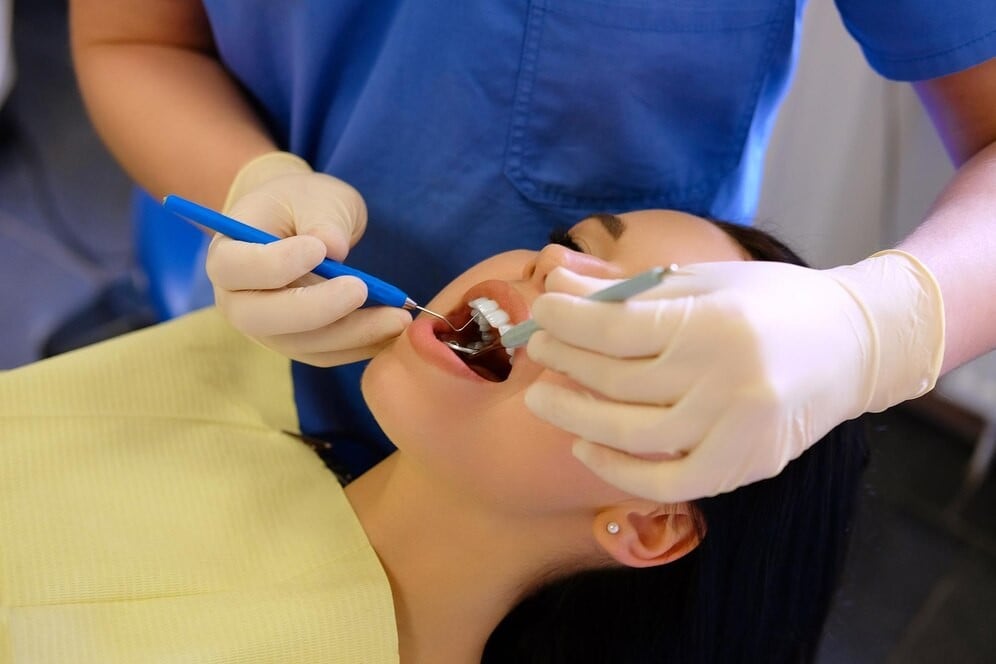
Wisdom teeth, also known as third molars, are the last set of teeth to emerge in the mouth, typically appearing between the ages of 17 and 25. However, for many individuals, their arrival can cause discomfort and lead to a host of dental issues, making wisdom tooth extraction a necessary and beneficial procedure. At Sound Surgical Arts in Gig Harbor, WA, we prioritize patient comfort and safety, providing personalized, expert care for wisdom tooth extraction, and ensuring optimal oral health for our patients.
In this comprehensive article, we will review various aspects related to wisdom tooth extraction, including:
- Reasons for Early Wisdom Tooth Extraction: Understand the common problems associated with wisdom teeth, from impaction to overcrowding, that can make early extraction a wise preventive measure.
- Types of Wisdom Tooth Impaction: Learn about the different classifications of wisdom tooth impaction, and how each can affect oral health and the extraction process.
- Benefits of Early Wisdom Tooth Extraction: Explore the advantages of early intervention, including reduced risk of complications, faster healing, and prevention of oral health issues.
- Procedure and Recovery Process: Get an overview of what to expect during the extraction procedure and the common aftercare steps to ensure a smooth recovery.
- Choosing a Dental Surgeon for Wisdom Tooth Extraction: Discover the factors to consider when selecting the best dental professional for the wisdom tooth extraction process.
At Sound Surgical Arts, our team of skilled dental surgeons is dedicated to offering personalized care and ensuring a positive wisdom tooth extraction experience for patients in Gig Harbor, WA. With state-of-the-art technology and a commitment to patient comfort, a wisdom tooth extraction at Sound Surgical Arts can lead to improved oral health and a more comfortable future.
Reasons for Early Wisdom Tooth Extraction: Understanding Common Problems Associated with Wisdom Teeth
Wisdom teeth can present a variety of challenges for individuals, making early extraction a wise preventive measure. Some common reasons for early wisdom tooth extraction include:
- Impaction: Wisdom teeth may become impacted, meaning they are unable to fully emerge or grow at an angle due to insufficient space or other obstructions in the jaw. Impacted wisdom teeth can lead to pain, swelling, and infection.
- Overcrowding: When wisdom teeth emerge without adequate space, adjacent teeth can become crowded, leading to alignment issues and possibly causing damage to neighboring teeth.
- Periodontal Disease: Partially erupted or impacted wisdom teeth can make it difficult to properly clean the area, increasing the risk of gum disease and tooth decay.
- Cysts and Tumors: Impacted wisdom teeth may lead to the development of cysts or benign tumors, causing damage to the jawbone or surrounding teeth.
Types of Wisdom Tooth Impaction: Classifications of Wisdom Tooth Impaction and Their Effects on Oral Health and Extraction
Wisdom tooth impaction is classified into several types based on the position of the tooth within the jawbone, each presenting unique challenges during extraction:
- Mesial Impaction: The most common type, mesial impaction occurs when the tooth is angled toward the front of the mouth, causing the tooth to become partially or fully trapped under the gums or within the jaw.
- Distal Impaction: In distal impaction, the wisdom tooth is angled toward the back of the mouth, making its removal more complex due to limited accessibility.
- Horizontal Impaction: These wisdom teeth lie horizontally within the jawbone, growing parallel to the jaw and potentially causing significant damage to neighboring teeth.
- Vertical Impaction: A vertically impacted wisdom tooth grows straight but becomes trapped beneath the gum line or adjacent teeth, also posing risks of damage or infection.
Benefits of Early Wisdom Tooth Extraction: Advantages of Early Intervention for Minimizing Complications and Oral Health Issues
There are several advantages to considering early wisdom tooth extraction, including:
- Reduced Risk of Complications: Early removal of wisdom teeth minimizes the risk of damage or infection, along with more severe complications like cysts, tumors, and jawbone deterioration.
- Faster Healing: Due to the tooth roots being less developed in younger patients, recovery time from wisdom tooth extraction can be significantly shorter.
- Prevention of Orthodontic Issues: Early removal of wisdom teeth can prevent overcrowding, misalignment, and other orthodontic complications that may be costly and time-consuming to correct later.
- Improved Oral Hygiene: Removing hard-to-clean, partially erupted wisdom teeth can make it easier to maintain good oral hygiene, reducing the risk of gum disease and tooth decay.
Procedure and Recovery Process: What to Expect During and After the Wisdom Tooth Extraction
Wisdom tooth extraction is a surgical procedure that requires professional expertise and care. Here is an overview of the process and recovery:
- Consultation and Evaluation: Your dental surgeon will assess the state of your wisdom teeth using X-rays or 3D imaging to determine the best course of action.
- Anesthesia: Depending on the complexity of your case, you may be administered local, sedation, or general anesthesia for your comfort during the procedure.
- Extraction: The dental surgeon will make an incision in the gum and remove any bone covering the tooth. The tooth may be sectioned and removed in pieces to minimize trauma.
- Recovery: After extraction, you will be provided with specific aftercare instructions to ensure a smooth recovery process. This may include pain management, oral hygiene practices, and a soft food diet.
- Follow-Up: Your dental surgeon will schedule follow-up appointments to monitor the healing process and address any concerns or complications that may arise.
Choosing a Dental Surgeon for Wisdom Tooth Extraction: Factors to Consider When Selecting the Best Dental Professional
When selecting a dental surgeon for wisdom tooth extraction, consider the following factors:
- Experience and Expertise: Seek a dental professional with specialized training and experience in wisdom tooth extraction to ensure optimal results.
- Board Certification: A board-certified oral and maxillofacial surgeon or dental professional with an advanced degree in oral surgery is best equipped for complex extractions.
- Communication and Comfort: Open communication with your dental surgeon is vital, along with feeling comfortable and informed throughout the entire process.
- Patient Reviews: Seek testimonials from past patients to gauge the dental surgeon’s reputation, success rate, and overall patient experience.
Conclusion
Early wisdom tooth extraction plays a crucial role in preventing potential dental complications and maintaining overall oral health. By understanding the reasons, benefits, and process of wisdom tooth extraction, as well as choosing the right dental professional, you can take proactive steps toward a healthier, more comfortable smile.
Contact Sound Surgical Arts in Gig Harbor, WA to schedule a consultation and discover the best course of action for your wisdom teeth.
Dental Implants vs. Dentures: A Comprehensive Comparison for Patients in Gig Harbor, WA
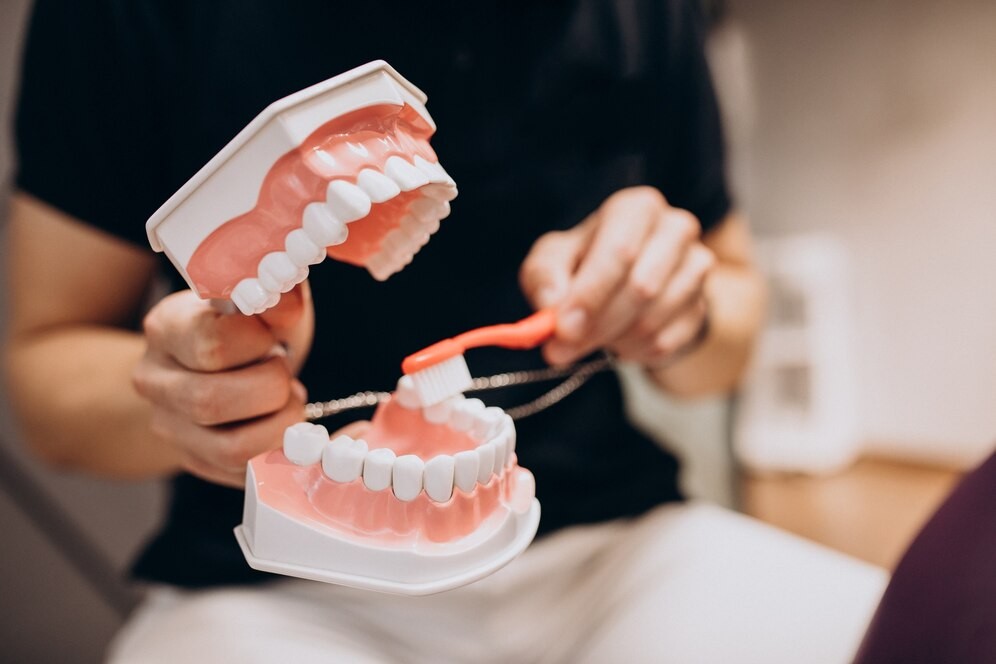
Tooth loss can significantly impact a person’s quality of life, affecting their ability to properly chew, speak, and smile with confidence. Fortunately, modern dental advancements offer multiple options for tooth replacement, such as dental implants and dentures. Each option has its benefits and drawbacks, making it essential to understand their differences before choosing the best solution for your unique dental needs. At Sound Surgical Arts in Gig Harbor, WA, we are committed to helping our patients regain their oral function through personalized tooth replacement options, including dental implants and dentures.
In this in-depth guide, we will explore various aspects of dental implants and dentures, including:
- What are Dental Implants? – A detailed look at how dental implants work, their benefits, and the procedure involved in placing these permanent tooth replacements.
- What are Dentures? – An overview of traditional dentures, including their benefits, types, and their role in tooth replacement.
- Dental Implants vs. Dentures: A Comprehensive Comparison – A side-by-side analysis of dental implants and dentures, comparing factors such as function, aesthetic, durability, and cost.
- Factors to Consider When Choosing Between Dental Implants and Dentures – Key aspects to consider when deciding on the best tooth replacement option, including oral health, the number of missing teeth, and patient preferences.
- How Sound Surgical Arts in Gig Harbor, WA Can Help – Information on how the skilled dental professionals at Sound Surgical Arts can assist in making an informed decision and provide expert care for your tooth replacement needs.
At Sound Surgical Arts, our team is dedicated to ensuring our Gig Harbor, WA patients receive the highest quality dental care while choosing the most suitable tooth replacement option for their individual needs. With expertise in dental implants, dentures, and other reconstructive dental procedures, our dental professionals can help you restore your oral function and smile with confidence once again.
What are Dental Implants? Understanding Dental Implants, Benefits, and Procedure
Dental implants are a popular and long-lasting tooth replacement option involving the placement of a titanium post into the jawbone, to which an artificial tooth (crown) is attached. The implant fuses with the bone through a process called osseointegration, providing stability and preventing bone loss. Here are some key aspects of dental implants:
- Benefits: Dental implants mimic the appearance and function of natural teeth and provide numerous advantages, including improved speech, chewing ability, appearance, and oral health.
- Procedure: The dental implant process consists of three main stages; placement of the implant, osseointegration, and attachment of the crown. This process can take several months to complete.
- Candidacy: Ideal candidates for dental implants are individuals with healthy gums and adequate bone density to support the implant. Smokers or those with certain medical conditions may experience complications or delayed healing.
What are Dentures? Overview of Traditional Dentures, Benefits, and Types
Dentures are removable dental appliances created to replace missing teeth and surrounding gum tissue. They come in two primary types:
- Complete Dentures: These replace an entire set of teeth, either upper or lower. They are custom-made to fit your mouth and can be further divided into immediate and conventional dentures.
- Partial Dentures: These are used when some natural teeth remain. They consist of replacement teeth attached to a gum-colored base and are typically secured using a metal framework that clasps onto existing teeth.
Dentures offer several benefits, including:
- Improved oral function: Dentures restore the ability to chew and speak effectively.
- Aesthetic enhancement: Dentures can enhance facial appearance by preventing sagging of facial muscles and filling in gaps caused by missing teeth.
- Adjustability: Dentures can be easily adjusted or replaced in case of changes in the oral cavity over time.
Dental Implants vs. Dentures: A Comprehensive Comparison
Here, we compare dental implants and dentures based on several factors:
- Function: Dental implants closely mirror natural teeth function, providing a secure and stable foundation. Dentures, on the other hand, may slip or cause discomfort while eating or speaking, requiring adjustments or adhesives.
- Aesthetic: Implants tend to look more natural and avoid the need for visible clasps or supports that partial dentures may require. Dentures can also improve facial appearance but may not provide the same level of natural aesthetics.
- Durability: Dental implants can last a lifetime with proper care, while dentures typically need to be replaced every 5-10 years due to wear and tear or changes in the oral cavity.
- Cost: Dentures are generally less expensive upfront; however, their higher maintenance needs and replacement costs may offset the initial savings. Dental implants have a higher initial cost but, with proper care, can be a long-term investment in oral health.
Factors to Consider When Choosing Between Dental Implants and Dentures
Several factors play a role in determining the best tooth replacement option for your unique needs:
- Oral Health: The dental professional will evaluate your oral health to determine the suitability of dental implants or dentures. Infections, gum disease, or inadequate bone structure can influence the decision.
- Number of Missing Teeth: If an individual has only one or a few missing teeth, dental implants or partial dentures might be the ideal option. Complete dentures may be more appropriate for those missing an entire set of teeth.
- Patient Preferences: Some patients prefer the permanency and stability of dental implants, while others might opt for the adjustability and non-invasive nature of dentures.
- Financial Considerations: While dental implants may be a more significant initial investment, long-term benefits and durability can offset costs. Dentures are typically less expensive upfront but may require ongoing maintenance and replacements.
How Sound Surgical Arts in Gig Harbor, WA Can Help
The knowledgeable dental professionals at Sound Surgical Arts in Gig Harbor, WA, are committed to providing personalized care when choosing the right tooth replacement solution for your needs. By considering all aspects of your dental health, preferences, and finances, we can create a customized treatment plan to restore your oral function and confidence. Our skilled dental team specializes in dental implant surgery, denture fitting, and other reconstructive dental procedures, ensuring that you receive the highest quality care and results.
Conclusion
Deciding between dental implants and dentures can be a complex decision, requiring thorough evaluation and an understanding of your dental needs and preferences. Sound Surgical Arts in Gig Harbor, WA, can provide expert guidance and high-quality care to help you make the best choice for long-term oral health and confidence.
Contact us today to schedule a consultation today and take the first step towards a healthier, happier smile.