
Sound Surgical Arts
Uncover the Beauty of Invisalign Treatment in Tacoma, WA

Orthodontic concerns, such as misaligned or crowded teeth, are not only detrimental to one’s dental health but also significantly impact an individual’s self-confidence. Traditional braces have been the go-to solution for straightening teeth for decades, but their conspicuous appearance and discomfort can discourage potential patients from seeking the treatment they need. At Sound Surgical Arts in Tacoma, WA, our dental professionals present a groundbreaking alternative – Invisalign treatment.
Invisalign treatment uses a series of clear, removable aligners specially crafted to fit your teeth and gradually shift them into their desired positions. Sound Surgical Arts provides expert Invisalign treatment to individuals in Tacoma, WA, who desire a more discreet, comfortable, and convenient orthodontic solution. In this comprehensive blog article, we aim to educate our audience about the various aspects of Invisalign aligners, covering the treatment process, candidate qualifications, and the benefits over traditional braces.
1. How Does Invisalign Treatment Work?
Invisalign treatment utilizes a series of custom-made, clear plastic aligner trays designed to gradually shift teeth into their desired positions. The treatment process involves the following steps:
- Consultation: The initial consultation with a dental professional at Sound Surgical Arts in Tacoma, WA, will determine if you are a suitable candidate for Invisalign treatment. A thorough examination of your teeth and gums, as well as a discussion of your orthodontic concerns and goals, will help establish the best course of action.
- Digital Impressions and Treatment Plan: Utilizing advanced digital scanning technology, your dental professional will create precise 3D images of your teeth. These images are used to design a customized treatment plan, mapping out the step-by-step movement of your teeth and providing an estimate of the treatment duration.
- Custom Aligner Fabrication: Your unique Invisalign aligners will be crafted from clear, BPA-free plastic, ensuring a comfortable and snug fit. You will receive a series of aligners to be worn sequentially, gradually shifting your teeth over time.
- Regular Aligner Changes and Checkups: Typically, patients are instructed to wear each set of aligners for approximately 1-2 weeks before moving on to the next set in the series. Regular checkups at Sound Surgical Arts are essential for monitoring your progress and making any necessary adjustments to the treatment plan.
2. Invisalign vs. Traditional Braces: The Advantages
Invisalign treatment offers a multitude of benefits over conventional braces, including:
- Aesthetics: One of the primary advantages of Invisalign aligners is their virtually invisible appearance. The clear, custom-fitted trays allow patients to discreetly undergo orthodontic treatment, minimizing the impact on their daily lives and confidence.
- Comfort: Traditional braces can cause irritation and discomfort due to their metal components and the tightened wires. Invisalign aligners are made from smooth plastic, which is gentle on the soft tissues inside your mouth and eliminates the possibility of cuts or abrasions from sharp brackets.
- Convenience: Invisalign aligners are removable, giving you the freedom to remove them for eating, brushing, and flossing. This feature not only allows patients to maintain a normal diet and oral care routine but also avoids some of the lengthy, cumbersome cleaning processes required with braces.
- Predictable Results: The Invisalign treatment process utilizes digital technology to map out each stage of tooth movement, providing patients with a clear picture of their progress and the final results.
3. Candidate Considerations for Invisalign Treatment
Invisalign aligners are an excellent solution for many individuals, but there are some factors to consider when determining if this orthodontic treatment is right for you:
- Type of Orthodontic Issues: Invisalign treatment is highly effective for correcting mild to moderate orthodontic concerns such as crowded teeth, gaps, overbites, underbites, and crossbites. However, individuals with more severe, complex alignment problems may be better suited to traditional braces.
- Age: Invisalign treatment is primarily recommended for teenagers and adults due to its dependence on patient compliance for effectiveness. Younger children may not have the self-discipline to wear the aligners for the required 20-22 hours per day.
- Commitment to Treatment: As mentioned earlier, adherence to the recommended daily wear time is essential for Invisalign treatment to be effective. Patients must be diligent about wearing their aligners as prescribed, as well as maintaining good oral hygiene and attending regular dental appointments.
4. Post-Treatment Care and Maintenance
Upon completion of the Invisalign treatment, it is vital to follow post-treatment care and maintenance guidelines to maintain the alignment of your teeth and protect the investment you have made in your smile:
- Retainers: Wearing a retainer is crucial after completing any orthodontic treatment to prevent teeth from shifting back to their original positions. Your dental professional at Sound Surgical Arts will advise you on the appropriate type of retainer and the recommended wear schedule.
- Diligent Oral Hygiene: Maintaining good oral hygiene, including regular brushing, flossing, and dental checkups, is essential to preserving the appearance and health of your newly aligned teeth.
Transform Your Smile with Invisalign Treatment at Sound Surgical Arts
Invisalign treatment offers a revolutionary, discreet, and comfortable alternative to traditional braces, enabling patients to achieve a beautifully aligned smile without compromising their appearance or lifestyle. At Sound Surgical Arts in Tacoma, WA, our experienced dental team is dedicated to helping you realize your orthodontic goals through personalized treatment plans, state-of-the-art technology, and expert care.
If you’re ready to explore the possibility of a straighter, more confident smile with Invisalign treatment, contact Sound Surgical Arts today to schedule a consultation. Embark on your smile transformation journey with our skilled dental professionals and discover the life-changing impact of a radiant, healthy smile.
Understanding and Preventing Peri-Implantitis: Ensuring the Longevity of Your Dental Implants
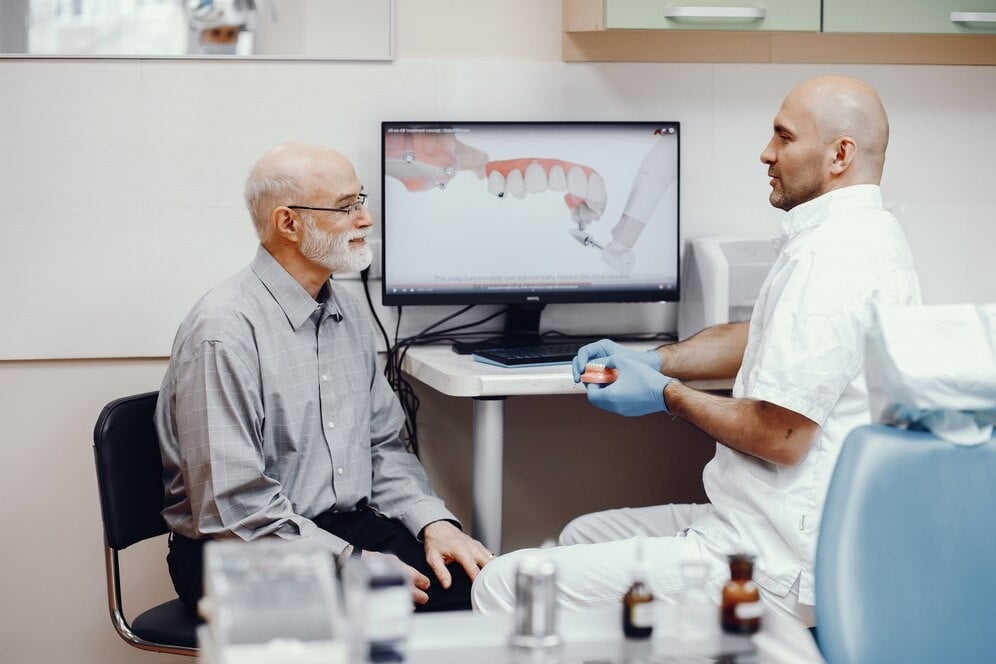
Dental implants have revolutionized the field of tooth replacement, providing a durable and natural-looking solution to missing teeth. However, like natural teeth, dental implants require proper care and maintenance to ensure their longevity. One potential complication that can arise with dental implants is peri-implantitis – an inflammatory condition affecting the gum and bone tissue surrounding the implant. Sound Surgical Arts, located in Tacoma, WA, is committed to helping patients understand and prevent peri-implantitis in order to maintain the health and longevity of their dental implants.
In this informative blog post, we will discuss the causes and risk factors of peri-implantitis, as well as its signs and symptoms for early detection. Additionally, we will highlight the essential role that proper oral hygiene practices play in preventing this dental implant complication. By focusing on peri-implantitis prevention and awareness, our goal is to equip patients in Tacoma, WA with the knowledge and tools needed to care for their dental implants and preserve a healthy, beautiful smile for years to come.
At Sound Surgical Arts, our dental professionals emphasize patient education and proactive care, ensuring that our patients are well-informed about potential complications such as peri-implantitis. By understanding the importance of dental implant maintenance and being aware of signs and symptoms to look for, patients can play a vital role in promoting the success and longevity of their dental implants.
1. Causes and Risk Factors of Peri-Implantitis
Peri-implantitis is a bacterial infection that results in inflammation of the gum tissue and deterioration of the bone supporting the dental implant. Several factors may contribute to the development of peri-implantitis, including:
- Poor Oral Hygiene: Inadequate brushing and flossing can allow bacteria to colonize the area around the dental implant, leading to inflammation and infection.
- Smoking: Smoking is a well-known risk factor for peri-implantitis, as it weakens the immune system and impairs the body’s ability to fight infection.
- Diabetes: Patients with diabetes are more susceptible to infections and have a diminished capacity to heal, making them more prone to peri-implantitis.
- History of Periodontal Disease: Individuals with a history of gum disease are at a higher risk of developing peri-implantitis due to the presence of harmful bacteria and inflammation-prone gum tissue.
Understanding the causes and risk factors of peri-implantitis is the first step in preventing this dental implant complication and ensuring the long-term success of your implant.
2. Signs and Symptoms of Peri-Implantitis
Early detection of peri-implantitis is essential for prompt treatment and safeguarding the health of your dental implant. Be on the lookout for the following signs and symptoms:
- Red, swollen, or bleeding gums: Inflammation of the gum tissue surrounding the implant is a common indicator of peri-implantitis.
- Bad breath or a foul taste in the mouth: The presence of bacteria and infection around the implant can result in persistent bad breath and an unpleasant taste.
- Pus discharge around the implant site: Pus discharge is a clear sign of infection and should be addressed immediately by your dental professional.
- Loosening of the implant: Advanced peri-implantitis can cause bone loss, leading to instability and eventual failure of the dental implant.
If you notice any of these signs or symptoms, contact your dental professional at Sound Surgical Arts in Tacoma, WA, for a thorough evaluation and appropriate treatment.
3. Preventing Peri-Implantitis Through Proper Oral Hygiene
Maintaining excellent oral hygiene is the foundation for preventing peri-implantitis and ensuring the health and longevity of your dental implant. Follow these essential oral care practices:
- Use a soft-bristled toothbrush and fluoride toothpaste: Brush your teeth for two minutes, twice a day, paying particular attention to the area around your dental implant.
- Floss daily: Clean the spaces between your teeth and around the implant using dental floss or specialized implant cleaning tools, such as interdental brushes or water flossers.
- Rinse with antimicrobial mouthwash: An antibacterial mouthwash can help eliminate bacteria and reduce the risk of infection. Consult your dental professional for product recommendations tailored to your needs.
- Schedule regular dental checkups and cleanings: Routine dental visits are crucial for monitoring the health of your dental implant and addressing any signs of peri-implantitis at an early stage.
In addition to proper oral hygiene, maintaining a healthy lifestyle, controlling systemic conditions like diabetes, and quitting smoking can significantly improve your dental implant’s chances of success and reduce the risk of peri-implantitis.
4. Treatment Options for Peri-Implantitis
If peri-implantitis is detected, your dental professional will recommend the appropriate course of action to address the infection and preserve your dental implant. Treatment options may include:
- Non-Surgical Intervention: In the early stages of peri-implantitis, non-surgical methods such as deep cleaning, scaling, and root planing can help remove bacterial plaque and tartar buildup around the implant.
- Surgical Treatment: In more advanced cases, surgical intervention may be necessary to eliminate infection, repair damaged tissue, and regenerate lost bone. Flap surgery, bone grafting, and guided tissue regeneration are examples of surgical techniques used to treat peri-implantitis.
- Maintenance Therapy: Following treatment, regular dental visits and professional cleanings are crucial for maintaining the health of your dental implant and preventing the recurrence of peri-implantitis.
Safeguard the Longevity of Your Dental Implants with Sound Surgical Arts
Understanding and preventing peri-implantitis are essential aspects of dental implant maintenance and success. At Sound Surgical Arts in Tacoma, WA, our dental professionals prioritize patient education and proactive care, ensuring that our patients have the necessary knowledge and support to prevent peri-implantitis and promote lifelong dental implant health.
If you have concerns about your dental implant or are interested in learning more about peri-implantitis prevention, don’t hesitate to schedule a consultation with our experienced team at Sound Surgical Arts. Together, we can help you achieve and maintain the healthy, beautiful smile you deserve.
A Complete Guide to Gum Grafting for Improved Oral Health in Gig Harbor, WA
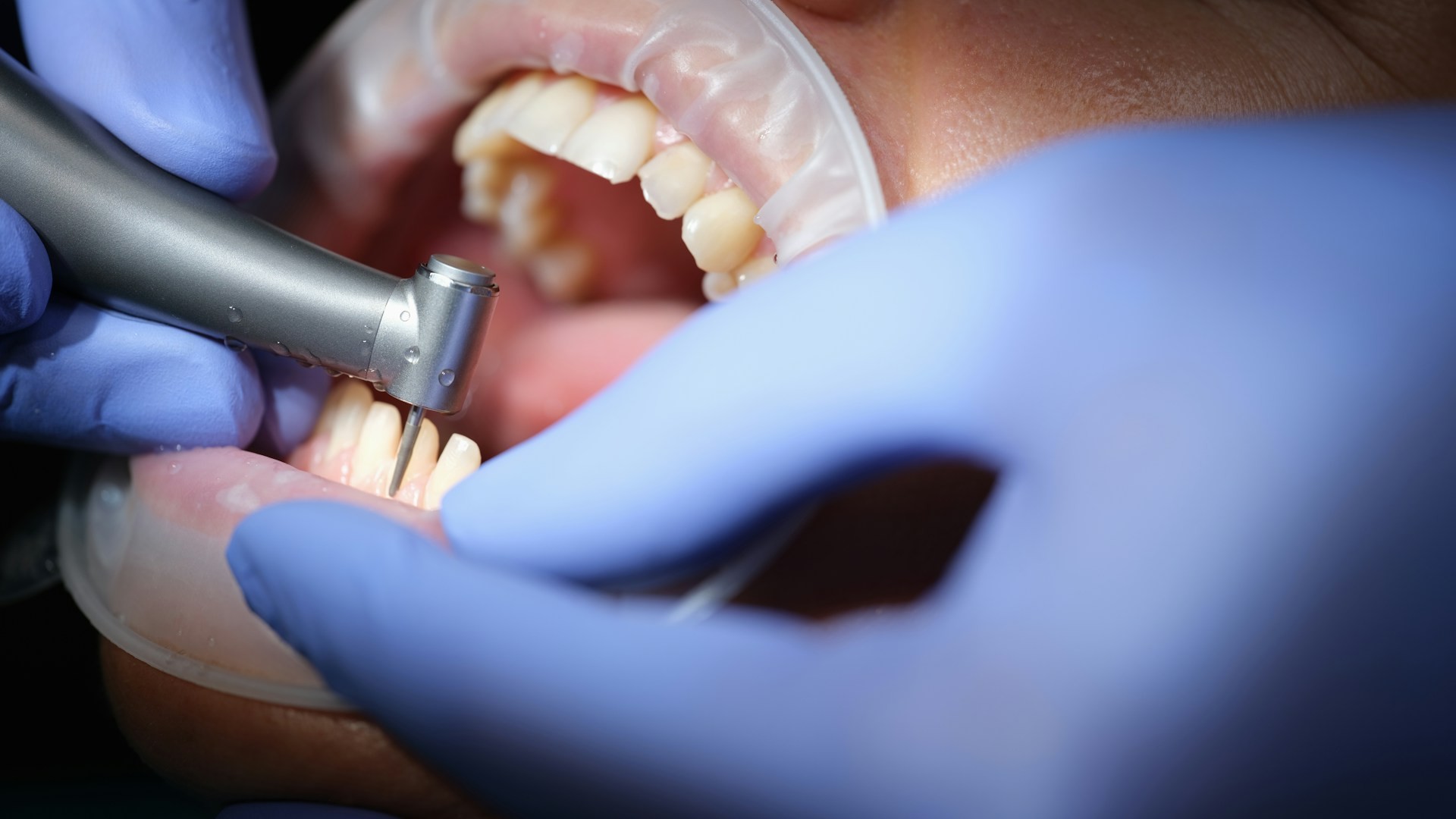
Gum recession is a common dental issue that occurs when the gum tissue surrounding your teeth begins to wear away or pull back, leaving more of the tooth and its root exposed. This condition can be caused by factors such as poor oral hygiene, aggressive brushing, periodontal disease, or even simple genetics. Left untreated, gum recession can result in sensitivity, root decay, and ultimately, tooth loss. Fortunately, gum grafting is an effective solution to restore lost gum tissue and protect your teeth and smile. At Sound Surgical Arts in Gig Harbor, Washington, our team of experienced dental professionals specializes in gum grafting procedures, helping patients achieve optimal oral health and confidence in their smiles.
With a commitment to personalized care and meticulous attention to detail, the team at Sound Surgical Arts stands ready to address your oral health concerns and provide expert gum grafting services tailored to your needs.
The Causes and Consequences of Gum Recession
Gum recession occurs when the gum tissue pulls away from the tooth, leaving the root exposed and vulnerable. Multiple factors can contribute to gum recession, including:
1. Periodontal disease: Gum infection caused by harmful bacteria can destroy gum tissue and the supporting bone, leading to gum recession.
2. Genetics: Certain individuals may be predisposed to gum recession due to hereditary factors, regardless of excellent oral care habits.
3. Overly aggressive brushing: Brushing your teeth too hard or with a stiff-bristled toothbrush can cause gum tissue to wear away.
4. Poor oral hygiene: Inadequate dental care, such as infrequent brushing and flossing, can result in plaque buildup and contribute to gum recession.
5. Hormonal changes: Fluctuations in hormones, such as during pregnancy or menopause, can make gum tissue more susceptible to recession.
6. Teeth grinding or clenching: Excessive pressure on teeth from grinding or clenching can lead to gum tissue receding over time.
Untreated gum recession can result in tooth sensitivity, root decay, and tooth loss. Thus, it is crucial to address the issue through procedures like gum grafting.
Signs That Gum Grafting May Be Necessary
If you are experiencing any of the following signs or symptoms, gum grafting may be an appropriate solution:
1. Tooth sensitivity: Exposed tooth roots can make your teeth more sensitive to hot, cold, or sweet foods and beverages.
2. Longer teeth: As the gums pull away from the teeth, they may appear longer than usual.
3. Red or swollen gums: Persistent redness and swelling at the gumline could be indicative of gum recession.
4. Loose teeth: Advanced gum recession can weaken the tissue and bone support, leading to loose teeth.
Consult your dentist if you notice any of these signs to determine whether gum grafting is the right choice for you.
Types of Gum Grafting Procedures Available
There are several gum grafting techniques, each designed to address specific types of gum recession. The most common procedures include:
1. Connective tissue grafts: A commonly used technique where a flap is cut on the roof of the mouth, and tissue from underneath that flap is removed and stitched to the receding gum area.
2. Free gingival grafts: This procedure involves removing a strip of tissue from the roof of the mouth and attaching it directly to the affected gum area. This technique is typically used for patients with thin gums.
3. Pedicle grafts: This method involves creating a flap or “pedicle” from the existing gum tissue adjacent to the receding area, which is then pulled down and sutured in place to cover the exposed root.
4. Allografts: Here, donor tissue is used instead of tissue from the patient’s mouth, which eliminates the need for a second surgical site and reduces overall discomfort.
Your dentist will recommend the most suitable grafting method based on your oral health and specific needs.
The Gum Grafting Process: What to Expect During the Surgery
While the specific steps involved in gum grafting vary depending on the chosen technique, some general aspects of the procedure are common in all cases:
1. Local anesthesia: To ensure your comfort during the grafting process, your dentist will numb the surgical area with local anesthesia.
2. Harvesting the graft (if applicable): For connective tissue, free gingival, and pedicle grafts, tissue will be removed from the donor site – either from another part of the patient’s mouth or a donor, depending on the technique chosen.
3. Graft placement: The graft material is carefully placed over the exposed tooth root and precisely secured with sutures.
4. Healing and recovery: A protective dressing or bandage may be applied to protect the graft and promote healing. Healing typically takes a few weeks as the graft integrates with your existing gum tissue.
Tips for Post-Operative Care and Recovery
Following your gum grafting procedure, it’s essential to care for your mouth properly to ensure a successful recovery:
1. Follow post-operative instructions: Adhere to your dentist’s instructions on pain management, medication, and oral hygiene practices.
2. Eat soft foods: Stick to a soft-food diet for a few days to a week after surgery to avoid irritating the surgical area.
3. Avoid smoking and alcohol: Refrain from smoking and limit alcohol consumption, as these habits may impede the healing process.
4. Be gentle with oral care: Brush and floss carefully around the graft site until it has fully healed.
Frequently Asked Questions About Gum Grafting
1. How long is the recovery period for gum grafting?
Recovery times may vary depending on the individual and the grafting technique utilized. On average, expect the initial healing to take two to three weeks, with complete recovery in about four to six weeks.
2. Is gum grafting painful?
Local anesthesia is administered during the procedure, ensuring a pain-free experience. After surgery, discomfort can be managed through prescribed pain medications and post-operative care.
3. Will the results of gum grafting last?
With proper oral hygiene and regular dental check-ups, the results of gum grafting can last for many years and even a lifetime.
Conclusion
Gum grafting is a reliable and effective treatment for gum recession, ensuring the health and stability of your teeth while enhancing your smile. At Sound Surgical Arts in Gig Harbor, WA, our dedicated team of dental professionals offers personalized care and expertise to address your oral health concerns. Schedule a consultation with us to discuss gum grafting and other dental services to achieve the healthy, beautiful smile you deserve.
Dental Implants 101: Comprehensive Guide on Restoring Your Smile in Gig Harbor, WA

Missing teeth can be a significant source of discomfort and insecurity, impacting your speech, ability to eat, and overall quality of life. Dental implants have emerged as a reliable and convenient solution to address this issue. By mimicking the look, feel, and function of natural teeth, dental implants restore your smile while maintaining optimum oral health. At Sound Surgical Arts in Gig Harbor, Washington, our skilled dentists specialize in dental implants, helping patients regain a beautiful, healthy smile that enables them to rediscover life’s simple pleasures.
With cutting-edge technology and extensive experience in providing top-notch dental care to Gig Harbor residents, Sound Surgical Arts is your go-to destination for restorative dental solutions. Our team of dedicated professionals prioritizes your personalized needs, ensuring you receive the highest standard of care and compassion throughout the implant process.
What are Dental Implants and How Do They Work?
Dental implants are artificial tooth roots made of biocompatible materials, such as titanium, that are surgically placed into the jawbone. These implant posts support a dental prosthesis like a crown, bridge, or denture, effectively replacing the missing tooth or teeth. Over time, the implant integrates with the jawbone through a process called osseointegration, providing a strong and stable foundation for the dental prosthesis.
The Benefits of Dental Implants: A Comparison with Other Restorative Solutions
Dental implants have numerous advantages over traditional dentures and bridges. Here are some key benefits that set dental implants apart from other restorative options:
1. Longevity: With proper care and maintenance, dental implants can last a lifetime, unlike dentures or bridges that may need periodic replacement.
2. Superior function and aesthetics: Dental implants replicate the appearance and function of natural teeth, enabling you to chew, speak, and smile with confidence.
3. Bone preservation: Dental implants stimulate the jawbone, preventing the bone loss commonly associated with missing teeth and preserve facial structure.
4. Low maintenance: Implants require no additional cleaning routines beyond regular oral hygiene, unlike dentures that need to be removed and cleaned separately.
5. Independence: Dental implants do not rely on neighboring teeth for support, leaving adjacent healthy teeth intact and maintaining overall oral health.
Ideal Candidates for Dental Implants: Are You the Right Fit?
If you are missing a single tooth, multiple teeth, or even an entire arch, dental implants may be an ideal solution for you. However, there are specific requirements that a candidate should meet to ensure successful implant placement:
1. Adequate bone density: A sufficient amount of bone is necessary to support the implant and ensure stability.
2. Good oral health: Candidates should be free of gum disease or other oral health issues that might compromise the success of the implant.
3. Commitment to oral hygiene: Implant success requires proper at-home oral care and regular dental check-ups.
4. Non-smokers: Smoking can interfere with the osseointegration process and increase the risk of implant failure.
A consultation with your dentist at Sound Surgical Arts will determine your eligibility for dental implants and address any concerns you may have.
The Dental Implant Process: What to Expect During the Procedure
The dental implant process involves several steps and typically occurs over a few months. Here is an overview of what you can expect during the procedure:
1. Consultation and evaluation: An initial appointment with your dentist will involve a thorough assessment of your oral health and a discussion about your goals and expectations.
2. Treatment planning: Using advanced imaging techniques, your dentist will create a comprehensive treatment plan tailored to your specific needs, ensuring precise placement of your dental implant.
3. Implant surgery: The dental implant is surgically placed into the jawbone during a minimally invasive procedure. Afterward, a temporary restoration may be placed so that you can eat and speak comfortably.
4. Osseointegration: Over the next two to six months, the implant and your bone will fuse together. This process creates a stable foundation for your dental prosthesis.
5. Abutment placement and final restoration: Once osseointegration is complete, an abutment is attached to the dental implant. The final dental prosthesis, like a crown or bridge, is then placed on the abutment.
Aftercare and Maintenance Tips for Dental Implants
Proper care and maintenance of dental implants are crucial for their longevity. Here are some tips to help maintain your new smile:
1. Brush twice daily and floss daily: Implement a strict oral hygiene routine to keep your implant and surrounding teeth clean and healthy.
2. Visit your dentist regularly: Schedule regular dental checkups and cleanings to ensure the health and stability of your implant.
3. Avoid hard and sticky foods: Be gentle with your dental implants, especially during the initial healing period, by avoiding foods that could damage them.
4. Stop smoking: Smoking negatively affects your oral health and can compromise the longevity of your dental implants.
Frequently Asked Questions About Dental Implants
1. Are dental implants painful?
With the use of local anesthesia, dental implant procedures are generally painless. You may experience minor discomfort and swelling post-surgery, which can be managed with medications and proper care.
2. How much do dental implants cost?
The cost of dental implants depends on the number of implants needed and the complexity of your case. During your consultation, your dentist will provide a detailed cost breakdown tailored to your specific needs.
3. Can dental implants be used with dentures?
Yes, dental implants can be used to securely anchor dentures, providing increased stability, function, and comfort.
Conclusion
Dental implants are a life-changing solution for individuals missing teeth, offering numerous benefits over traditional restorative options. Sound Surgical Arts in Gig Harbor, WA, is committed to providing exceptional dental care, including dental implant procedures tailored to your needs. Contact us to schedule a consultation and embark on the journey to a restored, confident smile with our proficient dental professionals.
Understand and Address Dental Trauma with Expertise at Sound Surgical Arts
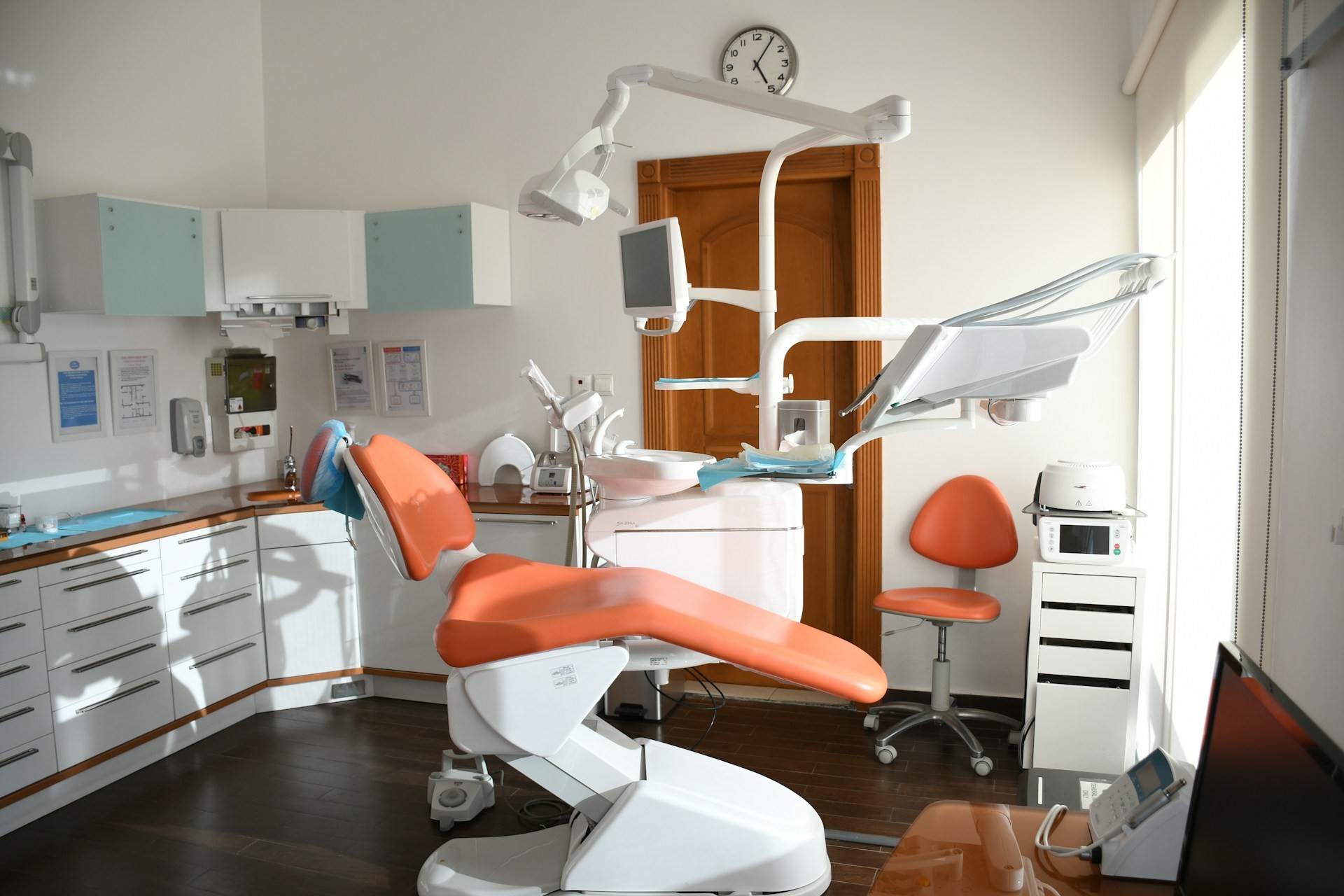
Dental trauma can occur at any age and for various reasons, making it essential to recognize, understand, and address the situation with proper care and expertise. Sound Surgical Arts in Tacoma, WA, is committed to helping our patients navigate dental trauma, providing high-quality treatment and advice to ensure optimal oral health. In this article, we will explore the common types and causes of dental trauma, as well as the solutions our skilled professionals offer at Sound Surgical Arts for managing these often unexpected and daunting situations.
Recognizing and addressing dental trauma promptly is crucial to preventing further damage and maintaining a healthy smile. Whether you have been in an accident, experienced a sports injury, or suffered dental trauma due to other causes, our experts at Sound Surgical Arts are here to guide you through the treatment process and provide exceptional care that meets your unique needs.
Types of Dental Trauma
Dental trauma takes many forms and varies in severity. The following are some of the most common types of dental trauma experienced by patients:
1. Tooth Fractures
Tooth fractures can range from minor superficial cracks (called craze lines) in the dental enamel to severe injuries that affect the entire tooth structure, including the dentin, pulp, and even the root. Severe fractures can cause pain, sensitivity, and difficulty eating. The type of treatment needed for a tooth fracture depends on the extent and location of the damage.
2. Tooth Displacement
Traumatic injuries can cause a tooth to be displaced or pushed out of its normal position. This may include lateral displacement, extrusion (tooth partially pushed out of its socket), or intrusion (tooth pushed into its socket). Tooth displacement requires immediate dental care to address both the damaged tooth and surrounding tissues. Timely treatment can increase the likelihood of saving the tooth.
3. Avulsed Teeth (Tooth Loss)
An avulsed tooth is one that has been completely knocked out of its socket. This is a dental emergency that requires prompt intervention. The faster an avulsed tooth is attended to, the better the chances of successfully replanting the tooth.
4. Root Fractures
A root fracture is a crack or break in the tooth’s root, which is not visible since it’s below the gumline. Depending on the severity and position of the break, the tooth may or may not be saved. Root fractures often require specialized care from an endodontist for proper assessment and treatment.
Causes of Dental Trauma
Understanding the possible causes of dental trauma can help patients take appropriate precautions and recognize the need for immediate attention should an injury occur. Common causes of dental trauma include:
1. Accidents and Falls
Unexpected accidents, such as car crashes, falls, or pedestrian collisions, can result in dental trauma. Individuals can minimize potential injuries by wearing seatbelts, using appropriate protective gear (such as helmets), and taking care to avoid risky situations.
2. Sports Injuries
Participating in contact sports presents a risk of dental trauma. The use of a mouthguard can help protect the teeth and prevent injuries. If a dental injury does occur during sports activities, it is essential to seek professional treatment promptly.
3. Biting on Hard Foods or Objects
Biting down on hard foods such as nuts, ice, or hard candies can cause dental trauma by cracking or breaking teeth. It’s essential to be cautious when consuming these items and avoid using your teeth as tools for opening packages or cracking shells.
4. Teeth Grinding and Clenching (Bruxism)
Chronic teeth grinding or clenching can lead to dental trauma over time by causing the tooth enamel to weaken or fracture. Seeking treatment to address bruxism, often through the use of a custom-fit nightguard, can help prevent further dental damage.
Solutions for Dental Trauma at Sound Surgical Arts
At Sound Surgical Arts, our team is well-equipped to handle a wide range of dental trauma and provide patients with the necessary treatment and care to address their unique situations. The following are some solutions available for various types of dental trauma:
1. Dental Bonding and Veneers
For patients with minor tooth fractures or chips, dental bonding can be an excellent solution. The process involves applying a tooth-colored composite resin to the affected tooth, which is shaped and polished to match the natural tooth structure. Dental veneers, thin porcelain shells custom-made to match the color and shape of your teeth, are another option for covering and repairing front teeth with minor damage.
2. Root Canal Treatment
Root canal treatment may be necessary if dental trauma causes damage to the tooth’s pulp. The procedure involves removing the damaged pulp, cleaning the tooth to remove bacteria and debris, sealing the tooth with a filling material, and eventually covering it with a dental crown to restore its appearance and function.
3. Dental Implants
If a tooth is severely damaged or lost due to dental trauma, dental implants are a long-lasting, functional solution for tooth replacement. A dental implant involves the placement of a titanium post into the jawbone, which then fuses with the bone. Once the implant site has healed, a custom-made dental crown is attached to the post, resulting in a natural-looking and functional tooth replacement.
4. Splinting and Replantation
For displaced or avulsed teeth, our dental professionals can provide appropriate treatment, such as splinting the tooth in its correct position or replanting an avulsed tooth. Time is critical in these cases, so seeking treatment as soon as possible is crucial for the best outcome.
Emergency and Preventative Care
At Sound Surgical Arts, we recognize the importance of providing emergency and preventive care for our Tacoma, WA, patient community. Through routine dental checkups and timely intervention, we can help prevent dental trauma or address the aftermath of injuries, ensuring our patients maintain optimal dental health throughout every stage of life.
Restorative Care for Dental Trauma at Sound Surgical Arts
Dental trauma can occur in various forms and for numerous reasons, making it crucial for individuals to understand the types, causes, and appropriate treatment options. At Sound Surgical Arts, our team of dental experts in Tacoma, WA, is committed to providing comprehensive dental care and effective solutions for patients affected by dental trauma. Our goal is to ensure your oral health and the appearance of your smile are preserved, even in the face of unexpected and challenging situations.
If you or a loved one has experienced dental trauma, don’t hesitate to reach out to Sound Surgical Arts for prompt, expert care. Contact us today to schedule an appointment and take the first step toward restoring your smile and regaining your dental health.
Discover the Benefits of Dental Implants in Tacoma, WA
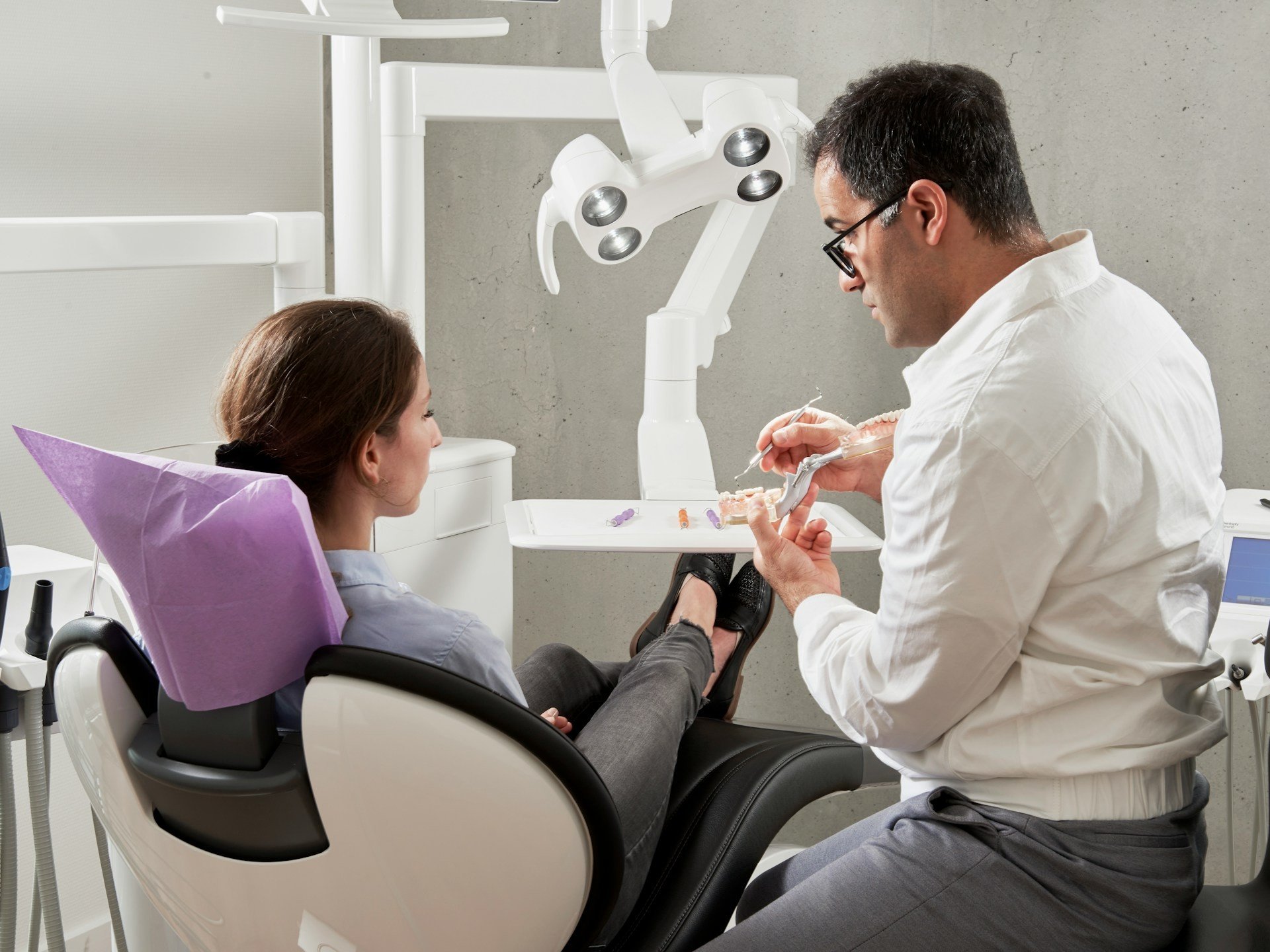
Dental implants have rapidly become the treatment of choice for individuals seeking a reliable, long-lasting resolution for missing or damaged teeth. At Sound Surgical Arts in Tacoma, WA, our dental professionals understand the importance of a confident, beautiful smile. Through the use of dental implants, we aim to restore patients’ self-esteem and oral health while providing a permanent, natural-looking tooth replacement solution.
In this informative blog article, we will delve into the various benefits of dental implants, discuss the procedure involved, and outline the factors to consider when choosing dental implants as your restorative solution. With the support of the expert dental team at Sound Surgical Arts in Tacoma, WA, you can trust in our knowledge, experience, and dedication to helping you restore your smile and overall oral health.
1. What are Dental Implants?
Dental implants are artificial tooth roots made from biocompatible materials, typically titanium, that fuse with the jawbone to provide a secure and stable foundation for prosthetic teeth. The implant consists of three primary parts:
– Implant Post: A screw-like titanium post that is surgically placed into the jawbone and acts as the root of the tooth.
– Abutment: A small connector that connects the implant post to the dental crown, bridgework, or denture.
– Prosthetic tooth: A custom-made dental crown, bridge, or denture that replaces the visible portion of the missing or damaged tooth and restores the aesthetics and function of the tooth.
The combination of these components creates a durable, natural-looking tooth replacement that offers several distinct benefits for patients in Tacoma, WA.
2. Key Benefits of Dental Implants
Dental implants offer numerous advantages over traditional tooth replacement options, including:
– Natural Appearance and Function: Dental implants are designed to resemble and function like natural teeth. The custom-made dental crown, bridge, or denture is carefully crafted to match the size, shape, and color of the surrounding teeth. This provides a flawless, natural appearance and restores the ability to eat and speak comfortably.
– Preservation of Jawbone and Facial Structure: Tooth loss can lead to jawbone resorption over time, causing the facial structure to change. Dental implants stimulate and support healthy bone growth, maintaining the integrity of the jawbone and preventing facial collapse or premature aging.
– Durability and Longevity: With proper care and maintenance, dental implants can last for many years or, in some cases, even a lifetime. This longevity sets dental implants apart from traditional options such as dentures or bridges, which often need replacement after several years of use.
– Convenience and Comfort: Unlike removable dentures, dental implants stay securely in place, providing patients with increased comfort and confidence when speaking, eating, or engaging in everyday activities.
3. The Dental Implant Procedure
The dental implant process involves a series of steps, typically done over multiple appointments:
– Initial Consultation and Treatment Planning: During this initial visit, the dental professional at Sound Surgical Arts will assess your oral health, address any pre-existing dental issues, and discuss the overall dental implant treatment plan and procedure options.
– Implant Placement: The dental surgeon will surgically insert the titanium implant post into the jawbone during this stage. After the surgery, a healing period of 3-6 months is required, during which the implant will fuse with the bone in a process called osseointegration.
– Abutment Placement: After successful osseointegration, the abutment is attached to the implant post. In some cases, this can be completed during the initial implant surgery; in others, it may require a separate procedure. A brief healing period may be needed before the prosthetic tooth is attached.
– Prosthetic Tooth Attachment: The custom-made prosthetic tooth is placed onto the abutment, completing the dental implant process. Your dental professional will fine-tune the fit and appearance of the prosthetic tooth to ensure optimal function and aesthetics.
4. Dental Implants Candidate Considerations
While dental implants are an excellent solution for many individuals, some factors need to be considered when determining if dental implants are the right choice for you:
– Oral Health: Potential dental implant patients need to have healthy gums and sufficient jawbone density to support the implant post. If gum disease or inadequate bone density is present, additional procedures such as bone grafts or periodontal treatment may be required.
– Overall Health: Patients must be in good general health and free from any conditions that may inhibit healing, such as uncontrolled diabetes or compromised immune systems. These conditions may not necessarily disqualify an individual, but they may require additional care and monitoring during the dental implant process.
– Commitment to Oral Care: Dental implants require consistent care and maintenance, including regular dental checkups, cleanings, brushing, and flossing. A commitment to maintaining good oral health is crucial to the long-term success of dental implants.
Invest in Your Smile with Sound Surgical Arts
Dental implants offer a modern, effective solution for restoring missing or damaged teeth, providing patients with enhanced confidence, comfort, and overall quality of life. At Sound Surgical Arts in Tacoma, WA, we are committed to providing comprehensive dental care, including exceptional dental implant services, to help you achieve the beautiful smile you deserve.
To learn more about dental implants or to schedule a consultation, contact Sound Surgical Arts today. Let our experienced dental professionals guide you through the process and support you in taking the first step towards a restored smile and improved oral health.
Top 5 Tips for a Successful Reconstructive Surgery Experience
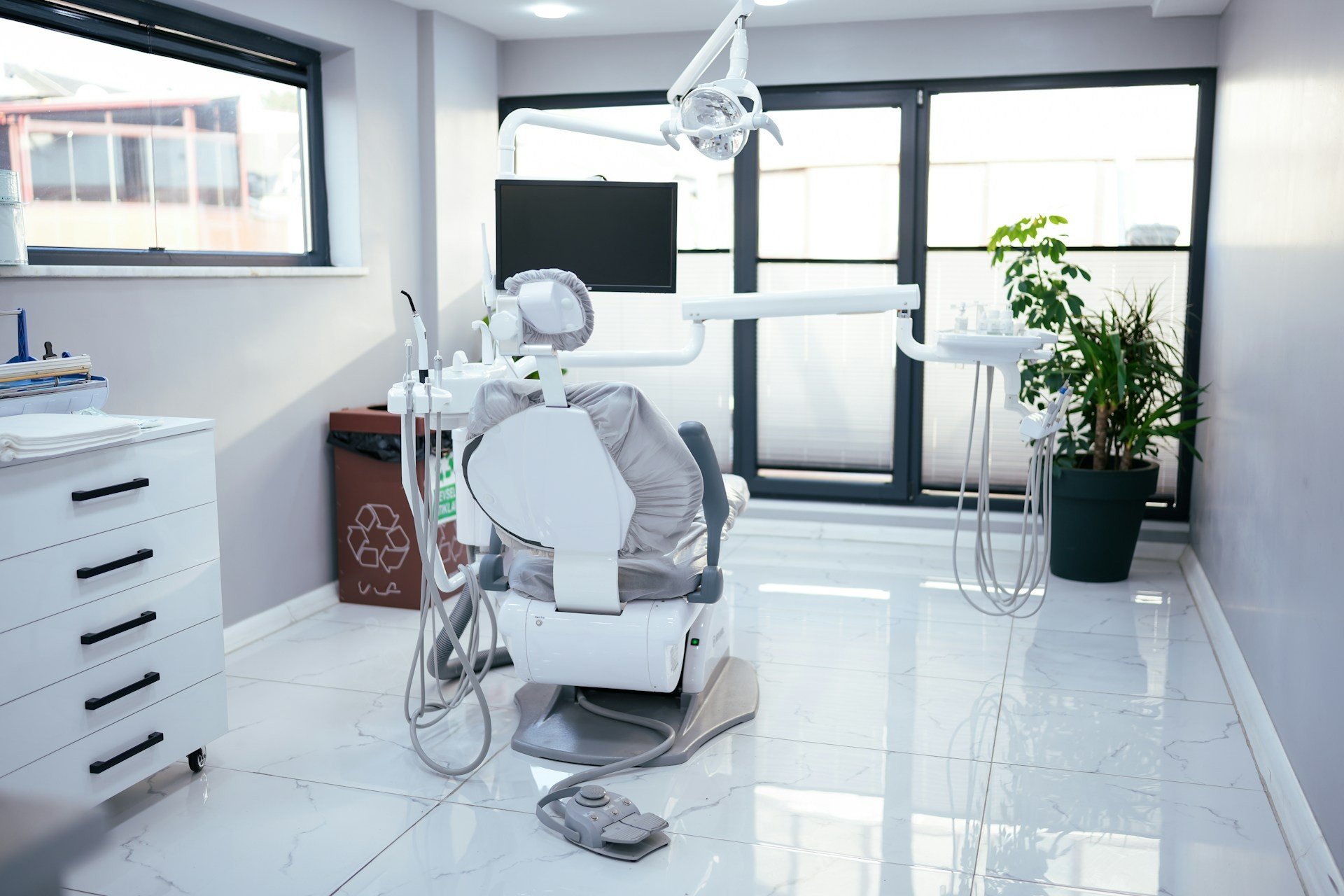
Undergoing reconstructive surgery can be a life-changing decision, addressing various oral and facial issues to improve your quality of life. At Sound Surgical Arts, we understand the significance of these procedures and are dedicated to ensuring that our patients feel well-prepared and confident heading into their surgery.
To help you navigate this important journey, we’ve compiled a list of five essential tips for preparing for your reconstructive surgery. These recommendations aim to guide you through the process and support a successful procedure and recovery, ultimately setting the stage for your enhanced oral health and overall well-being. Read on to learn how to best prepare for reconstructive surgery and embrace the transformative benefits these procedures can provide.
Tip 1: Research and Choose the Right Surgeon
Selecting the right oral and maxillofacial surgeon for your reconstructive surgery is crucial for achieving successful results. Start by researching qualified surgeons in your area with board certifications and extensive experience in reconstructive procedures. Reach out to friends, family, or your dentist for recommendations and carefully review each surgeon’s credentials and patient testimonials.
Once you’ve narrowed down your options, schedule consultations with your top choices. During your consultation, ensure you feel comfortable discussing your concerns, goals, and medical history with the surgeon. Ask about their success rate with cases similar to yours and request to see before-and-after photos of previous patients. Selecting a surgeon who makes you feel comfortable, heard, and confident in their expertise is key to a positive reconstructive surgery experience.
Tip 2: Understand the Procedure and Risks Involved
Reconstructive surgery encompasses various procedures, such as cleft lip and palate repair, facial trauma treatment, and jaw surgery, among others. Before proceeding with your surgery, it’s essential to have a clear understanding of the specifics of your procedure, as well as the risks and potential complications that may arise.
Your surgeon should provide you with comprehensive information regarding your procedure, the steps involved, and the potential risks. Don’t hesitate to ask questions during your consultation, and consider doing your research for a well-informed perspective on the procedure. A thorough understanding of the surgery and the associated risks will help set realistic expectations and ease any concerns.
Tip 3: Follow Pre-Operative Instructions
Your surgeon will provide pre-operative instructions designed to optimize your health before the surgery and minimize potential complications. These instructions may vary depending on the specifics of your case but can include:
1. Medications: Inform your surgeon of any medications, vitamins, and supplements you are currently taking. You may be asked to discontinue certain medications, such as blood thinners and nonsteroidal anti-inflammatory drugs, around two weeks before surgery to decrease bleeding risks.
2. Tobacco and Alcohol: Cease smoking at least two weeks before and after surgery, as tobacco use can negatively impact the healing process and increase the risk of complications. Limit alcohol intake during the weeks leading up to your surgery to promote optimal health and healing.
3. Fasting: Your surgeon may instruct you to fast (no food or drink) for a specified amount of time before your surgery, typically eight hours, to reduce the risk of aspiration during anesthesia.
4. Hygiene and Illness: Maintain good oral hygiene leading up to the surgery to minimize the risk of infection. If you develop any signs of illness, such as a fever or cold symptoms, inform your surgeon immediately, as rescheduling might be necessary.
Adhering to your surgeon’s instructions is paramount to successful surgery and recovery.
Tip 4: Arrange for Support and Transportation
Reconstructive surgeries typically require some form of anesthesia or sedation, making it necessary to arrange for a responsible adult to drive you home post-surgery. Ensure you have a support system to help you during recovery, especially within the first day or two. This may include assistance with meal preparation, medication management, and transportation to follow-up appointments.
Tip 5: Prepare Your Home for a Comfortable Recovery
Setting up a comfortable and organized recovery space at home before surgery can be beneficial in promoting a smooth healing process. Consider the following preparations:
1. Stock your pantry with soft, nutritious foods that are easy to chew and swallow, such as soups, yogurt, smoothies, and mashed vegetables.
2. Keep essential items such as tissues, pain relief medications, and water within easy reach of your recovery space.
3. Prepare a comfortable area for rest, with extra pillows to keep your head elevated, which can help minimize swelling during recovery.
4. Create an oral care kit with a prescribed rinse, soft-bristled toothbrush, and other hygiene necessities recommended by your surgeon.
By preparing your home in advance, you can focus on rest and healing during your recovery with minimal stress and disruption.
Additional Consideration: Mental and Emotional Preparation
Facing reconstructive surgery can be both mentally and emotionally taxing. Addressing any anxiety or concerns you may have, sharing your feelings with loved ones, and engaging in relaxation techniques such as deep breathing exercises or guided imagery can help promote a positive mindset and minimize stress leading up to your surgery. Don’t hesitate to seek professional help from a therapist or counselor if you’re struggling with anxiety or emotional concerns related to your surgery.
Your Path to Successful Reconstructive Surgery with Sound Surgical Arts
Preparing for your reconstructive surgery involves diligent research, open communication, and careful adherence to your surgeon’s instructions. Following the tips outlined above can set the stage for a successful surgery and recovery, ultimately enhancing your oral health and overall well-being. At Sound Surgical Arts, our expert team of dentists in Gig Harbor is dedicated to providing personalized care and supporting you throughout your reconstructive surgery journey.
Ready to take the next step in your path to improved oral health? Contact Sound Surgical Arts today to schedule a consultation with our skilled and compassionate team. We’re here to address your concerns, provide the guidance you need, and ultimately empower you to make informed decisions about your reconstructive surgery options. Let’s work together to help you achieve the transformational results you deserve.
Frequently Asked Questions About Oral and Maxillofacial Surgery
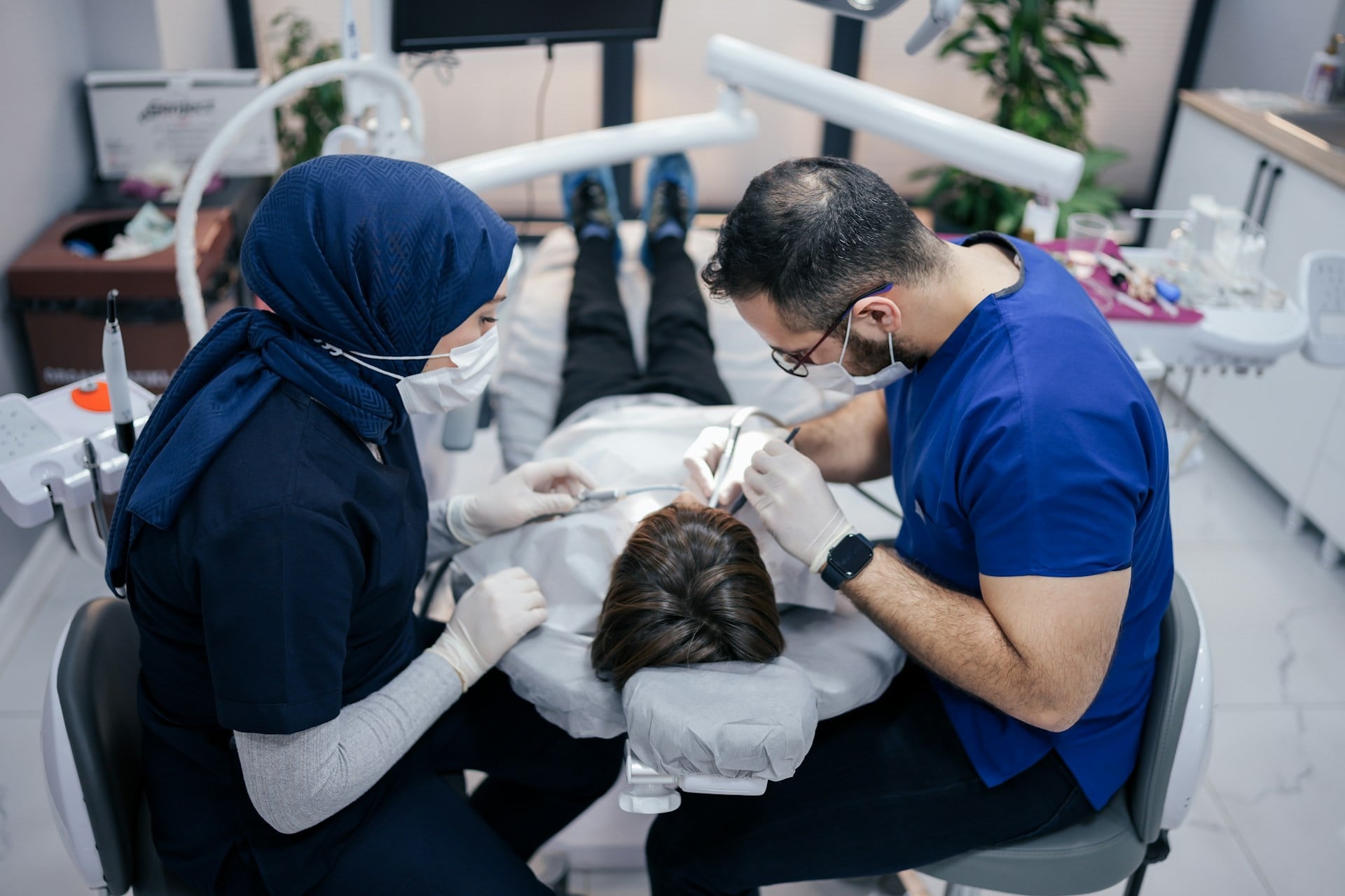
Oral and maxillofacial surgery encompasses various surgical procedures designed to address various dental, oral, and facial concerns. As a patient or someone considering such treatment, it’s crucial to clearly understand what to expect and how these specialized surgeries can improve your quality of life. At Sound Surgical Arts, we believe in educating our patients and providing the crucial information to make well-informed oral health decisions.
In this comprehensive FAQ article, we’ve compiled and answered the most common questions related to oral and maxillofacial surgery to help you better understand the various procedures and their potential benefits. Dive in to explore topics ranging from treatment options and surgical processes to recovery expectations and long-term outcomes, empowering you to navigate the world of oral and maxillofacial surgery confidently.
What Procedures Fall Under Oral and Maxillofacial Surgery?
Oral and maxillofacial surgery encompasses diverse surgical procedures that address issues affecting the oral cavity, maxillofacial area, and adjacent structures. Some common oral and maxillofacial procedures include:
1. Dental implants: The placement of artificial tooth roots made of titanium to replace missing teeth and restore function and aesthetics.
2. Wisdom tooth extraction: Removing impacted wisdom teeth to prevent or address issues such as pain, infection, and misalignment.
3. Corrective jaw surgery: The surgical correction of jaw deformities or alignment issues to enhance appearance, function, and overall oral health.
4. Facial trauma repair: The surgical repair of facial injuries following accidents such as fractures, lacerations, or soft tissue damage.
5. Cleft lip and palate repair: Correct congenital deformities, such as cleft lip and palate, to improve appearance, speech, and swallowing capabilities.
6. Bone grafts: The process of placing bone grafts to help regenerate jawbone lost due to infection or trauma, often necessary for successful dental implant placement.
7. Surgical removal of tumors and cysts in the oral cavity or jaw.
These specialized procedures require unique expertise and training, ensuring optimal results for patients with various dental and facial concerns.
Who Performs Oral and Maxillofacial Surgery?
Oral and maxillofacial surgeons are dental specialists who have completed extensive education and training in surgical procedures involving the oral cavity, jaw, and facial structures. In addition to completing dental school, oral and maxillofacial surgeons undergo an additional four to six years of surgical residency, often in collaboration with a hospital-based program. This specialized training ensures that oral and maxillofacial surgeons are well-equipped to address a wide range of complex dental and facial surgical issues.
How Should I Prepare for Oral and Maxillofacial Surgery?
Proper preparation is essential for ensuring the best outcome from oral and maxillofacial surgery. Your surgeon will provide detailed instructions specific to your procedure, which may include:
1. Discussing your medical history: Inform your surgeon of any existing medical conditions, medications, and allergies to ensure the appropriate considerations are made during surgery.
2. Fasting: Depending on the procedure and type of anesthesia used, you may be required to avoid eating or drinking for a specific period before surgery.
3. Arranging transportation: For most procedures, you’ll be unable to drive immediately following surgery due to the side effects of anesthesia. Ensure you have arranged transportation home.
4. Ceasing certain medications: Your surgeon may advise you to temporarily stop specific medications, such as blood thinners, before surgery to minimize the risk of complications.
5. Pre-operative dental cleanings: Depending on the procedure, your oral and maxillofacial surgeon may recommend a dental cleaning before surgery to promote a clean surgical environment.
Following the pre-operative guidelines provided by your surgeon is crucial to ensure a successful surgical outcome and minimize the risk of complications.
What is the Recovery Process Like for Oral and Maxillofacial Surgery?
Recovery time and post-operative care requirements vary depending on the specific oral and maxillofacial surgery performed. However, some general recovery tips include:
1. Rest and elevation: Giving your body ample time to heal following surgery is essential. Keep your head elevated to reduce swelling and promote faster healing.
2. Pain management: Follow your surgeon’s instructions regarding pain management, whether it involves over-the-counter pain relievers or prescribed medications.
3. Ice application: Applying ice to the surgical site can help alleviate swelling and discomfort following the procedure.
4. Maintaining oral hygiene: Keep your mouth clean by gently brushing and rinsing with warm salt water as your surgeon advises.
5. Monitoring for complications: If you experience severe pain, excessive bleeding, or signs of infection, contact your oral and maxillofacial surgeon right away.
6. Following a soft food diet: Consume soft foods and avoid spicy or acidic items that may irritate the surgical site during the healing process.
Your oral and maxillofacial surgeon will provide detailed post-operative instructions specific to your procedure, ensuring a safe and successful recovery.
How Will Oral and Maxillofacial Surgery Improve My Quality of Life?
Oral and maxillofacial surgery can significantly improve various aspects of your life, depending on the specific procedure performed. Some common benefits include:
1. Enhanced appearance: Procedures addressing facial deformities or jaw alignment issues can dramatically improve facial aesthetics.
2. Restored dental function: Dental implants, tooth extractions, and jaw correction can help restore proper biting and chewing function.
3. Relief from pain and discomfort: Addressing impacted wisdom teeth, cysts, or tumors through surgical intervention can alleviate chronic pain and discomfort.
4. Improved oral and overall health: Removing infected teeth or performing bone grafts can prevent the spread of infection and preserve existing oral structures.
5. Enhanced self-confidence: Many patients experience increased self-esteem and confidence after undergoing oral and maxillofacial surgery that addresses cosmetic or functional issues.
Your oral and maxillofacial surgeon will thoroughly explain the expected benefits of the specific procedure, ensuring that you have the necessary information to make well-informed decisions about your dental care.
Take Charge of Your Oral Health with Sound Surgical Arts
Oral and maxillofacial surgery offers life-changing solutions to various dental and facial concerns, improving both function and appearance. By understanding the procedures, the expertise required, preparation, recovery process, and potential benefits, you can feel secure and confident in pursuing these specialized treatments to enhance your quality of life.
Are you ready to embark on a transformative journey for your oral health and well-being? Contact Sound Surgical Arts to schedule a consultation with our highly skilled and compassionate team. We are dedicated to providing exceptional oral and maxillofacial surgery care, addressing your unique needs and goals, and ensuring the best possible results. Let Sound Surgical Arts be your trusted partner in achieving the smile you’ve always dreamed of and the confidence that comes with it.
Guiding You Through Bone Grafting: Enhancing Oral Health with Sound Surgical Arts
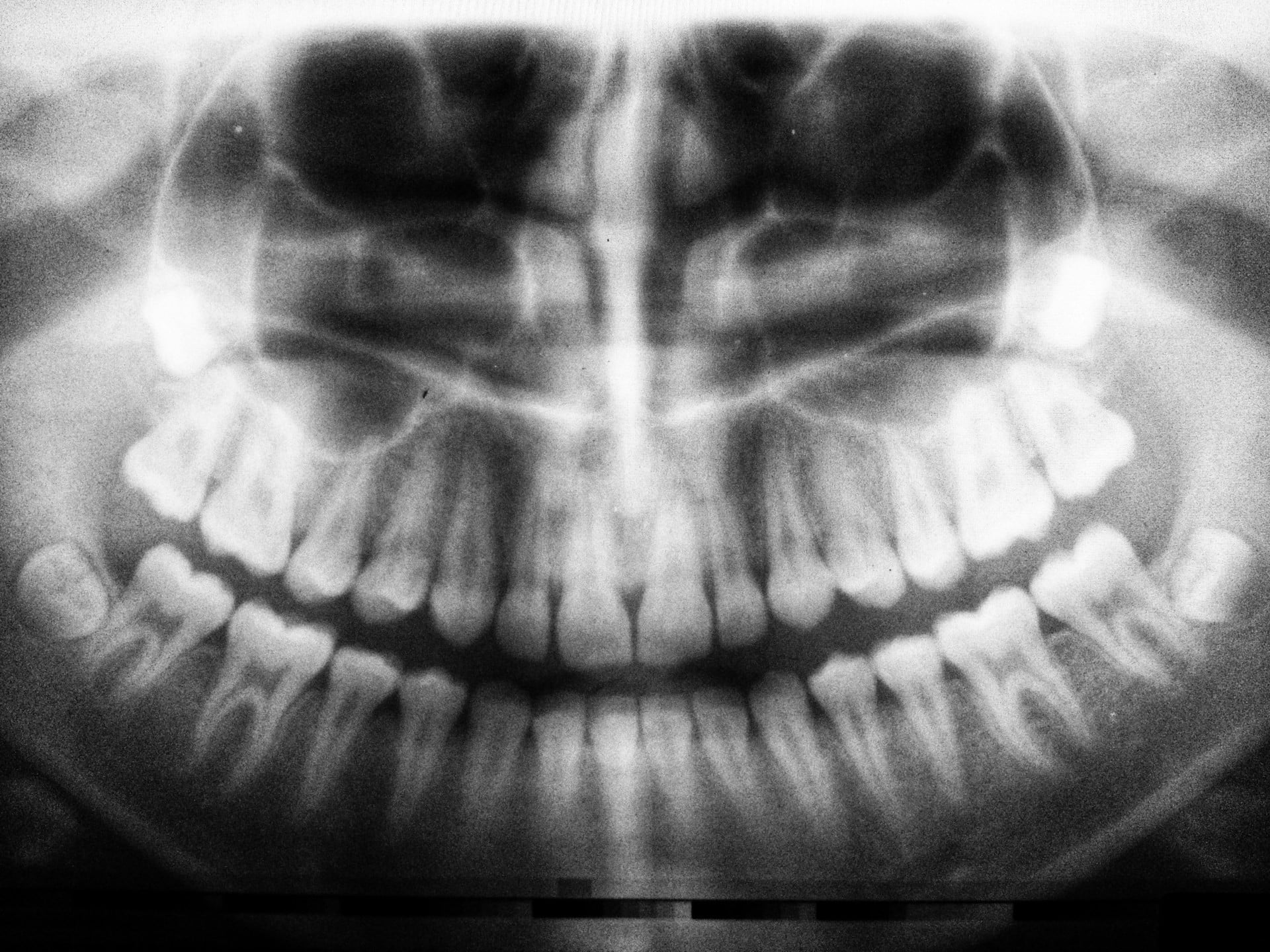
Bone grafting is a crucial dental procedure that restores and reinforces the jawbone structure, paving the way for successful dental implant placement and improved oral health. At Sound Surgical Arts in Tacoma, WA, our team of highly skilled dental professionals has been proficiently performing bone grafting procedures since 2011, ensuring the best possible outcomes for our valued patients.
Insufficient jawbone volume or density may compromise an individual’s ability to receive dental implants or contribute to facial structural abnormalities. This bone loss may occur due to various factors such as tooth extraction, gum disease, dental trauma, or congenital defects. In these cases, bone grafting is essential to restore bone structure and support dental implant surgeries or other reconstructive procedures.
In this comprehensive guide to bone grafting at Sound Surgical Arts, we will delve deeply into the different types of bone grafts, their applications, and the detailed procedure process. Additionally, we will discuss the critical role bone grafting plays in the long-term success of dental implants and overall oral health. Our mission is to thoroughly understand bone grafting while highlighting the expert care and superior services offered at our Tacoma, WA clinic. Join us in exploring bone grafting techniques, benefits, and applications, and discover how this transformative procedure can significantly enhance the quality of your oral health and improve your dental experience.
Bone Grafting Types and Their Applications
At Sound Surgical Arts, we offer various bone grafting procedures to cater to our patients’ diverse needs. Understanding the available options and their applications is an essential foundation for selecting the best bone grafting solution for each patient. The most common types of bone grafts include:
1. Autograft: An autograft is the gold standard for bone grafting procedures, as it involves utilizing the patient’s bone tissue, typically harvested from another body area. This approach has the additional benefit of containing living cells that promote healing and integration.
2. Allograft: Allografts involve using bone tissue sourced from a human donor. These grafts undergo rigorous processing and sterilization to ensure the highest level of safety and compatibility. Allografts are an attractive option when the patient’s own bone tissue is not suitable or available for harvesting.
3. Xenograft: Xenografts are derived from bone tissue of animal origin, typically from cows. These grafts undergo extensive processing to ensure compatibility and safety for human use. They serve as a scaffold to promote bone regeneration and are particularly suited for patients who may not have a sufficient amount of bone for an autograft or allograft.
4. Alloplastic Graft: Alloplastic grafts consist of biocompatible synthetic materials that mimic the properties of bone tissue. These grafts are commonly used for patients who do not want natural tissue grafts or in cases where donor bone tissue is not accessible.
The Bone Grafting Procedure at Sound Surgical Arts
Our experienced professionals at Sound Surgical Arts are dedicated to providing the highest level of care throughout the entire bone grafting process. The procedure typically involves the following stages:
1. Initial Consultation and Assessment: Our team will begin by thoroughly evaluating the patient’s oral health and bone condition, using digital imaging and other diagnostic tools to determine the need for bone grafting and the most appropriate treatment type.
2. Pre-Operative Preparation: Prior to the bone grafting procedure, our dental professionals will discuss the patient’s medical history, medications, and pre-operative instructions. In some cases, supplementary procedures, such as tooth extractions or periodontal treatment, may be necessary before grafting.
3. Bone Grafting Surgery: The bone grafting procedure involves the surgical placement of the chosen graft material into the targeted site, meticulously secured and contoured by our skilled professionals. Local anesthesia or sedation options will be administered to ensure patient comfort throughout the surgery.
4. Healing and Integration: Following the procedure, the patient will experience a healing period during which the graft material integrates with the existing bone structure and stimulates new bone growth. The healing timeline may vary depending on the type of graft utilized and the individual’s healing capacity.
5. Dental Implant Placement (if applicable): Once the bone graft has successfully integrated and the site has adequately healed, dental implant surgery can be pursued as planned.
The Role of Bone Grafting in Dental Implant Success
Bone grafting is indispensable in the overall success and longevity of dental implant treatment. Achieving an ideal level of bone density and volume is crucial to ensure the secure and stable integration of dental implants. Key benefits of bone grafting in relation to dental implants include:
1. Enhanced Support: Bone grafting provides the necessary support for dental implants, ensuring a secure foundation for long-term stability and functionality.
2. Improved Aesthetics: A well-integrated bone graft can enhance facial contours and improve overall aesthetics, contributing to a more attractive and natural-looking smile.
3. Reduced Complications: A sufficient bone structure can help minimize the risk of complications such as implant failure, infection, or bone resorption.
4. Longevity and Success: Proper bone grafting sets the stage for a successful dental implant experience, significantly contributing to the treatment’s overall longevity and satisfaction.
Conclusion
At Sound Surgical Arts in Tacoma, WA, our team of dental professionals is devoted to providing the highest quality care and expertise in bone grafting procedures. Whether you require this treatment to support your dental implant journey or to address other oral health concerns, our skilled team is equipped to guide you through every step. Trust our extensive experience and commitment to excellence as we help you achieve the strong and healthy smile you deserve. Contact us today to schedule a consultation and begin your journey towards improved oral health and a brighter future.
Dental Implants at Sound Surgical Arts: Restoring Confidence in Your Smile
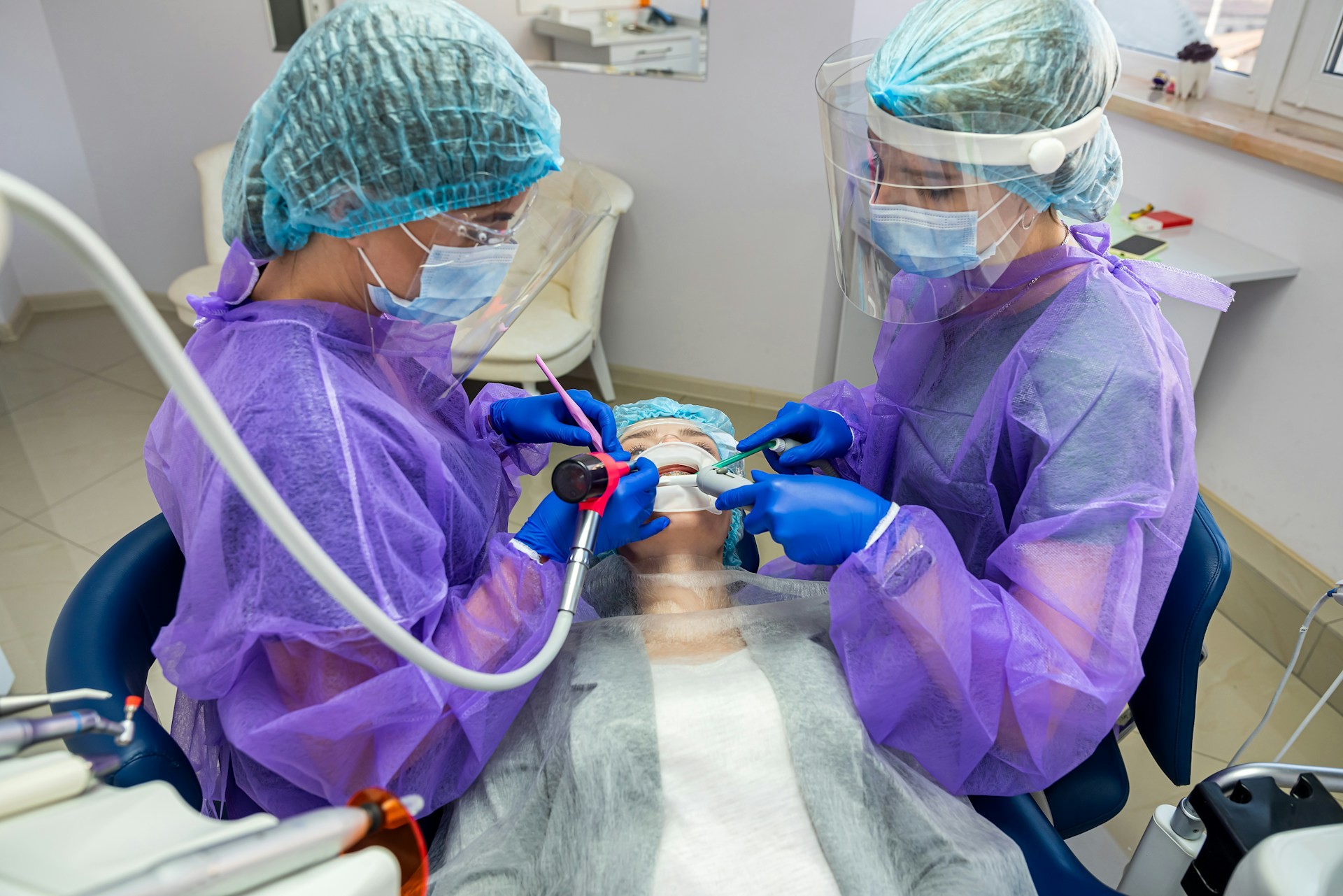
Missing teeth can take a toll on your confidence and overall oral health, affecting your ability to enjoy everyday activities like eating, speaking, and smiling. Fortunately, advancements in dentistry have led to reliable solutions for tooth replacement. Sound Surgical Arts, located in Tacoma, WA, is proud to offer dental implants as an effective long-term solution for missing teeth. Our top dentists have been catering to various dental needs, including dental implants, wisdom tooth extraction, bone and gum grafting, and reconstructive surgery since 2011. Our dedication to providing educational, informative, and helpful content related to our services ensures you are well informed about the treatment options available at our state-of-the-art dental facility.
In this article, we will explore the world of dental implants, focusing on their benefits, the procedure details, and the outstanding care our dental professionals offer throughout the entire treatment process. Dental implants are among the most innovative tooth replacement options available today, providing a stable and reliable solution that closely mimics the appearance and functionality of natural teeth. Comprised of a titanium post that serves as the tooth root, dental implants are surgically placed into the jawbone, supporting a custom dental crown or bridge for natural-looking smile restoration.
Join us as we unveil the key details about dental implants offered at Sound Surgical Arts, including their numerous advantages and the exceptional care our dental professionals provide. By the end of this article, you will have a thorough understanding of dental implants as a treatment option and feel confident in the expertise of our dental experts as you consider this transformative solution for your tooth replacement needs.
Understanding the Benefits of Dental Implants
Dental implants boast various benefits compared to other tooth replacement options like dentures or dental bridges. Some key advantages include:
1. Enhanced Functionality: Dental implants provide a secure and stable foundation for your replacement teeth, allowing you to eat, speak, and laugh without worrying about slippage or discomfort.
2. Improved Aesthetics: Our dental professionals customize dental crowns to seamlessly blend with the shape, size, and color of your natural teeth, creating a beautiful and natural-looking smile.
3. Jawbone Preservation: The titanium implant post fuses with the surrounding bone through osseointegration. This promotes jawbone preservation, preventing bone loss commonly associated with missing teeth.
4. Longevity: With proper oral hygiene and regular dental check-ups, dental implants can last over 25 years and potentially a lifetime, making them an excellent long-term investment in oral health and appearance.
The Dental Implant Procedure at Sound Surgical Arts
With utmost precision and care, our dental experts at Sound Surgical Arts will guide you through the dental implant process, which typically involves the following steps:
1. Initial Consultation and Assessment: Our dentists will evaluate your oral health, examine your jawbone density, and discuss your preferences, expectations, and medical history. We may use advanced imaging techniques like 3D scans to develop a customized treatment plan tailored to your needs.
2. Implant Placement: Our dentists will place the titanium implant post into the jawbone during the surgical procedure to serve as an artificial tooth root. The implant site will be meticulously sutured for optimal healing.
3. Osseointegration and Healing: After implant placement, a period of 3-6 months may be required for your jawbone to fuse with the implant. This process ensures a stable foundation for your dental crown or bridge.
4. Abutment and Crown Placement: Once osseointegration is complete, an abutment will be attached to the implant, serving as a connector between the implant and the dental crown. Impressions of your teeth will be taken to create your customized crown, which will be secured to the abutment for a seamless restoration of your smile.
Aftercare for Dental Implants
Maintaining your dental implants is crucial for their long-term success. Our team at Sound Surgical Arts will provide you with detailed aftercare instructions, including:
1. Oral Hygiene: Brush and floss daily, carefully cleaning the area around the implant to prevent plaque buildup and gum disease.
2. Regular Dental Check-Ups: Schedule routine check-ups and professional cleanings at Sound Surgical Arts to ensure the longevity of your dental implants and overall oral health.
3. Avoid Smoking and Excessive Alcohol Consumption: Both smoking and excessive alcohol consumption can hinder the healing process and compromise the success of dental implants.
4. Practice Caution: Avoid using your dental implants to open packages or bite on hard objects as they may damage or loosen the dental crown.
Candidacy for Dental Implants
Most adults with missing teeth are considered suitable candidates for dental implants. Nonetheless, certain factors may impact an individual’s eligibility, such as:
1. Sufficient Jawbone Density: Adequate jawbone density is crucial for implant stability and success. Patients with insufficient bone may require bone grafting before undergoing dental implant placement.
2. Good Oral Health: Patients with active gum disease or untreated tooth decay may need to address these issues before pursuing dental implant treatment to maximize the chances of a successful outcome.
3. Medical History: Patients with certain systemic illnesses, such as diabetes or autoimmune disorders, may have a higher risk of complications or implant failure. Consulting with our dental professionals is essential to determine the best course of action.
Conclusion
Your journey toward a restored, radiant smile begins with understanding the dental implant process and choosing a team of dental professionals dedicated to providing exceptional care. At Sound Surgical Arts in Tacoma, WA, our top dentists will walk you through every step of the dental implant procedure, ensuring you receive unparalleled treatment and support. Don’t let missing teeth dampen your confidence any longer. Contact us today to schedule a consultation and learn how dental implants at Sound Surgical Arts can transform your smile, restore your self-assurance, and improve your overall oral health.