
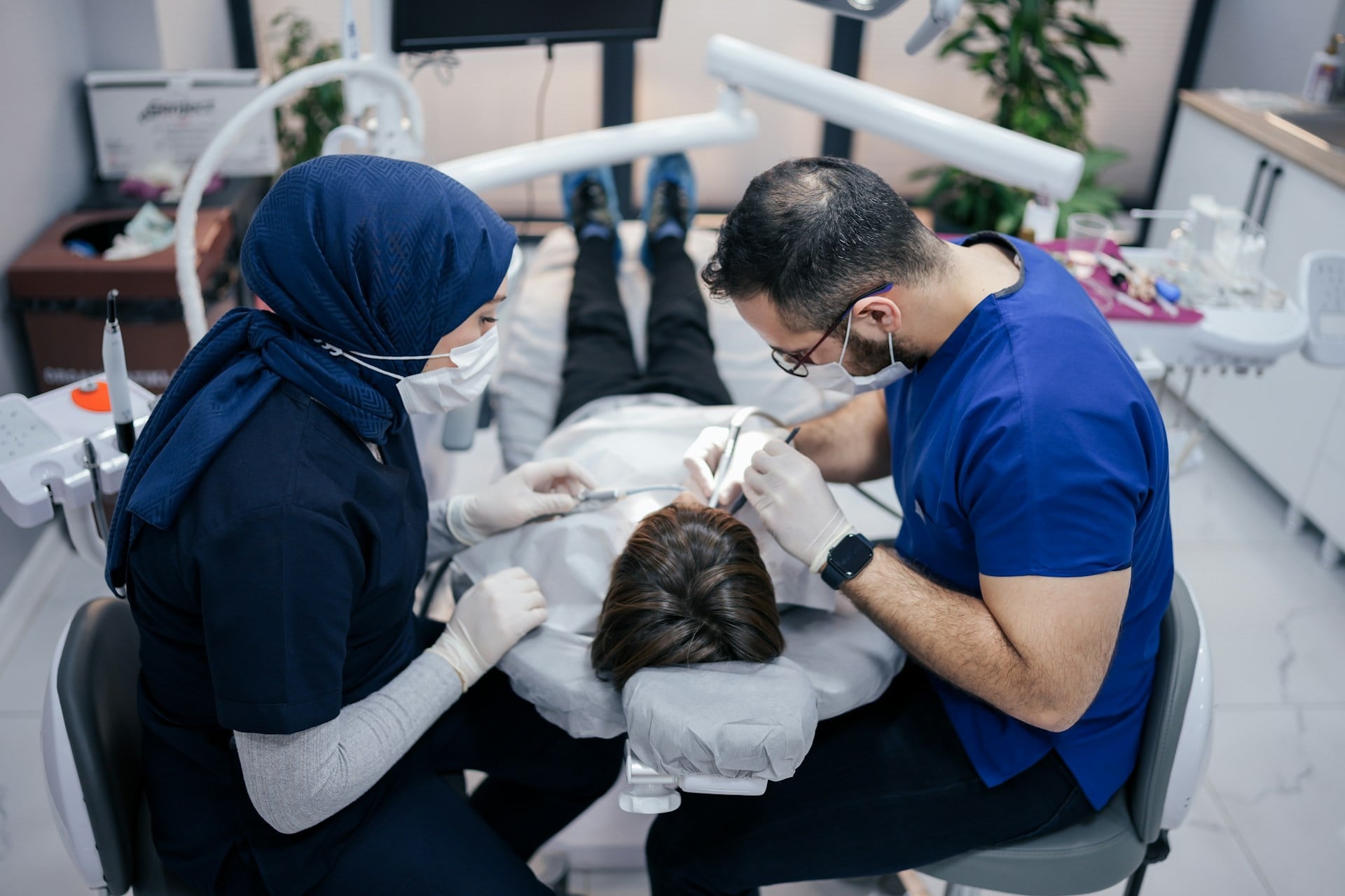
Oral and maxillofacial surgery encompasses various surgical procedures designed to address various dental, oral, and facial concerns. As a patient or someone considering such treatment, it’s crucial to clearly understand what to expect and how these specialized surgeries can improve your quality of life. At Sound Surgical Arts, we believe in educating our patients and providing the crucial information to make well-informed oral health decisions.
In this comprehensive FAQ article, we’ve compiled and answered the most common questions related to oral and maxillofacial surgery to help you better understand the various procedures and their potential benefits. Dive in to explore topics ranging from treatment options and surgical processes to recovery expectations and long-term outcomes, empowering you to navigate the world of oral and maxillofacial surgery confidently.
What Procedures Fall Under Oral and Maxillofacial Surgery?
Oral and maxillofacial surgery encompasses diverse surgical procedures that address issues affecting the oral cavity, maxillofacial area, and adjacent structures. Some common oral and maxillofacial procedures include:
1. Dental implants: The placement of artificial tooth roots made of titanium to replace missing teeth and restore function and aesthetics.
2. Wisdom tooth extraction: Removing impacted wisdom teeth to prevent or address issues such as pain, infection, and misalignment.
3. Corrective jaw surgery: The surgical correction of jaw deformities or alignment issues to enhance appearance, function, and overall oral health.
4. Facial trauma repair: The surgical repair of facial injuries following accidents such as fractures, lacerations, or soft tissue damage.
5. Cleft lip and palate repair: Correct congenital deformities, such as cleft lip and palate, to improve appearance, speech, and swallowing capabilities.
6. Bone grafts: The process of placing bone grafts to help regenerate jawbone lost due to infection or trauma, often necessary for successful dental implant placement.
7. Surgical removal of tumors and cysts in the oral cavity or jaw.
These specialized procedures require unique expertise and training, ensuring optimal results for patients with various dental and facial concerns.
Who Performs Oral and Maxillofacial Surgery?
Oral and maxillofacial surgeons are dental specialists who have completed extensive education and training in surgical procedures involving the oral cavity, jaw, and facial structures. In addition to completing dental school, oral and maxillofacial surgeons undergo an additional four to six years of surgical residency, often in collaboration with a hospital-based program. This specialized training ensures that oral and maxillofacial surgeons are well-equipped to address a wide range of complex dental and facial surgical issues.
How Should I Prepare for Oral and Maxillofacial Surgery?
Proper preparation is essential for ensuring the best outcome from oral and maxillofacial surgery. Your surgeon will provide detailed instructions specific to your procedure, which may include:
1. Discussing your medical history: Inform your surgeon of any existing medical conditions, medications, and allergies to ensure the appropriate considerations are made during surgery.
2. Fasting: Depending on the procedure and type of anesthesia used, you may be required to avoid eating or drinking for a specific period before surgery.
3. Arranging transportation: For most procedures, you’ll be unable to drive immediately following surgery due to the side effects of anesthesia. Ensure you have arranged transportation home.
4. Ceasing certain medications: Your surgeon may advise you to temporarily stop specific medications, such as blood thinners, before surgery to minimize the risk of complications.
5. Pre-operative dental cleanings: Depending on the procedure, your oral and maxillofacial surgeon may recommend a dental cleaning before surgery to promote a clean surgical environment.
Following the pre-operative guidelines provided by your surgeon is crucial to ensure a successful surgical outcome and minimize the risk of complications.
What is the Recovery Process Like for Oral and Maxillofacial Surgery?
Recovery time and post-operative care requirements vary depending on the specific oral and maxillofacial surgery performed. However, some general recovery tips include:
1. Rest and elevation: Giving your body ample time to heal following surgery is essential. Keep your head elevated to reduce swelling and promote faster healing.
2. Pain management: Follow your surgeon’s instructions regarding pain management, whether it involves over-the-counter pain relievers or prescribed medications.
3. Ice application: Applying ice to the surgical site can help alleviate swelling and discomfort following the procedure.
4. Maintaining oral hygiene: Keep your mouth clean by gently brushing and rinsing with warm salt water as your surgeon advises.
5. Monitoring for complications: If you experience severe pain, excessive bleeding, or signs of infection, contact your oral and maxillofacial surgeon right away.
6. Following a soft food diet: Consume soft foods and avoid spicy or acidic items that may irritate the surgical site during the healing process.
Your oral and maxillofacial surgeon will provide detailed post-operative instructions specific to your procedure, ensuring a safe and successful recovery.
How Will Oral and Maxillofacial Surgery Improve My Quality of Life?
Oral and maxillofacial surgery can significantly improve various aspects of your life, depending on the specific procedure performed. Some common benefits include:
1. Enhanced appearance: Procedures addressing facial deformities or jaw alignment issues can dramatically improve facial aesthetics.
2. Restored dental function: Dental implants, tooth extractions, and jaw correction can help restore proper biting and chewing function.
3. Relief from pain and discomfort: Addressing impacted wisdom teeth, cysts, or tumors through surgical intervention can alleviate chronic pain and discomfort.
4. Improved oral and overall health: Removing infected teeth or performing bone grafts can prevent the spread of infection and preserve existing oral structures.
5. Enhanced self-confidence: Many patients experience increased self-esteem and confidence after undergoing oral and maxillofacial surgery that addresses cosmetic or functional issues.
Your oral and maxillofacial surgeon will thoroughly explain the expected benefits of the specific procedure, ensuring that you have the necessary information to make well-informed decisions about your dental care.
Take Charge of Your Oral Health with Sound Surgical Arts
Oral and maxillofacial surgery offers life-changing solutions to various dental and facial concerns, improving both function and appearance. By understanding the procedures, the expertise required, preparation, recovery process, and potential benefits, you can feel secure and confident in pursuing these specialized treatments to enhance your quality of life.
Are you ready to embark on a transformative journey for your oral health and well-being? Contact Sound Surgical Arts to schedule a consultation with our highly skilled and compassionate team. We are dedicated to providing exceptional oral and maxillofacial surgery care, addressing your unique needs and goals, and ensuring the best possible results. Let Sound Surgical Arts be your trusted partner in achieving the smile you’ve always dreamed of and the confidence that comes with it.