
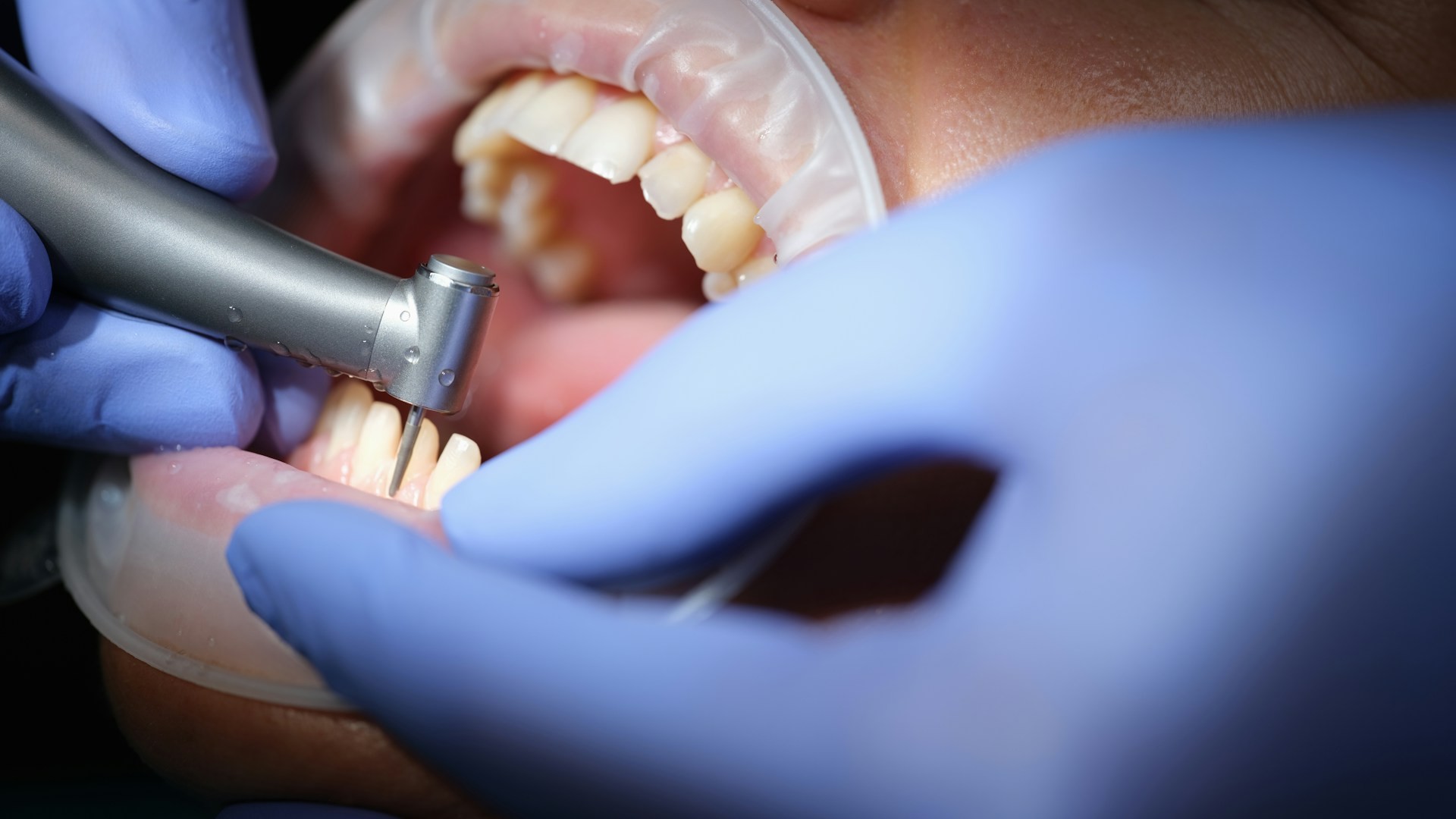
Gum recession is a common dental issue that occurs when the gum tissue surrounding your teeth begins to wear away or pull back, leaving more of the tooth and its root exposed. This condition can be caused by factors such as poor oral hygiene, aggressive brushing, periodontal disease, or even simple genetics. Left untreated, gum recession can result in sensitivity, root decay, and ultimately, tooth loss. Fortunately, gum grafting is an effective solution to restore lost gum tissue and protect your teeth and smile. At Sound Surgical Arts in Gig Harbor, Washington, our team of experienced dental professionals specializes in gum grafting procedures, helping patients achieve optimal oral health and confidence in their smiles.
With a commitment to personalized care and meticulous attention to detail, the team at Sound Surgical Arts stands ready to address your oral health concerns and provide expert gum grafting services tailored to your needs.
The Causes and Consequences of Gum Recession
Gum recession occurs when the gum tissue pulls away from the tooth, leaving the root exposed and vulnerable. Multiple factors can contribute to gum recession, including:
1. Periodontal disease: Gum infection caused by harmful bacteria can destroy gum tissue and the supporting bone, leading to gum recession.
2. Genetics: Certain individuals may be predisposed to gum recession due to hereditary factors, regardless of excellent oral care habits.
3. Overly aggressive brushing: Brushing your teeth too hard or with a stiff-bristled toothbrush can cause gum tissue to wear away.
4. Poor oral hygiene: Inadequate dental care, such as infrequent brushing and flossing, can result in plaque buildup and contribute to gum recession.
5. Hormonal changes: Fluctuations in hormones, such as during pregnancy or menopause, can make gum tissue more susceptible to recession.
6. Teeth grinding or clenching: Excessive pressure on teeth from grinding or clenching can lead to gum tissue receding over time.
Untreated gum recession can result in tooth sensitivity, root decay, and tooth loss. Thus, it is crucial to address the issue through procedures like gum grafting.
Signs That Gum Grafting May Be Necessary
If you are experiencing any of the following signs or symptoms, gum grafting may be an appropriate solution:
1. Tooth sensitivity: Exposed tooth roots can make your teeth more sensitive to hot, cold, or sweet foods and beverages.
2. Longer teeth: As the gums pull away from the teeth, they may appear longer than usual.
3. Red or swollen gums: Persistent redness and swelling at the gumline could be indicative of gum recession.
4. Loose teeth: Advanced gum recession can weaken the tissue and bone support, leading to loose teeth.
Consult your dentist if you notice any of these signs to determine whether gum grafting is the right choice for you.
Types of Gum Grafting Procedures Available
There are several gum grafting techniques, each designed to address specific types of gum recession. The most common procedures include:
1. Connective tissue grafts: A commonly used technique where a flap is cut on the roof of the mouth, and tissue from underneath that flap is removed and stitched to the receding gum area.
2. Free gingival grafts: This procedure involves removing a strip of tissue from the roof of the mouth and attaching it directly to the affected gum area. This technique is typically used for patients with thin gums.
3. Pedicle grafts: This method involves creating a flap or “pedicle” from the existing gum tissue adjacent to the receding area, which is then pulled down and sutured in place to cover the exposed root.
4. Allografts: Here, donor tissue is used instead of tissue from the patient’s mouth, which eliminates the need for a second surgical site and reduces overall discomfort.
Your dentist will recommend the most suitable grafting method based on your oral health and specific needs.
The Gum Grafting Process: What to Expect During the Surgery
While the specific steps involved in gum grafting vary depending on the chosen technique, some general aspects of the procedure are common in all cases:
1. Local anesthesia: To ensure your comfort during the grafting process, your dentist will numb the surgical area with local anesthesia.
2. Harvesting the graft (if applicable): For connective tissue, free gingival, and pedicle grafts, tissue will be removed from the donor site – either from another part of the patient’s mouth or a donor, depending on the technique chosen.
3. Graft placement: The graft material is carefully placed over the exposed tooth root and precisely secured with sutures.
4. Healing and recovery: A protective dressing or bandage may be applied to protect the graft and promote healing. Healing typically takes a few weeks as the graft integrates with your existing gum tissue.
Tips for Post-Operative Care and Recovery
Following your gum grafting procedure, it’s essential to care for your mouth properly to ensure a successful recovery:
1. Follow post-operative instructions: Adhere to your dentist’s instructions on pain management, medication, and oral hygiene practices.
2. Eat soft foods: Stick to a soft-food diet for a few days to a week after surgery to avoid irritating the surgical area.
3. Avoid smoking and alcohol: Refrain from smoking and limit alcohol consumption, as these habits may impede the healing process.
4. Be gentle with oral care: Brush and floss carefully around the graft site until it has fully healed.
Frequently Asked Questions About Gum Grafting
1. How long is the recovery period for gum grafting?
Recovery times may vary depending on the individual and the grafting technique utilized. On average, expect the initial healing to take two to three weeks, with complete recovery in about four to six weeks.
2. Is gum grafting painful?
Local anesthesia is administered during the procedure, ensuring a pain-free experience. After surgery, discomfort can be managed through prescribed pain medications and post-operative care.
3. Will the results of gum grafting last?
With proper oral hygiene and regular dental check-ups, the results of gum grafting can last for many years and even a lifetime.
Conclusion
Gum grafting is a reliable and effective treatment for gum recession, ensuring the health and stability of your teeth while enhancing your smile. At Sound Surgical Arts in Gig Harbor, WA, our dedicated team of dental professionals offers personalized care and expertise to address your oral health concerns. Schedule a consultation with us to discuss gum grafting and other dental services to achieve the healthy, beautiful smile you deserve.