
Sound Surgical Arts
Pediatric Dentistry: Top Tips for Establishing Good Oral Health Habits in Children
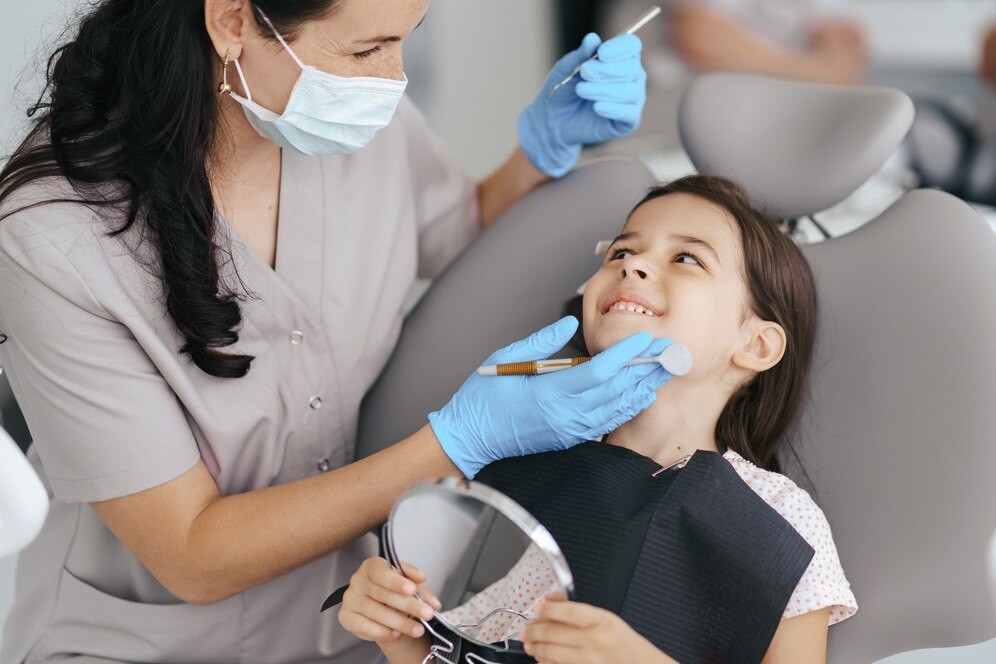
Pediatric dentistry plays a pivotal role in establishing the foundation for a lifetime of healthy oral habits in children. It is essential to introduce children to proper oral hygiene practices and regular dental checkups from an early age to ensure the development of strong, healthy teeth and gums. At Sound Surgical Arts in Tacoma, WA, our dental professionals are dedicated to creating a positive and comfortable dental experience for children and their families, fostering the foundation for lasting oral health and radiant smiles.
In this informative blog post, we will discuss the importance of pediatric dentistry, offer practical tips and guidance for parents to help establish good oral health habits in their children, and highlight the benefits of early and consistent dental care. By understanding the value of pediatric dentistry, families in Tacoma, WA can work together to create lasting oral health habits, setting their children up for success in both dental and overall wellness.
Good oral health is a critical component of overall well-being, and establishing a solid foundation through pediatric dentistry can have lasting effects throughout a child’s life. Sound Surgical Arts is committed to providing exceptional dental care to patients of all ages and working closely with families to support and educate them on the best oral health practices. By focusing on the unique needs of children and promoting the significance of pediatric dentistry, we strive to create a supportive dental environment that nurtures healthy, vibrant smiles for generations to come.
1. Importance of Early Dental Care
Introducing children to dental care at a young age is crucial for several reasons. Early commencement of dental care promotes healthy oral habits and helps prevent potential oral health issues. Some key reasons for beginning dental care early include:
- Building Trust and Comfort: By exposing children to dental visits from a young age, they become familiar with the environment and can develop trust in their dental professionals, reducing anxiety or fear associated with dental appointments.
- Monitoring Oral Development: Regular dental checkups allow dentists to monitor the growth and development of a child’s teeth and jaw, ensuring any abnormalities or potential issues are addressed early on.
- Preventing Tooth Decay: Early dental care emphasizes the importance of regular cleanings and good oral hygiene, reducing the risk of tooth decay and cavities in both baby teeth and permanent teeth.
- Creating Healthy Oral Habits: By instilling the value of oral care from a young age, children are more likely to adopt and maintain good oral health habits throughout their lives.
Early dental care plays a pivotal role in shaping a child’s attitude towards oral health and caring for their teeth and gums.
2. Tips for Establishing Good Oral Health Habits in Children
Parents play a vital role in establishing and fostering good oral health habits in their children. By following the tips provided below, you can help support the development of lifelong oral hygiene practices:
- Lead by Example: Children often learn by observing their parents. Be sure to model proper oral hygiene practices, such as brushing and flossing regularly, so that your child can see the importance of taking care of their teeth.
- Choose the Right Tools: Using age-appropriate toothbrushes, toothpaste, and flossing tools can make a significant difference in a child’s ability to properly care for their teeth. Look for products designed specifically for children that feature soft bristles, small brush heads, and fluoride toothpaste.
- Make Oral Hygiene Fun: Encourage enthusiasm about dental care by making oral hygiene engaging and enjoyable. Consider using a colorful toothbrush, flavored toothpaste, or a themed toothbrushing timer to pique your child’s interest and help them look forward to taking care of their teeth.
- Incorporate Dental Education: Utilize dental-themed books, videos, games, or apps to teach your child about the importance of oral health and provide a comprehensive understanding of proper oral hygiene practices.
By actively supporting your child’s dental care and making it a regular, enjoyable part of their daily routine, you can foster a lifelong commitment to maintaining healthy teeth and gums.
3. Common Pediatric Dental Concerns and How to Prevent Them
Some common pediatric dental issues can be effectively prevented or minimized through proper oral care and regular dental checkups. Some of these dental concerns include:
- Tooth Decay: Regularly brushing and flossing, combined with a balanced diet low in sugars and acids, can significantly reduce the risk of tooth decay in children.
- Gum Disease: Ensuring that children properly clean their teeth and gums, as well as maintaining regular dental checkups, can help prevent gum disease. Early detection of gum disease allows for prompt treatment and minimizes damage to both teeth and gum tissue.
- Thumb Sucking and Pacifier Use: Encouraging children to discontinue these habits in a timely manner can prevent potential issues with teeth alignment, bite, and jaw development.
Partnering with your child’s dentist to address these common dental concerns can help protect their oral health and prevent long-term issues.
4. Pediatric Dental Services at Sound Surgical Arts
At Sound Surgical Arts, we are dedicated to providing comprehensive pediatric dental care to support the oral health needs of your children. Our range of services includes:
- Regular Dental Checkups and Cleanings: Routine dental examinations and cleanings play a crucial role in maintaining healthy teeth and gums while also allowing for early detection and intervention of potential dental issues.
- Education on Oral Hygiene: Our dental professionals take the time to educate children and their families on proper oral hygiene practices, supporting the development of lifelong dental habits.
- Preventive and Restorative Dental Treatments: In addition to regular checkups, we provide a variety of preventive and restorative treatments, such as dental sealants and tooth-colored fillings, to maintain the health and appearance of your child’s teeth.
Embrace Pediatric Dentistry with Sound Surgical Arts
Pediatric dentistry is a vital aspect of establishing and maintaining good oral health habits in children. With the support of Sound Surgical Arts in Tacoma, WA, you can lay the foundation for a lifetime of healthy, beautiful smiles for your entire family.
If you seek comprehensive, compassionate dental care for your children, schedule an appointment with Sound Surgical Arts today. Our team is committed to helping your child achieve and maintain exceptional oral health and a radiant smile for years to come.
Understanding and Overcoming Dental Anxiety: Tips for a Stress-free Dental Experience

Dental anxiety is a common issue, affecting individuals of all ages and backgrounds. Many people feel anxious or fearful at the thought of visiting the dentist, often resulting in the postponement or avoidance of necessary dental care. Neglecting regular dental checkups and treatments can have long-lasting ramifications on oral health, leading to complex dental issues that can be more challenging and costly to resolve.
At Sound Surgical Arts in Tacoma, WA, we understand the importance of addressing dental anxiety to ensure our patients prioritize their oral health and receive the dental care they need. In this informative blog post, we will explore the underlying causes of dental anxiety, discuss its potential consequences, and provide practical tips and strategies for overcoming these feelings, resulting in more manageable and stress-free dental experiences.
Dental anxiety can manifest in various ways, ranging from mild unease to debilitating fear, and can be triggered by a variety of factors on an individual basis. By understanding the underlying causes of dental anxiety and implementing effective strategies for managing these feelings, patients can take control of their dental health and improve their dental experiences. Sound Surgical Arts is committed to supporting patients in Tacoma, WA in their journey toward more comfortable and anxiety-free dental care.
1. Causes of Dental Anxiety
Dental anxiety can stem from a variety of causes, making it essential to understand these triggers in order to effectively manage anxiety and improve dental experiences. Some common reasons people experience dental anxiety include:
- Fear of Pain: Many individuals associate dental procedures with pain, especially if they have had negative experiences during previous dental treatments. Advancements in dental technology and anesthesia, however, have made dental procedures much more comfortable in recent years.
- Loss of Control: Lying in the dental chair with limited ability to communicate or move can lead to feelings of vulnerability or loss of control, contributing to dental anxiety.
- Embarrassment or Self-Consciousness: Some patients may feel embarrassed about their dental appearance or worried about being judged by their dentist due to poor oral hygiene.
- Negative Past Experiences: A previous unfavorable dental visit can create lasting dental anxiety and make it difficult for patients to schedule future appointments.
Developing an understanding of the underlying triggers of dental anxiety is the first step toward overcoming this barrier to dental care and achieving more positive dental experiences.
2. Consequences of Dental Anxiety
Left unchecked, dental anxiety can lead to severe consequences for an individual’s oral health and overall well-being. Some potential ramifications of avoiding dental care due to anxiety include:
- Delayed Diagnosis and Treatment: Skipping regular dental checkups and cleanings makes it challenging for dentists to identify and address oral health issues early. Consequently, this can lead to the need for more invasive and costly treatments down the line.
- Tooth Decay and Gum Disease: The absence of professional dental cleanings can contribute to the progression of tooth decay and gum disease, increasing the risk of tooth loss or other oral health complications.
- Systemic Health Issues: Poor oral health has been linked to various systemic health conditions, such as cardiovascular disease, diabetes, and respiratory infections. Therefore, neglecting dental care due to anxiety can have far-reaching implications for overall health.
Recognizing the potential consequences of dental anxiety is crucial in motivating patients to seek professional dental care and prioritize their oral health.
3. Tips for Overcoming Dental Anxiety
Overcoming dental anxiety may require time and persistence, as well as a supportive dental team. The following tips can help individuals manage their dental anxiety and create more comfortable dental experiences:
- Discuss Your Concerns: Openly communicate your fears and concerns with your dental team at Sound Surgical Arts. They can help address your fears, tailor your treatment approach, and provide additional support during your appointment.
- Establish a Signal: Work with your dentist to establish a non-verbal signal, such as raising your hand, to indicate that you need a break during your treatment. This strategy can provide a sense of control and help ease anxiety.
- Practice Relaxation Techniques: Utilize deep breathing exercises or progressive muscle relaxation techniques to help calm your nerves before and during your dental appointment.
- Distract Yourself: Bring a pair of headphones to your appointment to listen to music, an audiobook, or a podcast in order to distract yourself from any anxiety-inducing sights or sounds.
- Consider Sedation Dentistry: For patients with heightened dental anxiety, discuss sedation dentistry options with your dental professional at Sound Surgical Arts. Sedation techniques can help alleviate anxiety and provide a more relaxed dental experience.
By implementing these strategies, patients can take charge of their dental anxiety, create positive dental experiences, and prioritize their oral health.
4. Supportive Dental Care at Sound Surgical Arts
At Sound Surgical Arts in Tacoma, WA, we understand the importance of providing a supportive and comfortable dental environment to help patients manage their dental anxiety. We are committed to fostering positive dental experiences through:
- Compassionate and Patient-Centered Care: Our team of dental professionals takes the time to listen to your concerns, answer your questions, and tailor an individualized treatment plan that suits your comfort levels.
- Advanced Dental Technology: We incorporate state-of-the-art dental technology and techniques to ensure our patients receive the highest quality of dental care while minimizing potential discomfort.
- Sedation Dentistry Options: For patients with heightened dental anxiety, we offer various sedation dentistry options to help create relaxed and pleasant dental experiences.
By prioritizing patient comfort and support, Sound Surgical Arts strives to ease dental anxiety and encourage patients to maintain regular dental visits, ensuring optimal oral health.
Overcoming Dental Anxiety with Sound Surgical Arts
Dental anxiety is a prevalent issue that can significantly impact an individual’s oral health and overall well-being when left unaddressed. Sound Surgical Arts in Tacoma, WA is dedicated to helping patients understand and overcome dental anxiety through supportive care, education, and effective dental anxiety management strategies.
If you struggle with dental anxiety and are looking for a dental team committed to creating comfortable, positive experiences, schedule an appointment with Sound Surgical Arts. We are here to support you on your journey toward a healthier, anxiety-free smile.
Overcoming Dental Anxiety: Proven Tips for a Fear-Free Dental Experience

Dental anxiety is a common issue that affects many individuals, preventing them from seeking the essential dental care they require and impacting their oral health. At Sound Surgical Arts, we understand the challenges that dental anxiety can present, and our compassionate team is dedicated to providing a comfortable and supportive environment for all our patients.
In this article, we’ll discuss dental anxiety and offer practical tips on how to overcome this fear, enabling you to confidently pursue dental treatment and achieve optimal oral health. By learning effective coping strategies and understanding the professional support available to you, it’s possible to work through and conquer dental anxiety.
Read on to discover how you can embark on a journey towards a fear-free dental experience and a healthier, happier smile.
Understand the Root Cause of Your Dental Anxiety
To effectively combat dental anxiety, it’s essential first to identify its root cause. Common sources of dental anxiety may include:
- Fear of pain: Many people associate dental treatments with pain, often due to past negative experiences or stories from others.
- Fear of needles and injections: Anxieties related to needles and the administration of anesthesia can contribute to dental anxiety.
- Loss of control: Lying in the dental chair and putting trust in the hands of the dentist can evoke feelings of helplessness and vulnerability.
- Embarrassment: Some individuals may feel self-conscious about the state of their teeth, leading to discomfort in seeking dental care.
- Negative past experiences: A previous unpleasant or painful experience at the dentist’s office can significantly contribute to dental anxiety.
By pinpointing the cause of your anxiety, you can tailor your coping strategies accordingly and better communicate your concerns to your dental team.
Communication is Key: Share Your Anxiety with Your Dental Team
One of the most crucial steps in overcoming dental anxiety is effectively communicating your fears with your dental care providers. Dentists and oral surgeons experienced in treating patients with dental anxiety can employ various techniques and accommodations to ensure your comfort throughout the treatment process. Be clear and honest with your dentist about your concerns, allowing them to understand your situation and develop an individualized approach to your care.
Practice Relaxation Techniques
Relaxation techniques can help manage and reduce anxiety levels during dental appointments. Some proven techniques include:
- Deep breathing exercises: Try inhaling slowly for a count of four, holding the breath for a count of seven, and exhaling for a count of eight. The deliberate focus on your breathing can help decrease anxiety and promote relaxation.
- Progressive muscle relaxation: Start by tensing a particular muscle group for a few seconds and then relaxing it, systematically working through different muscle groups in your body.
- Visual imagery: Picture yourself in a calming, serene environment to help distract you from any anxiety-inducing aspects of dental care.
- Meditation or mindfulness: Focusing on the present moment can help to reduce anxiety and stress.
Experiment with various techniques to find what works best for you and practice them before and during dental appointments.
Consider Sedation Dentistry Options
Sedation dentistry encompasses various methods of administering sedative drugs to help patients feel more relaxed and comfortable during dental procedures. Depending on your level of anxiety and the specifics of your dental treatment, your dentist may recommend one of the following sedation options:
- Minimal sedation: Inhaled nitrous oxide (laughing gas) mixed with oxygen helps patients to feel relaxed but fully conscious during the procedure.
- Oral sedation: Oral medications such as benzodiazepines can be taken before your appointment, inducing feelings of relaxation and drowsiness.
- Moderate sedation: Patients receiving moderate sedation through medications may experience slurred speech and generally have little to no memory of the procedure.
- Deep sedation and general anesthesia: This level of sedation renders patients wholly unconscious during the procedure.
Discuss your anxiety level and dental procedure with your dentist to explore the most appropriate sedation dentistry option for your needs.
Create a Comforting Ritual for Your Dental Appointments
Establishing comforting rituals before your appointments can help alleviate dental anxiety and create a sense of predictability and familiarity. Some ideas to consider include:
- Bringing a comforting item: Carry a small object like a stress ball, a soft blanket, or a favorite scent to provide a tactile distraction and comfort.
- Utilizing a distraction technique: Wearing headphones and listening to music or an audiobook can help shift your focus away from any anxiety-inducing elements of the dental visit.
- Arriving early: Arriving well before your appointment time allows for additional time to engage in relaxation exercises and acclimate to the environment.
- Scheduling appointments during less busy times: If possible, schedule your dental appointments during quieter hours at the practice, reducing bustling surroundings that might exacerbate your anxiety.
Having a personalized ritual in place can help signal to your mind that the dental appointment is just another part of your routine, making the experience less overwhelming and anxiety-provoking. Combining these tailored strategies with a compassionate dental care team ensures a more comfortable dental experience, paving the way for improved oral health and peace of mind.
Embark on a Fear-Free Dental Journey with Sound Surgical Arts
Overcoming dental anxiety is an essential step towards prioritizing your oral health and maintaining a radiant smile. By understanding the root cause of your anxiety, communicating openly with your dental team, and practicing relaxation techniques, you can conquer dental fears and confidently undergo dental procedures.
Additionally, embracing sedation dentistry options and creating comforting rituals can further support your journey toward a fear-free dental experience.
Ready to take control of your dental anxiety and transform your oral health? Contact Sound Surgical Arts today to schedule a consultation with our empathetic and highly skilled team. We’re committed to providing personalized care and expert guidance to help you overcome dental trauma in Gig Harbor and achieve optimal dental health.
Let Sound Surgical Arts be your trusted dental care partner in cultivating confidence, comfort, and lasting results!
Top 5 Benefits of Choosing Dental Implants Over Other Tooth Replacement Options
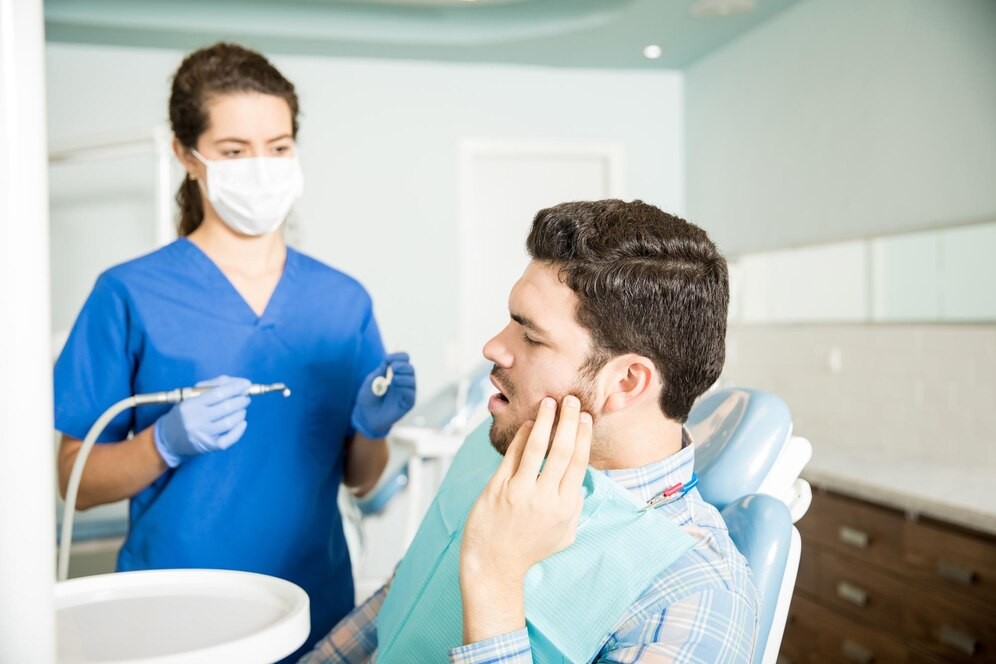
Losing a tooth can be an emotionally distressing experience, causing discomfort and negatively impacting one’s self-confidence. With a host of tooth replacement options available, it’s essential to carefully weigh the pros and cons of each solution before making a decision. At Sound Surgical Arts, we are committed to providing our patients with the best recommendations based on their unique needs and oral health conditions.
Dental implants stand out as an exceptional solution for tooth replacement due to their many advantages. In this article, we will outline the top 5 benefits of choosing dental implants over other popular alternatives and discuss why they are the preferred choice for many of our patients.
With expert guidance and support, you can regain a healthy, functional, and aesthetically appealing smile with dental implants. Let’s delve into the top reasons why dental implants might be the ideal solution for you.
Benefit 1: Natural Look and Feel
One of the most significant advantages of dental implants is their ability to closely resemble your natural teeth, both in appearance and function.
Dental implants consist of a titanium post that is surgically placed into the jawbone, serving as an artificial tooth root and a custom-made crown that matches the color, shape, and size of your adjacent teeth. This seamless integration results in a realistic look and a comfortable feel, making it nearly impossible for others to distinguish between your implants and your natural teeth.
Benefit 2: Long-Lasting and Durable Solution
When properly cared for, dental implants can last a lifetime, making them a more permanent than other tooth replacement solutions like bridges and dentures.
The titanium posts used for dental implants are biocompatible and incredibly durable, integrating with the jawbone through a process called osseointegration. This strong foundation allows dental implants to withstand the forces of chewing and biting, providing a long-lasting solution for missing teeth.
Benefit 3: Preservation of Jawbone and Facial Structure
Tooth loss can have a detrimental impact on the underlying jawbone, leading to bone loss or resorption over time. Since dental implants are anchored directly into the jawbone, they stimulate bone growth and help prevent potential bone loss.
The preservation of jawbone and facial structure can result in a more youthful appearance and prevent the sagging or sunken look that often accompanies tooth loss.
Benefit 4: Improved Oral Health and Function
Dental implants offer several oral health benefits that surpass those provided by other tooth replacement options. Unlike dental bridges, which require the grinding down of neighboring teeth to establish a stable support system, dental implants do not impact adjacent healthy teeth. This conservative approach helps maintain the integrity of your remaining teeth and overall oral health.
Additionally, dental implants function like natural teeth, allowing for easier chewing and speaking compared to dentures. This improved function can translate to better nutrition, as individuals with dental implants can enjoy a wider variety of foods without concern for instability or discomfort.
Benefit 5: Low Maintenance and High Success Rate
Dental implants are relatively low maintenance compared to other tooth replacement options, as they can be cared for like your natural teeth with regular brushing, flossing, and dental checkups. While dentures and bridges may require periodic adjustments or replacements, dental implants do not typically require such frequent attention. Furthermore, dental implants have a proven high success rate, with studies indicating a success rate of 97.6% for implant-supported restorations.
Comparisons to Other Tooth Replacement Options
1. Dental Implants vs. Dental Bridges
Dental bridges are a common alternative to dental implants, involving a prosthetic tooth supported by the adjacent natural teeth or implants. While bridges can provide an effective tooth replacement solution, they have some disadvantages compared to dental implants. Dental bridges rely on neighboring teeth for support, requiring these teeth to be shaved down and potentially compromising their integrity.
In contrast, dental implants are self-supporting and do not impact surrounding teeth. Additionally, dental implants offer better bone preservation than bridges, as they stimulate the jawbone like natural tooth roots, promoting bone growth and preventing bone loss.
2. Dental Implants vs. Dentures
Dentures are removable prosthetic devices that can replace multiple missing teeth. While dentures can be a more affordable tooth replacement option, they may come with several drawbacks when compared to dental implants. Dentures may shift or slip while speaking or eating, causing discomfort and making it difficult to enjoy certain foods. Dental implants, on the other hand, provide stable support and improved function, allowing for a more comfortable and enjoyable eating experience. Also, dentures do not offer the same level of bone preservation as dental implants, as they do not stimulate the jawbone similarly.
Discover the Life-Changing Advantages of Dental Implants at Sound Surgical Arts
Regaining your confidence, oral health, and function with dental implants can make a substantial difference in your life. From their natural appearance and feel to lasting durability and enhanced oral health benefits, dental implants stand out as the preferred choice for many patients seeking tooth replacement solutions.
At Sound Surgical Arts, our experienced professionals are here to support you throughout your dental implant journey, providing expert advice, tailored treatment plans, and the highest standard of care.
Take the first step towards a revitalized smile by scheduling a consultation with our team. We look forward to helping you achieve the lasting, striking results you deserve. Contact us today and embrace the transformative impact of dental implants in Gig Harbor!
Top 7 Essential Facts About Bone Grafting for Dental Implants
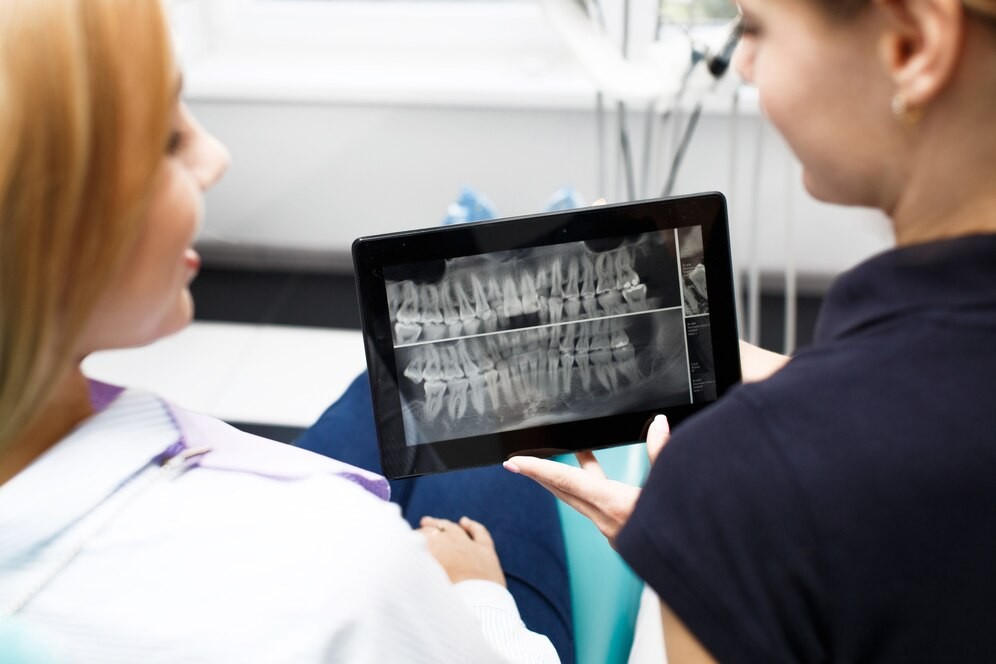
When it comes to dental implant surgery, the process of bone grafting is often an essential step to ensure a stable and long-lasting foundation for the implant. If you’re considering dental implants or have been told you require a bone graft, it’s normal to have questions and concerns about what this entails.
In this article, we’ll explore the top 10 must-know facts about bone grafting for dental implants to help you gain a better understanding of its importance, the process, and how it can improve your overall dental health.
At Sound Surgical Arts in Tacoma, WA, our team is committed to providing exceptional dental care and patient education to ensure you feel confident and well-informed every step of the way. By learning about bone grafting and its connection to dental implant success, you can embark on your dental restoration journey with a clear understanding and peace of mind.
Fact 1: What is Bone Grafting?
Bone grafting is a surgical procedure used to build up and reinforce the jawbone’s structure, creating a more stable foundation for dental implants. This is often necessary when a patient has experienced bone loss due to periodontal disease, injury, or tooth extraction.
By augmenting the bone in the affected area, dentists can successfully place dental implants to replace missing teeth and provide a long-lasting, functional solution for improving the patient’s smile.
Fact 2: Bone Grafting Materials and Sources
There are several different materials and sources used in bone grafting procedures, each with its advantages and considerations. These include:
- Autograft: Bone is taken from another area of the patient’s body, usually the hip or chin. This graft provides the highest success rate, as it contains the patient’s own living cells that promote bone regeneration.
- Allograft: Bone is sourced from a human donor, and it undergoes extensive testing and sterilization before use. This eliminates the need for a second surgical site on the patient’s body.
- Xenograft: Bone is taken from an animal source, typically bovine (cow). As with allografts, this material undergoes a thorough purification process to ensure its safety and effectiveness.
- Alloplastic materials: Synthetic bone substitute materials, such as biocompatible ceramics or polymers, can also be used to promote bone regeneration.
Your dentist at Sound Surgical Arts will select the most suitable bone graft material for your specific case based on various factors, including your overall health, preferences, and the extent of bone loss.
Fact 3: Different Types of Bone Graft Procedures
There are several types of bone grafting procedures, depending on the patient’s needs and the extent of bone loss. The most common procedures include:
- Ridge augmentation: This procedure aims to build up the height and width of the jawbone ridge, making it suitable for the placement of dental implants.
- Sinus lift: Also known as sinus augmentation, this procedure involves raising the sinus floor to provide sufficient bone height in the upper jaw for dental implant placement.
- Socket preservation: Performed when a tooth is extracted, this procedure involves placing a bone graft in the empty socket to maintain the jawbone’s structure, facilitating dental implant placement in the future.
- Block bone graft: This type of bone graft may be required when there is a significant amount of bone loss. A block of bone, typically harvested from the patient’s body or donor material, is attached to the jawbone using screws, helping to recreate the required bone volume for dental implant placement.
Fact 4: The Bone Grafting Process
During a bone grafting procedure, the dentist will begin by administering local anesthesia or sedation to ensure the patient’s comfort. An incision is then made in the gum tissue to expose the underlying bone. The chosen bone graft material is carefully placed in the treatment area and secured in place using screws, membranes, or specialized bone grafting materials.
After the grafting material is securely positioned, the dentist will close the incision using sutures. The bone grafting site will be protected and left to heal for a predetermined period before dental implant placement can proceed.
Fact 5: Healing Time for Bone Grafting
The healing time following a bone grafting procedure varies depending on the type and extent of the graft, as well as individual patient factors. Generally, patients can expect a healing period of three to six months after bone grafting before dental implant placement can occur. This allows the graft material to fully integrate with the patient’s natural bone, providing a strong foundation for the dental implant.
Throughout the healing process, it is crucial to follow your dentist’s post-operative care instructions, attend any scheduled follow-up appointments, and maintain proper oral hygiene to ensure successful bone graft integration and optimal healing.
Fact 6: Managing Discomfort After Bone Grafting
While bone grafting is a surgical procedure, modern techniques and anesthesia options minimize patient discomfort during and after the treatment. You may experience mild to moderate swelling, discomfort, and bruising following the procedure. These symptoms can usually be managed with over-the-counter pain medication, ice packs, and rest.
Additionally, your dentist at Sound Surgical Arts will provide specific post-operative care instructions to help you manage any discomfort effectively and minimize the risk of complications.
Fact 7: Success Rates of Bone Grafting
Bone grafting for dental implants has a high success rate, with many studies reporting success rates ranging from 90% to 98%. The success of your bone graft will depend on various factors, including the expertise of your dental professional, the chosen bone graft material, and your overall oral health.
Improve Your Smile with Bone Grafting at Sound Surgical Arts
Bone grafting plays a significant role in the success of dental implant placement for those experiencing jawbone loss. By understanding the importance of bone grafting, the various materials and procedures involved, and post-operative care, you can embark on your journey to improve your smile with confidence.
At Sound Surgical Arts in Tacoma, WA, our experienced and dedicated team is committed to providing you with the highest quality dental care and ensuring that your bone grafting experience is comfortable, smooth, and successful.
Don’t let bone loss hold you back from getting the beautiful, functional smile you deserve. Contact Sound Surgical Arts today to schedule a consultation on bone grafting in Tacoma and determine if bone grafting is the right solution for your dental implant needs!
Navigated Implant Placement in Tacoma, WA: Advanced Dental Implant Solutions
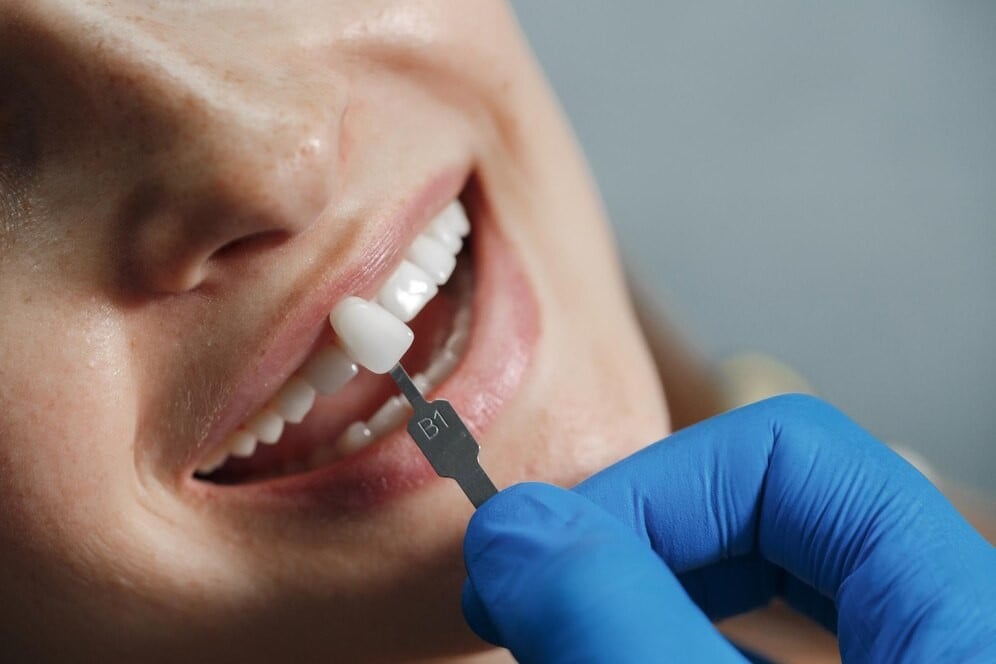
Dental implants have become the gold standard for replacing missing teeth due to their ability to mimic the appearance and function of natural teeth while supporting underlying bone health. At Sound Surgical Arts, we understand the importance of precise implant placement, and our team of expert dental professionals utilizes advanced technology – navigated implant placement – to ensure the best possible outcomes for our patients in Tacoma, WA.
Navigated implant placement involves the use of sophisticated computer software and digital imaging to gather detailed information about each patient’s unique oral anatomy. This data is utilized to create highly accurate treatment plans for dental implant placement, ensuring optimal precision – a crucial element in successful dental implant therapy.
By combining the skills of our dental professionals with cutting-edge technology, patients can trust that their dental implants will be placed with care and precision at Sound Surgical Arts.
In this blog, we will introduce you to the world of navigated implant placement, exploring the aspects that set it apart from conventional approaches, its numerous benefits, and why it is an ideal choice for patients seeking effective tooth replacement solutions. By understanding the role of navigated implant placement in achieving ideal implant outcomes, you can make an informed decision regarding your dental care and take a step towards a restored beautiful smile.
1. Traditional Implant Placement Versus Navigated Implant Placement
In order to fully appreciate the benefits of navigated implant placement, it’s essential to understand how it compares to the traditional dental implant placement process:
- Traditional Implant Placement: In conventional implant placement, dental professionals rely on their expertise, as well as two-dimensional dental X-rays, as a guide for planning and placing dental implants. However, these X-rays may not provide a comprehensive view of the complexities of a patient’s oral anatomy, potentially leading to suboptimal implant positioning.
- Navigated Implant Placement: Leveraging the power of three-dimensional imaging and computer-guided planning, navigated implant placement delivers a significantly higher level of accuracy and precision. By generating a detailed virtual treatment plan, dental professionals can confidently navigate the implantation process and drastically reduce the risk of complications.
2. Benefits of Navigated Implant Placement
The use of navigated implant placement technology affords numerous advantages over traditional methods:
- Enhanced Precision: Navigated implant placement relies on seamless integration of digital impressions and three-dimensional imaging, resulting in more accurate and precise dental implant placement.
- Reduced Risk of Complications: Due to the advanced planning and digital guidance used in navigated implant placement, there is a reduced risk of damage to vital anatomical structures, such as nerves and blood vessels, ensuring a safer and more predictable procedure.
- Customized Treatment Plans: Navigated implant placement allows dental professionals at Sound Surgical Arts to design customized treatment plans that cater to a patient’s unique oral anatomical requirements, thereby optimizing outcomes.
- Shorter Recovery Time: With increased precision and reduced risk of complications, patients who opt for navigated implant placement may experience faster healing times and shorter recovery periods.
3. Ideal Candidates for Navigated Implant Placement
Navigated implant placement may be a favorable dental implant option for various patients, including those with:
- Complex Oral Anatomy: Patients who have complex or challenging oral anatomical structures can benefit from the precision and accuracy of navigated implant placement.
- Multiple Missing Teeth: For those in need of multiple dental implants, navigated implant placement offers an efficient and precise approach, ensuring optimal results.
- History of Tooth Loss or Extraction: Patients who have experienced tooth loss as a result of advanced gum disease, tooth decay, or trauma can benefit from the customized treatment plans associated with navigated implant placement.
However, it’s crucial to consult with the dental professionals at Sound Surgical Arts to determine if navigated implant placement is the most appropriate option for your specific needs.
4. What to Expect During the Navigated Implant Placement Procedure
At Sound Surgical Arts, our team is dedicated to ensuring your comfort and confidence throughout the navigated implant placement process:
- Pre-operative Evaluation and Planning: Your dental professional will begin by conducting a thorough evaluation of your oral health and creating a detailed three-dimensional treatment plan, using advanced digital imaging tools.
- Local Anesthesia and Sedation: To ensure your comfort during the procedure, local anesthesia and optional sedation will be provided as needed.
- Implant Placement: Following the virtual treatment plan, the dental professional will precisely place the dental implant into the jawbone, leveraging navigated guidance.
- Post-operative Care and Implant Restoration: You will be provided with comprehensive post-operative care instructions and scheduled for follow-up appointments to monitor healing progress. Once the implant is fully integrated with the jawbone, the final restoration, such as a dental crown or bridge, will be securely attached to the implant to complete the process.
Discover Precision and Excellence with Navigated Implant Placement at Sound Surgical Arts
Sound Surgical Arts is committed to providing the highest level of dental implant care for our patients in Tacoma, WA. By utilizing the advanced navigated implant placement technology, we can deliver precise, personalized, and effective tooth replacement solutions for our patients.
By understanding the benefits of navigated implant placement and how it compares to traditional methods, you can make well-informed decisions about your dental care and trust in the expertise of our team.
Don’t wait to restore your smile — contact Sound Surgical Arts today to schedule a consultation on dental implants in Tacoma and discover the advantages of navigated implant placement for yourself!
Enhancing Your Smile with Dental Implants in Gig Harbor, WA: An In-Depth Guide
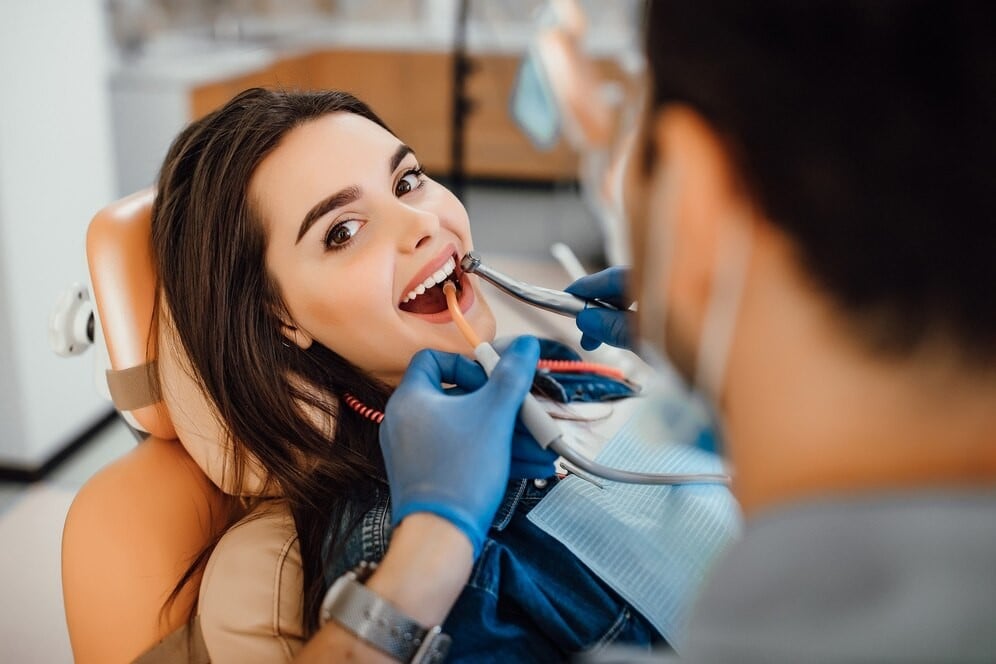
Lost teeth can lead to a host of problems, such as difficulty chewing, speech impediments, and a decrease in self-confidence due to a compromised smile. Dental implants offer a long-lasting and reliable solution for tooth replacement, providing functional and aesthetically pleasing results. At Sound Surgical Arts in Gig Harbor, Washington, our team of experienced dental professionals excels in dental implant procedures to help our patients regain their smiles’ full functionality and beauty.
In this comprehensive guide, we will discuss everything you need to know about dental implants, covering various aspects of this dental solution. At Sound Surgical Arts, our patient-focused approach ensures that the individuals we serve receive the personalized care and attention they deserve during their dental implant journey. We believe patient education is fundamental to making the most informed decisions for oral health and well-being.
Whether you have a single missing tooth or require multiple tooth replacements, dental implants can be a transformative solution that restores both function and aesthetics. We invite you to schedule a consultation with our team at our Gig Harbor clinic to discuss your concerns, learn more about dental implants, and determine if they are the best option for you.
Benefits of Dental Implants Over Other Tooth Replacement Options
Dental implants provide a superior solution to other tooth replacement methods, such as dentures or dental bridges, and boast the following advantages:
- Functionality: Dental implants function and feel like natural teeth, allowing you to eat, speak, and smile with confidence.
- Durability: With proper care, dental implants can last for decades, providing a long-term investment in your oral health.
- Bone preservation: Dental implants help maintain jawbone density by preventing bone resorption, unlike other tooth replacement options.
- Aesthetics: Dental implants closely resemble natural teeth, providing a seamless and visually appealing solution.
- No damage to adjacent teeth: Dental implants stand alone and do not require any alteration to adjacent teeth for support, unlike dental bridges.
Types of Dental Implants and Factors Affecting Suitability
Several dental implant options are available, and the most suitable option for you will depend on various factors, such as the location and number of missing teeth, your bone density, and personal preferences. The most common types of dental implants include:
- Single-Tooth Implants: These implants replace a single missing tooth and consist of a titanium post, an abutment, and a dental crown.
- Implant-Supported Bridges: Ideal for replacing multiple adjacent missing teeth, implant-supported bridges use dental implants for support and eliminate the need for altering neighboring healthy teeth.
- All-on-4 Implants: A technique suitable for replacing an entire arch of missing teeth, All-on-4 implants utilize just four strategically placed implants to support a full-arch denture, offering an effective and stable solution.
The Dental Implant Procedure and Timeline
The dental implant process involves several steps, which typically occur over a period of several months. The procedure generally unfolds as follows:
- Consultation and Evaluation: Your dentist will evaluate your oral health, bone structure, and overall medical history to determine whether dental implants are the right solution for you.
- Preparatory Procedures (if needed): In some cases, patients may require preparatory procedures such as a bone graft or sinus lift to ensure adequate jawbone density for successful implant placement.
- Implant Placement: The dental implant’s titanium post is surgically inserted into the jawbone, acting as a substitute for the natural tooth root.
- Osseointegration: A healing period of approximately 3 to 6+ months is necessary for the implant to integrate and fuse with the surrounding bone, creating a solid foundation for the tooth replacement.
- Abutment Attachment: Once osseointegration is complete, your dentist will attach the abutment, the connector piece that securely holds the dental crown or prosthetic tooth.
- Tooth Restoration: Finally, the dental crown, bridge, or full-arch denture is custom-crafted and attached to the abutment, completing the dental implant process with a functional and natural-looking tooth replacement.
Caring for Your Dental Implants and Ensuring Their Longevity
Proper care and maintenance play a crucial role in preserving the longevity of your dental implants. Follow these tips to ensure the lasting success of your implants:
- Practice good oral hygiene: Brush twice daily, floss daily, and use an antimicrobial mouth rinse to maintain a clean and healthy mouth.
- Schedule regular dental check-ups: Regularly visit your dentist for cleanings and examinations to ensure your dental implant’s continued success and promptly address any potential issues.
- Avoid harmful habits: Refrain from smoking and excessive alcohol consumption, both of which can be detrimental to dental implant success rates.
- Protect your implants: Wear a mouthguard during sports activities, avoid using your teeth as tools, and address any teeth grinding issues to protect your dental implants from harm.
Frequently Asked Questions About Dental Implants
1. Are dental implants painful?
While the surgery and healing processes may involve some discomfort, most patients report minimal pain, which is typically managed with over-the-counter pain relievers and cold compresses.
2. Can anyone receive dental implants?
While dental implants are suitable for most patients, certain factors such as insufficient bone density or some medical conditions may limit their eligibility. A thorough evaluation by your dentist will determine whether dental implants are right for you.
3. How much do dental implants cost?
The cost of dental implants varies depending on the implant type, the number of implants needed, and any additional procedures required. Speak with your dental provider to receive an accurate cost estimate tailored to your case.
Conclusion
Dental implants offer an exceptional solution for restoring a beautiful and functional smile after tooth loss. At Sound Surgical Arts in Gig Harbor, WA, our team of dental professionals is dedicated to providing personalized care and expert guidance throughout your dental implant journey. Contact us to schedule your consultation and take the first step towards regaining the confidence and functionality of your smile through dental implants.
Restoring Oral Health with Bone Grafting Procedures in Gig Harbor, WA: A Comprehensive Overview
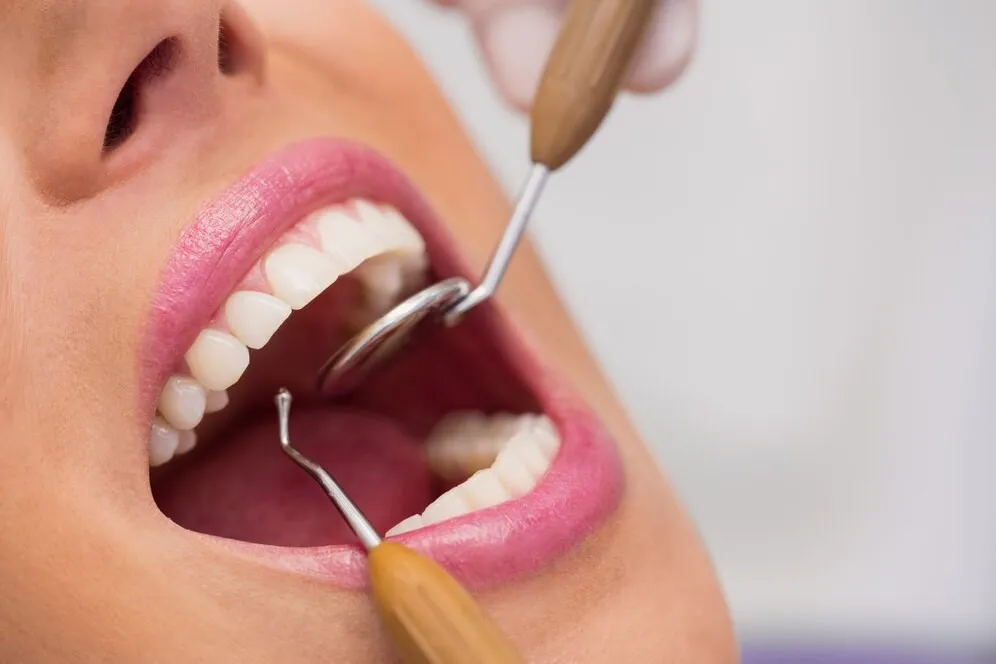
Bone grafting is a specialized surgical procedure that plays an essential role in restoring and maintaining proper oral health. It involves the transplantation of bone tissue to enhance the volume or density of the jawbone to support various dental treatments, particularly dental implants. At Sound Surgical Arts in Gig Harbor, Washington, our team of experienced dental professionals is committed to providing the highest quality care to our patients, including utilizing bone grafting techniques to restore a healthy, functional smile.
In this comprehensive guide, we will discuss various aspects of bone grafting. The dental team at Sound Surgical Arts will guide you through each stage of your oral health journey, ensuring you receive personalized attention and thorough information to make informed decisions about your care.
Whether you are considering dental implants to replace missing teeth, addressing issues caused by periodontal disease, or seeking solutions for congenital tooth and bone defects, bone grafting may be the key to restoring your oral health. Schedule a consultation with our team at our Gig Harbor clinic to discuss your specific concerns, assess your bone grafting needs, and determine the best course of action to achieve a healthy, vibrant smile.
The Importance of Adequate Jawbone Density for Optimal Oral Health
Maintaining sufficient jawbone density is crucial for preserving optimal oral health and supporting various dental procedures. Adequate jawbone volume ensures proper tooth alignment, enhances facial aesthetics by providing structure, and offers a stable foundation for restorations such as dental implants. Additionally, a strong and healthy jawbone can help prevent further tooth loss, maintain proper bite function, and reduce the risk of complications associated with bone deterioration.
Common Causes of Jawbone Loss or Deterioration
Several factors can contribute to jawbone loss or deterioration, including the following:
- Tooth loss: Missing teeth can lead to bone resorption, a process where bone tissue is broken down and resorbed by the body due to a lack of stimulation from tooth roots.
- Periodontal disease: Advanced gum disease destroys the gum tissue and the underlying jawbone structure, leading to tooth loss and bone degeneration.
- Trauma or injury: Facial injuries can cause damage to the jawbone, necessitating surgical intervention for repair and restoration.
- Dental extraction: Tooth extractions can sometimes reduce bone volume as the socket heals.
- Congenital defects: Certain congenital conditions can lead to underdeveloped jawbones or missing bone structure, hindering proper oral function and aesthetics.
Different Types of Bone Grafting Procedures and Their Applications
Bone grafting techniques are tailored to meet specific patient needs, and the type of procedure performed will depend on factors such as the location of bone loss, the extent of bone deficiency, and the planned dental procedure. Common bone grafting procedures include:
- Autogenous Bone Graft: This type of bone graft utilizes the patient’s bone tissue, typically harvested from another area of the body, such as the chin or back of the jaw. Since the graft contains living cells and marrow, autogenous bone grafts promote faster healing and higher success rates.
- Allogeneic Bone Graft: Allogeneic grafts involve the use of sterilized and processed human bone tissue acquired from a bone bank or tissue donor. These grafts provide a scaffold for the patient’s bone to regenerate around, incorporating the original bone structure over time.
- Xenogenic Bone Graft: Utilizing sterilized animal bone, typically bovine (cow), xenogenic bone grafts also serve as a scaffold for bone regeneration. These grafts undergo rigorous processing to remove any proteins that might cause rejection or inflammation.
- Synthetic Bone Graft: Made from biocompatible materials, such as calcium phosphate, synthetic bone grafts mimic the properties of natural bone tissue and can be used when other grafting options are not feasible or desirable.
What to Expect During the Bone Grafting Process and Recovery
The bone grafting process typically involves the following steps:
- Consultation and treatment planning: An initial consultation with your dental professional will help determine the necessity and type of bone graft procedure suitable for your needs. Scheduling the procedure will follow, after pre-surgical tests or necessary extractions, if any.
- Anesthesia: The bone graft procedure is performed under local anesthesia, ensuring patients remain comfortable throughout the surgery. In certain cases, sedation may be used for additional relaxation.
- Surgery: Your dental professional will make an incision in the gum tissue to expose the bone beneath. The appropriate bone graft material is placed in the area of deficiency and secured with sutures or special absorbable membranes.
- Recovery: The recovery period following a bone graft procedure may last several weeks to a few months, depending on the extent of the surgery. Pain can be managed with over-the-counter medications, and your dental provider will advise you on the best practices for post-operative care.
Frequently Asked Questions About Bone Grafting Procedures
1. How much pain and discomfort can I expect after a bone graft procedure?
Mild to moderate discomfort may be experienced after bone graft surgery, but it can be easily managed with over-the-counter pain medications and cold compresses.
2. How long will it take for the bone graft to heal and be ready for dental implants?
The healing time depends on the type of bone graft, your body’s healing process, and other factors. In general, healing may take anywhere from three months to a year before the site is ready for dental implant placement.
3. Is bone grafting safe, and are there any risks associated with the procedure?
Bone grafting is a safe and well-established surgical procedure in the field of dentistry, though it may carry minor risks such as infection, nerve damage, or graft rejection. Your dental provider will take every precaution to minimize these risks and ensure a successful and safe bone grafting experience.
Conclusion
Bone grafting is an essential tool in the restoration of oral health and the foundation for successful dental implant procedures. The team at Sound Surgical Arts in Gig Harbor, WA, is committed to providing top-quality care and personalized treatment plans that suit each patient’s unique needs. Contact us to schedule your consultation and learn more about bone grafting and our range of dental services designed to help you regain your beautiful, functional smile.
The Benefits and Limitations of Same-Day Dental Implants: Exploring Your Tooth Replacement Options
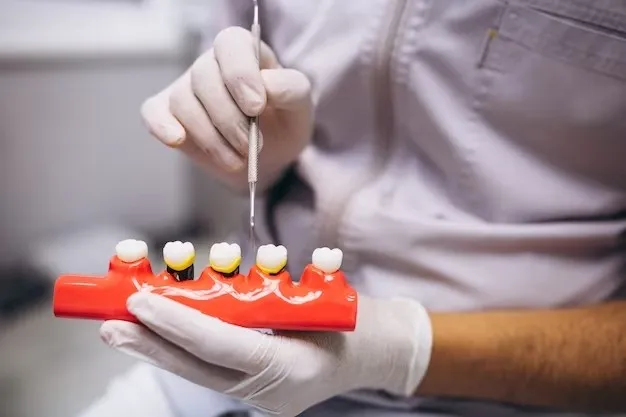
Losing a tooth can be a distressing experience, affecting your appearance and overall oral health. Dental implants have become increasingly popular as a reliable and long-lasting solution for tooth replacement. Traditional dental implant procedures, however, often require multiple visits and months of healing before the final restoration is placed. Same-day dental implants, or immediate load dental implants, offer an enticing alternative for those seeking a more expedited tooth replacement option.
At Sound Surgical Arts in Tacoma, WA, we understand the importance of offering our patients various dental implant solutions to meet their individual needs and expectations. In this informative blog post, we will delve into the advantages and limitations of same-day dental implants, equipping you with the knowledge needed to make an informed decision about your tooth replacement journey.
While same-day dental implants may be an appealing choice for many patients, it is crucial to understand both the benefits and limitations of this technique to determine if it is the right option for your specific needs. Sound Surgical Arts is committed to guiding patients in Tacoma, WA through decision-making, ensuring they receive the best possible dental care and achieve the desired results.
The Benefits of Same-Day Dental Implants
Same-day dental implants offer several advantages over traditional dental implant procedures, making them an attractive option for eligible patients. Key benefits include:
- Shorter Treatment Time: With same-day dental implants, the implant and temporary restoration can be placed on the same day, significantly reducing the overall treatment time. Traditional implant procedures may take several months to complete and require multiple visits to the dentist.
- Immediate Aesthetic Results: Patients can benefit from an enhanced appearance immediately after same-day dental implant placement, thanks to the provisional restoration. This is particularly advantageous for those with visible tooth loss who wish to restore their smile quickly.
- Reduced Downtime: Same-day dental implants often result in shorter healing periods than traditional implants, allowing patients to return to their daily routines and enjoy a fully functional restoration sooner.
- Minimized Bone Loss: By placing the implant immediately after tooth extraction, same-day dental implants can help preserve the natural bone structure and minimize bone loss that can occur when a tooth is missing for an extended period.
While the benefits of same-day dental implants are substantial, this tooth replacement option may not be suitable for everyone. It is important to discuss your individual dental health and candidacy for this procedure with your dentist at Sound Surgical Arts in Tacoma, WA.
The Limitations of Same-Day Dental Implants
Despite the numerous advantages, same-day dental implants also have certain limitations that patients should consider:
- Not Suitable for All Patients: Certain pre-existing conditions, such as periodontal disease or insufficient bone volume, may disqualify a patient from receiving same-day dental implants. An in-depth dental examination is necessary to determine if you are a suitable candidate for this procedure.
- Higher Risk of Failure: Same-day dental implants may carry a slightly higher risk of complications, such as implant failure or infection, due to the expedited nature of the procedure and the lack of initial healing time for the implant to integrate with the jawbone.
- Temporary Restoration: A provisional tooth restoration is placed on the same day as the implant, but the permanent restoration will not be placed until several months later. This temporary restoration may not be as strong or functional as the final prosthesis and should be treated with care.
It is essential to weigh the benefits and limitations of same-day dental implants against your dental needs, expectations, and overall oral health to make an informed decision.
Evaluating Your Candidacy for Same-Day Dental Implants
A comprehensive dental examination at Sound Surgical Arts in Tacoma, WA, is crucial to determine if same-day dental implants are the ideal tooth replacement solution for you. Factors that can influence your candidacy include:
- Current Oral Health: Patients with active periodontal disease or tooth decay may not be eligible for same-day dental implants until their oral health issues are addressed and resolved.
- Bone Density and Volume: Adequate bone density is required to ensure proper support and integration of the dental implant. If bone loss has already occurred, a bone graft may be needed before proceeding with the implant.
- Lifestyle and Health: Patients who smoke or have uncontrolled systemic conditions, such as diabetes, may have an increased risk of complications and should discuss these factors with their dentist.
Your dental professional at Sound Surgical Arts will thoroughly assess your dental health and discuss your specific needs and concerns to determine if same-day dental implants are the right choice for you.
Same-Day Dental Implants vs. Traditional Dental Implants
While both same-day and traditional dental implants offer durable, long-lasting solutions for tooth replacement, each technique has its unique set of benefits and limitations.
Same-day dental implants are renowned for their expedited treatment time, immediate aesthetic results, and reduced downtime. On the other hand, traditional dental implants generally involve a longer treatment process, allowing for more initial healing time and a potentially lower risk of complications.
Your dental professional at Sound Surgical Arts will guide you through the decision-making process and recommend the most appropriate dental implant solution based on your individual dental health, needs, and expectations.
Explore Your Tooth Replacement Options with Sound Surgical Arts
At Sound Surgical Arts in Tacoma, WA, we strive to provide our patients with comprehensive information and personalized care to ensure they make an informed decision about their tooth replacement journey. Same-day dental implants offer a convenient and time-saving option for many patients; however, understanding the benefits and limitations of this technique is crucial.
If you wish to learn more about same-day dental implants or discuss your tooth replacement options, schedule a consultation with our experienced team at Sound Surgical Arts. Our dental professionals are dedicated to helping you achieve a healthy, beautiful smile that lasts a lifetime.
The Importance of Regular Dental Checkups for Maintaining Optimal Oral Health
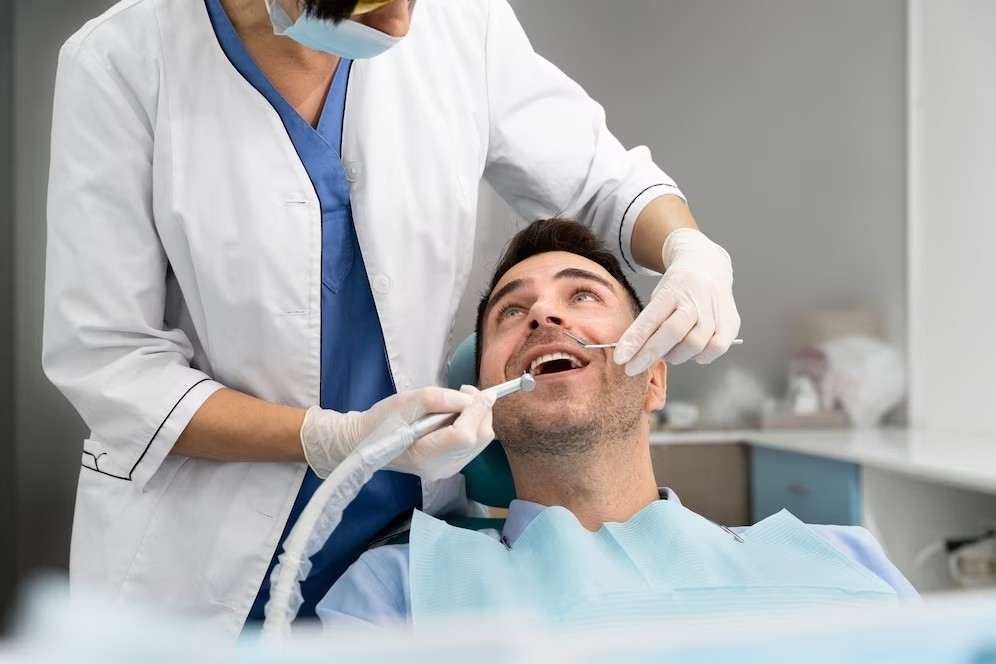
Maintaining optimal oral health is a lifelong commitment that requires regular dental checkups and professional care. Routine dental visits are crucial in keeping your teeth and gums healthy, ensuring that potential oral health issues are identified and treated early on. At Sound Surgical Arts in Tacoma, WA, we provide comprehensive dental care, including regular checkups and cleanings, to help our patients achieve and maintain exceptional oral health.
In this informative blog post, we will explore the various components of a regular dental checkup, discuss the significance of maintaining dental checkups in sustaining your oral health, and provide practical tips to help you stay on track with your dental appointments. By understanding the value of regular dental checkups, patients in Tacoma, WA can take proactive steps to preserve their oral health for the long term.
Fostering good oral health not only leads to a beautiful smile but also is vital to your overall well-being. Oral health issues, if left untreated, can contribute to systemic health problems such as cardiovascular disease, respiratory infections, and complications during pregnancy. Recognizing the interconnected nature of oral and general health underscores the importance of consistent dental care throughout one’s lifetime.
Components of a Regular Dental Checkup
Routine dental checkups encompass several essential components designed to holistically examine your oral health and promptly address any potential issues. These components include:
- Dental Examination: Your dentist will thoroughly examine your teeth, gums, and oral tissues, checking for potential concerns such as cavities, gum disease, and oral cancer. This comprehensive examination allows your dentist to identify and treat any issues early, minimizing the need for more invasive procedures.
- Professional Teeth Cleaning: During your checkup, a dental hygienist will perform a professional cleaning to remove built-up plaque and tartar that regular brushing and flossing cannot eliminate. This deep cleaning helps prevent tooth decay and gum disease, preserving oral health.
- Dental X-rays: Dental X-rays are often taken during regular checkups to provide a more detailed assessment of your oral health. These images assist in identifying hidden dental concerns, such as tooth decay between teeth, impacted wisdom teeth, or bone loss.
- Individualized Treatment Plan: Your dentist will create a personalized treatment plan based on your examination results, discussing any recommended procedures or lifestyle adjustments to improve your oral health.
Regular dental checkups ensure a proactive approach to maintaining oral health and addressing potential concerns before they develop into more complex issues.
Benefits of Regular Dental Checkups
Scheduling regular dental checkups is a crucial aspect of maintaining optimal oral health. Some of the key benefits of consistent dental visits include:
- Early Detection: Regular checkups allow for the early detection and timely treatment of oral health issues, helping to prevent the development of more extensive dental problems that require costly and invasive procedures.
- Prevention of Gum Disease: By undergoing professional teeth cleanings during your checkups, you minimize the risk of developing gum disease, preserving the health and strength of your gums and teeth.
- Oral Cancer Screening: Early detection is essential for oral cancer, as prompt treatment significantly increases the chances of a successful recovery. Regular dental checkups ensure any suspicious lesions or growths are detected and addressed early.
- Maintaining a Beautiful Smile: Regular dental examinations and cleanings help keep your teeth bright, healthy, and free from unsightly plaque and tartar build-up. A beautiful smile can boost your self-confidence and improve your overall quality of life.
Embracing the importance of regular dental checkups can have a significant, positive impact on your oral health and overall wellness.
Tips for Staying on Track with Your Dental Appointments
Keeping up with regular dental checkups can be challenging amid a busy schedule; however, by following these practical tips, you can prioritize your dental appointments and take control of your oral health.
- Schedule Your Appointments in Advance: Book your dental appointments for the entire year to ensure that you reserve your desired dates and times, making it more convenient to plan around your checkups.
- Set Appointment Reminders: Create reminders on your phone or calendar to notify you about upcoming dental appointments, decreasing the likelihood of missed visits.
- Communicate with Your Dental Office: Establish an open line of communication with your dental office to address any concerns or questions, making your dental experience more enjoyable and comfortable.
- Develop a Routine: Create a consistent oral hygiene routine that suits your lifestyle and prioritize dental habits such as brushing, flossing, and using mouthwash to maintain the health of your teeth and gums between appointments.
Following these tips can help you stay on track with your regular dental checkups, ensuring that you prioritize your oral health and maintain a bright, healthy smile.
Comprehensive Dental Care at Sound Surgical Arts
At Sound Surgical Arts in Tacoma, WA, we are dedicated to providing an exceptional standard of comprehensive dental care. Our team of dental professionals works diligently to offer a broad range of services, including regular dental checkups catered to your unique oral health needs. By choosing Sound Surgical Arts as your dental home, you can expect:
- Exceptional Patient Care: Our team is committed to delivering personalized care, ensuring you feel informed and confident in every step of your dental treatment plan.
- Advanced Dental Technology: We utilize cutting-edge dental technology to offer precise diagnoses, efficient treatment planning, and minimally invasive procedures, providing the best possible care for our patients.
- Education and Prevention: Sound Surgical Arts is dedicated to fostering oral health education and promoting preventive measures to help our patients maintain long-lasting, healthy smiles.
Achieve Optimal Oral Health with Sound Surgical Arts
Regular dental checkups play a critical role in preserving your oral health and maintaining a beautiful smile throughout your lifetime. Sound Surgical Arts in Tacoma, WA offers comprehensive dental care, including routine dental examinations and cleanings, to ensure our patients receive the highest standard of care and achieve optimal oral health.
If you are looking for a dental team that prioritizes exceptional patient care, thorough examinations, and personalized treatment plans, schedule an appointment with Sound Surgical Arts today. Let us help you achieve and maintain a healthy, radiant smile that lasts a lifetime.