
Sound Surgical Arts
Wisdom Tooth Extraction at Sound Surgical Arts: Understanding the Process and Benefits

Wisdom teeth, or third molars, typically emerge during the late teenage years or early adulthood. While some people don’t experience any issues with their wisdom teeth, many others face complications that necessitate extraction.
In this comprehensive guide, we will cover the reasons for extracting wisdom teeth, the potential complications that can arise from leaving impacted wisdom teeth untreated, and the exceptional care you can expect from our team at Sound Surgical Arts. By exploring this complex subject, we hope to equip you with the information you need to make an informed decision about your oral health and ensure that you feel confident and well-prepared when facing the prospect of wisdom tooth extraction.
Join us as we demystify the process of wisdom tooth extraction, highlight the importance of proactive care, and showcase the unparalleled expertise and compassionate support that our team at Sound Surgical Arts in Tacoma, WA, can provide for your journey towards optimal oral health.
The Importance of Wisdom Tooth Extraction
Wisdom tooth extraction is a common dental procedure performed when the third molars, also known as wisdom teeth, do not have enough space to develop or emerge properly. Failing to address this issue in a timely manner can lead to several complications, including pain, infection, and damage to nearby teeth. By understanding the necessity of wisdom tooth extraction, patients can take proactive measures towards protecting their oral health.
1. Avoiding Pain and Discomfort: Impacted wisdom teeth can cause pain and discomfort in the jaw and surrounding areas, making it difficult to eat, speak, or even open the mouth.
2. Preventing Infection: Due to the limited space, impacted wisdom teeth can become partially erupted, creating pockets that can trap food particles and bacteria, leading to infections or abscesses.
3. Preserving Tooth Alignment: Impacted wisdom teeth can exert pressure on the adjacent teeth, causing them to shift or become crowded. By removing the problematic teeth, you can maintain proper tooth alignment and minimize the need for orthodontic treatments.
4. Reducing the Risk of Oral Diseases: Impacted wisdom teeth can potentially cause cysts, tumors, or inflammation of the surrounding gum tissue, which can contribute to the development of periodontal disease and tooth decay.
The Wisdom Tooth Extraction Process
The process of extracting wisdom teeth is typically performed by a skilled dental professional, such as an oral and maxillofacial surgeon. At Sound Surgical Arts, we pride ourselves on offering high-quality dental care, ensuring that your wisdom tooth extraction goes as smoothly and comfortably as possible. The procedure typically involves the following steps:
1. Patient Evaluation: A thorough examination, including dental records and X-rays, will be conducted to determine the position and condition of the wisdom teeth. This assessment will help our dentists develop a tailored treatment plan for your case.
2. Anesthesia: To ensure patient comfort during the extraction, local anesthesia, sedation, or general anesthesia will be administered, depending on the complexity of the case and patient preferences.
3. Extraction: The dentist will make an incision in the gum, creating a flap to access the tooth. Bone covering the tooth may be removed, and the tooth may be divided into smaller pieces for easier extraction. Finally, the wisdom tooth will be removed, and the area is cleansed to remove any remaining debris or bacteria.
4. Sutures and Recovery: The gum flap is repositioned, and sutures may be placed to help with the healing process. Gauze will be applied to the extraction site to control bleeding, and post-operative instructions will be provided.
Post-Operative Care and Recovery
Following a wisdom tooth extraction, it’s essential to follow your dentist’s post-operative instructions to ensure proper healing of the extraction site. Some tips to facilitate a smooth recovery include:
1. Rest: Avoid strenuous activity for at least 24 hours after the procedure, as this may prolong bleeding or cause complications.
2. Ice and Elevation: Apply ice packs to the face to reduce swelling and keep your head elevated to minimize bleeding and swelling.
3. Pain Management: Take prescribed pain medication and anti-inflammatory drugs as directed by your dentist.
4. Oral Hygiene: Keep the extraction site clean by gently rinsing the mouth with warm salt water. Avoid brushing directly over the wound for at least 24 hours.
5. Diet: Consume soft foods and gradually reintroduce solid foods as your comfort level permits. Avoid hot, spicy, or hard-to-chew foods that may irritate the extraction site.
The Expertise of Sound Surgical Arts
At Sound Surgical Arts, our team of top dentists employs state-of-the-art techniques and technology to ensure the highest level of care for our patients. With years of experience and dedication to staying current with the latest advancements in dental care, we have become Tacoma, WA’s trusted source for wisdom tooth extraction, dental implants, bone and gum grafting, and reconstructive surgery.
Conclusion
We hope this guide has provided you with valuable insights into the wisdom tooth extraction process and the benefits of timely intervention. Armed with this information, you can make the best decisions for your oral health and well-being.
At Sound Surgical Arts in Tacoma, WA, our team of skilled dentists offers a wide range of services, including dental implants, bone and gum grafting, reconstructive surgery, and wisdom tooth extraction. Trust us for expert wisdom tooth extraction, and experience the elevated dental care that you deserve. Let us help you achieve and maintain a healthy, beautiful smile. Contact us today to schedule an appointment!
Dental Terminology Demystified: A Comprehensive Glossary for Sound Surgical Arts Patients
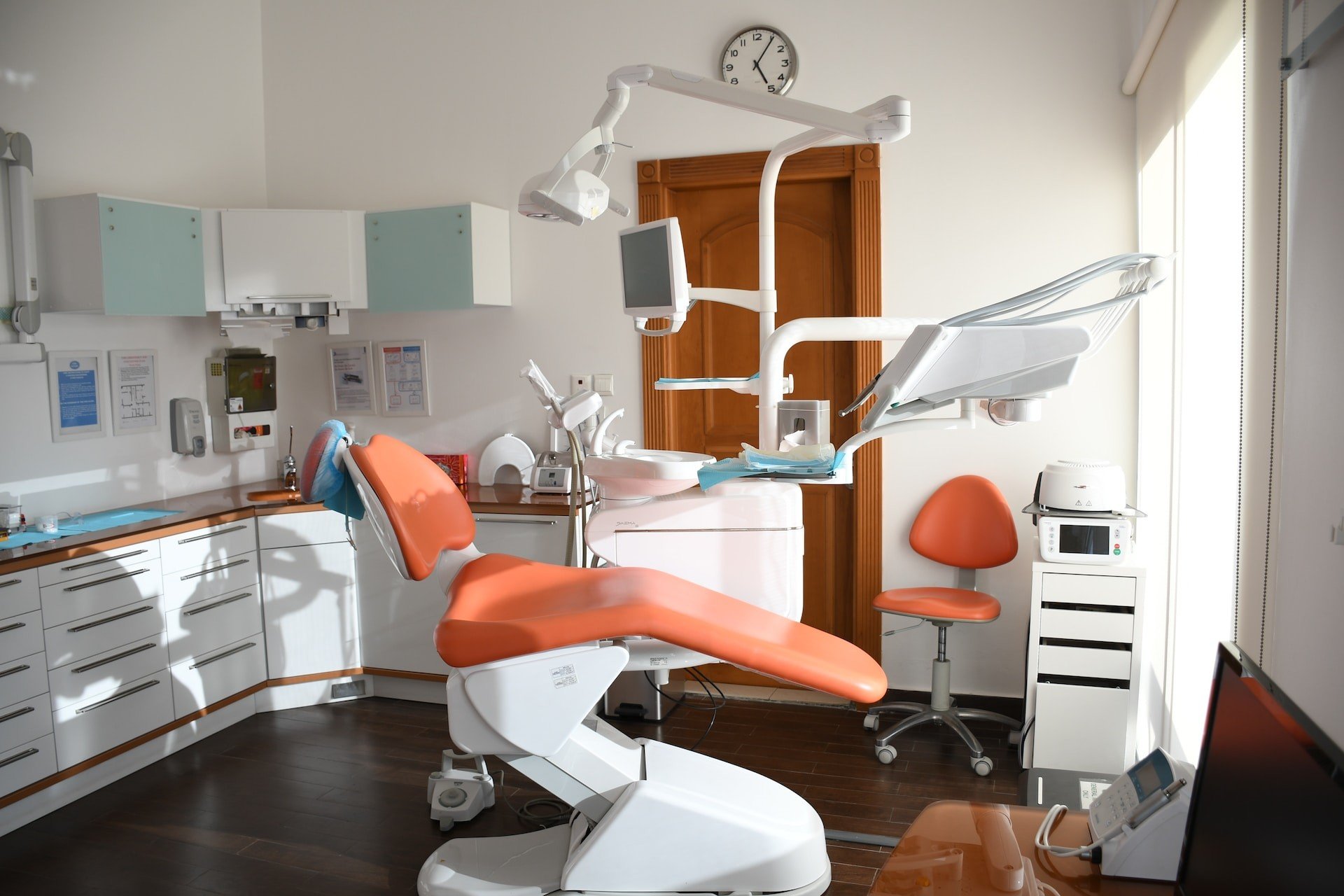
Navigating the world of dental care can be intimidating, especially when faced with a myriad of unfamiliar terms and phrases. To help you better understand dental terminology and empower you to make informed decisions about your oral health, we’ve compiled a comprehensive glossary for Sound Surgical Arts patients. This resource will serve as a valuable guide and reference as you traverse your dental journey with our team.
In this blog, you will find clear definitions and explanations for common dental terms, ranging from treatments and procedures to conditions and diseases. By familiarizing yourself with the language of dentistry, you not only gain greater insight into your dental care but also enhance your ability to communicate with our dental professionals. Let Sound Surgical Arts be your partner in demystifying dental terminology and achieving optimal oral health.
A: Abscess to Avulsion
- Abscess: A localized collection of pus resulting from an infection in a tooth or gum tissue, causing pain, swelling, and inflammation. Prompt treatment is necessary to prevent the spread of infection.
- Amalgam: A dental filling material consisting of a mixture of metals, primarily silver, tin, copper, and mercury, used to restore the damaged structure of teeth due to cavities or wear. Widely recognized for its durability and longevity, amalgam has been used for over a century as a dental restorative material.
- Apicoectomy: Also known as root-end resection, an apicoectomy is a surgical procedure that involves removing the root tip of a tooth and surrounding infected tissue to treat an unsuccessful root canal treatment or persistent infection.
- Avulsion: The complete displacement of a tooth from its socket resulting from traumatic injury. Immediate dental treatment is necessary to attempt re-implantation of the tooth successfully.
B: Braces to Bruxism
- Braces: Orthodontic devices used to correct the alignment of teeth and bite by gradually applying continuous pressure to move teeth into the desired position. Braces typically consist of brackets, wires, and bands, which work together to guide tooth movement.
- Bridge: A fixed dental prosthetic used to replace one or more missing teeth by anchoring artificial teeth to adjacent natural teeth or dental implants. Bridges help maintain the structure of the jaw and improve oral function and appearance.
- Bruxism: The habitual, involuntary grinding or clenching of teeth, typically occurring during sleep, resulting in tooth wear, damage, and potential pain. Bruxism can be managed with a custom-made dental night guard or other therapeutic interventions.
C: Calculus to Crown
- Calculus: Also known as tartar, calculus is a hardened deposit of plaque and mineral salts that forms on the surface of teeth over time, leading to gum inflammation, decay, and tooth loss if left untreated. Calculus can be removed through professional dental cleaning.
- Caries: Commonly referred to as tooth decay or cavities, dental caries is a bacterial infection causing the destruction of tooth enamel, dentin, and cementum, leading to the formation of holes in the tooth structure. Caries can be managed through proper oral hygiene practices, dental restorations, and preventive measures such as fluoride treatments.
- Crown: A dental restoration used to cover and strengthen a damaged, decayed, or misshapen tooth, preserving its function and improving its appearance. Dental crowns can be made from various materials such as porcelain, metal, and resin.
D: Dentin to Dry Socket
- Dentin: The second and more substantial layer of tooth structure beneath the enamel, composed of a calcified material containing microscopic tubules. Dentin, if exposed due to enamel loss, can lead to increased tooth sensitivity.
- Dental Implant: A permanent tooth replacement solution comprising a titanium post surgically implanted into the jawbone, an abutment, and a dental crown or other prosthetic. Dental implants provide a highly stable and aesthetically pleasing alternative to traditional dentures or bridges.
- Dry Socket: A painful post-extraction complication that occurs when the blood clot at the extraction site is dislodged or does not form properly, leading to exposed bone and nerves. Dry socket can be treated by a dentist using a medicated dressing to alleviate pain and encourage healing.
E: Endodontics to Extraction
- Endodontics: A specialized branch of dentistry focused on diagnosing and treating issues related to the pulp and inner structures of teeth, such as root canals, endodontic surgery, and root-end resections.
- Enamel: The outermost, hardest layer of tooth structure, composed of a dense, crystalline substance, responsible for protecting the underlying layers from decay and damage. Enamel can be weakened by acid-producing bacteria, tooth grinding, and acidic foods or drinks, leading to cavities or tooth sensitivity.
- Extraction: The surgical removal of a tooth from its socket, performed for various reasons such as severe decay, damage, gum disease, or impaction. Tooth extractions can range from simple extractions to complex cases requiring surgical intervention.
Empower Your Dental Journey with Sound Surgical Arts
With a deeper understanding of dental terminology, you can now confidently navigate through your oral healthcare journey and foster clearer communication with your dental care team. Expanding your dental knowledge is essential for making informed decisions regarding your treatment and maintaining a healthy smile. Fostering clearer communication between you and your dental care team at Sound Surgical Arts, this glossary supports a better understanding of dental care processes and treatment options available.
Ensure your dental care is in expert hands with Sound Surgical Arts in Tacoma, WA, as our skilled and compassionate team is dedicated to providing personalized dental solutions that cater to your unique needs. Trust us to be your partner in achieving optimum oral health and a radiant smile, backed by our thorough expertise and exceptional patient care. Schedule your appointment with us today to start your journey towards a healthier and more confident you!
Wisdom Tooth Extraction in Gig Harbor, WA: Expert Care for Your Oral Health
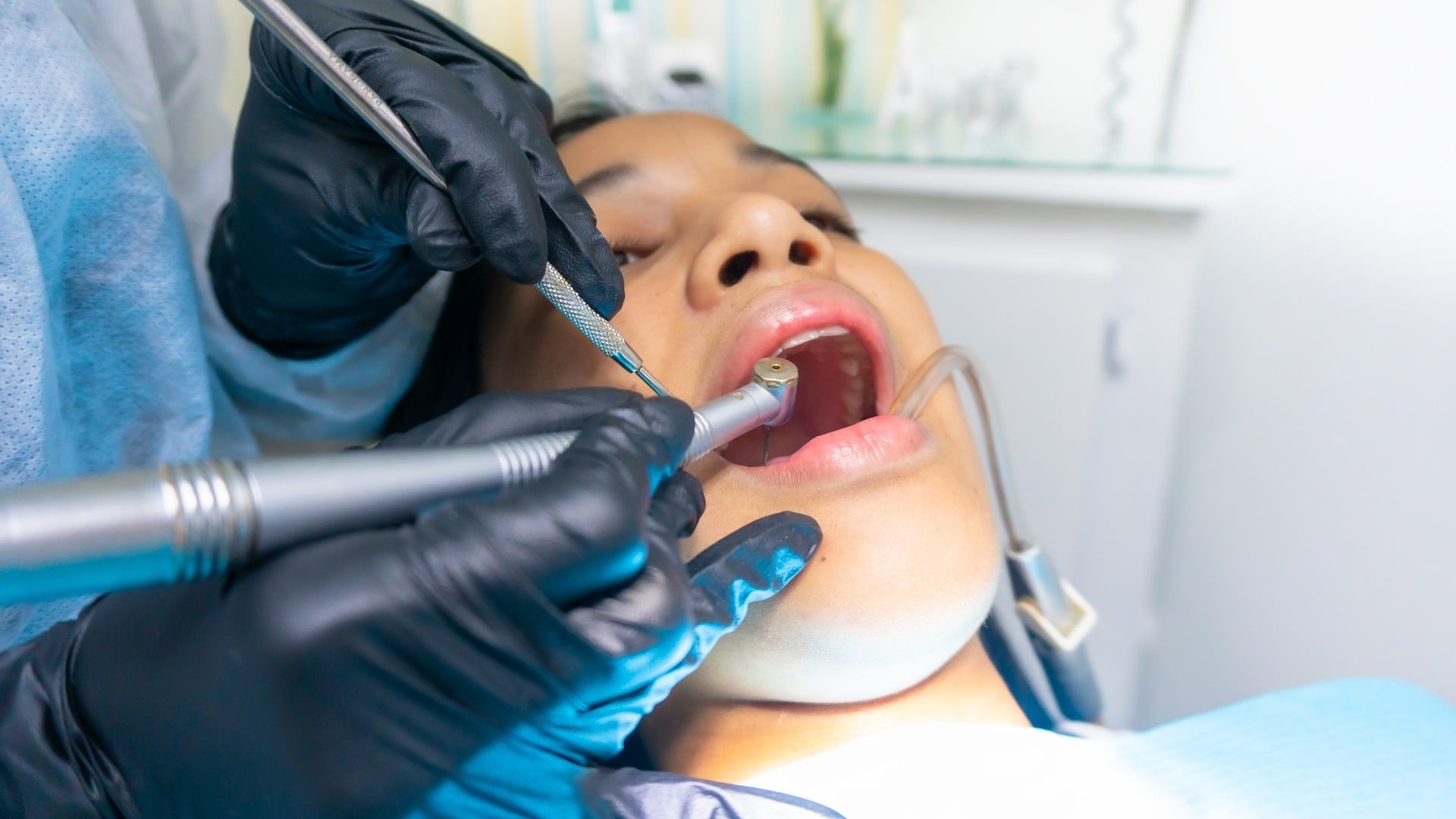
Wisdom teeth, or third molars, typically present during our late teen years or early twenties. However, they often come with complications, as many people do not have sufficient room in their jaw to accommodate these new teeth. As a result, wisdom teeth can become impacted, causing discomfort, swelling, and even damage to neighboring teeth. In such situations, wisdom tooth extraction becomes a necessary procedure for maintaining optimal oral health and avoiding further complications.
At Sound Surgical Arts in Gig Harbor, WA, our experienced dental professionals understand the significance of thorough and timely wisdom tooth extractions. Not only do we possess the knowledge and skills to perform this essential dental procedure, but we also believe in providing our patients with the compassionate care they deserve during their dental journey.
In this informative blog post, we will discuss the importance of wisdom tooth extraction, how to determine if you might require this procedure, and what to expect during your wisdom tooth extraction process. We aim to help our patients understand the need for wisdom tooth extraction and alleviate any concerns or anxiety one may have regarding this procedure. Trust our dedicated team at Sound Surgical Arts in Gig Harbor, WA, to guide you through your wisdom tooth extraction journey and provide the expert care and attention necessary to ensure an excellent outcome.
The Importance of Wisdom Tooth Extraction
Wisdom tooth extraction is a common dental procedure, crucial for preventing and addressing the issues caused by impacted wisdom teeth. Some of the key benefits of wisdom tooth extraction include:
- Pain Relief: Impacted wisdom teeth can cause significant pain and discomfort, making extraction necessary to find relief and improve overall oral health.
- Preventing Infections: Impacted wisdom teeth are more susceptible to cavities and infections due to their location at the back of the mouth, where cleaning is difficult. Extraction helps reduce the risk of infection in the affected area.
- Reducing Crowding: Overcrowding caused by the eruption of wisdom teeth can lead to crooked teeth, bite problems, and issues with alignment. Extracting impacted wisdom teeth can help avoid these concerns.
- Protecting Neighboring Teeth: Impacted wisdom teeth can cause damage to adjacent teeth, increasing the likelihood of decay, gum disease, or tooth loss. Extraction protects the neighboring teeth and keeps your smile healthy.
Signs You May Need Wisdom Tooth Extraction
While not all wisdom teeth require extraction, it’s essential to look out for signs that might indicate a need for the procedure:
- Persistent Pain and Swelling: Discomfort or swelling around the area of the wisdom tooth might signify impaction and necessitate extraction.
- Infections: Repeated infections or inflammation of the gum tissue around the wisdom tooth may warrant extraction to prevent further complications.
- Tooth Crowding: If your wisdom teeth are causing other teeth to move or become misaligned, extraction could be necessary to preserve your overall dental health.
- Damage to Adjacent Teeth: Wisdom teeth pushing against neighboring teeth can cause damage or increased risk of decay. If detected early, extraction can help avoid more severe problems down the line.
The Wisdom Tooth Extraction Process
At Sound Surgical Arts in Gig Harbor, WA, we follow a step-by-step process for wisdom tooth extraction to ensure a comfortable and efficient experience:
- Assessment and Evaluation: During your initial consultation, our dental professionals will conduct a thorough examination, including X-rays, to assess the condition of your wisdom teeth and determine the need for extraction.
- Anesthesia and Sedation: To ensure minimal discomfort during the procedure, we offer local anesthesia or sedation options. Our team will help you choose the best option based on your specific needs and preferences.
- Extraction Procedure: Utilizing precise tools and techniques, our dental experts will carefully remove the impacted wisdom tooth, ensuring minimal trauma to the surrounding tissues.
- Post-Extraction Care: Following the extraction, our team will provide you with detailed aftercare instructions to foster a smooth healing process and reduce the risk of post-surgical complications.
Wisdom Tooth Extraction Aftercare and Recovery
Recovering from wisdom tooth extraction can take about one to two weeks, with most patients resuming their daily activities within a few days. To promote a safe and comfortable recovery, consider the following aftercare tips:
- Rest and Avoid Strenuous Activity: Give your body time to heal by resting and avoiding strenuous activities for the first few days following surgery.
- Pain and Swelling Management: Applying ice packs and taking pain medication as prescribed by your dentist can help manage discomfort and reduce swelling.
- Diet: Consume a soft foods diet to avoid causing pain or dislodging blood clots at the extraction site. Gradually reintroduce solid foods as your mouth heals.
- Oral Hygiene: Maintain good oral hygiene throughout your recovery. Carefully brush and floss around the extraction site to prevent infections and promote healing.
Conclusion
Our expert team at Sound Surgical Arts in Gig Harbor, WA, is dedicated to providing top-notch wisdom tooth extraction services to ensure you maintain excellent oral health. From assessments and evaluations to post-extraction care, we walk you through each step of the process, addressing your concerns and keeping your comfort a top priority.
If you suspect you may require wisdom tooth extraction, contact Sound Surgical Arts to schedule a three-dimensional imaging (CBCT) in Gig Harbor. Trust our skilled and compassionate team to provide the highest quality care and support you need throughout your wisdom tooth extraction journey. With our expertise, you can regain a healthy, comfortable, and confident smile that lasts a lifetime.
Wisdom Tooth Extraction: What to Expect at Sound Surgical Arts in Gig Harbor, WA
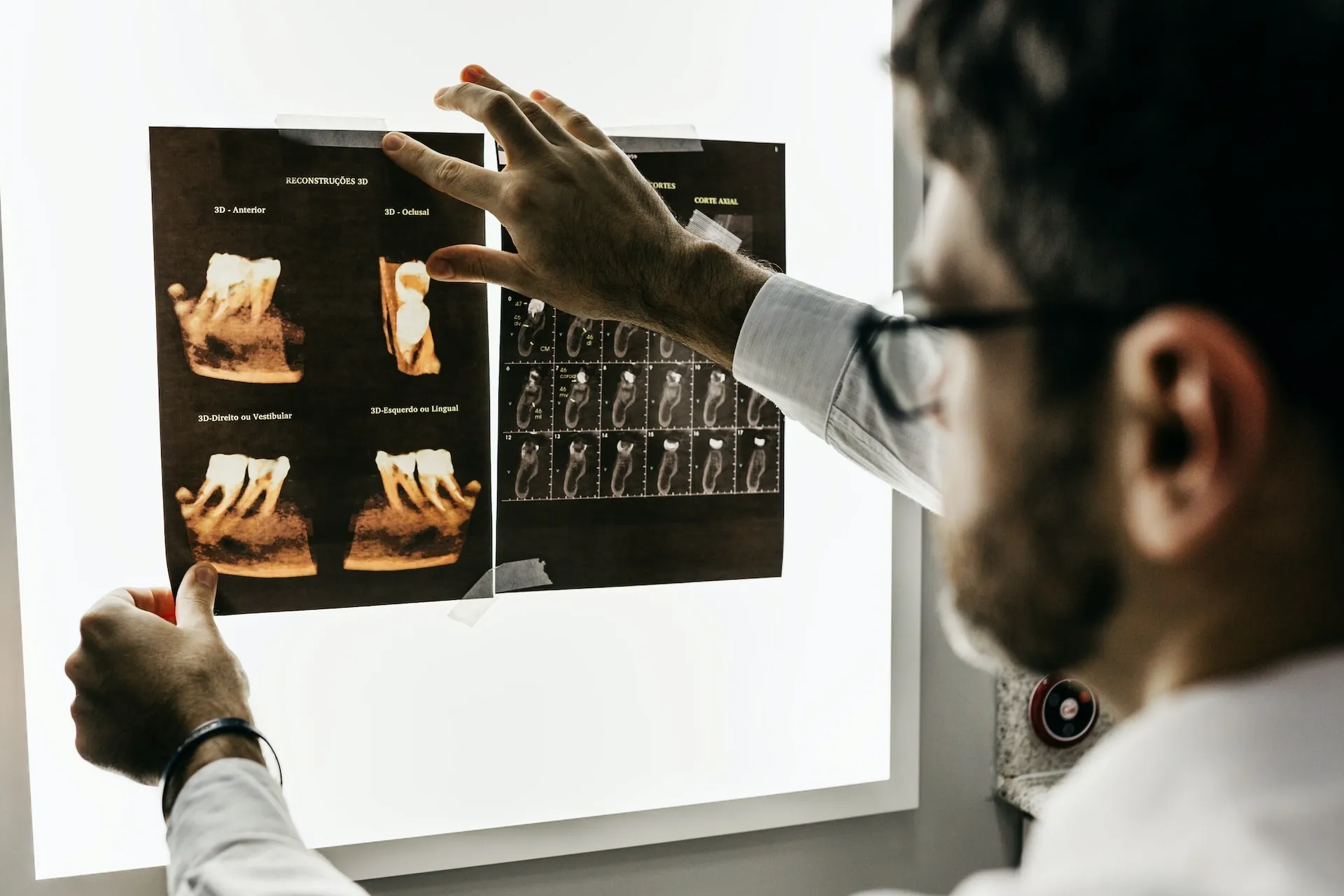
Wisdom teeth, also known as third molars, typically emerge during a person’s late teens or early twenties. While these teeth can sometimes grow in without issues, more often than not, they pose a range of complications due to insufficient space in the jaw, misalignment, or impaction. Wisdom tooth extraction is a common dental procedure designed to prevent or address problems associated with these problematic teeth, promoting overall oral health and well-being. At Sound Surgical Arts in Gig Harbor, WA, our highly experienced team of dental professionals is committed to providing top-quality care in a comfortable and caring environment, ensuring patients receive the guidance and support they need throughout the wisdom tooth extraction process.
When wisdom teeth do not have sufficient room to grow or are impacted (trapped in the jawbone or gums), various complications can arise. These include pain, swelling, infection, and damage to nearby teeth or bone. In some cases, cysts may even develop around the impacted tooth, leading to even more significant dental issues if left untreated. Consequently, early detection and intervention via wisdom tooth extraction can help prevent these complications and promote better oral health.
In this educational article, we will provide a thorough overview of wisdom tooth extraction, including the indications for the procedure, the extraction process itself, and what patients can expect during the post-operative recovery phase. By shedding light on the importance of this procedure and the exceptional care provided by our team at Sound Surgical Arts in Gig Harbor, WA, we aim to alleviate any anxiety or concerns patients may have, empowering them to make informed decisions about their dental health and secure a bright, healthy future for their smiles.
Indications for Wisdom Tooth Extraction
1. Impacted Wisdom Teeth
When wisdom teeth are unable to fully emerge from the gums due to a lack of space in the jaw or improper angle, they become impacted. As a result, they can cause significant pain, swelling, and even infection. Impacted wisdom teeth often require extraction to alleviate symptoms and prevent further complications.
2. Overcrowding
Overcrowding occurs when there is not enough room in the jaw for wisdom teeth to grow properly. This can cause adjacent teeth to shift or become misaligned, leading to bite problems, gum disease, and even tooth decay. Wisdom tooth extraction in these cases can help preserve the overall health and alignment of the remaining teeth.
3, Inflammation and Infections
Wisdom teeth can sometimes lead to the development of pericoronitis, a painful infection caused by inflammation around the tooth’s partially erupted crown. When recurrent infections or inflammation occur, extracting the wisdom tooth can help prevent further episodes and promote a healthier oral environment.
The Extraction Process
1. Preoperative Evaluation and Planning
Before any extraction takes place, a thorough examination and evaluation of the patient’s dental condition is essential. Diagnostic imaging, including X-rays and potentially a 3D Cone Beam scan, will help our dental professionals at Sound Surgical Arts in Gig Harbor assess the position and condition of the wisdom teeth, allowing them to determine the most appropriate course of action and develop a personalized extraction plan.
2. Anesthesia and Sedation
To ensure patient comfort and minimize any anxiety or distress, anesthesia and sedation options are available for wisdom tooth extraction procedures. Local anesthesia will numb the area around the tooth, while sedation options like nitrous oxide (laughing gas) or oral sedatives can provide additional relaxation for a more comfortable experience.
3. Extraction Procedure
During the wisdom tooth extraction, our skilled dental professionals will carefully remove the tooth from the jawbone and surrounding tissue. In some cases, minor bone removal or tooth sectioning may be necessary to facilitate a successful and minimally invasive extraction.
4. Post-Extraction Care and Recovery
After the extraction, the surgical site will be closed using sutures, and patients will receive detailed postoperative care instructions to ensure a smooth and comfortable recovery. Proper oral hygiene, medication management, and activity modifications can all contribute to a successful healing process.
Recovery and Aftercare
1. Pain and Swelling Management
Mild to moderate pain and swelling are normal following a wisdom tooth extraction, but can be managed effectively using prescribed pain medications, over-the-counter anti-inflammatory drugs, or ice packs applied to the cheek in 20-minute intervals. Following the recommended care plan provided by our dental professionals will ensure a comfortable recovery.
2. Activity and Diet Modifications
In the first few days after the extraction, patients should avoid strenuous physical activities and adopt a soft food diet to minimize the risk of complications. Gradually reintroducing solid foods and resuming normal activities can follow as comfort dictates and healing progresses.
3. Follow-Up Visits
Typically, a follow-up visit is scheduled within a week after the extraction to assess the healing progress and address any concerns or questions. Our dedicated team at Sound Surgical Arts in Gig Harbor will monitor and guide patients through the recovery process, ensuring the best possible outcomes and a prompt return to optimal oral health.
Conclusion
Wisdom tooth extraction is a crucial dental procedure designed to mitigate the risks and complications associated with these problematic teeth. With the comprehensive care and expertise provided by our experienced dental professionals at Sound Surgical Arts in Gig Harbor, WA, patients can expect a comfortable, well-coordinated treatment process that prioritizes their health, well-being, and overall satisfaction.
If you or a loved one are experiencing issues with wisdom teeth or have concerns about their potential impact on your oral health, schedule a three-dimensional imaging (CBCT) in Gig Harbor at Sound Surgical Arts. Our experts are ready to provide the guidance, support, and advanced dental care solutions necessary to help you achieve and maintain a vibrant, healthy smile.
Navigated Implant Placement: The Future of Dental Implant Surgery in Tacoma, WA

As dental implant technology continues to advance, navigated implant placement has emerged as a revolutionary approach to enhance accuracy, efficiency, and patient outcomes. Sound Surgical Arts in Tacoma, WA, is proud to offer navigated implant placement as part of its commitment to providing patients with cutting-edge dental solutions. By harnessing the power of digital technology and real-time 3D imaging, navigated implant placement allows our skilled professionals to plan and perform dental implant surgeries with remarkable precision, improving long-term results, and patient satisfaction. In this educational article, we will explore the advantages of navigated implant placement, and how Sound Surgical Arts is leading the way in redefining dental implant surgery standards. Choose a dental partner dedicated to innovation, and unlock the future of dental implant surgery today with Sound Surgical Arts.
The Traditional Dental Implant Process
To fully appreciate the benefits of navigated implant placement, it’s essential to understand the traditional dental implant process. Dental implants are an excellent solution for those missing one or more teeth, providing a permanent, natural-looking replacement that restores function and esthetics. The traditional dental implant process involves three key steps:
- Consultation and planning
- Surgical placement of the implant post
- Design and attachment of the crown, bridge, or denture
While the traditional dental implant process boasts high success rates, it can require multiple appointments and manual treatment planning, causing lengthy treatment times and potential inaccuracies.
How Navigated Implant Placement Works
Navigated implant placement revolutionizes the dental implant process by incorporating advanced digital technology and real-time 3D imaging. Utilizing specialized software, our experts at Sound Surgical Arts can pre-plan the placement of implants with pinpoint accuracy before the surgical procedure even begins.
During the procedure, our dental professionals use real-time navigation to guide the implant’s placement, ensuring that the treatment plan is followed with the utmost precision. This real-time guidance dramatically increases implant placement accuracy and reduces the risk of complications.
Increased Accuracy and Precision
One of the primary benefits of navigated implant placement is the increased accuracy and precision compared to traditional implant surgery methods. During the planning stage, 3D imaging software allows our dental professionals to visualize the patient’s unique anatomy, assess bone quality, and pinpoint the ideal implant position.
A study published in the Journal of Oral Implantology showed that navigated implant placement resulted in significantly improved accuracy compared to traditional methods [source: https://meridian.allenpress.com/joi/article/40/4/481/86007/A-Prospective-Randomized-Study-Evaluating]. With the aid of real-time 3D guidance, our experts at Sound Surgical Arts can make precise adjustments during the procedure, ensuring the implant is placed in the best possible position.
Reduced Surgical Time and Enhanced Patient Comfort
By using navigated implant placement, our dental professionals streamline the implant process, reducing surgical time and patient discomfort. As the entire planning process takes place digitally, both surgical preparation and the procedure itself can be performed significantly faster. Pre-planning the implant placement reduces the need for more invasive and time-consuming surgeries, contributing to shorter healing times and improved patient comfort.
Lower Risk of Complications
Navigated implant placement minimizes the risk of complications during and after the surgery. By using 3D imaging technology, our dental professionals have a detailed view of the patient’s anatomy, helping them avoid potential complications such as nerve damage or sinus perforation.
Additionally, the increased accuracy and precision achieved with navigated implant placement translate into better long-term outcomes and stability for the dental implant, lowering the likelihood of future complications or implant failure.
Customized Treatment Plans for Optimal Results
Navigated implant placement allows our dental professionals at Sound Surgical Arts to create customized treatment plans tailored to each patient’s unique needs and oral anatomy. With the ability to visualize the patient’s bone structure, soft tissue, and adjacent teeth in detail, our experts can determine the optimal implant size, angle, and depth for the best possible results.
By providing patients with a personalized treatment plan based on their specific situation, navigated implant placement ensures that the final outcome not only restores function but also achieves optimal esthetic results.
Implementation at Sound Surgical Arts
At Sound Surgical Arts, our commitment to investing in innovative technology, such as navigated implant placement, sets us apart from other dental practices in Tacoma, WA. Our skilled team of dental professionals is well-equipped with the experience and expertise needed to deliver cutting-edge dental solutions to our patients, ensuring the best possible outcomes and overall experience.
Navigated implant placement is just one example of the many advanced techniques and technologies we offer at Sound Surgical Arts, as we continue to push the boundaries of dental care to improve our patients’ lives and restore their smiles.
In conclusion, navigated implant placement is a game-changing approach to dental implant surgery, offering numerous benefits such as increased accuracy, reduced surgical time, and enhanced patient comfort. Sound Surgical Arts in Tacoma, WA, is at the forefront of this dental revolution, providing patients with the latest solutions to help them achieve optimal oral health and beautiful smiles. Trust in our team’s expertise, and experience the difference of cutting-edge dental implant solutions at Sound Surgical Arts.
Conclusion
Navigated implant placement is a testament to the advancements in dental implant technology, offering unparalleled accuracy, reduced surgical time, and enhanced patient comfort. At Sound Surgical Arts in Tacoma, WA, we are committed to providing our patients with the latest, most innovative dental solutions that meet their unique needs and help them achieve optimal results.
Don’t let missing teeth hold you back any longer. Experience the future of dental implant surgery by scheduling a consultation with our highly skilled dental professionals at Sound Surgical Arts. Discover the benefits of navigated implant placement for yourself, and let us help you regain your confidence and restore your oral health with a beautiful, lasting smile.
Digital Impressions: Revolutionizing the Dental Experience at Sound Surgical Arts
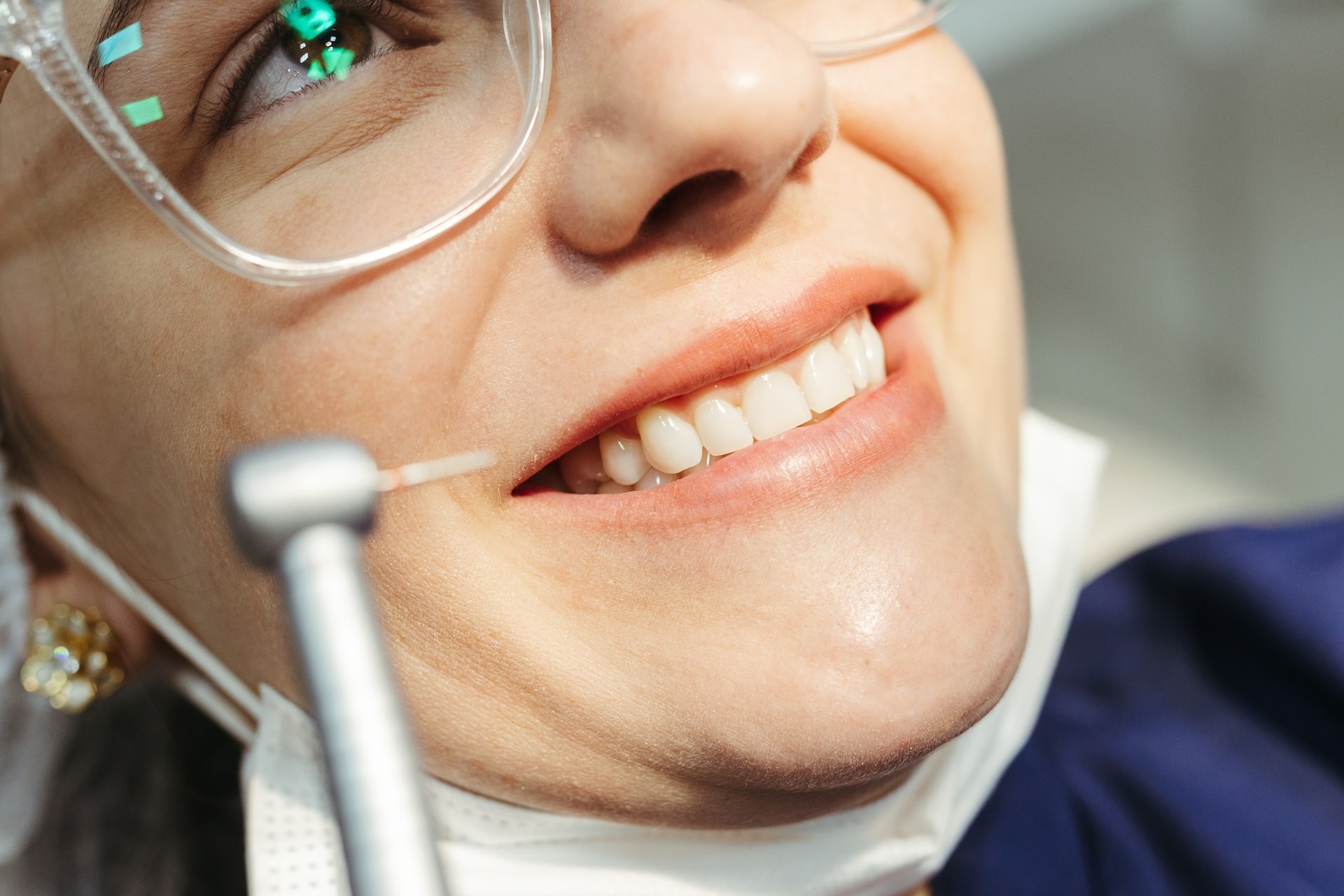
At Sound Surgical Arts, we are committed to providing the highest level of precision, efficiency, and patient comfort in dental procedures. One of the ways this commitment is demonstrated is through our adoption of advanced dental technology, specifically digital impressions using the iOS-Intraoral Surface Scan. This cutting-edge technology has revolutionized dental procedures by creating detailed, accurate, and instantaneous 3D images of a patient’s teeth, ensuring a smoother and more comfortable experience.
Digital impressions with iOS-Intraoral Surface Scan serve as an essential cornerstone in modern dentistry, allowing Sound Surgical Arts’ dental professionals to obtain highly accurate data within minutes that contribute to improved treatment planning, better-fitting restorations, and ultimately, a higher level of patient satisfaction. Unlike traditional dental impressions, which often relied on messy, uncomfortable, and time-consuming methods, digital impressions are non-invasive, faster, and more precise.
In this informative blog post, you’ll learn the ins and outs of digital impressions with the iOS-Intraoral Surface Scan and how this advanced technology benefits various dental procedures at Sound Surgical Arts, including dental implants, crowns, bridges, and more. We will explore the main features and advantages of digital impressions, as well as their impact on patient experience and overall dental care quality. By staying at the forefront of dental technology, Sound Surgical Arts aims to deliver exceptional service and treatment results to patients in Tacoma, WA who are looking to enhance their smiles.
1. What Are Digital Impressions with iOS-Intraoral Surface Scan?
Digital impressions with iOS-Intraoral Surface Scan are an advanced dental technology that involves capturing detailed 3D images of a patient’s teeth and gums using a specialized intraoral scanner. The traditional method of obtaining dental impressions often involved using putty-like materials, which could be uncomfortable and time-consuming for patients. With the introduction of digital impression technology, Sound Surgical Arts has replaced the need for traditional methods with a faster, more accurate, and patient-friendly approach.
The iOS-Intraoral Surface Scan involves a handheld scanner, which the dentist moves around the patient’s mouth, capturing images of various angles. These images are then compiled in real-time using specialized software, generating a precise and detailed 3D image of the patient’s teeth and gums. This digital model is utilized for creating customized restorations and treatment plans, ensuring an optimal fit and function for the patient.
2. Benefits of Digital Impressions with iOS-Intraoral Surface Scan
Digital impressions with the iOS-Intraoral Surface Scan offer several advantages over traditional dental impression methods:
- Accuracy & Precision: Digital impressions produce highly accurate 3D images of a patient’s teeth and gums, resulting in superior fitting restorations and reduced likelihood of adjustments during subsequent dental appointments.
- Comfort & Patient Experience: By eliminating the need for putty-like impression materials, digital impressions offer enhanced patient comfort, as the non-invasive process requires no unpleasant tastes or sensations.
- Efficiency & Time-Saving: Digital impressions are a faster process than traditional methods, as the intraoral scanner captures images in real-time, reducing overall chairside time.
- Reduced Human Error: The accuracy of digital impressions minimizes the risk of errors associated with manual processes, such as the risk of the impression material distorting or not capturing the necessary details.
- Digital Storage & Eco-Friendly: Digital impressions can be stored electronically, making them accessible for future reference, easier to share with dental labs or specialists, and reducing the need for materials that may negatively impact the environment.
3. Impact of Digital Impressions on Dental Procedures at Sound Surgical Arts
At Sound Surgical Arts, the use of digital impressions with the iOS-Intraoral Surface Scan has revolutionized various dental procedures:
- Dental Implants: For dental implant planning, digital impressions provide essential data for precise placement, ensuring optimal fit, function, and aesthetics for the patient.
- Crowns & Bridges: Digital impressions allow for the accurate design of crowns and bridges, ensuring they fit seamlessly with the patient’s existing dentition.
- Orthodontics: Invisalign and other orthodontic treatments benefit from digital impressions, as they help create accurate treatment plans and produce clear aligners that fit comfortably and move teeth effectively.
- Dentures: Digital impressions enable the creation of dentures with a superior fit, increasing patient comfort and function.
4. Exploring the Limitations of Digital Impressions & How Sound Surgical Arts Addresses Them
While digital impressions have revolutionized dental treatments and patient experience, some limitations exist:
- Initial Investment: The cost of implementing digital impression technology can be a hurdle for some dental practices. However, Sound Surgical Arts remains committed to providing the highest level of dental care and has made the necessary investments to bring this technology to their Tacoma practice.
- Learning Curve for Dental Professionals: The transition from traditional impression methods to digital technology comes with a learning curve. However, the team at Sound Surgical Arts is well-trained and experienced in using the iOS-Intraoral Surface Scan, ensuring patients receive the best quality care and outcomes.
- Scanner Size and Patient Comfort: Some patients, particularly those with limited mouth opening or gag reflex, may find the scanner uncomfortable. The Sound Surgical Arts team is committed to making the process as gentle and comfortable as possible, taking extra care and time with each patient to ensure their experience is a positive one.
Conclusion
At Sound Surgical Arts, the use of digital impressions (IOS-intraoral surface scan) has transformed the dental experience for both patients and professionals. The adoption of this advanced technology offers greater accuracy, efficiency, and patient satisfaction across various dental procedures, making it a valuable addition to the practice. Patients looking for top-tier dental care in Tacoma, WA will find that Sound Surgical Arts not only meets their needs but exceeds their expectations with cutting-edge dental technology and compassionate care.
Achieving a Healthy, Beautiful Smile: A Comprehensive Dental Care Guide

A healthy, beautiful smile can not only elevate your self-confidence but also improve your overall quality of life. Achieving and maintaining that perfect smile, however, requires a combination of diligent oral care, preventive measures, and professional guidance. At Sound Surgical Arts, we are committed to providing you with the information and expertise necessary to embark on this journey toward optimal oral health and a radiant smile.
In our comprehensive dental care guide, we’ll share expert advice on maintaining proper oral hygiene, discussing preventive care, and addressing dental concerns as they arise. From daily practices to professional treatments, we’ll walk you through every step of the process that can lead to a healthy, stunning smile you can be proud of. The journey towards improved oral health begins with knowledge and understanding. Let Sound Surgical Arts be your guiding light on this exciting path.
Step 1: Mastering the Art of Proper Oral Hygiene
Brushing and Flossing Techniques
A key component of maintaining a healthy smile involves mastering the art of proper oral hygiene. This starts with the basics: brushing your teeth at least twice a day and flossing daily. It is crucial to follow proper brushing techniques, such as using a soft-bristled toothbrush to gently brush in circular motions and spending at least two minutes on each brushing session. When flossing, gently slide the floss between your teeth, curving it around each tooth to clean effectively without causing damage to your gums.
Choosing the Right Products
Selecting the right oral care products is also essential in maintaining proper oral hygiene. Look for toothpaste, mouthwashes, and dental floss that carry the American Dental Association (ADA) Seal of Acceptance, which ensures the effectiveness and safety of these products. It is also essential to replace your toothbrush every three to four months or when the bristles start to fray.
Step 2: Embracing a Tooth-Friendly Diet
Limit Sugar and Acidic Foods
A tooth-friendly diet plays a significant role in maintaining a healthy, beautiful smile. Consuming excessive amounts of sugary and acidic foods can lead to tooth decay and enamel erosion, respectively. Limit your intake of candy, soda, and sweetened beverages, and be mindful of hidden sugars in processed foods. Additionally, reduce consumption of acidic foods like citrus fruits, tomatoes, and wine.
Consume Foods That Promote Oral Health
Instead, focus on consuming a well-balanced diet rich in vitamins and minerals that promote oral health. Foods like cheese, milk, yogurt, and leafy greens provide calcium and phosphates that can strengthen tooth enamel. Crunchy fruits and vegetables, such as apples, carrots, and celery, can help stimulate saliva production and naturally cleanse the teeth.
Stay Hydrated
Drinking water is essential not only for overall health but also for maintaining a healthy smile. Water helps wash away food debris and bacteria from the teeth and gums, and it aids in maintaining proper saliva levels, which are critical for neutralizing acids and protecting teeth from decay.
Step 3: Prioritizing Preventive Dental Care
Regular Dental Checkups and Cleanings
Preventive dental care is crucial for early detection and treatment of potential oral health issues. Aim to visit your dentist at Sound Surgical Arts at least twice a year for professional dental cleanings and examinations, which help remove plaque and tartar buildup that regular brushing and flossing cannot eliminate. These checkups also allow your dentist to monitor your oral health and proactively address any concerns before they escalate into severe problems.
Dental Sealants and Fluoride Treatments
During your regular dental visits, ask your dentist about preventive treatments such as dental sealants and fluoride treatments. Dental sealants are thin plastic coatings applied to the chewing surface of molars, preventing food and bacteria from accumulating and causing decay. Fluoride treatments help strengthen tooth enamel and prevent tooth decay and can be applied either as a varnish, gel, or foam during your dental visit.
Step 4: Seeking Timely Treatment for Dental Concerns
Addressing Common Dental Issues
Promptly addressing dental concerns as they arise is critical in preventing more significant oral health problems. Issues like cavities can often be treated with simple fillings, but if left untreated, they can lead to root canal treatments or even tooth extraction. If you suspect a cavity, tooth sensitivity, or gum disease, schedule a visit with Sound Surgical Arts to receive a professional evaluation and treatment plan.
Braces and Orthodontic Treatment
Proper teeth alignment plays a vital role in the aesthetic and functional aspects of your smile. Misaligned teeth can result in discomfort, difficulty cleaning, and an increased risk of tooth decay and gum disease. Consider seeking an orthodontic evaluation at Sound Surgical Arts to determine if braces or other teeth alignment solutions can help you achieve a functional, beautiful smile.
Step 5: Exploring Cosmetic Dentistry Options
For aesthetic concerns, such as stained, chipped, or misaligned teeth, a wide array of cosmetic dentistry options can help enhance the appearance of your smile. Whether it is teeth whitening, dental veneers, or Invisalign treatment, Sound Surgical Arts can design a customized cosmetic treatment plan tailored to your unique needs.
By following these steps, encompassing proper oral hygiene, tooth-friendly diets, preventive dental care, addressing dental concerns promptly, and exploring cosmetic dentistry options, you can achieve and maintain a healthy, beautiful smile in partnership with Sound Surgical Arts.
Realize Your Smile’s Full Potential with Sound Surgical Arts
Navigating the journey to a healthy, beautiful smile may seem challenging, but with the right guidance and dedication, you can attain the radiant, confident smile you’ve always desired. Sound Surgical Arts is here to support you every step of the way, providing expert advice, personalized treatment plans, and compassionate care to help you achieve and maintain the best version of your smile.
Take the first step towards transforming your oral health and overall well-being by scheduling a comprehensive dental examination with our skilled professionals. Together, we will discuss your goals, explore potential treatment options, and create a tailored plan designed with your unique needs in mind. Don’t wait any longer and prevent the formation of gum disease in Gig Harbor. Contact Sound Surgical Arts today and unlock the full potential of your smile.
The Comprehensive Guide to Dental Implants: Process, Benefits, and Costs

Dental implants have become increasingly popular due to their natural appearance and functionality, as well as their long-term durability. As a leading provider of dental implant services in Gig Harbor, WA, we understand the importance of making informed decisions when it comes to your dental health. This guide is tailored to help you navigate the world of dental implants, address your concerns, and ultimately determine whether dental implants are the right solution for you. We’ll cover topics such as how dental implants work, the materials used, the timeframe for the process, potential risks, and the overall advantages of choosing dental implants. So, let’s dive in and explore the world of dental implants together!
Understanding Dental Implants: How They Work
Dental implants are a form of restorative dentistry that replaces missing teeth with artificial tooth roots and crowns. The implant itself is typically made from titanium, a biocompatible material widely used in medical procedures due to its ability to fuse with bone. This process, known as osseointegration, allows the implant to securely anchor itself within your jawbone, providing a sturdy foundation for the artificial tooth crown.
The dental implant process consists of three main components – the implant, the abutment, and the crown. The implant replaces the tooth root, the abutment is a connector that attaches the crown to the implant, and the crown serves as the visible replacement tooth that is custom-made to match the shape, size, and color of your natural teeth. This combination ensures that dental implants have a natural appearance and function similarly to your original teeth.
Types of Dental Implants
There are two main types of dental implants: endosteal and subperiosteal. Endosteal implants are the most common and are placed directly into the jawbone. They are typically used for patients who have healthy jawbones and sufficient bone density to support the implant. Subperiosteal implants, on the other hand, are placed on top of the jawbone but underneath the gum tissue. These implants are usually recommended for patients who do not have enough healthy jawbone for an endosteal implant or who cannot undergo a bone grafting procedure.
The Dental Implant Process: What to Expect
The dental implant process involves multiple stages spread over several months. Here is a general overview of what to expect during each stage:
- Consultation and Planning: Your dentist will perform a thorough evaluation, including dental X-rays, a CT scan, and a comprehensive examination of your oral health to determine if you are a good candidate for dental implants. They will also discuss your treatment options and create a personalized treatment plan.
- Tooth Extraction (If Necessary): If you have a damaged tooth that requires removal, this will be done prior to the implant procedure.
- Bone Grafting (If Necessary): If your jawbone lacks the necessary density to support an implant, your dentist may recommend a bone grafting procedure. This involves transplanting bone material to the area where the implant will be placed, providing a stronger foundation for the implant. Bone grafting may require several months of healing before moving on to the next step.
- Implant Placement: During this stage, your dentist will make an incision in your gum tissue to expose the underlying bone. They will then drill a hole in the bone and place the titanium implant. After the implant is in place, the gums are stitched closed, and the healing process begins.
- Osseointegration: Over the course of several months (typically between 3 to 6 months), the implant will slowly fuse with the surrounding bone. This process creates a strong bond that helps ensure the long-term stability of the implant.
- Abutment Placement: Once osseointegration is complete, your dentist will attach the abutment to the implant during a minor surgical procedure. Your gums will need to heal for approximately two weeks before the final step.
- Crown Placement: Finally, your dentist will create a custom dental crown to attach to the abutment. This crown will be carefully crafted to match the color, size, and shape of your natural teeth, ensuring a seamless and natural-looking result.
The Benefits of Dental Implants
Dental implants offer numerous advantages compared to other tooth replacement options, such as dentures and bridges. Here are some key benefits:
- Improved Appearance: Dental implants closely resemble natural teeth, providing a more aesthetically pleasing alternative.
- Enhanced Function: Implants function and feel like your own teeth, allowing you to speak, chew, and bite with confidence.
- Bone Preservation: Unlike dentures and bridges, dental implants protect your jawbone by promoting bone growth and preventing the progressive bone loss that occurs when teeth are missing.
- Low Maintenance: Dental implants do not require any special care other than maintaining good oral hygiene and attending regular dental check-ups.
- Durability and Longevity: Dental implants are designed to last a lifetime with proper care, making them a cost-effective, long-term solution for missing teeth.
Costs Associated with Dental Implants
The cost of dental implants can vary widely depending on factors such as the type of implant, the location of the implant, additional procedures (such as bone grafting), the expertise of the dental professional, and geographical location. The average cost of a single dental implant in the United States ranges between $3,000 and $4,500. However, this price can increase if multiple implants or additional procedures are required.
It’s important to note that many dental insurance plans do not fully cover the cost of dental implants, but they may cover a portion of the expenses or offer alternative benefits. Be sure to consult with your dental insurance provider to discuss coverage options and any related costs. Additionally, some dental practices offer financing options or payment plans to help make the dental implant process more affordable.
Discover the Sound Surgical Arts Difference
Dental implants provide a highly effective and durable solution for individuals facing tooth loss or struggling with dentures. The natural appearance, improved functionality, and lasting results of dental implants make them an investment worth considering. At Sound Surgical Arts, our team of highly skilled professionals is committed to providing you with quality, personalized care every step of the way. From the initial consultation and planning through the entire implant process, we’re dedicated to ensuring your dental implant journey is as comfortable and successful as possible.
If you’re considering dental implants in Gig Harbor and want to experience the difference of working with a dental team that truly values your well-being and satisfaction, contact Sound Surgical Arts today for a consultation. Discover how we can help restore your smile and improve your quality of life through state-of-the-art dental implant solutions.
All on Four Dental Implants: Transform Your Smile with Sound Surgical Arts in Tacoma, WA
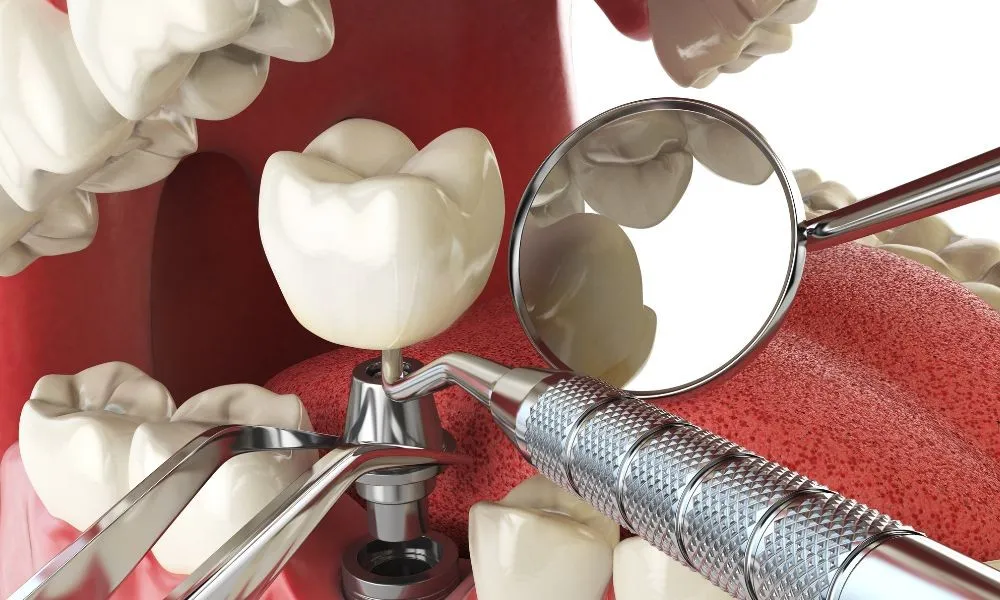
Aging, dental trauma, or dental diseases can sometimes lead to the unfortunate situation of losing multiple teeth. This not only impacts your appearance and self-confidence but may also hinder everyday tasks such as eating and speaking. For patients in Tacoma, WA, seeking a reliable and effective solution to restore their smiles, all on four dental implants offer a revolutionary answer. At Sound Surgical Arts, our team of experienced professionals is here to provide you with this innovative and comprehensive solution that could change your life.
All on four dental implants are a game-changing procedure that can give you a complete smile makeover in a relatively short period, with long-lasting results. Sound Surgical Arts, located in Tacoma, WA, is proud to offer this cutting-edge treatment designed to replace an entire arch of missing teeth with just four strategically placed dental implants. These implants provide a strong, durable foundation for a custom-made dental arch that looks, feels, and functions like natural teeth.
Not only does the all on four dental implant procedure provide a fast, efficient, and life-changing transformation, but it also simplifies the entire tooth-replacement process compared to traditional dental implants. This less-invasive approach can save both time and cost, making it an attractive option for patients in Tacoma seeking to reclaim their smiles with confidence.
In this comprehensive blog post, you’ll learn about the all on four dental implant procedure’s intricacies, its advantages, and why it has become a popular choice among Tacoma patients looking for comprehensive smile restoration. Let us explore how this revolutionary dental solution from Sound Surgical Arts can offer you long-lasting, comfortable, and aesthetic results that truly transform your smile.
1. Understanding the All on Four Procedure
The all on four dental implant procedure is an innovative approach to replacing an entire arch of teeth, using only four dental implants. Let’s delve into how this process works:
- Initial Consultation: At Sound Surgical Arts, your journey begins with an in-depth consultation where our team will evaluate your dental health, discuss your specific goals, and determine if the all on four procedure is the right fit for you.
- Preparation and Planning: If you’re an ideal candidate, we’ll take detailed dental impressions, digital images, and CBCT scans for precise planning of your implant placement.
- Surgical Procedure: During the surgery, our dentist will place four dental implants strategically within your jawbone – two at the front and two tilted towards the back. These implants serve as secure anchor points for the custom-made dental arch.
- Temporary Prosthesis: After implant placement, you will receive a temporary prosthesis, allowing you to eat and speak during the healing phase.
- Final Prosthesis: Once your implant sites have healed and osseointegration (fusion of the titanium implants with your jawbone) is complete, your custom-made dental arch will be affixed to the implants, providing you with a durable, long-lasting, and attractive new smile.
2. Benefits of the All on Four Dental Implants
Choosing the all on four dental implant procedure offers several advantages to patients in Tacoma seeking a comprehensive and effective solution for replacing missing teeth:
- Time Efficiency: Traditional dental implant procedures often require multiple appointments and take several months to complete. However, the all on four approach can be completed in a fraction of the time, with most patients being able to complete the procedure within 1-2 dentist visits.
- Cost-Effective: Since only four dental implants are used to support the entire dental arch, the all on four procedure is often more affordable than traditional implant methods, which require more implants per arch.
- Less Invasive: Due to the strategic placement of the four implants, many patients may not require additional bone grafting or sinus augmentation, further simplifying the process and reducing recovery time.
- Aesthetic Appeal: Your custom-made dental arch is designed to resemble natural teeth, allowing you to enjoy the confidence of a beautiful and functional smile.
- Preventing Bone Loss: The all on four dental implants stimulate jawbone tissue in a similar way to natural tooth roots, helping to maintain bone density and preserve facial structure.
3. Suitability for All on Four Dental Implants
The all on four procedure may be an ideal solution for numerous patients, including those with the following conditions:
- Multiple Missing Teeth: Patients who have lost multiple teeth due to injury, tooth decay, or periodontal disease can benefit from the all on four procedure’s comprehensive and convenient restoration.
- Dissatisfaction with Dentures: Those experiencing discomfort, slipping, or inconvenience from traditional dentures may find the all on four procedure to be a more comfortable and secure alternative.
- Insufficient Jawbone Density: Patients with inadequate jawbone density to support traditional dental implants may still qualify for the all on four procedure, thanks to the innovative implant placement strategy that maximizes the available bone.
However, it’s essential to consult with the dental professionals at Sound Surgical Arts to determine if the all on four procedure is the most suitable option for your specific needs.
4. Maintaining and Caring for Your All on Four Dental Implants
Proper care and maintenance are crucial for ensuring the longevity and performance of your all on four dental implants:
- Oral Hygiene: Brush and floss your teeth daily. Special attention should be given to cleaning around the dental implants and beneath the dental arch.
- Professional Cleanings: Regular dental cleanings at Sound Surgical Arts will help maintain your oral health and ensure the longevity of your all on four implants.
- Avoiding Damaging Habits: Refrain from using your dental implants to open packages, chew ice, or engage in other potentially harmful practices.
Embrace a New Smile with All on Four Dental Implants from Sound Surgical Arts
The all on four dental implant procedure offers patients in Tacoma a life-changing solution to restore their smiles with convenience, efficiency, and effectiveness. By understanding the process, benefits, and suitability, along with proper maintenance, you can enjoy a transformed smile that lasts a lifetime. Reclaim your confidence and embrace a world of new possibilities with all on four dental implants at Sound Surgical Arts.
Don’t allow the absence of teeth to hinder your enjoyment of life. Begin your journey to a more radiant, healthier grin by getting in touch with Sound Surgical Arts for a consultation. Our professional team will guide you through the entire process of getting all on four dental implants, establishing a personalized treatment regimen based on your individual requirements, and providing support throughout your journey. It’s time to experience the happiness of a full and self-assured smile again – start your transformation today with Sound Surgical Arts.
Improving Your Smile and Oral Health with Dental Implants at Sound Surgical Arts

Dental implants have long been considered the gold standard for tooth replacement, offering many benefits to those experiencing tooth loss or seeking to improve their oral health. At Sound Surgical Arts in Tacoma, WA, our skilled team of dental professionals is dedicated to providing the best dental implant solutions, ensuring lasting satisfaction and improved quality of life for our patients.
In this comprehensive guide, we delve into the world of dental implants and their impact on oral health. From understanding the benefits and the procedure itself to essential aftercare tips and ongoing maintenance, we aim to equip you with the knowledge needed to make informed decisions about your dental care. Discover the transformative power of dental implants and take charge of your oral health as we journey through the process together with Sound Surgical Arts.
Understanding Dental Implants: How Do They Work?
Dental implants are artificial tooth roots made of titanium, which are securely placed in the jawbone to support a dental prosthetic such as a crown, bridge, or denture. Once in place, the implant fuses with the surrounding bone through a process called osseointegration, providing a permanent, stable base for dental restoration. Dental implants are designed to mimic the look, feel, and function of natural teeth, making them an ideal solution for individuals looking to restore their smile and oral health.
Benefits of Dental Implants for Oral Health
Dental implants offer numerous benefits for your oral health, including:
- Bone Preservation: In the absence of a natural tooth root, bone loss can occur in the jaw. Dental implants help to stimulate the bone, preventing deterioration and preserving its structural integrity.
- Minimizing Stress on Neighboring Teeth: Unlike dental bridges, which require the support of adjacent teeth, dental implants are self-supporting and don’t rely on neighboring teeth for stability. This helps to reduce stress and potential damage to the surrounding teeth.
- Improved Bite and Chewing Functionality: Dental implants provide a stable foundation for dental restorations, allowing patients to regain their natural bite function and enjoy a wide range of foods without the worry of the prosthetic slipping or becoming loose.
- Aesthetically Pleasing Results: Dental implants closely resemble natural teeth in terms of appearance and feel, resulting in a seamless and more confident smile.
The Dental Implant Procedure at Sound Surgical Arts
At Sound Surgical Arts, the dental implant process typically involves the following steps:
- Consultation and Treatment Planning: During the initial consultation, our dental professionals will conduct a thorough examination of your teeth, gums, and jawbone. Detailed imaging may also be performed to assess the condition of your oral structures. Based on the information gathered, a customized treatment plan will be developed to address your unique dental needs.
- Tooth Extraction (If Necessary): If the damaged or decayed tooth is still present, it will need to be extracted to make room for the dental implant.
- Implant Placement: A small incision is made in the gum tissue, and a hole is drilled into the jawbone. The dental implant is then carefully placed into the bone, and the gum tissue is sutured closed to minimize post-operative discomfort.
- Osseointegration: Over the course of several months, the dental implant will fuse with the surrounding bone, providing a strong and stable foundation for the dental prosthetic.
- Abutment Placement: Once osseointegration is complete, an abutment is attached to the implant. The abutment serves as a connector between the implant and the dental prosthetic. In some cases, the abutment can be placed simultaneously with the implant.
- Dental Prosthetic Placement: After the abutment is in place and the gum tissue has healed, the dental prosthetic (crown, bridge, or denture) is attached to the abutment, completing the dental implant procedure.
Aftercare and Ongoing Maintenance for Dental Implants
Proper aftercare and ongoing maintenance play a crucial role in ensuring the long-term success of dental implants. Here are some tips to help you maintain optimal oral health following a dental implant procedure:
- Oral Hygiene Routine: Stick to a regular oral hygiene routine, including brushing twice a day, flossing daily, and using an antimicrobial mouthwash. This helps to keep your dental implants, gums, and surrounding teeth clean and healthy.
- Biannual Dental Checkups: Visit Sound Surgical Arts for regular dental checkups and professional cleanings at least twice a year. This allows our dental professionals to monitor the health of your dental implants and address any potential issues before they become more severe.
- Avoid Hard or Sticky Foods: Be cautious of consuming hard or sticky foods, as they can potentially damage your dental prosthetic or the implant itself.
- Avoid Tobacco Products: Smoking and using other tobacco products can adversely impact the healing process following dental implant surgery and may potentially affect the long-term success of the implant.
- Wear a Night Guard, If Necessary: If you suffer from bruxism (teeth grinding), it’s essential to wear a custom night guard to protect your dental implants and prosthetics from potential damage.
Experience the Life-Changing Impact of Dental Implants at Sound Surgical Arts
Dental implants offer a transformative solution for individuals seeking to regain their confidence, oral health, and overall well-being. With a skilled team of dental professionals and state-of-the-art facilities, Sound Surgical Arts is committed to providing exceptional care and personalized dental implant solutions for our Tacoma, WA, patients.
Don’t let tooth loss hold you back from living your life to the fullest. Take the first step toward a brighter, healthier smile by contacting Sound Surgical Arts to schedule a consultation. Our team will walk you through the process of getting a dental implant in Tacoma, develop a customized treatment plan tailored to your unique needs, and support you every step of the way. It’s time to rediscover the joy of a complete and confident smile – make the change today with Sound Surgical Arts.