
Wisdom teeth, also known as third molars, typically emerge during a person’s late teens or early twenties. While these teeth can sometimes grow in without issues, more often than not, they pose a range of complications due to insufficient space in the jaw, misalignment, or impaction. Wisdom tooth extraction is a common dental procedure designed to prevent or address problems associated with these problematic teeth, promoting overall oral health and well-being. At Sound Surgical Arts in Gig Harbor, WA, our highly experienced team of dental professionals is committed to providing top-quality care in a comfortable and caring environment, ensuring patients receive the guidance and support they need throughout the wisdom tooth extraction process.
When wisdom teeth do not have sufficient room to grow or are impacted (trapped in the jawbone or gums), various complications can arise. These include pain, swelling, infection, and damage to nearby teeth or bone. In some cases, cysts may even develop around the impacted tooth, leading to even more significant dental issues if left untreated. Consequently, early detection and intervention via wisdom tooth extraction can help prevent these complications and promote better oral health.
In this educational article, we will provide a thorough overview of wisdom tooth extraction, including the indications for the procedure, the extraction process itself, and what patients can expect during the post-operative recovery phase. By shedding light on the importance of this procedure and the exceptional care provided by our team at Sound Surgical Arts in Gig Harbor, WA, we aim to alleviate any anxiety or concerns patients may have, empowering them to make informed decisions about their dental health and secure a bright, healthy future for their smiles.
Indications for Wisdom Tooth Extraction
1. Impacted Wisdom Teeth
When wisdom teeth are unable to fully emerge from the gums due to a lack of space in the jaw or improper angle, they become impacted. As a result, they can cause significant pain, swelling, and even infection. Impacted wisdom teeth often require extraction to alleviate symptoms and prevent further complications.
2. Overcrowding
Overcrowding occurs when there is not enough room in the jaw for wisdom teeth to grow properly. This can cause adjacent teeth to shift or become misaligned, leading to bite problems, gum disease, and even tooth decay. Wisdom tooth extraction in these cases can help preserve the overall health and alignment of the remaining teeth.
3, Inflammation and Infections
Wisdom teeth can sometimes lead to the development of pericoronitis, a painful infection caused by inflammation around the tooth’s partially erupted crown. When recurrent infections or inflammation occur, extracting the wisdom tooth can help prevent further episodes and promote a healthier oral environment.
The Extraction Process
1. Preoperative Evaluation and Planning
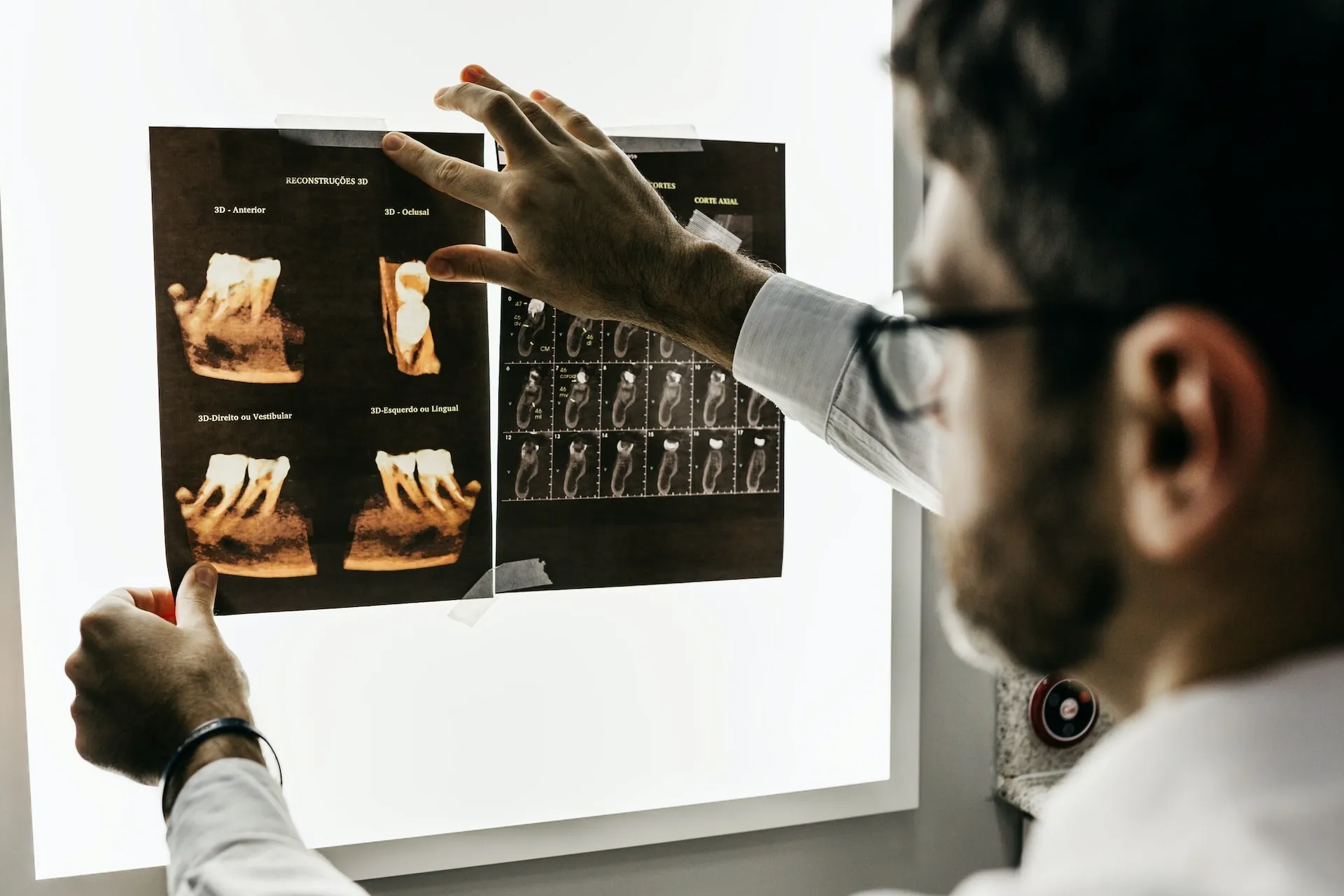
Before any extraction takes place, a thorough examination and evaluation of the patient’s dental condition is essential. Diagnostic imaging, including X-rays and potentially a 3D Cone Beam scan, will help our dental professionals at Sound Surgical Arts in Gig Harbor assess the position and condition of the wisdom teeth, allowing them to determine the most appropriate course of action and develop a personalized extraction plan.
2. Anesthesia and Sedation
To ensure patient comfort and minimize any anxiety or distress, anesthesia and sedation options are available for wisdom tooth extraction procedures. Local anesthesia will numb the area around the tooth, while sedation options like nitrous oxide (laughing gas) or oral sedatives can provide additional relaxation for a more comfortable experience.
3. Extraction Procedure
During the wisdom tooth extraction, our skilled dental professionals will carefully remove the tooth from the jawbone and surrounding tissue. In some cases, minor bone removal or tooth sectioning may be necessary to facilitate a successful and minimally invasive extraction.
4. Post-Extraction Care and Recovery
After the extraction, the surgical site will be closed using sutures, and patients will receive detailed postoperative care instructions to ensure a smooth and comfortable recovery. Proper oral hygiene, medication management, and activity modifications can all contribute to a successful healing process.
Recovery and Aftercare
1. Pain and Swelling Management
Mild to moderate pain and swelling are normal following a wisdom tooth extraction, but can be managed effectively using prescribed pain medications, over-the-counter anti-inflammatory drugs, or ice packs applied to the cheek in 20-minute intervals. Following the recommended care plan provided by our dental professionals will ensure a comfortable recovery.
2. Activity and Diet Modifications
In the first few days after the extraction, patients should avoid strenuous physical activities and adopt a soft food diet to minimize the risk of complications. Gradually reintroducing solid foods and resuming normal activities can follow as comfort dictates and healing progresses.
3. Follow-Up Visits
Typically, a follow-up visit is scheduled within a week after the extraction to assess the healing progress and address any concerns or questions. Our dedicated team at Sound Surgical Arts in Gig Harbor will monitor and guide patients through the recovery process, ensuring the best possible outcomes and a prompt return to optimal oral health.
Conclusion
Wisdom tooth extraction is a crucial dental procedure designed to mitigate the risks and complications associated with these problematic teeth. With the comprehensive care and expertise provided by our experienced dental professionals at Sound Surgical Arts in Gig Harbor, WA, patients can expect a comfortable, well-coordinated treatment process that prioritizes their health, well-being, and overall satisfaction.
If you or a loved one are experiencing issues with wisdom teeth or have concerns about their potential impact on your oral health, schedule a three-dimensional imaging (CBCT) in Gig Harbor at Sound Surgical Arts. Our experts are ready to provide the guidance, support, and advanced dental care solutions necessary to help you achieve and maintain a vibrant, healthy smile.