
Sound Surgical Arts
Dental Implants or Dentures: Comparing Solutions for Your Perfect Smile

Deciding on the ideal tooth replacement solution for your smile can be challenging. You’ll likely find yourself comparing dental implants and dentures – the two most popular options available. Both choices offer unique advantages, but depending on your individual needs and preferences, one solution may prove more suitable. This article explores the differences between dental implants and dentures, covering essential aspects such as functionality, appearance, comfort, and durability.
At Sound Surgical Arts, we recognize that making the right decision requires comprehensive information. We’re here to help you understand the finer details about each tooth replacement option and support you in making the most informed choice for your smile. By gaining insight into dental implants and dentures’ pros and cons, you’ll be better equipped to determine the solution that aligns with your dental health goals and lifestyle.
1. Functionality and Comfort
When choosing between dental implants and dentures, it’s essential to consider each option’s functionality and comfort. Let’s examine this crucial aspect:
– Dental Implants: Dental implants are artificial tooth roots surgically placed into the jawbone. They closely mimic natural teeth, allowing you to chew, speak, and smile without any difficulties. Dental implants have a secure, stable foundation, which significantly reduces discomfort and ensures they function like your natural teeth. Moreover, dental implants prevent bone loss in the jaw, maintaining your facial structure and avoiding a ‘sunken-in’ appearance.
– Dentures: Dentures are removable appliances designed to replace missing teeth. They can be partial (replacing a few missing teeth) or complete (replacing the entire arch of teeth). While dentures offer a functional solution for tooth replacement, they may initially cause discomfort, require adjustments, and demand time to adapt to. Dentures can also lead to irritation in the gums and difficulties chewing certain foods.
2. Aesthetics and Customization
The appearance and customization of your tooth replacement solution matter significantly when deciding between dental implants and dentures:
– Dental Implants: Dental implants offer a highly aesthetic result, often indistinguishable from natural teeth, as their crowns are custom-designed to match your surrounding teeth’s shape, size, and color. Additionally, dental implants help preserve your jawbone and maintain facial structure, providing a more natural appearance.
– Dentures: Modern dentures can be constructed to resemble natural teeth closely but may still be detectable when compared to dental implants. Dentures may cause changes to your facial structure over time as they don’t stimulate jawbone preservation, eventually leading to a ‘sunken-in’ appearance.
3. Longevity and Durability
The longevity and durability of dental implants and dentures differ, making this a crucial aspect to consider:
– Dental Implants: With proper care and maintenance, dental implants can last a lifetime. The implant itself, made of biocompatible titanium, osseointegrates (fuses) with your jawbone, creating a sturdy, permanent foundation. The crown component may need to be replaced after 10-15 years, depending on wear and tear.
– Dentures: Dentures have a shorter lifespan and typically need to be replaced every 5-8 years. They can wear down, stain, or lose their natural color over time, requiring repairs or adjustments more frequently than dental implants. Additionally, dentures may need to be relined or adjusted as the jawbone resorbs and changes shape.
4. Cost and Maintenance
The cost and maintenance requirements of dental implants and dentures are important factors to consider during the decision process:
– Dental Implants: Although the initial cost of dental implants tends to be higher than dentures, they are often more cost-effective in the long run due to their longevity and minimal maintenance requirements. Standard oral hygiene practices, such as brushing and flossing, are necessary to maintain dental implants.
– Dentures: Dentures may have a lower upfront cost, but they require more frequent replacements and specialized care, potentially leading to higher overall expenses. Maintenance includes daily cleaning and nightly removal for soaking; dentures also demand the use of adhesives to keep them in place.
5. Candidacy and Suitability
Your current dental health and unique circumstances play a significant role in determining your suitability for dental implants or dentures:
– Dental Implants: To be an ideal candidate for dental implants, you should have healthy gums, sufficient jawbone density for implant placement, and a commitment to maintaining excellent oral hygiene. Some cases may require preparatory procedures, such as bone grafting, before implant placement. Dental implants are typically more suitable for younger patients or individuals with one or a few missing teeth.
– Dentures: Dentures can be a suitable option for patients with insufficient jawbone density or extensive tooth loss. They can also be a more practical choice for elderly patients or those with specific health conditions that may complicate implant surgery.
In conclusion, when deciding between dental implants and dentures, considering factors such as functionality, aesthetics, longevity, cost, and your unique dental health situation is crucial. Dental implants offer a more permanent and natural-feeling solution, whereas dentures provide a versatile and less invasive alternative. Ultimately, the right choice for your smile depends on your preferences, dental health, and individual circumstances. Consult the experts at Sound Surgical Arts to determine the best tooth replacement option for you.
Your Smile, Your Choice at Sound Surgical Arts
Dental implants and dentures both offer unique advantages in addressing tooth loss and restoring your smile. By understanding the differences in functionality, aesthetics, durability, cost, and suitability, you can make an informed decision that best meets your individual dental health needs and preferences. At Sound Surgical Arts, our experienced professionals are committed to providing you with personalized care and expert advice while considering your unique dental goals, health, and lifestyle.
Schedule a consultation at Sound Surgical Arts in Tacoma, WA today. Our dedicated team will help you navigate through the dental implant and denture options available, ensuring you choose the solution that brings out the best possible smile results. With us by your side, you can feel confident in your decision and smile brighter than ever before.
Protect and Enhance Your Smile with Expert Gum Grafting at Sound Surgical Arts

Gum recession can lead to a variety of dental issues, ranging from cosmetic concerns to increased tooth sensitivity and possible tooth loss. Sound Surgical Arts, your trusted dental care provider in Tacoma, WA, offers gum grafting solutions to help protect and restore your oral health. This comprehensive guide will delve into the essentials of gum grafting, exploring its benefits and uses for cosmetic, esthetic, recession, and root coverage procedures. Whether you’re experiencing gum recession due to periodontal disease, aging, or other factors, our skilled professionals at Sound Surgical Arts are dedicated to delivering the best care to ensure that your smile remains healthy and radiant. Learn the ins and outs of gum grafting and take a proactive step towards enhancing your oral health today.
Understanding Gum Recession
Before diving into gum grafting, it’s important to understand gum recession – the main reason patients may require the procedure in the first place. Gum recession is a common dental issue where the gum tissue surrounding the teeth pulls back or wears away, exposing the root surfaces. This can lead to increased tooth sensitivity, eventual tooth loss, and cosmetic concerns. Various factors can contribute to gum recession, including:
Periodontal disease
Aggressive tooth brushing
Tobacco use
Teeth grinding (bruxism)
Inadequate or misaligned dental restorations
What Is Gum Grafting?
Gum grafting is a surgical procedure that aims to reverse or prevent further gum recession. A small section of gum tissue is taken from the patient’s mouth (usually the palate) or a donor source and attached to the receding gum line. The primary goal of gum grafting is to cover exposed tooth roots, protect them from decay, and improve the aesthetic appearance of the gums.
Types of Gum Grafts
There are several types of gum grafts that dental professionals use to address gum recession and its associated issues:
1. Connective Tissue Graft: This is the most common type of gum graft procedure. A flap is created in the roof of the patient’s mouth and a small piece of connective tissue under the top layer of the palate is removed. The harvested tissue is then placed in the area of gum recession and sutured in place.
2. Free Gingival Graft: In a free gingival graft, a small piece of tissue is directly removed from the roof of the patient’s mouth and transplanted onto the gum area to be treated. This method is typically used in cases where the patient has thin gums and requires extra tissue to enlarge the gum line.
3. Pedicle Graft: Instead of removing tissue from the palate, a pedicle graft involves using gum tissue adjacent to the tooth with gum recession. A flap, also known as the pedicle, is partially cut away and then pulled over and secured onto the exposed tooth root.
The ideal type of gum graft for a patient will depend on their unique needs and the specific problems they are experiencing.
Gum Grafting for Cosmetics, Esthetics, Recession, and Root Coverage
Gum grafting is a versatile procedure with benefits that can address a variety of dental concerns. Here’s how gum grafting can help improve cosmetics, esthetics, recession, and root coverage:
1. Cosmetic and Esthetic Benefits: Gum grafting can help correct uneven gum lines or a “gummy” smile, resulting in a more balanced and visually appealing appearance. Once the gum tissue is grafted in place, the treated area will blend seamlessly with the surrounding tissue, providing a natural-looking improvement.
2. Gum Recession Treatment: Gum grafting is an effective solution to halt or reverse gum recession. By adding new gum tissue to the receding areas, the teeth’s roots are protected from exposure, reducing the risk of tooth decay and damage.
3. Root Coverage: When gum recession exposes tooth roots, it not only creates potential cosmetic concerns but also increases the risk of sensitivity, infection, and tooth loss. Gum grafting covers the exposed roots, preventing decay and associated health issues.
What to Expect During Recovery
The recovery process from gum grafting surgery typically takes several weeks. During this time, patients should follow all post-operative instructions provided by their dental professional to ensure the best possible outcome. Some guidelines for gum grafting recovery include:
Take prescribed pain medication or over-the-counter pain relievers, as recommended by your dental professional.
Use ice packs to minimize swelling and inflammation.
Avoid brushing or flossing in the treated area until cleared by your dental professional.
Consume a soft, non-spicy diet (such as yogurt, pasta, or mashed potatoes) to minimize irritation and promote healing.
Avoid activities that may put strain on the graft site, such as heavy lifting or vigorous exercise.
It is crucial to attend all follow-up appointments so the dental professional can monitor healing progress and ensure no complications arise.
Long-Term Success of Gum Grafting
Gum grafting procedures have a high success rate, and patients can expect a 90% success rate of the graft taking to the treatment site in many cases [source: https://www.ncbi.nlm.nih.gov/pmc/articles/PMC7339378/]. However, the long-term success of gum grafting depends on proper oral hygiene, maintenance, and addressing the underlying causes of gum recession.
Maintaining good oral hygiene habits, including regular dental check-ups, brushing, and flossing, is essential for the ongoing health of the gum grafts. Addressing the root causes of gum recession, such as aggressive brushing or tobacco use, will prevent further issues and ensure the longevity of the graft.
In conclusion, gum grafting is a powerful and versatile tool for addressing gum recession and related dental concerns. By opting for gum grafting treatment at Sound Surgical Arts in Tacoma, WA, patients can protect their oral health, enhance their smile’s appearance, and enjoy a lasting, positive impact on their dental well-being.
Protect Your Smile with Expert Gum Grafting at Sound Surgical Arts
In conclusion, gum grafting is a transformative dental procedure that can improve and protect your oral health by addressing gum recession, enhancing esthetics, and providing root coverage. The skilled professionals at Sound Surgical Arts in Tacoma, WA, are dedicated to offering personalized and expert gum grafting solutions, ensuring you receive the best care and results possible.
If you are experiencing gum recession or are concerned about your gum health, don’t wait any longer. Schedule a consultation with Sound Surgical Arts in Tacoma, WA, to discuss your options for gum grafting for recession tailored to your specific needs. Invest in your oral health and restore your confidence by entrusting your smile to our compassionate and experienced dental professionals.
5 Signs You Need Bone or Gum Grafting: Guidance from Sound Surgical Arts (Gig Harbor, WA)
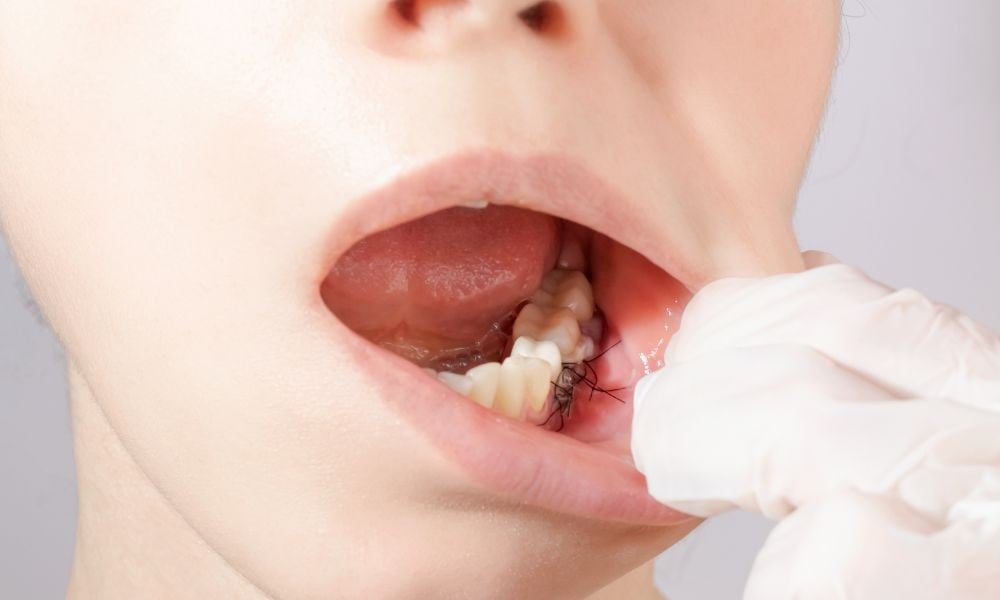
Bone and gum grafting procedures are essential dental treatments for patients who have experienced gum recession, bone loss, or other periodontal issues. These procedures aim to regenerate and reinforce the affected areas, offering improved oral health and a stronger foundation for your teeth. Early intervention is crucial for obtaining the best possible outcomes, making it necessary to recognize the signs that you may benefit from bone or gum grafting.
In this informative checklist, we will discuss five key signs that you may require a gum or bone grafting procedure, and emphasize the importance of seeking professional consultation and care from the experienced team at Sound Surgical Arts (Gig Harbor, WA). Equipped with the knowledge to identify these signs and by choosing the right professionals to guide you through your treatment, you’ll be well on your way to restored oral health and a confident, radiant smile.
Signs Indicating the Need for Bone or Gum Grafting
1. Gum Recession
Gum recession occurs when the gum tissue surrounding the teeth begins to pull away, exposing the tooth roots. This common dental issue can result from various factors, including aggressive tooth brushing, gum disease, or even genetics.
Receding gums can lead to increased tooth sensitivity, root decay, and an aesthetically unpleasing appearance. Gum grafting procedures, such as connective tissue grafts or free gingival grafts, can help repair the damage and restore both function and appearance.
2. Tooth Loss and Bone Deterioration
When teeth are lost due to decay, injury, or extraction, the jawbone in the affected area may begin to deteriorate as it no longer receives the necessary stimulation from the tooth’s root. Significant bone loss may make it difficult for dental implants or other restorative procedures to be feasible without first performing a bone graft. Bone grafting techniques, such as autografts, allografts, or xenografts, can help restore lost bone density and create a stable foundation for dental implants or other restorative techniques.
3. Advanced Periodontal Disease
Advanced periodontal disease, also known as periodontitis, involves bacterial infection and inflammation of the gums, which can eventually lead to the destruction of the supporting structures of the teeth, including the bone and the periodontal ligament. In severe cases, bone loss may occur, resulting in the need for bone grafting to repair the damage and prevent further deterioration. Additionally, if the gum tissue has been significantly damaged, a gum graft may be necessary to restore proper oral health.
4. Trauma or Injury to the Mouth
Accidents, sports injuries, or other traumatic events can sometimes result in the loss of teeth and damage to the surrounding bone and gum tissue. In these cases, bone or gum grafting may be necessary to restore the functional and aesthetic aspects of the mouth and provide the foundation for future dental restorative procedures. It is crucial to seek professional dental care immediately following any traumatic dental event, as timely intervention can greatly increase the chances of a successful recovery.
Options for Bone and Gum Grafting Procedures
Depending on the severity and nature of the damage, various gum and bone grafting techniques may be employed to restore optimal oral health:
1. Connective Tissue Grafts
Connective tissue grafts involve the removal of a small piece of tissue from the patient’s palate and attaching it to the area of gum recession. This type of gum graft is commonly used for treating exposed tooth roots and can significantly improve tooth sensitivity and cosmetic appearance.
2. Free Gingival Grafts
In a free gingival graft, a small piece of tissue is removed directly from the palate or another donor site and attached to the area with gum recession. This procedure is often used when additional gum tissue is needed to cover exposed roots or to thicken thin gum tissue.
3. Autografts
Autografts involve the transplantation of bone from one area of the patient’s body to another area, such as the jaw, to promote new bone growth. This method is often preferred, as it utilizes the patient’s own tissue, reducing the risk of infection or rejection.
4. Allografts
An allograft utilizes bone from a deceased donor or a cadaver that has been processed and sterilized. This option eliminates the need for a secondary surgery site and lowers the risk of complications.
5. Xenografts
Xenografts involve the use of bone material from a non-human source, such as bovine or porcine, that has been processed and sterilized. This option is often chosen when there is a lack of available bone tissue from the patient or donor for an autograft or allograft.
Steps to Prevent Bone and Gum Grafting Procedures
While some dental issues may be unavoidable due to genetics or other factors, there are several steps you can take to minimize the risk of requiring a bone or gum grafting procedure:
- Practice Good Oral Hygiene: Brush your teeth twice a day with fluoride toothpaste, floss daily, and use an antibacterial mouthwash to reduce plaque and bacteria buildup.
- Regular Dental Checkups: Schedule regular dental checkups and cleanings to monitor potential oral health issues and receive professional guidance on maintaining optimal oral health.
- Eat a Balanced Diet: Consume a diet rich in vitamins and minerals, such as calcium and vitamin D, to promote strong teeth and bones.
- Avoid Damaging Habits: Refrain from smoking, tobacco use, excessive alcohol consumption, and aggressive tooth brushing, which can all contribute to gum recession and bone loss.
Restoring Your Oral Health with Sound Surgical Arts (Gig Harbor, WA)
Recognizing the signs that you may need a bone or gum grafting procedure is essential to maintaining and restoring your oral health. At Sound Surgical Arts (Gig Harbor, WA), our experienced team is dedicated to providing comprehensive consultations and personalized care to address your unique dental requirements and concerns. By offering a range of effective gum and bone grafting in Gig Harbor, our dental professionals ensure the highest standard of care for your oral health needs.
Take control of your oral health and regain your confident, beautiful smile by scheduling a consultation with our team today. At Sound Surgical Arts (Gig Harbor, WA), we’ll craft the ideal treatment plan tailored to your individual needs for restored gum and bone health. Contact us now, and let’s partner together on your journey to exceptional oral well-being.
Maximize Your Oral Health with Everyday Practices & Sound Surgical Arts (Gig Harbor, WA) Checkups
A healthy mouth is the foundation for a beautiful, confident smile, and the key to achieving optimal oral health lies in your everyday practices. By adopting effective oral hygiene routines, engaging in preventive care measures, and scheduling regular dental checkups with Sound Surgical Arts (Gig Harbor, WA), you can maintain a healthier mouth and reap the benefits of good oral health throughout your life.
In this insightful article, we will share essential everyday practices for maintaining excellent oral hygiene and underscore the critical role that regular dental checkups with the dedicated team at Sound Surgical Arts (Gig Harbor, WA) play in your overall dental wellbeing. By following these guidelines and trusting our dental professionals to guide you on your journey, you’ll be well on your way to a radiant, healthy smile that will last a lifetime.
Fundamental Oral Hygiene Practices
1. Correct Brushing Technique
Brushing your teeth is the cornerstone of an effective oral hygiene routine. It is essential to use the proper brushing technique to ensure that plaque and bacteria are adequately removed from your teeth and gums. The American Dental Association (ADA) recommends holding your toothbrush at a 45-degree angle to your gums and brushing using short, gentle strokes, making sure to cover all surfaces of your teeth, including the chewing surfaces, the outer surfaces, and the inner surfaces.
Additionally, don’t forget to brush your tongue, as it harbors bacteria that can contribute to bad breath and dental plaque. Aim to brush your teeth for a full two minutes, at least twice a day, with fluoride toothpaste.
2. Importance of Flossing
Flossing helps remove plaque and food particles that are trapped between your teeth and under the gumline, where your toothbrush cannot reach. According to the ADA, you should floss at least once a day to maintain optimal oral hygiene. To floss effectively, use an 18-inch piece of dental floss, curve it into a C shape around each tooth, and gently slide it up and down, ensuring it is clean below the gumline. If you find traditional floss difficult to navigate, consider using interdental brushes, water flossers, or pre-threaded flossers as alternatives for effective cleaning between your teeth.
3. Mouthwash Use
Incorporate an antibacterial mouthwash into your daily routine to effectively reduce plaque buildup, prevent gum disease, and maintain fresh breath. The ADA recommends choosing a mouthwash containing fluoride for added tooth enamel protection and cavity prevention. Swish the mouthwash for about 30 seconds before spitting it out, and remember that mouthwash should not replace regular brushing and flossing but should act as a supplementary tool to enhance your oral hygiene regimen.
Lifestyle Factors Impacting Oral Health
1. Balanced Diet and Nutrition
A well-balanced diet plays a crucial role in maintaining a healthy mouth, as certain vitamins and minerals promote healthy teeth and gums. Foods rich in calcium, such as dairy products and leafy greens, help strengthen tooth enamel, while vitamin D, found in fish and fortified cereals, supports calcium absorption.
Additionally, vitamin C, found in fruits and vegetables, aids in the maintenance of healthy gums. Avoid frequent snacking, particularly on sugary or acidic foods, as this can create an environment in which bacteria thrive, leading to tooth decay and gum disease.
2. Drinking Water
Staying well-hydrated is essential for overall health, and this is also true when it comes to your oral hygiene. Drinking water throughout the day helps flush away food debris and bacteria, preventing plaque buildup. In areas where tap water is fluoridated, drinking it can also provide additional protection against tooth decay.
3. Avoiding Tobacco Use and Limiting Alcohol Consumption
Tobacco use, whether smoking or smokeless, increases the risk of gum disease, tooth loss, and oral cancer. Quitting tobacco use can significantly improve your oral health and prevent these severe consequences. Similarly, excessive alcohol consumption can have detrimental effects on your oral health, including causing dry mouth, eroding tooth enamel, and increasing the risk of oral cancer. Limit your alcohol intake, and be sure to drink water alongside alcoholic beverages to maintain a hydrated and healthy oral environment.
The Role of Regular Dental Checkups
1. Professional Cleanings and Examinations
Regular dental checkups with Sound Surgical Arts (Gig Harbor, WA), ideally every six months, involve professional cleanings to remove plaque and tartar that you may have missed during your daily hygiene routine. These visits also include a thorough examination to detect early signs of cavities, gum disease, and oral cancer, ensuring timely intervention and treatment to maintain your dental health.
2. Guidance on Your Oral Health
Dental appointments also provide an opportunity for the team at Sound Surgical Arts (Gig Harbor, WA) to offer personalized advice regarding your oral hygiene routine and address any concerns or pain points you may have. They can recommend suitable dental products, inform you about preventive measures, and provide guidance on improving your oral care techniques.
3. Preventive Treatments
Preventive dental treatments, such as dental sealants or fluoride varnishes, can be applied during checkups to help protect susceptible areas of your teeth from decay. Sound Surgical Arts (Gig Harbor, WA) offers these targeted solutions to proactively safeguard your teeth and prevent more extensive dental issues down the line.
By incorporating these everyday practices and prioritizing regular dental checkups with Sound Surgical Arts (Gig Harbor, WA), you can optimize your oral health and enjoy a brighter, healthier smile. Maintaining a healthy mouth is the foundation of your overall well-being, so don’t hesitate to invest the time and effort needed to preserve your dental health for a lifetime.
Achieve a Lifetime of Oral Health with Sound Surgical Arts (Gig Harbor, WA)
Taking charge of your oral health is an investment in your overall well-being and confidence. By adopting these everyday practices and committing to regular dental checkups at Sound Surgical Arts (Gig Harbor, WA), you can create lasting dental health and a stunning smile that remains radiant. Our dedicated team is committed to providing personalized care and guidance in achieving and maintaining optimal oral health for all our patients.
Don’t delay taking the necessary steps to preserve your oral health for a lifetime. Schedule your next dental appointment with Sound Surgical Arts (Gig Harbor, WA) and start the journey toward maintaining a healthier, brighter, and more confident you. Reach out to us today, and let our dental professionals help you reach your oral health goals.
Unraveling Common Dental Myths: Separating Fact from Fiction

The world of oral health can be full of misconceptions and myths, leading to confusion and misunderstanding about proper dental care. Separating fact from fiction is essential, as our beliefs about oral health can play a fundamental role in maintaining a healthy and confident smile. Sound Surgical Arts (Tacoma, WA) is committed to dispelling these myths, ensuring that our patients have reliable information to make informed decisions.
In this blog, we will unravel common dental myths and provide accurate information about oral health care. We will address misconceptions about the frequency of dental visits, the impact of sugar on teeth, the connection between oral health and overall health, and more. Empower yourself with knowledge and take control of your oral health care journey by understanding the truth behind these prevalent dental myths.
Myth 1: You Should Visit the Dentist Only When Experiencing Oral Issues
Fact: Regular dental examinations and cleanings are crucial in maintaining optimal oral health. The American Dental Association (ADA) recommends scheduling dental check-ups at intervals determined by your dentist, based on your unique needs and risk factors for dental problems. Regular check-ups not only address any oral issues early on but can also prevent them from developing in the first place.
By visiting the dentist proactively, you ensure that any potential issues are identified and treated early, preventing more complex and expensive treatments later on.
Myth 2: Sugar Is the Sole Cause of Tooth Decay
Fact: While excess sugar consumption can indeed contribute to tooth decay, the primary cause of decay is the production of acid by oral bacteria. When you consume sugar, oral bacteria utilize the sugar to produce acid, which erodes the enamel and eventually leads to the formation of cavities.
However, sugar is not the only culprit. Fermentable carbohydrates such as bread, crackers, and fruit can also be broken down by oral bacteria, producing acid. Maintaining good oral hygiene and a balanced diet is essential in preventing tooth decay, regardless of sugar intake.
Myth 3: Brushing Harder and Longer Guarantees Cleaner Teeth
Fact: Overzealous brushing can do more harm than good. Brushing too hard or using a hard-bristled toothbrush can damage tooth enamel and irritate gums, leading to increased tooth sensitivity and gum recession. The American Dental Association recommends brushing with a soft-bristled toothbrush for two minutes, twice a day.
It is also vital to practice proper brushing technique, which includes directing your toothbrush bristles at a 45-degree angle toward the gumline, using gentle circular motions, and brushing the front, back, and top surfaces of each tooth.
Myth 4: Oral Health Does Not Impact Overall Health
Fact: Numerous studies have established a link between oral health and overall health. Poor oral hygiene and untreated dental issues can contribute to various health concerns. For instance, periodontal (gum) disease has been associated with an increased risk of heart disease, diabetes, respiratory illness, and even adverse pregnancy outcomes.
Maintaining proper oral hygiene and addressing oral health issues promptly can play a significant role in supporting overall wellness.
Myth 5: Flossing Is Not Necessary If You Brush Regularly
Fact: Brushing alone is insufficient in removing plaque and food particles from between your teeth and under the gumline. Flossing complements the action of brushing by accessing areas that toothbrushes cannot reach effectively. Neglecting to floss may lead to tooth decay and gum disease developing in these hard-to-reach areas. The American Dental Association recommends flossing at least once daily to maintain optimal oral health.
Myth 6: Dental X-Rays Are Unnecessary and Dangerous Due to Radiation
Fact: Dental X-rays are a valuable diagnostic tool that helps dentists detect and address oral health issues before they become more significant. While dental X-rays do expose patients to a small amount of radiation, modern dental X-ray machines and techniques minimize the radiation exposure to a level considered safe.
Dentists follow the principle of ALARA (As Low As Reasonably Achievable) to ensure X-rays are only taken when necessary and with the lowest possible radiation dose for each patient.
Myth 7: Teeth Whitening Damages Tooth Enamel
Fact: When performed correctly and under the guidance of a dental professional, teeth whitening is considered a safe procedure and does not damage tooth enamel. The American Dental Association has approved the use of carbamide peroxide and hydrogen peroxide, the two primary active ingredients in most teeth whitening products, for whitening purposes.
Although some patients may experience temporary tooth sensitivity during or after the whitening process, this symptom typically subsides after a few days. It is crucial to follow all instructions a dental professional provides to ensure the treatment is safe and effective.
Arm Yourself with Accurate Dental Knowledge at Sound Surgical Arts (Tacoma, WA)
Debunking common dental myths and embracing accurate oral health information is essential in maintaining a healthy smile. By separating fact from fiction, you can make informed decisions about your dental care and take control of your oral health journey.
By partnering with Sound Surgical Arts (Tacoma, WA), get the reliable information and quality dental care you deserve. Schedule an appointment with our skilled team, who will help you navigate the world of oral health with confidence and accuracy. Trust Sound Surgical Arts (Tacoma, WA) for personalized treatment plans, a patient-centric approach, and exceptional dental care that supports your goals for a bright, healthy smile.
5 Reasons Why Laser Dentistry is a Game-Changer at Sound Surgical Arts (Tacoma, WA)

In the world of dentistry, technology continues to advance at an incredible pace, leading to more efficient, accurate, and comfortable treatments for patients. One such innovative development is laser dentistry, which has quickly gained popularity as a game-changer in dental care. At Sound Surgical Arts (Tacoma, WA) in Tacoma, WA, our dental professionals are proud to utilize laser dentistry as an integral part of our advanced and patient-focused approach.
In this article, we will take you through the top five reasons why laser dentistry has become a transformative force at Sound Surgical Arts (Tacoma, WA). From enhanced precision and minimized discomfort to faster recovery times, discover the remarkable benefits that laser dentistry can offer when it comes to delivering the highest level of oral care and compassionate treatment. Experience the difference that cutting-edge technology can make in your dental journey with Sound Surgical Arts (Tacoma, WA).
Enhanced Precision for Improved Treatment Outcomes
One of the primary advantages of laser dentistry is the enhanced precision it provides for dental professionals. Lasers can target the treatment area with remarkable accuracy, reducing the risk of damage to surrounding healthy tissues. This precision not only improves the quality of the treatment outcomes but also minimizes post-operative complications, such as infection and inflammation.
For instance, the Waterlase system, an advanced dental laser used in many dental practices, combines water, air, and laser energy to effectively and accurately perform a wide range of dental procedures. This system eliminates the need for dental drills and can make many treatments faster, more comfortable, and more precise.
Minimally Invasive Approaches for Greater Comfort
Traditional dental procedures often require invasive techniques, which can lead to discomfort, anxiety, and longer healing times. Laser dentistry allows for a minimally invasive approach to many treatments, resulting in a more comfortable experience for patients.
For example, during gum disease treatment, lasers can be utilized to remove infected tissue without incisions or sutures. This less invasive method can minimize discomfort during the procedure and promote faster healing post-treatment. Additionally, dental lasers often eliminate the need for local anesthesia for many procedures, so patients can avoid the uncomfortable feeling of numbness in their mouths.
Reduced Bleeding and Swelling
Laser dentistry’s precise and minimally invasive nature also results in reduced bleeding and swelling during and after dental treatments. When dental lasers are used to cut or reshape soft tissues (like gums), they simultaneously sterilize and cauterize the treated area, which controls bleeding and prevents infection. This not only simplifies the treatment process but also minimizes post-operative pain and discomfort.
For example, a study published in the Journal of Oral and Maxillofacial Surgery reported that dental lasers used in impacted wisdom tooth removal resulted in significantly reduced post-operative pain and swelling, as compared to traditional surgical methods.
Faster Healing and Recovery Times
The minimally invasive nature of laser dentistry, coupled with the reduced bleeding and swelling it offers, translates to faster healing and recovery times for patients. Traditional dental procedures can often leave patients with weeks or even months of discomfort and healing time. In contrast, laser dentistry eliminates many of the factors contributing to slower healing, allowing patients to return to their normal routines more quickly.
For instance, laser-assisted gum disease treatment can reduce healing times by up to 50% compared to traditional surgical methods. Additionally, dental laser treatments usually require fewer follow-up appointments and surgical interventions, allowing patients to experience long-lasting results with less downtime.
Versatility and Expanding Treatment Options
Laser dentistry is not limited to just one specific procedure. In fact, dental lasers can be utilized for a wide range of treatments in both general and cosmetic dentistry, delivering the benefits of precision, comfort, and speed across various aspects of patient care.
Some of the most common dental procedures that can be performed using lasers include:
- Gum disease treatment: Laser-assisted periodontal therapy can remove bacteria and infected gum tissue with minimal invasion and discomfort.
- Tooth decay treatment: Lasers can be used to remove decay within a tooth and to prepare surrounding enamel for a filling.
- Tooth desensitization: Dental lasers can help seal tubules on the root of the tooth, decreasing sensitivity to hot and cold.
- Gum contouring and reshaping: Lasers can reshape gums for cosmetic purposes or to treat gum disease.
- Teeth whitening: Lasers can be used to accelerate the bleaching process during in-office teeth whitening procedures.
Of course, this is just a sampling of the many dental procedures that can be enhanced with laser technology. Furthermore, dental lasers continue to evolve, and their applications are continually expanding, bringing the transformative benefits of this innovative technology to an ever-increasing range of treatments.
Experience the Future of Dentistry at Sound Surgical Arts (Tacoma, WA)
Laser dentistry is revolutionizing dental care and elevating patient experiences by providing precise, minimally invasive, and comfortable treatments. This innovative technology promotes faster healing and continued expansion of treatment options. Sound Surgical Arts (Tacoma, WA) is proud to prioritize innovative approaches like laser dentistry to ensure that our patients receive the highest level of oral care and compassion.
If you’re in Tacoma, WA, and looking to experience the transformative power of laser dentistry for yourself, consider Sound Surgical Arts (Tacoma, WA) for your dental needs. Schedule a consultation with our expert team today to discuss what laser dentistry can do to improve your oral health and enhance your smile. Discover the lasting impact of innovative dental care at Sound Surgical Arts (Tacoma, WA).
Bone Grafting Essentials: Enhancing Dental Implant Success at Sound Surgical Arts (Gig Harbor, WA)
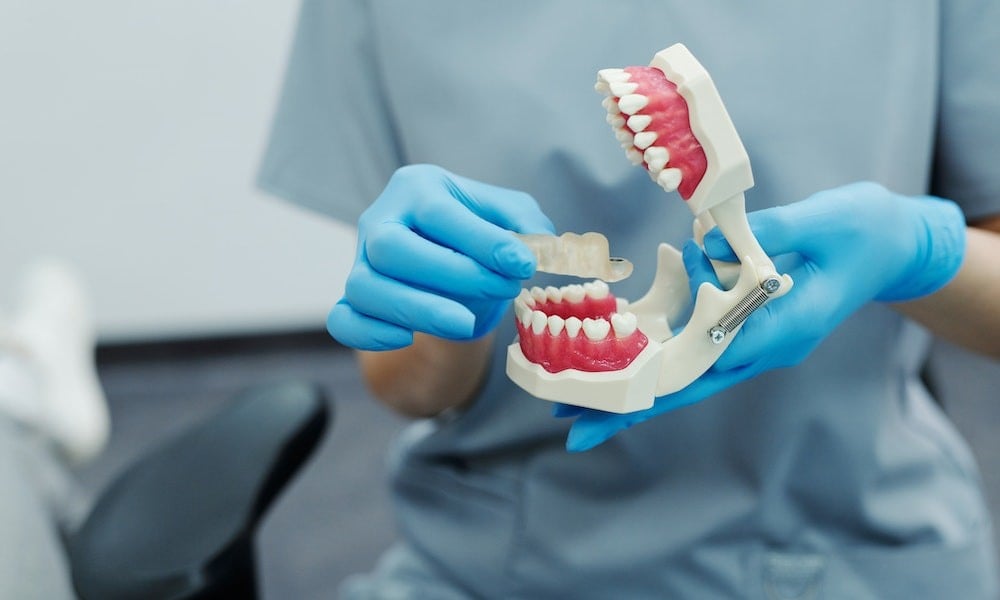
Dental implants have proven to be a popular and reliable solution for tooth loss, but not every patient has the adequate bone density and structure required for successful dental implant placement. Bone grafting is a vital procedure to help patients with diminished bone support achieve the foundation for stable and successful dental implant treatment.
At Sound Surgical Arts (Gig Harbor, WA), our team of skilled dental professionals provides comprehensive bone grafting procedures tailored to individual patient needs, ensuring optimal dental implant success and longevity.
Bone grafting is a surgical procedure designed to strengthen the jawbone, repair bone defects, and support dental implant placement. The process involves transplanting bone material into the patient’s jawbone to stimulate the growth of new bone cells. This method effectively results in a stronger, denser, and thicker jawbone that can properly support and anchor dental implants. Ultimately, bone grafting aims to provide a stable foundation for dental implants, enhancing their long-term success and durability.
This educational blog post aims to provide an overview of bone grafting fundamentals, including its significance, the various types of bone grafting procedures, and how it relates to dental implant success. At Sound Surgical Arts (Gig Harbor, WA), our dedicated team of dental professionals is committed to offering patients expert insights and tailored treatment plans to help them achieve restored dental health and confident smiles.
Trust our team to provide you with the knowledge and guidance necessary to make informed decisions about your bone grafting and dental implant journey.
The Significance of Bone Grafting
1. Restoring Jawbone Structure
Bone grafting is essential for patients who lack the necessary bone support for dental implant placement. Tooth loss, gum disease, or other oral health issues may result in diminished jawbone density and structure, making dental implant surgery less feasible. Bone grafting restores the jawbone, creating an ideal environment for dental implant success.
2. Preventing Bone Resorption
After tooth loss, the jawbone may begin to shrink due to a lack of stimulation from the missing tooth’s root. This process, called bone resorption, can lead to further dental issues and a weakened jawbone. Bone grafting procedures can help prevent bone resorption by providing the needed stimulation for jawbone growth and preservation.
Types of Bone Grafting Procedures
1. Autograft (Autogenous Bone Graft)
An autograft is a bone graft taken from the patient’s own body, usually from the chin, jaw, or hip. This type of graft is considered the most successful due to the use of the patient’s own bone, eliminating the risk of rejection or infection.
2. Allograft (Cadaver Bone Graft)
Allografts are bone grafts harvested from a deceased human donor, typically obtained from a bone bank. The bone material is thoroughly tested and sterilized before use to ensure safety and reduce the risk of disease transmission.
3. Xenograft (Animal Bone Graft)
A xenograft is a bone graft derived from animals, usually cows. The bone material undergoes a rigorous process to remove all organic matter, leaving a mineralized structure that closely resembles human bone and promotes bone regeneration.
4. Alloplast (Synthetic Bone Graft)
Alloplasts are synthetic bone grafts made from biocompatible materials such as calcium phosphate or hydroxyapatite. These materials encourage bone growth and can be manufactured to specific shapes and sizes for the patient’s needs.
The Bone Grafting Process
1. Initial Consultation and Evaluation
The bone grafting process begins with a thorough evaluation and consultation at Sound Surgical Arts (Gig Harbor, WA). Our dental professionals assess the patient’s dental and medical history, jawbone density, and oral health to determine the most appropriate type of bone grafting procedure and dental implant treatment.
2. Grafting Procedure
During the bone grafting procedure, our dental experts place the chosen bone material into the treatment site, providing support and growth stimulation for new bone cells. Depending on the complexity of the procedure and patient preferences, sedation or local anesthesia may be used for patient comfort.
3. Healing and Bone Regeneration
It typically takes several months for the grafted bone to integrate with the patient’s native bone and regenerate the necessary support for dental implant placement. The patient’s progress will be monitored throughout this period to ensure optimal healing and bone growth.
4. Dental Implant Placement
The dental implant process can begin once the bone graft has been successfully integrated. Dental implants are surgically placed into the new, secure foundation the bone graft provides, ensuring a stable and long-lasting tooth replacement solution.
Conclusion:
Bone grafting is an essential procedure for patients seeking dental implant treatment. It provides the necessary foundation for successful dental implant placement and long-term implant durability. At Sound Surgical Arts (Gig Harbor, WA), our team of dental professionals is committed to delivering customized bone grafting solutions tailored to individual patient needs and treatment goals.
If you believe bone grafting may be necessary for your dental implant journey, don’t hesitate to contact the experts at Sound Surgical Arts (Gig Harbor, WA). Our team will guide you through every step of the bone grafting and dental implant process, ensuring you receive the best care and the most favorable outcome possible. Trust Sound Surgical Arts (Gig Harbor, WA) to restore your dental health and help you regain a confident, beautiful, and functional smile.
A Guide to Complete Tooth Replacement at Sound Surgical Arts (Gig Harbor, WA)
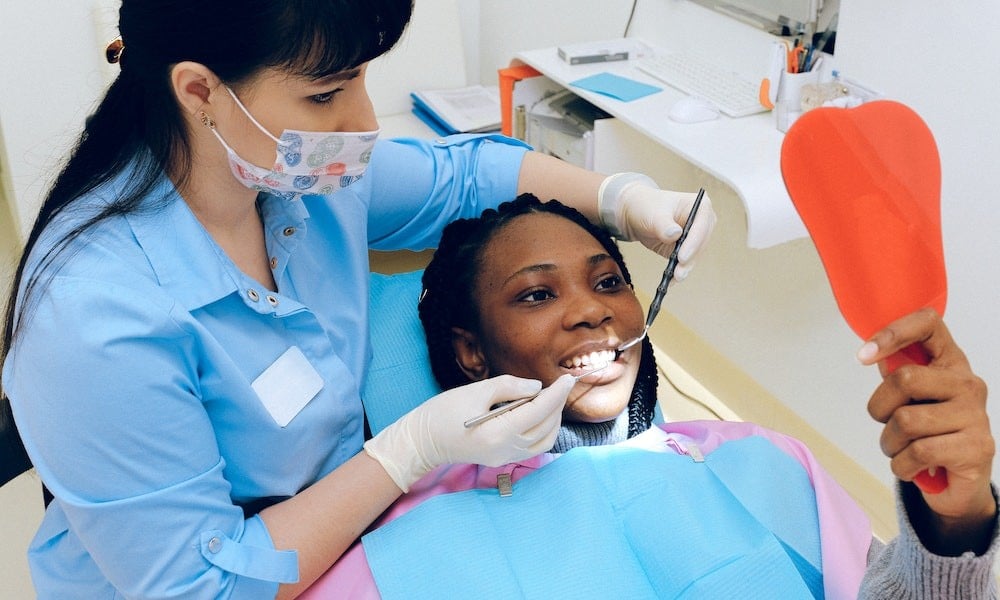
Tooth loss is a dental problem that can impact a person’s overall well-being – affecting their ability to eat, speak, and feel confident in their appearance. Fortunately, advancements in dental technology have paved the way for reliable and innovative solutions such as dental implants. At Sound Surgical Arts (Gig Harbor, WA), our experienced dental professionals are committed to offering patients comprehensive and leading-edge care, including dental implant treatment catered to their unique needs and preferences.
Dental implants are a highly effective tooth replacement solution that closely mimics the look, feel, and function of natural teeth. Comprised of three primary components: the implant post, the abutment, and the dental crown, dental implants provide exceptional stability, durability, and aesthetics when compared to alternative tooth replacement options such as dentures or dental bridges.
This educational blog post aims to provide an in-depth guide to dental implants, covering the various aspects of dental implant treatment, the benefits and drawbacks of this revolutionary solution, and what to expect during the treatment process. At our state-of-the-art dental facility, the experienced team at Sound Surgical Arts (Gig Harbor, WA) is ready to walk alongside you on your tooth replacement journey, providing personalized care from the initial consultation to the final restoration placement and beyond. Allow our expert dental professionals to help you discover the transformative power of dental implants to restore your smile and overall sense of confidence.
As you delve into the world of dental implants and what makes this state-of-the-art tooth replacement solution the preferred choice for millions of patients worldwide, trust the expert dental team at Sound Surgical Arts (Gig Harbor, WA) to provide you with comprehensive and insightful information to support your understanding of this life-changing dental procedure.
The Benefits of Dental Implants
1. Natural Look and Feel
Dental implants closely resemble natural teeth in appearance and functionality. The custom-designed crown, bridge, or denture that attaches to the implant restores not only the visible portion of the tooth but also its underlying support structure. This combination results in a prosthetic that looks, feels, and functions like your natural teeth.
2. Improved Oral Health
Since dental implants replace both the tooth root and the visible part of the tooth, they help prevent further bone loss and protect the surrounding teeth from shifting. Implants also allow for easier access between teeth, enabling optimal oral hygiene practices and contributing to improved overall dental health.
3. Enhanced Durability
Dental implants are designed to withstand the wear and tear of daily life, with most lasting for 25 years or more with proper care. This long-term durability makes dental implants a cost-effective and reliable solution for tooth replacement.
4. Increased Confidence and Comfort
Dental implants provide a stable foundation for tooth replacement, eliminating the potential for discomfort and instability often associated with traditional dentures. With implants, patients can enjoy their favorite foods, speak clearly, and smile confidently, knowing that their replacement teeth will remain securely in place.
The Dental Implant Process
1. Consultation and Treatment Planning
The dental implant journey begins with a consultation at Sound Surgical Arts (Gig Harbor, WA), where our team of dental professionals will thoroughly evaluate your oral health, review dental and medical history, and take necessary X-rays to determine if dental implants are the right solution for you. During this appointment, we will discuss your treatment options, the implant process, and address any questions or concerns that you may have.
2. Implant Placement
The implant placement process involves the surgical insertion of a titanium post into the jawbone, where it will serve as the artificial tooth root. This procedure is performed under local anesthesia or sedation to ensure patient comfort. Following implant placement, a period of healing is required, typically lasting three to six months, allowing the implant to fully integrate with the jawbone in a process called osseointegration.
3. Abutment Placement
Once the implant has sufficiently integrated with the jawbone, an abutment will be attached to the top of the implant. The abutment serves as the connector between the implant and the replacement tooth. An impression of the implant site will be taken to fabricate the dental crown, bridge, or denture that will be attached to the implant.
4. Restoration Placement
The final step in the process involves attaching the custom-designed dental crown, bridge, or denture to the abutment, completing the tooth replacement procedure. Your dental professional at Sound Surgical Arts (Gig Harbor, WA) will ensure the implant restoration fits comfortably and matches the appearance of your natural teeth.
Caring for Your Dental Implants
1. Oral Hygiene
Maintaining proper oral hygiene is crucial for the long-term success of dental implants. Brushing and flossing daily, attending regular dental check-ups and cleanings, and avoiding habits that can damage your teeth, such as smoking or chewing on hard objects, will contribute to the longevity of your implants.
2. Monitoring
It is essential to visit your dentist at Sound Surgical Arts (Gig Harbor, WA) regularly to monitor your dental implants and assess their continued functionality. Early detection of any potential issues is critical to the long-term success of the implant.
Conclusion:
Dental implants offer an unparalleled solution to tooth loss by providing patients with a stable, natural-looking, and comfortable tooth replacement option. At Sound Surgical Arts (Gig Harbor, WA), our experienced dental professionals are ready to help you journey to a restored smile and improved oral health.
Schedule a consultation with our dedicated team at Sound Surgical Arts (Gig Harbor, WA), to discover if dental implants are the ideal solution for your tooth replacement needs. Trust in our expertise and state-of-the-art technology to deliver exceptional care, guiding you through each step of the dental implant process, and providing support and education along the way.
Wisdom Tooth Extraction at Sound Surgical Arts (Tacoma, WA): Understanding the Process and Aftercare
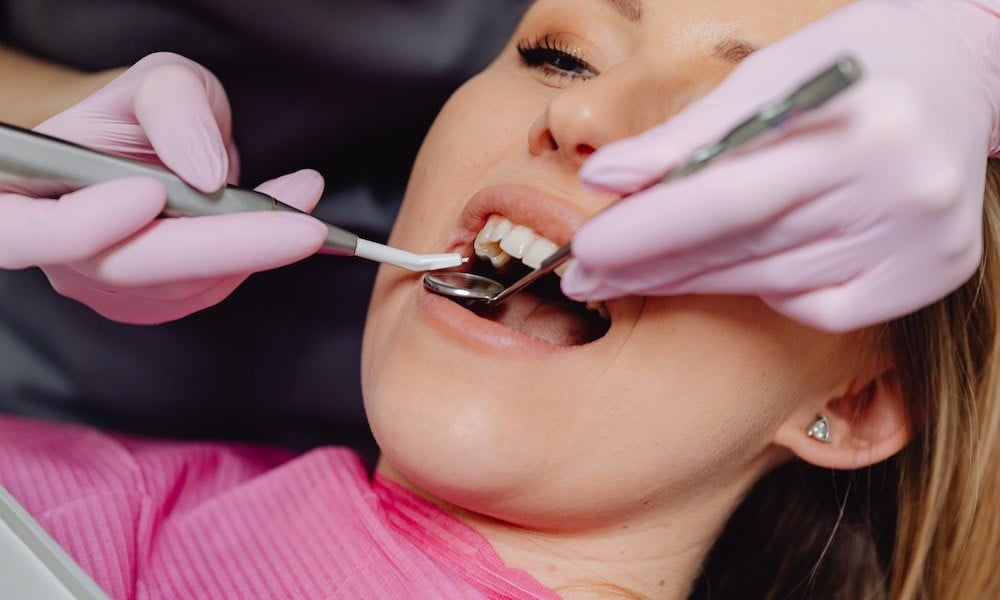
Wisdom teeth, the last set of molars to emerge in your mouth, can often cause serious dental issues when they fail to develop correctly or become impacted. In such cases, wisdom tooth extraction becomes necessary to protect your oral health and prevent further complications.
Sound Surgical Arts (Tacoma, WA), a leading dental practice, has been offering top-notch dental treatments, including dental implants, wisdom tooth extraction, bone and gum grafting, and reconstructive surgery since 2011. Our team of experienced dentists is dedicated to providing educational, informative, and unique content to help you understand and feel confident in our dental services.
This comprehensive article will shed light on wisdom tooth extraction – a common dental surgery to remove one or more impacted or problematic wisdom teeth. While wisdom tooth extraction might seem intimidating, knowing what to expect and preparing for the procedure can help ease anxiety and provide a smoother experience. We will discuss the reasons for wisdom tooth extraction, the process itself, and the critical aspects of post-operative care to ensure a successful recovery.
Entrust your oral health to the experts at Sound Surgical Arts (Tacoma, WA), where our experienced dental professionals are committed to providing exceptional care and guidance at every step of your dental journey. Stay with us as we delve into the ins and outs of wisdom tooth extraction, ensuring you have all the information you need to approach this dental procedure with confidence and peace of mind.
Wisdom Tooth Extraction at Sound Surgical Arts (Tacoma, WA): Understanding the Process and Aftercare
Reasons for Wisdom Tooth Extraction
Wisdom teeth, also known as third molars, typically emerge between the ages of 17 and 25. Several issues can prompt the need for wisdom tooth extraction, including:
- Impacted Wisdom Teeth: When there isn’t enough space in the mouth for wisdom teeth to come in, they may become impacted, growing at an angle or remaining trapped beneath the gum line. Impacted wisdom teeth can cause pain, infection, and damage to neighboring teeth.
- Overcrowding: A lack of space in your mouth may cause wisdom teeth to push other teeth out of alignment, leading to overcrowding and orthodontic concerns.
- Gum Disease or Tooth Decay: Wisdom teeth situated at the back of the mouth are challenging to keep clean, making them prone to gum disease and tooth decay. In such cases, extraction may be the best solution to protect your oral health.
- Cysts or Tumors: Impacted wisdom teeth can lead to the formation of cysts or, rarely, tumors, which can cause damage to the jawbone and necessitate extraction.
The Wisdom Tooth Extraction Process
At Sound Surgical Arts (Tacoma, WA), our experienced dental professionals ensure a smooth and comfortable wisdom tooth extraction experience. Here’s an overview of what to expect:
- Consultation and Evaluation: Our dentists will evaluate your wisdom teeth using an oral examination and dental X-rays to determine if extraction is necessary. We will discuss the extraction process, anesthesia options, potential risks, and any concerns you may have.
- Anesthesia: Before the procedure, you will receive anesthesia to ensure comfort during the extraction. Options include local anesthesia, nitrous oxide (laughing gas), oral sedation, or intravenous (IV) sedation.
- Tooth Extraction: The extraction process may differ based on the complexity of your wisdom tooth’s position and development. A straightforward extraction involves loosening the tooth and removing it with dental forceps. For impacted teeth, our dentist may need to make a small incision in the gums and remove the tooth in sections.
- Closing the Surgical Site: After extraction, the dentist will clean the area, remove any debris, and close the surgical site with stitches, if necessary. A gauze pad will be placed over the extraction site to aid in blood clot formation and promote the healing process.
Post-Operative Care and Recovery
Proper aftercare is key to ensuring a successful and smooth recovery after wisdom tooth extraction. Follow these post-operative care tips for optimal healing:
- Manage Bleeding: Keep the gauze pad in place for about 30-45 minutes and apply firm, consistent pressure by biting down. If bleeding persists, replace the gauze and continue to apply pressure until bleeding subsides.
- Reduce Swelling: Place an ice pack wrapped in a towel or cloth on the outside of your cheek for 20 minutes on and 20 minutes off during the first 24 hours to minimize swelling and bruising.
- Take Pain Medication: If prescribed or advised by your dentist, take pain medication as directed to manage discomfort. Over-the-counter pain relievers such as ibuprofen are usually sufficient for most patients.
- Proper Oral Hygiene: Continue to brush your teeth gently, avoiding the extraction site. After 24 hours, use a warm salt water rinse to help clean the area and alleviate discomfort.
- Rest and Relax: Avoid strenuous activities for at least a few days following extraction, as they may prolong bleeding and slow the healing process.
- Follow a Soft Food Diet: Consume soft foods like yogurt, mashed potatoes, and applesauce for the first few days, gradually reintroducing solid foods as your comfort allows.
- Avoid Smoking and Alcohol: Refrain from smoking or consuming alcohol for at least 24 hours after the procedure, as these habits may delay healing and increase the risk of complications.
- Attend Follow-Up Visits: Attend any scheduled follow-up appointments to allow our dental professionals to monitor your healing progress and remove sutures if necessary.
Conclusion
Wisdom tooth extraction is a common dental procedure that, when performed by experienced dentists at Sound Surgical Arts (Tacoma, WA), can greatly improve your oral health and comfort.
By understanding the reasons for extraction, the process itself, and the essential aspects of aftercare, you can confidently proceed with wisdom tooth removal and enjoy a successful recovery. When you’re ready to address your wisdom teeth concerns, schedule a consultation with our dental professionals and take the first step toward a healthier, happier smile.
Wisdom Tooth Extraction at Sound Surgical Arts: A Step-by-Step Guide to a Pain-Free Experience
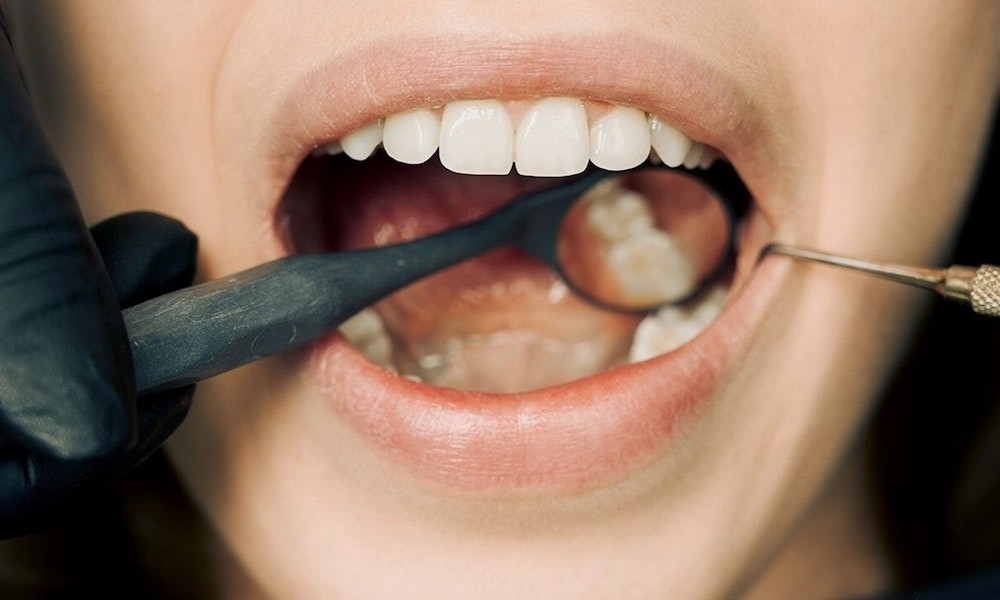
Wisdom teeth, or third molars, typically emerge during late adolescence or early adulthood and often cause dental problems if not adequately addressed. Impacted wisdom teeth, overcrowding, or misalignment can lead to pain, infections, and damage to surrounding teeth.
As experts in oral surgery and dental care, Sound Surgical Arts (Tacoma, WA) is committed to providing educational, informative, and unique content related to our vital services, such as dental implants, wisdom tooth extraction, bone and gum grafting, and reconstructive surgery.
Our top dentists at Sound Surgical Arts have been delivering exceptional care since 2011, transforming smiles and enhancing oral health with expert precision. In this article, we will walk you through the complete wisdom tooth extraction process, focusing on the identification of problematic wisdom teeth, the surgical procedure, and the recovery process. Understanding what to expect during wisdom tooth extraction makes you feel more comfortable and prepared for your upcoming procedure.
Embark on this informative journey with us as we explore the ins and outs of wisdom tooth extraction at Sound Surgical Arts (Tacoma, WA). By educating yourself on this essential oral surgery, you can make informed decisions about your dental care and feel confident in the hands of our experienced dental professionals. Let us help you maintain your oral health and leave behind the pain and complications associated with troublesome wisdom teeth.
Wisdom Tooth Extraction at Sound Surgical Arts: A Step-by-Step Guide to a Pain-Free Experience
Identifying Problematic Wisdom Teeth
The need for wisdom tooth extraction typically arises when the teeth pose a risk to your oral health or are already causing issues. Here are some common scenarios that may require wisdom tooth removal:
- Impacted Teeth: Wisdom teeth often become impacted, meaning they fail to emerge entirely through the gum line. This can lead to pain, swelling, and even infections.
- Overcrowding: Due to limited space in the mouth, wisdom teeth may cause overcrowding, leading to misalignment and other dental issues.
- Damage to Surrounding Teeth: In some cases, impacted wisdom teeth can exert pressure on adjacent teeth, causing damage, decay, or the development of cysts.
- Gum Disease and Tooth Decay: Partially erupted wisdom teeth are challenging to clean properly, increasing the risk of gum disease and tooth decay.
During your examination, our dental experts at Sound Surgical Arts will determine if your wisdom teeth require extraction by analyzing your oral condition and utilizing advanced dental imaging techniques.
The Wisdom Tooth Extraction Procedure
Understanding the wisdom tooth extraction process will help you feel more at ease during your appointment. At Sound Surgical Arts, we follow a step-by-step procedure to ensure a pain-free experience:
- Anesthesia: To minimize discomfort during the procedure, our dentists will administer local anesthesia, sedation, or general anesthesia, depending on your specific needs and preferences.
- Tooth and Gum Access: Once the anesthesia takes effect, our oral surgeon will make a small incision in your gum to access the wisdom tooth if necessary.
- Tooth Removal: Using specialized dental instruments, the oral surgeon will carefully remove the wisdom tooth. In some cases, the tooth may need to be sectioned into smaller pieces to facilitate easier removal.
- Closing the Site: After extracting the wisdom tooth, the surgical area is thoroughly cleaned, and sutures are placed if needed to close the gum incision.
- Recovery: You’ll be closely monitored during the initial recovery period to ensure your comfort and well-being. Once stable, you’ll be given detailed post-operative instructions and can return home to complete your recovery.
Post-Operative Care and Recovery
Following a wisdom tooth extraction, adhering to post-operative instructions is crucial for a smooth recovery:
- Pain and Swelling: Use prescribed or over-the-counter medications to manage any pain or discomfort. Apply ice packs to reduce swelling and inflammation.
- Bleeding Control: Bite down on gauze pads and replace them as needed to absorb any blood and aid in clot formation.
- Diet: Maintain a soft food diet for a few days, avoiding hard, crunchy, or small foods that could irritate the extraction site.
- Oral Hygiene: Continue practicing good oral hygiene, using a gentle touch when brushing near the extraction site. Rinse your mouth with warm salt water to keep the area clean and aid in healing.
- Rest: Get plenty of rest and avoid strenuous activities for a few days post-extraction. Elevate your head while sleeping to minimize swelling.
- Follow-Up Visit: Attend a scheduled follow-up appointment to ensure proper healing and remove sutures if necessary.
When to Contact Your Dentist
While some discomfort, swelling, and bleeding are expected during the initial recovery period, contact your dentist immediately if you experience:
- Excessive Bleeding: If you’re unable to control the bleeding with gauze or it persists for an extended period, inform your dentist.
- Severe Pain: Intolerable pain or pain that worsens after a few days could indicate complications requiring prompt attention.
- Signs of Infection: Fever, pus drainage, or a foul smell from the extraction site can be signs of infection and should be addressed immediately.
- Swelling That Doesn’t Improve: Persistent or worsening swelling after several days could indicate an issue with the healing process.
Conclusion
Wisdom tooth extraction is a common, straightforward procedure that can prevent and resolve issues caused by troublesome wisdom teeth. At Sound Surgical Arts (Tacoma, WA), our top-rated dentists are committed to providing pain-free, expert care throughout your wisdom tooth extraction, ensuring the best possible outcome.
By partnering with our team for your dental needs, you can enjoy enhanced comfort and confidence in maintaining your oral health. Schedule your consultation today, and let us help you find the relief you seek from problematic wisdom teeth.