
Sound Surgical Arts
Improving Your Smile with Gum Grafting in Gig Harbor, WA: An In-Depth Look
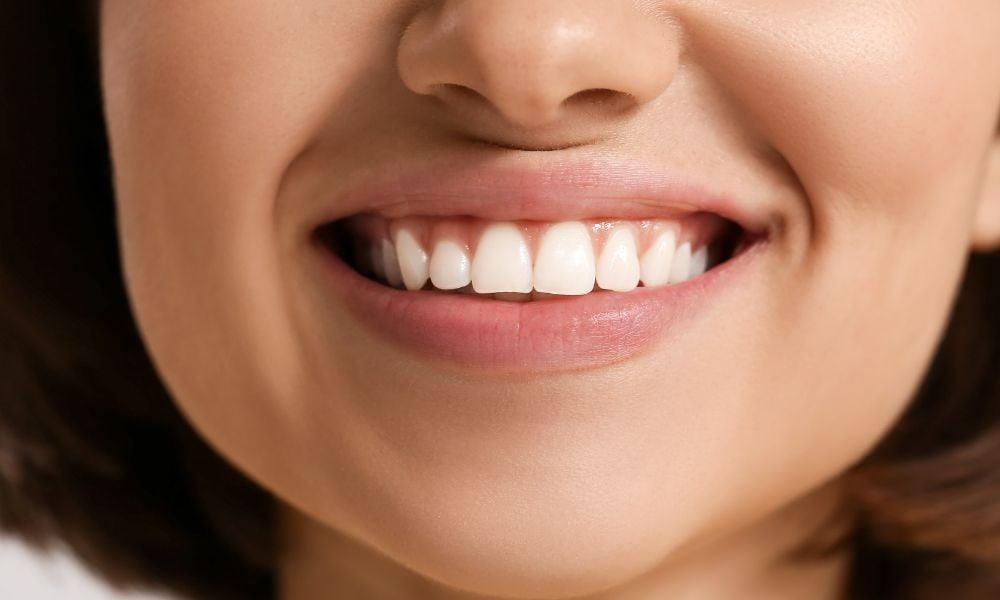
Gum recession, a common dental issue that occurs when the gum tissue surrounding teeth begins to wear away or recede, can negatively impact your oral health and the aesthetics of your smile. This can lead to exposed tooth roots, increased sensitivity, and even tooth loss if left untreated.
Gum grafting, also known as gingival grafting, is a dental procedure aimed at restoring gum tissue that has been lost due to gum recession. This can occur for various reasons, including periodontal disease, aggressive tooth brushing, genetics, or hormonal changes. The primary goal of gum grafting is to cover exposed tooth roots and rebuild gum tissue, protecting your teeth from further damage while improving the overall appearance of your smile.
Sound Surgical Arts, a leading dental practice in Gig Harbor, WA, has been offering top-quality dental care, including gum grafting procedures, since 2011. In this educational blog, we will provide a detailed overview of gum grafting, its benefits, and how it can promote long-lasting oral health while enhancing the appearance of your smile.
In this informative blog, we will delve into the different types of gum grafting procedures, such as connective tissue grafts, free gingival grafts, and pedicle grafts, to help you understand which option may be best for you. Additionally, we’ll provide insights into the gum grafting recovery process and the long-term benefits of undergoing this restorative procedure.
Different Types of Gum Grafting Procedures
Several gum grafting techniques are available to address gum recession, and each has its benefits and specific applications. It’s important to be aware of the various methods as your dentist will recommend the most appropriate option for your unique situation. The three primary types of gum grafting procedures are:
- Connective Tissue Grafts: The most common form of gum grafting, this procedure involves removing a small piece of connective tissue from the roof of your mouth and attaching it to the area of gum recession. This approach helps cover exposed tooth roots and promotes the growth of new gum tissue.
- Free Gingival Grafts: Similar to connective tissue grafts, free gingival grafts involve taking a small piece of tissue from the roof of the mouth. However, in this case, the tissue is grafted directly onto the receding gum area without a connective tissue layer. This method is commonly used for people with thin gums who require additional tissue to prevent further gum recession.
- Pedicle Grafts: Unlike the previous two methods, pedicle grafts use gum tissue from adjacent areas instead of the roof of the mouth. Your dentist will create a small flap of tissue, known as a pedicle, next to the area of recession and carefully stretch it over the exposed tooth root. Pedicle grafts are typically recommended for patients who have ample gum tissue near the recession site.
The Gum Grafting Procedure: What to Expect
The gum grafting procedure typically begins with a thorough examination to determine the severity of the recession and the most suitable course of action. Once your dentist recommends the appropriate gum grafting technique, you’ll be scheduled for the procedure, which usually involves the following steps:
- Anesthesia: To ensure your comfort during the procedure, you’ll receive either local or general anesthesia depending on your needs and the extent of the gum graft.
- Harvesting Donor Tissue: If a connective tissue or free gingival graft is being performed, your dentist will carefully remove the necessary donor tissue from the roof of your mouth.
- Graft Placement: The harvested tissue or pedicle flap will be sutured to the area of gum recession, covering the exposed tooth root and promoting new gum tissue growth.
- Recovery: After the procedure, your dentist will provide you with detailed post-operative care instructions to ensure a smooth recovery.
The Recovery Process and Long-Term Benefits
Following a gum grafting procedure, it’s essential to practice proper care and follow your dentist’s post-operative instructions. Recovery may vary depending on the individual, but most patients can expect:
- Healing Time: Generally, healing occurs within a few weeks, although it may take several months for the graft to fully integrate with your existing gum tissue.
- Managing Discomfort: In the days following the procedure, you may experience some swelling and discomfort. Your dentist may recommend over-the-counter pain relievers or prescribe medication to help manage your pain and reduce inflammation.
- Oral Hygiene: Maintain a gentle oral hygiene routine, avoiding brushing and flossing the graft site until your dentist gives you the green light. You can still clean the rest of your teeth gently, rinse with warm saltwater, or use a prescribed mouth rinse to help keep your mouth clean during recovery.
- Diet: Stick to a soft food diet for the first week or two after surgery, gradually reintroducing firmer foods as your comfort level and healing improve.
In the long run, gum grafting offers numerous benefits, such as protecting against further gum recession, reducing tooth sensitivity, and improving the overall appearance of your smile.
Final Thoughts
Gum grafting is an effective restorative procedure that can significantly improve your oral health and smile aesthetics. Sound Surgical Arts in Gig Harbor, WA, is dedicated to offering the highest quality care, ensuring that each patient receives the appropriate gum grafting technique tailored to their unique needs.
If you have concerns about gum grafting for a recession in Gig Harbor, WA, contact our experienced dental team for a personalized consultation. We’ll work together to find the best solution for your oral health, helping you achieve a beautiful and lasting smile.
Dental Implants in Gig Harbor, WA: Transforming Smiles and Oral Health
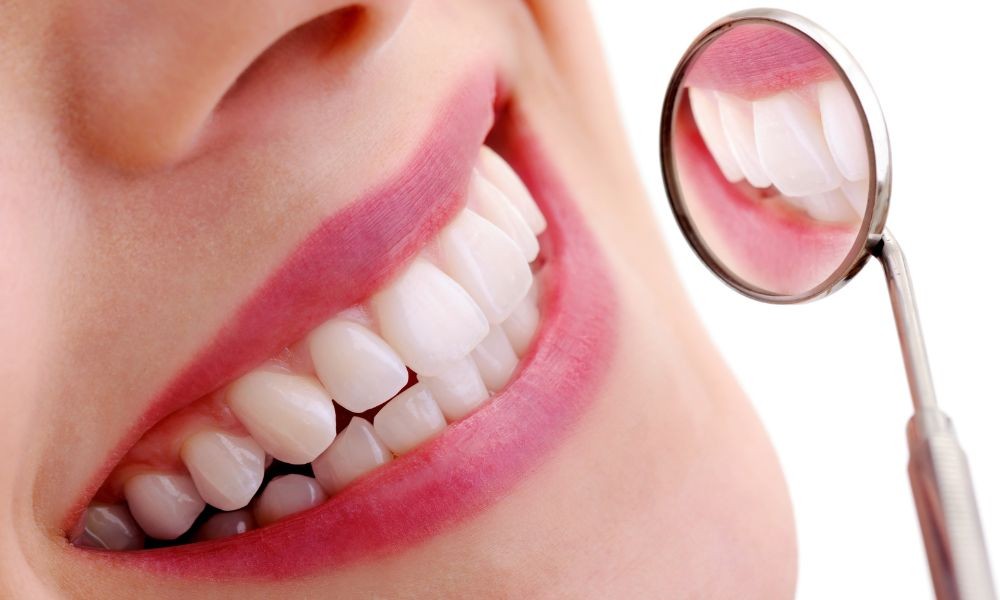
Dental implants are a groundbreaking solution to tooth loss, offering a durable and natural-looking option for those who wish to restore their smiles and ensure excellent oral health. Missing teeth can impact not only our appearance but also our ability to speak, chew, and maintain proper oral hygiene. Traditional solutions like dentures and bridges may provide temporary fixes in some cases, but dental implants offer a more permanent and comfortable alternative that closely resembles our natural teeth.
Dental implants consist of a biocompatible titanium post that is surgically inserted into the jawbone, mimicking the function of a tooth root. Over time, the implant post fuses with the bone, providing a stable foundation for a prosthetic tooth or crown. The result is a fully functional and visually appealing tooth replacement that can last a lifetime with proper care and maintenance.
At Sound Surgical Arts in Gig Harbor, WA, we take pride in providing top-quality and comprehensive dental implant services to our valued patients. Our team of skilled dental professionals, led by our experienced oral surgeons, is dedicated to offering the most up-to-date and efficient dental implant solutions while focusing on patient comfort and satisfaction.
In this blog post, we will explore the world of dental implants, discussing their benefits, the implant procedure itself, and what to expect during recovery. By providing this informative guide, we aim to educate our patients about this transformative dental procedure and ensure they feel confident and fully informed when considering dental implants as a solution to tooth loss.
Why Choose Dental Implants?
Dental implants have become the gold standard for tooth replacement, offering a wealth of benefits to patients who opt for this procedure:
- Natural Appearance: Implants mimic the appearance and function of natural teeth, providing a seamless and aesthetic solution to tooth loss.
- Bone Preservation: By replacing the tooth root, dental implants help maintain the integrity of the jawbone and prevent bone loss, which can occur when teeth are missing.
- Enhanced Stability: Implants provide a secure foundation for prosthetic teeth, eliminating the need for adhesives and reducing the risk of slipping or shifting, as may occur with dentures.
- Improved Speech and Chewing: Dental implants allow for better speech clarity and chewing efficiency, as they function just like natural teeth.
- Long-lasting Solution: With proper care and maintenance, dental implants can last a lifetime.
Assessing Candidacy for Dental Implants
Before proceeding with dental implant surgery, your dentist or oral surgeon will evaluate your candidacy for the procedure. Some factors taken into consideration include:
- Jawbone Density: Adequate jawbone density is necessary for the implant to secure and fuse with the bone properly. If bone density is insufficient, your dental professional may recommend bone grafting.
- Oral Health: Existing conditions such as gum disease or tooth decay should be addressed before implant surgery to ensure successful integration and prevent complications.
- Overall Health: Patients should be in good general health and able to undergo surgery. Certain medical conditions or lifestyle factors, like uncontrolled diabetes or smoking, may impede healing and affect the success of dental implants.
The Dental Implant Process
The dental implant process typically involves several steps, performed over several months, to ensure successful integration and optimal results.
- Consultation and Assessment: An initial appointment is conducted to assess your oral health and determine if dental implants are the right solution for you.
- Bone Grafting (if necessary): To ensure the jawbone can support the implant, bone grafting may be required, which involves grafting bone material onto the existing jawbone.
- Implant Placement: Under local anesthesia or sedation, the titanium implant post is surgically inserted into the jawbone.
- Osseointegration: Over several months, the implant post fuses with the jawbone in a process called osseointegration.
- Abutment and Crown Placement: Once the implant is securely integrated, an abutment is attached to the implant, and a custom-made crown is fitted and secured.
Recovery and Aftercare
Proper aftercare and maintenance are crucial to the success and longevity of dental implants. Some guidelines for post-operative care include:
- Pain Management: Follow your dentist’s recommendations for managing pain and discomfort, which may include prescription medications or over-the-counter pain relievers.
- Oral Hygiene: Brush and floss regularly, taking care to clean around your implant and following any instructions given by your dental professional to ensure the long-term health and stability of your implant.
- Regular Dental Visits: Visit your dentist regularly for checkups and professional cleanings, as well as monitoring the health and stability of your dental implant.
- Avoiding Harmful Habits: Refrain from smoking, as it can adversely affect implant success. Additionally, avoid chewing on hard foods or objects that could damage your dental implant.
Final Thoughts
At Sound Surgical Arts in Gig Harbor, WA, our expert team takes immense pride in offering the latest dental implant solutions to our patients, ensuring they can enjoy the benefits of a healthy and beautiful smile. From the initial consultation through to post-operative care, our dental professionals are with you every step of the way, providing unparalleled expertise and support in transforming your smile and oral health.
If you are considering dental implants in Gig Harbor, WA, reach out to us at Sound Surgical Arts, and let us help you on your path to a restored smile. Our dedicated team is committed to your comfort, satisfaction, and dental well-being. Schedule a consultation today, and let us guide you through the dental implant journey!
Dental Implant Solutions at Sound Surgical Arts: A Close Look at the Process and Benefits
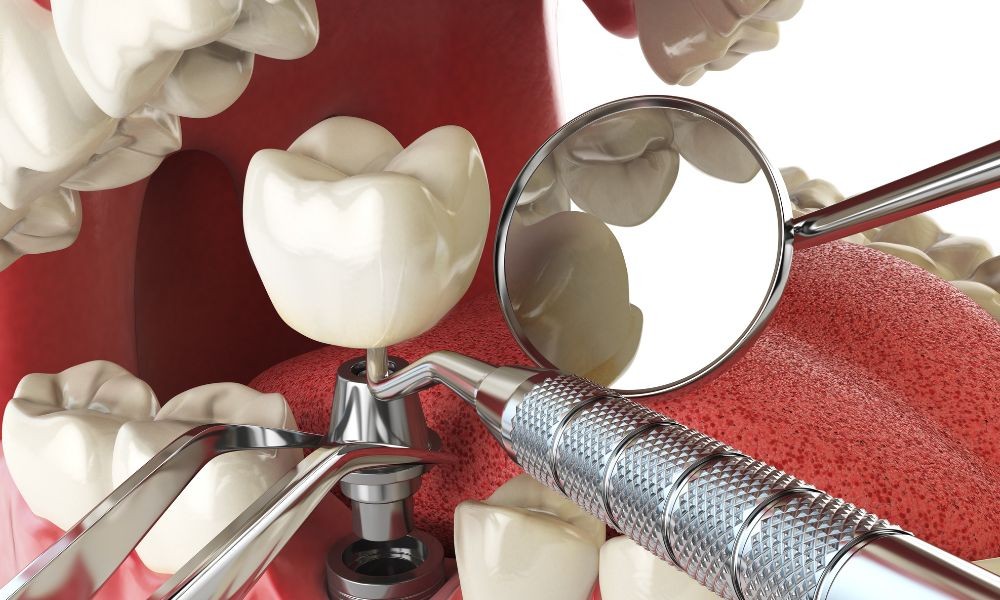
Losing a tooth can be a distressing and frustrating experience, with significant consequences on both oral health and aesthetic appearance. Fortunately, advances in dental technology have brought forth an effective and long-lasting solution for tooth replacement in the form of dental implants.
Dental implants are a cutting-edge alternative to traditional dentures and bridges, offering a level of stability, comfort, and appearance that closely mirrors the natural teeth. This tooth replacement solution involves the insertion of a titanium or ceramic post into the jawbone, on which a crown, bridge, or denture is subsequently secured. Dental implants not only restore your smile but also provide crucial support to the surrounding teeth, helping to maintain overall oral health and functionality.
At Sound Surgical Arts in Tacoma, WA, our top-rated team of professionals has been providing state-of-the-art dental implant procedures since 2011, ensuring the highest level of care and satisfying outcomes for our patients.
In this detailed guide to dental implants at Sound Surgical Arts, we will explore the process, benefits, and eligibility criteria for dental implant treatment. We will also discuss the critical role that dental implant maintenance plays in ensuring the longevity and success of the implants.
Understanding the Dental Implant Process
At Sound Surgical Arts, we believe in providing our patients with a comprehensive understanding of the dental implant process. Our experienced professionals will guide you through each step to ensure you feel comfortable and informed about the procedure. The key stages of dental implant treatment are as follows:
- Initial Consultation and Evaluation: Our dental experts will begin by conducting a thorough assessment of your oral health, taking into consideration factors such as bone density, the position of adjacent teeth, and the overall condition of your gums. This evaluation may involve digital X-rays or 3D imaging to gather all necessary information.
- Treatment Planning and Implant Selection: Based on the evaluation, our team will create a customized treatment plan tailored to your specific needs. We will also help you decide on the most suitable type of dental implant, taking into account factors such as material, size, and brand.
- Implant Placement Surgery: During this stage, our skilled professionals will surgically insert the dental implant post into your jawbone. This is generally a straightforward procedure performed under local anesthesia or sedation, if necessary.
- Osseointegration Period: Following the surgery, there will be a healing period before the artificial tooth restoration is placed. During this time, the implant post fuses with the surrounding bone, providing a strong and stable foundation for the final restoration. Osseointegration typically takes several months, depending on the individual’s healing capacity.
- Abutment Placement and Restoration: Once osseointegration is complete, an abutment is attached to the implant post. This small connector allows for the final dental restoration, such as a crown, bridge, or denture, to be securely attached to the implant.
Key Benefits of Dental Implants
Dental implants provide a myriad of benefits, making them an ideal tooth replacement solution for many individuals. Some of the most significant advantages include:
- Natural Appearance and Function: Dental implants mimic the appearance and function of natural teeth, resulting in a more comfortable and aesthetically pleasing solution than traditional dentures or bridges.
- Improved Oral Health: By replacing missing teeth with dental implants, you can help to maintain healthy bite alignment, prevent bone resorption, and protect the health of adjoining teeth.
- Enhanced Stability and Comfort: Dental implants are securely bonded to the jawbone, eliminating the need for adhesive creams and ensuring a more stable and comfortable option for patients.
- Durability and Longevity: With proper care and maintenance, dental implants can last for many years – often a lifetime – making them a cost-effective, long-term solution for tooth replacement.
- Boosted Confidence and Quality of Life: The improved appearance, comfort, and function that dental implants provide can significantly enhance one’s self-confidence, social life, and overall wellbeing.
Determining Your Eligibility for Dental Implants
While dental implants are a fantastic solution for many, certain factors may affect a patient’s eligibility for the treatment. Our experts at Sound Surgical Arts will carefully evaluate the following factors to determine whether dental implant treatment is right for you:
- Overall Health: Systemic diseases or conditions, such as uncontrolled diabetes or cancer, may impact your body’s ability to heal and support dental implants. Smokers may also face a higher risk of implant failure.
- Oral Health: The presence of active gum disease or extreme tooth decay may need to be addressed before undergoing dental implant treatment to ensure the highest possibility of success.
- Bone Density: Adequate jawbone density is critical in supporting dental implants. In cases where there is insufficient bone volume, our dental specialists may recommend bone grafting procedures to enhance implant candidacy.
Maintaining the Success of Your Dental Implants
Once your dental implants are in place, practicing proper maintenance and care is crucial to ensure their long-term success. Good oral hygiene, regular dental check-ups, and professional cleanings are essential for implant care. Protecting your dental implants from excessive force, grinding, or clenching is important to avoid premature wear or damage.
Final Thoughts
Dental implant treatment at Sound Surgical Arts in Tacoma, WA, is a transformative solution for individuals seeking to restore their smiles and enhance their quality of life. Our experienced team of professionals is dedicated to providing unparalleled care, ensuring a successful and satisfying outcome for all patients.
If you believe dental implants in Tacoma may be the right solution, contact us today to schedule a consultation and embark on your journey toward a healthy, confident smile!
Wisdom Tooth Extractions at Sound Surgical Arts: Why, When, and How
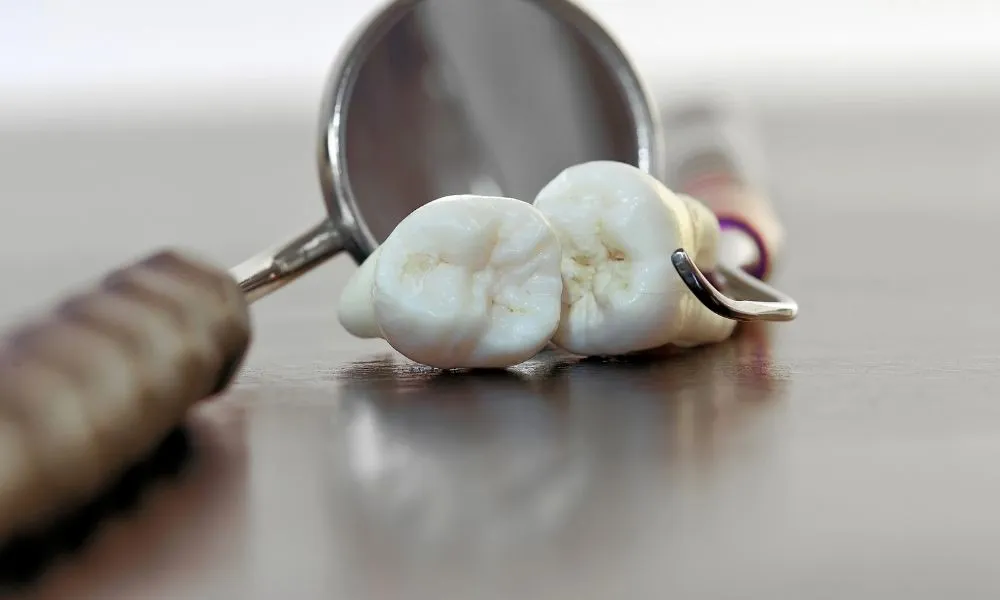
Wisdom teeth, also known as third molars, are the final set of adult teeth to emerge, typically during a person’s late teens or early twenties. Unfortunately, due to their late arrival and limited space in the oral cavity, wisdom teeth often cause complications that necessitate their removal.
Wisdom tooth extractions are often necessary due to the potential problems they can cause. Impacted wisdom teeth, trapped beneath the gum tissue, can generate an array of oral health issues, including inflammation, gum disease, cysts, tooth decay, and misalignment of the surrounding teeth. Even wisdom teeth that emerge correctly can cause problems such as crowding, pain, or difficulty maintaining proper oral hygiene.
At Sound Surgical Arts in Tacoma, WA, our team of top dentists since 2011 has been expertly performing wisdom tooth extractions, ensuring patients receive exceptional care and experience a comfortable and stress-free procedure.
In this comprehensive guide, we will explore the reasons for wisdom tooth extractions, discuss the procedure details, and highlight the exceptional care provided by the dental professionals at Sound Surgical Arts. Additionally, we will cover essential aftercare instructions for a smooth recovery and long-term success.
Indications for Wisdom Tooth Extraction
While some individuals may never experience complications with their wisdom teeth, it’s essential to recognize the signs that indicate the need for extraction. Reasons for wisdom tooth removal at Sound Surgical Arts include:
- Impacted Wisdom Teeth: Wisdom teeth can become trapped beneath the gum tissue or jawbone, leading to painful inflammation, swelling, and infection. In such cases, extraction becomes necessary to alleviate discomfort and prevent long-term damage.
- Overcrowding: When there is inadequate space for wisdom teeth to erupt properly, they can push adjacent teeth out of alignment, leading to a misaligned bite and increased risk of tooth decay.
- Gum Disease or Tooth Decay: Wisdom teeth are difficult to clean and maintain due to their position in the back of the mouth. As a result, they are more susceptible to gum disease or tooth decay, both of which may necessitate extraction.
- Cysts or Tumors: Impacted wisdom teeth can sometimes lead to the formation of cysts or benign tumors, which can cause damage to the jawbone and nearby teeth if left untreated.
The Wisdom Tooth Extraction Procedure at Sound Surgical Arts
Our dental professionals at Sound Surgical Arts are committed to ensuring a positive wisdom tooth extraction experience for our patients. The procedure typically follows these steps:
- Pre-Operative Examination: Prior to surgery, our team will conduct a comprehensive examination, including X-rays or 3D imaging, to assess the position and condition of your wisdom teeth.
- Anesthesia Options: To ensure your comfort during the extraction, we will discuss available anesthesia options, ranging from local anesthesia to IV sedation, depending on your preferences and medical history.
- Tooth Removal: Our skilled team of dentists will meticulously remove the wisdom teeth, making every effort to minimize tissue trauma and reduce post-operative discomfort. For impacted teeth, a small incision in the gum tissue may be required to access the tooth, which may necessitate some bone removal or tooth sectioning.
- Closure: Following the extraction, any incisions will be sutured to promote proper healing, and gauze will be placed to control bleeding.
Post-Operative Care and Recovery
The success of your wisdom tooth extraction is also dependent on appropriate post-operative care. At Sound Surgical Arts, we will provide you with detailed aftercare instructions, which include:
- Bleeding Management: After the extraction, leave the gauze in place and apply gentle biting pressure for 30-45 minutes to control bleeding. Replace the gauze if necessary, and follow instructions for the appropriate length of time.
- Swelling and Pain Control: Apply ice packs to the outside of the face in 20-minute intervals to minimize swelling and discomfort. Over-the-counter pain relievers or prescribed medications can be taken as directed by our dentists.
- Diet Modifications: Consume only soft foods initially, gradually reintroducing solid foods as your comfort and healing progress. Avoid hot, spicy, or hard foods that may irritate the extraction site.
- Oral Hygiene: Maintain your usual oral hygiene routine, but avoid brushing or rinsing vigorously near the extraction site to avoid dislodging the blood clot. Begin gentle saltwater rinses 24 hours after the procedure to aid healing and cleanse the area.
- Rest: Refrain from heavy lifting, exercise, or strenuous activities for 3-4 days after the extraction to minimize the risk of post-operative complications.
- Follow-Up Appointments: Attend scheduled post-operative appointments to allow our dental professionals to assess your healing and remove sutures if necessary.
Planning for a Successful Outcome
Although wisdom tooth extraction is a common dental surgery, careful planning and realistic expectations will contribute to a successful outcome. Factors to consider include:
- Consult with Our Experts: Schedule a consultation with our dentists to discuss your wisdom tooth extraction expectations, concerns, and overall oral health.
- Carefully Select the Timing of Surgery: For younger patients, wisdom tooth removal is typically less complicated due to softer bone and earlier root development. Additionally, consider factors such as your work, school, or family commitments when scheduling the procedure.
- Prepare for Surgery: Familiarize yourself with the procedure details and post-operative instructions to ensure a smooth recovery and minimize complications.
Final Thoughts
Wisdom tooth extractions at Sound Surgical Arts in Tacoma, WA, are met with the highest level of expertise, care, and professionalism. Our experienced team is dedicated to guiding and supporting you on your journey to optimal oral health, with the removal of troublesome wisdom teeth being a key step.
Trust in our commitment to patient satisfaction and years of expertise when entrusting us with your wisdom tooth extraction procedure. Contact our oral surgeon in Tacoma today to schedule a consultation and begin your journey toward improved oral health and a happier smile!
Reconstructive Jaw Surgery in Gig Harbor, WA: A Comprehensive Patient’s Guide
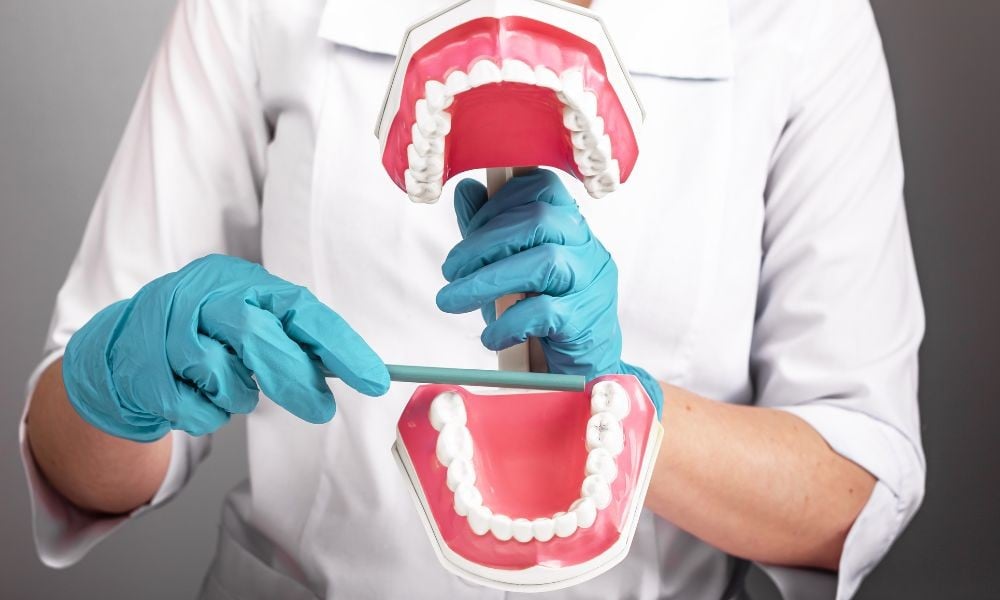
Our jaws play a critical role in our daily lives, from enabling us to eat and speak to contributing to our facial appearance and expressions. In some cases, individuals may experience issues with the alignment or functionality of their jaws due to congenital conditions, injuries, or other factors. Reconstructive jaw surgery, also known as orthognathic surgery, is an advanced procedure designed to correct these problems, ultimately improving oral function, facial balance, and overall quality of life.
At Sound Surgical Arts in Gig Harbor, WA, our highly skilled dental professionals specialize in reconstructive surgery, including orthognathic procedures, wisdom tooth extraction, bone and gum grafting, and dental implants. With our commitment to providing exceptional care alongside the latest advancements in dental technology, you can trust our team to help you achieve your oral health goals in a comfortable and supportive environment.
In this comprehensive patient’s guide, we will explore various aspects of reconstructive jaw surgery, including its potential benefits, the consultation process, and the surgical procedure itself. Additionally, we will delve into the recovery period and discuss essential considerations for maintaining your beautiful new smile. To ensure that you feel confident and well-informed throughout your reconstructive jaw surgery journey, our team is always available to address any questions or concerns you may have.
Potential Benefits of Reconstructive Jaw Surgery
Orthognathic surgery is not for everyone and is often recommended when less invasive treatment methods have proven to be unsuccessful. That said, for those patients who are good candidates for this procedure, the benefits can be substantial. Here are some possible advantages to consider:
- Improved oral function: By correcting issues with your jaw alignment, reconstructive jaw surgery can enable you to chew, bite, and speak more effectively and comfortably.
- Alleviation of pain and discomfort: Jaw misalignment often leads to discomfort, headaches, and oral pain. Orthognathic surgery can help alleviate these symptoms, providing relief and improving your overall quality of life.
- Enhanced facial aesthetics: Reconstructive jaw surgery can improve the balance and proportion of your facial features, resulting in a more harmonious appearance.
- Sleep apnea relief: In select cases, orthognathic surgery can help address sleep apnea by improving the airway’s openness and ease of breathing during sleep.
Preparing for Your Consultation
A successful reconstructive jaw surgery journey starts with a thorough and informative consultation. During this initial meeting, you can expect the following:
- Medical and dental history review: Your dentist will carefully evaluate your medical and dental history to ensure that orthognathic surgery is appropriate for your specific situation.
- Comprehensive examination: A thorough examination of your teeth, jaws, and facial structures will be performed.
- Diagnostic imaging: Advanced imaging techniques, such as X-rays and 3D scans, will be used to assess your jaw and surrounding bone structures.
- Treatment plan development: If orthognathic surgery is deemed the best course of action, your dentist will work with you to develop a comprehensive treatment plan tailored to your unique needs and goals.
Understanding the Surgical Procedure
Reconstructive jaw surgery is a complex and highly personalized procedure that requires the skills and expertise of a qualified dental professional. The specific steps involved in the process will vary depending on your specific condition and treatment goals. In general, you can expect the following:
- Anesthesia administration: To ensure your comfort during the surgery, anesthesia will be administered prior to the procedure.
- Surgical incisions and bone adjustments: Your dentist will carefully make incisions in the oral cavity to access the jawbone. Once reachable, the bone will be meticulously repositioned, trimmed, or reshaped as needed.
- Bone fixation: After adjustments have been made, your jaw will be stabilized using temporary or permanent fixation methods, such as plates, screws, or wires.
- Incision closure: The surgical incisions will be closed using sutures or other appropriate methods.
Recovery and Aftercare
Following your reconstructive jaw surgery, adequate time and care must be allotted to ensure a successful recovery. Your dentist will provide you with detailed post-operative instructions to help facilitate healing and minimize discomfort. Here are some general guidelines to keep in mind:
- Pain management: Use prescribed pain medication as directed, or use over-the-counter pain relievers to alleviate discomfort as needed.
- Diet and nutrition: Your dentist will likely recommend a liquid or soft food diet for the initial recovery period. Gradually reintroduce more solid foods as your healing progresses and per your dentist’s guidance.
- Oral hygiene: Maintain proper oral hygiene by gently brushing and rinsing with a warm saltwater solution.
- Rest and activity: Give your body ample time to heal, avoid strenuous activities, and closely follow your dentist’s recommendations regarding the resumption of work or school.
Long-Term Maintenance
While reconstructive jaw surgery can provide significant benefits, it’s essential to practice consistent oral hygiene and dental care to maintain these results throughout your lifetime. Regular dental checkups, professional cleanings, and appropriate orthodontic adjustments are essential to ensuring the longevity and success of your orthognathic procedure.
Conclusion
Orthognathic surgery can have a truly transformative impact on patients experiencing jaw-related issues by improving oral function, facial harmony, and overall quality of life. At Sound Surgical Arts, we have a team of highly experienced dental professionals who are committed to providing patients with exceptional care and support throughout their reconstructive jaw surgery journey. If you’re considering undergoing bone grafting in Gig Harbor, we invite you to schedule a consultation with our team to learn more about how we can help you achieve the results you desire and deserve.
Bone Grafting in Gig Harbor, WA: The Essential Guide to a Stronger Smile

A strong, robust bone structure is the fundamental building block for a vibrant, healthy smile. Unfortunately, factors like periodontal disease, tooth loss, or traumatic injury can lead to jawbone deterioration, causing changes in facial structure, bite issues and making dental procedures, such as implants, more challenging. However, advancements in dentistry have led to innovative solutions such as bone grafting – a game-changer in reconstructive dental surgery. Here at Sound Surgical Arts in Gig Harbor, WA, our team of seasoned dental professionals has been committed to delivering expert bone grafting procedures, among other dental services, since 2011. Through this detailed guide, we aim to shed light on the process of bone grafting, its benefits, preparation, expectations, and recovery.
Bone grafting is a surgical procedure performed to recreate bone and soft supporting tissues lost due to periodontal disease or trauma. It’s frequently associated with preparation for dental implants; it provides the necessary support and firm foundation for the implants. The graft not only replaces missing bone, but also helps the body regenerate its own bone. Over time, as the natural bone grows, it will replace the graft material completely, leading to a fully integrated region of new bone.
Understanding the Different Bone Grafting Techniques
There are several bone grafting techniques that can be employed to augment the jawbone in preparation for dental implant surgery. The selected technique depends on the specific needs and conditions of the patient. Below, we discuss the most common bone grafting methods:
- Sinus Lift: A sinus lift, also known as sinus augmentation, is a technique used when there is insufficient bone height in the upper jaw. The procedure involves raising the sinus membrane and adding bone graft material to the area where the dental implant will be placed. This allows for the proper integration of the implant into the upper jaw while avoiding interference with the sinus cavity.
- Ridge Augmentation: Ridge augmentation is a technique used to rebuild the alveolar ridge, the part of the jaw where the teeth sit. This is often necessary when the ridge has been weakened or damaged due to tooth loss, trauma, or gum disease. During this procedure, bone graft material is added to the affected area, restoring the ridge to its natural contour and height. Ridge augmentation can help provide a stable and aesthetically pleasing foundation for dental implant placement.
- Socket Preservation: Following a tooth extraction, socket preservation is a technique employed to prevent bone loss in the extraction site and prepare the area for a future dental implant. Here, bone graft material is added to the empty socket immediately after the tooth has been removed. This not only preserves the bone structure, but also stimulates new bone growth at the extraction site.
The Bone Grafting Procedure
The bone grafting procedure begins with a thorough evaluation and a personalized treatment plan developed by your oral surgeon. Depending on your needs, your surgeon will determine the type of bone grafting technique and material best suited for your case. The surgical procedure is usually performed under local anesthesia or sedation to ensure your comfort during the process.
After numbing the area, the oral surgeon will make a small incision in your gum to access the bone. The graft material is then placed in the affected area and, in some cases, secured with a special membrane. The gum is then closed with sutures to promote proper healing. Over time, the bone graft material will integrate with your existing jawbone, creating a solid foundation for dental implant placement.
Recovering From Bone Grafting Surgery
Recovery from bone grafting surgery is an essential phase in ensuring the success of the procedure. Here are a few tips to help you have a smooth recovery:
- Pain Management: Your oral surgeon will prescribe pain medication or recommend over-the-counter pain relievers to help manage your discomfort during the initial days following your bone grafting procedure.
- Swelling and Bruising: Apply a cold compress to the outside of the affected area to help reduce swelling and bruising. It’s normal to experience some swelling during the first few days, but this should gradually subside.
- Diet: Stick to a soft diet for the first few days after the procedure to avoid putting pressure on the graft site. Gradually reintroduce solid foods as you begin to heal.
- Oral Hygiene: Maintain proper oral hygiene during the healing process. Gently rinse your mouth with warm saltwater or a prescribed mouthwash, and avoid brushing directly over the surgical site.
- Follow-Up Appointments: Attend all scheduled follow-up appointments to allow your oral surgeon to monitor your healing progress and address any potential complications.
Conclusion
Bone grafting is often an essential step in the journey toward dental implant success. By restoring your jawbone strength and density, bone grafting paves the way for a healthy and long-lasting dental implant solution. If you’re considering dental implants and think you may require bone grafting, trust the team at Sound Surgical Arts in Gig Harbor, WA, to provide personalized and high-quality care. Schedule a consultation for bone grafting in Gig Harbor and let us help you achieve the smile you’ve always wanted.
Understanding Bone and Gum Grafting Procedures in Tacoma, WA
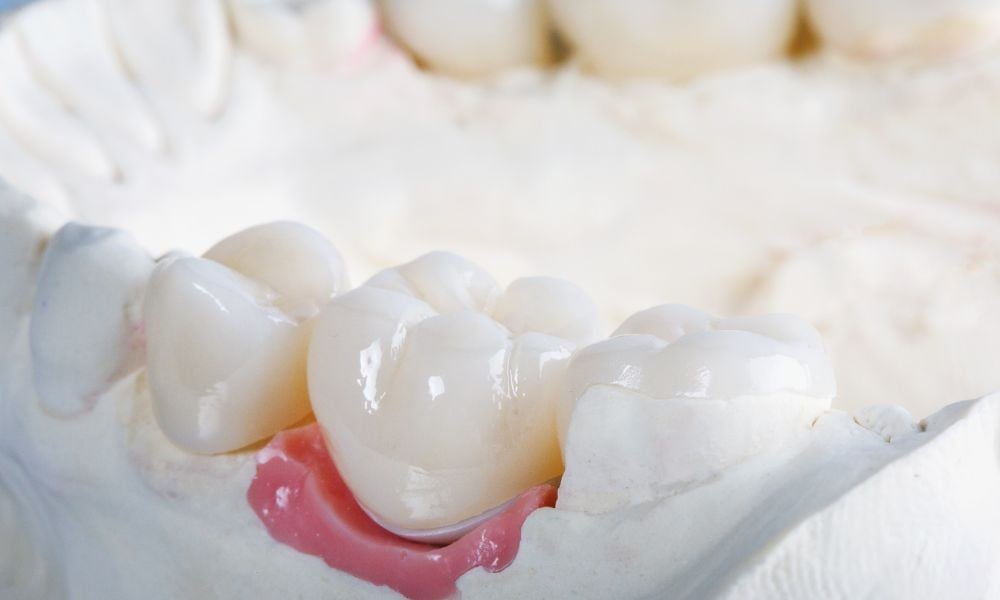
Are your gums receding, causing tooth sensitivity, or have you been told you lack the adequate bone density needed for a dental implant? If you have answered ‘yes’ to any of these questions, a bone or gum grafting procedure at Sound Surgical Arts in Tacoma, WA might be the solution. As top dentists since 2011, we are dedicated to providing comprehensive oral healthcare services, including advanced procedures like bone and gum grafting.
Bone and gum grafting are surgical procedures aimed at improving oral health by restoring missing bone and gum tissue. These procedures are often vital for patients with bone loss due to periodontal disease or tooth loss, or those with gum recession that exposes tooth roots. Bone grafting can also serve as a prerequisite procedure for dental implants when patients lack the necessary bone density. With gum grafting, we can cover exposed roots, reduce sensitivity, and improve your smile’s aesthetics.
In this detailed and enlightening guide, we will explore everything surrounding bone and gum grafting procedures, equipping you with the necessary knowledge to understand these treatments better. We take an in-depth look at why these procedures may be necessary, what they involve, and what you can expect during the recovery process.
Why Grafting Procedures Are Necessary
Bone and gum grafting procedures are often needed to address various oral health concerns and restore tissue that has been lost or damaged. Some reasons why grafting procedures might be necessary include:
- Periodontal Disease: This progressive condition results in the deterioration of the tissue supporting teeth. Bone and gum grafting can help regenerate lost tissue and stabilize affected teeth.
- Tooth Loss: When a tooth is missing, the jawbone might gradually deteriorate, causing the surrounding teeth to shift and lose stability. Bone grafting can help regenerate the lost bone and prepare the jaw for a dental implant placement.
- Gum Recession: Gums can recede due to periodontal disease, aggressive brushing, genetic factors, or even orthodontic treatment. Gum grafting can help cover exposed roots, reduce sensitivity, and improve aesthetics.
- Dental Implant Success: Dental implants require adequate bone density to support and integrate with the implant. Bone grafting can augment the jawbone and increase the chances of a successful dental implant procedure.
Types of Grafting Procedures
There are several types of bone and gum grafting procedures, each designed to address specific issues and provide the best possible outcome for the patient. Some common types include:
- Autogenous Bone Graft: This procedure involves extracting bone from the patient’s body, such as from the chin or jaw, and placing it in the area requiring augmentation.
- Allograft: An allograft involves the use of bone from a human donor, which is then thoroughly processed to ensure compatibility and safety.
- Xenograft: In this technique, bone from an animal source, commonly bovine, is processed and used for grafting purposes.
- Connective Tissue Graft: For gum grafting, a connective tissue graft involves removing a small piece of tissue from the patient’s palate and placing it over the recession site to encourage new tissue growth.
- Pedicle Graft: This type of gum grafting uses tissue adjacent to the recession area to cover the exposed tooth roots, ensuring a better blood supply and increasing the likelihood of graft success.
The Grafting Procedure
Both bone and gum grafting procedures involve several steps, each carefully planned and executed by the expert team at Sound Surgical Arts to ensure patient comfort and a successful outcome.
- Initial Consultation: During this appointment, our dental professionals will assess your oral health and discuss your concerns and goals. With the help of imaging tests such as X-rays, we will then determine if grafting is appropriate for you.
- Treatment Planning: Based on the analysis of your oral condition, we will develop a personalized treatment plan, explaining the objectives of the grafting treatment, steps to be followed, and expected results.
- Surgery: On the day of the surgery, we will administer anesthesia for your comfort. For bone grafting, we will prepare the graft material and place it in the designated area, ensuring proper positioning and stabilization. For a gum graft, the graft material will be sutured into place over the exposed root or tooth surface.
- Recovery: Once the procedure is complete, we will provide post-operative instructions and medication recommendations to manage any discomfort or swelling.
Aftercare and Recovery Tips
Following your grafting procedure, it is essential to adhere to the aftercare recommendations provided by your dental professional to ensure a smooth recovery. Some tips to follow during your recovery period include:
- Manage Pain and Swelling: Take any prescribed or recommended pain relievers as directed. Use ice packs periodically to reduce swelling.
- Dietary Considerations: Stick to a soft food diet, avoiding hard, crunchy, or spicy foods. Maintain a balanced diet to provide essential nutrients for healing.
- Oral Hygiene: Practice gentle oral hygiene, avoiding the graft area for the first week while brushing and flossing the rest of your teeth.
- Attend Follow-up Appointments: Return for any scheduled follow-up visits, allowing our team to monitor your progress and ensure a successful recovery.
Conclusion
Bone and gum grafting procedures play a crucial role in restoring oral health for patients with lost or damaged tissue due to periodontal disease, tooth loss, or other dental complications. Understanding the importance, types, procedures, and aftercare involved in these grafting treatments will help you make informed decisions about your oral health needs.
At Sound Surgical Arts in Tacoma, WA, our team of experts is committed to providing advanced dental care solutions, including gum and bone grafting procedures, dental implants, reconstructive surgery, and wisdom tooth extraction. Trust the top dentists in Tacoma since 2011 to help you regain your oral health and smile with confidence. Contact us today to schedule a consultation and discover how our expertise can help you maintain optimal oral health.
Reconstructive Surgery for Optimal Oral Health in Tacoma, WA
Facing dental trauma or severe tooth decay can be both physically and emotionally challenging. At Sound Surgical Arts in Tacoma, WA, our team of top dentists since 2011 is committed to helping patients regain their oral health, confidence, and quality of life through reconstructive surgery. Whether your situation requires full mouth reconstruction or a targeted dental restoration, our team is here to provide you with the quality treatment you deserve.
Reconstructive surgery encompasses various dental procedures aimed at restoring the function, aesthetics, and integrity of your teeth and supporting structures. This may involve the use of dental implants, crowns, bridges, bone and gum grafts, or even orthodontic treatment. Reconstructive surgery not only improves your smile’s appearance but also enables you to chew, speak, and engage in your daily life with comfort and ease.
In this in-depth exploration of reconstructive surgery, we will discuss why reconstructive dental procedures may be necessary, the different types of treatments available, and the benefits that these treatments can provide. We will also share insights into our approach at Sound Surgical Arts, focusing on patient care, high-quality treatment options, and the skilled expertise that has made us a trusted provider of dental care in Tacoma for over a decade.
Determining the Need for Reconstructive Surgery
Reconstructive dental surgery may be necessary for various reasons, depending on the specific needs of the patient. Some common reasons for reconstructive dental procedures include:
- Dental Trauma: Accidents, falls, or sports-related injuries may result in broken, dislodged, or loose teeth that need to be addressed through reconstructive dental procedures.
- Severe Tooth Decay: Advanced decay or damage can cause significant structural loss in teeth, requiring reconstructive treatment to restore the affected teeth.
- Periodontal Disease: Gum disease can lead to tissue loss, bone loss, and eventual tooth loss, necessitating reconstructive surgery to regain function and appearance.
- Congenital Dental Defects: Some people are born with missing teeth or improperly developed dental structures, which can benefit from reconstructive treatment to improve appearance and function.
Types of Reconstructive Dental Procedures
Reconstructive dentistry offers a wide array of options to address each individual’s unique dental needs. Some common reconstructive dental treatments include:
- Dental Implants: Surgically placed titanium posts act as artificial tooth roots to support dental prosthetics such as crowns, bridges, or dentures, providing a stable and long-lasting tooth replacement option.
- Dental Crowns: Custom-made tooth caps that cover the entire surface of damaged or decayed teeth, offering protection and improved function.
- Dental Bridges: A fixed solution to replace one or more missing teeth, using adjacent teeth as support for the artificial tooth, or pontic.
- Bone and Gum Grafting: These procedures involve rebuilding lost or damaged bone and gum tissue, enabling the successful placement of dental implants and improving gum health.
- Orthodontics: Straightening misaligned teeth and correcting bite issues can be an essential aspect of a full mouth reconstruction, improving function and aesthetics.
The Reconstructive Surgery Process
The process of undergoing reconstructive dental surgery involves several steps, each designed to provide the best possible outcome for the patient.
- Comprehensive Evaluation: Our expert dental team at Sound Surgical Arts will thoroughly examine your oral health and explore your dental history, discussing your concerns and goals.
- Custom Treatment Plan: Based on the comprehensive evaluation, we will develop a personalized treatment plan that outlines the recommended procedures, a timeline for completion, and the expected results.
- Surgical Procedures: Depending on your specific treatment plan, you may undergo one or more surgical procedures to achieve the desired results. Examples include dental implant placement, bone grafting, or gum grafting.
- Restorative Treatments: Following any necessary surgeries, restorative treatments such as dental crowns, bridges, or dentures will be crafted to restore the form and function of your teeth and bite.
- Post-Treatment Care: Proper aftercare and routine dental follow-ups are crucial to maintaining the results of your reconstructive dental treatment. Our team at Sound Surgical Arts will provide guidance and support throughout this process.
Benefits of Reconstructive Surgery
Undergoing reconstructive dental treatment can provide numerous life-enhancing benefits for patients in need of dental restoration. Some of the benefits include:
- Improved Functionality: Reconstructive dentistry addresses dental issues that may affect chewing, speaking, and overall oral function, enabling patients to engage in everyday activities without discomfort.
- Enhanced Aesthetics: Rebuilding damaged or missing teeth, straightening misaligned teeth, and addressing gum deficiencies can dramatically improve the appearance of your smile and boost your self-confidence.
- Oral Health Preservation: By addressing decay, damage, or gum disease, reconstructive dentistry can protect your remaining teeth and supporting structures, promoting continued oral health.
- Long-Term Dental Solution: Many reconstructive dentistry treatments, such as dental implants, offer long-lasting solutions with proper care, reducing the need for further extensive dental interventions down the line.
Conclusion
Reconstructive dental surgery can transform the lives of patients in need of advanced dental treatment, restoring damaged or missing teeth, and improving oral health, function, and aesthetics. Understanding the array of treatment options available, the process of undergoing reconstructive surgery, and the associated benefits can help patients make informed decisions about their oral health needs.
At Sound Surgical Arts in Tacoma, WA, our team of top dentists is dedicated to providing our patients with exceptional dental care, including reconstructive surgery, dental implants, gum and bone grafting, and wisdom tooth extraction. Trust our experienced dental professionals to help you regain your oral health and smile with confidence. Contact us today to schedule a consultation and learn more about how reconstructive dental solutions can improve your quality of life.
Wisdom Tooth Extraction in Gig Harbor, WA: Understanding the Process and Benefits
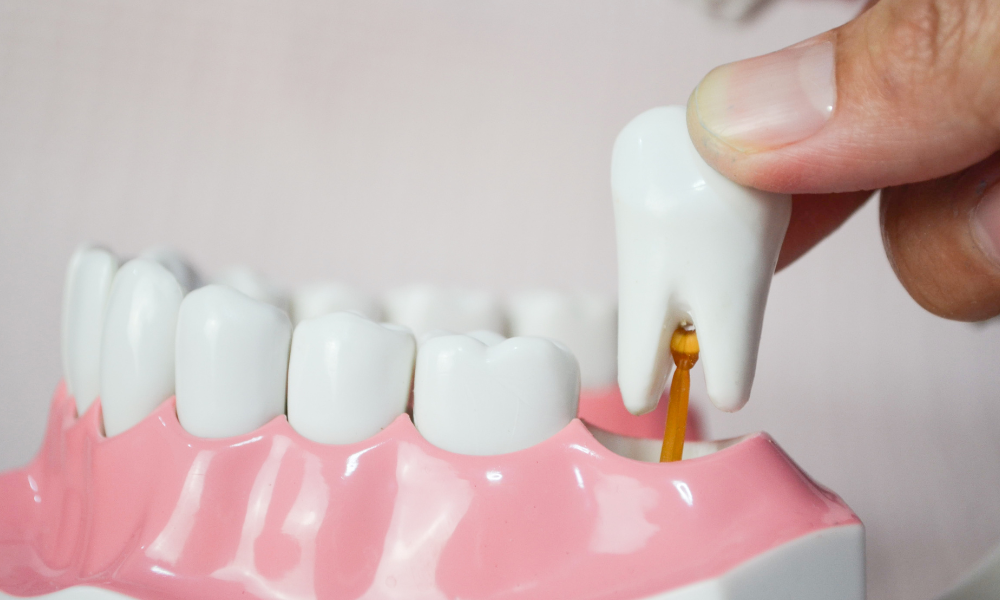
Our adult set of teeth typically consists of 32 teeth, including the third molars, also known as wisdom teeth. These teeth are the last to erupt, typically making their appearance during our late teens or early twenties. However, due to their late arrival and the limited space available within the jaw, wisdom teeth can often cause complications that require their removal. In Gig Harbor, WA, Sound Surgical Arts has been offering top-quality dental care, including wisdom tooth extraction services, since 2011. Our team of experienced professionals is committed to providing tailored treatments to address wisdom tooth-related complications and protect your oral health.
The wisdom tooth extraction process, although common, can be daunting for patients. A proper understanding of the procedure and the benefits of timely removal is key to relieving anxiety and ensuring optimal dental health. In this informative guide, we will discuss the importance of wisdom tooth extraction, common complications that may arise from impacted wisdom teeth, and the benefits of seeking timely intervention. Furthermore, we will provide insights into the extraction process, including pre-operative assessment, the procedure, and post-operative care and recovery.
At Sound Surgical Arts in Gig Harbor, our patients’ oral health and well-being are our foremost priorities. This guide seeks to educate you on wisdom tooth extraction procedures and the importance of addressing potential wisdom tooth complications promptly. Equipped with this knowledge, you can make informed decisions regarding your oral health and secure your dental future. Our team of compassionate dental experts is here to answer any questions you may have and provide the support and care you deserve. Let us help guide you through the process of wisdom tooth extraction for a healthy, happy smile that lasts a lifetime.
Understanding Wisdom Teeth: Why Extraction May Be Necessary
Wisdom teeth, or third molars, typically emerge between the ages of 17 and 25. While some individuals may experience no issues, many face complications due to limited space within the jaw, leading to impaction and other dental problems. Impacted wisdom teeth are those that are unable to fully emerge through the gumline, causing potential harm to neighboring teeth, gum tissue, and the jawbone. Signs of impacted wisdom teeth may include pain, swelling, or infection around the affected tooth, as well as difficulty opening one’s mouth or persistent bad breath.
Timely wisdom tooth extraction is crucial to maintaining one’s overall oral health. Leaving impacted wisdom teeth untreated can lead to several complications, such as:
- Crowding: Impacted wisdom teeth can exert pressure on neighboring teeth, causing them to shift and become misaligned. This can lead to bite-related issues and may require orthodontic treatment to correct.
- Pericoronitis: This condition occurs when a partially erupted wisdom tooth leads to inflammation and infection in the surrounding gum tissue, often causing significant pain and swelling.
- Damage to Neighboring Teeth: Impacted wisdom teeth may cause damage to the root or structure of adjacent teeth, increasing the risk of tooth decay and gum disease.
- Cysts and Tumors: A cyst or tumor can develop around the impacted wisdom tooth, leading to damage to the jawbone or nearby teeth.
Pre-Operative Assessment: Preparing for Wisdom Tooth Extraction
Before undergoing wisdom tooth extraction, a thorough pre-operative assessment takes place. This assessment includes a comprehensive examination of your oral cavity, alongside a discussion about your dental history and any symptoms you may be experiencing. Your dentist or oral surgeon may use X-ray imaging to assess the position of your wisdom teeth and determine the best course of action for removal.
Based on this evaluation, your dental expert will develop a personalized treatment plan, outlining the recommended wisdom tooth extraction approach and ensuring all your questions and concerns are addressed.
The Wisdom Tooth Extraction Procedure: What to Expect
Wisdom tooth extraction is generally performed under local anesthesia, ensuring minimal discomfort during the procedure. In some cases, patients may opt for sedation dentistry, which offers additional relaxation and comfort throughout the surgery.
The extraction process typically involves the following steps:
- Once the anesthesia or sedation has taken effect, your oral surgeon will make a small incision in the gum tissue, exposing the impacted wisdom tooth.
- In some instances, the tooth may be divided into smaller pieces, allowing for easier removal.
- Using specialized dental instruments, your oral surgeon will gently remove the wisdom tooth (or tooth fragments) from the jawbone.
- Once the extraction is complete, the incision will be closed using sutures, which will dissolve on their own over time.
Post-Operative Care and Recovery: Ensuring a Smooth Healing Process
Following your wisdom tooth extraction, proper post-operative care is essential to a successful recovery. Your dental expert will provide detailed instructions to guide you through the healing process, which may include:
- Using ice packs to minimize swelling and discomfort.
- Taking prescribed pain medication and/or antibiotics as directed by your oral surgeon.
- Adhering to a soft diet avoiding hard or crunchy foods that may irritate the extraction site.
- Practicing good oral hygiene, being cautious around the extraction site when brushing, and using a saline rinse to keep the area clean.
- Avoiding smoking or using a straw, as the suction can hinder the healing process.
- Following up with your dental care provider as recommended to ensure a smooth recovery.
Embracing a Healthier, Pain-Free Smile with Wisdom Tooth Extraction
Wisdom tooth extraction is a common dental procedure, offering a wealth of benefits for patients facing complications due to impacted wisdom teeth. By seeking timely intervention and expert care, you can prevent potential oral health issues and embrace a healthier, pain-free smile. The compassionate professionals at Sound Surgical Arts in Gig Harbor, WA, are dedicated to providing personalized, top-quality care during every step of the extraction process. Trust our team to alleviate your concerns, answer your questions, and partner with you throughout your wisdom tooth extraction journey. Don’t let wisdom teeth complications or other dental trauma hold you back – contact us today to schedule your consultation and take the first step towards a brighter, healthier smile.
Understanding Gum Grafting in Gig Harbor, WA: An In-Depth Guide
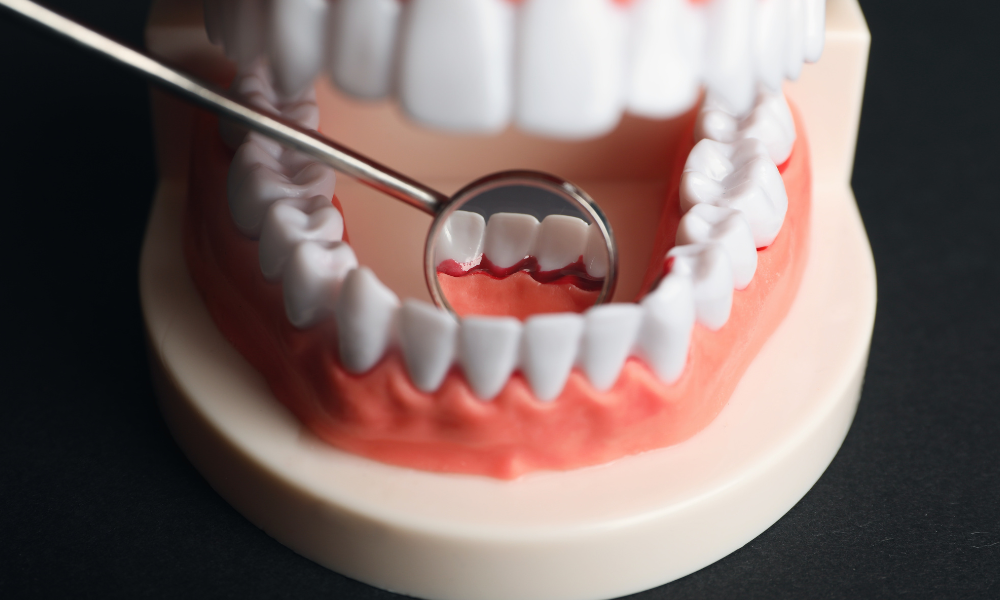
Gum health is an essential component of overall oral well-being. Healthy gums not only look good, but they also protect the teeth and the underlying bone structure. Unfortunately, many individuals suffer from gum recession, a condition where the gum tissue that surrounds the teeth pulls back, exposing more of the tooth or the tooth’s root. Gum recession can be caused by several factors, including periodontal disease, aggressive tooth brushing, and aging. If left untreated, gum recession can lead to tooth sensitivity, tooth loss, and an increased risk of decay or infection in the newly exposed tooth root. Fortunately, gum grafting, a common periodontal procedure, can help address these issues.
At Sound Surgical Arts, a leading dental clinic in Gig Harbor, WA, we have been offering a full range of oral healthcare services, including gum grafting, since 2011. Our team is here to ensure you have all the necessary information about gum grafting and its benefits.
Gum grafting, also known as gingival grafting or periodontal plastic surgery, involves surgically placing small amounts of new tissue in areas where the gums have receded. The procedure aims to cover exposed tooth roots, reduce sensitivity, improve aesthetics, and prevent further deterioration of gums and supporting bone.
This detailed educational guide aims to provide a comprehensive overview of gum grafting. We will discuss types of gum grafts, the gum grafting procedure, what to expect during recovery, and how this procedure can benefit your oral health.
At Sound Surgical Arts in Gig Harbor, WA, we prioritize patient education and awareness as part of our commitment to your oral health. This guide on gum grafting is part of that commitment, and we encourage you to use it as a resource when considering treatment options for gum recession. Our team is always ready to answer any questions or concerns you may have, help you better understand gum grafting, and assist you in making an informed choice. Savour your smile. It’s priceless.
Types of Gum Grafts
There are three main types of gum grafts that can be performed depending on the patient’s individual needs and the extent of gum recession. These include:
- Connective Tissue Grafts: The most common type, connective tissue grafts, involves removing a small piece of tissue from the patient’s palate (roof of the mouth) and attaching it to the area of gum recession. This procedure is effective in covering exposed tooth roots and preventing further gum deterioration.
- Free Gingival Grafts: Similar to connective tissue grafts, free gingival grafts also use tissue from the patient’s palate. However, in this procedure, a small layer of tissue is taken directly from the surface of the palate instead of the underlying connective tissue. This method is best suited for individuals with naturally thin gum tissue who need additional reinforcement.
- Pedicle Grafts: Pedicle grafts involve using a flap of gum tissue from an adjacent area (next to the receding gum) and stretching it, so it covers the exposed tooth root. This type of graft is only feasible when the patient has an adequate amount of gum tissue near the affected area.
The Gum Grafting Procedure
The gum grafting procedure is typically performed under local anesthesia to ensure the patient’s comfort. The specific steps involved will depend on the type of graft chosen. Here is an outline of the general procedure:
- Preparation: Your oral surgeon or periodontist will begin by thoroughly cleaning the treatment site removing any plaque or tartar buildup.
- Harvesting Graft Material: If a connective tissue or free gingival graft is performed, the surgeon will remove a small piece of tissue from the patient’s palate (roof of the mouth).
- Graft Placement: The harvested tissue or donor material is then positioned to cover the exposed tooth root, and sutures are used to hold it in place during the healing process.
- Initial Healing: A protective dressing may be applied over the graft to facilitate healing and prevent infection. The dressing stays in place until your first follow-up visit, usually within a week or two.
What to Expect During Recovery
Recovery from gum grafting surgery will vary depending on the type of graft performed and individual healing responses. However, some general guidelines for a smooth recovery include:
- Pain Management: Use prescribed pain medication as directed or take over-the-counter pain relievers as needed to manage discomfort.
- Oral Care: Maintain a gentle oral hygiene routine, following your dental professional’s instructions on when to begin brushing. Rinse your mouth with a warm saltwater solution to help keep the surgical area clean.
- Diet: Stick to a soft food diet for the first week or two following surgery, gradually reintroducing more solid foods once your dentist approves.
- Follow-Up Appointments: Attend all scheduled follow-up appointments so your dental professional can monitor the healing process and remove any sutures when necessary.
The Benefits of Gum Grafting
Gum grafting offers several benefits for individuals suffering from gum recession. These benefits include:
- Improved Oral Health: Treating gum recession can help prevent further damage to the teeth, gums, and supporting bone structures.
- Reduced Tooth Sensitivity: Covering exposed tooth roots can significantly alleviate the sensitivity often associated with gum recession.
- Aesthetics: Gum grafting helps restore a more even and aesthetically appealing gum line.
- Preventive Care: Gum grafting can protect the teeth from future decay or infection in the newly exposed root surfaces.
Conclusion
At Sound Surgical Arts in Gig Harbor, WA, we understand the importance of maintaining healthy gums as a crucial component of oral health. Gum grafting offers an effective solution for those facing the challenges and consequences of gum recession. If you believe you may benefit from this procedure, our experienced team of dental professionals is here to guide you on your journey to improved oral health. Reach out to us with any questions or concerns, or schedule a consultation to determine if gum grafting for recession is the right option for you. Together, we can help you achieve a healthy and beautiful smile that lasts a lifetime.