
Sound Surgical Arts
Wisdom Tooth Removal: What to Expect & How to Prepare
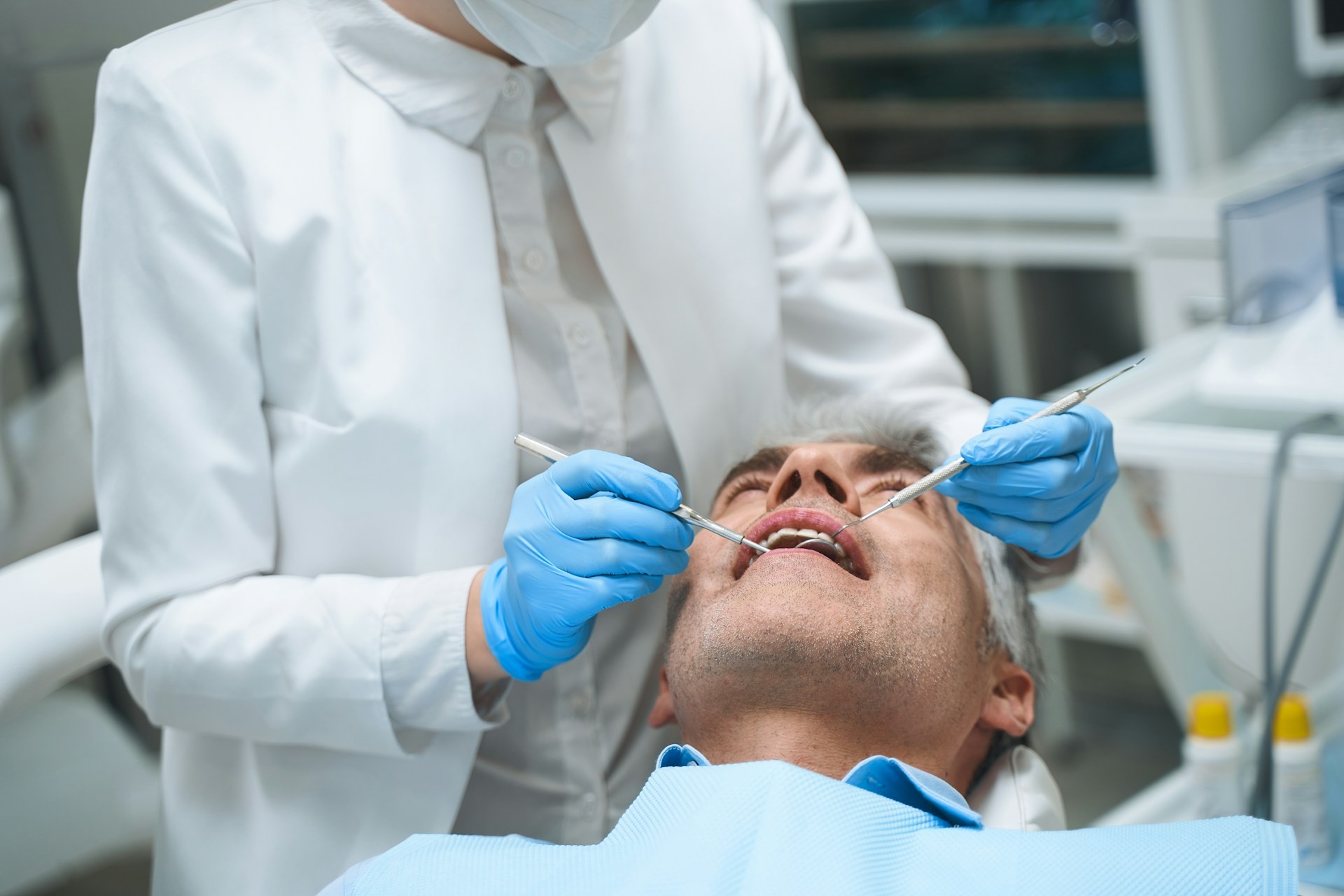
Wisdom tooth extraction is a common dental procedure that can be daunting for many patients. Understanding the process and knowing how to prepare can help alleviate fears and ensure a smooth recovery. At Sound Surgical Arts, our team of professionals is committed to providing detailed information and compassionate care, guiding you through every step of your wisdom tooth removal journey.
In this educational article, we’ll break down the process of wisdom tooth extraction and offer a comprehensive overview of what to expect during the procedure. Furthermore, we’ll provide helpful tips for optimal preparation and recovery, ensuring that your experience is as comfortable and seamless as possible. With informed planning and support from the skilled surgeons at Sound Surgical Arts, you can face your wisdom tooth removal with confidence and ease.
Understanding Wisdom Tooth Extraction
Wisdom teeth, or third molars, are the last teeth to develop and usually erupt during late adolescence or early adulthood. In many cases, these teeth do not have enough room to emerge properly, leading to potential issues such as impaction, infection, or damage to surrounding teeth. Wisdom tooth extraction is a standard dental procedure performed to address these concerns and maintain overall oral health.
Reasons for Wisdom Tooth Removal
There are several reasons why a dental professional might recommend wisdom tooth removal, including:
- Impacted Wisdom Teeth: If wisdom teeth are not able to fully erupt due to limited space, they can become impacted, causing pain and potential problems such as cysts and damage to adjacent teeth.
- Infection: Partially erupted wisdom teeth are susceptible to bacterial infections, as trapped food particles may lead to gum inflammation and infection, known as pericoronitis.
- Tooth Crowding: Wisdom teeth can contribute to crowding or shifting of adjacent teeth, leading to misalignment and potential orthodontic concerns.
- Decay: Due to their location, wisdom teeth can be difficult to clean, making them prone to tooth decay and gum disease.
Preparing for Your Wisdom Tooth Extraction
Proper preparation is key to ensuring a successful wisdom tooth extraction procedure and recovery. Consider the following steps as you prepare for your surgery:
- Consultation: Schedule a consultation with your dental professional to determine if wisdom tooth extraction is necessary, discuss any concerns or questions, and create a personalized treatment plan.
- Pre-Procedure Guidelines: Your dental professional will provide instructions specific to your situation, which may include stopping medications that can interfere with the blood clotting process or avoiding food and drink for a certain period before the procedure.
- Transportation: Arrange for a friend or family member to drive you to and from the procedure, as you may not be able to drive safely following the extraction due to the use of anesthesia or sedation.
- Schedule Time Off: Allocate sufficient time to recover following the procedure, typically a few days to a week. This time off will allow your body to heal and minimize the risk of complications.
The Extraction Procedure
While the specifics of each wisdom tooth extraction may vary depending on your unique circumstances, most procedures follow a general structure:
- Anesthesia: Your dental professional will administer a local or general anesthesia to ensure your comfort during the procedure.
- Surgical Incision: The surgeon makes a small incision in your gum tissue over the wisdom tooth to access the tooth and bone.
- Tooth Removal: Depending on the tooth’s position and development, the surgeon may need to cut the tooth into smaller pieces for easier removal or remove bone tissue obstructing the tooth’s extraction.
- Closing the Site: After the tooth is removed, the surgeon cleans and stitches the surgical site to promote healing and minimize bleeding.
Post-Procedure Care and Recovery
To ensure a smooth recovery, follow your dental professional’s specific post-operative instructions and consider these general guidelines:
- Pain and Swelling Management: Apply ice packs to the outside of your cheeks to reduce swelling, and take over-the-counter pain relievers as directed by your dental professional.
- Bleeding Control: Bite down gently on gauze periodically to help control bleeding and promote blood clot formation in the extraction sites.
- Diet: Consume a soft food diet during the first few days post-extraction, avoiding hard, crunchy, spicy, or hot foods that may irritate the surgical sites.
- Oral Hygiene: Maintain a gentle oral hygiene routine, taking care not to disrupt the blood clots or surgical sites. Rinse your mouth with warm saltwater after meals and avoid using a straw or smoking, as these actions can dislodge the blood clot and cause complications.
Potential Complications and When to Seek Help
While most wisdom tooth extractions are routine and result in successful recovery, it’s essential to be aware of potential complications and seek professional assistance if you experience:
- Persistent pain or swelling that does not improve after a few days.
- Signs of infection, such as fever or pus drainage from the extraction sites.
- Excessive bleeding that does not decrease or stop with gauze pressure.
- Dislodged blood clot, which may result in a painful condition called dry socket.
In these situations, contact your dental professional or surgeon as soon as possible for evaluation and additional care. By following proper pre- and post-operative guidelines and seeking timely assistance for concerns, you can achieve a successful wisdom tooth extraction and a healthy recovery.
Conclusion
Wisdom tooth extraction is an essential dental procedure for maintaining optimal oral health. By understanding the process and following expert advice for preparation and recovery, you can ensure a successful outcome and enjoy a healthy smile. When you choose Sound Surgical Arts for your wisdom tooth removal procedure, you can trust that our skilled dental professionals will prioritize your comfort, provide personalized care, and guide you through every step of the process.
Don’t let concerns about wisdom tooth extraction hold you back from embracing a healthy and confident smile. Schedule a consultation with our Sound Surgical Arts team today to determine the best course of action for your specific situation and experience the highest standard of care. Contact us now to learn more about our teeth-in-an-hour services in Gig Harbor.
Reconstructive Surgery FAQs: Informed Decisions with Sound Surgical Arts
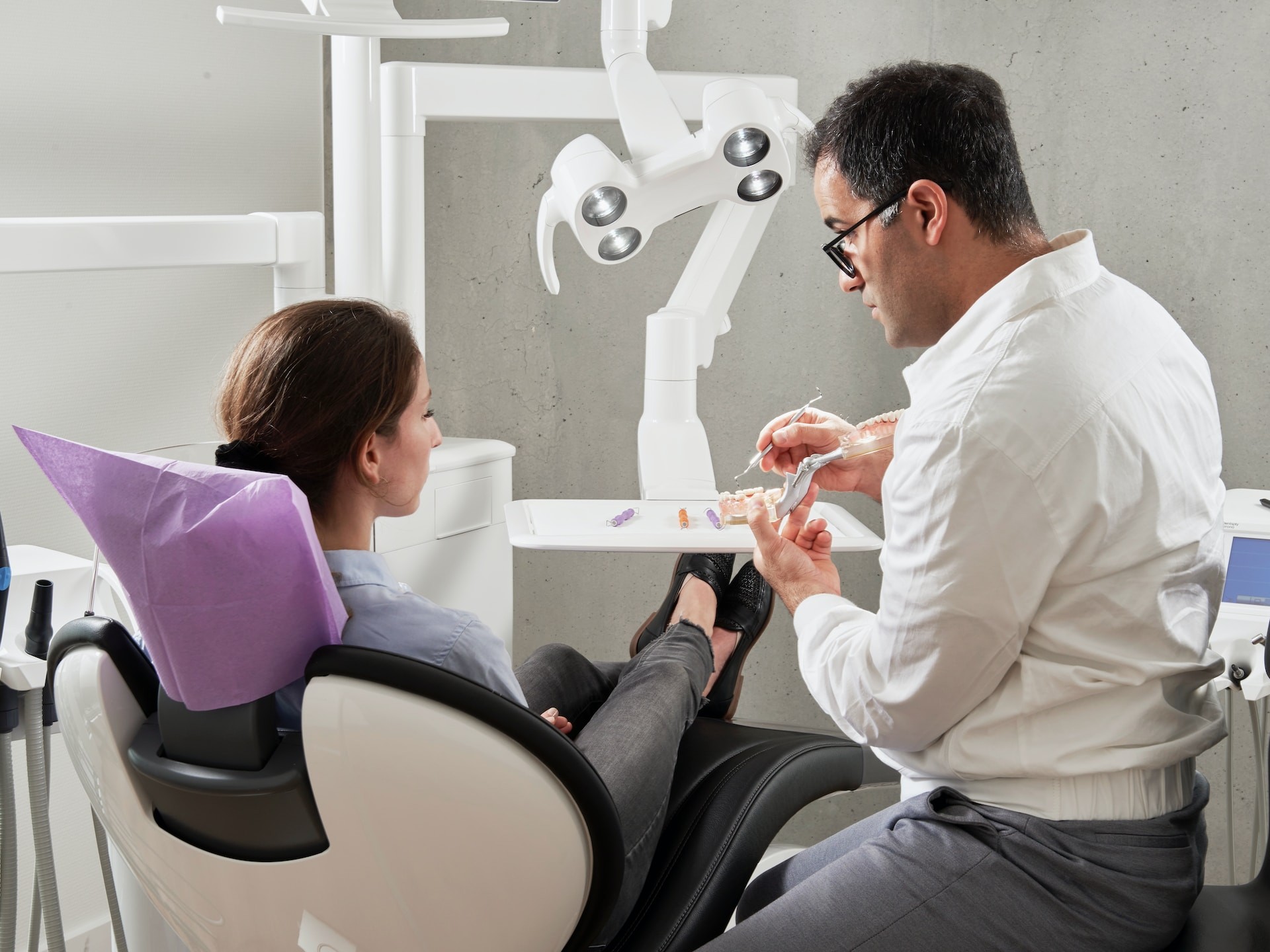
When considering reconstructive surgery, it’s natural to have questions and concerns. Sound Surgical Arts understands the importance of having the necessary information to make well-informed decisions about your dental health. In this comprehensive FAQ article, we will address the most common questions patients have regarding reconstructive surgery, focusing on the procedures offered at Sound Surgical Arts to ensure that you have all the details needed to ease your concerns and make confident choices about your dental care.
From understanding the different types of reconstructive surgeries to knowing what to expect during the treatment and recovery process, this article will serve as a valuable resource to guide you through your decision-making journey. Let our dental professionals at Sound Surgical Arts help you achieve the smile and oral health you deserve.
Understanding Reconstructive Surgery: Key Procedures
1. Dental Implants
Dental implants are a popular form of reconstructive surgery used to replace missing teeth. They involve the placement of a titanium post into the jawbone to act as an artificial tooth root, onto which a crown or bridge is then attached. Dental implants have become the gold standard for tooth replacement due to their durability, natural appearance, and preservation of jawbone structure.
2. Bone Grafting
Bone grafting is a surgical procedure that aims to regenerate bone tissue in areas where the jawbone has receded due to tooth loss, periodontal disease, or injuries. During the procedure, graft material sourced from the patient’s body, a donor, or synthetic material, is placed in the affected area. This promotes new bone growth, providing a stable foundation for dental implants and improving facial appearance.
3. Gum Grafting
Gum grafting, also known as gingival grafting, is a dental procedure used to repair receding gums and prevent tooth loss. Receding gums can expose the tooth root, causing sensitivity and increasing the risk of decay and tooth loss. During gum grafting, tissue is taken from the patient’s palate or a donor and placed over the exposed root, helping to protect the tooth and improve the appearance of the gums.
4. Full Mouth Reconstruction
Full mouth reconstruction, also known as full mouth rehabilitation, is a comprehensive treatment approach that addresses multiple dental issues in order to restore function, esthetics, and oral health. It can involve a combination of treatments such as dental implants, crowns, bridges, veneers, gum and bone grafting, and orthodontics to achieve desired results. The specific treatment plan is tailored to each patient’s individual needs and goals.
FAQs on Reconstructive Surgery
1. What are the common reasons for reconstructive surgery?
Reconstructive surgery is often necessary due to tooth loss caused by decay, gum disease, injuries, or congenital conditions. Other reasons include jawbone deterioration, receding gums, and complex dental conditions that require comprehensive treatment. The goal of reconstructive surgery is to restore both function and appearance to the patient’s mouth and face.
2. Am I a suitable candidate for reconstructive surgery?
Candidates for reconstructive surgery are individuals with dental or facial problems that affect their quality of life, whether it’s due to pain, difficulty speaking or eating, or esthetic concerns. A detailed dental examination, including medical history, dental history, and X-rays, is necessary to assess your specific needs and determine eligibility for reconstructive surgery. Your consultation with the dental professionals at Sound Surgical Arts will provide you with the information needed to make an informed decision.
3. How long does recovery take after reconstructive surgery?
Recovery time depends on the specific procedure and the individual patient. For example, dental implant surgery may require several months of healing before the final placement of the prosthetic tooth. Bone or gum grafting procedures may have a shorter healing period. Your dental professional at Sound Surgical Arts will provide you with a personalized timeline and recovery plan based on your specific case.
4. What should I expect in terms of pain and discomfort?
Thanks to advancements in dental techniques and anesthesia, patients typically experience minimal discomfort during their reconstructive surgery. Post-operative pain and swelling can be managed with medication and self-care measures recommended by your dental professional. Open communication with your surgeon enables addressing any concerns or adjustments to the treatment plan as necessary.
5. Will my insurance cover reconstructive surgery procedures?
Insurance coverage for reconstructive surgery varies depending on the policy, type of procedure, and the underlying cause of the dental issue. Comprehensive dental coverage may include at least partial coverage for some procedures, but it’s essential to consult with your insurance provider and discuss your needs with the Sound Surgical Arts team to understand and optimize your financial options.
6. How do I find the right dental professional for my reconstructive surgery?
Selecting the right dental professional is crucial in ensuring the success of your reconstructive surgery. It’s essential to choose a skilled and experienced surgeon with specialized training in the specific procedures you require. Sound Surgical Arts’ dental professionals are dedicated to providing exceptional patient care and utilizing cutting-edge dental technology to ensure optimal treatment outcomes.
7. How can I maintain results after reconstructive surgery?
Maintaining a consistent oral hygiene routine, including regular brushing, flossing, and dental checkups, is crucial in preserving the results of your reconstructive surgery. Additionally, avoiding harmful habits such as smoking, excessive alcohol consumption, and consuming a well-balanced diet can contribute to maintaining your new smile and overall oral health for years to come.
By understanding the scope of reconstructive surgery and addressing common questions and concerns, patients can make well-informed decisions and be confident in their treatment choices. Sound Surgical Arts is committed to providing personalized, expert care to guide you through your reconstructive surgery journey and achieve the dental health and esthetic results you desire.
Conclusion
Understanding the ins and outs of reconstructive surgery is the first step in your journey towards a healthier and more confident smile. At Sound Surgical Arts, our dedicated team of dental professionals is here to help you navigate the decision-making process, providing personalized guidance and expertise every step of the way. By addressing your concerns and answering your questions, we aim to ensure that you feel knowledgeable and confident in your treatment choices.
Take control of your dental health and explore your reconstructive surgery options. Schedule a consultation with the dental experts at Sound Surgical Arts and begin your journey toward a fully restored smile and improved quality of life. Reach out to us today – we’re here to support you in achieving your oral health goals. Contact us now to learn more about gum and bone grafting in Gig Harbor.
Your Ultimate Checklist for Preparing for Dental Surgery at Sound Surgical Arts

Facing dental surgery can be a source of anxiety for many patients. Being adequately prepared for the procedure can help alleviate some of that stress and improve your overall experience. At Sound Surgical Arts in Tacoma, WA, we strive to make your dental surgical journey as smooth and comfortable as possible. To help you get ready for your procedure, we have created the ultimate checklist for preparing for dental surgery.
In this blog, we will guide you through essential steps to take leading up to your surgery day. From confirming the details of your appointment and discussing your medical history to pre-operative care and practical arrangements, these tips will ensure that you are well-prepared and confident in facing your upcoming dental procedure. Experience peace of mind, knowing that both you and the team at Sound Surgical Arts are well-equipped to make your dental surgery as successful and comfortable as possible.
1. Verify Your Appointment Details and Instructions
The first step in preparing for your dental surgery is to confirm the details of your appointment. Reach out to Sound Surgical Arts to verify the time, date, and specific preparations for your procedure. Make sure to ask for any preoperative instructions and discuss any concerns you may have.
For many dental surgeries, you may be asked to avoid eating or drinking for a specified period before your appointment. It is essential to follow these instructions diligently, as they can affect anesthesia during surgery and influence postoperative recovery.
2. Disclose Your Medical History and Current Medications
Thoroughly discussing your medical history with your dental surgeon is crucial, as it will allow them to make informed decisions about your treatment plan and ensure a safe procedure. Be sure to inform your dental professional about:
- Any existing medical conditions or allergies
- Previous surgeries or anesthesia reactions
- Current medications, including over-the-counter drugs, vitamins, and supplements
- Use of tobacco, alcohol, or recreational drugs
Some medications, such as anticoagulants or blood thinners, may need to be stopped or adjusted before surgery, as they can affect blood clotting. Always consult with the dental surgeon and your primary healthcare provider before making any changes to your medications.
3. Establish a Plan for Anesthesia
Dental surgeries can involve various types of anesthesia, ranging from local anesthesia to general anesthesia, depending on the complexity of the procedure and the patient’s needs. It is essential to discuss with your dental surgeon the type of anesthesia that will be administered and any potential risks associated with it.
If you’ve experienced difficulties or complications with anesthesia in the past, make sure to communicate this information to your dental professional to consider alternative options or take additional precautions. In some cases, this may require consultation with an anesthesiologist, who can help guide the anesthesia management throughout your procedure.
4. Prepare for Your Post-Operative Recovery
Taking time to plan and prepare for your post-operative recovery will help ensure a smooth healing process. Here are some important strategies to consider:
- Designate a caregiver: Ask a friend or family member to accompany you to the surgery and stay with you for at least the first 24 hours post-surgery, as you may require assistance and support during this time.
- Stock up on soft foods: Proper nutrition is essential for healing, so have easily digestible and soft foods—such as soups, yogurt, and mashed potatoes—on hand to eat following your procedure.
- Create a comfortable recovery area: Set up a comfortable space at home where you can rest and recover. Ensure that essential items, like tissues, a waste bin, water, and pain medications, are easily accessible.
- Arrange time off work: Give yourself adequate time to recover, and arrange for time off from work as needed. The length of time required may vary based on the complexity of your surgery and individual factors.
- Follow post-operative care instructions: Your dental surgeon will provide you with a comprehensive post-operative care plan to ensure optimal healing. Follow these instructions closely and contact Sound Surgical Arts if you have any concerns or questions.
5. Maintain Excellent Oral Hygiene Pre- and Post-Surgery
Good oral hygiene is essential to minimize the risk of infection and promote healing. In the days leading up to your dental surgery, be diligent about brushing and flossing your teeth. Additionally, your dental surgeon may recommend a preoperative mouth rinse to further reduce bacteria levels.
After your surgery, follow your dental professional’s guidelines for oral care, including any temporary dental hygiene modifications to accommodate for the surgical site. Keeping the area as clean as possible during the healing process will support a successful recovery.
6. Manage Pre-Surgical Anxiety
Dental surgery can be anxiety-provoking for many patients. To help manage stress, consider relaxation techniques such as deep breathing exercises, guided visualization, or mindfulness practices. Make sure to communicate your anxiety to your dental professional, as they can provide additional support and guidance to make your surgical experience as comfortable as possible.
Additionally, engaging in a pre-surgical consultation with Sound Surgical Arts can provide an opportunity to ask questions, address concerns, and gain a better understanding of the procedure, which can help alleviate anxiety.
In summary, preparing for dental surgery involves confirming appointment details, disclosing your medical history and medications, planning for anesthesia and post-operative care, maintaining excellent oral hygiene, and managing pre-surgical anxiety. By following these essential steps, you can face your procedure at Sound Surgical Arts with confidence, knowing that you’ve done everything possible to ensure a successful surgical experience and recovery.
Conclusion
Preparing for dental surgery is an essential step toward a successful procedure and a smooth recovery. By following the ultimate checklist provided in this article and working closely with the expert team at Sound Surgical Arts, you can approach your dental surgery with confidence and peace of mind.
If you’re in Tacoma, WA, and looking for top-notch dental care, consider Sound Surgical Arts for your dental surgical needs. Schedule a consultation with our oral surgeon in Tacoma to discuss your options, personalize your treatment plan, and ensure a comfortable, successful dental surgery experience. Take the first step toward a healthier smile by getting in touch with Sound Surgical Arts today.
The Ultimate Guide to All-on-Four Dental Implants in Seattle
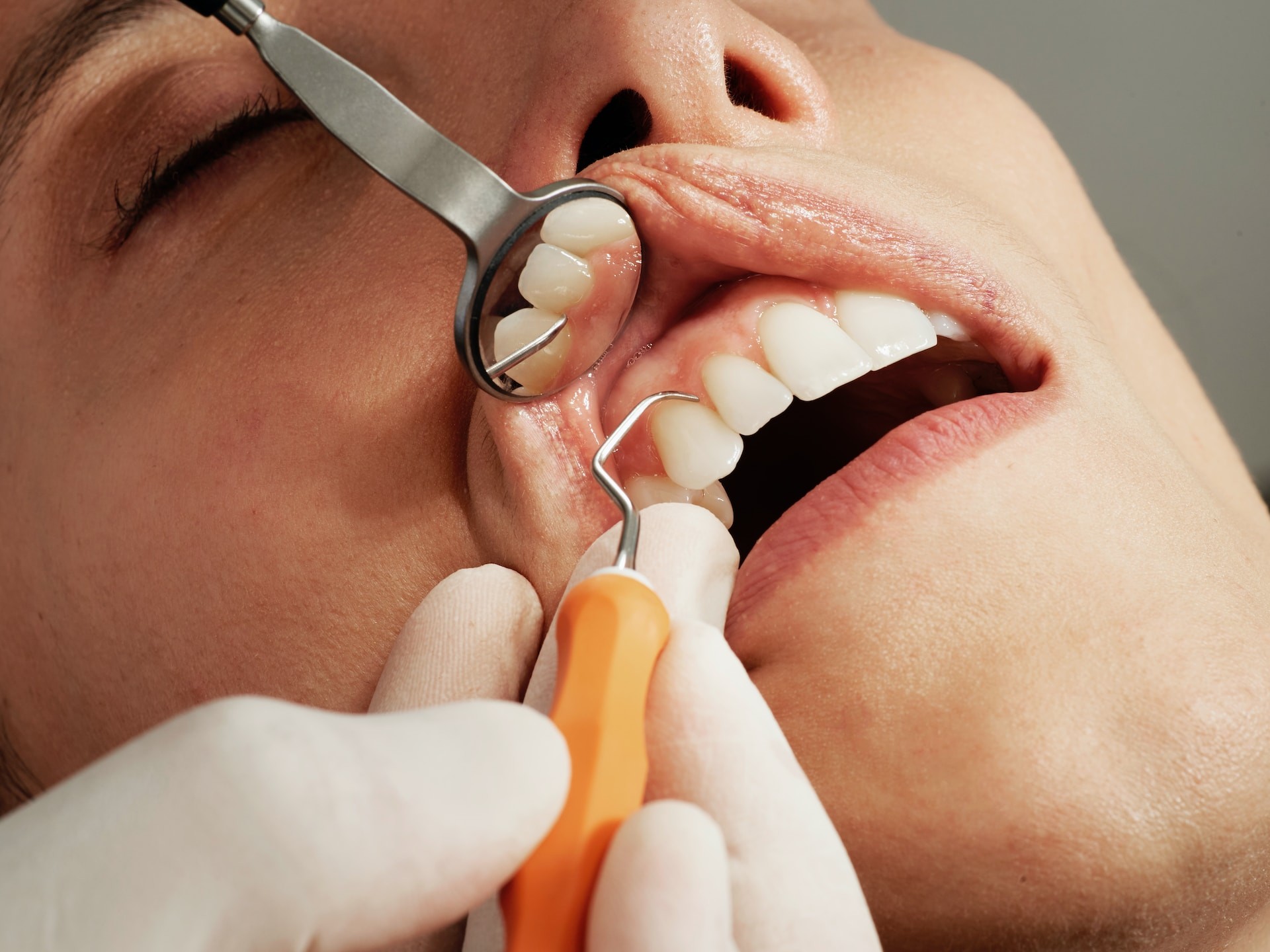
Are you considering dental implants to replace missing teeth and improve your smile? You’ve probably come across the All-on-Four dental implant procedure during your search. This innovative and highly effective treatment has become increasingly popular for individuals seeking a long-lasting and functional solution to missing teeth. In this comprehensive guide, we’ll explore everything you need to know about All-on-Four dental implants in Seattle, focusing on the expert services provided at Sound Surgical Arts.
With the rapidly advancing dental implant technology, understanding the All-on-Four procedure can seem daunting. That’s why we’re here to break down the process, benefits, and what to expect during your journey at Sound Surgical Arts. Our team of skilled professionals is dedicated to providing the best possible service and ensuring your ultimate satisfaction with your new, beautiful smile. Get ready to embark on a transformative experience that will change your life for the better.
Understanding the All-on-Four Dental Implant Procedure
The All-on-Four dental implant procedure is a revolutionary approach to replacing multiple missing teeth using just four dental implants per arch. Unlike traditional dental implants, which may require six to eight implants per arch, All-on-Four utilizes a unique implant placement design that maximizes the available bone in both the upper and lower jaws. This allows for a more efficient treatment process and significantly reduced recovery time.
In the All-on-Four procedure, the posterior implants are placed at an angle, which offers increased stability and allows for immediate loading of the dental prosthesis (the artificial teeth). This means that patients can have their new set of teeth placed either on the same day or shortly after their implant surgery, providing them with a fully functional, natural-looking smile without the need for lengthy healing periods.
Advantages of All-on-Four Dental Implants
There are several key benefits to choosing the All-on-Four dental implant procedure for your tooth replacement needs:
- Fewer Dental Implants: The All-on-Four method requires just four implants per arch, resulting in a less invasive procedure compared to traditional implant methods.
- Immediate Results: The unique implant placement allows for same-day or immediate placement of the dental prosthesis, resulting in an instant transformation of your smile and improved function.
- Cost-Effective: Due to the reduced number of implants required, the overall cost of the All-on-Four procedure is often lower than traditional dental implant methods.
- Minimal Bone Grafting: The angled placement of the posterior implants helps to avoid the need for bone grafting in most cases, which can save both time and money during the treatment process.
- Long-Lasting Results: With proper care and maintenance, All-on-Four dental implants can last a lifetime, making them a reliable investment in your oral health.
All-on-Four Dental Implants at Sound Surgical Arts in Tacoma, WA
At Sound Surgical Arts, our team of dental professionals specializes in providing patients with exceptional treatment using the All-on-Four dental implant procedure. From your initial consultation through to the final fitting of your dental prosthesis, our staff is dedicated to ensuring your comfort, safety, and satisfaction at every stage of the process.
During your consultation, our team will assess your oral health, discuss your treatment goals, and determine if you are a suitable candidate for the All-on-Four procedure. We will also walk you through the entire treatment process, answering any questions you may have and helping you make an informed decision about your dental implant journey.
Preparing for Your All-on-Four Treatment
Once you have decided to proceed with the All-on-Four procedure at Sound Surgical Arts, our team will work with you to create a personalized treatment plan. This will include a detailed timeline, outlining all of the necessary appointments leading up to your surgery and during the recovery phase. Here’s what you can expect leading up to your All-on-Four treatment:
- Preliminary Appointments: Before your implant surgery, you may be required to attend preoperative appointments to ensure the success of your treatment. This may include dental X-rays, 3D imaging (CBCT), and other diagnostic tests to create a precise surgical guide for your implant placement.
- Pre-Surgical Preparation: Your dental professional at Sound Surgical Arts will provide you with a list of pre-surgery instructions to help you prepare for your procedure. These may include guidance on medications, supplements, and dietary recommendations, as well as instructions on maintaining proper oral hygiene.
The All-on-Four Dental Implant Surgery
On the day of your All-on-Four surgery, our skilled team will ensure that you are comfortable and relaxed. The procedure will begin with administering local anesthesia, or sedation if requested, to ensure your comfort during the process. Once you are numb or sedated, your dental professional will carefully place the four dental implants at specific locations and angles in your jawbone, using a surgical guide for precision.
After the implants have been placed, your dental prosthesis (temporary or permanent) will be attached to the implants. This immediate loading allows you to leave the office with a brand new smile, without the need for additional appointments or waiting periods.
Post-Operative Care and Recovery
While the recovery process following All-on-Four surgery is typically quicker than with traditional dental implant procedures, proper post-operative care is essential to ensure the long-term success of your dental implants. Your dental professional at Sound Surgical Arts will provide you with detailed instructions on how to care for your new implants, including oral hygiene practices, diet, and follow-up appointments.
In the days following your surgery, it is normal to experience some swelling, discomfort, and minor bleeding, which can be managed with over-the-counter pain medications, ice packs, and rest. Most patients are able to return to their normal daily activities within a few days of the procedure, with complete healing taking place over the course of several months as your dental implants fuse with your natural jawbone.
Maintenance of Your All-on-Four Dental Implants
To ensure the longevity of your All-on-Four dental implants, it is essential to practice good oral hygiene, including regular brushing, flossing, and dental check-ups at Sound Surgical Arts. By committing to a daily oral care routine and maintaining regular appointments with your dental professional, you can enjoy the benefits of your new smile for years to come.
In conclusion, the All-on-Four dental implant procedure at Sound Surgical Arts in Tacoma, WA, offers a reliable and efficient solution for replacing multiple missing teeth, with the added benefit of immediate results and reduced recovery time. By choosing this innovative treatment, you can greatly enhance your quality of life and smile confidently once again.
Conclusion
The All-on-Four dental implant procedure offered at Sound Surgical Arts in Tacoma, WA, presents a life-changing solution for anyone seeking to replace multiple missing teeth with a natural-looking, fully functional, and long-lasting smile. Our dedicated team of dental professionals is committed to providing exceptional care and ensuring that your All-on-Four experience is comfortable, smooth, and successful from start to finish.
If you are considering All-on-Four dental implants or would like more information about how Sound Surgical Arts can help transform your smile, don’t hesitate to contact us today. We are ready and eager to assist you on your journey to a more confident, healthy, and beautiful smile.
Schedule a consultation with Sound Surgical Arts today to find out if you’re a candidate for the groundbreaking All-on-Four dental implant procedure.
All About Dental Implants in Gig Harbor, WA: A Comprehensive Guide for Patients
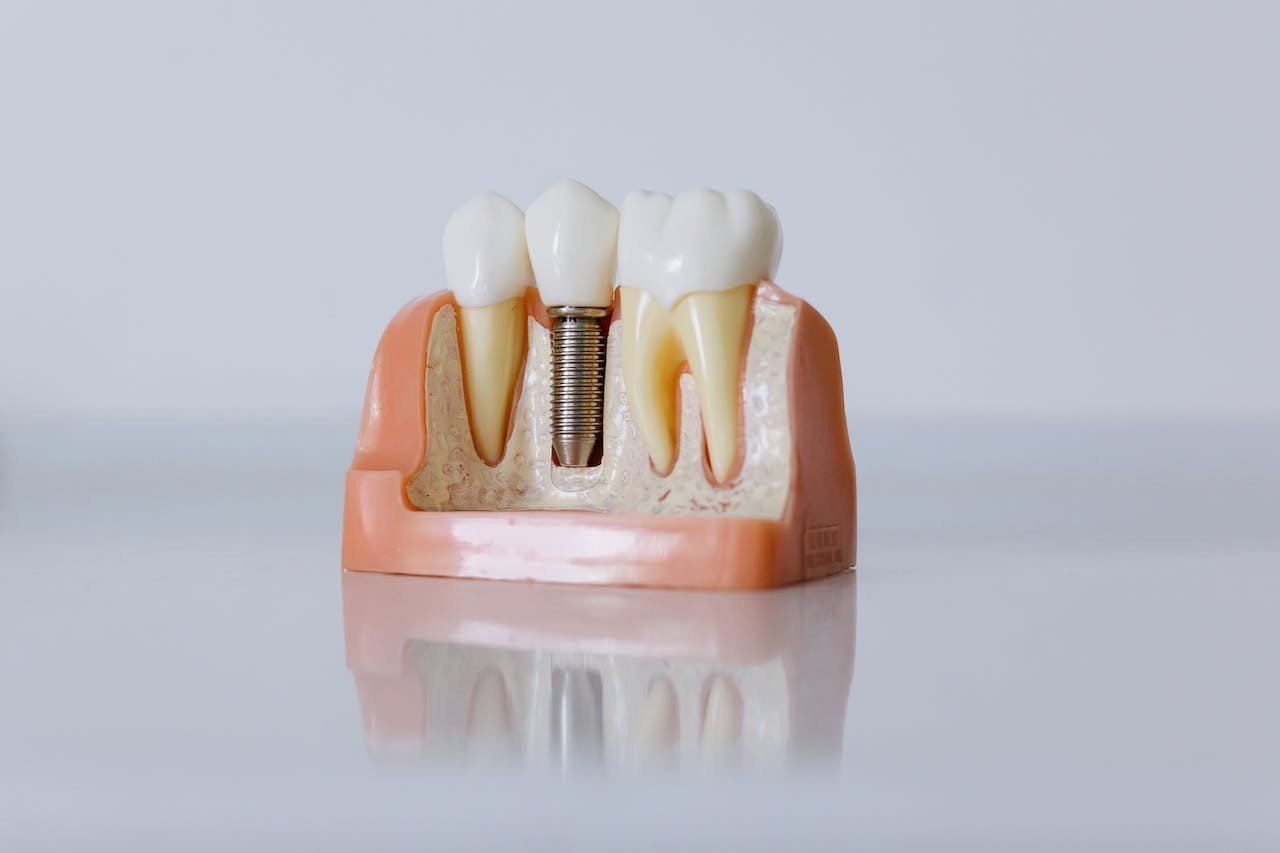
Tooth loss can have a significant impact on an individual’s quality of life, affecting not only their appearance but also their ability to chew, speak, and maintain overall oral health. Dental implants are a state-of-the-art solution for replacing missing teeth, offering a long-lasting and natural-looking alternative to traditional dentures or bridges. With advances in dental technology and techniques, dental implants have become a popular and reliable choice for many patients seeking to restore their smiles.
In this comprehensive guide, we will discuss the benefits of dental implants, including their ability to prevent bone loss, improve facial structure, and provide long-term functionality. Additionally, we will detail the various steps involved in the dental implant process, from consultation to surgery and restoration. Lastly, we will address what to expect during the recovery process and provide tips for maintaining and caring for your dental implants.
The Benefits of Dental Implants
Dental implants offer several advantages over other tooth replacement options. Here are some key benefits:
1. Prevents Bone Loss: Tooth loss can lead to bone loss in the jaw due to the lack of stimulation from tooth roots. Dental implants replace the tooth root and stimulate bone growth, preventing further deterioration.
2. Improved Facial Structure: Lost teeth can cause the face to sag or appear sunken, contributing to an aged appearance. Dental implants help maintain proper facial structure by supporting the lips and cheeks and preventing bone loss.
3. Longevity: With proper care, dental implants can last a lifetime. They are a more durable and longer-lasting solution compared to traditional dentures or bridges.
4. Restores Functionality: Dental implants provide a stable foundation, allowing patients to eat and speak with confidence. They also minimize the risk of shifting or slipping, which can be an issue with dentures.
5. Natural Appearance: Implant-supported prosthetics are designed to match the appearance of natural teeth, offering a more aesthetically pleasing result.
Understanding the Dental Implant Process
The dental implant process typically involves several stages, each designed to ensure optimal results.
1. Consultation and Treatment Planning: During the initial consultation, your dentist will evaluate your oral health, assess the jawbone’s adequacy, and discuss your tooth replacement goals. If dental implants are determined to be the best option for you, a personalized treatment plan will be developed.
2. Implant Placement Procedure: Using advanced techniques and 3D guidance, your dentist will surgically place the implant into the jawbone. Following placement, the implant will be covered with a protective healing cap while the osseointegration process occurs.
3. Osseointegration Period: The implant typically requires 3-6 months to fuse with the surrounding bone fully. This process, known as osseointegration, is crucial for providing a stable foundation for the implant-supported prosthetic.
4. Abutment Placement: Once osseointegration is complete, your dentist will attach a small connector, called an abutment, to the implant. The abutment connects the implant to the final dental prosthetic.
5. Dental Prosthetic: A custom-made dental crown, bridge, or denture is designed to match your natural teeth’ color, shape, and size. Once the prosthetic is ready, it will be securely attached to the abutment, completing the implant process.
Recovery and Aftercare
Proper aftercare is critical to the success and longevity of your dental implant. Here’s a glimpse of what to expect during recovery and some tips to help ensure a smooth healing process:
1. Pain Management: As with any surgical procedure, some discomfort may be experienced. Use prescribed pain medication as directed or over-the-counter pain relievers to alleviate discomfort.
2. Diet: Stick to a soft food diet and avoid chewing on the implant site for the first few weeks following surgery. Gradually reintroduce more solid foods as the healing progresses.
3. Oral Care: Maintain good oral hygiene by gently brushing and flossing daily. Rinse your mouth with a warm saltwater solution to help keep the surgical site clean.
4. Follow-Up Appointments: It’s essential to attend all scheduled follow-up appointments so your dentist can monitor healing, address any complications, and ensure optimal implant performance.
Caring for Your Dental Implants
Proper dental hygiene and regular dental check-ups are an integral part of maintaining your dental implants. Follow these tips to help extend the lifespan of your dental implants:
1. Practice a consistent oral hygiene routine, including brushing at least twice a day and flossing daily.
2. Use a non-abrasive toothpaste and a soft-bristle toothbrush to avoid damaging the implant surface.
3. Schedule regular dental check-ups and professional cleanings every six months.
4. Avoid chewing on hard or sticky foods that could damage your dental prosthetic or implant.
5. If you grind your teeth at night, consider using a custom-fitted night guard to protect your dental implants.
Conclusion
At Sound Surgical Arts in Gig Harbor, WA, we are committed to providing our patients with the highest quality dental care, including dental implants. Our experienced team will guide you through every step of the implant process, ensuring a comfortable and successful experience. With dental implants, you can regain the function, appearance, and confidence you deserve. Contact us today to schedule a consultation and begin your journey towards a healthier and happier smile.
Wisdom Tooth Extraction in Gig Harbor, WA: Know What to Expect

Third molars, commonly known as wisdom teeth, are the final set of molars to emerge in most individuals’ mouths between the ages of 17 and 25. While some people have adequate space to accommodate these teeth, many face issues such as overcrowding, misalignment, or impacted wisdom teeth. Impacted wisdom teeth fail to erupt fully through the gums, often causing pain, swelling, and discomfort. Additionally, issues with wisdom teeth can lead to infection, damage to neighboring teeth, gum disease, and cyst formation. In such cases, wisdom tooth extraction is the recommended course of action.
At Sound Surgical Arts in Gig Harbor, WA, our skilled dentists have been providing wisdom tooth extraction services since 2011. We prioritize patient education and comfort, ensuring that you are fully prepared for the extraction procedure and the recovery process. In this informative blog piece, we will discuss wisdom tooth extraction, the signs that you may need this procedure, what to expect during the surgery, and the aftercare measures to ensure a smooth recovery.
Wisdom tooth extraction is a common dental surgery, and understanding what the procedure entails can help alleviate any anxiety or concerns you may have. This comprehensive guide aims to provide insights into the process, informing you of the steps involved in removing wisdom teeth and the recovery time. We will also discuss scenarios that warrant wisdom tooth extraction to help you determine if this procedure is right for you.
Signs You May Need Wisdom Tooth Extraction
There are several signs and symptoms that may indicate a need for wisdom tooth extraction. By being aware of these, you can seek timely professional help and prevent potential complications. Some common signs include:
1. Pain and Swelling: Persistent pain and swelling around the area where wisdom teeth are supposed to emerge could be an indication that these teeth are causing problems and may need removal.
2. Tooth Crowding: Wisdom teeth can push neighboring teeth out of alignment, leading to overcrowding. Extraction may be necessary to prevent further misalignment and maintain a healthy bite.
3. Infection: If you experience recurring infections around the wisdom tooth area, it may be a sign that the teeth are impacted and need to be extracted.
4. Cysts or Tumors: In some cases, impacted wisdom teeth can lead to the formation of cysts or tumors around the tooth, causing bone and tissue damage. Extraction may be required to prevent further complications.
The Wisdom Tooth Extraction Procedure
Wisdom tooth extraction is a dental surgery performed by an oral surgeon or dentist with specialized training in the procedure. The process typically includes the following steps:
1. Assessment and Diagnosis: Your dental professional will take X-rays and examine your teeth, gums, and jaw to determine the position, size, and condition of your wisdom teeth and whether extraction is necessary.
2. Anesthesia: To maintain comfort during the extraction, local anesthesia will be used to numb the area around the tooth. If multiple teeth need extraction, or the procedure is expected to be complex, general anesthesia may be recommended.
3. Surgical Extraction: For impacted teeth, the surgeon will make a small incision in the gum tissue, exposing the tooth and bone. The impacted tooth may be cut into smaller parts to ease extraction. Once the tooth has been removed, the incision will be stitched closed.
4. Extraction of Non-Impacted Teeth: If the wisdom teeth are fully erupted, the dentist will simply use dental forceps to grasp the tooth and gently rock it back and forth until it is dislodged from the socket.
Post-Extraction Aftercare and Recovery
To ensure a smooth recovery after wisdom tooth extraction, it is essential to follow the post-operative aftercare instructions provided by your dental professional. Some key guidelines include:
1. Pain Management: Take prescribed pain medications or over-the-counter pain relievers as directed to manage pain and discomfort.
2. Bleeding and Swelling: Use cold compresses and bite down on gauze pads to reduce swelling and control bleeding for the first 24 hours.
3. Rest: Allow yourself plenty of rest following the procedure, avoiding strenuous activities and exercise for at least a few days.
4. Oral Care: Maintain good oral hygiene, taking care not to disrupt the blood clot in the extraction site while brushing and rinsing. Avoid using straws and smoking, as they can interfere with the healing process.
5. Diet: Stick to a soft-food diet for the first few days following surgery. Gradually reintroduce solid foods as your comfort level permits, taking care to avoid foods that may irritate the extraction site.
Potential Risks and Complications
While wisdom tooth extraction is a relatively routine procedure, it is important to be aware of the potential risks and complications associated with the surgery. Some potential concerns include:
1. Dry Socket: A dry socket occurs when the blood clot covering the extraction site becomes dislodged, exposing bone and causing severe pain. Proper aftercare can help prevent this complication.
2. Infection: Proper oral hygiene and following post-operative instructions will minimize the risk of infection following wisdom tooth extraction.
3. Nerve Damage: Although rare, nerve damage can occur during the extraction of lower wisdom teeth, causing temporary or permanent numbness in the lower lip, chin, or tongue.
Conclusion
At Sound Surgical Arts in Gig Harbor, WA, we understand that the prospect of wisdom tooth extraction may bring about anxiety or concern. Our expert team of dental professionals is committed to providing you with a stress-free experience, ensuring that you are well informed about the procedure, aftercare, and recovery process. Trust our skilled team in Gig Harbor, WA, for a comfortable and successful wisdom tooth extraction. Your healthy and radiant smile is our top priority. Reach out to us with any questions and schedule a consultation to know if wisdom tooth extraction is right for you.
Dental Implants: The Complete Solution for Missing Teeth in Tacoma, WA

The loss of one or more teeth can have a significant impact on your oral health, as well as your overall quality of life. Missing teeth can make it challenging to speak and eat comfortably, and they can also affect your self-esteem and confidence when you smile. At Sound Surgical Arts in Tacoma, WA, our team has been offering top-rated dental care since 2011, and we are proud to provide dental implants as a superior solution for replacing missing teeth.
Dental implants are widely recognized as the gold standard for tooth replacement. Composed of biocompatible titanium, dental implants act as artificial tooth roots that provide a strong, stable foundation for dental prosthetics such as crowns, bridges, or dentures. Unlike other tooth replacement options, dental implants are designed to last a lifetime and offer numerous advantages for patients seeking to restore their smiles fully.
In this comprehensive guide to dental implants, we will discuss the various benefits of implants, the process of receiving dental implants at Sound Surgical Arts, and the difference they can make in your daily life. Our aim is to provide you with sufficient knowledge and understanding of dental implants in terms of effectiveness, longevity, and value, enabling you to make informed decisions about your oral health and treatment options.
The Advantages of Dental Implants
Dental implants have become the preferred tooth replacement solution for both patients and dentists alike, offering several advantages compared to traditional methods. Some of the key benefits of dental implants include:
1. Stability and Comfort: With dental implants, you can say goodbye to the discomfort and instability associated with removable dentures. Implants are anchored securely within your jawbone, providing a firm foundation for dental prosthetics, allowing you to eat, speak, and smile with confidence and ease.
2. Preservation of Jawbone and Facial Structure: The absence of tooth roots can cause the jawbone to deteriorate over time, leading to changes in facial appearance. Dental implants act as artificial tooth roots, stimulating the jawbone and helping to maintain its shape and density.
3. Improved Oral Health: Dental implants do not require grinding or reshaping of neighboring teeth, as is necessary for traditional dental bridges. This helps protect healthy teeth while improving overall oral hygiene.
4. Longevity and Durability: With proper care and maintenance, dental implants can last a lifetime, making them a more cost-effective solution in the long term compared to other tooth replacement options.
The Dental Implant Process at Sound Surgical Arts
Our team of dental specialists at Sound Surgical Arts ensures a streamlined, comfortable, and successful experience throughout the dental implant process, which typically includes the following stages:
1. Comprehensive Consultation: We will perform a thorough examination of your dental health, discuss your tooth replacement goals, and determine if dental implants are an appropriate option for you.
2. Preparatory Procedures: In some cases, preparatory procedures such as bone grafting or gum grafting may be necessary to establish a strong foundation for implant placement.
3. Dental Implant Surgery: Implants are surgically placed into the jawbone during a minimally invasive procedure, followed by a healing period to allow for osseointegration (integration of the implant into the jawbone).
4. Abutment Placement: Once the implant is securely integrated with the jawbone, an abutment is attached to the implant, serving as a connection point for the dental prosthetic.
5. Prosthetic Restoration: Our team will design and create a custom dental crown, bridge, or denture to attach to your dental implant, completing the tooth replacement process and restoring your smile.
Life After Dental Implants
Following the dental implant process, patients can expect dramatic improvements in their quality of life, enjoying the following benefits:
1. Enhanced Functionality: With dental implants, you can engage in everyday activities like eating, speaking, and laughing without worrying about the limitations imposed by missing teeth or unstable dental prosthetics.
2. A Beautiful, Natural-Looking Smile: Custom-designed dental prosthetics such as crowns, bridges, or dentures are crafted to match the shape, color, and size of your natural teeth, ensuring your smile looks as authentic as possible.
3. Low Maintenance Oral Care: Dental implants can be maintained with regular brushing, flossing, and dental check-ups – just like your natural teeth. This makes them an easy and convenient solution for long-lasting dental health.
4. Improved Self-Confidence: With a complete, beautiful smile, you can enjoy a renewed sense of self-esteem and confidence in your personal and professional life.
Conclusion
For patients seeking a comprehensive and lasting solution to missing teeth, dental implants are the ideal choice. By replicating the structure and function of natural tooth roots, implants provide unparalleled benefits such as stability, comfort, and the preservation of jawbone structure. In addition, dental implants promote better oral hygiene and improved overall dental health, making them a wise investment for your long-term well-being.
At Sound Surgical Arts in Tacoma, WA, we understand the importance of restoring dental health and enhancing the quality of life for our patients. We are proud to offer dental implant services as part of our comprehensive approach to oral health care. Our experienced team is continuously dedicated to patient education and the provision of top-tier dental services, which include wisdom tooth extraction, bone and gum grafting, reconstructive surgery, and more.
Wisdom Tooth Extraction: A Step-by-Step Guide from Tacoma’s Top Dentists

Emerging wisdom teeth can often cause anxiety and confusion, especially when the prospect of extraction becomes necessary. Fortunately, Tacoma, WA residents can rely on the experienced team at Sound Surgical Arts for guidance and support throughout the entire process. Specializing in dental implants, wisdom tooth extraction, bone and gum grafting, and reconstructive surgery, we have proudly been serving the Tacoma community as top dentists since 2011. Our commitment to patient education extends beyond the walls of our treatment rooms, as we strive to create informative and helpful content catered to the needs of our community.
In this in-depth guide, we will explore the world of wisdom tooth extraction, shedding light on everything from the reasons behind the procedure to the preparations involved and steps to ensure a smooth recovery. By delving into this topic, we aim to not only demystify the process but also to help you feel confident and informed about your upcoming wisdom tooth extraction.
Understanding the Causes of Wisdom Tooth Issues
Wisdom teeth, also known as third molars, are the last set of teeth to develop and typically emerge between the ages of 17 and 25. While some people have sufficient space in their jaws to accommodate these teeth, many others encounter various complications. Common wisdom tooth issues include:
1. Impaction: Wisdom teeth may become trapped within the jawbone or under the gumline due to insufficient space for eruption, leading to impaction. Impacted wisdom teeth can cause pain, swelling, and potential damage to nearby teeth.
2. Partial Eruption: Sometimes, wisdom teeth can partially emerge from the gum, creating a flap of tissue where bacteria and food particles can become trapped. This can lead to gum inflammation, pain, and possibly an infection.
3. Crowding: When there isn’t enough space for wisdom teeth to emerge, they can push against neighboring teeth, causing misalignment and discomfort.
4. Decay: Crowded and partially erupted wisdom teeth can be difficult to clean, making them more susceptible to tooth decay and gum disease.
Evaluating the Need for Wisdom Tooth Extraction
To determine if a wisdom tooth extraction is necessary, our dental professionals at Sound Surgical Arts will perform a comprehensive evaluation of your oral health. This assessment includes examining the position of your wisdom teeth, the available space in your jaw, and any signs of discomfort or potential complications.
If we determine that wisdom tooth extraction is necessary, our team will develop a customized treatment plan and discuss what to expect during the procedure and recovery process. We will also address any concerns or questions you may have, ensuring you have all the information you need to make an informed decision about your oral health.
The Wisdom Tooth Extraction Procedure
At Sound Surgical Arts, Tacoma, WA, we prioritize patient comfort and safety while performing wisdom tooth extractions. The procedure involves the following steps:
1. Anesthesia: Depending on the complexity of the extraction and the patient’s preferences, we will administer local anesthesia, sedation, or general anesthesia to ensure comfort throughout the procedure.
2. Accessing the Tooth: If the wisdom tooth is impacted, our dental professionals will make a small incision in the gum tissue to expose the tooth.
3. Tooth Sectioning: In some cases, we may need to divide the wisdom tooth into smaller pieces to facilitate a less invasive removal.
4. Extraction: Using specialized dental tools, we will gently remove the tooth (or tooth fragments) while minimizing damage to the surrounding bone and tissue.
5. Closure: In most cases, we will close the extraction site with sutures to promote healing and reduce the risk of complications.
Post-Extraction Care and Recovery
While recovery from wisdom tooth extraction varies among patients, most people can return to their normal activities within a few days. Our dental professionals will provide you with detailed post-operative instructions to promote a smooth recovery process. Some general guidelines include:
1. Managing Pain and Swelling: Take any prescribed or over-the-counter pain relievers as directed. Apply an ice pack to your face in 20-minute intervals to reduce swelling during the first 24 hours.
2. Dietary Adjustments: Focus on consuming soft foods like yogurt, soup, and applesauce during the initial days of recovery. Gradually reintroduce more solid foods as your comfort level improves.
3. Oral Hygiene: Gently rinse your mouth with warm saltwater after 24 hours to promote healing. Be cautious when brushing your teeth near the extraction site to avoid disruption of the blood clot forming in the socket.
4. Rest and Relaxation: Rest for the first 24 hours after the procedure and avoid any strenuous activities that could dislodge the blood clot or exacerbate swelling.
5. Follow-Up Care: Attend any scheduled follow-up appointments, allowing our team to monitor your healing progress and address any concerns that may arise.
Conclusion
Wisdom tooth extraction is a common dental procedure that can effectively address various complications associated with these teeth, ranging from impaction and decay to overcrowding. At Sound Surgical Arts, our team of experienced dental professionals in Tacoma, WA, is committed to providing compassionate and precise care during wisdom tooth extractions, ensuring the best possible outcome for each patient.
With a dedicated focus on patient well-being and education, Sound Surgical Arts strives to deliver exceptional dental care, including services such as dental implants, bone and gum grafting, reconstructive surgery, and wisdom tooth extraction. Trust our team to help you maintain optimal oral health and smile with confidence. Contact us today to schedule a consultation and discuss your needs with our expert dental professionals.
Mastering Post-Surgery Dental Care: Essential Tips & Recommendations
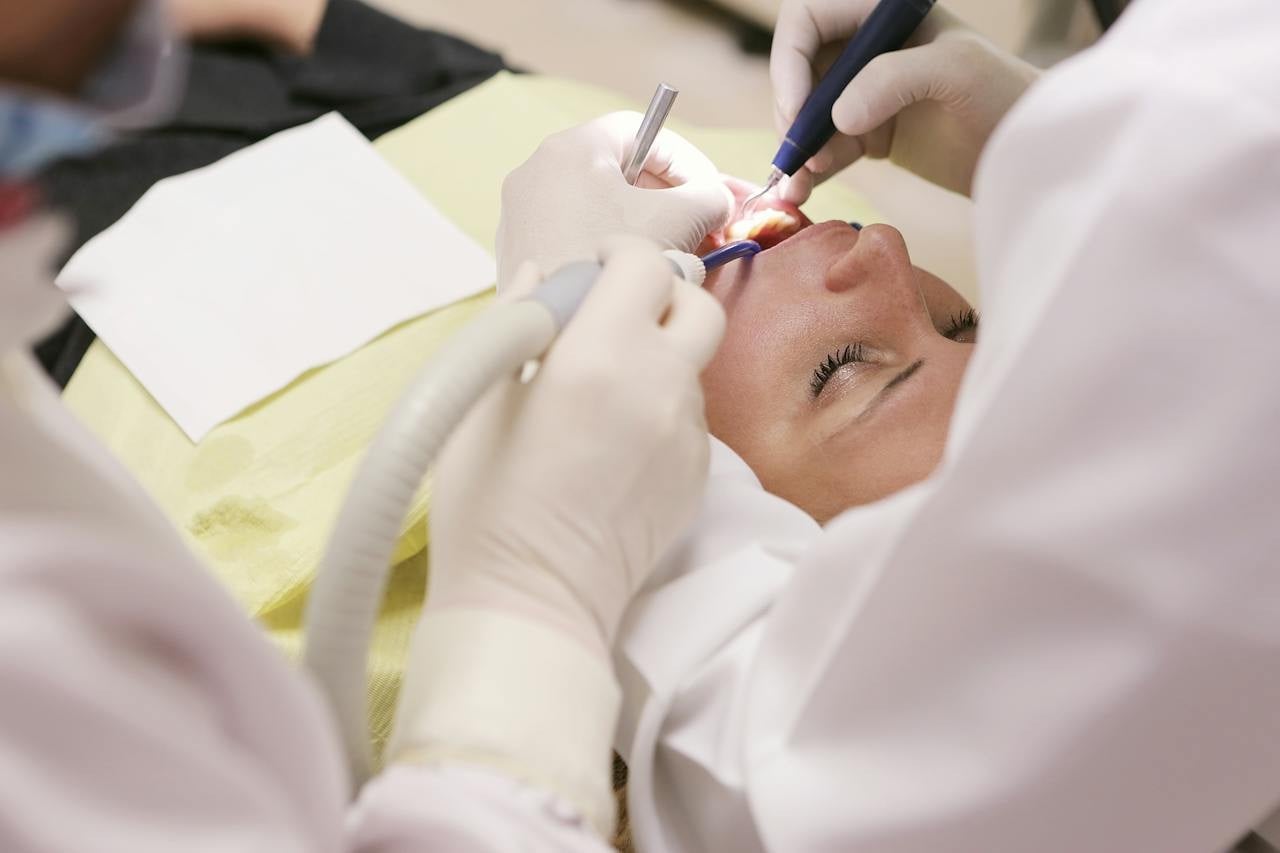
Proper dental care following oral surgery is an essential step in ensuring optimal recovery, maintaining your oral health, and achieving long-lasting results. Post-operative care can make all the difference in preventing complications, managing discomfort, and promoting efficient healing. At Sound Surgical Arts, we understand that knowledge is power, and we are committed to providing our patients with valuable information and resources to make their post-surgery dental care experience as seamless as possible.
In this educational article, we will explore the importance of diligent post-surgery dental care, offer useful tips, and discuss specific recommendations tailored to various types of oral surgery procedures. By taking an active role in post-operative care and following your surgeon’s guidance, you can minimize the risk of complications and enjoy the benefits of your oral surgery for years to come.
General Tips for Post-Surgery Dental Care
Regardless of the specific oral surgery procedure performed, there are several general post-surgery dental care tips that apply:
1. Follow your oral surgeon’s instructions: It’s crucial to adhere to the guidance provided by your oral surgeon. They will supply detailed post-operative guidelines tailored to your specific surgery and individual healing needs.
2. Maintain proper oral hygiene: Keeping your mouth clean is essential for promoting recovery and minimizing the risk of infection. Gently brush your teeth, avoiding the surgical site as needed, and rinse with warm saltwater or a prescribed mouthwash as advised by your surgeon.
3. Manage pain and discomfort: Follow your surgeon’s recommendations for pain management, whether it involves using over-the-counter pain relievers or any prescribed medications.
4. Rest and allow time for healing: Allow your body adequate time to recover. Avoid strenuous activities and follow your surgeon’s guidance on when to resume regular activities.
Now, let’s dive into specific recommendations for different types of oral surgery procedures.
Post-Operative Care Following Dental Implants
After dental implant surgery, some specialized post-operative care tips have proven particularly helpful:
1. Minimize swelling: Apply ice packs to the side of your face where the dental implant was placed, in a 20-minutes-on and 20-minutes-off pattern, to manage swelling.
2. Be cautious with food: Consume soft foods in the first few days after dental implant surgery and avoid chewing directly over the implant site. Gradually reintroduce solid foods as your comfort allows.
3. Avoid smoking: Smoking after dental implant surgery can hinder the healing process and even lead to implant failure. Refrain from smoking for at least 72 hours post-surgery, ideally much longer.
Post-Operative Care Following Wisdom Tooth Extraction
Wisdom tooth extraction is another common oral surgery procedure. Consider these essential post-operative care tips:
1. Control bleeding: Bite down on a piece of gauze or a moistened tea bag to help control bleeding and encourage clotting at the extraction site.
2. Limit physical activity: Strenuous activities can adversely affect the healing process and increase the risk of complications, such as a dry socket. Take it easy for at least 48 hours after surgery.
3. Prevent dry socket: Refrain from smoking, drinking from a straw, or rinsing vigorously, as these actions can dislodge the blood clot that forms over the extraction site, leading to a painful dry socket.
Post-Operative Care Following Bone Grafting
Bone grafting procedures require particular attention to ensure proper healing and successful bone regrowth. Here are some recommendations for post-operative care:
1. Avoid touching the surgical site: Refrain from poking or touching the bone graft site with your fingers or tongue, as this can disrupt the healing process and jeopardize success.
2. Take prescribed antibiotics: Your oral surgeon may prescribe antibiotics to prevent infection following bone grafting surgery. Ensuring you complete the entire course is essential.
3. Schedule follow-up appointments: Bone grafts require regular assessment to monitor healing progress and determine when it’s safe to proceed with dental implant placement.
Post-Operative Care Following Gum Grafting
Gum grafting surgery requires specific dental care steps to protect the delicate tissues and promote successful healing:
1. Limit oral function in the grafted area: Avoid stretching, pulling, or applying pressure to the grafted tissue for at least two weeks following surgery.
2. Caution with toothbrushing: Do not brush or floss the treated area until your oral surgeon gives approval. Instead, use prescribed antimicrobial mouth rinses to maintain cleanliness.
3. Monitor the graft site: If bleeding or excessive swelling occurs or you suspect the graft has become dislodged, contact your oral surgeon immediately.
Post-Surgery Nutrition: Foods to Eat and Foods to Avoid
Proper nutrition promotes healing and may help minimize discomfort after oral surgery. Here are some recommendations:
1. Foods to eat: Choose soft foods that are high in vitamins, minerals, and protein for optimal healing. Opt for items like yogurt, applesauce, mashed potatoes, scrambled eggs, and soups with cooked vegetables.
2. Foods to avoid: Steer clear of hard, crunchy, spicy, or acidic foods that may cause irritation to the surgical site or interfere with healing.
Remember that each patient’s healing experience may differ. It’s essential to follow your oral surgeon’s instructions regarding post-surgery dental care and individualized recommendations based on your unique situation.
Conclusion
A successful oral surgery outcome relies not only on the skill of your surgeon but also on your commitment to diligent post-surgery dental care. By understanding the specific recommendations for various oral surgery procedures, you can ensure optimal healing, prevent complications, and enjoy lasting results.
Are you preparing for oral surgery or have questions about the post-operative care process? Contact Sound Surgical Arts to discuss your concerns and receive personalized guidance from our expert team. We are here to support you every step of the way on your journey to improved oral health and well-being. Trust Sound Surgical Arts to provide the exceptional care you deserve during your oral surgery procedure and throughout your recovery.
Smile Makeover: Choosing the Right Cosmetic Dental Procedures

A beautiful, radiant smile can boost your self-confidence and improve your overall quality of life. More than ever, people are seeking the help of cosmetic dental procedures to achieve their dream smile. However, with the plethora of options available, it can be challenging to determine which treatments best align with your specific needs and goals. At Sound Surgical Arts, we understand that an informed decision is a confident decision, and we are here to help you navigate the vast world of cosmetic dentistry.
In this comprehensive guide, we will outline the various cosmetic dental procedures available, discuss their benefits, and provide insights on selecting the most suitable options for your unique smile makeover. Equipped with this knowledge, you can make informed decisions about your dental journey and embrace the transformation that comes with enhanced aesthetics and functionality.
Understanding Your Unique Smile Goals
Before delving into the different cosmetic dental procedures, take some time to assess your smile goals. Consider the following factors:
1. Aesthetics: Are you looking to improve the color, shape, or alignment of your teeth? Identify specific aspects of your smile you wish to enhance.
2. Functionality: Is there a functional issue that needs addressing, such as bite problems or difficulty chewing?
3. Budget and Timeline: Determine a realistic budget for your smile makeover and the timeline in which you hope to achieve the desired results.
Now that you have a clear picture of your goals, let’s explore the various cosmetic dental procedures available.
Teeth Whitening: Brightening Your Smile
Teeth whitening is an increasingly popular cosmetic dental procedure designed to remove stains and discoloration, leaving your teeth several shades lighter and brighter. Options include professional in-office treatments or customized take-home whitening trays, which have safe and effective bleaching agents that provide optimal results
Benefits:
– Fast, noticeable improvement in tooth color
– Boosts self-confidence and enhances overall appearance
Ideal for:
– Candidates with surface-level tooth staining and discoloration
– Those seeking instant improvement in tooth color
Dental Veneers: Correcting Aesthetic Imperfections
Dental veneers are thin shells made from porcelain or resin composite materials, which are custom-made to fit over the front surface of your teeth. They offer a versatile solution to various aesthetic imperfections such as:
– Discoloration that doesn’t respond to whitening
– Chipped or broken teeth
– Gaps between teeth
– Misshapen or uneven teeth
– Slightly crooked teeth
Benefits:
– Long-lasting and natural-looking results
– Resistant to staining
– Can correct multiple cosmetic issues at once
Ideal for:
– Candidates with healthy teeth and gums
– Those seeking a more dramatic and lasting transformation
Invisalign: Straightening Teeth Discreetly
Invisalign uses a series of transparent, removable aligners to gradually reposition your teeth, offering a more discreet alternative to traditional braces. These custom-made aligners correct a range of orthodontic issues, such as:
– Crooked or crowded teeth
– Spacing issues
– Overbite, underbite, or crossbite
Benefits:
– Virtually invisible and comfortable to wear
– Aligners can be removed for easy cleaning and eating
– Faster treatment time compared to traditional braces, depending on the individual
Ideal for:
– Candidates with mild to moderate orthodontic issues
– Adults and teenagers who prefer a less noticeable option for orthodontic treatment
Dental Implants: Replacing Missing Teeth
Dental implants are a long-lasting solution for replacing missing teeth, providing natural-looking and fully functional artificial tooth replacements. A titanium post is surgically placed into the jawbone, mimicking a natural tooth root, and a dental crown or denture is attached to the post, creating a secure and stable restoration.
Benefits:
– Prevents bone loss and maintains facial structure
– Restores full functionality for eating and speaking
– Aesthetically pleasing and long-lasting
Ideal for:
– Candidates with a healthy jawbone and oral hygiene habits
– Those seeking permanent tooth replacement options
Composite Bonding: Repairing Small Imperfections
Composite bonding is a cost-effective and versatile option for fixing minor cosmetic issues such as chipped, cracked, or slightly discolored teeth. This procedure involves applying a tooth-colored resin material directly to the tooth surface, sculpting it to the desired shape, and then hardening the material with a special light.
Benefits:
– Less invasive and more affordable than veneers
– Can be completed in a single appointment
– Can address various minor imperfections
Ideal for:
– Candidates with small cosmetic issues and limited budgets
– Those looking for quick, subtle improvements
Final Thoughts on Choosing the Right Cosmetic Dental Procedures
Selecting the appropriate cosmetic dental procedures for your unique needs and goals will involve a thorough evaluation of several factors, such as the extent of required dental work, your lifestyle, and your budget. It is essential to seek professional advice from a qualified and experienced dental professional, who can offer personalized guidance tailored to your specific requirements. By discussing your concerns and expectations with your dentist, you can work together to create a customized treatment plan that will bring you closer to your dream smile.
Discover Your Dream Smile with Sound Surgical Arts
Deciding on the right cosmetic dental procedures to achieve your dream smile is a significant step on your path to improved aesthetics, confidence, and oral health. As with any dental journey, having expert guidance and support is crucial for ensuring optimal results and success.
At Sound Surgical Arts, our dedicated team of skilled professionals will work closely with you to assess your goals, address your concerns, and create a personalized treatment plan tailored to your unique needs. We utilize state-of-the-art technology and advanced techniques to provide exceptional cosmetic dental care, helping you transform your smile and elevate your overall well-being. Partner with Sound Surgical Arts today for gum grafting for cosmetics in Gig Harbor.