
Sound Surgical Arts
Discover the Benefits of Dental Implants in Gig Harbor, WA
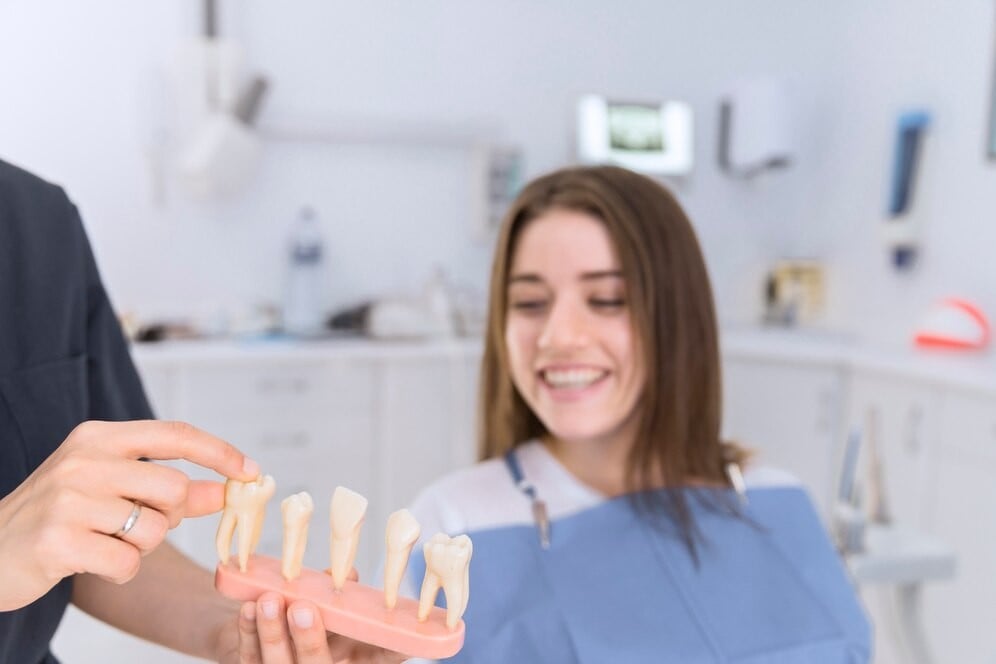
Missing teeth can have far-reaching effects on your oral health, facial aesthetics, and overall well-being. Dental implants have become the gold standard for replacing missing teeth, offering a permanent, functional, and natural-looking solution. At Sound Surgical Arts in Gig Harbor, WA, our team of experienced dental professionals is committed to helping you improve your quality of life by guiding you through the dental implant journey, from consultation to placement and long-term care.
A dental implant consists of a titanium post that is surgically inserted into the jawbone to act as an artificial tooth root. This post then supports a custom-made crown that looks and functions like a natural tooth. Dental implants can be utilized to replace a single tooth, multiple teeth, or even a full arch of teeth, depending on the patient’s needs. With numerous benefits such as improved oral function, restored confidence, and long-lasting durability, dental implants have become the preferred choice for patients seeking a reliable solution for tooth replacement.
In this informative blog post, we will explore the advantages of dental implants and the process involved in achieving a beautiful, functional smile. We aim to help our patients in Gig Harbor, WA, understand the transformative power of dental implants and appreciate the expertise that our dental professionals at Sound Surgical Arts bring to the table.
Benefits of Dental Implants
Dental implants offer numerous advantages over traditional tooth replacement methods. Some of these key benefits include:
- Improved Oral Function: Dental implants function like natural teeth, allowing you to chew, speak, and smile without worry or discomfort.
- Long-Lasting Solution: With proper care, dental implants can last a lifetime, providing a reliable and permanent solution for tooth replacement.
- Enhanced Aesthetics: Dental implants closely resemble natural teeth in appearance and can restore your smile, boosting your confidence and self-esteem.
- Bone Preservation: Dental implants help prevent jawbone deterioration by providing stimulation to the bone when chewing, just like natural teeth.
- Easy Maintenance: Dental implants require the same oral hygiene practices as your natural teeth, making them easy to care for and maintain.
The Dental Implant Process
The journey to a complete, radiant smile is comprised of several stages throughout the dental implant process:
- Initial Consultation: During your initial visit, our dental professionals at Sound Surgical Arts will perform a thorough examination, take X-rays, and discuss your treatment options for tooth replacement. If dental implants are deemed a suitable option for you, a customized treatment plan will be developed.
- Pre-Implant Evaluation: If needed, preliminary procedures such as bone grafting or gum grafting may be recommended to ensure an adequate foundation and healthy environment for your dental implants.
- Implant Placement: During the implant placement procedure, a small titanium post is surgically inserted into the jawbone. This post will form the foundation that will eventually support your new tooth.
- Osseointegration: Over the course of a few months, the implant will fuse with the surrounding bone in a process called osseointegration. This phase is crucial in providing a stable and secure foundation for your new tooth.
- Abutment and Crown Placement: Once osseointegration is complete, an abutment will be connected to the implant. The custom-made dental crown, designed to match the appearance of your natural teeth, will be affixed to the abutment to complete the restoration.
- Maintenance and Follow-Up: After your dental implant procedure, regular dental check-ups and oral hygiene practices are essential to ensure the health and longevity of your dental implants.
Potential Dental Implant Candidates
Ideal candidates for dental implants typically possess the following qualities:
- Good Oral Health: Candidates should be free of gum disease or other oral health issues that could negatively impact the implant’s success.
- Sufficient Jawbone Density: Adequate bone density is required to support the implants securely and optimize successful integration.
- Commitment to Oral Hygiene: Candidates should maintain good oral hygiene practices, including regular brushing, flossing, and dental check-ups.
- Healthy Lifestyle: Dental implant candidates should be non-smokers and not have medical conditions that could impede the healing process.
Should you not meet all these criteria, our expert team at Sound Surgical Arts will evaluate your individual needs and discuss alternative treatment options or additional procedures to increase your suitability for dental implants.
Conclusion
Dental implants truly have the ability to transform your smile and improve your overall well-being by providing a natural-looking, permanent solution for missing teeth. At Sound Surgical Arts in Gig Harbor, WA, our dedicated dental professionals are passionate about helping patients regain confidence in their smiles and live life to the fullest.
We understand the life-changing power of dental implants, and our team of expert dental professionals is committed to guiding you through your dental implant journey with the utmost care, skill, and compassion. Trust in our expertise to help you achieve the beautiful, functional smile you deserve.
If you are considering dental implants as a solution for your missing teeth, schedule a consultation with our team at Sound Surgical Arts in Gig Harbor, WA. We look forward to partnering with you on this journey and providing the expert care necessary to help you enjoy all the benefits that dental implants in Gig Harbor have to offer.
Bone and Gum Grafting: Types, Benefits, and Recovery
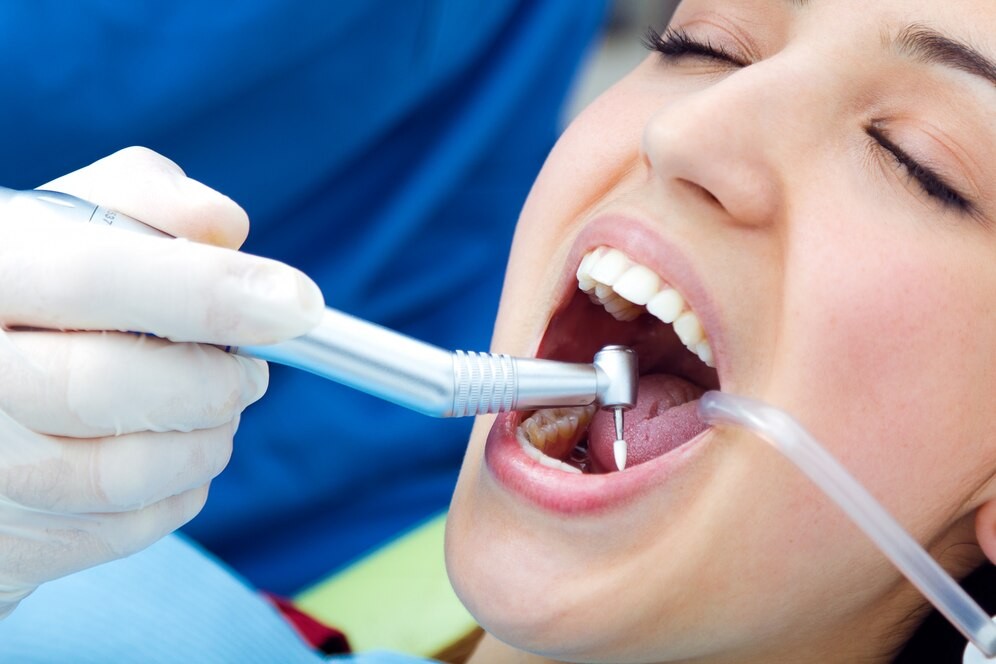
In the field of oral and maxillofacial surgery, bone and gum grafting procedures play a vital role in maintaining oral health and providing long-lasting solutions for various dental issues. These grafting procedures can not only restore the function and appearance of your teeth and gums but also prepare your mouth for further dental treatments such as dental implants. At Sound Surgical Arts, we understand that educating patients about their treatment options is crucial in making informed decisions. This article will discuss the different types of bone and gum grafting procedures, their benefits, and what you can expect during the recovery process—helping you better understand the significance of these treatments for your oral health. If you’re considering a bone or gum graft or simply want to learn more about these procedures, read on for in-depth information and insights from our experts.
Understanding Bone Grafting
Bone grafting is a surgical procedure used to repair and rebuild bone in areas where there has been significant bone loss, typically due to gum disease, trauma, or tooth extraction. The process involves adding bone or bone substitute material to the affected area to stimulate new bone growth, ultimately restoring function and providing support for dental implants when needed. There are several types of bone grafting procedures, which we’ll discuss below.
- Autogenous Bone Grafts: In this procedure, the bone is harvested from the patient’s own body, usually from the chin or jaw. This type of bone graft is considered the gold standard, as it contains living cells that promote natural bone growth (source: https://www.ncbi.nlm.nih.gov/pmc/articles/PMC6134394/).
- Allogenic Bone Grafts: This type of graft involves using bone from a human donor, often obtained from bone banks. While it doesn’t contain living cells, it acts as a structural framework for the patient’s bone to grow onto.
- Xenogenic Bone Grafts: Derived from non-human species (e.g., bovine or porcine), this graft is processed to be compatible with human tissue and works similarly to allogenic grafts.
- Synthetic Bone Grafts: Comprised of biomaterials like hydroxyapatite, these grafts mimic the structure of natural bone, providing a scaffold for new bone growth.
The Benefits of Bone Grafting
- Restoration of Bone Structure: Bone grafting can help patients regain lost bone mass, addressing issues related to gum disease, trauma, or tooth loss. This promotes improved oral health and stability for surrounding teeth.
- Support for Dental Implants: To successfully place dental implants, patients need sufficient bone density. Bone grafts can provide the necessary support for successful implant placement.
- Preserving Facial Aesthetics: Bone grafts can help maintain the natural contours of the jaw and face that weakened or eroded bone can compromise over time.
- Improved Oral Health: By addressing bone loss, bone grafting can help prevent further dental issues from developing, such as tooth shifting or gum recession.
Understanding Gum Grafting
Gum grafting, also known as gingival grafting, is a procedure used to treat receding gums, which can expose tooth roots and increase sensitivity, tooth decay, or tooth loss risk. By adding tissue to the affected areas, gum grafts help protect the roots, restore a healthy gum line, and improve the aesthetics of the smile. There are several types of gum grafting procedures:
- Connective Tissue Graft: This common type of graft involves cutting a flap from the roof of the patient’s mouth and removing a piece of connective tissue, which is then stitched to the area with gum recession.
- Free Gingival Graft: Similar to a connective tissue graft, this procedure removes a small piece of tissue from the roof of the mouth and stitches it to the affected gum area. This is often used for patients with thin gums who need additional tissue to create a more robust gum line.
- Pedicle Graft: This graft involves using tissue from a nearby area of the gums rather than the roof of the mouth. A flap, or pedicle, is created next to the receding gumline, which is then pulled over and stitched into place.
The Benefits of Gum Grafting
- Reduced Tooth Sensitivity: By covering exposed tooth roots, gum grafts can help alleviate sensitivity to hot or cold substances, improving patient comfort.
- Root and Tooth Protection: Gum grafts protect tooth roots from bacteria and decay, helping reduce the risk of further dental issues or tooth loss.
- Improved Aesthetics: For many patients, gum grafts can create a more appealing, even gum line, enhancing the appearance of their smile.
- Maintaining Oral Health: Gum grafting can help prevent further gum recession and other oral health issues related to receding gums.
Bone and Gum Grafting Recovery
The recovery process after bone and gum grafting procedures depends on several factors, including the type of graft, the treated area, and the patient’s overall health. It’s not uncommon to experience discomfort, swelling, and minor bleeding after the procedure, which can typically be managed with over-the-counter pain relief medication and ice packs. Your dental professional will provide detailed post-operative care instructions to ensure proper healing and minimize complications.
It’s essential to maintain proper oral hygiene, including gentle brushing and flossing, during the recovery process. Patients should avoid smoking and limit alcohol consumption, as these habits can interfere with healing. Following your dental professional’s recommendations and attending follow-up appointments will help ensure a successful recovery and long-lasting results.
Experience Expert Bone and Gum Grafting at Sound Surgical Arts
Bone and gum grafting procedures aid in restoring oral health, aesthetics, and function, providing long-lasting benefits for patients dealing with issues such as bone loss and gum recession. At Sound Surgical Arts, our experienced team of dental professionals is committed to delivering personalized, high-quality care throughout your bone and gum grafting journey. From assessing your unique situation to devising a treatment plan tailored to your needs, we aim to ensure your comfort, safety, and satisfaction every step of the way.
If you’re considering bone or gum grafting or have further questions about these procedures, don’t hesitate to contact Sound Surgical Arts for a consultation. We are here to help you understand your treatment options for gum grafting for recession in Gig Harbor and guide you towards optimal oral health and an improved quality of life.
Bone Grafting: A Guide to Regenerating and Strengthening Your Jawbone in Tacoma, WA
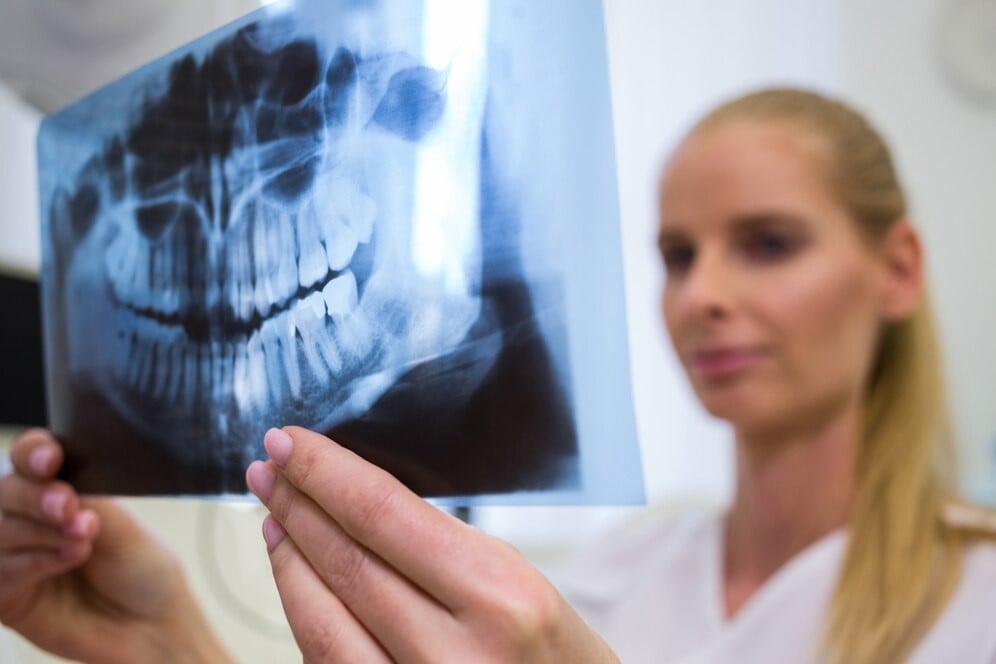
A strong and healthy jawbone is essential for overall dental health, as well as for supporting dental implants and other restorative procedures. However, factors such as tooth loss, gum disease, and trauma can lead to bone resorption or deterioration, potentially compromising the success of dental implants and prosthetics. Bone grafting, a surgical procedure that rebuilds and regenerates jawbone, provides patients the opportunity to regain and maintain their oral health by restoring lost bone density and strength.
At Sound Surgical Arts in Tacoma, WA, our team of top dentists and oral surgeons has been offering bone grafting services since 2011. We are dedicated to helping patients rebuild and strengthen their jawbones, paving the way for successful dental restorations and a beautiful, functional smile.
In this informative guide, we will explore the various types of bone grafting techniques, the vital role bone grafting plays in dental health, and the expert care provided by Sound Surgical Arts in Tacoma, WA. Understanding the benefits of bone grafting, how it is performed, and when it is necessary will empower patients to make informed decisions about their oral health.
Join us as we delve into the essential topic of bone grafting and demonstrate how Sound Surgical Arts can help regrow and strengthen your jawbone, paving the way to a healthier, more vibrant smile.
Reasons for Bone Grafting
Bone grafting is a crucial procedure in addressing issues related to jawbone loss and preparing the jaw for dental restorations. Some common reasons for bone grafting include:
- Dental Implants: A strong and healthy jawbone is necessary for the successful placement and integration of dental implants. Bone grafting helps increase jawbone volume and strength, ensuring a stable foundation for dental implants.
- Tooth Extractions: Following a tooth extraction, bone grafting can help preserve the socket and prevent significant bone resorption.
- Periodontal Disease: Bone loss commonly occurs in patients suffering from advanced gum disease (periodontitis). Bone grafting aids in rebuilding and stabilizing the affected areas, promoting overall oral health.
- Trauma or Infection: Bone grafting may be necessary following a traumatic injury or severe infection that has resulted in jawbone loss or damage.
Types of Bone Grafting Techniques
There are several bone grafting techniques utilized at Sound Surgical Arts in Tacoma, WA, each tailored to meet specific patient needs:
- Autogenous Grafts: Also known as autografts, this technique involves the use of the patient’s own bone tissue, typically harvested from the chin, jaw, or hip. Autogenous grafts have the advantage of containing living cells that promote bone growth and regeneration.
- Allografts: Allografts are bone grafts derived from a human donor, usually procured from a tissue bank. This technique eliminates the need for a second surgical site on the patient and reduces surgical time.
- Xenografts: Xenografts use bone tissue from a different species, such as bovine (cow) bone. This type of graft provides a scaffold for the patient’s own bone to grow and regenerate, eventually replacing the xenograft material.
- Alloplastic Grafts: Alloplastic grafts involve the use of synthetic bone substitute materials, such as hydroxyapatite or biologically active glass. These materials can stimulate bone growth and are slowly resorbed by the body.
The Bone Grafting Process at Sound Surgical Arts
At Sound Surgical Arts in Tacoma, WA, our team of dental professionals ensures a seamless and comfortable bone grafting experience for our patients. The general process involves:
- Consultation and Examination: During your initial visit, our dental professionals will assess your jawbone health, discuss your treatment objectives, and determine if bone grafting will benefit you. Based on this evaluation, we will develop a personalized treatment plan, which includes selecting the most appropriate grafting technique for your needs.
- Anesthesia and Sedation: To ensure your comfort during the procedure, we offer local anesthesia, nitrous oxide (laughing gas), or IV sedation, depending on your preferences and the procedure’s complexity.
- Bone Grafting Procedure: Our skilled dental professionals will perform the bone grafting procedure by placing the chosen graft material into the areas of bone loss or deficiency. In some instances, a barrier membrane may be placed over the graft to encourage proper bone regeneration and prevent soft tissue infiltration.
- Recovery and Follow-up: After the surgery, you’ll receive detailed post-operative instructions to facilitate a smooth recovery. We will schedule follow-up appointments to monitor your healing progress and ensure that you’re on track to successfully regrow and strengthen your jawbone.
Caring for Your Bone Graft
Proper care following your bone grafting procedure is essential for a successful outcome. Some tips include:
- Rest: Give your body time to heal by taking it easy and avoiding strenuous activities for at least a few days post-surgery.
- Pain Management and Swelling: Manage discomfort with over-the-counter pain relievers, as prescribed by our dental professionals, and use cold compresses to reduce swelling.
- Oral Hygiene: Maintain good oral hygiene by gently brushing your teeth while avoiding the surgical site. Rinse with warm salt water to keep the area clean and aid in recovery.
- Diet: Stick to a soft food diet that is nutritious and easy to chew until you can comfortably resume your regular eating habits.
Conclusion
Bone grafting is an essential procedure in the journey towards maintaining oral health and ensuring a successful dental implant or restoration. At Sound Surgical Arts in Tacoma, WA, our team of dedicated dental professionals is committed to providing the highest level of care, ensuring that our patients receive the best possible results.
With a personalized approach and expert execution, Sound Surgical Arts paves the way for a healthy jawbone, a strong foundation for dental implants, and a beautiful smile. If you’re considering bone grafting or have concerns about your oral health, contact us today to schedule a consultation. Let us help you regain the confidence and well-being that comes with optimal dental health.
Bone and Gum Grafting for Oral Health: Restorative Solutions in Tacoma, WA
When it comes to safeguarding and restoring one’s oral health, patients often face diverse challenges. Among these challenges are issues related to loss of bone and gum tissue, which can not only compromise oral health but also hinder the successful placement of dental implants and other restorative treatments. At Sound Surgical Arts in Tacoma, WA, our team of top dentists and oral surgeons, who have been offering quality dental care since 2011, is proud to provide bone and gum grafting procedures that effectively address these issues and restore a foundation for optimal dental health.
In this in-depth guide, we will explore the various causes of bone and gum tissue loss, the different types of grafting techniques, and what to expect from the grafting process at Sound Surgical Arts in Tacoma, WA. By understanding these key aspects, patients will be better equipped to make informed decisions about their oral health, as well as appreciate the value of these essential restorative procedures.
At Sound Surgical Arts, our goal is to offer informative, educational, and helpful information on the services and procedures we provide, helping our patients gain a comprehensive understanding of their oral health and treatment options. Join us as we delve into the critical role of bone and gum grafting as part of our holistic approach to achieving and maintaining optimal oral health and a lasting, confident smile.
Understanding the Causes of Bone and Gum Tissue Loss
There are several reasons one might experience bone and gum tissue loss, including:
- Periodontal Disease: The leading cause of bone and gum tissue loss is periodontal (gum) disease, which is a bacterial infection that damages the gum tissue, ligaments, and bone around teeth. Left untreated, periodontal disease can eventually result in tooth loss and the need for restorative procedures.
- Tooth Extraction and Tooth Loss: When a tooth is extracted or lost naturally, the underlying bone material can begin to recede due to a lack of stimulation from the tooth root. This process, known as bone resorption, can create a sunken appearance around the missing tooth and eventually compromise the health and stability of the surrounding teeth.
- Trauma and Injury: Accidents, injuries, and other forms of trauma can damage the gums and bone around teeth, contributing to tissue loss over time.
- Genetic Factors: Some individuals may be more genetically predisposed to experiencing bone and gum tissue loss than others.
Different Types of Grafting Techniques
Various grafting techniques can be utilized to address bone and gum tissue loss, including:
- Autogenous Bone Graft: This procedure involves using the patient’s own bone material, typically harvested from other areas of the jaw or body, to rebuild the affected area. As it comes directly from the patient, autogenous bone grafts present the lowest risk of rejection and infection.
- Allograft Bone Graft: This type of graft uses donor bone material (often sourced from a bone bank) to restore the missing bone structure. Allografts undergo a rigorous sterilization process to minimize the likelihood of rejection or infection.
- Xenograft Bone Graft: Derived from animal sources, usually bovine or porcine, xenograft bone grafts serve as a scaffold for the patient’s body to regenerate its bone tissue. These grafts are also sterilized and processed to reduce the chance of complications.
- Alloplast Bone Graft: Made from synthetic bone substitute materials, alloplast bone grafts encourage the body to replace the graft material with its natural bone over time.
- Gingival Graft: A gum graft procedure aims to restore lost or receded gum tissue by taking a thin layer of tissue from the patient’s palate or utilizing a donor tissue. This graft is then carefully attached to the affected area, enhancing gum stability and aesthetics.
The Grafting Process at Sound Surgical Arts, Tacoma, WA
At Sound Surgical Arts, our team of highly skilled dental professionals strives to ensure every patient experiences the best possible outcome from their bone and gum grafting procedures. The grafting process generally involves:
- Consultation and Evaluation: During the initial visit, our dental professionals will thoroughly evaluate your oral health and discuss your treatment goals. Based on our findings and your individual needs, we will recommend the best grafting technique for your specific case.
- Preparation and Donor Site Selection: If an autogenous graft is chosen, our team will determine the most appropriate donor site where the required bone or gum tissue will be harvested.
- Grafting Procedure: Under local anesthesia or sedation, our dental professionals will expertly perform the chosen grafting procedure, ensuring your comfort and safety throughout the process.
- Recovery and Follow-Up: Following the grafting procedure, you’ll receive detailed post-operative instructions to aid in your recovery. We will schedule follow-up visits to monitor your healing progress and address any concerns that may arise.
The Lasting Benefits of Bone and Gum Grafting
Bone and gum grafting procedures not only enhance the aesthetics of your smile, but they also provide crucial support for restorative dental treatments, such as dental implants. By rebuilding lost bone and gum tissue, these grafting procedures help to:
- Improve overall oral health and stability.
- Increase the success rate of dental implants and other restorative treatments.
- Restore the natural contours of the jaw and smile.
- Prevent further bone resorption, gum recession, and tooth loss.
Conclusion:
Bone and gum grafting are invaluable restorative procedures for individuals facing bone and gum tissue loss. By providing essential support for teeth and dental implants, these treatments contribute to improved oral health, function, and aesthetics.
At Sound Surgical Arts in Tacoma, WA, our experienced dental team is committed to offering the highest quality care in a comfortable and professional environment. Trust us to help you achieve a healthy, beautiful smile that lasts a lifetime. Contact us today to schedule a consultation and we’ll answer your questions about gum and bone grafting!
Bone Grafting for Dental Implants: A Comprehensive Guide for Gig Harbor, WA Residents
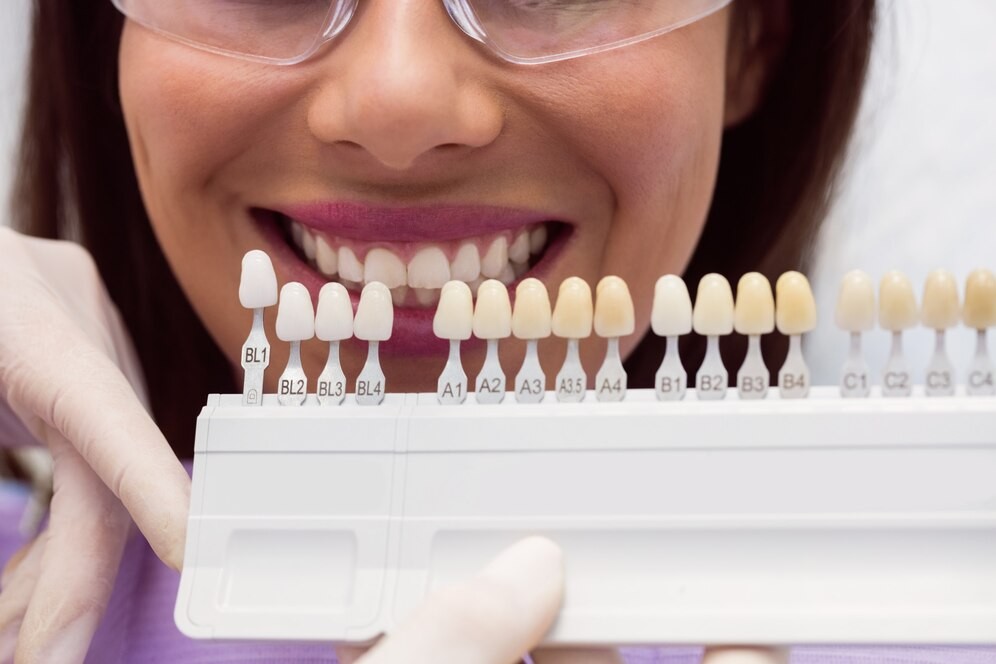
Maintaining adequate bone density in the jaw is crucial for patients seeking to replace missing teeth with dental implants. In some cases, however, patients may lack sufficient bone structure due to tooth loss, trauma, or gum disease, making dental implant placement challenging. That’s where bone grafting comes in.
As a common oral surgical procedure, bone grafting helps rebuild the jawbone and lay the groundwork for successful dental implant placement. At Sound Surgical Arts in Gig Harbor, Washington, our team of experienced dental professionals is dedicated to providing comprehensive oral care, including bone grafting and dental implant procedures.
In this in-depth guide, we will discuss the role of bone grafting in the dental implant process, covering essential topics, such as:
- What is bone grafting, and why is it important for dental implants?
- Different types of bone grafting techniques
- How to prepare for a bone grafting procedure
- The bone grafting process: what you can expect during your appointment
- Tips for a successful recovery and healing process
- Frequently asked questions about bone grafting
At Sound Surgical Arts, we pride ourselves in offering personalized, state-of-the-art dental care tailored to our patients’ unique needs. Our team is well-equipped to address jawbone issues and perform bone grafting procedures with the highest level of expertise and care, providing you the opportunity to enjoy the benefits of dental implants.
If you’re considering dental implants but are concerned about your jawbone’s condition, schedule a consultation at our Gig Harbor clinic to discuss your options. Together, we can create a treatment plan that helps you achieve optimum oral health and the smile you’ve always wanted.
What is Bone Grafting, and Why is it Important for Dental Implants?
Bone grafting is a surgical procedure that involves the addition or replacement of bone material in the jawbone, helping to increase bone density and volume. When it comes to dental implants, a healthy jawbone is essential to provide a sturdy foundation for the implant. Without adequate bone support, dental implants may fail or become unstable over time. Bone grafting strengthens the jawbone, making it possible for patients with insufficient bone structure to reap the benefits of dental implants successfully.
Different Types of Bone Grafting Techniques
There are various bone grafting techniques available, each suited to specific circumstances and patient needs. The type of graft used typically depends on the extent of bone loss and the patient’s overall oral health. Here are four common bone grafting techniques:
- Autograft: An autograft utilizes bone taken from another area of the patient’s body, such as the chin or hip. Since the graft material comes from the patient, this method has a high success rate and minimal risk of rejection.
- Allograft: In this technique, bone material is harvested from another human donor, usually from a bone bank. The material is extensively processed and sterilized, ensuring a safe and effective graft.
- Xenograft: A xenograft involves using bone material from an animal source, typically bovine or porcine, which is then processed to become biocompatible for human use. This method offers an alternative for patients who don’t want to undergo multiple surgeries or have limited bone grafting options.
- Alloplast: This technique uses synthetic, biocompatible materials, such as calcium phosphate, to mimic the natural bone structure. Alloplasts provide a viable option for patients with allergies, religious constraints, or preferences against using natural bone material.
How to Prepare for a Bone Grafting Procedure
Preparing for a bone grafting procedure involves several steps to achieve the best outcomes. Here’s what you can expect during your preparation:
- Dental consultation: Your dentist will carefully examine your oral health, assess your bone density, and discuss your medical history to determine if you’re a good candidate for bone grafting.
- Treatment planning: Based on your needs and oral health, your dentist will recommend the most suitable bone grafting technique and create a personalized treatment plan. This phase might include imaging studies to assess the surgical site and plan the graft precisely.
- Pre-operative instructions: Follow any instructions given by your dentist, such as taking antibiotics before surgery, avoiding specific medications, or fasting for a certain period.
- Arrange for transportation: Since bone grafting is a surgical procedure, you might require anesthesia. Make sure to have someone accompany you to and from your appointment.
The Bone Grafting Process: What You Can Expect During Your Appointment
While bone grafting procedures may vary depending on the technique used, here’s a general overview of what to expect during your appointment:
- Anesthesia: Local anesthesia, sedation, or general anesthesia will be administered to ensure your comfort throughout the surgery.
- Bone harvesting (if applicable): If an autograft is being used, your dentist will first harvest the necessary bone material from the donor site.
- Graft placement: The dentist will make an incision in the gum tissue to expose the underlying bone and carefully place the graft material.
- Stabilizing the graft: The graft may be secured with small fixation devices, such as screws or plates, to ensure it remains stable during the healing process.
- Closing the site: Finally, the gum tissue is closed with sutures, and a protective dressing may be applied to facilitate healing.
Tips for a Successful Recovery and Healing Process
To promote successful healing and integration of the bone graft, follow these post-operative care tips:
- Follow dentist instructions: Adhere to your dentist’s post-operative care instructions, including taking prescribed medications and following a proper oral hygiene regimen.
- Manage pain and swelling: Use over-the-counter pain relievers and cold compresses to alleviate discomfort and reduce swelling.
- Maintain a soft-food diet: During the initial recovery period, consume soft foods and avoid hard, crunchy, or spicy options that may irritate the surgical site.
- Avoid smoking and alcohol: Refrain from smoking and limit alcohol consumption, as both can impede the healing process and contribute to complications.
- Rest: Allow yourself plenty of time to rest and recover following the bone grafting procedure. Avoid strenuous activities that might put pressure on your jaw.
Frequently Asked Questions About Bone Grafting
1. How long does it take to heal from a bone grafting procedure?
The healing time varies depending on the individual and the extent of the bone graft. Generally, complete healing may take anywhere from a few weeks to several months.
2. Is bone grafting painful?
With anesthesia, the bone grafting procedure should be comfortable and pain-free. Some post-operative discomfort is expected but can be managed with pain medications and proper care.
3. Are there any risks associated with bone grafting?
Bone grafting is considered safe and effective; however, as with any surgical procedure, there are potential risks, including infection, bleeding, or damage to nearby structures. Discuss any concerns with your dentist during your consultation.
Conclusion
Bone grafting plays a pivotal role in preparing patients for dental implant surgery, improving both oral health and the likelihood of successful implant placement. The team at Sound Surgical Arts in Gig Harbor, WA, is here to guide you through the entire process, from the initial consultation to the final results.
Contact us today to book an appointment and take the first step toward a healthy, beautiful smile.
Wisdom Tooth Extraction: Expert Guide to Prepare and Recover in Gig Harbor, WA
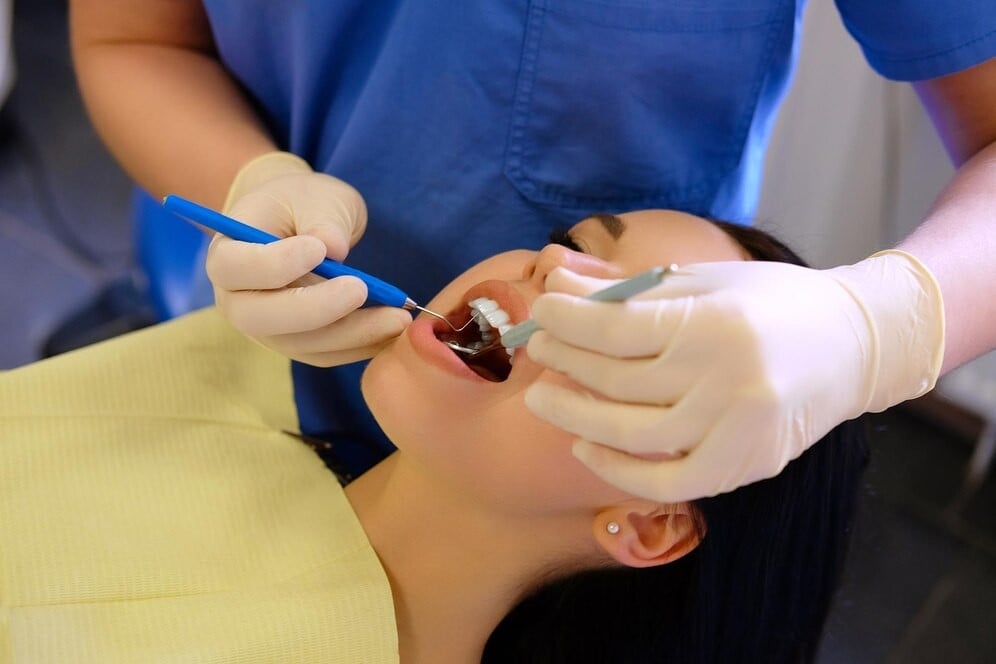
Your wisdom teeth, or third molars, are the last teeth to develop and rarely have enough room to come in properly. If not addressed in time, they may cause a variety of oral health issues such as overcrowding, inflammation, pain, and even cysts formation.
At Sound Surgical Arts in Gig Harbor, Washington, we offer a comprehensive approach to wisdom tooth extraction. In this article, we will guide you through the process and share crucial information about wisdom tooth extraction to help you prepare for the procedure and understand how to ensure a smooth recovery.
As a leading dental clinic in Gig Harbor, WA, Sound Surgical Arts is committed to providing Gig Harbor residents with the best dental care services, including wisdom tooth extraction. With a team of experienced and skilled dentists, we provide expert solutions tailored to your needs, ensuring your oral health is our top priority. Equipped with state-of-the-art technology and years of experience in dental care, you can trust our specialists with crucial wisdom tooth extraction procedures.
In this article, you will find valuable information on wisdom tooth extraction, including:
- Understanding the importance and signs of needing wisdom tooth extraction
- Preparing for your wisdom tooth extraction: tips and what to expect
- Wisdom tooth extraction procedure: insights from our dentists
- Post-extraction care: tips for a speedy and healthy recovery
- Frequently asked questions related to wisdom tooth extraction
At Sound Surgical Arts, we understand that the prospect of a dental procedure can be intimidating for some patients. Our team of professionals prioritizes creating a comfortable, relaxing, and supportive environment where you can receive the care you need with confidence. With a focus on education and deep understanding, we aim to make the entire process as smooth and hassle-free as possible for our patients.
If you are experiencing symptoms or signs that indicate a need for wisdom tooth extraction, do not hesitate to contact us or book an appointment at our Gig Harbor, WA clinic. With specialized expertise in oral surgery, dental implants, and more, we are ready to help you restore optimal oral health and achieve the smile you deserve.
Understanding the Importance and Signs of Needing Wisdom Tooth Extraction
Wisdom teeth, located at the back of your mouth, usually emerge between the ages of 17 and 25. Due to their position and late appearance, they often cause problems like impaction, infection, gum disease, or damage to nearby teeth. Here are some signs that may indicate a need for a wisdom tooth extraction:
- Persistent pain: Sudden or gradual pain in the back of your mouth might indicate an impacted wisdom tooth or infection.
- Swelling: Inflammation of the gums around the wisdom teeth may lead to swelling, redness, and a sensation of pressure.
- Difficulty opening your mouth: Impacted wisdom teeth can cause pain and stiffness when trying to open your mouth.
- Tooth decay or gum disease: Partially emerged wisdom teeth might create pockets for bacteria to accumulate, leading to cavities or gum problems.
Preparing for Your Wisdom Tooth Extraction: Tips and What to Expect
Proper preparation is key to ensure a smooth and successful wisdom tooth extraction. Here are some simple steps to help you prepare for the procedure:
- Schedule a consultation with your dentist: During this appointment, they will assess your oral health, take X-rays, and discuss the extraction process with you.
- Discuss anesthesia options: Your dentist will recommend an appropriate type of anesthesia, such as local, sedation, or general anesthesia, based on your comfort level and the complexity of the procedure.
- Make pre-operative arrangements: Ensure that you have someone to accompany you to the clinic and take you home after the procedure. Also, plan to take some time off work or school for recovery.
- Stock up on soft foods: Prepare a variety of soft foods like soup, yogurt, and mashed potatoes to eat after the extraction. Avoid hard, crunchy, or spicy foods to prevent irritation.
- Follow preoperative instructions: Your dentist may provide specific instructions, such as avoiding eating or drinking for a certain period before the procedure or temporarily halting certain medications.
Wisdom Tooth Extraction Procedure: Insights from Our Dentists
While each case is unique, the general steps for a wisdom tooth extraction are as follows:
- Anesthesia administration: Local, sedation, or general anesthesia is administered to ensure you remain comfortable throughout the procedure.
- Access and removal: Your dentist or oral surgeon will create an opening in the gum tissue and, if necessary, remove a portion of the bone to access the tooth. They will then gently extract the tooth, sometimes dividing it into smaller pieces for easier removal.
- Suturing: After extraction, the area is cleaned and, if needed, sutures are placed to close the incision and promote healing.
- Recovery: You will be monitored for a short period to ensure your well-being before being discharged to recover at home.
Post-Extraction Care: Tips for a Speedy and Healthy Recovery
Proper care after wisdom tooth extraction is essential to prevent complications and foster healing. Follow these tips to ensure a comfortable and quick recovery:
- Manage pain and swelling: Use over-the-counter pain relievers, such as ibuprofen, as recommended by your dentist, and apply ice packs to the face in intervals of 20 minutes on and 20 minutes off to reduce swelling.
- Care for the extraction site: Avoid rinsing, spitting, or using a straw for the first 24 hours, and follow your dentist’s instructions for gently cleaning the area.
- Monitor for infection: Watch out for signs of infection, such as fever, severe pain, or increased swelling, and contact your dentist immediately if you suspect a problem.
- Eat wisely: Stick to soft foods for the first few days and gradually reintroduce harder foods as you heal. Avoid extremely hot or cold foods and beverages to prevent discomfort.
- Get plenty of rest: Give your body time to heal by avoiding strenuous activity and resting with your head elevated for the first few days.
Frequently Asked Questions Related to Wisdom Tooth Extraction
1. When is wisdom tooth extraction necessary?
Wisdom tooth extraction is necessary when there is insufficient space in the mouth, leading to impaction, infection, pain, or damage to adjacent teeth.
2. Is wisdom tooth removal painful?
With the use of anesthesia, the procedure itself is painless. You may experience mild discomfort and swelling after the surgery, which can be managed with pain medications and at-home care.
3. How long does it take to recover from wisdom tooth extraction?
Typically, it takes three to four days to recover from wisdom tooth extraction. However, complete healing might take up to two weeks or more, depending on the individual and the complexity of the extraction.
Conclusion
Wisdom tooth extraction is a common and necessary procedure to maintain good oral health. By understanding the importance, preparing efficiently, and following your dentist’s post-extraction care instructions, a smooth and speedy recovery is achievable.
If you suspect you require wisdom tooth extraction, contact Sound Surgical Arts in Gig Harbor, WA, for an expert consultation and personalized care from our skilled dental professionals.
Preventing and Treating Gum Disease with Lasers at Sound Surgical Arts: A Modern Approach
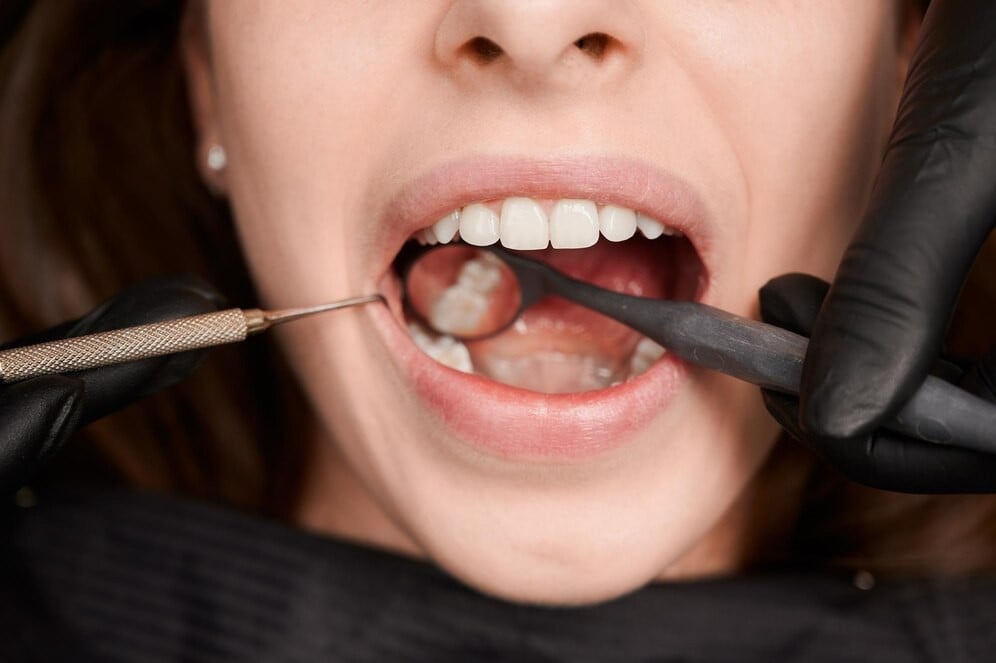
Gum disease, or periodontal disease, is a pervasive oral health issue affecting millions of Americans. Primarily caused by the buildup of plaque and tartar along the gumline, gum disease ranges from mild gingivitis to severe periodontitis, which may ultimately result in tooth loss if left untreated. At Sound Surgical Arts, our dental professionals stay at the forefront of dental advancements by offering cutting-edge laser treatments to effectively prevent and manage gum disease for patients in Tacoma, WA.
One such innovative treatment is the LANAP protocol, a minimally invasive laser therapy designed to treat moderate to severe gum disease with less pain, downtime, and potential complications compared to traditional periodontal procedures. By leveraging the precision and power of laser technology, our team can provide highly effective gum disease treatment, ensuring optimal oral health and preserving your beautiful smile.
This informative blog post will discuss the benefits of treating gum disease with lasers, how the LANAP protocol works, and why choosing this modern approach can significantly improve your oral health and overall well-being.
1. The Advantages of Laser Treatment for Gum Disease
Utilizing lasers to treat gum disease offers numerous benefits over traditional methods such as scaling and root planing, flap surgery, or osseous surgery. These advantages include:
- Minimally Invasive: Laser therapy, including the LANAP protocol, is less invasive than conventional gum disease treatments, reducing post-treatment discomfort and speeding up the healing process.
- Precision and Accuracy: Lasers can efficiently target and remove infected gum tissue with minimal impact on surrounding healthy tissues, preserving more of your natural gum structure and reducing the risk of gum recession.
- Reduced Bleeding and Swelling: The highly focused energy emitted by dental lasers helps minimize bleeding and swelling during and after the treatment.
- Faster Recovery Time: Due to the minimally invasive nature of laser therapy, patients typically experience a shorter recovery time compared to traditional gum disease treatments.
2. The LANAP Protocol: A Revolutionary Treatment for Gum Disease
The LANAP (Laser-Assisted New Attachment Procedure) protocol is a state-of-the-art laser gum treatment that has been proven highly effective in managing gum disease. The procedure involves the following steps:
- Pocket Depth Measurement: Your dental professional at Sound Surgical Arts will use a periodontal probe to measure the depth of the pockets surrounding your teeth, giving them an accurate assessment of the gum disease level.
- Removal of Infected Tissue: Using a specialized dental laser, the dental professional will gently remove the infected and diseased gum tissue, while leaving healthy tissue intact.
- Calculus Removal: Ultrasonic scaling instruments are used to eliminate calculus (tartar) deposits from the tooth surfaces and beneath the gumline.
- Clot Formation and Tissue Compression: The dental laser is used once more to create a stable blood clot in the treated area, effectively sealing the pocket and promoting a healthy environment for healing.
- Gum Tissue Reattachment: The dental professional will guide the reattachment of your gum tissue to your teeth, helping to restore proper gum function and prevent further gum recession.
3. Ideal Candidates for Laser Gum Disease Treatment
Laser treatment for gum disease can benefit a wide range of patients experiencing periodontal issues:
- Moderate to Severe Gum Disease: The LANAP protocol is specifically designed to treat moderate to severe gum disease, providing an effective solution for patients whose conditions have progressed beyond the early stages.
- Sensitive or Anxious Patients: Patients with dental sensitivities or anxiety may find comfort in the minimally invasive nature of laser gum disease treatment, which often requires less anesthesia and results in less discomfort than traditional approaches.
- Patients Seeking an Alternative to Traditional Gum Surgery: Laser gum disease treatment offers an appealing alternative for patients who wish to forego traditional periodontal surgery options.
It is essential to consult with the dental professionals at Sound Surgical Arts to determine if laser gum disease treatment is the right option for your specific needs.
4. Post-Treatment Care and Long-Term Maintenance
To ensure the success and longevity of laser gum disease treatment, it’s vital to follow a comprehensive oral hygiene regimen alongside regular dental visits:
- Daily Oral Care: Brush your teeth twice a day, floss daily, and consider using an antimicrobial mouthwash to remove plaque-causing bacteria.
- Routine Dental Visits: Schedule routine dental check-ups and cleanings to maintain a healthy smile and monitor your gum health effectively.
- Healthy Lifestyle Habits: Maintain a balanced diet, avoid tobacco usage, and limit alcohol consumption to support optimal oral health.
Embrace Modern Dental Care with Laser Treatment for Gum Disease at Sound Surgical Arts
At Sound Surgical Arts in Tacoma, WA, our dental professionals are dedicated to providing state-of-the-art dental care for our patients. We proudly offer innovative laser treatments, including the revolutionary LANAP protocol, to effectively prevent and manage gum disease while ensuring a comfortable and positive dental experience.
Don’t wait to restore your oral health and preserve your beautiful smile – contact Sound Surgical Arts today to schedule a consultation and discover the benefits of laser gum disease treatment for yourself.
Experience the Pinhole Surgical Technique at Sound Surgical Arts: A Minimally Invasive Solution for Gum Recession
Gum recession is a common dental issue that occurs when the gum tissue surrounding a tooth starts to pull away, exposing the tooth’s root and leading to potential sensitivity, aesthetic concerns, and even tooth loss. Traditional treatments for gum recession often involve invasive gum grafting procedures that require extended recovery periods and may cause significant discomfort.
At Sound Surgical Arts in Tacoma, WA, we offer the innovative Pinhole Surgical Technique (PST) as a cutting-edge alternative to conventional gum grafting methods, providing patients with a minimally invasive solution for restoring their gumline to optimal health.
The Pinhole Surgical Technique, developed by Dr. John Chao, is a breakthrough in treating gum recession that avoids incisions or sutures, meaning less pain and a faster recovery for patients. By focusing on PST’s procedure, benefits, and how it compares to traditional gum grafting methods in this educational blog post, we aim to help patients make informed decisions about their gum recession treatment at Sound Surgical Arts in Tacoma, WA.
Armed with knowledge about the advantages of the Pinhole Surgical Technique, patients can confidently choose a dental care provider that prioritizes comfort, innovation, and long-lasting results when restoring their gum health and smile.
1. Understanding Gum Recession and Its Causes
Gum recession is an oral health issue where the gum tissue surrounding a tooth gradually pulls away, revealing the tooth’s root and potentially leading to sensitivity, aesthetic changes, and tooth loss. Several factors can contribute to gum recession, including:
- Periodontal Disease: Gum disease, or periodontal disease, is a leading cause of gum recession, as it involves the deterioration of gum tissue and supporting bone structure due to bacterial infections.
- Aggressive Tooth Brushing: Brushing teeth too vigorously can wear away gum tissue and cause recession over time.
- Genetics: Some individuals are predisposed to gum recession due to genetic factors, such as thin or weak gum tissue.
- Teeth Grinding or Clenching: Excessive pressure from grinding or clenching the teeth can contribute to gum recession.
- Orthodontic Issues: Misaligned teeth or an improper bite can put pressure on gum tissue, leading to recession.
2. The Pinhole Surgical Technique: A Revolutionary Approach to Gum Recession Treatment
The Pinhole Surgical Technique (PST) is a state-of-the-art, minimally invasive treatment option for gum recession. Here’s how the procedure works:
- Accessing the Receded Gum Tissue: Your dental professional at Sound Surgical Arts will create a tiny pinhole in the gum tissue above the affected tooth.
- Loosening and Repositioning the Gum Tissue: Using specialized instruments, the dental professional will gently loosen the gum tissue and guide it into a more desirable position, covering the exposed tooth root.
- Stabilizing the Gum Tissue: Collagen strips are inserted through the pinhole to support and stabilize the newly positioned gum tissue, encouraging natural healing and tissue regeneration.
3. Benefits of the Pinhole Surgical Technique Over Traditional Gum Grafting
The Pinhole Surgical Technique offers a myriad of advantages when compared to traditional gum grafting methods, such as:
- Minimally Invasive Procedure: The absence of incisions or sutures in PST means that patients experience less pain, swelling, and bleeding.
- Quicker Recovery Time: With no need for gum tissue grafts or sutures, the recovery process after PST is typically much faster than that after traditional gum grafting procedures.
- Instant Aesthetic Improvement: Since the gum tissue is immediately repositioned during the PST procedure, improvements in the appearance of the gumline can often be seen right away.
- Reduced Risk of Complications: The non-invasive nature of the Pinhole Surgical Technique reduces the risk of postoperative complications, such as infections or graft failure.
4. Ideal Candidates for the Pinhole Surgical Technique
Though the Pinhole Surgical Technique is an innovative and effective treatment for gum recession, it is essential to determine if you are an ideal candidate for this procedure. Potential PST candidates may face the following conditions:
- Mild to Moderate Gum Recession: Patients experiencing mild to moderate gum recession with no signs of active gum disease are typically good candidates for the Pinhole Surgical Technique.
- Adequate Gum Tissue: PST requires sufficient gum tissue around the affected area to be gently manipulated and repositioned during the procedure.
- Good Overall Oral Health: A patient’s overall oral health should be sound before undergoing the Pinhole Surgical Technique, as pre-existing dental issues, such as tooth decay or gum disease, may need to be addressed beforehand.
Consult with your dental professional at Sound Surgical Arts to determine if the Pinhole Surgical Technique is the best gum recession treatment option for you.
Experience the Pinhole Surgical Technique at Sound Surgical Arts in Tacoma, WA
At Sound Surgical Arts, our commitment to providing the most advanced, minimally invasive dental treatments for our Tacoma, WA patients is evident in our expertise and dedication to implementing groundbreaking procedures like the Pinhole Surgical Technique.
By choosing the Pinhole Surgical Technique as your gum recession treatment, you prioritize comfort, efficiency, and superior results in your dental care. If you are experiencing gum recession and want to restore your oral health and achieve a naturally beautiful smile, contact Sound Surgical Arts in Tacoma, WA, and schedule a consultation to explore the advantages of the innovative Pinhole Surgical Technique.
Periodontal Regeneration: Rejuvenate Your Smile with Gum Grafting at Sound Surgical Arts in Gig Harbor, WA

Periodontal disease, often referred to as gum disease, is a common oral health issue affecting millions of people worldwide. Periodontal disease can lead to gum recession, tooth sensitivity, and even tooth loss if not properly treated. At Sound Surgical Arts in Gig Harbor, WA, our top dental professionals offer gum grafting, an effective periodontal regeneration procedure that restores damaged gum tissue, protects your teeth, and revitalizes your smile.
Gum grafting involves the transplantation of gum tissue, either from the patient’s own mouth or from a donor source, onto areas where the gums have receded due to periodontal disease, tooth brushing habits, or other factors. This procedure promotes the regeneration of healthy gum tissue, providing essential protection for the tooth roots and covering exposed dental surfaces for a more visually appealing smile.
In this informative blog post, we will thoroughly explore the gum grafting procedure, including the types of gum grafts, the benefits of undergoing this periodontal regeneration treatment, and what to expect during the gum grafting process. The experienced dental team at Sound Surgical Arts in Gig Harbor, WA is passionate about educating patients on effective dental treatments, guiding them in achieving the optimal oral health and confidence they deserve.
Types of Gum Grafts
1. Connective Tissue Graft
A connective tissue graft is the most commonly used gum grafting technique. This procedure involves harvesting tissue from under the patient’s palate to cover the exposed tooth root. The dental professional makes a small incision in the donor site, extracts the required tissue, and then sutures the wound. This technique produces functional and aesthetic results, promoting gum tissue regeneration and improving the appearance of the affected area.
2. Free Gingival Graft
The free gingival graft is similar to the connective tissue graft, with the primary difference being that the tissue is taken directly from the surface of the palate rather than underneath. This grafting method is more suitable for individuals with thin gum tissue, as it provides additional bulk and thickness to support the restored gum structure.
3. Pedicle Graft
In a pedicle graft, instead of harvesting tissue from the palate, the gum tissue surrounding the affected tooth is used to perform the graft. The dental professional creates a flap, or “pedicle,” by partially cutting the gum tissue near the exposed tooth root, and then gently stretches the flap over the recessed area. This technique ensures a consistent blood supply to the graft, promoting rapid healing and optimal results.
4. Allograft (Cadaver Gum Graft)
An allograft procedure utilizes donor gum tissue from a deceased human donor, obtained from a tissue bank. The tissue undergoes thorough testing and sterilization to minimize risks of infection or rejection. This option eliminates the need for a second surgical wound, making it an attractive alternative for patients concerned about post-operative pain and recovery time.
The Benefits of Gum Grafting
1. Protection of Tooth Roots
Gum recession can expose tooth roots, causing sensitivity and making teeth more susceptible to decay. Gum grafting covers and protects exposed tooth roots, ensuring the overall health and longevity of your teeth.
2. Aesthetics
Receding gum lines can result in an unsightly appearance, sometimes referred to as a “long-in-the-tooth” look. Gum grafting restores a natural, healthy, and visually appealing gum line, improving your smile’s appearance and boosting your self-esteem.
3. Reduction of Tooth Sensitivity
Exposed tooth roots can cause severe tooth sensitivity, especially to hot or cold substances. By covering these sensitive areas with gum grafts, sensitivity to temperature changes decreases, allowing you to enjoy your favorite foods and beverages without discomfort.
The Gum Grafting Process
1. Consultation and Evaluation
Before undergoing gum grafting, patients receive a thorough dental examination and assessment to determine their specific periodontal needs and treatment goals. Customized treatment plans are developed, ensuring that each patient receives the most effective gum grafting procedure tailored to their unique situation.
2. Grafting Procedure
The gum grafting procedure is typically performed under local anesthesia, ensuring patient comfort during the process. The dental professional will carefully harvest the gum tissue, either from the patient’s own mouth or from a donor source, and place the graft onto the exposed tooth root. The new gum tissue is then sutured to hold it securely in place.
3. Recovery and Aftercare
Gum graft healing usually takes several weeks, during which time the patient is advised to follow a soft food diet and avoid brushing the grafted area until fully healed. Oral hygiene is essential throughout the recovery period, and patients should carefully follow the post-operative instructions provided by their dental professional.
Conclusion:
Gum grafting is a highly effective periodontal regeneration procedure, capable of rejuvenating damaged gum tissue and restoring the health, function, and appearance of your smile. By getting professional help from Sound Surgical Arts in Gig Harbor, WA, you can get personalized gum grafting solutions tailored to your unique dental needs and aesthetic goals.
At Sound Surgical Arts in Gig Harbor, WA, we offer comprehensive gum grafting services with a personalized touch, ensuring an optimal outcome tailored to your individual needs and goals. If you’re experiencing gum recession or other periodontal health concerns, don’t hesitate to contact our dedicated dental professionals for a consultation. With our expertise and compassionate care, we’ll guide you on the path to a healthier, more vibrant smile and the confidence to share it with the world!
Debunking 10 Common Myths About Wisdom Tooth Extraction
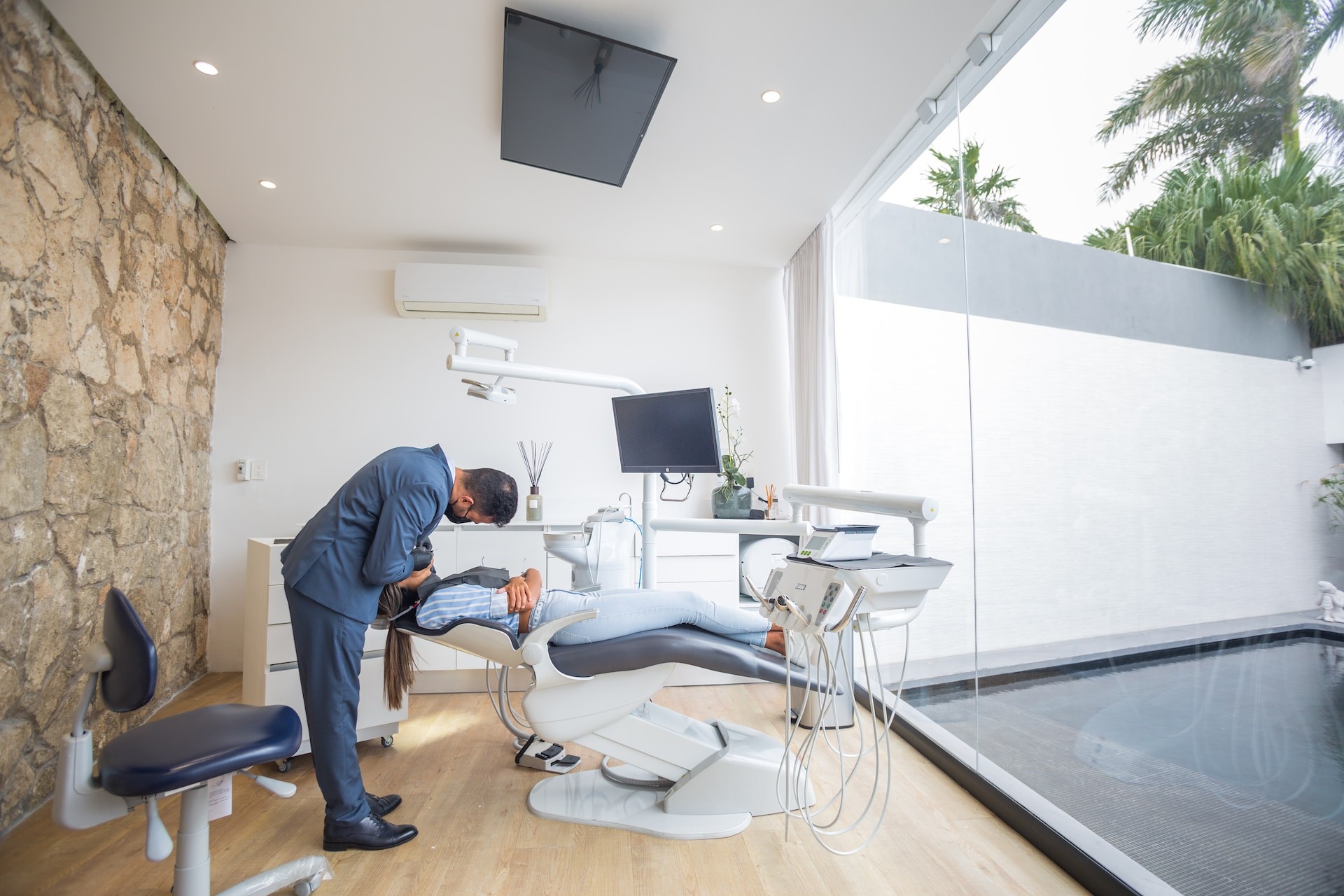
Wisdom tooth extraction is a common dental procedure that many people face in their lifetime. Often viewed as a rite of passage into adulthood, wisdom tooth removal can evoke feelings of anxiety or fear. With so much information circulating about this dental procedure, it can be challenging to separate fact from fiction.
At Sound Surgical Arts, our goal is to help you navigate through the misconceptions about wisdom tooth extraction and provide accurate information to calm your concerns. In this article, we will debunk 10 common myths and misconceptions surrounding wisdom tooth extraction, so you can be better informed and prepared when discussing your options with your dental professional.
From understanding why wisdom teeth need to be removed to addressing concerns about pain and recovery time, we’re here to provide the clarity and support you need. Let’s dive in and uncover the truths about wisdom tooth extraction.
Myth 1: Everyone Needs Their Wisdom Teeth Removed
The truth is that not everyone needs their wisdom teeth extracted. Wisdom teeth, also called third molars, emerge between the ages of 17 and 25. While many people may experience issues like impaction, overcrowding, or infection due to wisdom teeth, others can keep them without any problems. A dental professional will determine if a patient needs wisdom tooth extraction based on individual circumstances, such as the position of the teeth, the patient’s oral health, or symptoms like pain and swelling. Regular dental check-ups can help monitor the development of wisdom teeth and identify potential issues early on.
Myth 2: Wisdom Tooth Extraction is Extremely Painful
Many people fear wisdom tooth extraction due to the belief that it’s an extremely painful procedure. In reality, the procedure itself is performed under local anesthesia, sedation, or general anesthesia, which ensures that patients don’t experience pain during the extraction. Post-operative discomfort can be managed with prescribed pain medication, ice packs, and rest. Following your dental professional’s post-operative care instructions will also help minimize discomfort and promote quicker healing.
Myth 3: It’s Better to Wait for Symptoms Before Extracting Wisdom Teeth
Waiting for symptoms like pain, swelling, or infection before extracting wisdom teeth can actually lead to more complications. When wisdom teeth become a problem, they often cause significant discomfort and can lead to more complex surgical procedures to address the issues that arise. Regular dental check-ups can help your dental professional monitor the development of your wisdom teeth and provide a proactive treatment plan, reducing potential complications and discomfort.
Myth 4: The Recovery Time is Always Several Weeks
While wisdom tooth extraction does require some recovery time, the average recovery period is not as long as some might think. Most individuals can resume normal activities within 3 to 5 days following the procedure, depending on the complexity of the extraction and the patient’s overall health. Proper post-operative care, including following your dental professional’s instructions regarding pain management, avoiding strenuous activity, and maintaining a soft-food diet, can significantly impact the speed of your recovery.
Myth 5: Extracting Wisdom Teeth Causes Facial Changes
Some people worry that wisdom tooth extraction might cause noticeable changes to their facial structure or appearance. However, this myth is unfounded. While minimal facial swelling is common after extraction, it typically subsides within a few days. Wisdom tooth extraction does not permanently alter the facial appearance or structure, and any swelling experienced will resolve naturally as the tissues heal.
Myth 6: Wisdom Tooth Extraction Always Leads to Dry Socket
Dry socket, also known as alveolar osteitis, is a painful condition that can occur following tooth extraction when the blood clot that forms to protect the healing socket is dislodged or dissolves prematurely. The exposed bone and nerves can result in severe pain and delayed healing. Although dry socket can occur after wisdom tooth extraction, it’s not a guaranteed outcome and only affects about 2% to 5% of patients. To minimize the risk of developing dry socket, follow your dental professional’s post-operative care instructions, including avoiding smoking, using straws, and maintaining proper oral hygiene.
Myth 7: Wisdom Teeth Serve No Purpose
While it’s true that many people don’t have sufficient room in their jaw for wisdom teeth, making extraction necessary, wisdom teeth are not entirely useless. Wisdom teeth were crucial for our ancestors who had larger jaws and needed extra molars to chew their coarse diet. Over time, human jaws have become smaller, leading to complications when wisdom teeth develop. However, when wisdom teeth grow in correctly without causing any issues, they can function just like any other molars and contribute to proper chewing.
Myth 8: Wisdom Tooth Extraction is Only for Young Adults
While wisdom teeth generally emerge during late adolescence or early adulthood, the need for extraction can arise at any age. Wisdom teeth can continue to shift or become problematic throughout a person’s life. If your dental professional determines that your wisdom teeth are causing issues or pose a risk to your oral health, extraction may still be recommended regardless of your age.
Myth 9: Ignoring Wisdom Teeth Won’t Cause Harm
If wisdom teeth are impacted or pose a threat to your oral health, ignoring them can lead to a range of complications, including cavities, gum disease, cysts, jawbone damage, or misalignment of other teeth. Regular dental check-ups can help your dental professional identify any potential issues with your wisdom teeth and recommend proactive treatment to minimize damage and discomfort.
Myth 10: Removing Wisdom Teeth Affects Your Sense of Taste
Some people fear that wisdom tooth extraction will permanently affect their sense of taste. While it’s possible to experience temporary alterations in taste perception due to the anesthesia or post-operative swelling, wisdom tooth extraction does not typically cause permanent damage to taste buds. Normal taste sensation should return within a few days following the procedure as your mouth begins to heal.
Experience Expert Wisdom Tooth Extraction at Sound Surgical Arts
Wisdom tooth extraction is a common dental procedure with many misconceptions circulating around it. By debunking these common myths and misconceptions surrounding wisdom tooth extraction, we hope to bring factual information to individuals considering the procedure and ease their concerns. Maintaining open communication with your dental professional and seeking accurate information is crucial for making the best decisions regarding your oral health.
At Sound Surgical Arts, our experienced team of dental professionals is dedicated to providing personalized, quality care throughout your wisdom teeth extraction journey. From evaluating your individual situation to creating a treatment plan tailored to your needs, we are committed to ensuring your comfort, safety, and satisfaction. If you’re concerned about your wisdom teeth or have further questions about the procedure, don’t hesitate to contact us for a consultation. We are here to guide you through the process, address your concerns, and help you achieve optimal oral health!