
Sound Surgical Arts
Dental Anxiety and Sedation Options for Oral Surgery in Gig Harbor, WA
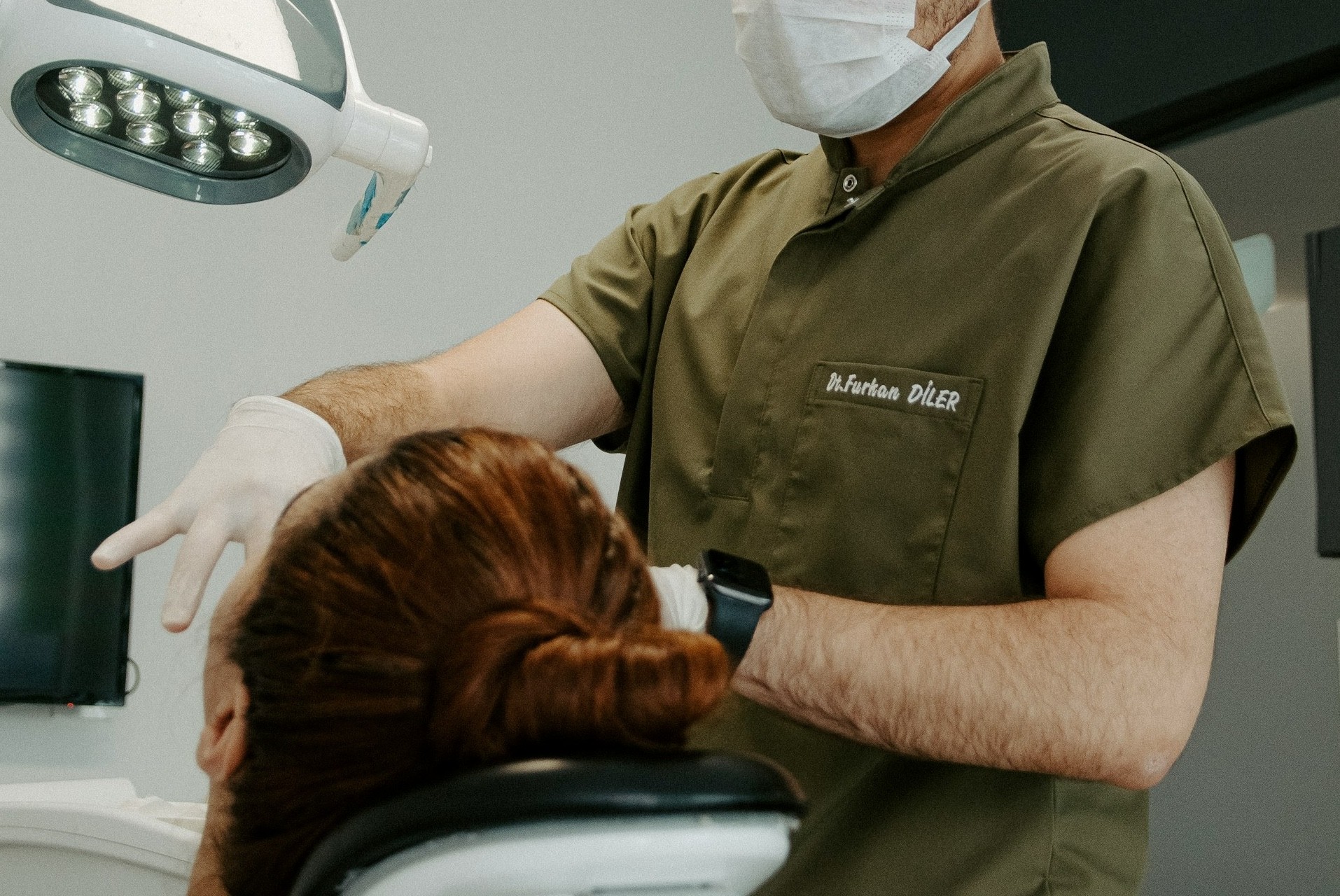
Undergoing oral surgery can be daunting for many patients, with dental anxiety being one of the most common concerns. Dental anxiety can cause apprehension, avoidance of necessary dental procedures, and stress during the process.
At Sound Surgical Arts in Gig Harbor, WA, we understand the impact of dental anxiety and strive to provide a comfortable and stress-free experience for our patients. Our skilled team of dental professionals offers a range of sedation options for oral surgery, ensuring that patients can confidently overcome their dental anxiety and receive the essential care they need for optimal oral health.
This comprehensive guide will provide crucial information on dental anxiety and the various sedation options available to make oral surgery a comfortable and stress-free experience. Topics to be covered include:
1. Understanding Dental Anxiety: What causes dental anxiety and how it can impact oral health
2. The Importance of Discussing Dental Anxiety: Open communication with your dental professional
3. An Overview of Sedation Options for Oral Surgery: From mild to deep sedation, find out which option is best for you
4. What to Expect During Sedation: Explaining the process and addressing common concerns
5. Frequently Asked Questions about Sedation and Oral Surgery
Armed with this knowledge, you will be better equipped to face oral surgery with confidence and overcome dental anxiety. Our dedicated team at Sound Surgical Arts in Gig Harbor, WA, is committed to providing exceptional dental care and ensuring a comfortable and fear-free experience for each patient. Reach out to us to discuss your dental anxiety concerns and explore sedation options during oral surgery.
Understanding Dental Anxiety: What Causes Dental Anxiety and How It Can Impact Oral Health
Dental anxiety, a common concern for many people, can vary from mild uneasiness to intense fear of dental treatments. Factors contributing to dental anxiety typically include:
1. Past negative experiences: Unpleasant or painful dental experiences can produce anxiety about future appointments.
2. Fear of pain: Pain is a common concern for most dental patients, particularly those undergoing oral surgery.
3. Loss of control: Patients often feel anxious when they cannot predict or control the dental procedure.
4. Embarrassment: Some individuals may feel ashamed or judged about the condition of their teeth and gums.
Dental anxiety can significantly impact oral health because it may lead individuals to avoid seeking necessary dental care. Delaying or ignoring dental issues can result in more severe dental complications, such as untreated cavities, gum disease, and tooth loss.
The Importance of Discussing Dental Anxiety: Open Communication with Your Dental Professional
Effective communication with your dental professional is crucial in managing and overcoming dental anxiety. By discussing your concerns and fears, you enable your dental professional to devise a personalized treatment plan that addresses these issues. Some tips for open communication include:
1. Inform your dental professional about your anxiety and specific triggers, such as pain or specific procedures.
2. Ask questions and request clarifications to gain a better understanding of the dental procedure you are undergoing.
3. Establish a signal or code to pause the treatment if needed, giving you a sense of control and reassurance during the procedure.
An Overview of Sedation Options for Oral Surgery: From Mild to Deep Sedation, Find Out Which Option Is Best for You
A variety of sedation options are available to ensure a comfortable and stress-free experience during oral surgery. These options range from mild to deep sedation:
1. Nitrous oxide (laughing gas): A mild sedative inhaled through a mask, nitrous oxide produces a relaxed and euphoric feeling during dental procedures. The effects wear off rapidly once the gas is removed, allowing patients to drive home after the treatment.
2. Oral sedation: Administered in the form of a pill, oral sedation provides mild to moderate relaxation without losing consciousness. Patients may feel drowsy and have limited memory of the procedure.
3. Intravenous (IV) sedation: This moderate sedation option involves administering sedatives directly into the bloodstream, resulting in a faster and more controlled sedative effect. Patients remain conscious but may not remember the procedure.
4. General anesthesia: Used for more complex or extensive oral surgeries, general anesthesia induces a deep sleep and complete unawareness of the procedure. Patients will not remember the surgery and may require assistance during recovery.
What to Expect During Sedation: Explaining the Process and Addressing Common Concerns
Knowing what to expect during sedation can ease dental anxiety and help patients feel more at ease during their oral surgery. Here is a general overview of the sedation process:
1. Preoperative instructions: Your dental professional will provide guidelines on eating, drinking, and taking medications before the procedure.
2. Comfort measures: Measures, such as a numbing gel or local anesthesia, may be used to alleviate any discomfort during the procedure.
3. Sedation administration: Depending on the chosen sedation option, the sedative will be administered either orally, intravenously, or through inhalation.
4. Continuous monitoring: Your dental professional will closely monitor your vital signs and comfort level throughout the procedure.
5. Recovery: After the procedure, your dental professional will continue to monitor you until the sedative effects have diminished and you are safe to leave.
Frequently Asked Questions About Sedation and Oral Surgery
1. Is sedation safe for oral surgery?
Yes, sedation is generally safe when administered by a qualified dental professional, following the appropriate guidelines. Sedation is tailored to each patient’s specific needs and health conditions, ensuring a safe and comfortable experience.
2. How long will the sedative effects last?
The duration of sedative effects varies depending on the method used. Nitrous oxide’s effects wear off rapidly, while oral sedation and IV sedation may take a few hours to completely dissipate. General anesthesia may require a longer recovery period.
3. Will I feel any pain during the procedure?
Sedation options, combined with local anesthesia, minimize or eliminate pain during oral surgery. A comfortable and pain-free experience is a primary goal in treating patients with dental anxiety.
Conclusion
Dental anxiety should not be a deterrent for patients seeking necessary oral surgery. With open communication and the availability of various sedation options, dental professionals can ensure a comfortable and stress-free experience. Schedule a consultation with our compassionate team at Sound Surgical Arts in Gig Harbor, WA, to discuss your dental anxiety concerns and determine the most suitable sedation option for your needs.
Contact us today and take the first step towards confident dental care and a healthier smile.
Understanding Sinus Lift Procedures for Dental Implants in Gig Harbor, WA

One factor that significantly impacts the success of dental implants is the availability of adequate bone tissue in the upper jaw. When there is insufficient bone height for the placement of dental implants in the upper jaw, a sinus lift procedure may be necessary. This surgical procedure increases bone volume and ensures a stable foundation for dental implants.
At Sound Surgical Arts in Gig Harbor, WA, our team of experienced dental professionals is dedicated to delivering top-quality dental services, including sinus lift procedures, to provide patients with healthy, functional, and attractive smiles.
In this comprehensive guide, we will delve into various aspects of sinus lift procedures, providing essential information on:
1. Reasons behind the need for sinus lift procedures
2. The benefits of sinus lift surgery for dental implant success
3. The difference between a sinus lift procedure and other bone graft techniques
4. What to expect during the sinus lift process, from consultation to recovery
5. Frequently asked questions about sinus lift procedures
With this knowledge, you’ll be better equipped to assess and understand how sinus lift procedures can provide a stable and lasting foundation for dental implants in the upper jaw. Schedule a consultation with our team at Sound Surgical Arts in Gig Harbor, WA, to discuss your dental implant needs and to determine if a sinus lift procedure is the right solution for you. Reach out to us and take the first step in achieving a confident, functional, and vibrant smile.
Reasons Behind the Need for Sinus Lift Procedures
A sinus lift procedure, also known as a sinus augmentation, is typically required when there is insufficient bone height in the upper jaw to support the secure placement of dental implants. Several factors can contribute to inadequate bone volume in the upper jaw, such as:
1. Tooth loss: When a tooth is missing for an extended period, the lack of stimulation from the tooth’s root can cause bone resorption, leading to bone loss in the area.
2. Periodontal disease: Severe gum disease can destroy the supporting bone structure, causing bone loss and insufficient support for dental implants.
3. Sinus positioning: Anatomically, some patients may have sinuses situated close to the jawbone, leaving minimal space for implants without affecting or penetrating the sinus membrane.
4. Aging: As we age, our bodies undergo various changes, including bone density loss, which can impact the upper jaw’s bone volume.
Benefits of Sinus Lift Surgery for Dental Implant Success
Sinus lift procedures offer several benefits for patients seeking dental implants in the upper jaw:
1. Enhanced foundation for implants: By increasing bone height, the sinus lift procedure provides a stable and sturdy base for dental implants, ensuring their long-term success.
2. Improved implant integration: With additional bone volume, dental implants can fuse better with jawbone tissue, increasing the likelihood of a successful, stable, and long-lasting integration.
3. Reduced risk of complications: By creating adequate space between the dental implant and sinus cavity, sinus lift procedures minimize potential complications, such as sinus membrane perforation and long-term sinus issues.
4. Greater patient eligibility: The sinus lift enables patients with insufficient bone density in the upper jaw to receive dental implants, restoring the functionality and aesthetics of their smiles.
The Difference Between a Sinus Lift Procedure and Other Bone Graft Techniques
While some similarities exist between sinus lift surgery and bone graft procedures, the key difference lies in the specific area of treatment in the upper jaw and the involvement of the sinus membrane.
In a sinus lift procedure, the dental professional makes an incision in the gum tissue above the upper jaw’s molar and premolar region to expose the bone. A small window is then opened in the bone, and the sinus membrane is gently lifted away from the jawbone. The bone graft material is placed in the newly created space, prompting the body to generate new bone tissue. This additional height and volume provide the necessary support for dental implant placement.
Other bone graft techniques, such as autogenous, allogeneic, and synthetic bone grafts, focus primarily on addressing bone deficiencies or defects in different areas of the jaw for distinct dental purposes. These techniques aim to blend new bone tissue into the existing jaw structure using various bone graft materials to form a stable, integrated base for implants or other dental procedures.
What to Expect During the Sinus Lift Process: From Consultation to Recovery
The sinus lift procedure follows a sequential process, ensuring patient comfort and optimal results:
1. Consultation and evaluation: An initial appointment with your dental professional will determine the need for a sinus lift procedure, and potential alternatives will be discussed. Diagnostic imaging, such as X-rays and CBCT scans, will be utilized to assess the existing bone height and sinus cavity position.
2. Bone graft material selection: Your dental professional will determine the appropriate bone graft material for your procedure, considering factors such as availability, grafting needs, and personal preferences.
3. Anesthesia and surgery: The sinus lift procedure is typically performed under local anesthesia. Sedation options, such as nitrous oxide or oral sedatives, can be provided for added relaxation if needed.
4. Recovery and healing: Post-procedure recovery will involve rest, over-the-counter pain relief, and adherence to post-operative care guidelines. Healing may take several months, as the newly grafted bone integrates with the existing jawbone structure.
Frequently Asked Questions About Sinus Lift Procedures
1. Are sinus lift procedures safe, and are there any risks involved?
Sinus lift procedures are safe and effective when performed by experienced dental professionals under appropriate conditions. Potential risks include bleeding, infection, and sinus membrane perforation; however, these complications are rare.
2. How long after a sinus lift procedure can dental implants be placed?
The timeline varies based on the rate of bone integration and graft material used. In general, patients may be able to receive dental implants approximately 4-9 months following a sinus lift procedure.
3. Is the sinus lift procedure painful?
During the sinus lift procedure, patients are numbed with local anesthesia for complete comfort. Though mild discomfort and swelling may occur post-surgery, these symptoms can be effectively managed with pain medications and cold compresses.
Conclusion
Sinus lift procedures play a vital role in preparing the upper jaw for successful dental implant placement, offering patients the opportunity to restore their smiles and oral function. Schedule a consultation with the qualified team at Sound Surgical Arts in Gig Harbor, WA, to explore your dental implant needs and discuss if a sinus lift procedure is the right option for you. Contact us to book an appointment and take the first step towards a revitalized smile.
Bone Grafting for Dental Implants: Strengthening the Foundation for a Healthy Smile
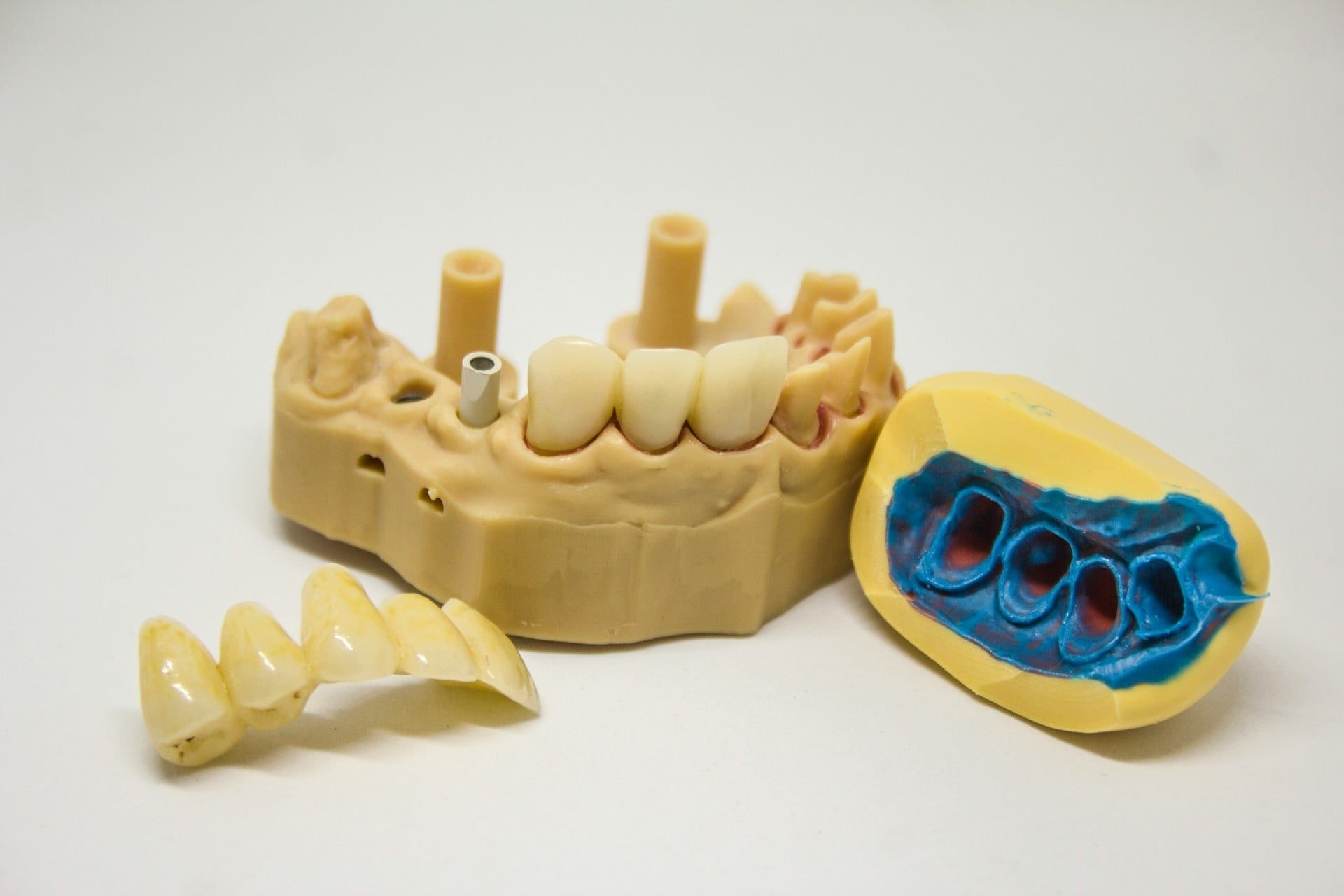 Dental implants have become the gold standard for tooth replacement, offering a lifelong solution for those with missing teeth. However, the success of dental implants is heavily dependent on the quality and quantity of the underlying jawbone. For some patients, inadequate bone density or volume can pose a challenge to the placement and stability of dental implants. At Sound Surgical Arts in Tacoma, WA, our dental professionals are adept at performing bone grafting procedures for patients who require additional bone support to ensure the success and longevity of their dental implants.
Bone grafting is a surgical procedure that involves placing graft material, either from the patient’s own body, a donor, or synthetic sources, in the area of the jawbone where dental implants are needed. Over time, the graft material promotes the growth of new bone, increasing the strength and volume of the jawbone to support dental implants successfully. It is essential for patients who have experienced bone loss due to tooth extractions, periodontal disease, or trauma, as it provides the necessary foundation for dental implants and helps restore the natural contours of the face.
In this comprehensive blog post, we will delve into the different types of bone grafting techniques offered at Sound Surgical Arts, explain the process of bone grafting for dental implants, and discuss the advantages of this procedure in promoting long-lasting implant success. Our goal is to provide patients in Tacoma, WA, with a solid understanding of the essential role that bone grafting plays in their dental implant journey and instill confidence in choosing Sound Surgical Arts for their bone grafting needs.
1. Types of Bone Grafting Techniques
There are several types of bone grafting techniques available, and the choice largely depends on the patient’s specific needs. At Sound Surgical Arts, our dental professionals are well-versed in various bone grafting approaches and will determine the most suitable technique for each patient. Some common types of bone grafting techniques include:
– Autogenous Bone Grafts: Also known as autografts, these involve harvesting bone from the patient’s own body, typically from the chin or another area within the mouth. Autogenous bone grafts have the advantage of containing living cells and growth factors that promote rapid integration and healing.
– Allogeneic Bone Grafts: Allografts utilize bone material obtained from a deceased human donor. The bone material undergoes careful screening, sterilization, and testing to ensure its safety and compatibility. Allogeneic grafts serve as a scaffold for the patient’s body to produce new bone.
– Xenogeneic Bone Grafts: In this technique, graft material is derived from a non-human source, typically bovine (cow) bone. The material is processed and sterilized to remove any organic components, resulting in a safe and effective scaffold for bone growth.
– Synthetic Bone Grafts: These grafts utilize biocompatible, synthetic materials that mimic the structure and function of natural bone, such as calcium phosphate or bioactive glass. Synthetic grafts provide a safe and predictable alternative for patients who may not have sufficient bone available for autografts or prefer not to use donor material.
2. The Process of Bone Grafting for Dental Implants
The bone grafting procedure typically consists of the following steps:
– Initial Consultation: During the first appointment, your dental professional will assess your oral health, review medical and dental history, and perform necessary imaging, such as x-rays or CT scans, to evaluate the quality and quantity of your jawbone.
– Treatment Planning: If bone grafting is deemed necessary, our dental professionals will develop a personalized treatment plan, selecting the most appropriate bone grafting technique and estimating the duration of the graft integration process.
– Surgical Procedure: The bone grafting surgery involves administering anesthesia to ensure the patient’s comfort, followed by the placement of the selected graft material into the jawbone. The site is then secured with sutures or a membrane for protection and stabilization.
– Healing and Integration: Following the procedure, the graft material will gradually integrate with the surrounding bone, a process known as “osseointegration.” The duration of osseointegration varies based on several factors, including the type of graft material, the extent of bone loss, and the individual’s healing capacity.
– Dental Implant Placement: Once the dental professional confirms that adequate bone volume has developed and osseointegration is complete, the dental implant surgery can proceed as planned.
3. Benefits of Bone Grafting for Dental Implants
Bone grafting for dental implants offers several advantages to patients with insufficient jawbone density or volume. These benefits include:
– Improved Dental Implant Success: By providing a stable and robust foundation for dental implants, bone grafting significantly enhances the likelihood of implant success and long-lasting results.
– Restoration of Facial Structure: Losing teeth can lead to bone resorption, which causes the facial structure to change over time. Bone grafting helps restore the natural contours of the face by replenishing lost bone volume.
– Prevention of Further Bone Loss: Bone grafting encourages the growth of new bone, which can help prevent further bone loss and maintain the health and stability of adjacent teeth.
– Increased Confidence and Comfort: Patients who undergo bone grafting can enjoy increased confidence in their dental implants, knowing that they have the necessary foundation for successful and comfortable tooth replacement.
4. Caring for Your Dental Implants After Bone Grafting
As with any surgical procedure, postoperative care is crucial for successful healing and integration of bone grafts:
– Follow your dental professional’s instructions regarding oral hygiene practices, such as brushing, flossing, and using prescribed mouth rinses.
– Attend regular checkups and monitoring appointments to ensure the successful integration of the graft material and the health of your dental implants.
– Maintain a balanced diet, avoid smoking, and limit alcohol consumption to support overall oral health and promote healing.
Strengthen Your Smile’s Foundation with Bone Grafting at Sound Surgical Arts
At Sound Surgical Arts, we understand the importance of a solid foundation for successful dental implant placement. Our expertise in bone grafting techniques ensures that patients in Tacoma, WA, receive the necessary support to achieve long-lasting dental implants and the healthy, beautiful smiles they desire.
If you’re considering dental implants and may need bone grafting, don’t hesitate to schedule a consultation with our experienced dental professionals at Sound Surgical Arts in Tacoma, WA. Let us guide you on your journey to a strong, healthy smile that lasts a lifetime.
Navigated Implant Placement: Transforming Dental Implant Procedures at Sound Surgical Arts

Dental implants have quickly become the preferred method for replacing missing teeth, thanks to their ability to restore both form and function to a patient’s smile. However, the success of a dental implant procedure largely hinges on the accuracy and precision with which the implant is placed within the jawbone. At Sound Surgical Arts in Tacoma, WA, we have adopted the latest breakthrough in dental implant placement technology – navigated implant placement – to provide our patients with the most accurate, safe, and predictable dental implant procedures in the industry.
Navigated implant placement utilizes advanced computer-aided technology to assist dental professionals in placing dental implants with incredible accuracy and safety. This state-of-the-art approach to dental implant placement transforms the treatment process by offering a dynamic, real-time visual guide to aid dental surgeons in making precise, data-driven decisions throughout the procedure. As a result, patients at Sound Surgical Arts can expect more predictable outcomes, reduced risk of complications, and a faster healing process following their dental implant procedure.
In this informative blog post, we will thoroughly explore the navigated implant placement process, delving into the technology behind it, and discussing its advantages over traditional dental implant methods. By providing readers with a comprehensive understanding of this groundbreaking technique, our aim is to equip patients in Tacoma, WA with the knowledge and confidence to choose Sound Surgical Arts for their dental implant needs, trusting that our commitment to leveraging advanced technology results in impeccable care and long-lasting smiles.
1. The Technology Behind Navigated Implant Placement
Navigated implant placement utilizes cutting-edge computer-aided technology to improve the accuracy, safety, and predictability of dental implant procedures. Key components of navigated implant placement technology include:
– 3D Imaging (CBCT): A Cone Beam Computed Tomography (CBCT) scan is used to generate highly accurate and detailed 3D imagery of the patient’s jaw and dental structures. This information is crucial for planning the optimal position, depth, and angle for the dental implant placement.
– Surgical Planning Software: The 3D images obtained from the CBCT scan are imported into specialized surgical planning software, allowing dental professionals to create a customized surgical plan for each patient. This software enables the dental surgeon to evaluate various factors, such as bone density, critical anatomical structures, and adjacent teeth, making adjustments as needed to ensure the most accurate and successful implant placement.
– Real-time Navigation Guidance: During the procedure itself, the dental surgeon receives real-time visual guidance through a navigational system that tracks the position of the surgical tools relative to the patient’s jaw and dental structures. This allows the surgeon to place the dental implant with incredible precision, adhering closely to the pre-planned surgical guide.
2. Advantages of Navigated Implant Placement Over Traditional Methods
The navigated implant placement technique offers several significant advantages when compared to traditional dental implant procedures:
– Increased Accuracy: Real-time guidance and the incorporation of 3D imagery in the planning phase improve the accuracy of implant placement, ensuring the implant is positioned at the optimal location, angle, and depth.
– Decreased Risk of Complications: The precision offered by the navigated implant placement technology reduces the likelihood of damage to adjacent teeth, nerves, or critical anatomical structures, thereby decreasing the risk of complications.
– Minimally Invasive Approach: Navigated implant placement allows for a more conservative surgical approach, often eliminating the need for large incisions or flap procedures, which can result in faster healing times and reduced postoperative discomfort.
– Predictable Outcomes: With the incorporation of advanced imaging and planning techniques, navigated implant placement yields highly predictable outcomes, ensuring implant success and long-lasting results.
3. Candidates for Navigated Implant Placement
Navigated implant placement is a suitable option for most patients requiring dental implant procedures; however, it is essential to consult with your dental professional at Sound Surgical Arts to determine if you are an ideal candidate for this innovative technique. Potential candidates for navigated implant placement may:
– Have one or multiple missing teeth requiring dental implants
– Be in good overall oral health, with no active gum disease or untreated tooth decay
– Have sufficient bone density at the site of implant placement
– Be committed to maintaining proper oral hygiene and attending regular dental checkups
4. The Navigated Implant Placement Procedure at Sound Surgical Arts
The navigated implant placement procedure at Sound Surgical Arts involves several key steps:
– Initial Consultation: During your first visit, your dental professional will conduct a thorough examination and review your medical and dental history to determine your eligibility for navigated implant placement.
– 3D Imaging and Treatment Planning: If you are a candidate for navigated implant placement, a CBCT scan will be performed to generate detailed 3D images of your dental structures. Your dental professional will use these images to create a customized surgical plan for your implant placement.
– Navigated Implant Placement Procedure: On the day of your procedure, your dental professional will use the real-time navigational system to guide them throughout the implant placement process. This process ensures that the implant is placed with optimal precision and accuracy, adhering to the customized treatment plan.
– Post-Operative Care and Follow-Up: After the implant placement procedure, your dental professional will provide you with post-operative care instructions to ensure a smooth recovery process. Follow-up appointments will be scheduled to monitor your healing and eventual placement of the final crown or dental prosthesis.
Experience the Benefits of Navigated Implant Placement at Sound Surgical Arts
At Sound Surgical Arts, our commitment to providing patients in Tacoma, WA, with the best dental care possible drives us to adopt the latest advancements in dental technology, such as navigated implant placement. This state-of-the-art approach to dental implant procedures promises not only enhanced accuracy and safety but also ensures patients achieve the natural, long-lasting smile they desire.
If you are considering dental implants, schedule a consultation at Sound Surgical Arts in Tacoma, WA, and discover how our expertise in navigated implant placement can lead to a more successful, comfortable dental implant experience.
Wisdom Tooth Extraction in Gig Harbor, WA: A Step-By-Step Guide for Patients
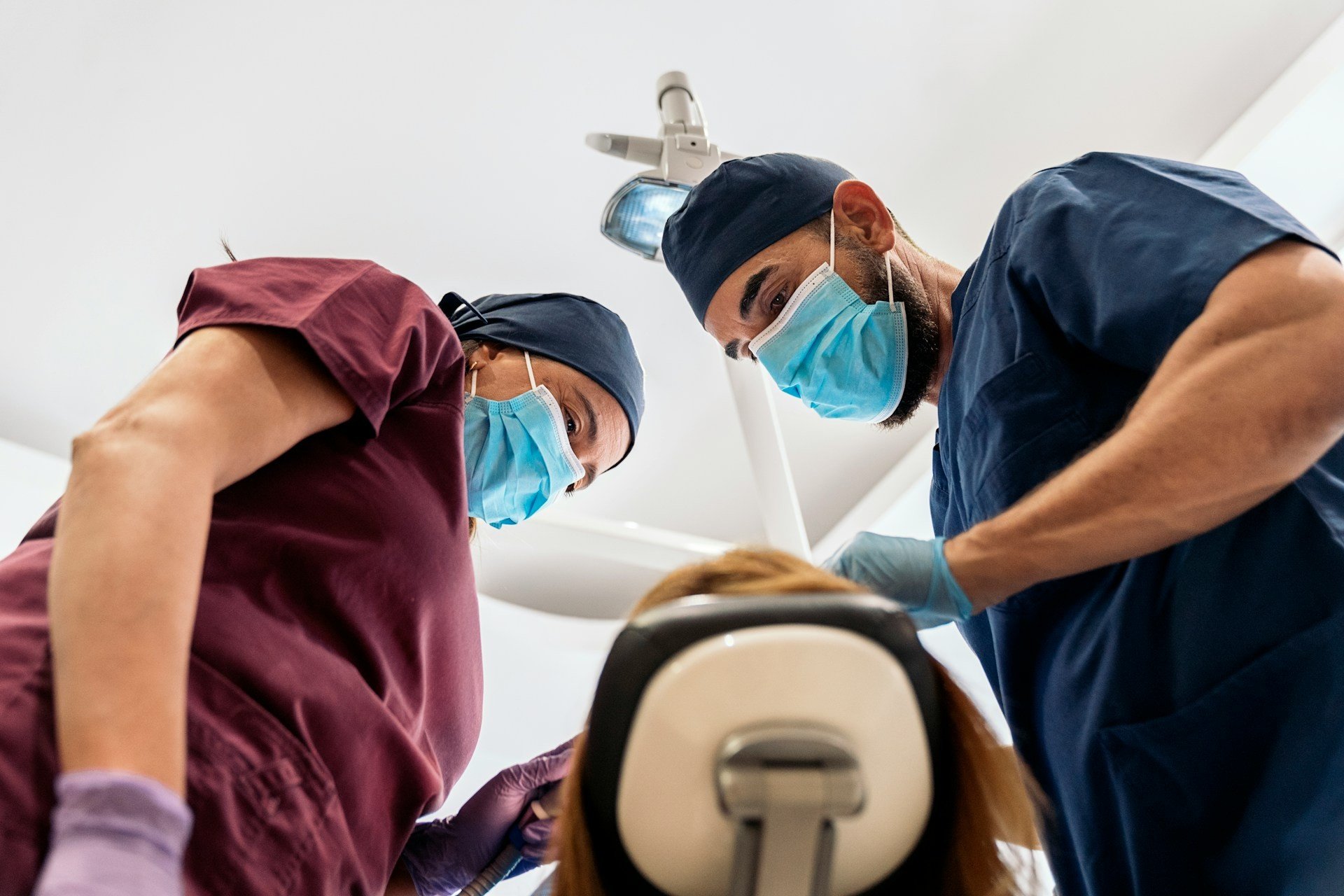
Wisdom teeth, also known as third molars, typically emerge between the ages of 17 and 25. In many cases, these teeth can become impacted or cause oral health issues, necessitating their removal to prevent further complications. At Sound Surgical Arts in Gig Harbor, WA, our team of highly skilled dental professionals specializes in wisdom tooth extraction, as well as a comprehensive range of other dental procedures, such as dental implants, bone and gum grafting, and reconstructive surgery.
Our expertise and commitment to utilizing advanced techniques and technology ensure that our patients receive the highest level of care and comfort during their wisdom tooth extraction process. In this step-by-step guide, we will explore the various aspects of wisdom tooth removal, starting from the initial consultation to the procedure itself and the subsequent recovery process. Additionally, we will provide helpful tips on maintaining your oral health and avoiding complications following the extraction.
With a wealth of experience in wisdom tooth extraction, the team at Sound Surgical Arts is dedicated to helping our patients achieve and maintain optimal oral health. Whether you are experiencing pain or discomfort due to your wisdom teeth or require preventive removal, our team here in Gig Harbor, WA, is ready to provide you with the necessary information, expert guidance, and personalized care that you deserve.
Wisdom tooth extraction may seem like a daunting prospect for many patients, but with the right information and support, you can successfully navigate the process and achieve a positive outcome. Trust the expertise of Sound Surgical Arts in Gig Harbor, WA, to guide you through every step of your wisdom tooth extraction journey, helping you to regain comfort and confidence in your smile.
Assessing Your Wisdom Teeth: The Consultation Process
The first step in dealing with problematic wisdom teeth is a comprehensive evaluation and consultation. During this meeting, your dentist will:
1. Review your dental and medical history
2. Perform a thorough oral examination
3. Take X-rays or other imaging as needed to evaluate the position, size, and condition of your wisdom teeth
4. Discuss your symptoms or concerns, if any
5. Determine if wisdom tooth extraction is the best course of action
Ultimately, this assessment helps to identify any potential risks or complications, as well as plan the most appropriate treatment approach to ensure a successful extraction.
Preparing for the Wisdom Tooth Extraction Procedure
Once it has been determined that wisdom tooth extraction is necessary, your dentist will provide specific instructions and guidance to prepare you for the day of your procedure. In general, this may include:
1. Refraining from eating or drinking for a certain period before surgery
2. Arranging for someone to accompany you to the appointment for support and transportation
3. Discussing anesthesia options and selecting the most suitable method for your comfort
4. Reviewing any required preoperative medical clearance, if necessary
Understanding the Extraction Procedure
Although wisdom tooth extraction procedures may vary somewhat depending on each patient’s unique circumstances, the process typically follows a general sequence of steps:
1. Anesthesia administration: The appropriate anesthesia option, as discussed during your consultation, will be administered to ensure your comfort during the procedure.
2. Incision and access: Your dentist will create a small incision in the gum tissue to access the tooth. This may involve removing bone or dividing the tooth into sections for easier extraction.
3. Tooth removal: Once access has been established, your dentist will carefully remove the wisdom tooth using specialized instruments and techniques to minimize trauma.
4. Site closure: Gauze may be placed into the socket to help control bleeding, and sutures may be used to close the gum tissue and aid in healing.
Postoperative Care and Recovery
Following your wisdom tooth extraction, it is essential to prioritize proper aftercare to promote healing and reduce the risk of complications. Your dentist will provide specific instructions tailored to your procedure, which may include:
1. Pain and swelling management: Apply ice to the affected area and use prescribed or over-the-counter pain relievers as directed.
2. Bleeding control: Bite down on the gauze provided, and change it as necessary to help manage and stop bleeding.
3. Oral hygiene: Gently rinse with a warm saltwater solution starting the day after surgery and continue with careful brushing and flossing in the non-affected areas.
4. Diet and nutrition: Stick to a soft food diet initially, and gradually reintroduce more solid foods as your healing progresses and per your dentist’s guidance.
Long-term Maintenance and Follow-up
To ensure the long-term success of your wisdom tooth extraction and maintain optimal oral health, it is critical to adhere to a regular dental care routine. This should include:
1. Scheduling routine checkups and cleanings with your dentist
2. Practicing good oral hygiene habits, such as daily brushing and flossing
3. Monitoring your oral health for any potential concerns and addressing them promptly
Conclusion
Wisdom tooth extraction may seem like an unnerving prospect for many patients, but with the proper information, guidance, and care, you can successfully navigate the process and achieve a positive outcome. Trust the expertise of Sound Surgical Arts in Gig Harbor, WA, to guide you through every step of your wisdom tooth extraction journey, helping you to regain comfort and confidence in your smile. Maintaining excellent oral health is an ongoing commitment, but with the support of our skilled dental professionals and your diligence in following recommended practices, you can keep your smile healthy and beautiful for years to come.
Bone Grafting in Gig Harbor, WA: A Path Towards Dental Restoration
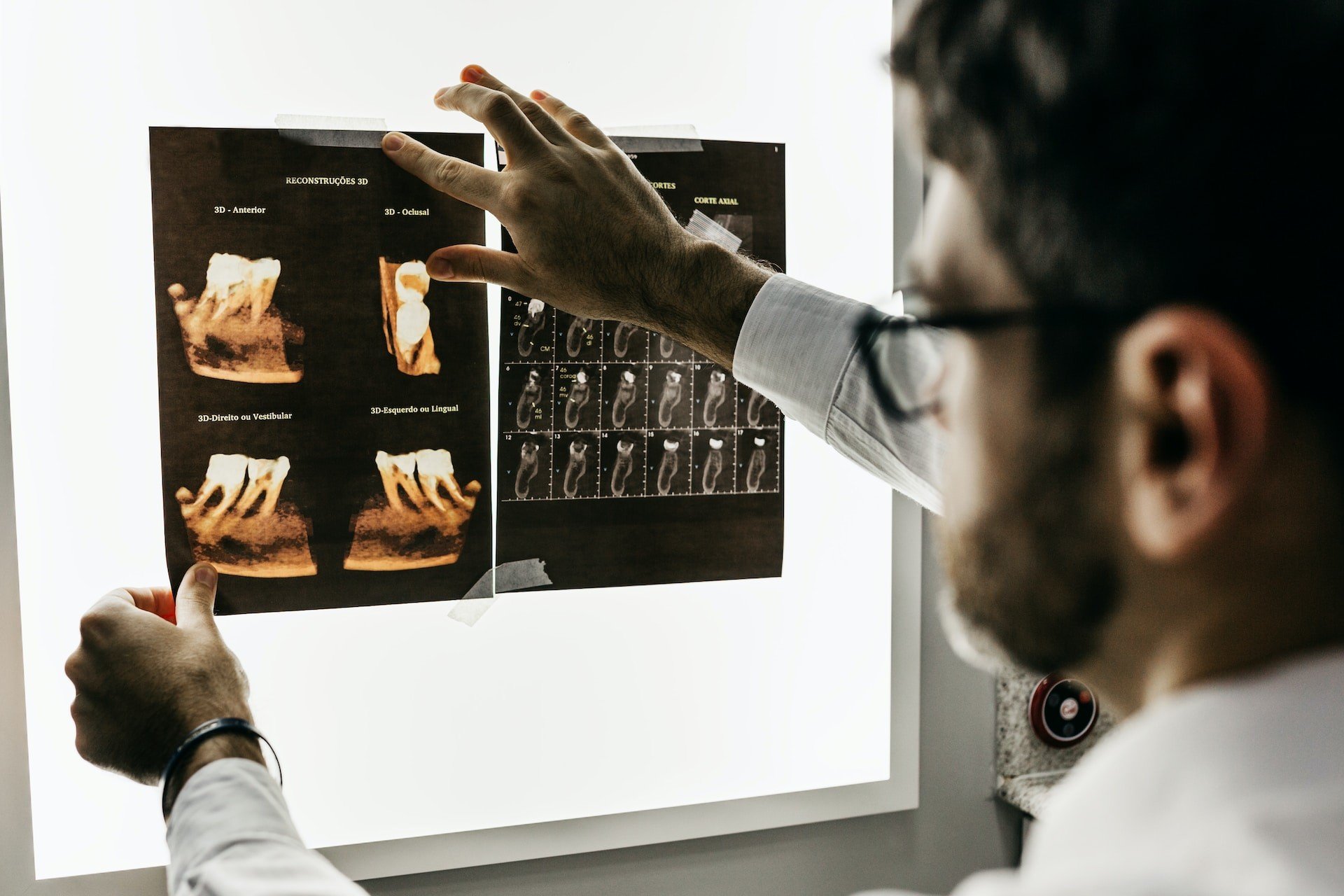
Maintaining optimal oral health and structure is vital not only for the aesthetics of our smile but also for our overall well-being. There are times, however, when teeth are lost due to injury, decay, or gum disease, leading to a weakened jawbone that is unable to support dental implants effectively. Bone grafting is an essential surgical procedure in such cases, as it helps regenerate bone tissue and create a strong foundation for dental implants, ultimately restoring oral function and appearance.
At Sound Surgical Arts in Gig Harbor, WA, our team of highly skilled dental professionals recognizes the importance of providing comprehensive bone grafting procedures to our patients in need. Our in-depth understanding of the jawbone structure and the latest bone grafting techniques allows us to successfully perform this procedure, helping our patients regain their dental integrity and confidence.
In this informative blog post, we will delve into the world of bone grafting, discussing its significance in dental restoration, the various types of bone grafting procedures available, and the steps involved in the process. Our goal is to educate our patients about how bone grafting can help them achieve optimal oral health, and to assure them that our expert team at Sound Surgical Arts in Gig Harbor, WA, will provide the highest level of care and expertise during their bone grafting journey.
Understanding the Importance of Bone Grafting
Bone grafting is a key component in many dental restoration procedures, providing the means to rebuild and strengthen the jawbone. Some of the primary reasons for a bone graft include:
1. Dental Implants: Patients who require dental implants often need a bone graft to prepare the jawbone for implant placement if the bone has weakened due to tooth loss or other dental issues.
2. Gum Disease Treatment: Advanced gum disease can lead to bone loss and eventual tooth loss. Bone grafting can help regenerate bone tissue, improving overall oral health and saving teeth from extraction.
3. Dental Trauma: Injuries to the jawbone may require bone grafting to rebuild structurally sound bone tissue and to restore proper dental function.
4. Reconstructive Surgery: Bone grafting can be used in reconstructive dentistry to correct jawbone deformities caused by birth defects or abnormal development.
Types of Bone Grafting Procedures
There are several types of bone grafting procedures available, each tailored to address specific dental needs. The most common methods of bone grafting include:
1. Autograft: This method involves harvesting bone tissue from the patient’s own body, typically from areas such as the chin, hip, or tibia. Since it involves using the patient’s own bone, there is a lower risk of infection or rejection.
2. Allograft: This type of bone grafting utilizes human donor bone tissue that has been processed and sterilized. Allografts eliminate the need for a second surgical operation to harvest bone and are considered safe and effective options for many patients.
3. Xenograft: This method involves using bone tissue from an animal source, typically bovine. The bone is processed to make it biocompatible, allowing it to be gradually replaced by the patient’s own bone.
4. Alloplastic: This technique utilizes synthetic bone substitutes made from biocompatible materials such as hydroxyapatite, which closely resemble the composition of natural bone.
The Bone Grafting Process
The bone grafting process can vary based on the patient’s specific needs and the type of graft being utilized. However, the general process often involves the following steps:
1. Evaluation and Assessment: An initial consultation and thorough assessment of the patient’s jawbone and oral health determine the need for a bone graft and the most suitable grafting method.
2. Graft Preparation: The chosen type of bone graft material is prepared and customized to properly fit the area to be treated.
3. Surgical Procedure: Under local anesthesia or sedation, the graft material is expertly placed in the treatment area, and the site is secured, allowing for eventual integration with the native bone.
4. Healing and Recovery: Following the procedure, the bone graft will heal and integrate with the existing jawbone over several months, leading to increased bone density and strength.
Bone Grafting Aftercare and Recovery
Proper aftercare and recovery practices are essential for the success of a bone grafting procedure. Some guidelines for post-operative care include:
1. Pain and Swelling Management: The use of ice packs and prescribed or over-the-counter pain medications can help manage discomfort and swelling following surgery.
2. Diet: A soft foods diet is recommended during the initial healing phase to avoid putting stress on the graft site.
3. Oral Hygiene: Patients should continue to practice good oral hygiene, taking care to avoid disturbing the graft site during the first few weeks of healing.
4. Follow-up Appointments: Regular follow-up appointments will ensure that the graft is healing properly and allows for monitoring of the patient’s overall oral health.
Conclusion
At Sound Surgical Arts in Gig Harbor, WA, our expert team is committed to providing the highest quality bone grafting procedures to help our patients achieve optimal oral health and function. With our vast knowledge and experience in bone grafting techniques, we ensure a comfortable, effective, and successful procedure tailored to each patient’s unique needs. Trust our dedicated team of dental professionals to guide you through your bone grafting journey and help you regain the healthy, radiant smile you deserve.
If you are considering a bone grafting procedure or any other dental restoration treatments, contact us at Sound Surgical Arts in Gig Harbor, WA, to schedule a consultation. Your dental health is our top priority, and our expert team is here to provide the compassionate care and support you need throughout your dental restoration journey.
Bone Grafting Procedures: The Foundation for Dental Implants in Tacoma, WA
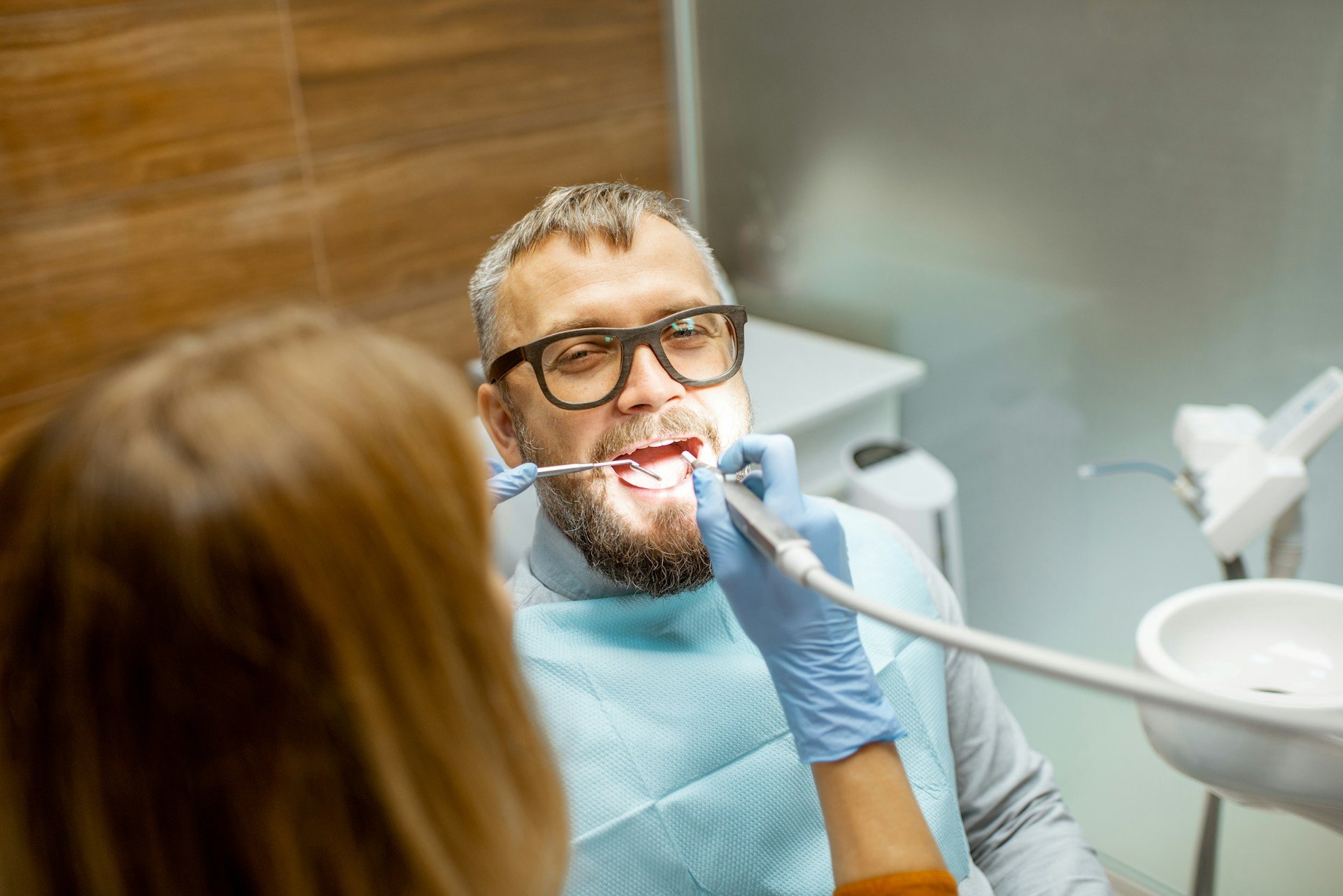
A healthy jawbone is critical for the long-term success and stability of dental implants, serving as a strong foundation on which they are anchored. However, patients who have experienced tooth loss, gum disease, or trauma may have insufficient jawbone volume or density to support dental implants. In such cases, bone grafting procedures become an essential step in the dental implant process. At Sound Surgical Arts in Tacoma, WA, our team of top dentists since 2011 is committed to helping patients restore their smiles and improve their oral health through comprehensive dental care, including specialized bone grafting services.
Bone grafting is a surgical technique employed by our dental professionals to rebuild and augment the jawbone, creating a stable foundation for future dental implant placement. This procedure not only improves the chances of dental implant success but also contributes to preserving the natural facial structure and aesthetics, preventing the jawbone from deteriorating due to missing teeth.
In this informative article, we will discuss various aspects of bone grafting procedures, including the types of bone grafts available, factors influencing the need for bone grafting, and the process involved, as well as how the team at Sound Surgical Arts in Tacoma, WA, is dedicated to providing exceptional care and tailored solutions to each patient’s unique needs. Our primary objective is to deliver educational, informative, and helpful content that enables you to make well-informed decisions about your oral health, especially when considering dental implants and the related preparatory procedures such as bone grafting.
Dental Implants: The Complete Solution for Missing Teeth in Tacoma, WA
The Benefits of Dental Implants
Dental implants offer numerous advantages compared to traditional tooth replacement options, such as dentures and bridges. Here are four major benefits:
1. Improved Appearance and Confidence: Dental implants closely resemble natural teeth and provide excellent support for dental prosthetics, resulting in a natural-looking smile. Many patients experience a boost in self-esteem and confidence due to their improved appearance.
2. Enhanced Comfort and Function: Because dental implants function as artificial tooth roots, they offer a stable foundation for dental prosthetics. This means you can enjoy eating and speaking without the discomfort or limitations associated with dentures or bridges.
3. Longevity and Durability: Made from biocompatible titanium, dental implants fuse with the jawbone through a process called osseointegration. This secure and permanent connection ensures lasting support for your dental restorations, making dental implants a long-term investment in your oral health.
4. Preservation of Natural Teeth and Bone Structure: With dental implants, there is no need to file down adjacent healthy teeth (as with traditional bridges). Also, dental implants help maintain healthy jawbone density and prevent bone loss, which can occur after tooth loss.
The Dental Implant Procedure at Sound Surgical Arts
At Sound Surgical Arts in Tacoma, WA, our dental implant procedure involves four crucial stages:
1. Consultation and Evaluation: During your initial visit, our dental professionals will thoroughly assess your oral health and discuss your treatment goals. Based on our findings, we will determine if you are a suitable candidate for dental implants and develop a customized treatment plan.
2. Implant Placement: Under local anesthesia or sedation, our experienced dental professionals will surgically place the titanium implant into your jawbone. After this procedure, you’ll enter a healing phase, during which the implant will fuse with the jawbone through osseointegration.
3. Abutment Attachment: Once osseointegration is complete (usually after a few months), a small connecting component called an abutment will be attached to the dental implant. The abutment serves as an anchor for the final dental prosthetic.
4. Dental Prosthetic Placement: The final stage of the dental implant process involves attaching the dental prosthetic (crown, bridge, or denture) to the abutment. Our dental professionals will ensure that the prosthetic fits comfortably and matches the appearance of your natural teeth.
Caring for Your Dental Implants
Proper care and maintenance are essential to ensure the long-term success of your dental implants. Here are some helpful tips:
1. Maintain Good Oral Hygiene: Brushing twice a day, flossing daily, and using interdental brushes or water flossers can help keep your dental implants clean and free from plaque buildup.
2. Regular Dental Checkups: Visiting Sound Surgical Arts for routine checkups is crucial to monitor the health of your dental implants and address any oral health concerns promptly.
3. Avoid Tobacco: Smoking can impair the healing process after implant surgery and increase the risk of implant failure. Quitting tobacco use before and after your dental implant procedure can significantly enhance the likelihood of a successful outcome.
4. Protect Your Dental Implants: If you clench or grind your teeth, talk to our dental professionals about a custom mouthguard to protect your dental implants from excessive force. Avoid using your teeth as tools (e.g., opening packages), as this can damage your dental prosthetics and the supporting implants.
Conclusion:
Dental implants serve as a highly effective and long-lasting solution for missing teeth. By offering natural-looking, comfortable, and functional tooth replacements, dental implants can significantly enhance an individual’s everyday life. At Sound Surgical Arts in Tacoma, WA, our team of expert dental professionals is dedicated to helping patients achieve beautiful, healthy smiles through personalized and compassionate care. If you’re considering dental implant treatment, we invite you to schedule a consultation with our team and discover the life-changing benefits of dental implants.
Wisdom Tooth Extraction: Expert Care and Guidance in Tacoma, WA
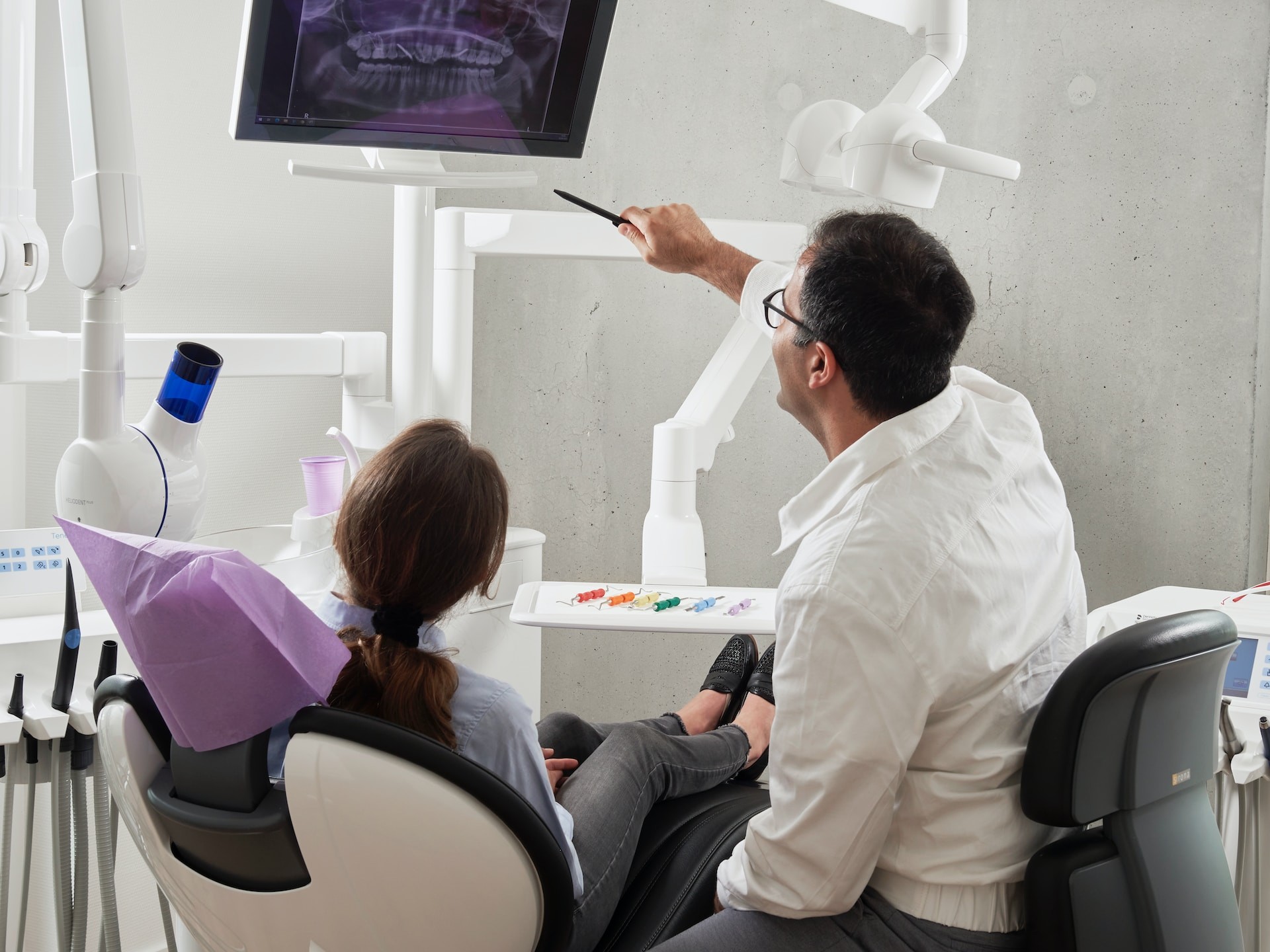
Wisdom teeth, or third molars, are the last set of teeth to develop and generally emerge between the ages of 17 and 25. While some individuals experience no issues with their wisdom teeth, many people face challenges due to impaction, lack of space, or other complications. In such cases, wisdom tooth extraction is necessary to protect overall oral health and prevent future complications. At Sound Surgical Arts in Tacoma, WA, our team of top dentists and oral surgeons has been providing exceptional dental care since 2011. We are dedicated to ensuring a smooth wisdom tooth extraction experience for our patients, minimizing discomfort and guiding them through every step of the process.
Before diving deeper into the wisdom tooth extraction procedure at Sound Surgical Arts, it’s essential to understand the reasons why extraction might be necessary and the potential complications that can arise from impacted or problematic wisdom teeth. Knowing when to seek professional advice and treatment will allow you to make informed decisions about your oral health and choose the best course of action.
In this comprehensive guide, we’ll discuss the reasons behind wisdom tooth extraction, the process of identifying impacted or problematic wisdom teeth, the extraction procedure at Sound Surgical Arts in Tacoma, WA, and what to expect during recovery. By providing this information, we aim to help our patients understand the importance of addressing wisdom tooth concerns and offer insight into the compassionate and expert care provided at our practice.
At Sound Surgical Arts, our mission is to educate, inform, and provide helpful information about the services and procedures we offer. Join us as we explore the essential subject of wisdom tooth extraction as part of our commitment to maintaining optimal oral health and well-being for our Tacoma, WA community.
Wisdom Tooth Extraction: Expert Care and Guidance in Tacoma, WA
Signs and Symptoms of Problematic Wisdom Teeth
It is crucial to recognize the signs and symptoms of impacted or problematic wisdom teeth. Early detection and intervention can help prevent more severe complications. Some common indications that you may need a wisdom tooth extraction include:
1. Swelling or inflammation of the gums around the wisdom teeth
2. Persistent pain or discomfort in the jaw, ear, or adjacent teeth
3. Frequent infections or abscesses near the wisdom teeth
4. Difficulty fully opening the mouth or chewing comfortably
5. Crowding or shifting of neighboring teeth as they are pushed by emerging wisdom teeth
If you experience any of these symptoms, it’s essential to consult with a dental professional, such as our team at Sound Surgical Arts in Tacoma, WA, to evaluate the condition of your wisdom teeth and determine if extraction is necessary.
Potential Complications from Impacted Wisdom Teeth
Impacted wisdom teeth can lead to various complications, making extraction imperative for maintaining optimal oral health. Some potential complications include:
1. Damage to Adjacent Teeth and Bone: Impacted wisdom teeth can push against neighboring teeth, leading to damage, crowding, or even bone loss.
2. Infection: Impacted teeth can create pockets in the gum tissue where bacteria can collect, leading to infection or an abscess.
3. Cysts and Tumors: In rare cases, impacted wisdom teeth can lead to the formation of cysts or tumors within the jawbone, causing severe damage and requiring more complex treatment.
4. Gum Disease: Impacted or partially erupted wisdom teeth are more challenging to clean, increasing the risk of gum disease (periodontitis) and tooth decay.
The Wisdom Tooth Extraction Procedure at Sound Surgical Arts
At Sound Surgical Arts, our team of highly skilled dental professionals is dedicated to ensuring a seamless wisdom tooth extraction experience for our patients. The extraction process generally involves:
1. Consultation and Examination: During the initial visit, our dental professionals will conduct a thorough examination, including X-rays, to assess the position and condition of your wisdom teeth. Based on our findings, we will determine if extraction is necessary and develop a customized treatment plan.
2. Anesthesia and Sedation: To ensure your comfort during the procedure, we offer local anesthesia, nitrous oxide (laughing gas), or IV sedation, depending on your needs and preferences.
3. Extraction Process: Our experienced dental professionals will carefully perform the wisdom tooth extraction, making a small incision in the gum tissue, removing any bone obstructing the tooth if necessary, and finally extracting the tooth. If required, sutures will be placed to aid in healing.
4. Recovery and Aftercare: Following the extraction, you’ll receive detailed post-operative instructions to ensure a smooth recovery. We will schedule a follow-up appointment to monitor your healing progress and address any concerns that may arise.
Recovering from Wisdom Tooth Extraction
Proper care and attention during the recovery period are vital to ensure a successful outcome from your wisdom tooth extraction. Some helpful tips for a smooth recovery include:
1. Rest: Take it easy for the first 24-48 hours following your extraction, as this allows your body to focus on healing and reduces the risk of dislodging the blood clot.
2. Pain Management and Swelling: Over-the-counter pain relievers, such as ibuprofen or acetaminophen, can help manage discomfort following extraction. Cold compresses applied to the cheek externally can also alleviate swelling and inflammation.
3. Diet: Stick to a soft food diet for a few days, gradually reintroducing solid foods as you feel comfortable. Avoid using straws or consuming hot liquids, as these can dislodge the blood clot and impede healing.
4. Oral Hygiene: Maintain good oral hygiene by gently brushing your teeth and avoiding the extraction site for the first few days. Rinsing with warm salt water can help keep the area clean and promote healing.
Conclusion
Wisdom tooth extraction is an essential procedure for many individuals, aiming to protect oral health and prevent future complications linked to impacted or problematic wisdom teeth. At Sound Surgical Arts in Tacoma, WA, our team of expert dental professionals is committed to providing compassionate, quality care throughout the entire wisdom tooth extraction process. Our goal is to ensure the comfort and well-being of our patients, helping them maintain a healthy, beautiful smile that lasts a lifetime. If you are experiencing issues with your wisdom teeth or have concerns about your oral health, contact us today to schedule a consultation and allow us to guide you on your path to optimal dental health.
Maintaining Oral Health with Regular Checkups at Sound Surgical Arts in Gig Harbor, WA

Regular dental checkups play a crucial role in maintaining optimal oral health and preventing the development of severe dental issues. At Sound Surgical Arts in Gig Harbor, WA, our team of skilled dental professionals is committed to providing comprehensive dental examinations, expert cleanings, and personalized treatment plans to ensure a healthy, confident smile. By fostering a trusting relationship with our dental professionals, you can enjoy a lifetime of excellent oral health and a radiant, vibrant smile.
This comprehensive guide will delve into the importance of regular dental checkups and how they contribute to your oral health. Topics to be covered include:
- The Importance of Regular Dental Checkups: Understanding the benefits of preventive dental care
- What to Expect During a Dental Checkup: From examinations and cleanings to personalized treatment plans
- Addressing Common Dental Concerns: Exploring potential oral health issues that can be identified and managed during dental checkups
- Oral Health Tips for In-Between Checkups: Daily habits and self-care measures to maintain oral health
- Frequently Asked Questions About Regular Dental Checkups and Oral Health
The Importance of Regular Dental Checkups: Understanding the Benefits of Preventive Dental Care
Regular dental checkups are an essential component of maintaining good oral health and overall well-being. There are several reasons why keeping up with dental appointments is crucial:
- Early detection of dental issues: Regular checkups allow your dental professional to identify potential problems before they become more severe and costly to treat. This includes cavities, gum disease, and oral cancer.
- Maintaining oral hygiene: During a checkup, your dentist or dental hygienist will thoroughly clean your teeth and gums, removing plaque and tartar buildup that can lead to cavities and gum disease if left untreated.
- Preventing bad breath: Professional dental cleanings can help eliminate persistent bad breath by removing the bacteria responsible for causing unpleasant odors.
- Monitoring existing dental work: Regular checkups provide an opportunity for your dental professional to examine any existing dental work, such as fillings, crowns, or implants, to ensure they remain functional and in good condition.
What to Expect During a Dental Checkup: From Examinations and Cleanings to Personalized Treatment Plans
Dental checkups typically consist of two primary components – an examination and a professional cleaning. Here’s what you can expect during each phase:
- Dental Examination: Your dental professional will perform a comprehensive assessment of your teeth, gums, and mouth. This includes checking for cavities, gum disease, and oral cancer, as well as assessing the function of your bite and jaw joints.
- Dental X-rays: Depending on your oral health and the time of your last set of X-rays, your dental professional may take radiographic images to detect potential issues not visible during a visual examination.
- Professional Dental Cleaning: A dental hygienist will perform a thorough cleaning to remove plaque, tartar, and stains from your teeth and gums. They may also provide instruction on optimal brushing and flossing techniques to improve your at-home oral hygiene routine.
- Personalized Treatment Plan: If any dental concerns are identified during your checkup, your dental professional will discuss options for treatment and develop a personalized plan to address your specific needs.
Addressing Common Dental Concerns: Exploring Potential Oral Health Issues That Can Be Identified and Managed During Dental Checkups
During your dental checkup, your dental professional will screen for various dental issues. Some common dental concerns include:
- Cavities: These are small holes in the tooth surface caused by bacteria, which can lead to decay and eventual tooth loss if left untreated.
- Gum Disease: Also known as periodontal disease, gum disease is a common bacterial infection that impacts the gums and the surrounding bone structure.
- Oral Cancer: Routine dental examinations are crucial for early detection of oral cancer, as early intervention significantly improves treatment success rates.
- TMJ Disorders: If you’re experiencing jaw pain, discomfort, or difficulty with movement, your dental professional will assess the temporomandibular joint (TMJ) for potential disorders.
Oral Health Tips for In-Between Checkups: Daily Habits and Self-Care Measures to Maintain Oral Health
To ensure optimal oral health in between dental checkups, implementing daily habits and self-care measures is vital. Here are some tips for maintaining a healthy mouth:
- Brush Twice Daily: Brush your teeth for two minutes, twice a day, using a fluoride toothpaste and a soft-bristle toothbrush to help prevent plaque buildup, cavities, and gum disease.
- Floss Daily: Floss at least once per day to remove food particles and plaque from between your teeth and under the gum line, where your toothbrush cannot reach.
- Use Mouthwash: Consider using an antimicrobial mouthwash as part of your oral hygiene routine to reduce plaque, freshen breath, and help prevent gum disease.
- Eat a Balanced Diet: Limit sugary and acidic foods and beverages, and consume a healthy, balanced diet to support your oral health.
- Don’t Smoke: Smoking damages the mouth and significantly increases the risk of gum disease and oral cancer. Quitting smoking can significantly improve your oral health.
Frequently Asked Questions About Regular Dental Checkups and Oral Health
1. How often should I schedule a dental checkup?
Most dental professionals recommend scheduling a checkup once every six months. However, the frequency may vary depending on your individual needs and oral health status.
2. Are dental X-rays safe?
Yes, dental X-rays are considered safe and use minimal amounts of radiation. They provide valuable information to help your dental professional diagnose and treat oral health concerns.
3. Is it possible to reverse the early stages of gum disease?
Yes, the early stage of gum disease, known as gingivitis, can often be reversed through improved oral hygiene, professional dental cleanings, and follow-up care with your dental professional.
Conclusion
Regular dental checkups are essential for maintaining optimal oral health and preventing dental issues from becoming severe. At Sound Surgical Arts in Gig Harbor, WA, our team of dental professionals offers comprehensive dental examinations, cleanings, and personalized treatment plans to keep your smile healthy and radiant.
Contact us today to schedule a dental checkup and experience the benefits of exceptional dental care focused on preserving your oral health and confidence in your smile.
Importance of Bone Grafting in Dental Implant Procedures at Gig Harbor, WA

Bone grafting is a vital procedure that can significantly impact the success of dental implant treatment, ensuring the long-term stability and functionality of dental restorations. Sound Surgical Arts in Gig Harbor, WA, is committed to providing patients with comprehensive oral care, including bone grafting, to support and enhance the dental implant process.
In this detailed guide, we will explore the significance of bone grafting in dental implant procedures, providing valuable insights on essential topics, including:
- The Importance of Adequate Bone Density: Understanding how sufficient bone structure influences the success of dental implants.
- Common Causes of Jawbone Deterioration: Identifying factors contributing to loss of bone density and structure.
- Types of Bone Grafting Procedures: A comprehensive overview of various bone grafting methods used in dental implant treatments.
- The Bone Grafting Process: A step-by-step explanation of what to expect during a bone grafting procedure.
- Recovery and Implant Placement Timeline: Exploring the healing process and timeline for dental implant placement following bone grafting.
By understanding the significance of bone grafting and its role in dental implant success, patients can make informed decisions regarding their oral health and confidently choose the best course of action. The experienced team at Sound Surgical Arts in Gig Harbor, WA, is available to provide personalized consultations and guide patients through the complexities of bone grafting and dental implant procedures, ensuring optimal outcomes for lasting, beautiful smiles.
The Importance of Adequate Bone Density: Understanding How Sufficient Bone Structure Influences the Success of Dental Implants
Adequate bone density is essential for supporting dental implants and ensuring a successful outcome. Dental implants require a stable foundation to promote long-term function and prevent complications such as implant failure or shifting. A healthy jawbone provides this foundation and contributes to the implant’s stability, aesthetic appeal, and preservation of facial structure.
Common Causes of Jawbone Deterioration: Identifying Factors Contributing to Loss of Bone Density and Structure
Several factors can lead to jawbone deterioration, potentially impacting dental implant candidacy. Some common causes of bone loss include:
- Tooth Extraction: When a tooth is removed, the surrounding bone may be reabsorbed by the body over time, resulting in a decrease in bone density.
- Periodontal Disease: Advanced gum disease can damage the jawbone, leading to bone loss and weakened support for teeth and dental implants.
- Dentures: Traditional dentures can cause bone loss over time, as they rest on the gums instead of stimulating the jawbone like natural teeth or dental implants.
- Age-Related Bone Loss: As individuals age, the body may reabsorb bone tissue at a higher rate, potentially impacting dental implant candidacy.
Types of Bone Grafting Procedures: A Comprehensive Overview of Various Bone Grafting Methods Used in Dental Implant Treatments
Bone grafting techniques vary depending on the specific needs and goals of each patient. The following is an overview of the most common types of bone grafting procedures:
- Autogenous Bone Grafts: Utilizing the patient’s own bone, typically harvested from the chin, back of the jaw, or hip, autogenous grafts offer the highest chance of successful integration due to their biocompatibility.
- Allogeneic Bone Grafts: Allogeneic grafts involve the use of human donor bone, which is sterilized and processed for safe implantation. This option eliminates the need for a second surgical site, reducing patient discomfort.
- Xenogenic Bone Grafts: Sourced from a non-human species, such as a cow, xenogenic bone grafts are treated to prevent any immune response or disease transmission.
- Bone Graft Substitutes: Synthetic materials, such as calcium phosphate or demineralized bone matrix, can be used to promote bone growth and regeneration, offering an alternative to traditional graft methods.
The Bone Grafting Process: A Step-by-Step Explanation of What to Expect During a Bone Grafting Procedure
The bone grafting process aims to rebuild the jawbone structure, ensuring the proper foundation for dental implant placement. Here’s what patients can expect during a typical bone grafting procedure:
- Consultation and Comprehensive Evaluation: Your dental professional will assess your oral health and jawbone structure to determine the necessity and extent of bone grafting required for successful dental implants.
- Anesthesia and Sedation: To ensure patient comfort, various anesthesia and sedation options are available, including local anesthesia, IV sedation, or general anesthesia.
- Bone Harvesting and Graft Placement: If an autogenous graft is chosen, the bone is harvested from a designated site and prepared for implantation. The graft material is then placed in the area of insufficient bone density, either in small granules or larger, solid pieces.
- Stabilization and Protection: The graft may be secured using special membranes or fixation hardware, followed by suturing the incision site for optimal healing.
- Post-Procedure Care: The patient will receive tailored instructions for post-operative care, including pain management, maintaining oral hygiene, and follow-up appointments.
Recovery and Implant Placement Timeline: Exploring the Healing Process and Timeline for Dental Implant Placement Following Bone Grafting
The healing process following a bone grafting procedure varies depending on the specific grafting method and the patient’s overall health. Most patients can expect a healing period of 4 to 9 months, during which the graft material integrates with the existing bone, creating a strong foundation for dental implant placement.
Throughout the healing phase, patients should maintain good oral hygiene habits, follow their dental professional’s instructions, and attend regular progress checks to ensure optimal healing. Once the bone graft has fully integrated, and the site is ready for dental implant placement, patients can proceed with the next step of their dental restoration journey.
Conclusion
Understanding the significance of bone grafting in dental implant procedures is essential for patients to make informed decisions regarding their oral health. With a comprehensive overview of bone grafting and the dental implant process, patients can choose the best course of action for their unique needs and confidently embrace their journey toward a healthy, beautiful smile.
At Sound Surgical Arts in Gig Harbor, WA, our dedicated team is committed to providing personalized, exceptional care that caters to each patient’s specific circumstances. Schedule a consultation today and discover how bone grafting can support and enhance your dental implant experience.