
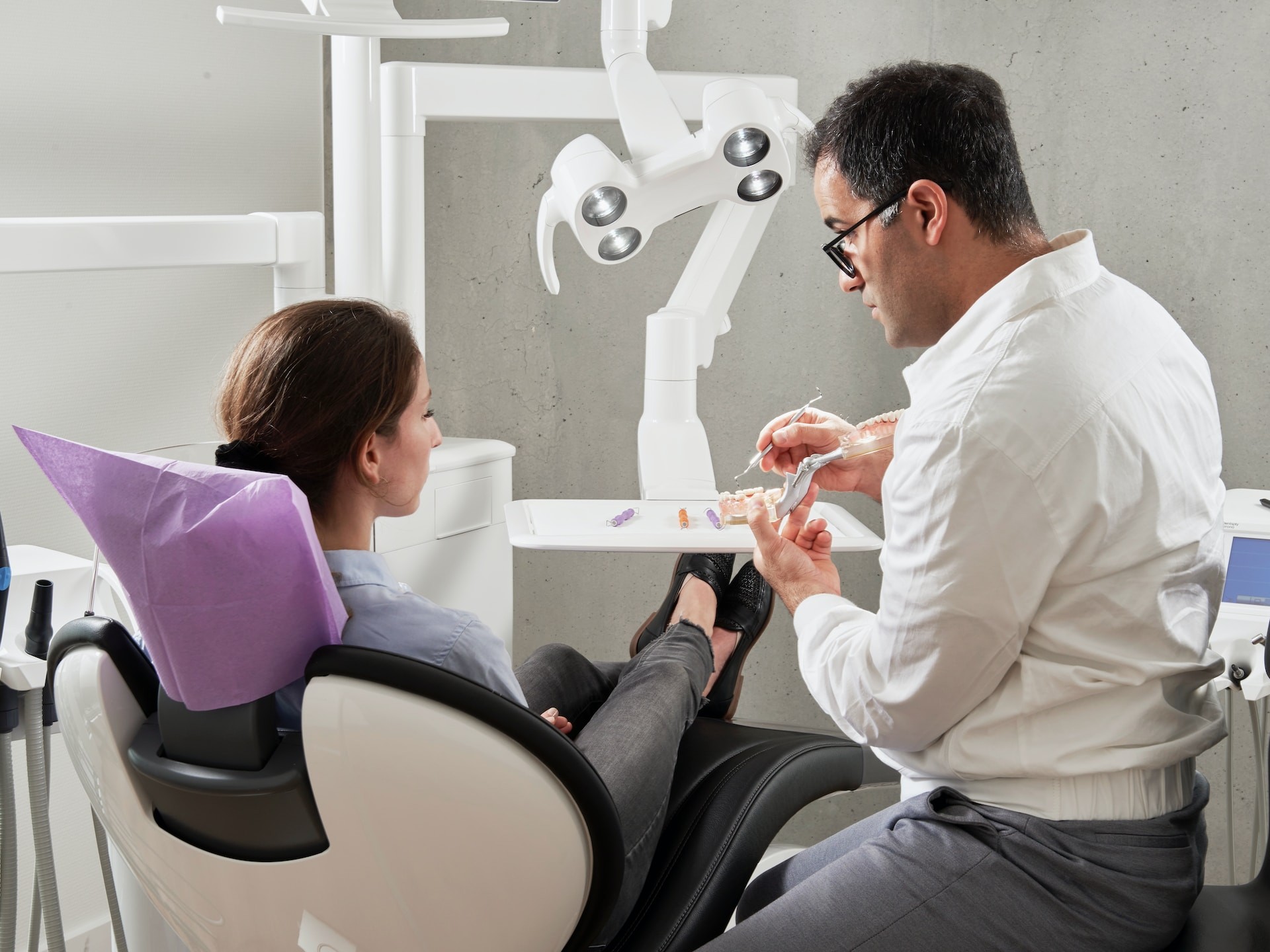
When considering reconstructive surgery, it’s natural to have questions and concerns. Sound Surgical Arts understands the importance of having the necessary information to make well-informed decisions about your dental health. In this comprehensive FAQ article, we will address the most common questions patients have regarding reconstructive surgery, focusing on the procedures offered at Sound Surgical Arts to ensure that you have all the details needed to ease your concerns and make confident choices about your dental care.
From understanding the different types of reconstructive surgeries to knowing what to expect during the treatment and recovery process, this article will serve as a valuable resource to guide you through your decision-making journey. Let our dental professionals at Sound Surgical Arts help you achieve the smile and oral health you deserve.
Understanding Reconstructive Surgery: Key Procedures
1. Dental Implants
Dental implants are a popular form of reconstructive surgery used to replace missing teeth. They involve the placement of a titanium post into the jawbone to act as an artificial tooth root, onto which a crown or bridge is then attached. Dental implants have become the gold standard for tooth replacement due to their durability, natural appearance, and preservation of jawbone structure.
2. Bone Grafting
Bone grafting is a surgical procedure that aims to regenerate bone tissue in areas where the jawbone has receded due to tooth loss, periodontal disease, or injuries. During the procedure, graft material sourced from the patient’s body, a donor, or synthetic material, is placed in the affected area. This promotes new bone growth, providing a stable foundation for dental implants and improving facial appearance.
3. Gum Grafting
Gum grafting, also known as gingival grafting, is a dental procedure used to repair receding gums and prevent tooth loss. Receding gums can expose the tooth root, causing sensitivity and increasing the risk of decay and tooth loss. During gum grafting, tissue is taken from the patient’s palate or a donor and placed over the exposed root, helping to protect the tooth and improve the appearance of the gums.
4. Full Mouth Reconstruction
Full mouth reconstruction, also known as full mouth rehabilitation, is a comprehensive treatment approach that addresses multiple dental issues in order to restore function, esthetics, and oral health. It can involve a combination of treatments such as dental implants, crowns, bridges, veneers, gum and bone grafting, and orthodontics to achieve desired results. The specific treatment plan is tailored to each patient’s individual needs and goals.
FAQs on Reconstructive Surgery
1. What are the common reasons for reconstructive surgery?
Reconstructive surgery is often necessary due to tooth loss caused by decay, gum disease, injuries, or congenital conditions. Other reasons include jawbone deterioration, receding gums, and complex dental conditions that require comprehensive treatment. The goal of reconstructive surgery is to restore both function and appearance to the patient’s mouth and face.
2. Am I a suitable candidate for reconstructive surgery?
Candidates for reconstructive surgery are individuals with dental or facial problems that affect their quality of life, whether it’s due to pain, difficulty speaking or eating, or esthetic concerns. A detailed dental examination, including medical history, dental history, and X-rays, is necessary to assess your specific needs and determine eligibility for reconstructive surgery. Your consultation with the dental professionals at Sound Surgical Arts will provide you with the information needed to make an informed decision.
3. How long does recovery take after reconstructive surgery?
Recovery time depends on the specific procedure and the individual patient. For example, dental implant surgery may require several months of healing before the final placement of the prosthetic tooth. Bone or gum grafting procedures may have a shorter healing period. Your dental professional at Sound Surgical Arts will provide you with a personalized timeline and recovery plan based on your specific case.
4. What should I expect in terms of pain and discomfort?
Thanks to advancements in dental techniques and anesthesia, patients typically experience minimal discomfort during their reconstructive surgery. Post-operative pain and swelling can be managed with medication and self-care measures recommended by your dental professional. Open communication with your surgeon enables addressing any concerns or adjustments to the treatment plan as necessary.
5. Will my insurance cover reconstructive surgery procedures?
Insurance coverage for reconstructive surgery varies depending on the policy, type of procedure, and the underlying cause of the dental issue. Comprehensive dental coverage may include at least partial coverage for some procedures, but it’s essential to consult with your insurance provider and discuss your needs with the Sound Surgical Arts team to understand and optimize your financial options.
6. How do I find the right dental professional for my reconstructive surgery?
Selecting the right dental professional is crucial in ensuring the success of your reconstructive surgery. It’s essential to choose a skilled and experienced surgeon with specialized training in the specific procedures you require. Sound Surgical Arts’ dental professionals are dedicated to providing exceptional patient care and utilizing cutting-edge dental technology to ensure optimal treatment outcomes.
7. How can I maintain results after reconstructive surgery?
Maintaining a consistent oral hygiene routine, including regular brushing, flossing, and dental checkups, is crucial in preserving the results of your reconstructive surgery. Additionally, avoiding harmful habits such as smoking, excessive alcohol consumption, and consuming a well-balanced diet can contribute to maintaining your new smile and overall oral health for years to come.
By understanding the scope of reconstructive surgery and addressing common questions and concerns, patients can make well-informed decisions and be confident in their treatment choices. Sound Surgical Arts is committed to providing personalized, expert care to guide you through your reconstructive surgery journey and achieve the dental health and esthetic results you desire.
Conclusion
Understanding the ins and outs of reconstructive surgery is the first step in your journey towards a healthier and more confident smile. At Sound Surgical Arts, our dedicated team of dental professionals is here to help you navigate the decision-making process, providing personalized guidance and expertise every step of the way. By addressing your concerns and answering your questions, we aim to ensure that you feel knowledgeable and confident in your treatment choices.
Take control of your dental health and explore your reconstructive surgery options. Schedule a consultation with the dental experts at Sound Surgical Arts and begin your journey toward a fully restored smile and improved quality of life. Reach out to us today – we’re here to support you in achieving your oral health goals. Contact us now to learn more about gum and bone grafting in Gig Harbor.