
Sound Surgical Arts
Bone Grafting for Dental Implants: Regain a Healthy Smile with Expert Care
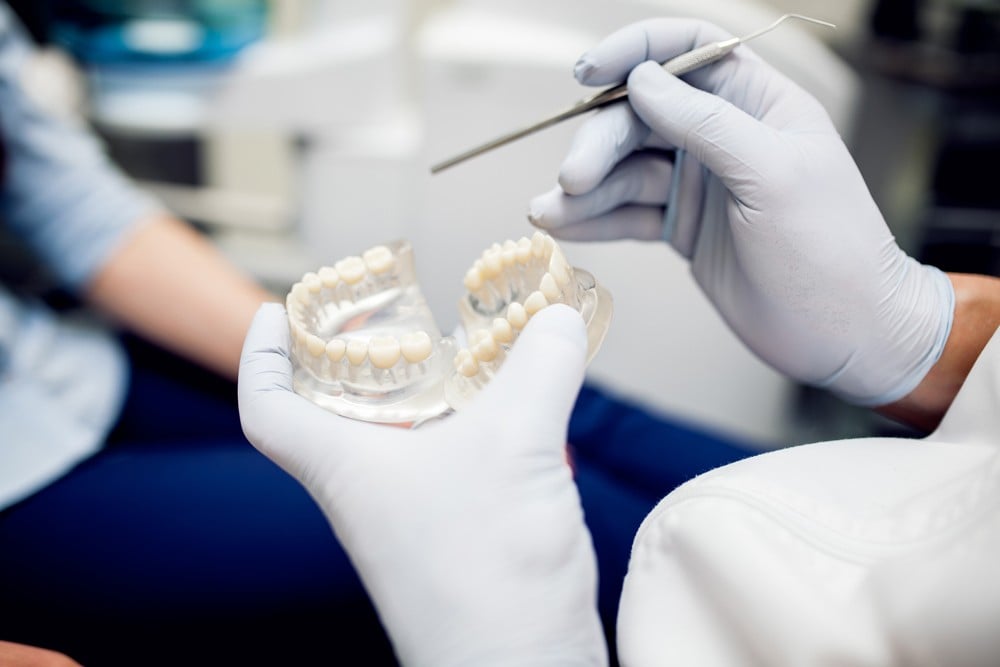
When restoring your smile with dental implants, having a healthy and stable jawbone is essential for the success and longevity of the procedure. In certain cases, patients may lack adequate bone density or height in the jaw due to periodontal disease, tooth loss, or trauma. Bone grafting is a highly effective solution to support dental implants and pave the way for a revitalized smile.
At Sound Surgical Arts in Tacoma, WA, our top-rated dentists have been offering an array of dental treatments, including dental implants, wisdom tooth extraction, bone and gum grafting, and reconstructive surgery since 2011. Our commitment to providing educational, informative, and unique content ensures that our patients are well-informed about the various dental procedures available to them.
In this insightful article, we will explore the vital role bone grafting plays in preparing your jawbone for dental implant success. As a surgical procedure, bone grafting involves transplanting or adding bone material to the jawbone to increase its volume and support the dental implant. Our team of experienced dental professionals will guide you through the different types of bone grafts, the procedure itself, and critical recovery steps.
With this information, you can confidently make informed decisions about your oral health and embrace the captivating possibilities of dental implant restoration. Let’s get started.
Types of Bone Grafts
Various bone grafts are available to address specific dental needs and preferences. Our dental professionals at Sound Surgical Arts in Tacoma, WA, will help you determine the most suitable option for your situation. The primary categories of bone grafts include:
- Autografts: Obtained from the patient’s body, autografts are considered the gold standard for bone grafting, as they carry no risk of rejection or disease transmission.
- Allografts: Sourced from a human donor, typically a cadaver, allografts undergo rigorous processing and sterilization to ensure safety and effectiveness.
- Xenografts: Derived from animal bone—usually bovine—xenografts are chemically treated to remove cellular material and retain only the mineral framework.
- Alloplasts: Synthetic bone graft materials, like hydroxyapatite or calcium phosphate, function as a scaffold for natural bone growth.
The Bone Grafting Procedure
At Sound Surgical Arts, our dental professionals ensure a comfortable and successful bone grafting experience. Though the procedure may vary depending on the type of graft chosen and the specific needs of the patient, the following general steps outline a typical bone grafting process:
- Consultation and Evaluation: Our dentists will conduct a thorough oral examination and may use dental X-rays or 3D imaging to assess your jawbone’s health and structure. We will discuss your expectations, goals, and any concerns you may have regarding the bone grafting procedure.
- Anesthesia and Preparation: Before the procedure, we administer anesthesia—local, conscious sedation, or general anesthesia—according to your comfort level and the case’s complexity. We will then prepare the area for the bone graft.
- Bone Graft Placement: Our dentist will carefully place the selected bone graft material in the area where bone augmentation is necessary. Sometimes, a barrier membrane might be applied to protect the graft and facilitate new bone growth.
- Closing the Surgical Site: After securing the bone graft, the dentist will suture the incision, ensuring proper closure and optimal healing conditions.
Recovery and Dental Implant Process
A successful bone grafting procedure is essential for the ultimate dental implant integration and stability. Recovery from bone grafting typically involves the following steps:
- Post-Operative Care: Our dental professionals will provide clear instructions for aftercare, which may involve medication management, proper oral hygiene, activity restrictions, and a soft food diet.
- Healing Period: A vital aspect of the bone grafting process is ensuring sufficient time for the graft to integrate with the native bone, ranging from a few months to a year. Regular follow-up appointments will allow our dentists to monitor your healing progress.
- Dental Implant Placement: Once the bone graft has successfully closed and integrated, we can proceed with the dental implant process at Sound Surgical Arts. Our dental professionals will carefully insert the titanium implant into the jawbone, and a healing period will be necessary for the implant to fuse with the surrounding bone.
- Abutment and Crown Placement: After the implant has successfully integrated with the bone, an abutment and a custom-made dental prosthetic (crown, bridge, or denture) are attached, marking the completion of the dental implant restoration process.
Conclusion
Bone grafting is a crucial dental procedure that can significantly improve your jawbone’s health and preparedness to accommodate dental implants. At Sound Surgical Arts in Tacoma, WA, our expert dental professionals are dedicated to ensuring our patients’ highest quality care and outcomes, guiding you through the dental bone grafting procedure and dental implant journey with unparalleled expertise and support.
Understanding the options, process, and recovery for bone grafting empowers you to make well-informed decisions for your oral health and embrace the life-changing potential of dental implants. Schedule a consultation with our dental professionals, and take the first step toward reclaiming your healthy, radiant smile.
Wisdom Tooth Extraction: Understanding the Procedure and Recovery at Sound Surgical Arts

The emergence of wisdom teeth marks a significant milestone in an individual’s dental development, but these final molars can sometimes cause problems. Wisdom teeth, also known as third molars, are the last teeth to erupt and can lead to painful complications, such as overcrowding, infections, or impaction if they do not have enough space to grow properly. At Sound Surgical Arts in Gig Harbor, WA, our dedicated team of experienced dental professionals takes pride in providing top-notch care and education to our patients regarding wisdom tooth extraction.
The decision to extract wisdom teeth is typically prompted by concerns about their position, limited space in the jaw, or potential complications. An impacted wisdom tooth, for example, can cause severe pain, gum inflammation, and even damage to neighboring teeth. Wisdom tooth extraction is a common dental procedure carefully tailored to the patient’s unique needs, ensuring a swift and relatively easy recovery process. Timely treatment of problematic wisdom teeth can prevent potential complications and contribute to maintaining overall oral health.
In this blog post, we will provide you with a comprehensive understanding of the wisdom tooth extraction process and its importance, outline the main factors that contribute to the need for extraction, and offer helpful recovery tips from our expert team at Sound Surgical Arts. Trust the professionals at our state-of-the-art practice in Gig Harbor, WA, to provide you with exceptional care for your wisdom teeth concerns, ensuring a smooth and comfortable treatment experience throughout every step of the process.
Understanding the Need for Wisdom Tooth Extraction
1. Impacted Wisdom Teeth
Impacted wisdom teeth are those that do not have sufficient space to erupt completely. They may remain trapped beneath the gum tissue or become partially exposed, causing various oral health issues such as swelling, tenderness, and possibly infections.
2. Crowding
The eruption of wisdom teeth can cause overcrowding in the dental arch, leading to misalignment of the surrounding teeth. This could require orthodontic treatment to correct the alignment issues and maintain proper oral function.
3. Decay and Gum Disease
Partially erupted or impacted wisdom teeth are difficult to clean, increasing the risk of tooth decay and gum disease. If proper oral hygiene cannot be maintained, removing the wisdom teeth may be necessary to prevent these issues from developing further.
4. Cysts and Tumors
In rare cases, impacted wisdom teeth can lead to the formation of cysts or tumors in the surrounding jawbone. If left untreated, these growths can cause significant damage to the surrounding bone and teeth, making extraction of the offending wisdom teeth essential.
The Wisdom Tooth Extraction Procedure
1. Consultation and Examination
The initial consultation involves a thorough examination and assessment by our dental professionals at Sound Surgical Arts. We will review your medical history, take X-rays of your teeth, and discuss the appropriate treatment plan for your individual case.
2. Anesthesia
Your comfort is our top priority, and we offer various anesthesia options, including local anesthesia, sedation dentistry, or general anesthesia, based on your preference, the complexity of the procedure, and your health status.
3. Tooth Extraction
Once the anesthesia has taken effect, our skilled oral surgeons will make an incision in the gum tissue to expose the wisdom tooth, carefully removing it, and suturing the area to promote optimal healing.
4. Recovery Guidance
After the procedure, you will receive detailed post-operative instructions on proper care, medication, and follow-up appointments to ensure a smooth and comfortable recovery process.
Wisdom Tooth Extraction Recovery Tips
1. Rest and Relaxation
It is essential to allocate sufficient recovery time by resting and avoiding strenuous activities for the first couple of days after the procedure. Elevate your head while resting to reduce swelling in the area.
2. Pain Management and Swelling
Mild to moderate discomfort is typical after wisdom tooth extraction. Our team will recommend pain-relief medications and the application of ice packs to reduce pain and swelling.
3. Oral Hygiene
Maintaining good oral hygiene is crucial for successful healing. Avoid vigorous rinsing, spitting, or using a straw, as this could dislodge the blood clot at the extraction site, leading to a painful condition known as dry socket. Gently brush your remaining teeth and use a warm saltwater rinse to keep the extraction site clean.
4. Diet Considerations
During the healing process, it is important to consume a soft food diet, such as soups, yogurt, and mashed potatoes, along with plenty of fluids. Gradually reintroduce solid foods as your comfort and healing allow.
5. Follow-up Appointments
Scheduled follow-up appointments are essential to ensure proper healing and address any concerns or complications that may arise during the recovery process.
Conclusion
Wisdom tooth extraction is a common and often necessary dental procedure for maintaining optimal oral health. At Sound Surgical Arts in Gig Harbor, WA, our specialized team of dental professionals is dedicated to providing exceptional care and support during every step of the extraction and recovery process.
By understanding the importance of wisdom tooth extraction, the procedure itself, and effective recovery strategies, you can confidently navigate your treatment journey and achieve optimal long-term oral health results. Trust our expert team at Sound Surgical Arts to prioritize your comfort and wellbeing throughout the entire experience, ensuring a seamless and successful wisdom tooth extraction process.
If you suspect you may need a wisdom tooth extraction or have concerns about your wisdom teeth, schedule a consultation with our team at Sound Surgical Arts in Gig Harbor, WA. We are here to guide and support you throughout your dental journey, providing comprehensive care that guarantees a radiant, healthy smile for years to come. Ask us more about wisdom teeth removal in Gig Harbor today!
Managing Gum Disease: Effective Solutions at Sound Surgical Arts in Gig Harbor, WA

Gum disease, also known as periodontal disease, is a common yet serious oral health concern that requires prompt attention and care. If left untreated, gum disease can lead to tooth loss, painful gum inflammation, and even systemic health problems. Maintaining healthy gums is a crucial component of oral health care, and the team at Sound Surgical Arts in Gig Harbor, WA, is committed to providing exceptional care in managing and treating gum disease to help patients maintain beautiful and healthy smiles.
Gum disease is often the result of bacterial overgrowth and inflammation in the gum tissue surrounding the teeth. The condition progresses in stages, beginning with gingivitis—mild inflammation of the gums that may cause redness, swelling, and bleeding during brushing or flossing. If not addressed, gingivitis can develop into periodontitis—where plaque hardens into tartar, causing the gums to pull away from the teeth, eventually leading to tooth damage, bone loss, and potential tooth loss.
At Sound Surgical Arts, our experienced dental professionals are dedicated to helping patients in Gig Harbor, WA, manage gum disease through a combination of in-office treatments and at-home oral care routines. In this informative blog post, we will discuss the range of solutions available for managing gum disease, as well as the importance of regular dental check-ups and proper oral hygiene in preventing and maintaining healthy gums.
Types of Gum Disease Treatment Options
1. Nonsurgical Treatment: Scaling and Root Planing
Scaling and root planing, also known as deep cleaning, is a nonsurgical treatment option for managing mild to moderate gum disease. During this procedure, our dental professionals will remove plaque and tartar buildup from above and below the gumline using specialized instruments. Root planing smooths out rough spots on the tooth root, allowing the gums to reattach to the tooth surface, reducing pocket depth, and minimizing gum inflammation.
2. Pocket Reduction Surgery
In cases of severe gum disease with deep pockets, pocket reduction surgery may be necessary to help remove plaque buildup and eliminate bacteria. Our dental professionals access the gum tissue by gently pulling it back, clean the root surfaces, and stabilize the gum tissue to reduce pocket depth and promote gum reattachment to the tooth surface.
3. Gum Grafting
When gum recession due to gum disease has exposed tooth roots, gum grafting can help protect the teeth from further damage, reduce sensitivity, and improve the aesthetic appearance of the smile. Our experienced surgeons at Sound Surgical Arts may utilize various techniques, such as connective tissue grafts or free gingival grafts, depending on the patient’s unique needs.
4. Bone Grafting
For patients with significant bone loss due to advanced gum disease, bone grafting may be required to restore the lost bone and provide a more stable foundation for the teeth. Bone grafting involves using the patient’s bone, donor bone, or synthetic bone material to restore the jawbone structure and support the teeth.
5. Regenerative Procedures
In some cases, regenerative procedures can be performed to stimulate the growth of new bone and gum tissue. This approach involves the use of membrane barriers, tissue-stimulating proteins, or bone grafts to encourage the body’s natural regeneration process.
Maintaining Healthy Gums at Home
Consistent and thorough oral hygiene practices play an important role in preventing and managing gum disease. To maintain healthy gums:
- Brush your teeth twice daily using a fluoride toothpaste and a soft-bristle toothbrush.
- Floss daily to remove food particles and plaque from between your teeth and under the gumline.
- Use a mouthwash containing antibacterial properties to help prevent plaque buildup and gum irritation.
- Eat a balanced diet, avoid sugary snacks, and limit acidic beverages that can contribute to gum inflammation and tooth decay.
- Schedule regular dental check-ups and cleanings with the team at Sound Surgical Arts in Gig Harbor, WA, to monitor your oral health and detect early signs of gum disease.
Conclusion
Managing gum disease is crucial to preserving your oral health, as this condition can have far-reaching effects on your overall health and well-being. At Sound Surgical Arts in Gig Harbor, WA, our team of expert dental professionals is committed to guiding you through the process of understanding, treating, and preventing gum disease to ensure that your smile remains healthy and beautiful.
By offering comprehensive treatment options tailored to fit your unique needs, our practice ensures that you receive the best possible care in a comfortable and supportive environment. We passionately believe that with proper care and attention, you can effectively manage your gum health and improve your quality of life.
If you suspect that you may have gum disease or would like to learn more about our treatment options, schedule a consultation with our team at Sound Surgical Arts in Gig Harbor, WA. Together, we can design a personalized treatment plan to address your concerns and help you maintain healthy gums and a radiant smile for years to come. Contact our periodontal specialists today!
Exploring Dental Implant Options at Sound Surgical Arts: A Comprehensive Guide
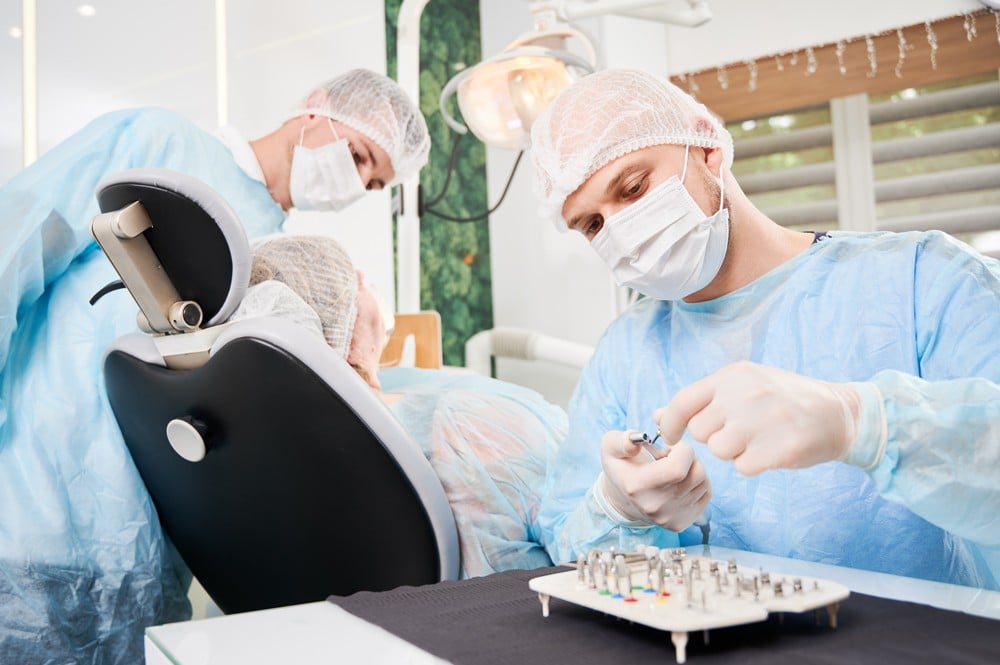
A missing tooth can significantly impact your overall quality of life, affecting your appearance and ability to speak and eat easily. Dental implants are one of the most reliable and long-lasting solutions to replace missing teeth. At Sound Surgical Arts in Tacoma, WA, our top dentists have been providing dental implants, wisdom tooth extraction, bone and gum grafting, reconstructive surgery, and more since 2011. As a leading dental practice, we pride ourselves on offering educational, informative, and unique content to help you make the best decisions for your oral health.
Dental implants are a popular choice for tooth replacement thanks to their durability, realistic appearance, and exceptional functionality. Implants are artificial tooth roots made of biocompatible materials, like titanium, which fuse securely with the jawbone to support a dental crown, bridge, or denture. With dental implants, you can regain the confidence to smile, chew, and speak without worrying about the stability of your replacement teeth.
In this comprehensive article, we will take you on a journey through the world of dental implants, focusing on the types of implants available, their benefits, and the entire implant process at Sound Surgical Arts. By understanding the various dental implant options, you can make an informed decision and feel confident in the expert care provided by our dental professionals. Let’s get started.
Types of Dental Implants
Dental implants come in various styles to accommodate individual needs, preferences, and anatomical considerations. Here are the three main types of dental implants:
- Endosteal Implants: The most common type, endosteal implants are placed directly into the jawbone. They are typically made of titanium and shaped like screws, cylinders, or plates. Once the implant has fused with the bone, a dental restoration, such as a crown, bridge, or denture, is attached.
- Subperiosteal Implants: Instead of being placed into the jawbone, subperiosteal implants rest on top of the bone, under the gum tissue. They comprise a metal framework with posts protruding through the gums to support dental restorations. This option is ideal for individuals with insufficient bone height who don’t want or can’t undergo a bone augmentation procedure.
- Zygomatic Implants: A less common treatment option, zygomatic implants are anchored in the zygomatic bone (cheekbone) rather than the jawbone. This approach is typically reserved for patients with severe bone loss in the upper jaw who aren’t candidates for traditional implants or bone augmentation.
Benefits of Dental Implants
- Dental implants boast several advantages over alternative tooth replacement solutions. Some of the key benefits include:Natural Look and Feel: Dental implants closely mimic the appearance and function of natural teeth, providing a seamless and realistic solution to tooth loss.
- Improved Oral Health: Implants stimulate the jawbone, promoting bone regeneration and preventing bone loss, which is common after tooth extraction.
- Long-Lasting Solution: Dental implants can last a lifetime with proper care, making them a durable and cost-effective tooth replacement solution.
- Enhanced Confidence: Dental implants allow patients to smile, talk, and eat without worry, fostering self-esteem and improved quality of life.
The Dental Implant Process at Sound Surgical Arts
At Sound Surgical Arts, our dental professionals guide patients through every step of the dental implant process, providing comprehensive and compassionate care. Here’s an overview of what you can expect during your dental implant journey at our clinic:
- Initial Consultation: During your first visit, our team will review your medical and dental history, perform an oral examination, and take necessary X-rays and 3D scans to evaluate your jawbone and determine your eligibility for dental implants.
- Treatment Planning: We will create a customized treatment plan addressing your unique needs and preferences based on the assessment. We will discuss your implant options, the recommended procedure, the timeline, and anticipated costs.
- Implant Placement: Following a detailed plan, our dental surgeon will administer local anesthesia before placing the dental implant into your jawbone. In some cases, bone grafting may be required beforehand, which adds time to the procedure.
- Osseointegration: Over several weeks to months, the implant will fuse with the jawbone in a process called osseointegration, providing a stable foundation for dental restoration.
- Abutment and Restoration Attachment: After osseointegration, an abutment (connector) is placed on top of the implant, serving as a support for the dental restoration, such as a crown, bridge, or denture.
- Follow-Up Appointments: Routine check-ups will be scheduled to monitor the healing process, ensure proper implant function and maintain your overall oral health.
Caring for Your Dental Implants
To prolong the life and success of your dental implants, follow these care tips:
- Maintain Good Oral Hygiene: Brush twice a day, floss daily, and use an antimicrobial mouthwash to keep your mouth clean and healthy.
- Regular Dental Checkups: Visit Sound Surgical Arts every six months for professional cleanings and examinations to ensure the long-term success of your dental implants.
- Avoid Harmful Habits: Limit hard and sticky foods, abstain from smoking, and don’t use your teeth as tools to prevent damage to the implant and surrounding structures.
Conclusion
Dental implants in Tacoma are a reliable, long-lasting, and attractive solution to tooth loss that significantly improves oral health, function, and self-confidence. Sound Surgical Arts in Tacoma, WA, provides exceptional care and support throughout the dental implant process, ensuring you receive the best treatment possible. Our dental professionals can answer any questions and discuss your tooth replacement options. Schedule a consultation with us today to begin your journey toward a complete, radiant smile.
Wisdom Tooth Extraction: A Comprehensive Guide from Sound Surgical Arts
Wisdom teeth, or third molars, are the last adult teeth to appear in the mouth and are commonly known to cause dental complications if not properly managed. Due to the limited space available for these teeth to fully emerge, wisdom teeth can lead to a myriad of dental issues, including impaction, infection, and crowding. At Sound Surgical Arts, our top dentists in Gig Harbor, WA, offer proficient wisdom tooth extraction to address these common issues, helping patients maintain optimal dental health and avoid potential complications.
Wisdom tooth extraction is a common oral surgical procedure performed to remove one or more of the third molars in the upper and lower jaws. The reasons for extraction may vary, but generally include improper eruption, impaction, decay, and gum disease. Sound Surgical Arts specializes in providing a comfortable and personalized wisdom tooth extraction experience, utilizing state-of-the-art technology and a skilled dental team to ensure the highest standard of care.
This informative blog article will provide an in-depth look at wisdom tooth extraction, including why it may be necessary, the extraction process, potential risks, and tips for a smooth recovery. Our team of dental experts at Sound Surgical Arts in Gig Harbor, WA, is dedicated to educating and guiding patients through every stage of their dental journey, helping them make informed decisions regarding their oral health.
Reasons for Wisdom Tooth Extraction
1. Impacted Wisdom Teeth
Impacted wisdom teeth occur when there is insufficient space for the teeth to properly erupt, causing them to become trapped below the gum line or within the jawbone. This can lead to infection, swelling, and pain, as well as damage to the adjacent teeth and bone.
2. Crowding and Misalignment
Wisdom teeth can cause crowding and misalignment in the mouth due to the pressure they exert on the neighboring teeth as they attempt to erupt. This can compromise the effectiveness of prior orthodontic treatment and necessitate further corrective measures.
3. Decay and Gum Disease
Wisdom teeth are notoriously difficult to clean due to their position at the back of the mouth. As a result, they are more susceptible to decay and gum disease, which can further exacerbate dental issues and compromise overall oral health.
The Wisdom Tooth Extraction Process
1. Evaluation and Consultation
Before undergoing wisdom tooth extraction, patients will have a thorough evaluation and consultation with their dental professional at Sound Surgical Arts in Gig Harbor, WA. This appointment will include X-rays and a detailed examination to determine the best course of action for the patient’s unique dental needs.
2. Anesthesia and Extraction
The type of anesthesia used for wisdom tooth extraction may vary depending on patient preferences and the complexity of the procedure. Patients may opt for local anesthesia, intravenous sedation, or general anesthesia. The dental professional will then make an incision in the gum tissue, creating access to the impacted wisdom tooth. The tooth may be divided into smaller pieces to facilitate a smoother extraction process. Finally, the tooth is removed, and the extraction site is cleaned and sutured to promote healing.
3. Recovery and Aftercare
Following the wisdom tooth extraction, patients will receive detailed post-operative instructions to ensure a smooth recovery process. This may include managing pain and swelling with prescribed medication or over-the-counter pain relievers, applying ice packs to the affected area, and maintaining a soft food diet until the extraction site has sufficiently healed. Patients should also avoid smoking, drinking through a straw, and vigorous rinsing, as these actions can dislodge the blood clot that forms during the healing process, leading to a painful condition known as a dry socket.
Potential Risks and Complications
While wisdom tooth extraction is a common procedure with a high success rate, it is essential to be aware of and discuss any potential risks and complications with your dental professional. These may include:
- Infection: Proper aftercare and oral hygiene practices can minimize the risk of infection following wisdom tooth extraction.
- Dry Socket: As mentioned earlier, this painful condition occurs when the blood clot at the extraction site is dislodged or does not form properly. Appropriate aftercare can prevent this complication.
- Nerve Damage: There is a slight risk of damage to the nerves surrounding the wisdom teeth during extraction, leading to temporary or permanent numbness in the affected area. However, this risk is minimized by the expertise and skill of your dental professional.
Conclusion
Wisdom tooth extraction is a common and necessary procedure for many patients experiencing dental complications due to the eruption of their third molars. At Sound Surgical Arts in Gig Harbor, WA, our expert dental team is committed to providing personalized and compassionate care for every patient undergoing wisdom tooth extraction. Trust our professionals to guide you through each stage of the process and ensure the best possible outcome for your oral health.
If you are experiencing wisdom tooth-related pain or concerns, don’t hesitate to contact the dedicated team at Sound Surgical Arts to schedule a consultation with our dentist in Gig Harbor. We will work with you to determine the best course of action for your unique dental needs and provide the exceptional care and support you deserve on your path to optimal dental health and wellness. Get in touch today!
Dental Implants: A Comprehensive Guide to Restoring Your Smile at Sound Surgical Arts
Tooth loss, whether due to decay, gum disease, or injury, can have a significant impact on a person’s self-esteem, oral health, and overall quality of life. Dental implants have emerged as the gold standard for tooth replacement, providing a long-lasting and reliable solution that closely mimics the function, feel, and appearance of natural teeth. At Sound Surgical Arts in Gig Harbor, WA, our experienced team of dental professionals is committed to helping patients restore their smiles, confidence, and dental health with the aid of state-of-the-art dental implant technology.
Dental implants are designed to integrate seamlessly with the jawbone, providing outstanding stability and support for a dental crown, bridge, or denture. This precise integration process promotes healthy bone growth, prevents further bone loss, and helps maintain the integrity of the facial structure. Because of their durability and natural appearance, dental implants not only offer aesthetic benefits but also provide patients with the ability to speak, chew, and smile with ease.
In this informative blog post, we will provide a comprehensive guide to dental implants, exploring their numerous benefits, the step-by-step process for receiving a dental implant, and the long-term advantages of choosing implants as a tooth replacement option. Our team at Sound Surgical Arts in Gig Harbor, WA, endeavors to provide you with the knowledge and understanding necessary to make an informed decision about your dental health. Trust our experts to guide you through the journey of restoring your smile with dental implants, ensuring your experience is tailored to your unique needs and goals.
Understanding Dental Implants
1. What are Dental Implants?
Dental implants are small titanium posts that are surgically placed into the jawbone where a tooth is missing. These implants act as artificial tooth roots and provide a stable foundation for a dental crown, bridge, or denture. Over time, the implant fuses with the jawbone, offering exceptional support and functioning much like a natural tooth.
2. Components of Dental Implants
A dental implant is comprised of three main components:
- Implant: The titanium post that is inserted into the jawbone to replace the tooth root.
- Abutment: A small connector attached to the implant, which supports the dental prosthesis.
- Dental Prosthesis: The artificial tooth, such as a crown, bridge, or denture, which is custom-made to mimic the appearance and function of a natural tooth.
Benefits of Dental Implants
1. Improved Appearance and Confidence
Dental implants offer a natural-looking solution for tooth loss, as they are designed to blend seamlessly with the surrounding teeth. The custom-made dental prosthesis ensures that the overall shape, color, and size of the implant match the patient’s existing teeth, resulting in an aesthetically pleasing and functional restoration.
2. Enhanced Oral Health
Unlike other tooth replacement options, dental implants do not require the reduction or alteration of neighboring teeth, allowing for the preservation of the natural tooth structure. As dental implants fuse with the jawbone, they also contribute to the prevention of further bone loss and promote healthy bone growth.
3. Long-Lasting Durability
With proper care and maintenance, dental implants can last for decades, making them a cost-effective and long-term solution for tooth replacement. The exceptionally strong and biocompatible materials used in dental implants ensure the success and longevity of the implant in the patient’s mouth.
4. Restored Functionality
Dental implants not only offer aesthetic benefits but also restore the function of the missing tooth. With implants, patients can speak, chew, and smile with ease, leading to a noticeable improvement in their overall quality of life.
The Dental Implant Process
1. Initial Consultation and Evaluation
The dental implant process begins with an initial consultation at Sound Surgical Arts in Gig Harbor, WA. During this evaluation, our dental professionals will assess the patient’s dental health, review their medical history, and determine the suitability of dental implants as a treatment option. Diagnostic imaging, such as X-rays and 3D scans, will assist in determining the optimal placement for the dental implant.
2. Implant Placement
Once the treatment plan is developed, the dental professional will surgically place the titanium implant into the patient’s jawbone. Depending on the patient’s individual needs and preferences, sedation or local anesthesia may be used during the surgery to ensure a comfortable experience.
3. Osseointegration and Healing
The healing process typically takes a few months, during which the implant will fuse with the jawbone through a process called osseointegration. Temporary tooth replacements may be provided to the patient during this period to support their oral function and appearance.
4. Placement of Abutment and Prosthesis
Once the implant has successfully integrated with the jawbone, the abutment is attached to the implant. Finally, the dental prosthesis, such as a crown, bridge, or denture, is custom-made and securely fixed to the abutment to complete the restoration.
Conclusion
Dental implants are an effective and reliable solution for tooth loss, offering numerous benefits in terms of appearance, oral health, and functionality. At Sound Surgical Arts in Gig Harbor, WA, our team of dedicated dental professionals is committed to guiding patients through every step of the dental implant journey, ensuring a comprehensive and personalized approach to restoring their smiles.
If you are considering dental implants as a tooth replacement option, contact our experts at Sound Surgical Arts in Gig Harbor, WA, to schedule a consultation. Trust in the expertise and experience of our team to deliver exceptional care, tailored treatment, and high-quality dental implant solutions that will enable you to reclaim your confidence and embrace a healthier, happier smile. Contact us to learn more about dental implants in Gig Harbor!
Comprehensive Guide to Gum Grafting: Enhance Your Smile and Restore Oral Health
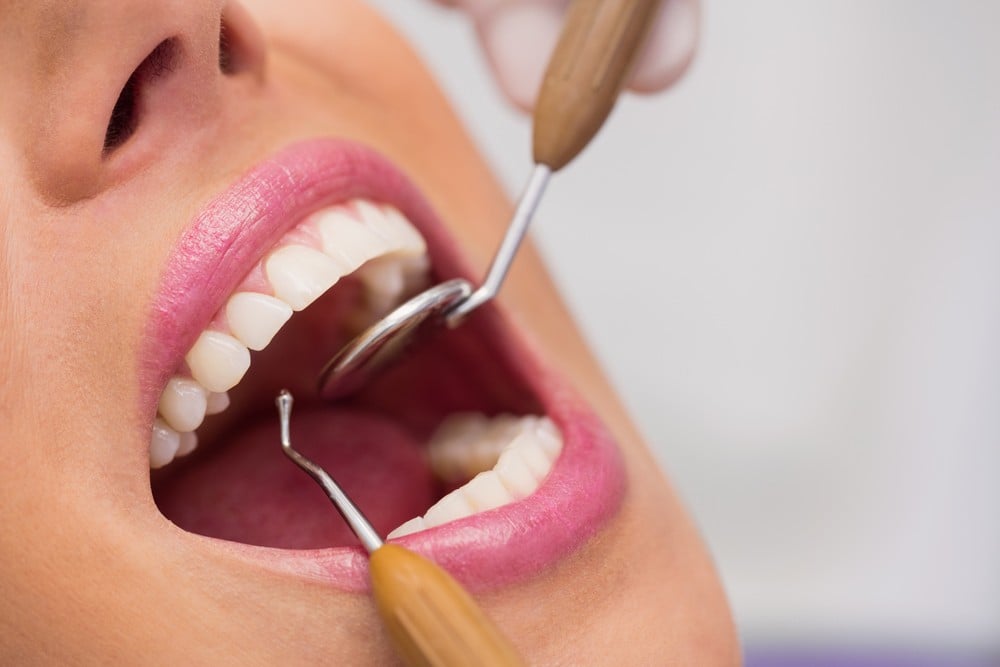
Receding gums, a condition in which the gum tissue around your teeth pulls back or wears away, can lead to severe oral health concerns if left untreated. Recession exposes tooth roots, which are more sensitive and susceptible to decay, and in extreme cases, may even result in tooth loss. Gum grafting, a proven dental solution to receding gums, offers many benefits, including enhanced oral health, confidence, and cosmetic appeal.
At Sound Surgical Arts in Tacoma, WA, we’ve been providing high-quality dental services—including dental implants, wisdom tooth extraction, bone and gum grafting, and reconstructive surgery—since 2011. With our team of experienced dental professionals, we are passionate about delivering relevant, educational, informative, and unique content to help patients understand the range of dental treatments available to them.
In this comprehensive guide, we will explore the transformative potential of gum grafting for effectively combating gum recession and renewing the vitality of your smile. Through an in-depth discussion of the gum grafting procedure, we will unveil the various types of grafts, the surgical process, and recovery essentials.
We will also highlight the long-term benefits of gum grafting, portraying the powerful impact that this procedure can have on your oral health and self-confidence. With expert care and guidance from the dental professionals at Sound Surgical Arts, you can trust us to provide personalized solutions tailored to your needs, delivering incredible results and optimal oral health through gum grafting. Let’s get started.
Types of Gum Grafts
Gum grafting can effectively restore gum tissue and protect your teeth when addressing receded gum lines. Various types of grafts are available to cater to each patient’s specific needs and preferences. At Sound Surgical Arts in Tacoma, WA, our experienced dental professionals will guide you in selecting the most suitable option. The primary categories of gum grafts include:
- Connective Tissue Grafts: This is the most common type of gum graft and involves removing a flap of tissue from the roof of your mouth, called the palate. The connective tissue under the flap is then attached to the receded gum area, providing extra gum tissue.
- Free Gingival Grafts: Instead of removing a flap of tissue from the roof of your mouth, these grafts utilize a small strip of tissue from the palate. This option is often recommended for patients with thin gums or requiring increased gum tissue thickness.
- Pedicle Grafts: This technique involves using existing gum tissue adjacent to the tooth needing repair. Pedicle grafts are only suitable for patients with plenty of gum tissue surrounding the affected area.
The Gum Grafting Process
Our team of dental professionals at Sound Surgical Arts ensures a comfortable and successful gum grafting experience. We provide a step-by-step guide to help you understand what to expect during the procedure.
- Consultation and Evaluation: The process begins with an oral examination and may involve X-rays or additional imaging to assess your gum health. We will discuss your goals and concerns relating to gum grafting during this initial consultation.
- Anesthesia and Preparation: Before the procedure, we administer anesthesia to ensure comfort. This can involve local or conscious sedation, depending on your preferences and the complexity of your specific case.
- Graft Placement: Our dentist will expertly perform the recommended gum graft procedure, securing the graft tissue in the receded gum area.
- Closing the Surgical Site: After placing the graft, the dentist will carefully suture the surgical site, ensuring proper closure and optimal conditions for healing.
Recovery and Post-operative Care
Following gum graft surgery, we must follow our dental professionals’ guidelines for proper recovery and post-operative care. We recommend:
- Pain Management: Take any prescribed medications to manage discomfort and minimize swelling. Over-the-counter pain relievers and cold compresses can also help.
- Food Choices: Stick to a soft food diet, avoiding hot, crunchy, or spicy items that could irritate the surgical site.
- Oral Hygiene: Maintain proper oral hygiene, but be gentle when brushing near the affected area. A saline rinse can provide additional support in promoting healing and keeping the surgical site clean.
- Follow-up Appointments: Attend scheduled appointments so our dental professionals can monitor your progress and ensure a successful recovery.
Long-Term Benefits of Gum Grafting
The gum grafting procedure offers substantial benefits to your oral health and aesthetic appearance, including:
- Tooth Sensitivity Reduction: Gum grafts decrease tooth sensitivity by covering exposed tooth roots, allowing you to enjoy hot and cold foods comfortably.
- Enhanced Smile: Restoring receded gum lines can significantly improve your smile’s overall appearance, increasing confidence and self-esteem.
- Gum Health: Gum grafting can help halt gum recession, reduce the risk of tooth loss, and protect your teeth from further gum tissue deterioration.
- Tooth Protection: By covering exposed tooth roots, gum grafts protect your teeth from decay, damage, and potential tooth loss.
Conclusion
Gum grafting is an exceptional dental treatment option for those suffering from receding gums, offering a wide range of benefits, from improved oral health and tooth protection to cosmetic enhancement. At Sound Surgical Arts in Tacoma, WA, our expert dental professionals are dedicated to providing personalized care, ensuring patients experience the full potential of gum grafting treatment.
Trust our experienced team at Sound Surgical Arts to guide you along your journey toward optimal oral health through the power of gum grafting in Tacoma. Schedule a consultation today and take the first step towards rejuvenating your smile.
Advancements in Reconstructive Surgery: Restoring Your Smile with Cutting-Edge Techniques

Oral and maxillofacial reconstructive surgery is a specialized field of dentistry focused on repairing and restoring the complex structures of the face, jaw, and mouth. Whether you have experienced significant trauma, facial deformities, jaw misalignment, or tooth loss, reconstructive surgery can dramatically improve your appearance, functionality, and overall quality of life.
At Sound Surgical Arts in Tacoma, WA, our skilled and experienced dentists have been providing top-of-the-line dental services, including dental implants, wisdom tooth extraction, bone and gum grafting, and reconstructive surgery since 2011. In line with our commitment to patient education, our team takes pride in sharing informative, helpful, and unique content to ensure you thoroughly understand the procedures available to address your dental needs.
In this comprehensive article, we will delve into the revolutionary advancements in reconstructive surgery and how they can restore your smile and confidence. Our dental experts will walk you through the various cutting-edge techniques, technologies, and materials used in modern reconstructive surgery, outlining these advancements’ exceptional benefits. With this knowledge, you will gain a deep appreciation for the transformative potential of reconstructive surgery and feel confident in choosing the right treatment plan to suit your unique dental requirements. Let’s get started.
Innovative Surgical Techniques in Reconstructive Surgery
As dentistry evolves, so too does the field of reconstructive surgery. Innovative techniques are constantly emerging to make procedures less invasive, more accurate, and provide better functional and cosmetic outcomes. Some of these groundbreaking techniques include:
- Computer-Guided Surgery: Using advanced software to plan and execute complex reconstructive surgeries with greater precision than ever before, computer-guided surgery allows our dental professionals to visualize and manipulate digital models before performing the procedure. This technology enhances accuracy, quicker recovery times, and better overall results.
- Distraction Osteogenesis: A technique that enables the gradual expansion of the jawbone by using specialized devices that encourage the growth of new bone tissue. Distraction osteogenesis can correct jaw deformities, reduce the need for grafts, and enhance dental implant outcomes.
- Microsurgical Techniques: By using high-powered magnification and advanced tools, our dental professionals can perform delicate, intricate procedures that were previously unattainable. Microsurgical techniques reduce trauma, minimize scarring, and quicker healing times.
- Maxillofacial Prosthetics: Advanced prosthetic solutions are available for patients who require facial and dental restorations due to injury, disease, or congenital conditions. Custom-made prostheses, such as artificial eyes, ears, and noses, can be created to achieve functional and aesthetic success.
State-of-the-Art Technologies in Reconstructive Surgery
Alongside new surgical techniques, the development of cutting-edge technologies has transformed the field of reconstructive surgery. These advancements provide more effective treatments tailored to individual needs, ensuring optimal results. Innovations to look out for include:
- 3D Printing: With the ability to create customized and intricate dental components, such as implant guides, bone grafts, and surgical stents, 3D printing revolutionizes reconstructive surgery by providing personalized solutions, improved accuracy, and shortened surgery times.
- Digital Imaging: High-quality 3D imaging technologies, such as cone-beam computed tomography (CBCT), provide detailed and accurate images of the oral and maxillofacial structures. This facilitates precise diagnoses, effective treatment planning, and better surgical outcomes.
- Laser Dentistry: The use of lasers in reconstructive surgery offers many advantages, including the minimization of bleeding, reduced postoperative pain and swelling, and enhanced precision in surgical procedures.
- Virtual Surgical Planning (VSP): By merging patient data with sophisticated software, VSP allows our dental professionals to simulate and modify reconstructive surgeries in a virtual space. This ensures optimal treatment outcomes and reduces overall procedure times.
Latest Dental Material Advancements
In addition to advanced techniques and technologies, introducing high-quality dental materials plays a significant role in the success of reconstructive surgery. Such materials include:
- Advanced Dental Implants: Dental implants have undergone significant improvements to enhance their stability, strength, and performance. Some examples are using zirconia implants (a metal-free alternative to titanium) and innovative implant coatings promoting osseointegration.
- Resorbable Sutures: These sutures dissolve independently, eliminating the need for postoperative suture removal. Resorbable sutures simplify and streamline the healing process, providing added patient convenience.
- Biocompatible Bone Graft Materials: Patients benefit from improved biocompatibility and increased safety with the ever-evolving landscape of bone graft materials. Examples include allografts (donor bone) and synthetic materials promoting natural bone regeneration.
Ensuring a Successful Reconstructive Surgery
To achieve the best results from your reconstructive surgery, it is vital to:
- Choose a Skilled Surgeon: Trust a highly-skilled, experienced dental professional with a proven track record in reconstructive surgery. At Sound Surgical Arts in Tacoma, WA, our team of experts is well-versed in the latest advancements and techniques.
- Foster Strong Communication: Work closely with your dental professional to express your concerns and expectations, ensuring a personalized treatment plan to achieve your desired outcome.
- Follow Postoperative Instructions: Adhere to the postoperative care guidelines provided by your dental professional to enhance your healing process and optimize surgical results.
Conclusion
The ever-evolving field of reconstructive surgery has seen numerous advancements in techniques, technologies, and materials, offering patients unparalleled options for restoring their smile and overall facial appearance. Sound Surgical Arts in Tacoma, WA, is proud to embrace these innovations and provide exceptional patient care. By understanding the transformative potential of reconstructive surgery, you can confidently embark on your journey toward a restored and rejuvenated smile.
Allow the dedicated Tacoma dentists at Sound Surgical Arts to guide you through the captivating world of reconstructive surgery and witness the remarkable benefits that cutting-edge treatments can bring to your smile and your life.
A Guide to Gum Grafting Procedure and Benefits at Sound Surgical Arts in Gig Harbor, WA
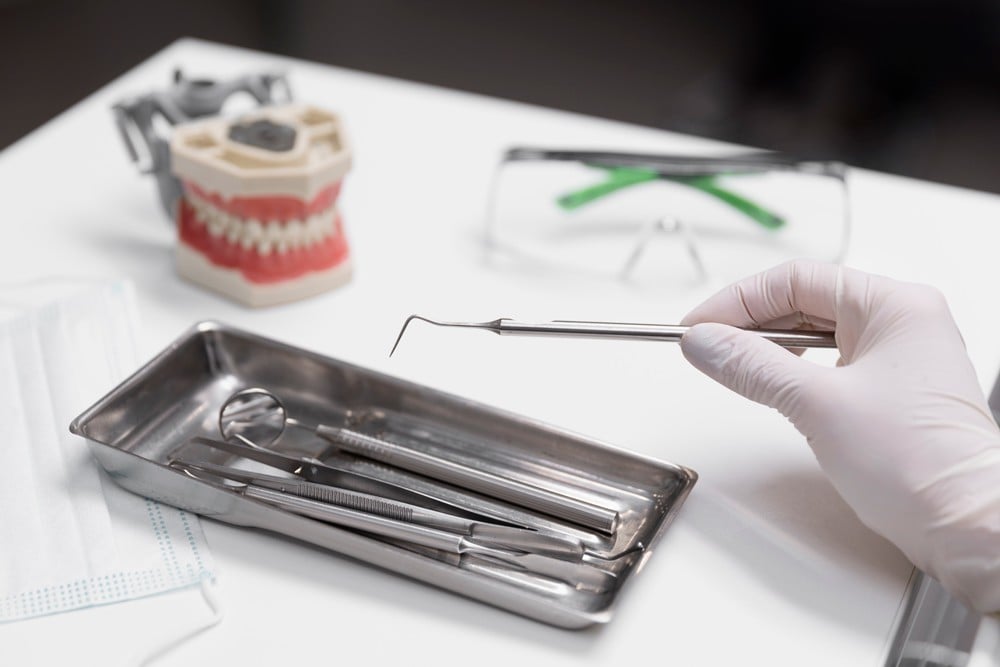
Gum recession is a prevalent dental issue that many people face due to factors such as periodontal disease, aggressive tooth brushing, or the natural aging process. Left untreated, gum recession can lead to tooth sensitivity, an increased risk of decay and infection, and even tooth loss. Gum grafting, also known as gingival grafting, is a surgical procedure aimed at addressing gum recession and safeguarding the long-term health of your teeth and supporting structures. At Sound Surgical Arts in Gig Harbor, WA, our team of skilled dental professionals is dedicated to offering gum grafting treatments that prioritize patient comfort, satisfaction, and overall oral health improvement.
Gum grafting primarily focuses on adding healthy tissue to areas where gums have receded, with the goal of covering exposed tooth roots and restoring a more natural, healthier gum line. This procedure not only improves the appearance of a patient’s smile but also provides essential protection against potential oral health complications.
In this informative article, we will delve into the gum grafting procedure, its various types, and the lasting benefits that patients can expect. Furthermore, we will explore the compassionate care and expertise offered by our experienced team at Sound Surgical Arts in Gig Harbor, WA, ensuring that patients have the information and support necessary to make confident decisions about their oral health and achieve a beautiful, healthy smile.
Types of Gum Grafting
1. Connective Tissue Grafts
The most common form of gum grafting, connective tissue grafts involve harvesting a small piece of tissue from the palate (roof of the mouth) and placing it on the area of recession. The graft is then stitched into place, covering the exposed root and promoting the regrowth and reattachment of healthy gum tissue.
2. Free Gingival Grafts
Free gingival grafts also utilize tissue from the palate, but the tissue is sourced directly from the outermost layer rather than the connective layer beneath. This type of graft is often recommended for patients with thin gums, as the technique can help increase the thickness and durability of the gum tissue around the affected tooth.
3. Pedicle Grafts
In pedicle grafts, a flap of gum tissue is partially cut away from a neighboring tooth while still remaining attached on one side. The flap, or pedicle, is then gently stretched over the exposed root and sutured into place. This technique is typically reserved for patients with adequate gum tissue near the recession site.
The Gum Grafting Procedure
1. Initial Consultation and Examination
A thorough dental examination, including X-rays and possibly a 3D Cone Beam scan, will be conducted to assess the extent of gum recession and develop an individualized treatment plan. Our dental professionals at Sound Surgical Arts in Gig Harbor will discuss the most suitable type of gum graft for your specific condition and ensure that all of your questions and concerns are addressed.
2. Anesthesia and Preparation
Gum grafting is performed under local anesthesia to ensure patient comfort throughout the procedure. Additional sedation options, such as nitrous oxide (laughing gas) or oral sedatives, may also be available for patients with heightened anxiety or to further enhance relaxation.
3. The Grafting Procedure
Once the patient is comfortably numb, our skilled dental professionals will carefully harvest the donor tissue (if necessary) and place it on the target area. The graft will then be secured with sutures, and any incisions in the donor site will also be closed with sutures.
4. Postoperative Care and Recovery
After the procedure, specific instructions will be provided regarding oral hygiene, medication management, and activity restrictions to promote proper healing. Patients should expect a healing period of a few weeks to a few months, depending on the type of gum graft and individual healing response.
Benefits of Gum Grafting
1. Reducing Tooth Sensitivity
Exposed tooth roots can lead to heightened sensitivity to hot, cold, or sweet stimuli. By covering the roots with a gum graft, tooth sensitivity can be significantly reduced or eliminated, enhancing overall comfort.
2. Improved Oral Health
Gum grafts help protect the tooth roots from decay and infection while also promoting the regrowth of healthy gum tissue. This overall improvement in gum health can help prevent future recession and support better long-term oral health.
3. Enhanced Aesthetic Appearance
Receding gums can cause teeth to appear longer or misaligned, impacting the aesthetic appeal of one’s smile. By restoring a more natural and even gum line, gum grafting can significantly enhance a patient’s appearance and self-confidence.
Conclusion
Gum grafting is a versatile and effective treatment option for addressing gum recession and promoting overall oral health. With the expert care and compassionate support offered by our team at Sound Surgical Arts in Gig Harbor, WA, patients can expect a comfortable and successful gum grafting experience.
If you are experiencing gum recession or have concerns about your periodontal health, we encourage you to contact our dedicated team at Sound Surgical Arts in Gig Harbor, WA. Our dental professionals are committed to providing exceptional patient care, helping you achieve the beautiful, healthy smile you deserve. Contact our periodontal clinic to schedule your appointment!
Bone Grafting for Dental Implants: Restore Your Smile at Sound Surgical Arts
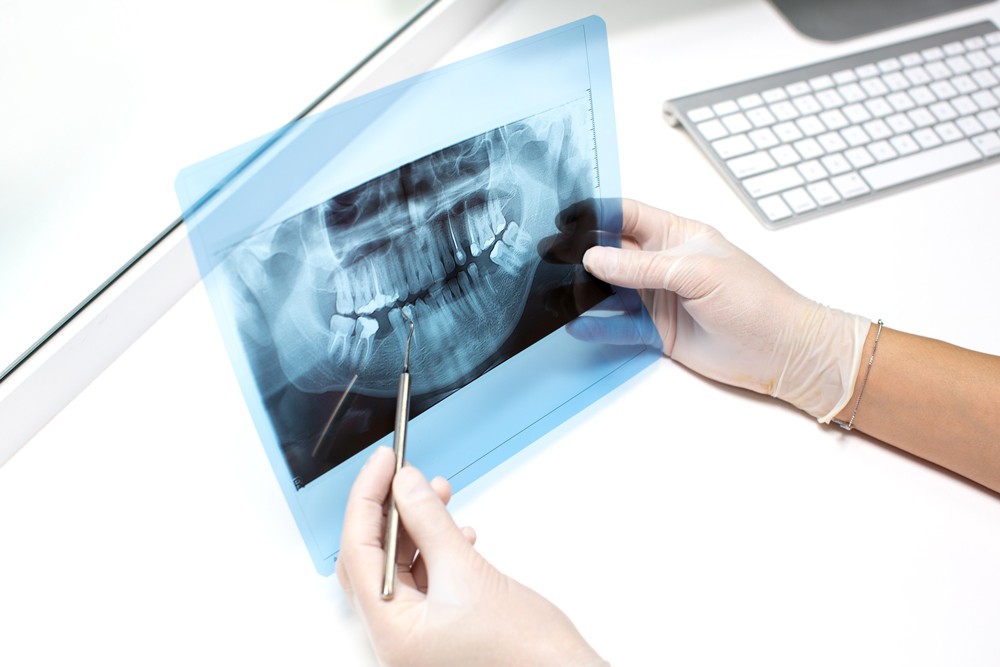
Dental implants have become a popular and effective solution for replacing missing teeth, providing the necessary stability and aesthetics to maintain a confident and healthy smile. However, in some cases, insufficient bone structure in the jaw may prevent a successful implant placement. This is where the bone grafting procedure steps in as an essential component in the dental implant process. At Sound Surgical Arts in Gig Harbor, WA, our expert dental professionals are well-versed in providing bone grafting services to help patients restore their oral health and build a firm foundation for long-lasting dental implants.
Bone grafting is a surgical procedure that effectively restores and augments jawbone density, creating the necessary support for dental implants. By utilizing natural or synthetic bone graft materials, our dental professionals can encourage the growth of new bone in the treated area, achieving optimal results for implant placement and promoting overall oral health.
In this insightful article, we will explore the various types of bone grafting techniques, the step-by-step procedure, and what to expect during the recovery process. Furthermore, we will discuss the exceptional care and expertise offered by the team at Sound Surgical Arts in Gig Harbor, WA, ensuring that patients have the support they need throughout their bone grafting and dental implant journey.
Types of Bone Grafting Techniques
1. Autogenous Grafts
Autogenous grafts involve harvesting bone from a patient’s own body, ensuring a natural and biologically compatible graft material. This type of graft typically provides superior outcomes due to the presence of living cells and proteins that promote bone growth. Common donor sites include the chin, back part of the lower jaw, or hip bones.
2. Allografts
Allografts utilize bone from a human donor, usually sourced from a bone bank. The bone material undergoes a rigorous screening and sterilization process to ensure safety and compatibility. This kind of graft eliminates the need for a second surgical site and may be preferred by some patients for this reason.
3. Xenografts
Xenografts are derived from animal bone tissue, most commonly bovine (cow) sources. These graft materials undergo extensive processing to remove all organic components, leaving only the mineral structure behind. This provides a stable, biocompatible scaffold for promoting new bone formation.
4. Alloplastic Grafts
Alloplastic grafts are synthetic materials made from biocompatible substances that mimic the natural properties of bone. These materials, such as hydroxyapatite and bioactive glass, can provide a safe and predictable option for patients who may not be suitable candidates for other grafting techniques.
The Bone Grafting Procedure
1. Initial Consultation and Planning
Our dental professionals at Sound Surgical Arts in Gig Harbor will perform a thorough evaluation, including X-rays and potentially a 3D Cone Beam scan, to assess your oral health and determine the most suitable type of bone graft for your specific needs. They will also review your medical history and discuss your treatment goals, creating a tailored treatment plan that addresses your unique dental needs.
2. Anesthesia and Sedation
To ensure a comfortable and pain-free experience, bone grafting procedures are performed under local anesthesia to numb the surgical site. Additionally, sedation options such as nitrous oxide (laughing gas) or oral sedatives may be provided to enhance relaxation and alleviate anxiety.
3. Grafting Surgery
The bone grafting procedure will vary depending on the specific technique selected. For autogenous grafts, the first step is to harvest bone from the donor site. Alternatively, if a different graft material is chosen, this step is not required.
Once the graft material is prepared, our dental professional will carefully make an incision in the gum tissue at the recipient site to expose the underlying bone. The graft material is then meticulously placed and secured, usually with the help of sutures or specialized membranes. Finally, the gum tissue is repositioned and closed with sutures.
Recovery and Aftercare
1. Pain and Swelling Management
Some postoperative pain and swelling are typical following a bone grafting procedure. Our dental professionals will provide customized pain management and recommend over-the-counter anti-inflammatory medications, as necessary. Applying ice to the surgical area in 20-minute intervals can also help reduce swelling during the first few days.
2. Activity and Diet Modifications
Patients should avoid strenuous physical activities for at least a few days following the procedure. A soft food diet is also recommended to minimize pressure on the surgical site, gradually reintroducing solid foods as healing progresses and comfort permits.
3. Oral Hygiene and Follow-Up Visits
Good oral hygiene is crucial during the recovery period. Special care should be taken not to disrupt the graft site when brushing and flossing. Regular follow-up visits will be scheduled to monitor healing progress and ensure optimal outcomes.
Conclusion
Bone grafting for dental implants is a vital procedure that can effectively rebuild jawbone density, creating a strong foundation for long-lasting dental restorations. With the expert care and comprehensive guidance provided by the team at Sound Surgical Arts in Gig Harbor, WA, patients can expect a successful and comfortable bone grafting experience.
If you are considering dental implants and require bone grafting or have concerns about your oral health, we invite you to contact our dedicated team at Sound Surgical Arts in Gig Harbor, WA. As experienced dental professionals, we are here to provide the support and advanced dental care solutions you need to achieve a beautiful, healthy smile. Schedule your appointment with our oral surgeon in Gig Harbor today!