
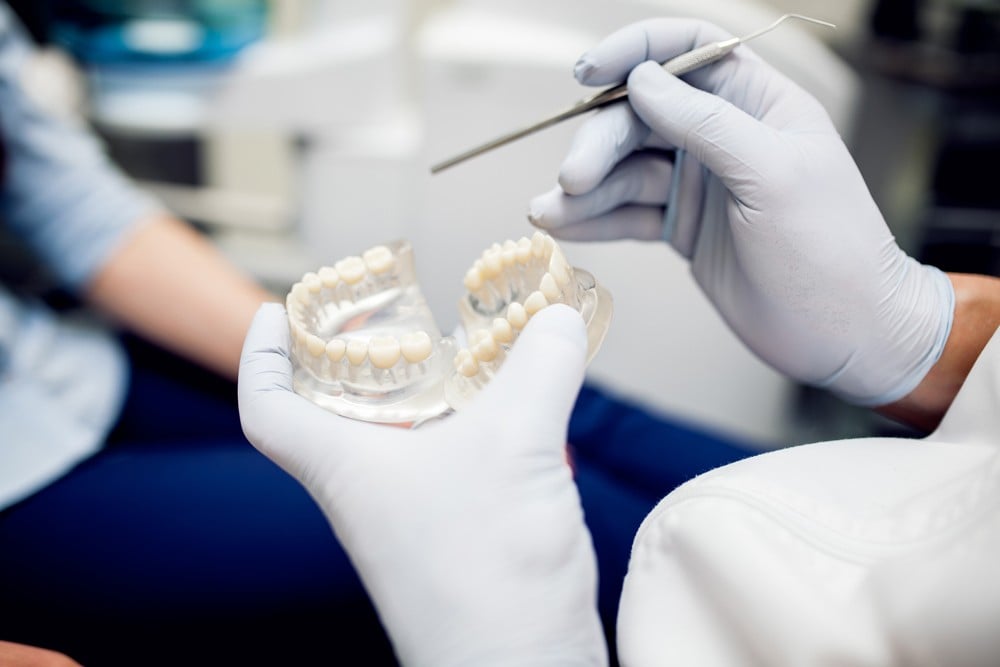
When restoring your smile with dental implants, having a healthy and stable jawbone is essential for the success and longevity of the procedure. In certain cases, patients may lack adequate bone density or height in the jaw due to periodontal disease, tooth loss, or trauma. Bone grafting is a highly effective solution to support dental implants and pave the way for a revitalized smile.
At Sound Surgical Arts in Tacoma, WA, our top-rated dentists have been offering an array of dental treatments, including dental implants, wisdom tooth extraction, bone and gum grafting, and reconstructive surgery since 2011. Our commitment to providing educational, informative, and unique content ensures that our patients are well-informed about the various dental procedures available to them.
In this insightful article, we will explore the vital role bone grafting plays in preparing your jawbone for dental implant success. As a surgical procedure, bone grafting involves transplanting or adding bone material to the jawbone to increase its volume and support the dental implant. Our team of experienced dental professionals will guide you through the different types of bone grafts, the procedure itself, and critical recovery steps.
With this information, you can confidently make informed decisions about your oral health and embrace the captivating possibilities of dental implant restoration. Let’s get started.
Types of Bone Grafts
Various bone grafts are available to address specific dental needs and preferences. Our dental professionals at Sound Surgical Arts in Tacoma, WA, will help you determine the most suitable option for your situation. The primary categories of bone grafts include:
- Autografts: Obtained from the patient’s body, autografts are considered the gold standard for bone grafting, as they carry no risk of rejection or disease transmission.
- Allografts: Sourced from a human donor, typically a cadaver, allografts undergo rigorous processing and sterilization to ensure safety and effectiveness.
- Xenografts: Derived from animal bone—usually bovine—xenografts are chemically treated to remove cellular material and retain only the mineral framework.
- Alloplasts: Synthetic bone graft materials, like hydroxyapatite or calcium phosphate, function as a scaffold for natural bone growth.
The Bone Grafting Procedure
At Sound Surgical Arts, our dental professionals ensure a comfortable and successful bone grafting experience. Though the procedure may vary depending on the type of graft chosen and the specific needs of the patient, the following general steps outline a typical bone grafting process:
- Consultation and Evaluation: Our dentists will conduct a thorough oral examination and may use dental X-rays or 3D imaging to assess your jawbone’s health and structure. We will discuss your expectations, goals, and any concerns you may have regarding the bone grafting procedure.
- Anesthesia and Preparation: Before the procedure, we administer anesthesia—local, conscious sedation, or general anesthesia—according to your comfort level and the case’s complexity. We will then prepare the area for the bone graft.
- Bone Graft Placement: Our dentist will carefully place the selected bone graft material in the area where bone augmentation is necessary. Sometimes, a barrier membrane might be applied to protect the graft and facilitate new bone growth.
- Closing the Surgical Site: After securing the bone graft, the dentist will suture the incision, ensuring proper closure and optimal healing conditions.
Recovery and Dental Implant Process
A successful bone grafting procedure is essential for the ultimate dental implant integration and stability. Recovery from bone grafting typically involves the following steps:
- Post-Operative Care: Our dental professionals will provide clear instructions for aftercare, which may involve medication management, proper oral hygiene, activity restrictions, and a soft food diet.
- Healing Period: A vital aspect of the bone grafting process is ensuring sufficient time for the graft to integrate with the native bone, ranging from a few months to a year. Regular follow-up appointments will allow our dentists to monitor your healing progress.
- Dental Implant Placement: Once the bone graft has successfully closed and integrated, we can proceed with the dental implant process at Sound Surgical Arts. Our dental professionals will carefully insert the titanium implant into the jawbone, and a healing period will be necessary for the implant to fuse with the surrounding bone.
- Abutment and Crown Placement: After the implant has successfully integrated with the bone, an abutment and a custom-made dental prosthetic (crown, bridge, or denture) are attached, marking the completion of the dental implant restoration process.
Conclusion
Bone grafting is a crucial dental procedure that can significantly improve your jawbone’s health and preparedness to accommodate dental implants. At Sound Surgical Arts in Tacoma, WA, our expert dental professionals are dedicated to ensuring our patients’ highest quality care and outcomes, guiding you through the dental bone grafting procedure and dental implant journey with unparalleled expertise and support.
Understanding the options, process, and recovery for bone grafting empowers you to make well-informed decisions for your oral health and embrace the life-changing potential of dental implants. Schedule a consultation with our dental professionals, and take the first step toward reclaiming your healthy, radiant smile.