
Sound Surgical Arts
Exploring Dental Implants: Costs, Lifespan, & Pain
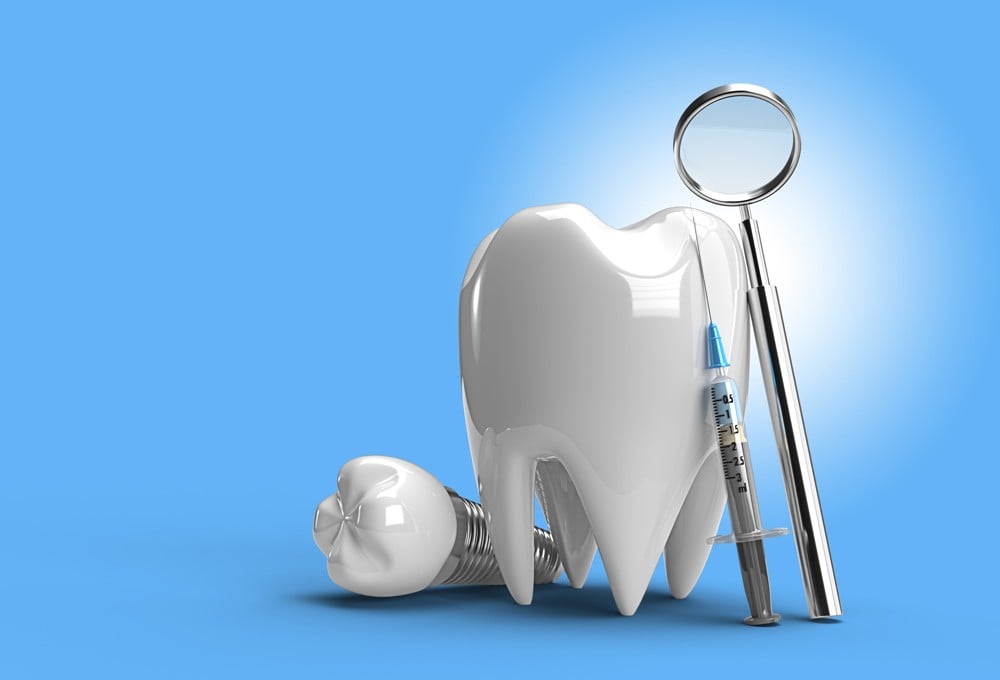
Are you considering dental implants to restore your smile and improve your oral health, but feeling overwhelmed by the many aspects to consider?
Look no further than the expert surgeons at Sound Surgical Art.
This article will guide you through exploring dental implants, including costs, lifespan, pain levels, and post-procedure diet, with advice from experienced professionals.
How much do dental implants cost?
The cost of dental implants varies depending on several factors, such as the number of teeth being replaced, the materials used, the location of the dentist’s office, and any additional procedures required.
On average, a single dental implant can cost anywhere from $3,000 to $5,000 or more.
To know the most accurate cost you can contact our offices in Tacoma, Gig Harbor, and Vashon Island.
All of these pages have contact info and timings so just come in and ask us your questions regarding dental implants.
If you are looking for the best Dental implants in Tacoma, WA or dental implants in Seattle then we are your best bet.
This may seem like a sizable investment, but it’s important to consider the lifespan of dental implants, which can last up to 20 years or more with proper care.
You don’t have to break the bank for a perfect smile! Dental insurance plans often cover implants, and with financing options available, you can spread the cost over time and still dazzle everyone with your pearly whites.
It’s important to discuss the cost of dental implants with your dentist or surgeon, as they can provide a personalized estimate based on your specific needs.
How long do teeth implants usually last?
Dental implants are designed to be a permanent fixture in your mouth. However, their lifespan can vary depending on several factors, such as your oral hygiene, diet, lifestyle, and the implant’s location in your mouth.
Studies have reported a 90 to 95 percent success rate of dental implants over a period of 10 years[1].
What affects the lifespan of dental implants?
Dental implants are designed to last a lifetime, but there are a number of factors that can affect their lifespan. These include:
Your overall health: People with good overall health are more likely to have successful implant outcomes.
Your oral hygiene habits: Good oral hygiene is essential for the long-term success of dental implants. This means brushing and flossing your teeth regularly and visiting your dentist for regular checkups and cleanings.
The location of the implant: Implants in the back of the mouth tend to last longer than implants in the front of the mouth. This is because the bone in the back of the mouth is thicker and more dense.
Your lifestyle habits: Smoking and chewing tobacco can increase the risk of implant failure.
With proper care, dental implants can last for many years. In fact, studies have shown that the success rate of dental implants is over 90% after 10 years. [2]
Here are some tips for taking care of your dental implants:
- Brush and floss your teeth at least twice a day.
- Use a soft-bristled toothbrush and fluoride toothpaste.
- Floss between your teeth at least once a day.
- Visit your dentist for regular checkups and cleanings.
- Avoid chewing hard foods or objects.
- If you smoke, quit.
If you have any concerns about the lifespan of your dental implants, talk to us and we will help you out!
Are teeth implants painful?
At Sound Surgical Art, our experienced team of dental implant specialists understands that the thought of undergoing a dental implant procedure can be nerve-wracking, especially when it comes to concerns about pain levels.
That’s why we offer a variety of solutions to ensure a comfortable, pain-free experience, such as sedation dentistry and local anesthesia.
During the procedure, our surgeons use the latest techniques and technology to minimize discomfort and reduce the risk of complications.
After the surgery, we provide detailed instructions on how to manage any pain or discomfort with medications and proper post-operative care.
Our compassionate team is always available to answer any questions or concerns you may have before, during, or after the procedure.
By entrusting your dental implant procedure to our skilled professionals, you can rest assured that you are in good hands.
Can you eat after dental implants?
Yes, you can eat after dental implant surgery, but you need to follow specific guidelines and eat specific types of foods for a certain period of time.
It is recommended to start with soft foods and gradually introduce more solid foods as you heal.
Your dentist or oral surgeon will provide you with specific post-op instructions on what you can and can’t eat.
What you can eat after dental implant surgery?
After dental implant surgery, it is recommended to start with soft foods that are easy to eat and won’t disrupt the healing process. As you heal, you can gradually introduce more solid foods into your diet. Here are some examples of what you can eat after dental implant surgery:
- Soft or pureed fruits and vegetables, such as bananas, avocados, cooked carrots, and applesauce.
- Soups (but avoid hot liquids for the first 24 hours after surgery).
- Scrambled eggs, soft-boiled eggs, or omelets.
- Soft, shredded chicken or fish.
- Cooked pasta or rice.
- Yogurt or smoothies (but avoid using a straw for the first few days to prevent dislodging the implant).
Avoid hard, crunchy, or chewy foods, as they can put pressure on the implant and delay healing.
Also, avoid spicy or acidic foods that can irritate the surgical site.
Remember to follow any specific dietary instructions provided by your dentist or oral surgeon.
What are the differences between dental bridges and dental implants?
| Feature | Dental Bridges | Dental Implants |
|---|---|---|
| Treatment goal | Replace missing teeth | Replace missing teeth |
| Procedure | Involves placing a prosthetic (artificial) tooth or teeth onto adjacent healthy teeth for support | Involves the surgical placement of a titanium post into the jawbone, onto which a prosthetic tooth or teeth are attached |
| Durability | Lasts 5-15 years on average, but may require replacement over time | Can last 20+ years or a lifetime with proper care |
| Comfort | May cause irritation or discomfort around the adjacent teeth and gums | Generally more comfortable and natural feeling |
| Maintenance | Requires special cleaning under and around bridge to prevent decay of supporting teeth and gums | Require the same care as natural teeth, including twice-daily brushing and flossing |
| Bone loss | Does not prevent bone loss in the jaw | Can protect against bone loss by stimulating the jawbone to maintain its density |
| Cost | Less expensive initially but may require more frequent replacement over time | More expensive initially but may be more cost-effective in the long run |
It is important to note that the best option for replacing missing teeth depends on individual factors such as the location of the missing teeth, the health of the gums and jawbone, and personal preferences.
A dentist or oral surgeon can help determine which option is best for each individual patient.
What are the 3 types of dental implants?
| Type of Implant | Endosteal Implants | Subperiosteal Implants | Zygomatic Implants |
|---|---|---|---|
| Description | Placed directly into the jawbone | Placed underneath the gums but above the jawbone | Anchored in the cheekbone instead of in the jawbone |
| Material | Made of metal, typically titanium | Made of a metal frame and placed under the gums with posts that protrude through the gums to hold the prosthetic teeth | Made of metal and designed for patients who have severe bone loss in the jaw |
| Suitable Candidates | Patients with good jawbone density and depth | Patients with insufficient jawbone for endosteal implants | Patients with severe bone loss in the upper jaw |
| Procedure Complexity | More invasive and requires sufficient bone in the jaw for successful placement | Less invasive and does not require as much bone for successful placement | More complex and requires a highly skilled specialist |
| Healing Time | Requires a longer healing time and several appointments | Requires a shorter healing time and fewer appointments | Requires a longer healing time and several appointments |
| Advantages | Very stable and can support multiple teeth | Suitable for patients with less bone density | A viable option for patients with severe bone loss in the upper jaw |
It’s important to note that the best option for dental implants depends on individual factors. A dentist or oral surgeon can help determine which type of implant is best suited for each individual patient.
Conclusion
Dental implants are a popular, long-lasting solution to missing teeth that can greatly improve your quality of life and self-confidence.
However, it’s important to be aware of the costs, lifespan, pain levels, and post-procedure diet associated with the procedure.
You check the financing options here offered by Sound Surgical Arts.
The cost of dental implants can vary depending on several factors, but they can last up to 20 years or more with proper care.
While the actual implant surgery is done with local anesthesia, it’s normal to experience some discomfort and soreness in the days following the surgery.
Proper post-operative care and pain medications prescribed by your dentist or surgeon can help manage any pain or discomfort.
Additionally, following a healthy diet during the post-procedure healing process can promote better healing and reduce the risk of complications.
By making sure to discuss any concerns or questions with your dentist or surgeon, and entrusting your procedure to experienced professionals like those at Sound Surgical Art, you can achieve successful, beautiful results.
So don’t let missing teeth hold you back any longer – explore dental implants and take the first step towards a brighter, healthier smile!
You can register yourself by following the instructions here and if you are curious know about our fabulous team here.
Osseous Surgery: Types, Indications, and Pain Management
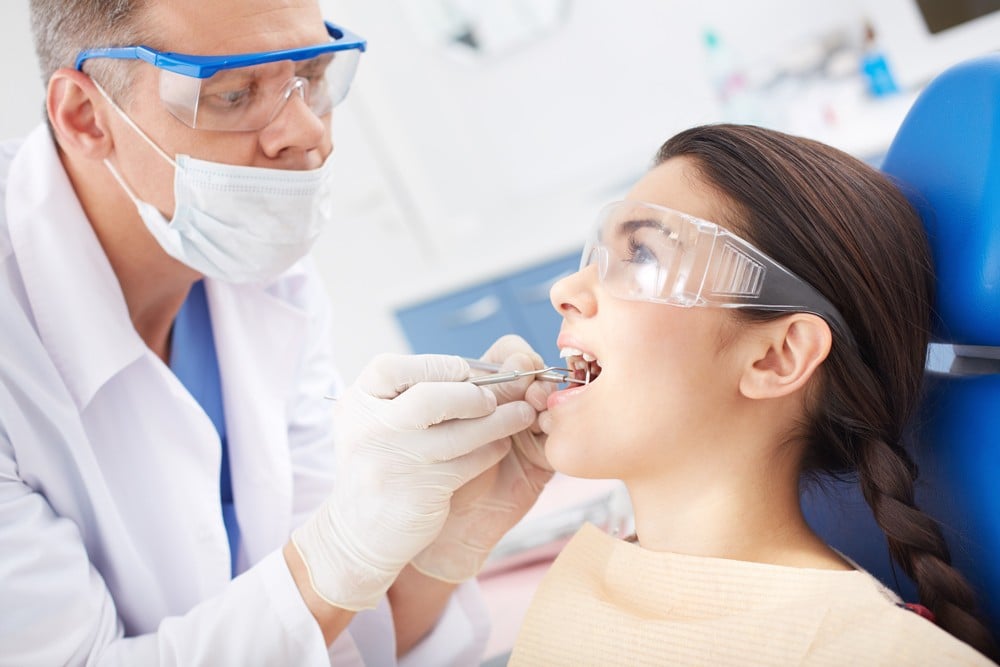
Osseous surgery, also known as periodontal flap surgery, is a common procedure used to treat advanced periodontitis. It involves removing damaged gum tissue and reshaping the underlying bone to prevent further damage to teeth and gums.
In this article, we will discuss the different types of osseous surgery, indications for the procedure, and pain management options.
Keep reading to gain a better understanding of osseous surgery and how it can benefit those with advanced periodontal disease.
We at Sound Surgical Arts specialize in Oral surgeries, Dental implants, and more!
What is osseous surgery?
Osseous surgery, also known as pocket reduction surgery, is a type of gum surgery that is used to treat moderate to severe periodontitis.
Periodontitis is a chronic inflammatory disease that affects the gums and bones that support the teeth. If left untreated, periodontitis can lead to tooth loss.
During osseous surgery, a periodontist will remove diseased gum tissue and bone that has been damaged by periodontitis.
The periodontist will then reshape the bone and gum tissue so that they fit snugly around the teeth.
This helps to prevent plaque and bacteria from accumulating in the pockets and causing further damage.
Osseous surgery is a minimally invasive procedure that is usually performed under local anesthesia. The surgery typically takes about 1-2 hours to complete.
Most patients experience some discomfort and swelling after surgery, but this usually resolves within a few days.
Osseous surgery is a very effective treatment for periodontitis. In most cases, the surgery can help to save teeth that would otherwise be lost.
Who needs osseous surgery?
- Those with deep pockets around their teeth (greater than 5mm)
- Those with bone loss around their teeth
- Those with gum recession
- Those with loose teeth
- Those who have not responded to non-surgical treatment
For a correct diagnosis, you should contact Sound Surgical Arts and our doctors will help you better understand your symptoms and form a treatment plan.
What are the two types of osseous surgery?
- Pocket reduction surgery is used to remove infected tissue and bone, and to reshape the gum line so that it is flush with the tooth. This helps to prevent bacteria from collecting and causing further infection.
- Regenerative surgery is used to replace lost bone and tissue. This can be done by grafting bone from another part of the body, or by using a synthetic material. Regenerative surgery can help to save teeth that would otherwise be lost due to periodontal disease.
| Type of surgery | Purpose | Procedure |
|---|---|---|
| Pocket reduction surgery | To remove infected tissue and bone, and to reshape the gum line so that it is flush with the tooth. | The dentist will make an incision in the gum tissue and remove any infected tissue or bone. The gum line will then be reshaped so that it is flush with the tooth. The dentist will stitch the gum tissue back together. |
| Regenerative surgery | To replace lost bone and tissue. | The dentist will make an incision in the gum tissue and remove any infected tissue or bone. The dentist will then place a graft or synthetic material to replace the lost bone and tissue. The gum tissue will then be stitched back together. |
How painful is osseous surgery?
According to some sources [1], osseous surgery is not painful during the procedure because of local anesthesia, but you may have some soreness and swelling after the surgery that can be managed with pain medication.
But you do not need to worry, you will be in the care of the best dentists for osseous surgery in Tacoma or Washington.
What is the procedure of Osseous Surgery?
The procedure is designed to remove damaged tissue and reshape the bone around teeth affected by advanced periodontal disease.
If you’re considering osseous surgery, it’s essential to have a clear understanding of the procedure and what to expect from your appointment at Sound Surgical Arts.
Step 1: Initial Consultation
Your first appointment at Sound Surgical Arts will involve a thorough consultation with the periodontist. The periodontist will examine your teeth and gums, take x-rays and medical history to determine if osseous surgery is the best option for you.
Step 2: Anesthesia
Osseous surgery can be performed with local or general anesthesia. The choice of anesthesia will depend on the type of procedure being performed and the underlying health conditions of the patient.
Step 3: Incision and Flap Elevation
During the procedure, the periodontist will make an incision in your gum tissue to access the roots of your teeth.
The gum tissue is carefully lifted to expose the bone surrounding the tooth.
Once the tooth and surrounding bone are exposed, the periodontist will use specialized tools to remove tartar and bacteria from deep periodontal pockets and smooth damaged bone to promote healthy healing.
Step 4: Bone Shaping and Grafting (if needed)
If osseous recontouring is required, the periodontist may use specialized instruments to reshape the bone. In some cases, bone grafting or Membrane placement may be necessary to rebuild damaged bone.
Step 5: Tissue Reattachment and Flap Stabilization
After the procedure, the periodontist will reposition the flap and stabilize it with sutures to ensure proper healing. The incision will gradually heal, and the gum tissue will reattach itself to the tooth.
Step 6: Postoperative Care
After osseous surgery, patients are advised to eat soft, cold foods for a few days, avoid tobacco use, practice good oral hygiene, and use medicated mouthwashes. To manage pain and discomfort, over-the-counter pain relievers or prescribed medications may be recommended.
At Sound Surgical Arts, patients can expect a comfortable and relaxed environment during the procedure and receive personalized care from a friendly and experienced team of professionals.
Each patient’s safety and comfort are essential to the doctors and staff, and patients can rest assured that they will receive the highest quality care available.
Osseous surgery is a complex procedure that requires specialized training and skills.
If you’re considering osseous surgery, we recommend consulting a specialist who can evaluate your particular needs and answer any questions you may have about the procedure.
At Sound Surgical Arts, the best for osseous surgery dental Tacoma, our periodontists, and staff will assure you of a comfortable and personalized experience throughout your treatment.
What is the recovery time for Osseous surgery?
The recovery time depends on several factors, such as the number of teeth treated, the severity of your condition, and your body’s healing capacity.
On average, recovery takes between two and four weeks.
Some common side effects that can occur after osseous surgery are soreness, bleeding, and swelling.
What are the differences between osseous surgery and scaling?
| Osseous surgery | Scaling |
|---|---|
| A surgical procedure that removes infected bone and tissue around the teeth | A non-surgical procedure that removes plaque and tartar from the teeth and roots |
| Treats advanced cases of gum disease with deep pockets | Treats mild cases of gum disease with shallow pockets |
| Requires local anesthesia and stitches | Requires only local anesthesia |
| Results in more pocket reduction and bone regeneration | Results in less pocket reduction and no bone regeneration |
What are some differences between osseous surgery and flap surgery?
| Feature | Osseous Surgery | Flap Surgery |
|---|---|---|
| Purpose | To remove bacteria and diseased tissue from periodontal pockets and to repair damaged bone. | To access periodontal pockets and remove bacteria and diseased tissue. |
| Procedure | The dentist or periodontist makes cuts in the gum tissue to access the periodontal pockets. The diseased tissue is then removed, and the bone may be reshaped. The gum tissue is then sutured back in place. | The dentist or periodontist makes cuts in the gum tissue to access the periodontal pockets. The diseased tissue is then removed, and the gum tissue is sutured back in place. |
| Recovery time | Typically takes 2-4 weeks. | Typically takes 1-2 weeks. |
| Risks | Bleeding, infection, and pain. | Bleeding, infection, and pain. |
| Complications | In rare cases, the bone may not heal properly, which can lead to further bone loss. | In rare cases, the gum tissue may not heal properly, which can lead to gum recession. |
| Cost | Varies depending on the severity of the disease and the number of teeth affected. | Varies depending on the severity of the disease and the number of teeth affected. |
In summary, if you are considering osseous surgery, we recommend consulting a specialist who can evaluate your particular needs and answer any questions you may have about the procedure.
The success of the procedure depends on regular professional cleanings and excellent oral hygiene practices.
Osseous surgery remains a relatively common treatment for advanced periodontitis, and the benefits of the procedure outweigh the risks.
With proper care and the right prescriptions, patients can effectively manage any pain or discomfort after surgery and ensure a successful recovery.
And if you are worrying about the osseous surgery cost in Washington or Tacoma area, check our financial policies, it will help you out. Or you can just call us and we will help you out.
Pinhole Surgery: A Minimally Invasive Gum Recession Solution
Are you tired of dealing with gum recession, but not ready for traditional gum grafting surgery? Look no further than pinhole surgery.
This minimally invasive procedure has quickly gained popularity as a safe and effective alternative to traditional gum grafting.
In this article, we’ll delve into the world of pinhole surgery, explaining how it works, who it’s best suited for, and why patients are raving about their results.
So if you’re looking for a solution to your gum recession woes, keep reading to discover how pinhole surgery may be the answer you’ve been searching for.
What is pinhole surgery for?
Pinhole surgery is a minimally invasive treatment for gum recession. It is a newer procedure that is gaining popularity because it is less painful and has a shorter recovery time than traditional gum grafting.
Gum recession is a condition in which the gums pull away from the teeth, exposing the root surface. This can happen for a number of reasons, including:
Poor oral hygiene: When plaque and tartar build-up on the teeth, it can irritate the gums and cause them to recede.
Brushing too hard: Brushing with a hard-bristled toothbrush can also damage the gums and cause them to recede.
Genetics: Some people are more prone to gum recession than others.
Occupational hazards: Certain occupations, such as smoking or using tobacco products, can increase the risk of gum recession.
There are three stages of gum recession:
- Stage 1: The gums have receded slightly, but the root surface is not exposed.
- Stage 2: The gums have receded further, exposing a small portion of the root surface.
- Stage 3: The gums have receded significantly, exposing a large portion of the root surface.
Pinhole surgery can be used to treat all three stages of gum recession. The procedure involves making a small incision in the gum tissue above the recessed area.
Then, a special tool is used to create small holes in the gum tissue.
These holes allow the gum tissue to be lifted and repositioned over the exposed root surface.
Pinhole surgery is a relatively quick and easy procedure. It can usually be done in a single office visit, and there is no need for stitches.
The recovery time is also relatively short, and most patients can return to their normal activities within a few days.
Pinhole surgery is a safe and effective treatment for gum recession. It can help to improve the appearance of the gums and protect the teeth from further damage.
If you are concerned about gum recession, talk to your dentist about whether pinhole surgery is a good option for you.
Is pinhole surgery good?
Pinhole surgery is a minimally invasive technique to manage gum recession without surgical stitches[1].
It involves making a tiny hole in the gum tissue above the exposed root and using special instruments to loosen and reposition the gum tissue.
According to a study by Dr. John Chao, the inventor of pinhole surgery, published in the International Journal of Periodontics & Restorative Dentistry, pinhole surgery is in reducing gingival recession and increasing keratinized tissue height in 43 patients with 121 recession sites[2].
The study also reports that pinhole surgery has a high patient satisfaction rate and minimal postoperative complications.
However, pinhole surgery is not suitable for everyone.
Book your first visit with us and we will be happy to help you with your dental problems.
Is pinhole surgery expensive?
While the cost of pinhole surgery, also known as pinhole surgical technique cost, may vary depending on your location and specific case, it is generally considered to be comparable in price to traditional gum grafting surgery.
However, some patients report that pinhole surgery is worth the extra investment due to its minimally invasive nature and shorter recovery time compared to traditional gum grafting surgery.
It’s best to consult with your dentist or periodontist to determine if pinhole surgery is a viable option for your individual needs, and to discuss the potential cost and financing options.
Sound Surgical Arts offers pinhole surgery in Washington, Tacoma, and Vashon Island locations. You are welcome to visit us in a location that you prefer!
How painful is pinhole surgery?
Pinhole surgery is a minimally invasive technique to manage gum recession without surgical stitches[3]. It is performed by making small holes with a needle in the gum tissue and guiding it over the receded part of the tooth.
Most people experience mild (occasionally moderate) pain after this procedure, which can be controlled by over-the-counter pain medication and icing.
It is a painless and far better alternative than the traditional option: gum graft surgery.
Disadvantages of Pinhole gum surgery?
The procedure may not be suitable for advanced cases of gum recession, and traditional surgery may be necessary.
And pinhole surgery is a relatively new technique, not all dentists or periodontists may be trained in the procedure, so finding a qualified practitioner may be more difficult.
Another disadvantage is that, while pinhole surgery is minimally invasive, it can still cause some discomfort and swelling during the recovery period.
Patients may experience some sensitivity to hot or cold temperatures for a short period of time after the procedure as well.
Lastly, like any surgical procedure, there are always some risks of complications or infections, although these are relatively rare.
Is pinhole surgery better than a gum graft?
| Feature | Pinhole Surgery | Gum Graft |
|---|---|---|
| Invasiveness | Minimally invasive | Invasive |
| Recovery time | Quicker | Longer |
| Discomfort | Less | More |
| Cost | Similar | Similar |
| Risk of complications | Lower | Higher |
| Success rate | High | High |
| Aesthetics | Good | Good |
| Versatility | Can treat multiple teeth at once | Can only treat one tooth at a time |
Ultimately, the best treatment for you will depend on your individual needs and preferences.
Talk to your dentist to learn more about both procedures and decide which one is right for you.
Here are some additional details about each procedure:
Pinhole surgery is a minimally invasive procedure that uses a tiny “pinhole” incision to reposition the gums over the exposed tooth roots. This procedure is often used to treat gum recession that is caused by brushing too hard or by grinding your teeth. Pinhole surgery is typically performed in the dentist’s office and can be done in just a few minutes. The recovery time is usually very quick, and most patients are able to return to their normal activities the next day.
Gum graft is a more invasive procedure that involves taking tissue from another part of the mouth (usually the roof of the mouth) and grafting it onto the exposed tooth roots.
This procedure is often used to treat more severe cases of gum recession. Gum grafting is typically performed in the dentist’s office and can take several hours.
The recovery time is usually longer than with pinhole surgery, and most patients will experience some discomfort for a few days.
Both pinhole surgery and gum graft are effective treatments for gum recession. The best procedure for you will depend on your individual needs and preferences. Talk to your dentist to learn more about both procedures and decide which one is right for you.
Conclusion
In conclusion, Pinhole surgical technique offers a minimally invasive solution to gum recession that is becoming increasingly popular among patients and practitioners.
While it may not be suitable for all cases of gum recession and there are some potential risks, many patients have reported excellent outcomes with shorter recovery times than traditional surgery.
Like any surgical procedure, it’s important to discuss the potential risks and benefits with a qualified practitioner at Sound Surgical Arts before deciding if it’s right for you.
Overall, pinhole surgery represents a promising advancement in periodontal surgery that offers a safe and effective alternative to traditional gum grafting surgery.
Oral Health: Get Your Oral Cancer Screening
 Did you know that mouth cancer is the sixth most common cancer worldwide? The sad truth is that oral cancers are more than twice as common in men as in women, and the fastest growing group of oral cancer patients are young, healthy, nonsmoking individuals. Now is the time to be proactive and get yourself checked for oral cancer.
Remember—early detection saves lives! It is more important than ever for young adults, as well as older men and women, to get regular screenings whether they think they’re at risk or not.
What are the risks?
Knowing the risks can help you make educated decisions about your health. There are several risks that increase your chances of developing oral cancer:
• Smoking and using tobacco products are a known long-term historic cause of oral cancer.
• Heavy alcohol usage also makes you more susceptible to develop oral cancer.
• The HPV virus, a sexually-transmitted disease, is the leading cause of oropharyngeal (the back part of the mouth) cancer.
What are the signs and symptoms?
The mouth is one of the body’s most crucial early warning signs in the fight against oral cancer. In between regular dental visits, it’s important to be aware of the mouth’s signs and symptoms. Remember, if you see any of these signs or symptoms, schedule an appointment at the office if you don’t see improvement within two-three weeks:
• Hoarseness, chronic sore throat, or change in voice
• The development of white, red, or speckled (white and red) patches in the mouth
• Lumps, thickening tissues, rough spots, crusty or eroded areas
• Difficulty chewing or swallowing, speaking, or moving the jaw or tongue
• A change in the way your teeth or dentures fit together when you close your mouth
• Dramatic weight loss
• Unexplained numbness, loss of feeling, or pain/tenderness in any area of the face, mouth, or neck
• Unexplained bleeding in the mouth
Don’t wait any longer. Be proactive about your oral health, and get checked today!
History of Wisdom Teeth

Most people need their wisdom teeth removed, so why do we have them in the first place? Here’s a quick history lesson of wisdom teeth and the important role they once played!
Wisdom teeth were once an extremely valuable asset to our ancestors. When a typical diet consisted of chewy plants and uncooked meat, third molars (wisdom teeth), which fit easily into our ancestors’ larger jaws, were absolutely necessary. Wisdom teeth were the evolutionary answer to the need for chewing power to combat excessive wear.
Today, our diets are not as rough as those of our ancestors. With modern marvels like forks, spoons, and knives, as well as softer food, the need for wisdom teeth is virtually nonexistent. And yet, on average, about 65% of the human population is born with wisdom teeth which usually erupt between the ages 17 and 25.
Although wisdom teeth were incredibly advantageous for our ancestors, they pose a bit of a problem for the modern mouth. Humans have evolved to have smaller jaws, and so wisdom teeth are often either too big for the jaw or the jaws themselves are just too small. Either way, third molars crowd the mouth. Because of this lack of space, molars often grow sideways, only partially emerging from the gums, or actually get trapped inside the gums and jawbone.
These impacted wisdom teeth can be chronically contaminated with bacteria associated with infection, tooth decay, inflammation, and gum disease. And because they’re so far back in the mouth or trapped underneath gums, it’s difficult and sometimes impossible to keep them clean. Even when wisdom teeth come in fully, they are so far back in the mouth that it’s just too easy for food to get trapped, leading to plaque, cavities, and gum disease.
Although wisdom teeth were very important to our ancestors, nowadays, they pose a serious problem to oral health. Are you worried that your child may need wisdom teeth removal? Call our office at Tacoma Phone Number 253-564-1000 & 253-565-4700 to find out more.
After Care: Dental Implants
 Are you considering dental implants but are worried about the recovery time?
Don’t worry, we’re here to give you the facts!
The recovery time following dental implant surgery tends to vary but is usually based on the amount of teeth being implanted, whether or not a bone graft was needed and how well the individual manages his or her recovery. The science and technology behind dental implants have improved drastically over the last few years, improving post-surgery pain and comfort for patients.
Recovery Time
Typically, you will have the fastest recovery time if you had a standard, single dental implant placed with no bone grafting. With a simple procedure like this one, there is very little discomfort or pain after the surgery. Mild bruising and soreness can occur, but this can typically be managed with over the counter pain relievers. In more severe implant cases, such as those where multiple teeth are implanted or severe bone grafts are needed in order to accomplish the implant, the recovery time tends to be longer and the discomfort can be more intense.
Post-Op
It is important to keep your mouth clean after surgery, which can be done by rinsing your mouth gently with saltwater beginning the day after surgery. You may begin brushing your teeth the night after the surgery, but make sure to be extremely gentle around the surgery area as to not disrupt the healing process. Remember that in the week following your surgery, there should be no smoking and no sucking through a straw, as this can seriously inhibit your healing process. Stick to a diet primarily consisting of soft foods for the first 7-10 days following your surgery before beginning to return to your normal diet.
As you can see, the recovery process after receiving a dental implant is fairly predictable and comfortable. It is important to follow the instructions that we give you, and always remember that if you have any questions or concerns regarding a procedure or following your surgery, you can always give us a call.
How to Take Care of Your Dental Implant
 Cleaning and taking care of your implant is just as important as cleaning your natural teeth. Here are some things you should know about caring for your implant.
Your implant and your natural teeth are similar because they both rely on healthy tissue for support! Just like with real teeth, plaque buildup can be harmful. It’s important to remove that plaque because it can develop into an infection. If the infection isn’t properly treated, it can result in a loss of bone around the implant which could progress to the loss of the implant itself.
It’s important to get your teeth cleaned on a regular basis so your dental hygienist can get biofilm off your teeth and keep your teeth infection-free. As always, you should be brushing your teeth and flossing twice a day.
Dental implants are the closest thing you can get to real and natural teeth. They don’t require any special products or treatment, just a simple brush and floss will do the job! If they are properly cared for, they can last a lifetime, avoiding any further dental work down the road.
With a dental implant, you can still enjoy all your favorite foods. It will not loosen or fall out if you are chewing something hard.
Overall, dental implants are meant to make life better and easier! You don’t have to go out of your way to take care of them – a simple brush and floss will ensure that they improve your overall quality of life for many years to come.
If you think a dental implant may be right for you, call Sound Surgical Arts at 253-564-1000 & 253-565-4700 to schedule a consultation!
Flossing: Absolutely Necessary!
 Yes, You Still Have to Floss. No, the dance move “flossing” does not count. The AP recently released an article making the claim that “there’s little proof that flossing works”. Their review cited a series of studies that found flossing does little or nothing to improve oral health. Here’s the problem: the studies were flawed. The AP concluded that floss does little for oral health, but it’s important to note that the evidence they cited was very weak at best. In fact, they said so themselves.
As acknowledged by the AP, many of these studies were extremely short. “Some lasted only two weeks, far too brief for a cavity or dental disease to develop” (Associated Press). They also say that “One tested 25 people after only a single use of floss” (Associated Press).
Of course, the evidence is unreliable. You don’t simply develop gum disease because you forgot to floss yesterday. Cavities and gum disease do not happen overnight. Gum disease is preventable by maintain great oral health habits for a long period of time. Lets put it this way: If a study claims drinking milk does nothing for bone health, but draws conclusions after only three glasses of milk, is it a reliable study?
The fact of the matter is floss removes gunk from teeth. You can see it. Gunk feeds bacteria which leads to plaque, cavities, poor gum health, and eventually gum disease. Floss has the ability to reach the food particles that your brush can’t get to. Using a sawing motion instead of moving up and around the teeth to clean the cracks. Positive results come from correct use and it’s critical that people learn to use a tool properly before discarding it as useless.
That’s just what floss is: a tool. Just like your toothbrush, it is designed to keep your mouth clean, and therefore keep your body safe from infection. Both your toothbrush and floss are designed to do what the other can’t, and both successfully remove bacteria from your mouth. Just like proper brushing technique, it is important that you know how to use floss properly, so that you can reap the long-term health benefits of good oral hygiene.
Oral hygiene is a long-term process and requires long term observations to make worthwhile conclusions. In the meantime, it’s obvious that you should continue to do everything you can to protect your well-being, and floss is one of many tools that can help you do that. If you would like a refresher on the best, most efficient techniques for floss use feel free to call our office today
Wisdom Teeth Aftercare
 Having your impacted wisdom teeth removed is a serious surgical procedure, and post-operative care is extremely important! Read on for instructions on how to care for your sore mouth, and how to minimize unnecessary pain and complications.
Immediately Following Surgery:
Keep a firm, yet gentle, bite on the gauze packs that have been placed in your mouth to keep them in place. You can remove them after an hour if the bleeding is controlled. If the surgical area continues to bleed, place new gauze for another 30 to 45 minutes.
Do Not:
• Rinse vigorously
• Probe the area
• Smoke (hopefully you don’t!!)
• Participate in strenuous activities
You Can:
• Brush gently (but not the area)
• Begin saltwater rinses 24 hours after surgery (mix 1 tbs of salt with 1 cup of water).
• Make sure to swish gently. These rinses should be done 2-3 times a day, especially after eating.
Enjoy some down-time! Keep activity level to a minimum! Enjoy a day of couch or bed-rest, as being active could result in increased bleeding. Avoid exercise for 3-4 days, and when you do begin exercising again, keep in mind your caloric intake has been reduced so you may feel weaker. There are also some diet restrictions to keep in mind!
Eat nourishing food that takes little effort.
Avoid:
• Extremely hot foods
• Straws (for the first few days)
• Chewing (until tongue sensation has returned)
• Smaller foods that can become stuck in the socket area
• Skipping meals—while eating may seem like a lot of work, you need your nourishment to be able to heal and feel better!
Swelling is a completely normal occurrence. Keep in mind, swelling will usually be at it’s worst in the 2-3 days after surgery. You can minimize swelling by applying a cold compress (covered with a towel) firmly to the cheek next to the surgical area. Apply the pack with 20 minutes on, and 20 minutes off for the first 24-48 hours.
Since no two mouths are alike, do not take advice from friends (even well-intended advice could cause a healing set-back). The advice given to you from your doctor and team are tailored to fit your needs. Please call us if you have any questions or concerns about your recovery. Happy healing!
When Should You Consider Dental Implants?

Dental implants typically consist of three components: the post, the abutment, and the restoration. The post is a screw which is inserted into the bone. The abutment is attached to the post and the restoration is placed on top, giving the finished product a beautiful, realistic look.
Dental implants are an effective way to replace missing or damaged teeth, but when is getting a dental implant the best option for you? There are a few circumstances where receiving an implant might be the best option for improving your smile.
To restore and preserve your appearance
One of the main functions of dental implants is to restore a smile back to its original glory. They are built to last a lifetime, and last much longer than dental bridges. If you are looking for a permanent solution to damaged or missing teeth, dental implants are your best option.
To protect and preserve a healthy jawbone
Missing spaces in your smile can lead your jawbone to deterioration. Dental implants are the only option which will protect and save your natural bone. Waiting to get a dental implant can continue to increase the chances of your jawbone not being able to support dental implants in the future.
To stop your teeth from shifting
Losing a tooth can cause the surrounding teeth to shift and look unnatural. These teeth can become crowded or can be shifted unevenly. This can cause your teeth to become harder to clean and can also cause your face to sag and appear sunken.
These are just a few of the instances in which you should consider getting dental implants. Dental implants are one of the most useful and successful restoration options available today. For more information on how we can restore your smile with dental implants, contact our practice today at Tacoma Phone Number 253-564-1000 & 253-565-4700!