
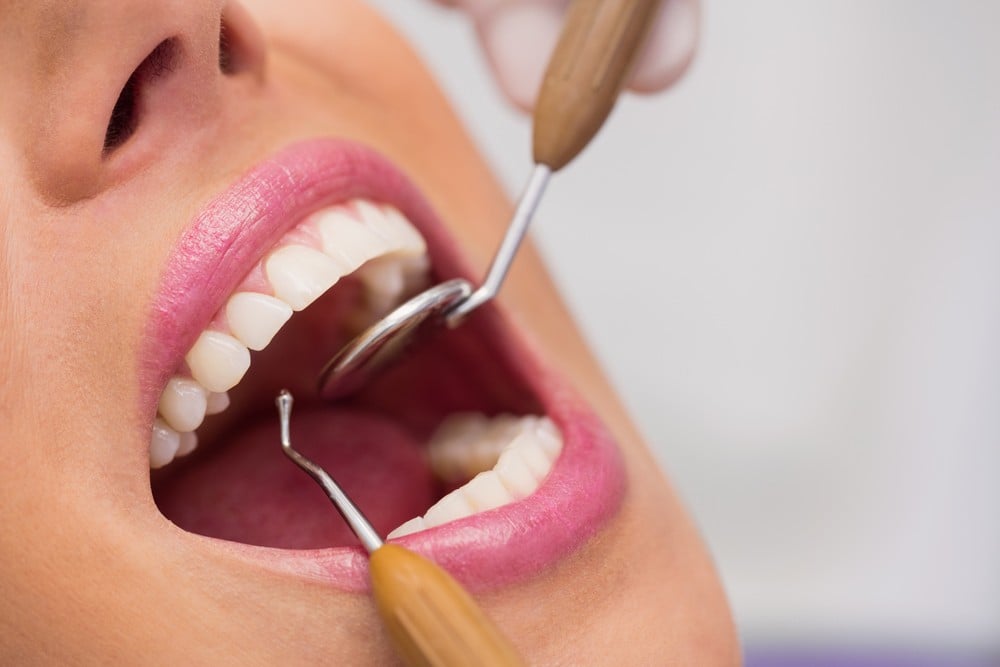
Receding gums, a condition in which the gum tissue around your teeth pulls back or wears away, can lead to severe oral health concerns if left untreated. Recession exposes tooth roots, which are more sensitive and susceptible to decay, and in extreme cases, may even result in tooth loss. Gum grafting, a proven dental solution to receding gums, offers many benefits, including enhanced oral health, confidence, and cosmetic appeal.
At Sound Surgical Arts in Tacoma, WA, we’ve been providing high-quality dental services—including dental implants, wisdom tooth extraction, bone and gum grafting, and reconstructive surgery—since 2011. With our team of experienced dental professionals, we are passionate about delivering relevant, educational, informative, and unique content to help patients understand the range of dental treatments available to them.
In this comprehensive guide, we will explore the transformative potential of gum grafting for effectively combating gum recession and renewing the vitality of your smile. Through an in-depth discussion of the gum grafting procedure, we will unveil the various types of grafts, the surgical process, and recovery essentials.
We will also highlight the long-term benefits of gum grafting, portraying the powerful impact that this procedure can have on your oral health and self-confidence. With expert care and guidance from the dental professionals at Sound Surgical Arts, you can trust us to provide personalized solutions tailored to your needs, delivering incredible results and optimal oral health through gum grafting. Let’s get started.
Types of Gum Grafts
Gum grafting can effectively restore gum tissue and protect your teeth when addressing receded gum lines. Various types of grafts are available to cater to each patient’s specific needs and preferences. At Sound Surgical Arts in Tacoma, WA, our experienced dental professionals will guide you in selecting the most suitable option. The primary categories of gum grafts include:
- Connective Tissue Grafts: This is the most common type of gum graft and involves removing a flap of tissue from the roof of your mouth, called the palate. The connective tissue under the flap is then attached to the receded gum area, providing extra gum tissue.
- Free Gingival Grafts: Instead of removing a flap of tissue from the roof of your mouth, these grafts utilize a small strip of tissue from the palate. This option is often recommended for patients with thin gums or requiring increased gum tissue thickness.
- Pedicle Grafts: This technique involves using existing gum tissue adjacent to the tooth needing repair. Pedicle grafts are only suitable for patients with plenty of gum tissue surrounding the affected area.
The Gum Grafting Process
Our team of dental professionals at Sound Surgical Arts ensures a comfortable and successful gum grafting experience. We provide a step-by-step guide to help you understand what to expect during the procedure.
- Consultation and Evaluation: The process begins with an oral examination and may involve X-rays or additional imaging to assess your gum health. We will discuss your goals and concerns relating to gum grafting during this initial consultation.
- Anesthesia and Preparation: Before the procedure, we administer anesthesia to ensure comfort. This can involve local or conscious sedation, depending on your preferences and the complexity of your specific case.
- Graft Placement: Our dentist will expertly perform the recommended gum graft procedure, securing the graft tissue in the receded gum area.
- Closing the Surgical Site: After placing the graft, the dentist will carefully suture the surgical site, ensuring proper closure and optimal conditions for healing.
Recovery and Post-operative Care
Following gum graft surgery, we must follow our dental professionals’ guidelines for proper recovery and post-operative care. We recommend:
- Pain Management: Take any prescribed medications to manage discomfort and minimize swelling. Over-the-counter pain relievers and cold compresses can also help.
- Food Choices: Stick to a soft food diet, avoiding hot, crunchy, or spicy items that could irritate the surgical site.
- Oral Hygiene: Maintain proper oral hygiene, but be gentle when brushing near the affected area. A saline rinse can provide additional support in promoting healing and keeping the surgical site clean.
- Follow-up Appointments: Attend scheduled appointments so our dental professionals can monitor your progress and ensure a successful recovery.
Long-Term Benefits of Gum Grafting
The gum grafting procedure offers substantial benefits to your oral health and aesthetic appearance, including:
- Tooth Sensitivity Reduction: Gum grafts decrease tooth sensitivity by covering exposed tooth roots, allowing you to enjoy hot and cold foods comfortably.
- Enhanced Smile: Restoring receded gum lines can significantly improve your smile’s overall appearance, increasing confidence and self-esteem.
- Gum Health: Gum grafting can help halt gum recession, reduce the risk of tooth loss, and protect your teeth from further gum tissue deterioration.
- Tooth Protection: By covering exposed tooth roots, gum grafts protect your teeth from decay, damage, and potential tooth loss.
Conclusion
Gum grafting is an exceptional dental treatment option for those suffering from receding gums, offering a wide range of benefits, from improved oral health and tooth protection to cosmetic enhancement. At Sound Surgical Arts in Tacoma, WA, our expert dental professionals are dedicated to providing personalized care, ensuring patients experience the full potential of gum grafting treatment.
Trust our experienced team at Sound Surgical Arts to guide you along your journey toward optimal oral health through the power of gum grafting in Tacoma. Schedule a consultation today and take the first step towards rejuvenating your smile.