
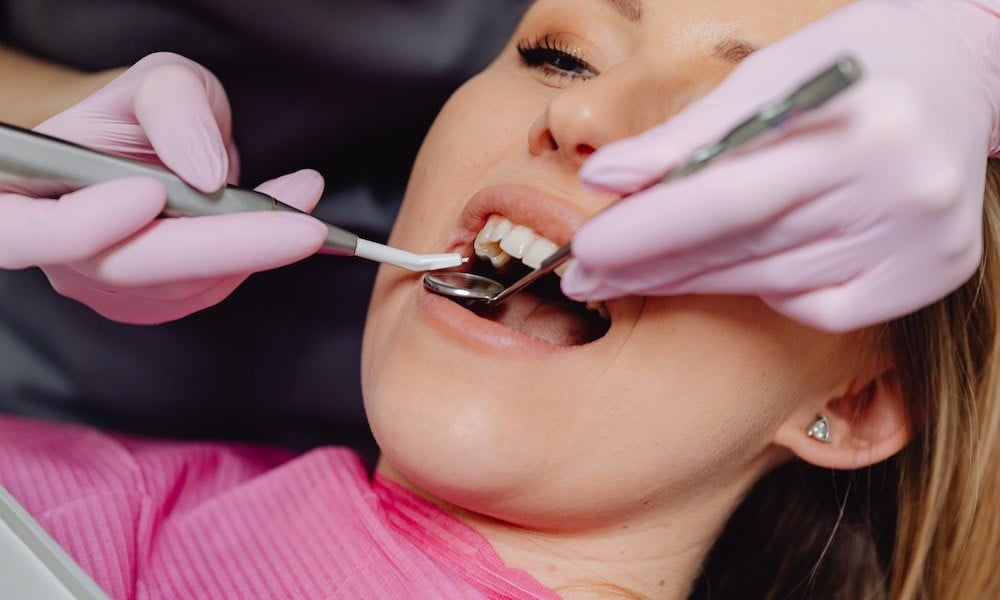
Wisdom teeth, the last set of molars to emerge in your mouth, can often cause serious dental issues when they fail to develop correctly or become impacted. In such cases, wisdom tooth extraction becomes necessary to protect your oral health and prevent further complications.
Sound Surgical Arts (Tacoma, WA), a leading dental practice, has been offering top-notch dental treatments, including dental implants, wisdom tooth extraction, bone and gum grafting, and reconstructive surgery since 2011. Our team of experienced dentists is dedicated to providing educational, informative, and unique content to help you understand and feel confident in our dental services.
This comprehensive article will shed light on wisdom tooth extraction – a common dental surgery to remove one or more impacted or problematic wisdom teeth. While wisdom tooth extraction might seem intimidating, knowing what to expect and preparing for the procedure can help ease anxiety and provide a smoother experience. We will discuss the reasons for wisdom tooth extraction, the process itself, and the critical aspects of post-operative care to ensure a successful recovery.
Entrust your oral health to the experts at Sound Surgical Arts (Tacoma, WA), where our experienced dental professionals are committed to providing exceptional care and guidance at every step of your dental journey. Stay with us as we delve into the ins and outs of wisdom tooth extraction, ensuring you have all the information you need to approach this dental procedure with confidence and peace of mind.
Wisdom Tooth Extraction at Sound Surgical Arts (Tacoma, WA): Understanding the Process and Aftercare
Reasons for Wisdom Tooth Extraction
Wisdom teeth, also known as third molars, typically emerge between the ages of 17 and 25. Several issues can prompt the need for wisdom tooth extraction, including:
- Impacted Wisdom Teeth: When there isn’t enough space in the mouth for wisdom teeth to come in, they may become impacted, growing at an angle or remaining trapped beneath the gum line. Impacted wisdom teeth can cause pain, infection, and damage to neighboring teeth.
- Overcrowding: A lack of space in your mouth may cause wisdom teeth to push other teeth out of alignment, leading to overcrowding and orthodontic concerns.
- Gum Disease or Tooth Decay: Wisdom teeth situated at the back of the mouth are challenging to keep clean, making them prone to gum disease and tooth decay. In such cases, extraction may be the best solution to protect your oral health.
- Cysts or Tumors: Impacted wisdom teeth can lead to the formation of cysts or, rarely, tumors, which can cause damage to the jawbone and necessitate extraction.
The Wisdom Tooth Extraction Process
At Sound Surgical Arts (Tacoma, WA), our experienced dental professionals ensure a smooth and comfortable wisdom tooth extraction experience. Here’s an overview of what to expect:
- Consultation and Evaluation: Our dentists will evaluate your wisdom teeth using an oral examination and dental X-rays to determine if extraction is necessary. We will discuss the extraction process, anesthesia options, potential risks, and any concerns you may have.
- Anesthesia: Before the procedure, you will receive anesthesia to ensure comfort during the extraction. Options include local anesthesia, nitrous oxide (laughing gas), oral sedation, or intravenous (IV) sedation.
- Tooth Extraction: The extraction process may differ based on the complexity of your wisdom tooth’s position and development. A straightforward extraction involves loosening the tooth and removing it with dental forceps. For impacted teeth, our dentist may need to make a small incision in the gums and remove the tooth in sections.
- Closing the Surgical Site: After extraction, the dentist will clean the area, remove any debris, and close the surgical site with stitches, if necessary. A gauze pad will be placed over the extraction site to aid in blood clot formation and promote the healing process.
Post-Operative Care and Recovery
Proper aftercare is key to ensuring a successful and smooth recovery after wisdom tooth extraction. Follow these post-operative care tips for optimal healing:
- Manage Bleeding: Keep the gauze pad in place for about 30-45 minutes and apply firm, consistent pressure by biting down. If bleeding persists, replace the gauze and continue to apply pressure until bleeding subsides.
- Reduce Swelling: Place an ice pack wrapped in a towel or cloth on the outside of your cheek for 20 minutes on and 20 minutes off during the first 24 hours to minimize swelling and bruising.
- Take Pain Medication: If prescribed or advised by your dentist, take pain medication as directed to manage discomfort. Over-the-counter pain relievers such as ibuprofen are usually sufficient for most patients.
- Proper Oral Hygiene: Continue to brush your teeth gently, avoiding the extraction site. After 24 hours, use a warm salt water rinse to help clean the area and alleviate discomfort.
- Rest and Relax: Avoid strenuous activities for at least a few days following extraction, as they may prolong bleeding and slow the healing process.
- Follow a Soft Food Diet: Consume soft foods like yogurt, mashed potatoes, and applesauce for the first few days, gradually reintroducing solid foods as your comfort allows.
- Avoid Smoking and Alcohol: Refrain from smoking or consuming alcohol for at least 24 hours after the procedure, as these habits may delay healing and increase the risk of complications.
- Attend Follow-Up Visits: Attend any scheduled follow-up appointments to allow our dental professionals to monitor your healing progress and remove sutures if necessary.
Conclusion
Wisdom tooth extraction is a common dental procedure that, when performed by experienced dentists at Sound Surgical Arts (Tacoma, WA), can greatly improve your oral health and comfort.
By understanding the reasons for extraction, the process itself, and the essential aspects of aftercare, you can confidently proceed with wisdom tooth removal and enjoy a successful recovery. When you’re ready to address your wisdom teeth concerns, schedule a consultation with our dental professionals and take the first step toward a healthier, happier smile.