
Sound Surgical Arts
Pinhole Surgical Technique: A Minimally Invasive Treatment for Gum Recession
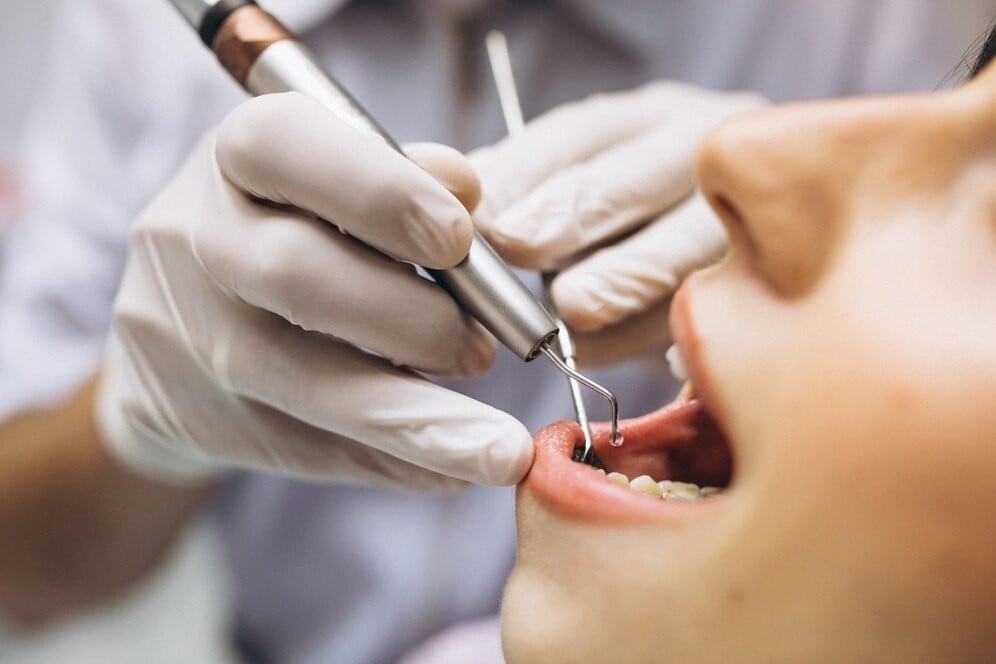
Gum recession can be a distressing dental issue, causing discomfort, tooth sensitivity, and potential tooth loss if left untreated. For many years, gum grafting surgery has been the go-to treatment for gum recession, but it can be invasive and requires a longer recovery period. Nowadays, advances in dentistry have led to the development of the Pinhole Surgical Technique, a minimally invasive procedure to treat gum recession without the need for incisions, sutures, or extensive downtime. As experienced dental professionals in Tacoma, WA, we are excited to provide a comprehensive guide to the Pinhole Surgical Technique and explain why this revolutionary procedure is gaining popularity as a preferred treatment option for gum recession.
In this educational blog post, we will discuss the benefits of the Pinhole Surgical Technique and how it differs from traditional gum grafting surgery. Furthermore, we will walk through the procedure, explaining each step in detail, to help you understand what to expect when choosing the Pinhole Surgical Technique for your gum recession treatment. We will also shed light on the ideal candidates for this innovative procedure and address any potential concerns surrounding it.
Continue reading to learn how the Pinhole Surgical Technique is revolutionizing gum recession treatment and how our dental team in Tacoma, WA, can help you restore your oral health using this minimally invasive approach. Schedule a consultation with us today to determine if the Pinhole Surgical Technique is the right solution for you.
Benefits of the Pinhole Surgical Technique
The Pinhole Surgical Technique offers several advantages over traditional gum grafting surgery as a solution for gum recession:
- Minimally Invasive: Unlike gum grafting surgery, which involves incisions and sutures, the Pinhole Surgical Technique requires only a small pinhole-sized puncture in the gums to access the affected area, resulting in a less invasive and generally more comfortable experience.
- Faster Recovery: As there are no incisions or sutures, the recovery process following the Pinhole Surgical Technique is typically quicker, allowing for a faster return to your daily activities.
- Minimal Discomfort: Patients who undergo the Pinhole Surgical Technique often report minimal discomfort both during and after the procedure compared to traditional gum grafting surgery.
- No Donor Site: Unlike gum grafting, which may require harvesting tissue from the patient’s palate, the Pinhole Surgical Technique utilizes the existing gum tissue, eliminating the need for a donor site and its associated discomfort.
- Immediate Results: With the Pinhole Surgical Technique, patients can see an improvement in their gumline appearance almost immediately after the procedure.
The Pinhole Surgical Technique Process
An understanding of the Pinhole Surgical Technique process can help put your mind at ease as you consider this innovative treatment:
- Initial Consultation: During your first appointment, we will evaluate your oral health, discuss your gum recession concerns, and determine if the Pinhole Surgical Technique is the appropriate treatment for you.
- Anesthesia: To ensure a comfortable experience, local anesthesia is applied to the treatment area before the procedure begins.
- Pinhole Creation: A small pinhole-sized opening is made in the gums above the affected tooth or teeth, allowing access to the underlying connective tissue without the need for incisions or sutures.
- Gum Recontouring: Specialized dental instruments are inserted through the pinhole, gently loosening and repositioning the gum tissue to cover the exposed tooth roots.
- Collagen Placement: Collagen strips or small collagen plugs are placed beneath the repositioned gum tissue to stabilize and secure the new gumline.
- Post-Procedure Care: As the Pinhole Surgical Technique requires minimal recovery time, most patients can resume their daily activities soon after treatment. Detailed instructions will be provided for post-procedure dental care and oral hygiene practices to ensure optimal results.
Ideal Candidates for the Pinhole Surgical Technique
Understanding the criteria that make an individual a good candidate for the Pinhole Surgical Technique is crucial when considering this treatment:
- Mild to Moderate Gum Recession: The Pinhole Surgical Technique is most effective for patients with mild to moderate gum recession who still have adequate gum tissue remaining.
- Good Oral Health: To achieve the best results, the Pinhole Surgical Technique should be performed on patients who practice proper oral hygiene and have their gum disease under control.
- No Bruxism or Clenching: Individuals suffering from bruxism or teeth clenching may not be suitable candidates, as these habits can exacerbate gum recession and compromise the treatment’s success.
- Non-Smokers: Smoking negatively impacts gum health and can hinder the success of the Pinhole Surgical Technique. Patients should be willing to quit smoking before and after the procedure to facilitate proper healing and lasting results.
Addressing Concerns and Limitations of the Pinhole Surgical Technique
While the Pinhole Surgical Technique offers several advantages over traditional gum grafting, it is essential to be aware of potential concerns and limitations:
- Not Suitable for Every Case: In some cases, traditional gum grafting may be necessary, particularly if there is extensive gum tissue loss or the patient requires a significant amount of additional gum tissue to cover the exposed tooth roots adequately.
- Long-Term Success Rates: The Pinhole Surgical Technique is a relatively new procedure, and while initial results show promising success rates, more long-term data is needed to compare it to the time-tested results of traditional gum grafting surgery.
- Insurance Coverage: Some dental insurance plans may not yet cover the Pinhole Surgical Technique, given that it is a newer procedure. It is essential to check with your dental insurance provider to understand your coverage options for this treatment.
Embrace the Future of Gum Recession Treatment with the Pinhole Surgical Technique
The Pinhole Surgical Technique is a revolutionary development in the field of dentistry, offering patients a minimally invasive option for addressing gum recession. With faster recovery times, minimal discomfort, and no need for incisions or sutures, the Pinhole Surgical Technique is becoming an increasingly popular choice for treating gum recession.
If you believe the Pinhole Surgical Technique may be the right solution for your gum recession concerns, we invite you to schedule a consultation with our experienced dental team at Sound Surgical Arts. We will assess your individual dental needs, discuss your treatment preferences, and help you make an informed decision about the most appropriate gum recession treatment for you. Together, we can work to restore your smile and oral health, allowing you to enjoy the benefits of the Pinhole Surgical Technique in Tacoma, WA.
Preventative Dental Care: Establishing a Foundation for Lifelong Oral Health in Tacoma, WA
Your dental health extends beyond the aesthetics of your smile; it greatly impacts your overall well-being and quality of life. Establishing excellent oral hygiene habits and prioritizing preventative dental care is the cornerstone of maintaining a healthy, radiant smile throughout your life. Sound Surgical Arts, located in Tacoma, WA, offers top-quality, comprehensive preventative dental care services designed to keep your smile in the best possible condition.
In this informative blog article, we will explore various aspects of preventative dental care, including the importance of routine dental checkups and cleanings, proper daily oral hygiene practices, and the role of early intervention in addressing potential dental issues. Sound Surgical Arts is committed to providing exceptional dental care to the Tacoma, WA community, and we pride ourselves on empowering our patients with the knowledge and tools necessary to cultivate lifelong oral health.
By investing in preventative dental care, you can minimize the need for extensive dental treatments, preserve your oral health, and enjoy a beautiful, confident smile well into your golden years. Trust Sound Surgical Arts, Tacoma’s premier dental professionals, to guide and support you on your path to achieving and maintaining the smile you deserve. Schedule your preventative dental care appointment today and experience the peace of mind that comes from taking control of your dental health and overall well-being.
The Importance of Routine Dental Checkups and Cleanings
Scheduling regular dental checkups and professional cleanings is fundamental to preventative dental care. Dental professionals recommend biannual checkups for most individuals; however, depending on your risk factors, age, or specific oral health conditions, your dentist may suggest a customized appointment schedule tailored to your needs. Routine dental checkups offer several benefits, including:
- Early Detection of Dental Issues: Dental checkups can uncover potential problems, such as cavities, gum disease, or dental erosion, allowing your dentist to promptly address these issues and prevent further complications.
- Cancer Screening: Regular dental visits provide an opportunity for oral cancer screenings, which are crucial for the early detection and treatment of oral cancer.
- Professional Cleanings: Dental hygienists conduct thorough, professional cleanings during your routine checkup, removing plaque and tartar buildup and helping to maintain optimal gum health.
Implementing Proper Oral Hygiene Practices
Ensuring proper oral hygiene is a daily responsibility that plays a significant role in your overall dental health. Here are some essential oral hygiene practices to incorporate for a healthy smile:
- Brushing: Brush your teeth at least twice a day, using a fluoride toothpaste and a soft-bristle toothbrush. It’s important to brush correctly with gentle, circular motions, covering all tooth surfaces, including the front, back, and chewing areas.
- Flossing: Floss at least once a day to remove plaque and food particles from between your teeth and under your gumline, where a toothbrush cannot reach.
- Mouthwash: Use an antimicrobial mouthwash to help reduce plaque, prevent gingivitis, and freshen your breath.
- Dietary Habits: Limit your intake of sugary and acidic food and drinks, as they can contribute to tooth decay and enamel erosion.
Protecting Your Teeth With Dental Sealants and Fluoride Treatments
Additional preventative measures, such as dental sealants and fluoride treatments, can help protect your teeth from decay and maintain your overall oral health:
- Dental Sealants: Sealants are a thin, protective coating applied to the chewing surfaces of your back teeth, preventing food particles and bacteria from causing tooth decay within the grooves of your molars. Sealants are particularly beneficial for children but can also provide lasting protection for adults with healthy, decay-free molars.
- Fluoride Treatments: Fluoride strengthens tooth enamel, making it more resistant to decay. Topical fluoride treatments provided by your dentist can help protect your teeth from cavities, particularly in individuals who have an increased risk of dental decay.
The Advantages of Embracing a Proactive Approach to Dental Health
Being proactive when it comes to your dental health can help prevent oral health issues and save you time, money, and discomfort in the long run. Proactive dental care involves:
- Promptly Addressing Dental Concerns: If you experience dental pain, sensitivity, or other concerning symptoms, don’t wait for your routine checkup. Contact your dentist as soon as possible for an evaluation and intervention if necessary.
- Staying Informed: Educate yourself about your oral health, the latest dental treatments, and solutions for maintaining a healthy smile.
- Open Communication with Your Dentist: Maintain regular communication with your dentist and discuss any concerns, symptoms, or changes in your dental health.
Prioritize Preventative Dental Care with Sound Surgical Arts
Preventative dental care is the foundation of lifelong oral health, and Sound Surgical Arts is here to provide exceptional preventative dental services in Tacoma, WA. Our experienced dental professionals are committed to helping you maintain a healthy, beautiful smile and taking proactive steps in preserving your dental well-being.
It’s time to make your oral health a top priority. Schedule your preventative dental care appointment with Sound Surgical Arts in Tacoma, WA, today. Let us guide and support you on your journey to cultivating lifelong oral health and a smile you can be proud of.
Examining the Benefits of Minimally Invasive Oral Surgery Techniques
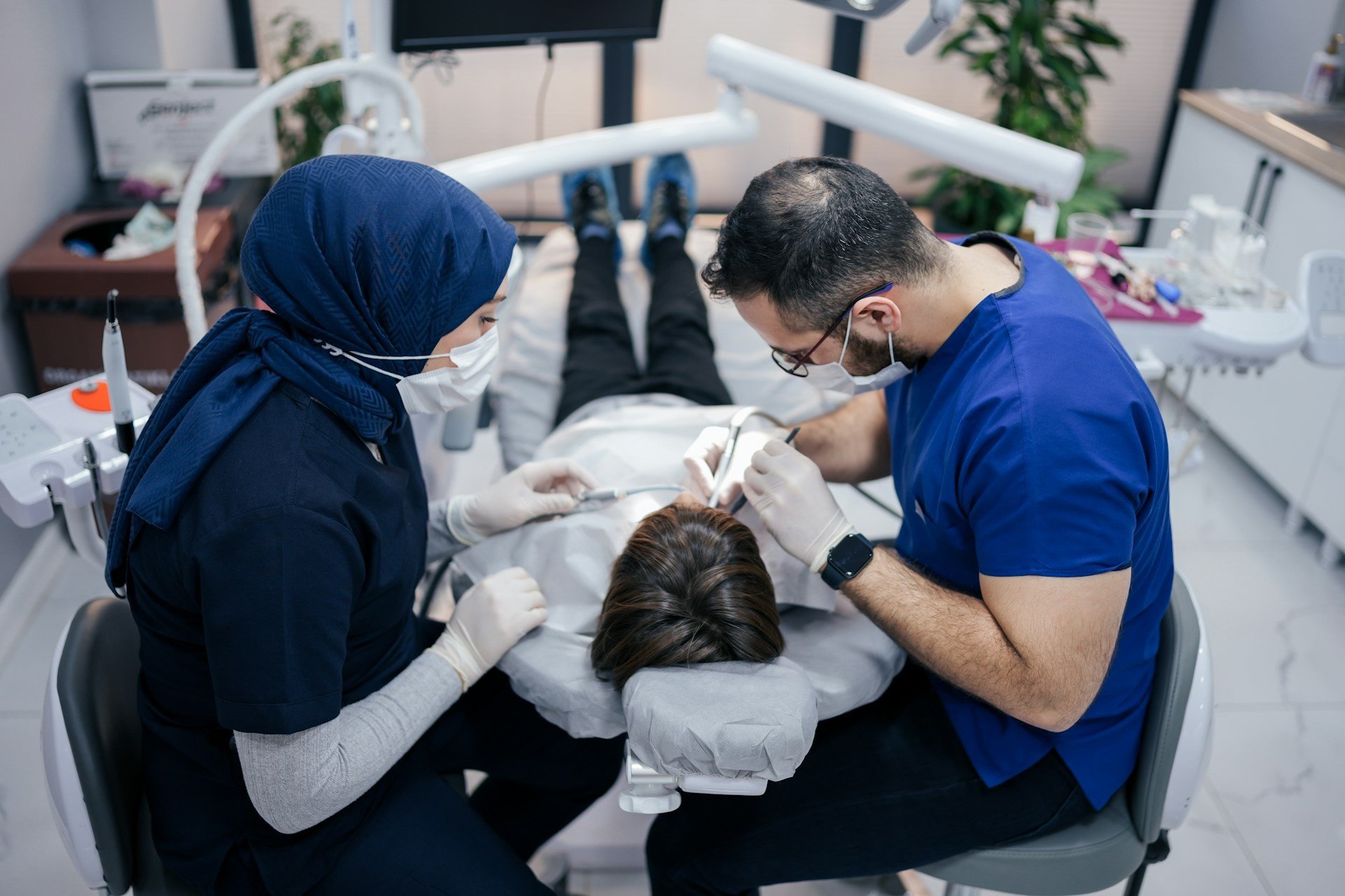
Oral surgery procedures, such as dental implant placement, wisdom tooth extraction, bone grafting, and reconstructive surgery, are crucial components of comprehensive dental care. However, traditional surgical methods can sometimes cause significant discomfort, swelling, and longer healing times for patients. In recent years, advancements in dental technology and surgical approaches have led to the development of minimally invasive oral surgery techniques that have transformed the patient experience, resulting in reduced postoperative pain, faster healing, and improved patient satisfaction.
Minimally invasive oral surgery techniques involve the use of advanced instruments, such as piezosurgery devices, laser dentistry, and guided implant surgery systems, combined with innovative surgical approaches to preserve healthy tissue, minimize the risk of complications, and expedite the healing process. These techniques are suitable for various oral surgery procedures, from dental implant placement and bone grafting to wisdom tooth extractions and periodontal treatments.
In this comprehensive article, we will explore the numerous benefits of minimally invasive oral surgery techniques, explaining how they enhance patient comfort, recovery times, and overall treatment success.
1. Advantages of Minimally Invasive Oral Surgery Techniques
Minimally invasive oral surgery techniques offer a multitude of benefits compared to traditional surgical methods. Below, we elaborate on some of these advantages, which contribute to enhanced patient experience and improved treatment outcomes:
a. Reduced Pain and Discomfort: Minimally invasive techniques involve smaller incisions, preserve healthy tissue, and cause less trauma to the surrounding areas. Consequently, patients generally experience less postoperative pain and discomfort.
b. Faster Healing and Recovery: By minimizing tissue damage and complications, minimally invasive procedures often result in quicker healing times, allowing patients to return to their daily routines in less time.
c. Decreased Swelling and Bruising: Minimal trauma to the soft tissue during surgery often leads to reduced swelling and bruising in the treated areas, providing additional comfort during the healing process.
d. Minimal Scarring: Smaller incisions lead to less visible scarring, ensuring a more aesthetic outcome for patients, especially when the surgery involves visible areas of the mouth and face.
2. Minimally Invasive Techniques in Oral Surgery Procedures
Several innovative techniques and technologies contribute to the success of minimally invasive oral surgery:
a. Piezosurgery: This cutting-edge technology uses ultrasonic vibrations to cut through bone while preserving the surrounding soft tissues. It is often used in procedures like dental implant placement, bone grafting, and sinus lifts, resulting in more precise and less invasive procedures.
b. Laser Dentistry: Dental lasers can effectively treat various oral conditions with minimal discomfort and faster healing compared to traditional methods. For example, lasers are used in periodontal treatments to remove diseased tissue and bacteria with minimal bleeding and discomfort.
c. Guided Implant Surgery: Advanced digital imaging and planning software enable oral surgeons to pre-plan dental implant procedures, creating customized surgical guides to ensure accurate and optimal implant placement. This precise planning allows for smaller incisions and quicker postoperative healing.
d. Flapless Implant Surgery: This method involves placing dental implants directly through the gum tissue without the need for a large incision or raising a surgical flap. By eliminating the need to cut and suture the gum tissue, patients experience reduced pain, bleeding, and quicker healing times.
3. Preparing for a Minimally Invasive Oral Surgery Procedure
To ensure the best possible experience and outcome, patients should follow these steps when preparing for their minimally invasive oral surgery:
a. Discuss Expectations with Your Oral Surgeon: Talk with your oral surgeon regarding the expected results, benefits, and risks of the minimally invasive procedure. This conversation will help manage expectations and ensure that you have a thorough understanding of the treatment process.
b. Follow Preoperative Instructions: Adhere to any preoperative guidelines provided by your oral surgeon, which may include avoiding specific medications, arranging transportation, and fasting before the procedure.
c. Prepare for Postoperative Care: Be ready for a smooth recovery by planning and preparing for postoperative care, including stocking up on soft foods, comfortable pillows, and necessary pain medications as prescribed by your oral surgeon.
4. Ensuring a Successful Recovery
Following your minimally invasive oral surgery, it is essential to follow your oral surgeon’s instructions for a successful recovery:
a. Maintain Proper Oral Hygiene: It is crucial to keep the surgical area clean, which may involve gently rinsing with a prescribed mouth rinse, careful brushing, or using a soft toothbrush around the treatment area.
b. Adhere to Recommended Dietary Guidelines: Consuming soft foods and gradually reintroducing harder foods as you heal will help expedite the healing process and prevent potential complications.
c. Follow Medication Instructions: Take any prescribed medications as directed, and avoid self-medication with over-the-counter drugs without your oral surgeon’s approval.
d. Attend Follow-Up Appointments: Monitor your healing progress through follow-up appointments with your oral surgeon. This helps ensure successful treatment and address any concerns or complications early on.
Conclusion
Minimally invasive oral surgery techniques have revolutionized the field of oral and maxillofacial surgery by offering numerous benefits to patients, including reduced pain and discomfort, faster healing, and minimal scarring. With advanced technologies and innovative surgical approaches, our team is dedicated to providing the most comfortable and effective oral surgery experience possible for our patients.
If you’re considering oral surgery and would like to learn more about minimally invasive techniques, please don’t hesitate to contact us. Our experienced team of dental specialists at Sound Surgical Arts is here to help answer any questions and guide you through the process. Learn how we perform navigated implant placement and use lasers to treat gum disease in Gig Harbor today!
Understanding Periodontal Disease: Symptoms, Causes, and Treatment Options
Periodontal disease, also known as gum disease, is a common yet often overlooked oral health issue affecting millions of Americans. Ranging from early-stage gingivitis to advanced periodontitis, periodontal disease can lead to significant consequences if left untreated, including tooth loss, damage to the underlying bone structure, and even systemic health problems. As dental specialists in dental implants, emergency dental, periodontics, oral surgery, and maxillofacial surgery, we recognize the importance of educating our patients on periodontal disease and its potential impact on their overall well-being.
In this comprehensive article, we aim to provide in-depth information on periodontal disease, its causes and symptoms, and effective treatment options to manage and prevent further progression. A better understanding of this oral health issue can empower patients to take the necessary steps in maintaining proper oral hygiene, seeking timely professional care, and ultimately preserving a healthy smile.
1. Identifying Signs and Symptoms of Periodontal Disease
Early detection of periodontal disease is crucial to preventing its progression and minimizing potential damage. Being aware of the following signs and symptoms can help you recognize periodontal issues before they worsen:
a. Bleeding Gums: If your gums bleed easily, especially when brushing or flossing, it can be an early sign of gum disease.
b. Red and Swollen Gums: Inflamed, red, and swollen gums are often a result of the body’s immune response to the presence of harmful bacteria.
c. Persistent Bad Breath: While occasional bad breath can have various causes, persistent halitosis may indicate an accumulation of bacteria or an infection in the gum tissue.
d. Receding Gums: Gum recession occurs as the inflamed gum tissue pulls away from the teeth, exposing the root structure and making teeth appear longer.
e. Loose or Shifting Teeth: As gum disease progresses, the periodontal ligament and bone supporting the teeth can break down, causing the teeth to become loose or shift out of position.
If you notice any of these symptoms, it’s crucial to consult a dental specialist promptly for an accurate diagnosis and appropriate treatment plan.
2. Risk Factors Contributing to Periodontal Disease
Certain factors can contribute to an individual’s susceptibility to periodontal disease, and recognizing these elements can help reduce the risk of developing gum issues:
a. Poor Oral Hygiene: Inadequate daily oral hygiene habits, such as improper brushing and flossing techniques, can increase the likelihood of developing gum disease.
b. Genetics: Research has shown that some individuals may be genetically predisposed to periodontal disease, making it essential to maintain regular dental check-ups and practice good oral hygiene.
c. Tobacco Use: Smoking or using smokeless tobacco products can interfere with blood flow in the gum tissue and impede the healing process, thereby increasing the risk of periodontal disease.
d. Hormonal Changes: Situations like pregnancy, menstruation, and menopause can cause hormonal fluctuations that affect gum tissue and make it more susceptible to inflammation and disease.
e. Health Conditions: Certain systemic health issues, such as diabetes, HIV/AIDS, and some autoimmune disorders, can negatively impact the body’s response to infection and increase the risk of periodontal disease.
3. Treatment Options for Periodontal Disease
Depending on the stage of the disease, various treatment options can effectively manage and control periodontal disease:
a. Scaling and Root Planing: Often the initial treatment method for periodontal disease, scaling and root planing is a non-surgical deep-cleaning procedure that involves removing plaque and tartar from below the gum line and smoothing the root surfaces to promote gum reattachment to the teeth.
b. Pocket Reduction Surgery: In cases where the pockets formed between the teeth and gums are too deep for conventional cleaning, pocket reduction surgery may be necessary. This involves the oral surgeon gently lifting the gum tissue, cleaning the underlying bone and tooth roots, and repositioning the gum tissue back into place.
c. Bone Grafting: In severe cases where periodontal disease has resulted in bone loss, bone grafting can help regenerate lost bone and provide support to the teeth, promoting stability and preventing tooth loss.
d. Gum Grafting: For cases of gum recession, gum grafting can help cover exposed tooth roots, protect them from further damage, and improve gum aesthetics.
e. Periodontal Maintenance: Periodontal treatment does not end with the initial therapy; ongoing maintenance is crucial to ensuring the long-term success of any treatment plan. Regular dental check-ups, professional cleanings, and diligent oral hygiene practices are vital components of periodontal maintenance.
4. The Importance of Preventative Care
Preventing periodontal disease starts at home, with proper oral hygiene, regular dental examinations, and professional cleanings. Adhering to these fundamental concepts can significantly contribute to maintaining healthy gums and preventing gum disease:
a. Brushing and Flossing: Adequate oral hygiene practice, including brushing at least twice daily and flossing once a day, is the cornerstone of preventing plaque and bacteria build-up, which leads to periodontal disease.
b. Regular Dental Check-ups: Visiting your dental specialist for regular check-ups and cleanings can help detect early signs of periodontal disease, allowing for prompt treatment and reducing the risk of more severe issues.
c. Healthy Lifestyle: Embracing a healthy lifestyle, including a balanced diet, adequate hydration, and avoiding tobacco products, can improve your overall oral health and reduce the risk of developing periodontal disease.
Conclusion
Understanding the signs, symptoms, and causes of periodontal disease can empower you to take the necessary steps in maintaining proper oral health and addressing potential gum issues promptly. With comprehensive periodontal treatment options and preventative care measures, you can preserve a healthy, functional smile for the long term.
If you are experiencing periodontal issues or would like to schedule a consultation, please don’t hesitate to contact our dental specialists today. Sound Surgical Arts is dedicated to providing expert care and guidance tailored to your unique oral health needs. Ask us how we treat gum disease in Gig Harbor!
Discover the Teeth-in-a-Day Dental Implant Revolution in Tacoma, WA
Are you tired of dealing with the inconveniences of dentures or missing teeth and seeking a lasting, life-changing solution? If so, Teeth-in-a-Day dental implants might be the perfect option for you. This innovative procedure provides a revolutionary approach to tooth replacement, offering fully functional and natural-looking teeth in just one day. As leading dental experts in Tacoma, WA, we are excited to share comprehensive insights into the Teeth-in-a-Day dental implant process and reveal how this groundbreaking treatment can transform your smile.
In this informative blog post, we will delve into the advantages and process of Teeth-in-a-Day dental implants, outlining the benefits and what sets it apart from traditional dental implant procedures. Furthermore, we will discuss the ideal candidates for Teeth-in-a-Day and how our dental professionals in Tacoma, WA, can help you achieve a stunning new smile with this cutting-edge treatment option.
1. Benefits of Teeth-in-a-Day Dental Implants
Teeth-in-a-Day dental implants, also known as “All-on-Four” or “Smile-in-a-Day,” come with numerous advantages that make them a popular choice for patients seeking a hassle-free, enduring smile restoration:
– Immediate Results: As the name suggests, Teeth-in-a-Day dental implants allow for the placement of temporary, yet fully functional teeth on the same day as the procedure. Patients leave our office with a new smile, without having to wait for months like with traditional dental implants.
– Shorter Treatment Time: Compared to conventional dental implants, Teeth-in-a-Day implants require fewer appointments and a reduced overall treatment time.
– Less Invasive Procedure: The Teeth-in-a-Day treatment often eliminates the need for bone grafting, as it uses fewer implants strategically placed to maximize available bone. This results in a less invasive procedure and a faster healing period.
– Long-lasting Solution: Teeth-in-a-Day dental implants provide a stable, durable solution for tooth replacement. With proper care and maintenance, your new smile can last a lifetime.
– Improved Quality of Life: Having a complete, functional set of teeth can significantly enhance your self-confidence, speech, and ability to chew, leading to better overall health and well-being.
2. Teeth-in-a-Day Dental Implants: The Process
Understanding the Teeth-in-a-Day dental implant process will help you feel more prepared for this transformative procedure:
– Initial Consultation: During your first visit, we will perform a comprehensive oral examination, discuss your case history, and determine your candidacy for Teeth-in-a-Day. We will also take digital impressions and 3D imagery to create a customized treatment plan.
– Implant Placement: On the day of your implant procedure, you will visit our office, where our skilled dental professionals will gently place the dental implants in your jawbone. Teeth-in-a-Day typically involves the placement of four dental implants – two in the front and two in the back of the jaw – at specific angles to create a stable foundation for your replacement teeth.
– Temporary Teeth Placement: Once the dental implants are inserted, we will affix temporary replacement teeth on the same day. These temporary teeth are fully functional, allowing you to chew, smile, and speak with confidence as you adjust to your new smile.
– Healing Period: Over the following months, the dental implants will gradually fuse with your jawbone in a process called osseointegration. This integration provides a secure and lasting bond for your permanent replacement teeth.
– Permanent Teeth Placement: When the healing period is complete and the implants have fully integrated into your jaw bone, we will replace your temporary teeth with custom-crafted, high-quality permanent teeth to complete your stunning new smile.
3. Who is a Candidate for Teeth-in-a-Day Dental Implants?
Teeth-in-a-Day dental implants may be a suitable option for a wide range of patients seeking a hassle-free smile makeover:
– Denture Wearers: If you are tired of dealing with the discomfort and instability of traditional dentures, Teeth-in-a-Day dental implants offer a secure, long-lasting alternative, providing a fixed, non-removable tooth replacement solution.
– Missing Teeth: Teeth-in-a-Day may be ideal for those who have lost multiple teeth due to periodontal disease, dental trauma, or decay, and are seeking to restore their smile and oral function quickly.
– Bone Loss Challenges: Patients who have experienced significant bone loss and may not qualify for traditional dental implants could be perfect candidates for Teeth-in-a-Day, as the procedure often eliminates the need for additional bone grafting.
It is essential to schedule a consultation at our Tacoma, WA dental office to assess your specific needs and determine if Teeth-in-a-Day dental implants are the right solution for your smile restoration.
4. Choosing a Dental Expert for Teeth-in-a-Day in Tacoma, WA
Selecting the right dental professionals to perform your Teeth-in-a-Day dental implant procedure is critical for achieving the best results:
– Experience: Trust a dental expert with extensive hands-on experience in performing the Teeth-in-a-Day dental implant procedure.
– Technology: Look for a dental office that utilizes advanced technology, such as digital impressions and 3D imaging, to ensure precise implant placement and optimal outcomes.
– Personalized Care: Choose a dental team that provides personalized attention, carefully considering your unique needs and preferences to create a customized treatment plan for your smile transformation.
Embrace a Life-Changing Smile with Teeth-in-a-Day Dental Implants
Teeth-in-a-Day dental implants offer a quick, reliable, and long-lasting solution for patients seeking to regain their smile and confidence. This remarkable procedure can dramatically improve your quality of life by providing secure, natural-looking teeth in just one day.
Make the life-changing choice to eliminate the hassles of missing teeth or cumbersome dentures and start your journey towards a new, radiant smile. Schedule your consultation with our skilled Teeth-in-a-Day dental experts in Tacoma, WA, today, and let us help you achieve the smile you’ve always desired.
Gum Grafting for Recession: A Comprehensive Guide to Restoring Your Gums

Gum recession is a prevalent dental issue that affects a significant number of people, leading to sensitivity, discomfort, and potential tooth loss if left untreated. Typically caused by factors such as periodontal disease, aggressive tooth brushing, or even genetics, gum recession can significantly impact your oral health and self-confidence. If you or someone you know suffers from gum recession, it is vital to consider gum grafting treatment to restore your gums and protect your teeth. As leading dental professionals in Tacoma, WA, we are delighted to offer comprehensive insights into gum grafting as an effective solution for receding gums.
In this educational blog post, we will explore the causes of gum recession, the importance of receiving timely treatment, and the various gum grafting techniques available to suit your specific needs. Furthermore, we will delve into the gum grafting procedure itself, so you have a clear understanding of what to expect during this vital dental treatment. Lastly, we will discuss the benefits of gum grafting and why seeking the expertise of a skilled dental professional is crucial for a successful outcome.
1. Common Causes of Gum Recession
Understanding the causes of gum recession is essential to preventing this dental issue and maintaining healthy gums:
– Periodontal Disease: Gum disease, including gingivitis and periodontitis, is a leading cause of gum recession. Bacterial infections can lead to chronic inflammation, receded gums, and potential tooth loss if untreated.
– Aggressive Tooth Brushing: Brushing your teeth too hard or using a hard-bristled toothbrush can gradually wear away your gum tissue, causing recession.
– Genetics: Some individuals are predisposed to gum recession due to their genetic makeup, even if they practice exceptional oral hygiene.
– Orthodontic Issues: Misaligned teeth or bite problems can result in uneven pressure on your gums, contributing to gum recession.
– Grinding and Clenching: Bruxism, the habit of grinding or clenching your teeth, can place excessive force on your gums, leading to gum tissue damage and recession.
2. Types of Gum Grafting Techniques
There are several types of gum grafting techniques to address gum recession, and the ideal method for you will depend on your unique oral health situation:
– Connective Tissue Graft: This is the most commonly performed gum grafting technique. A small flap is created in your mouth to access the connective tissue beneath the surface. The connective tissue is then removed and grafted over the exposed tooth root to cover the recession.
– Free Gingival Graft: In this procedure, a small piece of tissue is removed directly from the roof of your mouth (the palate) and grafted onto the receded gums. The free gingival graft is often chosen for patients with thin gums who need additional tissue thickness to avoid future recession.
– Pedicle Graft: The pedicle graft method involves using gum tissue from the area adjacent to the receded gum. A flap, or pedicle, is created, and the tissue is pulled over the exposed root and sutured into place. This technique is ideal for patients who have an adequate amount of healthy gum tissue around the affected tooth.
3. The Gum Grafting Procedure for Recession
The gum grafting procedure is a highly effective way to address gum recession and protect your exposed tooth roots:
– Initial Consultation: During your initial appointment, we will assess your gum health, discuss your treatment options, and create a personalized plan tailored to your needs.
– Preparation: Prior to the procedure, you may receive thorough teeth cleaning to remove plaque and tartar and establish a clean, healthy foundation for the graft.
– Anesthesia: To ensure your comfort during the gum grafting procedure, we will administer a local anesthetic to numb the treatment area.
– Graft Placement: Depending on the chosen gum grafting technique, we will harvest and graft the gum tissue, ensuring precise placement to effectively cover the exposed tooth root.
– Post-Procedure Care: After the gum grafting treatment, we will provide you with detailed post-care instructions to facilitate a smooth and swift recovery.
4. Advantages of Gum Grafting Treatment for Receding Gums
Undergoing gum grafting treatment can yield numerous benefits for your oral health and overall well-being:
– Protects Exposed Tooth Roots: By covering exposed tooth roots, gum grafting can prevent decay, sensitivity, and further damage to the affected area.
– Restores Aesthetics: Gum grafting can dramatically improve the appearance of your smile by creating an even gumline and covering unsightly exposed roots.
– Improves Oral Health: Addressing gum recession through gum grafting can enhance overall oral health by reducing inflammation, preventing tooth loss, and promoting a healthier gum-to-tooth connection.
– Boosts Confidence: With healthier gums and an improved smile, your self-confidence and quality of life may significantly increase.
Restore Your Gums and Smile with Gum Grafting for Recession
Gum grafting offers a highly effective and lasting solution to treat gum recession. By understanding the causes of gum recession, choosing the appropriate gum grafting technique, and trusting the expertise of dental professionals, you can regain a comfortable, healthy, and vibrant smile.
Do not let gum recession impact your oral health and confidence any longer. Schedule a consultation with Sound Surgical Arts’ dedicated dental team in Tacoma, WA, to discuss treatments like gum grafting for recession for your case. Together, we will pave the way to a renewed and beautiful smile that can enhance your quality of life.
Comprehensive Guide to Gum Grafting: Causes, Procedure, and Recovery
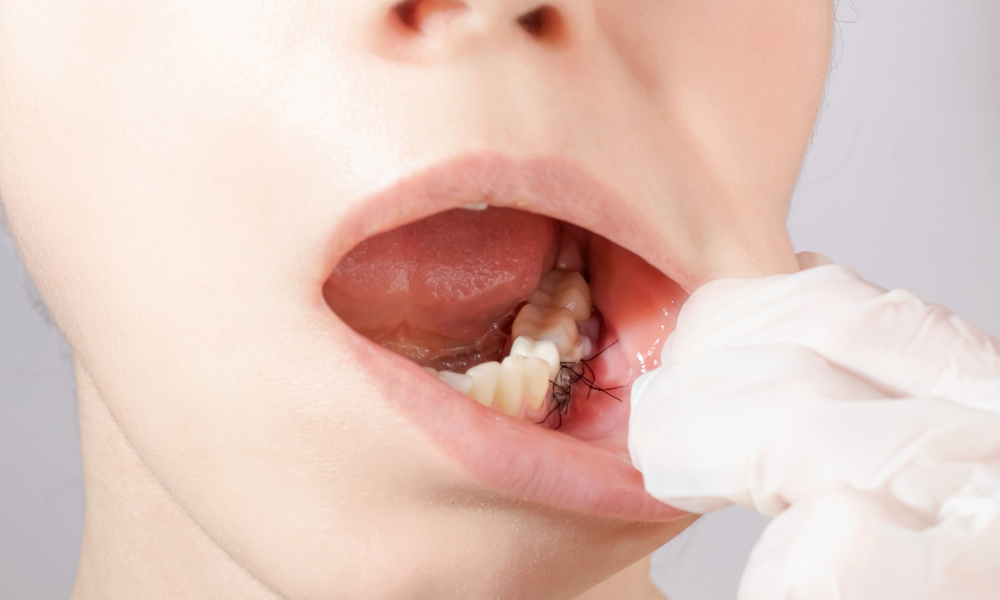
Gum recession is a common dental concern that can have severe consequences if left untreated, including tooth sensitivity, decay, and even tooth loss. Gum grafting is a surgical procedure designed to treat gum recession by supplementing the lost gum tissue and protecting the exposed tooth roots. At Sound Surgical Arts in Gig Harbor, WA, we take pride in our experience and expertise in gum grafting and other reconstructive dental procedures, ensuring our patients receive high-quality care and successful restoration of their oral health.
At Sound Surgical Arts in Gig Harbor, WA, our dedicated team of dental professionals is committed to providing personalized care for patients experiencing gum recession. With our extensive knowledge and advanced techniques in gum grafting, we aim to restore your healthy, beautiful smile.
Causes of Gum Recession: Identifying the Risk Factors Behind a Receding Gumline
Gum recession is often a gradual process, and recognizing the common causes can help you take preventive measures and maintain a healthy smile. Some of the leading contributors to gum recession include the following:
- Gum Disease: Periodontal disease, an infection of the gum tissue and supporting bone structures, is a primary cause of gum recession. Regular dental cleanings and good oral hygiene can help prevent gum disease and its associated complications.
- Aggressive Tooth Brushing: Brushing your teeth too hard or using a toothbrush with firm bristles can cause gum tissue to wear away gradually. Opt for a soft-bristled toothbrush and use gentle, circular motions when brushing.
- Genetic Predisposition: Some individuals may be genetically predisposed to gum recession and weaker gum tissue. In these cases, early detection and attentive care are crucial to maintaining oral health.\
- Tobacco Use: Smoking and using smokeless tobacco products can lead to gum irritation, inflammation, and eventual gum recession. Quitting tobacco use can significantly improve your gum health.
Types of Gum Grafts: Examining the Techniques Used in Gum Grafting Procedures
There are three primary techniques utilized in gum grafting, each suited for specific gum recession situations:
- Free Gingival Graft: This technique involves removing a small piece of tissue from the palate and attaching it to the affected gum area. Free gingival grafts are ideal for patients with naturally thin gums who need additional gum tissue thickness.
- Connective Tissue Graft: The most common gum grafting technique, connective tissue grafts involve making a small flap in the palate to remove underlying connective tissue, which is then sutured to the recessed gum area around the exposed tooth root.
- Pedicle Graft: In this technique, existing gum tissue adjacent to the receded area is partially cut and stretched to cover the exposed tooth root. Pedicle grafts are suitable for patients with an adequate amount of gum tissue near the recession site.
Gum Grafting Procedure: Understanding the Steps and What to Expect
A gum grafting procedure typically involves the following steps:
- Preparatory Consultation: During your initial consultation, your dental surgeon will assess the severity of your gum recession and recommend the most appropriate gum grafting technique.
- Anesthesia: To ensure your comfort during the procedure, local anesthesia will be administered to numb the affected area and the donor site (if applicable).
- Graft Harvesting and Placement: Depending on the chosen technique, your dental surgeon will either harvest gum tissue from your palate or utilize adjacent gum tissue. The graft is then carefully placed over the exposed tooth root and secured with sutures.
- Post-Operative Care Instructions: Your dental surgeon will provide detailed instructions for proper post-operative care to ensure a smooth recovery.
Post-Operative Care and Recovery: Promoting Healing and Protecting Your Gum Graft
Following your gum grafting surgery, it’s critical to follow your dental surgeon’s post-operative care instructions to ensure optimal healing and gum graft longevity. Here are some essential aspects of post-operative care to keep in mind:
- Pain Management: Your dental surgeon may prescribe pain medication or recommend over-the-counter medication to manage discomfort following the procedure.
- Cold Compresses: Applying ice packs to the affected area can help reduce swelling and alleviate discomfort during the first 48 hours.
- Dietary Considerations: To protect your gum graft, stick to a diet of soft foods, such as yogurt, applesauce, and smoothies, for at least a week following the surgery. Avoid extremely hot or cold foods and beverages, as they may cause sensitivity.
- Oral Hygiene: Maintain good oral hygiene by gently brushing and flossing the rest of your teeth. Avoid brushing the gum graft area for at least a week. Your dental surgeon may also recommend using a special mouthwash to maintain oral health during the recovery period.
Choosing an Expert Dental Surgeon in Gig Harbor, WA: Ensuring the Best Care for Your Gum Graft Procedure
Selecting the right dental professional is crucial to achieving a successful gum grafting outcome. When choosing a dental surgeon for your gum grafting needs, consider the following:
- Experience and Training: Seek a dental professional with specialized training and expertise in gum grafting and periodontal treatments.
- Patient Testimonials and Reviews: Read reviews and testimonials from previous patients to gain insight into the dental surgeon’s quality of care and results.
- Consultation Experience: Schedule an initial consultation to discuss your gum recession concerns and assess the dental surgeon’s communication, patient care approach, and expertise in recommended treatment.
Conclusion
Gum grafting is an essential treatment for patients experiencing gum recession, helping to protect tooth roots, maintain oral health, and improve the appearance of one’s smile. By understanding the causes of gum recession, the various gum grafting techniques, and what to expect during the procedure and recovery, you can feel confident in taking the necessary steps to preserve your oral health.
Schedule a consultation at Sound Surgical Arts in Gig Harbor, WA, and work with our expert team to develop the best gum grafting treatment plan for your needs. We offer dental implants, wisdom tooth extraction, bone & gum grafting, reconstructive surgery, and more.
Maximizing the Success of Dental Bone Grafting: Essential Tips and Practices
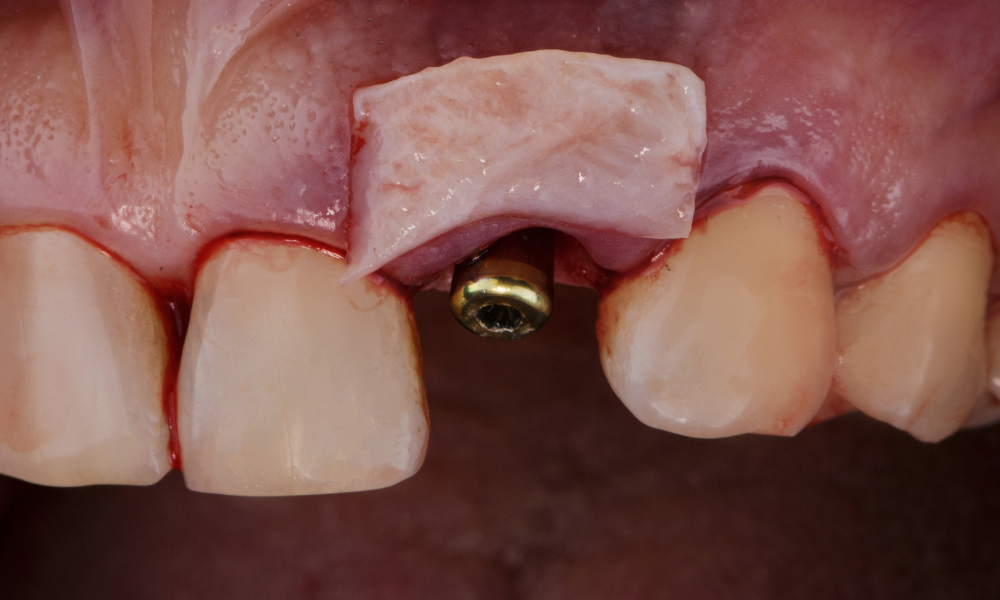
Dental bone grafting is a procedure that helps restore and regenerate lost bone tissue in the jaw, providing the necessary support and foundation for dental implants and other restorative dental procedures. It is essential for patients with bone loss due to tooth extractions, gum disease, or tooth decay to consider dental bone grafting to regain optimal function and appearance. At Sound Surgical Arts in Gig Harbor, WA, our expert dental professionals specialize in bone grafting and restorative dentistry, ensuring the highest level of success and patient satisfaction.
At Sound Surgical Arts in Gig Harbor, WA, our dedicated team of expert dental surgeons and professionals is committed to providing the highest level of care and personalized attention for your dental bone grafting needs. We use state-of-the-art techniques and materials to ensure effective bone regeneration and successful dental restorations.
The Need for Dental Bone Grafting: Why Bone Grafts Are Essential for Some Dental Patients
Dental bone grafting is a surgical procedure that involves the regeneration of jawbone tissue to provide a stable foundation for dental implants or other restorative procedures. There are several reasons why bone grafting may become necessary, including the following:
- Tooth Extractions: When a tooth is removed, the bone that once supported it may deteriorate due to the lack of stimulation from chewing forces. This can lead to insufficient bone height or density for dental implant placement.
- Gum Disease: Severe gum disease, such as periodontitis, can result in significant bone loss in the jaw, affecting the long-term success of dental restorations.
- Tooth Decay: Untreated tooth decay can also lead to bone loss and compromise the integrity of the jaw, necessitating a bone graft to restore the damaged area.
Dental Bone Grafting Techniques and Materials: Exploring the Options for Successful Bone Regeneration
There are several techniques and materials available for dental bone grafting, each with its unique advantages:
- Autografts: This technique uses bone taken from the patient’s body, typically from the chin or hip. Autografts are highly biocompatible but require a second surgery site, potentially increasing the risk of complications.
- Allografts: Allografts involve the use of bone from a human donor, which is sterilized and screened before being implanted into the patient’s jaw. This eliminates the need for a second surgical site but may have a slightly slower rate of integration.
- Xenografts: These grafts use animal-derived bone, typically from a cow, that has been treated to remove proteins and reduce the risk of rejection. Xenografts can be an excellent option in cases where the patient does not have sufficient bone available for an autograft.
- Synthetic grafts: Synthetic grafts are composed of biocompatible, lab-created materials designed to mimic bone structure and encourage bone regeneration. These grafts reduce the risk of disease transmission but may have a slower rate of integration compared to autografts.
Tips to Maximize Dental Bone Grafting Success: Strategies for Enhancing Bone Regeneration and Implant Stability
There are several factors and practices that can significantly improve the success and longevity of dental bone grafts:
- Expertise of the Dental Surgeon: Selecting a knowledgeable and experienced dental surgeon, such as those at Sound Surgical Arts, is crucial for successful bone grafting and implant placement.
- Proper Pre-operative Assessment: A thorough evaluation of your oral health, medical history, and imaging studies will provide valuable information for optimal bone graft planning and execution.
- Healthy Lifestyle Choices: Your overall health impacts your body’s ability to regenerate bone tissue. Patients should maintain a healthy lifestyle, including proper nutrition, regular exercise, and abstaining from smoking.
- Communication with Your Dental Specialist: Informed and engaged patients who follow their dental professional’s advice and guidance are more likely to experience greater success with dental bone grafting.
Caring for Dental Bone Grafts: Protecting Your Investment in Oral Health and Function
The success of dental bone grafts depends primarily on the quality of their post-operative care, dental hygiene, and lifestyle habits. Here are some essential recommendations to protect your graft and preserve your oral health.
- Diligent Oral Hygiene: Maintain optimal oral hygiene by brushing twice daily, flossing regularly, and adopting other cleaning habits, such as using a water flosser or interdental brushes.
- Attend Regular Dental Check-ups: Schedule regular dental check-ups and professional cleanings to monitor the health of your dental bone graft and address any issues that may arise.
- Avoid Tobacco Products: Smoking has been shown to negatively impact bone graft success, as it restricts blood flow and limits essential nutrients from reaching the graft site. Kick the habit to improve your oral health and the success of your bone graft.
- Consume a Balanced Diet: A healthy diet rich in vitamins, minerals, and protein will promote optimal bone regeneration and overall oral health.
Choosing the Right Dental Surgeon for Your Bone Grafting Needs: Selecting Your Partner in Dental Health
Selecting a dental professional with expertise in dental bone grafting and restorative dentistry is an essential step in ensuring the success of your procedure. Consider the following criteria when selecting your dental partner:
- Experience and Training: Choose a dental surgeon with specialized training and experience in dental bone grafting techniques and implantology.
- Reviews and Testimonials: Research patient feedback and testimonials to gain insight into the quality of care and results provided by the dental professional.
- Consultation and Communication: Schedule an initial consultation to discuss your dental needs and expectations and to assess the dental professional’s communication and patient care approach.
Conclusion
Dental bone grafting is a crucial procedure for patients who require dental implants or other restorative dental treatments due to bone loss. By following the expert guidance of the dental professionals at Sound Surgical Arts in Gig Harbor, WA, and understanding the importance of dental bone grafting techniques, materials, and patient care, you can maximize the success of your dental bone graft and enhance your overall oral health.
Schedule a consultation at Sound Surgical Arts in Gig Harbor, WA, and explore the best dental bone grafting options for your unique needs. We offer dental implants, wisdom tooth extraction, bone & gum grafting, reconstructive surgery, and more.
Understanding the Significance of Oral Cancer Screenings
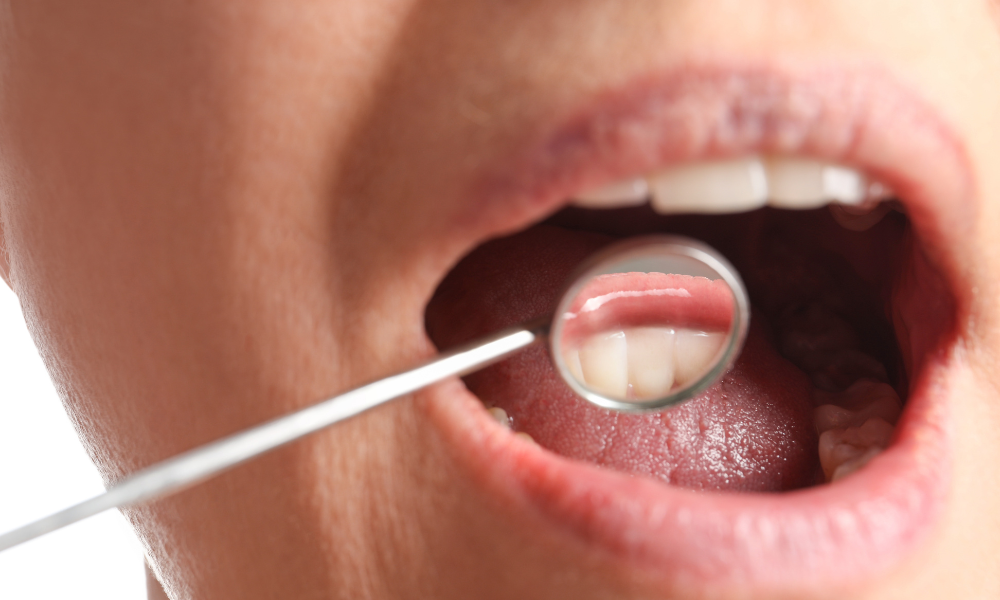
Maintaining oral health goes beyond ensuring a beautiful smile; it also encompasses the prevention and early detection of potential health concerns, such as oral cancer. The American Cancer Society estimates that approximately 54,010 people in the United States will be diagnosed with oral cavity or oropharyngeal cancer in 2021. Early detection and intervention are critical for successful treatment and outcomes, which is why oral cancer screenings should be an indispensable part of your regular dental checkups. At Sound Surgical Arts in Tacoma, WA, our dental professionals prioritize the overall health and well-being of our patients by providing thorough oral cancer screenings as part of our dental services.
Oral cancer screenings are a simple, painless, and vital component of your dental checkup that can have a profound impact on your long-term health. With the support of the skilled dental professionals at Sound Surgical Arts in Tacoma, WA, you can confidently entrust your dental health and well-being to a team dedicated to delivering personalized care and preventive measures. Take the proactive approach to your dental health and schedule your oral cancer screening alongside your routine dental checkup at Sound Surgical Arts today. Together, we can ensure you maintain a brilliant smile and exceptional oral health for years to come.
1. What Is an Oral Cancer Screening?
An oral cancer screening is a simple and noninvasive examination conducted by a dental professional during a routine dental checkup. Its primary purpose is to identify any signs of cancer or precancerous conditions in the oral cavity and surrounding areas. By detecting potential issues early, patients have an increased chance of successful treatment and optimal outcomes. The oral cancer screening typically involves the following steps:
- Visual Examination: The dental professional will visually inspect your lips, gums, cheeks, tongue, and the roof and floor of your mouth for any signs of abnormal tissue changes or lesions.
- Physical Examination: After the visual inspection, your dentist will conduct a physical examination, gently feeling the tissues in your mouth, jaw, and neck to detect any unusual growths, bumps, or tender areas.
2. Common Risk Factors of Oral Cancer
Understanding the risk factors associated with oral cancer is crucial to determining the appropriate frequency of screenings and adopting preventive measures. Some well-established risk factors for oral cancer include the following:
- Tobacco Use: Smokers and smokeless tobacco users are at a higher risk of developing oral cancer. Reducing or eliminating your tobacco use can significantly decrease the risk of oral cancer and many other health issues.
- Excessive Alcohol Consumption: Drinking alcohol in moderation can reduce the chances of developing oral cancer. The American Cancer Society recommends limiting alcohol intake to one drink per day for women and two drinks per day for men.
- Human Papillomavirus (HPV): The oral cavity and throat are among the areas affected by HPV infections. Numerous studies have linked certain types of HPV, particularly HPV-16, with an increased risk of oral cancer.
- Sun Exposure: Excessive exposure to the sun can heighten the risk of lip cancer. Using SPF lip balm and limiting sun exposure can help reduce this risk.
- Age: The majority of oral cancer cases occur in individuals over 40 years old, though younger individuals with other risk factors should also prioritize regular screenings.
- Diet: A well-balanced diet rich in vitamins and nutrients can help lower the risk of oral cancer. Prioritizing the consumption of vegetables and fruits is particularly essential for preventative measures.
3. The Importance of Early Detection in Oral Cancer
Early detection of oral cancer is critical for several reasons:
- Higher Success Rates: Oral cancer that is detected early, before spreading to other parts of the body, often has a higher likelihood of successful treatment and increased survival rates.
- Less Invasive Treatment Options: During the early stages of oral cancer, the required treatments are typically less aggressive and invasive, leading to faster recovery and a lower risk of complications.
- Improved Quality of Life: Early detection and intervention can often help patients maintain better functionality and appearance in their oral cavity, minimizing the need for extensive reconstructive procedures.
4. How to Perform a Self-Examination for Oral Cancer
While having regular oral cancer screenings during your dental checkups is crucial, it is also essential to perform self-examinations at home to monitor potential changes in your oral health. Here are some simple steps to follow when performing a self-examination:
- Step 1: Begin by thoroughly cleaning your hands and standing in front of a well-lit mirror.
- Step 2: Examine the surface of your lips and the inside of your cheeks for any unusual color changes, lumps, or growths.
- Step 3: Inspect the roof and floor of your mouth by tilting your head back and opening your mouth wide. Use a clean finger to feel for any lumps or irregularities.
- Step 4: Stick out your tongue and check its top and underside for any abnormalities. Also, check the sides of your tongue by moving it from side to side.
- Step 5: Feel around your neck and jawline with your fingers, applying gentle pressure to search for lumps or tender areas.
If you notice any abnormalities or changes in your self-examination, contact your dental professional for a comprehensive evaluation.
Conclusion: Safeguard Your Oral Health with Sound Surgical Arts
Oral cancer screenings play an essential role in maintaining overall dental health and preventing serious complications from undetected oral cancer. Sound Surgical Arts in Tacoma, WA, is dedicated to delivering exceptional dental care, including comprehensive oral cancer screenings designed to protect and maintain your oral health.
Take control of your dental health by contacting Sound Surgical Arts today. Together, we can help ensure that you enjoy the benefits of a brilliant smile and excellent oral health well into the future. Schedule your regular dental checkup and oral cancer screening with our skilled dental professionals and experience the peace of mind that comes from the thorough and proactive care we provide.
Pinhole Surgical Technique: Minimally Invasive Gum Recession Treatment
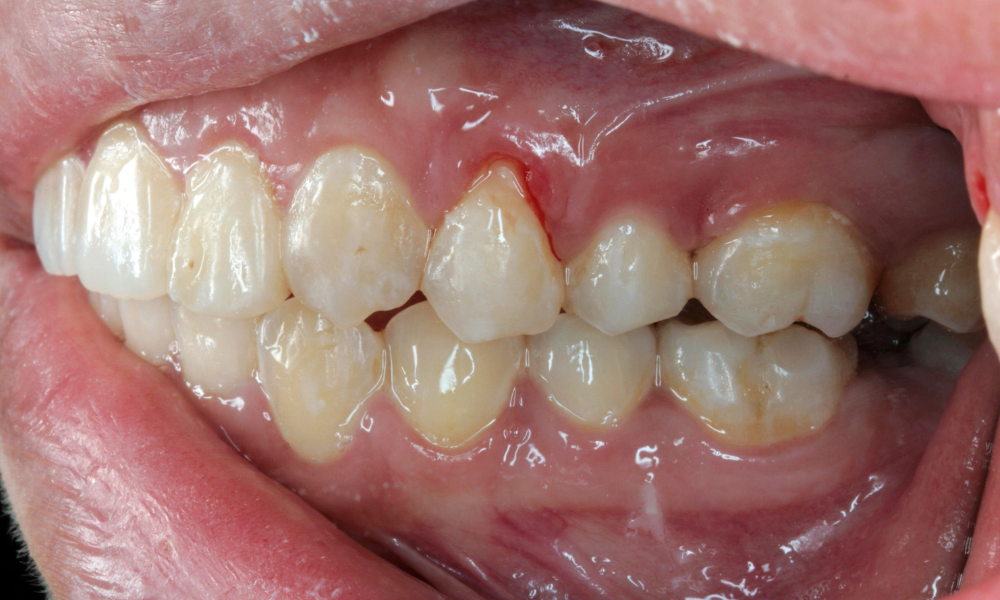
Gum recession can be a troubling dental issue that not only affects a person’s appearance but also threatens their oral health. Various factors contribute to gum recession, such as periodontal disease, genetics, grinding or clenching of the teeth, tobacco use, inadequate oral hygiene, or even aggressive tooth brushing. Regardless of the cause, one innovative technique is gaining attention as a minimally invasive and effective solution for treating gum recession – the Pinhole Surgical Technique (PST™).
At Sound Surgical Arts in Tacoma, WA, we are proud to offer the Pinhole Surgical Technique as a remarkable breakthrough in gum recession treatment. PST™ eliminates the need for traditional gum grafting surgery, enabling our experienced professionals to restore your gumline without incisions or sutures. This method results in faster healing, reduced discomfort, and minimal post-operative side effects, allowing patients to enjoy their restored oral health with greater ease and confidence.
1. A Closer Look at the Pinhole Surgical Technique Procedure
The Pinhole Surgical Technique, also known as the Chao Pinhole® Gum Rejuvenation Technique, was developed by Dr. John Chao as a cutting-edge procedure to treat gum recession effectively and non-invasively. Here’s an overview of the unique process:
- Assessment & Planning: At Sound Surgical Arts, your dental professional will begin with a thorough evaluation of your gum health and determine if the Pinhole Surgical Technique is the most suitable solution for your specific needs.
- Local Anesthesia: Prior to the procedure, the treatment area will be numbed using local anesthesia to ensure patient comfort during the process.
- Pinhole Creation: A tiny pinhole is created in the gums above the affected teeth. This opening provides the necessary access for the dentist to loosen the gum tissue delicately.
- Gum Manipulation: Utilizing specialized instruments, the dentist carefully repositions the loosened gum tissue to cover the exposed roots and adjusts the gumline to a more aesthetically pleasing and functional position.
- Stabilizing the Gums: To secure the newly positioned gum tissue, small collagen strips are inserted through the pinhole. These strips serve as a support structure, ensuring the gums adhere to their new position while they heal naturally.
2. Advantages of the Pinhole Surgical Technique
Opting for the Pinhole Surgical Technique for gum recession treatment at Sound Surgical Arts offers numerous benefits:
- Minimally Invasive: The Pinhole Surgical Technique eliminates the need for incisions or sutures, drastically reducing the level of surgical invasion compared to traditional grafting procedures.
- Reduced Pain & Discomfort: With no incisions or sutures, the PST™ results in significantly less post-operative pain and discomfort.
- Faster Recovery Time: Patients typically experience faster recovery periods with the Pinhole Surgical Technique, often returning to their regular activities within a day or two following the procedure.
- Immediate Results: The gumline adjustments resulting from the Pinhole Surgical Technique are visible almost immediately, allowing patients to enjoy their rejuvenated smile soon after the procedure.
- No Donor Tissue Required: Since the Pinhole Surgical Technique uses existing gum tissue rather than grafting donor tissue, the procedure minimizes complications and procedural steps.
3. Ideal Candidates for the Pinhole Surgical Technique
The Pinhole Surgical Technique may be an effective treatment solution for various patients, including those with the following:
- Moderate Gum Recession: Patients experiencing moderate gum recession due to factors such as periodontal disease, genetic predisposition, or aggressive tooth brushing can benefit from the Pinhole Surgical Technique.
- Healthy Oral Hygiene Habits: For the Pinhole Surgical Technique to be successful, it’s essential that the patient maintains proper oral hygiene habits to support the healing process and prevent future gum recession.
- No Active Periodontal Disease: The Pinhole Surgical Technique is not recommended for patients with active periodontal disease. In such cases, the periodontal disease must be treated and stabilized before pursuing the PST™.
However, it’s crucial to consult with the dental professionals at Sound Surgical Arts to determine if the Pinhole Surgical Technique is the most appropriate option for your specific needs.
4. Post-Operative Care & Maintenance for Pinhole Surgical Technique Patients
After undergoing the Pinhole Surgical Technique procedure, proper post-operative care and maintenance are vital for ensuring optimal results:
- Gentle Oral Hygiene: Brush your teeth with a soft-bristled toothbrush and avoid flossing or using mouthwash for the first few days following the procedure.
- Avoiding Traumatic Actions: Refrain from activities that might harm your gums, such as touching or probing the treated area, smoking, or consuming extremely hot or cold foods and beverages.
- Follow-Up Visits: Attend scheduled follow-up appointments with your dentist at Sound Surgical Arts to monitor the healing process and ensure the success of the Pinhole Surgical Technique treatment.
- Long-Term Oral Care: Once your gums have healed, resume an effective oral care routine, including regular brushing, flossing, and professional dental cleanings to maintain a healthy gum line and prevent future gum recession.
Conclusion: Experience the Benefits of the Pinhole Surgical Technique at Sound Surgical Arts
The Pinhole Surgical Technique represents a major breakthrough in gum recession treatment, offering patients in Tacoma, WA, a minimally invasive and effective solution with numerous benefits. By understanding the unique process, its advantages, and the ideal candidacy requirements, you can make informed decisions about your oral health and well-being.
Schedule a consultation with our dental professionals at Sound Surgical Arts to determine if the Pinhole Surgical Technique or gum grafting for recession is the perfect solution for achieving lasting oral health. Contact us today to learn more.