
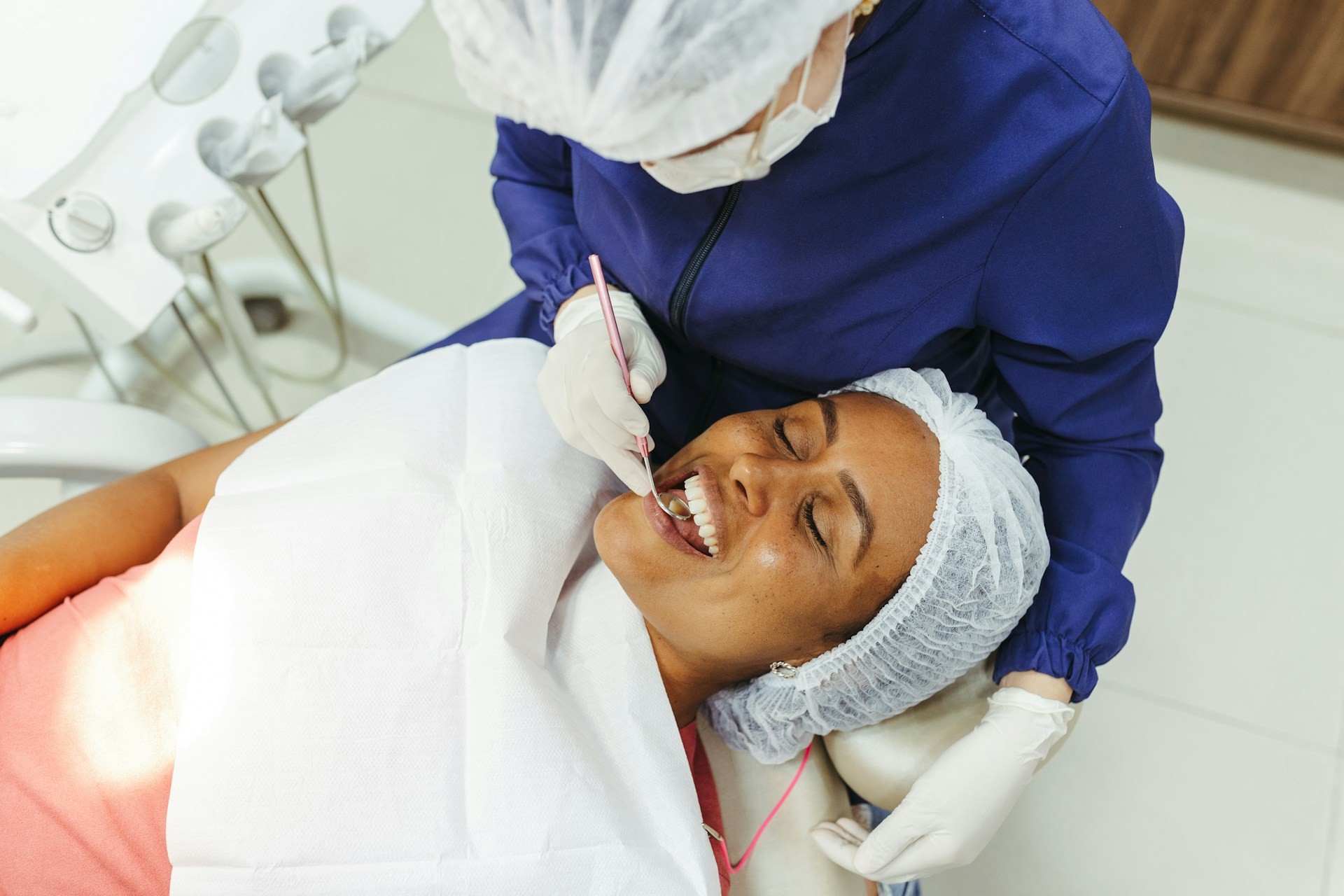
Periodontal disease, or gum disease, is a widespread oral health issue that can lead to severe consequences if left untreated, such as tooth loss and damage to the bone tissue supporting the teeth. At Sound Surgical Arts, we understand the importance of addressing advanced periodontal disease in a timely manner, and in such cases, osseous surgery can play a critical role.
Osseous surgery, also known as pocket reduction surgery or flap surgery, is a surgical procedure designed to eliminate periodontal pockets, and smooth irregular bone surfaces, and promote a healthier oral environment. By restoring a more manageable pocket depth, osseous surgery allows patients to maintain proper oral hygiene and prevent further progression of periodontal disease – a vital step in preserving oral health.
In this blog post, you will gain insight into the osseous surgery procedure, its many benefits, and how our team of professionals is dedicated to helping patients in Tacoma, WA combat advanced periodontal disease and improve their overall oral health. By understanding the significance of this treatment option and its role in managing periodontal disease, you can make informed decisions about your dental care and work towards achieving a healthier smile.
1. Causes and Symptoms of Advanced Periodontal Disease
Periodontal disease begins as gingivitis, a mild form of gum inflammation typically caused by the accumulation of plaque and tartar. It can progress to periodontitis, a more severe form of gum disease, if left untreated. Some common causes and risk factors for advanced periodontal disease include:
– Poor oral hygiene habits
– Tobacco use
– Aging
– Diabetes
– Hormonal changes
– Medications that cause dry mouth
– A family history of gum disease
Common symptoms associated with advanced periodontal disease include:
– Red, swollen, or bleeding gums
– Pain while chewing
– Persistent bad breath
– Tooth Sensitivity
– Gum recession, leading to longer-looking teeth
– Loose teeth or tooth loss
It’s essential to consult with your dental professional if you notice any of these symptoms to maintain optimal oral health.
2. What Happens During Osseous Surgery?
Osseous surgery is performed by a skilled dental professional, usually a periodontist, and involves the following steps:
– Anesthesia: The first step in osseous surgery is the administration of local anesthesia to ensure the patient’s comfort during the procedure.
– Gum Tissue Flap: A tiny incision is made in the affected gum tissue to create a small flap, which is then gently pulled back, providing access to the periodontal pockets and underlying bone.
– Pocket Reduction and Bone Reshaping: The periodontist cleans the area, removes plaque and tartar deposits, and reduces the periodontal pockets by trimming away the diseased gum tissue. In cases where the bone has been damaged, the periodontist will carefully smooth and reshape the irregular bone surfaces to create a more favorable environment for healing and future oral care.
– Reattachment of Gum Tissue: Once the area has been thoroughly cleaned, the gum tissue flap is repositioned and secured with sutures, ensuring that it closely adheres to the reshaped bone. A protective dressing may be applied to the surgical site to facilitate healing.
– Postoperative Care: The periodontist will provide the patient with detailed instructions for postoperative care, such as recommended oral hygiene practices, pain management, and necessary follow-up appointments.
3. The Benefits of Osseous Surgery
Opting for osseous surgery for advanced periodontal disease offers numerous advantages:
– Reduced Pocket Depth: By eliminating deep periodontal pockets, osseous surgery effectively reduces the risk of harmful bacteria harboring and leading to further gum and bone deterioration.
– Improved Oral Hygiene: Osseous surgery allows for easier cleaning and maintenance of the gum line, bolstering the effectiveness of dental hygiene practices and reducing the likelihood of periodontal disease recurrence.
– Aesthetic Improvement: Adjusting the gum tissue during osseous surgery may provide a more even appearance, leading to increased confidence and a more attractive smile.
– Prevention of Tooth Loss: By addressing periodontal disease at its source, osseous surgery aims to protect patients’ teeth and prevent tooth loss resulting from further periodontal damage.
4. Preparing for Osseous Surgery and Postoperative Care
We take your comfort and oral health seriously. Here are some tips on preparing for osseous surgery and ensuring proper postoperative care:
– Preoperative Consultation: Discuss any concerns or questions you may have with your dental professional prior to the procedure, and provide them with a full medical and dental history, as well as any medications you are currently taking.
– Proper Oral Hygiene: Ensure you follow a proper oral care routine before your osseous surgery appointment, as a clean oral environment is essential for successful surgical outcomes.
– Pain Management: Your periodontist will provide you with appropriate pain management options, such as over-the-counter medications or prescription pain relievers if necessary.
– Dental Cleaning and Check-ups: Attend regular dental cleanings and check-ups after osseous surgery to maintain optimal oral health and monitor the success of the procedure.
Put Your Oral Health First with Osseous Surgery
At Sound Surgical Arts, our team of experienced dental professionals is dedicated to helping patients in Tacoma, WA regain control of their oral health and tackle advanced periodontal disease through effective solutions like osseous surgery. By providing valuable information about this treatment option and its numerous benefits, we aim to empower patients to make informed decisions about their dental care. Don’t let advanced periodontal disease compromise your smile; contact us today to explore osseous surgery as a solution for a healthier mouth and a renewed sense of confidence.