
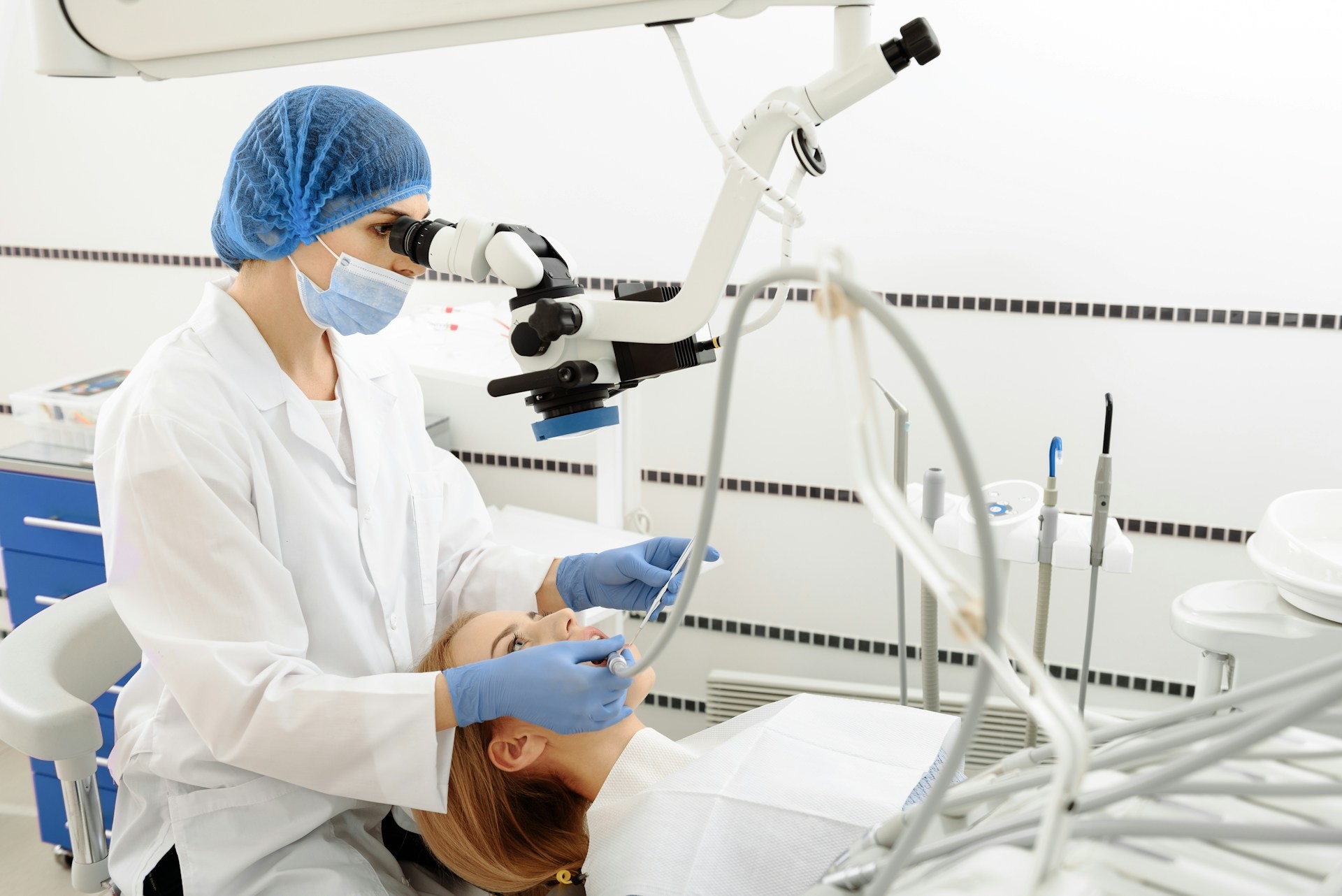
Wisdom teeth, also known as third molars, are the last set of teeth to emerge, typically during late adolescence or early adulthood. In many cases, wisdom teeth can cause a variety of dental problems due to their size, location, or because they become impacted – meaning they do not fully emerge through the gumline. Wisdom tooth extraction is a common oral surgery to address these issues and maintain optimal oral health. At Sound Surgical Arts in Gig Harbor, Washington, we are committed to providing comprehensive dental care solutions, including wisdom tooth extraction services, to help our patients achieve healthy, beautiful, and functional smiles.
At Sound Surgical Arts, patient education and personalized care are at the heart of our practice. Our team of experienced dental professionals is dedicated to helping you make informed decisions about your oral health, offering guidance on whether wisdom tooth extraction is the right choice for you.
If you have concerns about your wisdom teeth or are experiencing pain, discomfort, or other symptoms related to wisdom tooth growth, don’t hesitate to contact our Gig Harbor clinic for a consultation. We will carefully evaluate your oral health and discuss the best treatment options tailored to your needs.
Common Issues Caused by Wisdom Teeth
Wisdom teeth can lead to various complications as they develop and emerge, often warranting their removal. Some common issues associated with wisdom teeth include:
1. Impacted teeth: When wisdom teeth do not fully emerge from the gumline, they become impacted, which can cause pain, swelling, and infection.
2. Overcrowding: Due to limited space in the mouth, wisdom teeth may cause other teeth to shift, resulting in overcrowding, misalignment, and bite problems.
3. Gum disease: Partially erupted wisdom teeth can create pockets in the gums where bacteria can accumulate, increasing the risk of gum disease (periodontitis).
4. Tooth decay: Wisdom teeth are challenging to clean adequately due to their location, making them more susceptible to tooth decay.
When Wisdom Tooth Extraction is Necessary
Here are some instances when wisdom tooth extraction may be the best course of action:
1. Pain and discomfort: If you are experiencing persistent pain or discomfort due to the growth and positioning of your wisdom teeth, extraction may provide relief.
2. Infection or inflammation: Wisdom teeth that are impacted or partially erupted can lead to recurring infections in the gum tissue.
3. Orthodontic concerns: If your wisdom teeth are causing crowding, misalignment, or jeopardizing previous orthodontic work, extraction may be recommended.
4. Cysts or tumors: Impacted wisdom teeth can sometimes lead to the development of cysts or tumors, which may require their removal.
5. Preventive care: In some cases, dentists may recommend proactive extraction, especially when the potential for complications related to wisdom teeth is high.
Preparing for Your Wisdom Tooth Extraction Appointment
To ensure a smooth wisdom tooth extraction process, consider the following steps in preparation:
1. Consultation: Schedule an appointment with your dentist or oral surgeon to discuss the need for wisdom tooth extraction, potential risks, and the best approach for your situation.
2. Imaging: Your dentist may recommend X-rays or other imaging methods to assess the position of your wisdom teeth and plan the extraction process.
3. Pre-operative instructions: Follow your dentist’s pre-operative instructions, which may include fasting before surgery, discontinuing specific medications, and arranging for a companion to drive you home after the procedure.
4. Discuss anesthesia options: Discuss the available anesthesia options with your dentist during the consultation to choose the one that’s best for you.
What to Expect During the Wisdom Tooth Extraction Procedure
Although the specific steps of wisdom tooth extraction vary depending on each individual’s case, the following general stages typically apply to most patients:
1. Anesthesia: To ensure a comfortable experience, your dentist will administer local anesthesia, sedation, or general anesthesia, depending on your needs and the complexity of the extraction.
2. Tooth removal: Your dentist will make an incision in the gum tissue (for impacted teeth) and gently remove any bone obstructing access to the tooth. The tooth may be extracted whole or divided into smaller pieces for easier removal.
3. Stitches (if needed): If required, your dentist will place sutures to close the gum tissue and facilitate healing.
4. Gauze application: As the surgery concludes, gauze will be applied to the extraction site to control bleeding and promote clot formation.
Tips for Recovery and Post-Operative Care
Following the wisdom tooth extraction, it’s vital to practice proper post-operative care for a successful recovery:
1. Bite on the gauze: Apply firm, consistent pressure on the gauze placed over the extraction site to control bleeding and encourage blood clot formation.
2. Manage pain and swelling: Use over-the-counter pain relievers and apply ice packs to the affected area to reduce discomfort and swelling.
3. Consume a soft-food diet: Stick to soft, easy-to-chew foods for a few days, gradually reintroducing harder foods as the healing progresses.
4. Maintain good oral hygiene: Continue your normal oral hygiene routine carefully; avoid brushing the extraction site directly for the first few days following the surgery.
5. Avoid smoking and alcohol: Refrain from smoking and limit alcohol consumption, as these substances can impair the healing process.
Frequently Asked Questions (FAQ) About Wisdom Tooth Extraction
1. How long does recovery take after wisdom tooth extraction?
Recovery time varies from person to person, but generally, expect a healing period of 7 to 10 days for gum tissue and up to a few weeks for bone tissue.
2. What can I eat after wisdom tooth extraction?
A soft-food diet, including items like soups, yogurt, applesauce, mashed potatoes, and smoothies, is recommended for the first few days following surgery.
3. Are there any risks associated with wisdom tooth extraction?
Although considered a safe and routine procedure, wisdom tooth extraction carries potential risks, including dry socket, infection, or damage to nearby teeth and nerves; consult your dentist about the best approach to minimize these risks during your surgery.
Conclusion
Wisdom tooth extraction is a common and essential procedure to address dental issues related to third molars and maintain a healthy, functional smile. The dedicated dental professionals at Sound Surgical Arts in Gig Harbor, WA, are here to provide expert guidance and personalized care throughout the entire process. Schedule your appointment and discuss wisdom tooth extraction and other dental services, such as dental implants in Gig Harbor, with our team, and take the first step toward achieving optimal oral health.