
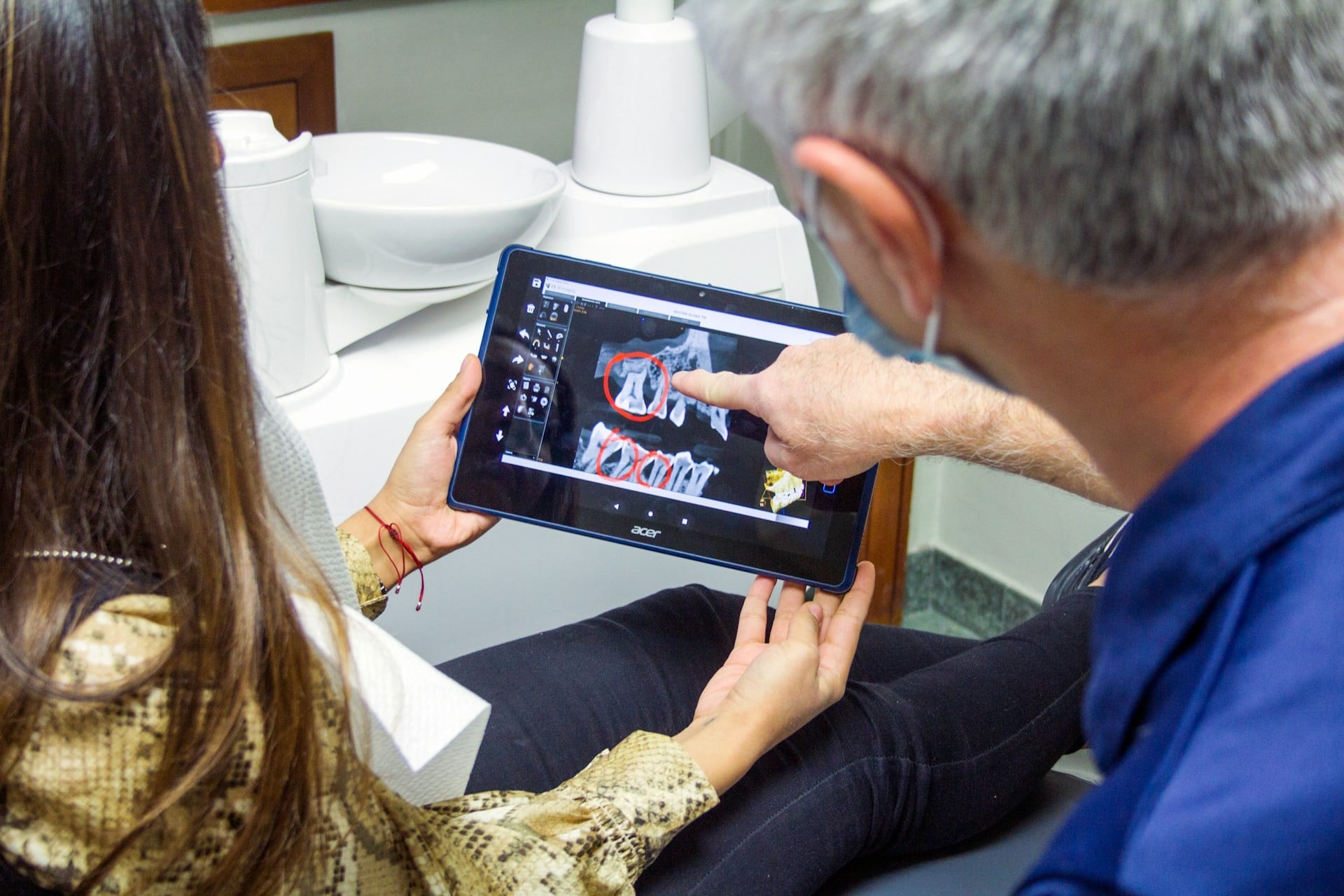
Wisdom tooth extractions are a common dental procedure to maintain oral health and prevent complications that may arise from impacted or overcrowded third molars. At Sound Surgical Arts in Gig Harbor, WA, our team of dental professionals is dedicated to providing best-in-class wisdom tooth extraction services, ensuring patient comfort and an optimal outcome.
In this informative guide, we will explore various aspects of wisdom tooth extraction. With the skilled team at Sound Surgical Arts guiding you through wisdom tooth extraction, you can feel confident in your oral health care decisions and resulting outcomes.
Why Wisdom Tooth Extraction is Necessary: Addressing Potential Complications
Wisdom teeth, also known as third molars, typically erupt between the ages of 17 and 25. Due to their late arrival, wisdom teeth often cause complications in oral health that necessitate extraction. Reasons for wisdom tooth extraction include:
1. Impacted Wisdom Teeth: When a wisdom tooth cannot break through the gum line because of insufficient space, it becomes impacted. Impacted wisdom teeth can result in pain, infection, and damage to nearby teeth.
2. Overcrowding Concerns: Even when wisdom teeth emerge without becoming impacted, they can still cause overcrowding and misalignment of existing teeth, leading to discomfort and cosmetic concerns.
3. Tooth Decay and Gum Disease: Wisdom teeth are often difficult to clean due to their location in the back of the mouth, leading to an increased risk of tooth decay and gum disease.
4. Cysts or Tumors: Impacted wisdom teeth can lead to the development of cysts or tumors around the impacted tooth, potentially causing damage to the jawbone and surrounding tissues.
Signs and Symptoms Indicating the Need for Extraction: Recognizing the Warning Signs
Recognizing the signs and symptoms that may indicate the need for a wisdom tooth evaluation or possible extraction is essential. These may include:
1. Pain or Swelling: Discomfort and inflammation near the back of the mouth are common indicators of an impacted or problematic wisdom tooth.
2. Pressure: Pressure or discomfort against adjacent teeth can signify overcrowding caused by an emerging wisdom tooth.
3. Infection: Persistent bad breath, pus discharge, or a bad taste in the mouth may signal an infection around an impacted wisdom tooth.
4. Limited Mouth Movement: Difficulty opening and closing the mouth, especially when accompanied by pain or swelling, could suggest that a wisdom tooth is causing issues.
The Wisdom Tooth Extraction Process: Understanding the Steps Involved
Wisdom tooth extraction is a routine procedure that typically involves the following steps:
1. Consultation and Assessment: During the initial consultation, your dental professional will examine your oral health and determine the need for wisdom tooth extraction through careful examination and diagnostic imaging.
2. Numbing and Sedation: Local anesthesia is administered to numb the extraction site, ensuring patient comfort during the procedure. In some cases, sedation options may also be provided for added relaxation.
3. Surgical Extraction: Depending on the position of the wisdom tooth, your dental professional may need to make an incision in the gum tissue to access and remove the tooth. For an impacted tooth, removing some bone surrounding the tooth may be necessary or cutting the tooth into smaller pieces for easier extraction.
4. Closure and Recovery: After the tooth is removed, the extraction site is cleaned thoroughly, and, if applicable, sutures are placed to close the incision. The wound is then packed with gauze to control bleeding and facilitate the formation of a blood clot.
Post-Extraction Care and Recovery: Promoting Successful Healing
Adhering to proper post-extraction care and recovery guidelines is crucial to ensuring successful healing. Key care tips to follow include:
1. Bite Gently: Keep firm pressure on the gauze pad placed over the extraction site, biting gently to minimize bleeding and promote clot formation.
2. Limit Activities: Rest as much as possible and avoid any strenuous activities within the first 24 hours after extraction to reduce the risk of complications.
3. Manage Pain and Swelling: Use prescribed pain medication and over-the-counter anti-inflammatory medications as directed to alleviate discomfort and swelling.
4. Maintain Oral hygiene: Continue to gently brush your teeth, taking care to avoid disrupting the extraction site. After 24 hours, begin flushing the area with warm saltwater rinses to keep the site clean.
5. Avoid Negative Influences: Do not smoke, use a straw, or drink alcohol for a few days after the extraction, as these activities can compromise the healing process or dislodge the blood clot.
Choosing a Dental Specialist in Gig Harbor, WA: Trusting Your Oral Health to Experienced Hands
Selecting an experienced and caring dental professional to handle your wisdom tooth extraction is vital for ensuring your wellbeing and treatment satisfaction. Key factors to consider when choosing a dental specialist include:
1. Training and Experience: Look for a dental professional with extensive training, experience in wisdom tooth extraction, and a dedication to staying informed on the latest procedures and techniques.
2. Testimonials and Reviews: Review patient testimonials and online reviews to gain insight into the practice’s commitment to patient care and satisfaction.
3. Comfort and Communication: During an initial consultation, note the dental professional’s communication style, attentiveness to your concerns, and dedication to making you feel as comfortable as possible during the extraction process.
Conclusion
Wisdom tooth extraction is crucial to maintaining optimal oral health and preventing complications related to impacted or overcrowded third molars. Trust the skilled team at Sound Surgical Arts in Gig Harbor, WA, to provide the expert care and guidance you need throughout the wisdom tooth extraction process.
Get in touch with us to schedule a consultation at Sound Surgical Arts in Gig Harbor, WA, and let our team address your wisdom tooth concerns with the highest level of care and expertise.