
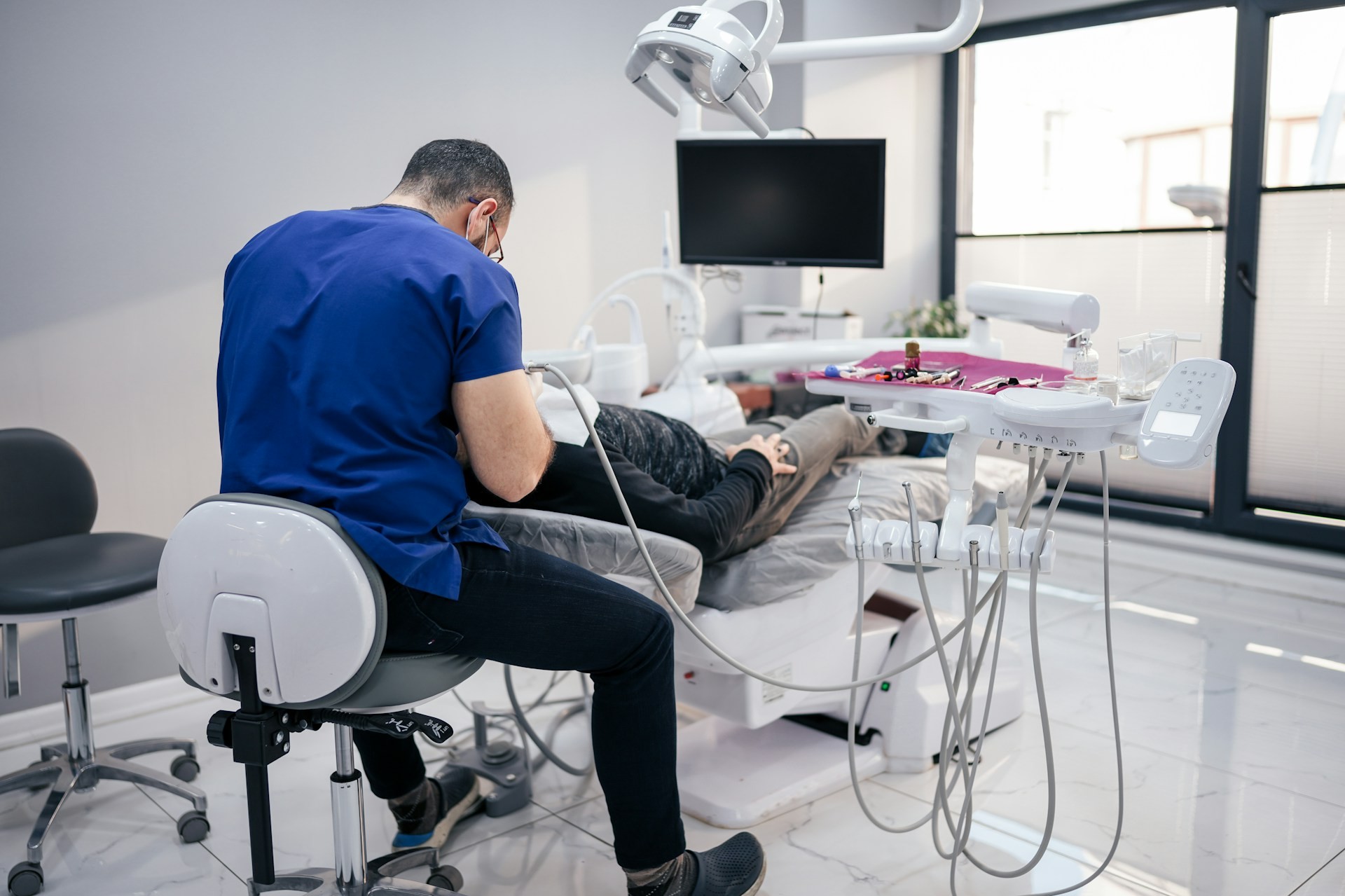
Dental emergencies can be unexpected and distressing, often leaving individuals unsure about the appropriate course of action and the need for urgent care. As dental professionals experienced in dental implants, emergency dental care, periodontics, oral surgery, and maxillofacial surgery, our team understands the importance of recognizing the signs and symptoms of emergency dental situations. Addressing dental emergencies promptly can minimize pain, save teeth, and prevent potential complications.
With a strong commitment to patient care and education, our dental practice strives to provide accessible, high-quality emergency dental services when the need arises. Informed decision-making coupled with immediate intervention can often be the difference between saving a tooth and losing it, improving the overall prognosis, and maintaining optimal oral health in the long run.
Continue reading as we delve into common dental emergencies, what to expect during an emergency dental visit, and the importance of swift intervention. By recognizing the signs of a dental emergency, you can act promptly to protect your oral health and seek the necessary care from our expert team of dental specialists.
Types of Dental Emergencies: What You Need to Know
Understanding the various types of dental emergencies is critical in deciding when to seek professional dental care. Let’s examine some common situations that require prompt attention:
- Severe Toothaches: Intense tooth pain can be a sign of an infection, dental abscess, or decay reaching the tooth’s nerve. Immediate evaluation and treatment are crucial to alleviate pain and prevent the spread of infection.
- Broken or Fractured Teeth: Accidents, sports injuries, or biting on hard foods can result in broken or fractured teeth. Prompt dental care is essential to address tooth damage, assess the need for a root canal treatment, and avoid infection.
- Knocked-Out Teeth: Complete displacement of a tooth is a time-sensitive dental emergency. Seeking immediate treatment can potentially save the tooth, improve the prognosis, and minimize the need for more extensive restorative procedures.
- Loose or Dislodged Dental Implants and Restorations: A loose or dislodged dental crown, bridge, or implant can compromise oral function and may require immediate attention to avoid complications, such as infection or further tooth damage.
At-Home Care for Dental Emergencies: What to Do Before Seeing a Dentist
Though it’s essential to seek professional help for dental emergencies, knowing the right steps for at-home care can provide temporary relief and improve the chances of successful treatment:
- Severe Toothaches: Rinse your mouth with warm salt water and gently floss around the affected tooth to remove debris. Avoid using heat or painkillers directly on the gums, as they can cause burns or irritation.
- Broken or Fractured Teeth: Gently rinse your mouth with lukewarm water and apply ice to the cheek area to reduce swelling. Save any larger tooth fragments to be taken to your emergency dental visit.
- Knocked-Out Teeth: Carefully handle the tooth by its crown (the top portion) and rinse it with water without scrubbing. Try to reinsert the tooth gently into the socket or place it in a clean container with milk or saline solution to preserve it.
- Injury to Lips or Cheeks: Apply a cold compress to the affected area and assess for any potential foreign objects or damage to teeth. Gently rinse the mouth to clear debris and consult a dentist if significant damage has occurred.
Steps to Prevent Dental Emergencies: Maintaining Oral Health
While not all dental emergencies are preventable, adopting a proactive approach to oral health and implementing protective measures can minimize your risk:
- Regular Dental Checkups: Routine dental examinations and cleanings help identify potential problems early on and can prevent complications.
- Protective Gear: Wearing a custom-fitted mouthguard during contact sports can significantly reduce the risk of dental injuries, including knocked-out, broken, or displaced teeth.
- Healthy Diet: Consuming a well-balanced, nutrient-rich diet promotes overall oral health and reduces the risk of dental decay and tooth fractures caused by hard or sugary food items.
- Avoid Harmful Habits: Refrain from using your teeth to open packages, bite nails, or crack nuts, as these actions can lead to cracks, fractures, or dental displacement.
Emergency Dental Visits: What to Expect and Aftercare Instructions
During an emergency dental visit, your dental professional will assess the situation, diagnose the problem, and provide appropriate treatment, which may include:
- Prescribing Antibiotics: In the case of infection or abscesses, antibiotics may be prescribed to control and eliminate the infection, reducing pain and preventing complications.
- Immediate Repair: Depending on the severity of the issue, the dentist may immediately repair the broken or dislodged tooth or restoration, clean the affected area, or perform a root canal treatment if necessary.
- Post-Operative Care: Your dentist will provide aftercare instructions following an emergency dental visit, including pain management, precautions during the recovery period, and maintaining impeccable oral hygiene.
Conclusion
Recognizing dental emergencies and seeking immediate professional care are crucial factors in restoring oral health and preventing complications. With a clear understanding of various dental emergencies, at-home care guidelines, and the importance of a proactive approach to your oral well-being, you can minimize the risk of dental distress and preserve a healthy, confident smile.
For dental emergencies or expert guidance on preserving your oral health, contact Sound Surgical Arts in Gig Harbor. Our practice is focused on providing comprehensive emergency dental care and support to ensure the health and happiness of our patients, including those seeking dental implants. Contact us now to schedule an appointment.