
Sound Surgical Arts
Addressing Oral Cancer: Early Detection and Advanced Procedures
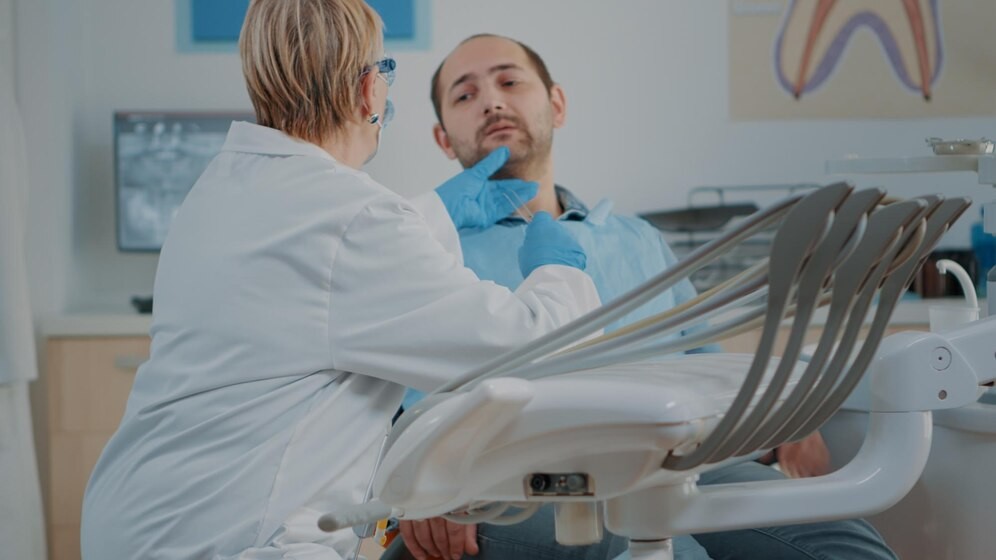
Oral cancer is a critical public health concern that can affect any part of the mouth or the surrounding areas. Recognizing the signs early on and seeking timely treatment can substantially increase the chances of a successful recovery.
At our dental clinic, we are committed to providing our patients with comprehensive care, including advanced diagnostic and treatment options for oral cancer. Early detection is vital, as it can significantly influence the effectiveness of the treatment and the overall prognosis.
We equip our clinic with the latest technology in digital imaging and employ cutting-edge treatment methods to address oral cancer. Our team of specialists is trained to recognize the subtle signs of oral cancer and provide personalized care plans based on each patient’s specific needs.
Understanding the signs and symptoms of oral cancer, the availability of advanced diagnostic tools, and knowledge about effective treatments can empower our patients and enhance their ability to seek care promptly. By promoting regular screenings and preventive care, we aim to combat the incidence and impact of oral cancer in our community.
Recognizing the Signs of Oral Cancer
Oral cancer can manifest in various ways, and recognizing these signs early is crucial for timely intervention. Common indicators include sores that do not heal within two weeks, unexplained bleeding in the mouth, and persistent sore throat or feeling that something is caught in the throat.
Other signs might include numbness, tenderness, or pain in the mouth or lips. Additionally, changes in the way your teeth fit together or difficulty in chewing, speaking, or moving the jaw and tongue can also be warning signs of oral cancer.
We encourage our patients to immediately report any red, white, or discolored patches, or any unusual lumps in or around the mouth or neck. It’s important to remember that not all these symptoms mean you have oral cancer, but they do warrant a thorough examination to rule out possible serious conditions.
We provide comprehensive evaluations to assess symptoms that could potentially indicate oral cancer, offering peace of mind and guiding further steps if necessary.
The Role of Digital Imaging in Early Detection
At our clinic, we emphasize the importance of early detection in managing oral cancer, and digital imaging plays a pivotal role in this process. Using advanced diagnostic tools such as intraoral scanners and cone-beam computed tomography (CBCT), we can capture detailed images of your mouth in high resolution. These technologies allow us to detect irregularities that might not be visible to the naked eye and diagnose issues at an early stage when they are most treatable.
Digital imaging offers a non-invasive, painless approach to explore the underlying structures of the oral cavity, providing precise insights needed for accurate diagnosis. These detailed images are critical in planning the right treatment approach that can effectively address the specific conditions of oral cancer.
By integrating digital imaging into our regular screening processes, we enhance the chances of early detection, thereby increasing the effectiveness of subsequent treatments and improving the prognosis for our patients.
Cutting-Edge Treatments for Oral Cancer at Our Clinic
At our clinic, we are committed to providing state-of-the-art treatments for patients diagnosed with oral cancer. Our approach involves a combination of advanced surgical techniques and innovative therapy options tailored to each patient’s specific needs.
One of the pivotal treatments we offer includes laser surgery, which allows for precise removal of cancerous tissues while minimizing damage to surrounding healthy tissues. This method not only enhances the effectiveness of the treatment but also promotes quicker healing and recovery.
Additionally, we utilize targeted radiation therapy which focuses the radiation precisely where it is most needed, reducing the impact on healthy parts of the mouth. For patients with more advanced stages of oral cancer, chemotherapy can be administered in conjunction with other treatments to improve outcomes.
Our team works closely with oncologists and other specialists to ensure comprehensive care that encompasses not just the physical but also the emotional well-being of our patients during these challenging times.
Preventive Measures and Regular Screenings for Oral Health
Prevention is always better than cure, especially when it comes to serious conditions like oral cancer. We advocate for regular screenings as a crucial part of oral health care, particularly for individuals at higher risk due to factors like tobacco use, significant alcohol consumption, previous oral cancers, or a family history of cancer. During these screenings, we employ advanced imaging technologies to spot any abnormalities at their earliest, most treatable stages.
Besides regular professional screenings, we emphasize the importance of self-awareness and education among our patients. We educate them on how to perform self-examinations, looking for changes in the color or feel of oral tissues and being vigilant about any persistent sores or unexpected changes.
Maintaining a healthy lifestyle, including a balanced diet rich in vitamins and cancer-fighting nutrients, plays a supportive role in preventing oral disease. We also encourage the cessation of smoking and the reduction of alcohol consumption as effective strategies to reduce the risk of developing oral cancer.
Saving Smiles: The Importance of Early Detection in Oral Cancer
To continue keeping your oral health at its best and stay updated on the most effective preventive practices, we invite you to visit us at Sound Surgical Arts. Our dedicated team is here to provide personalized dental care plans and the latest treatments in Gig Harbor in a compassionate and professional environment.
Let’s work together to ensure your mouth remains a healthy gateway to overall well-being. Reach out to us today to schedule your next appointment and take a proactive step towards maintaining your oral health.
Benefits of Pinhole Surgical Technique for Gum Recession
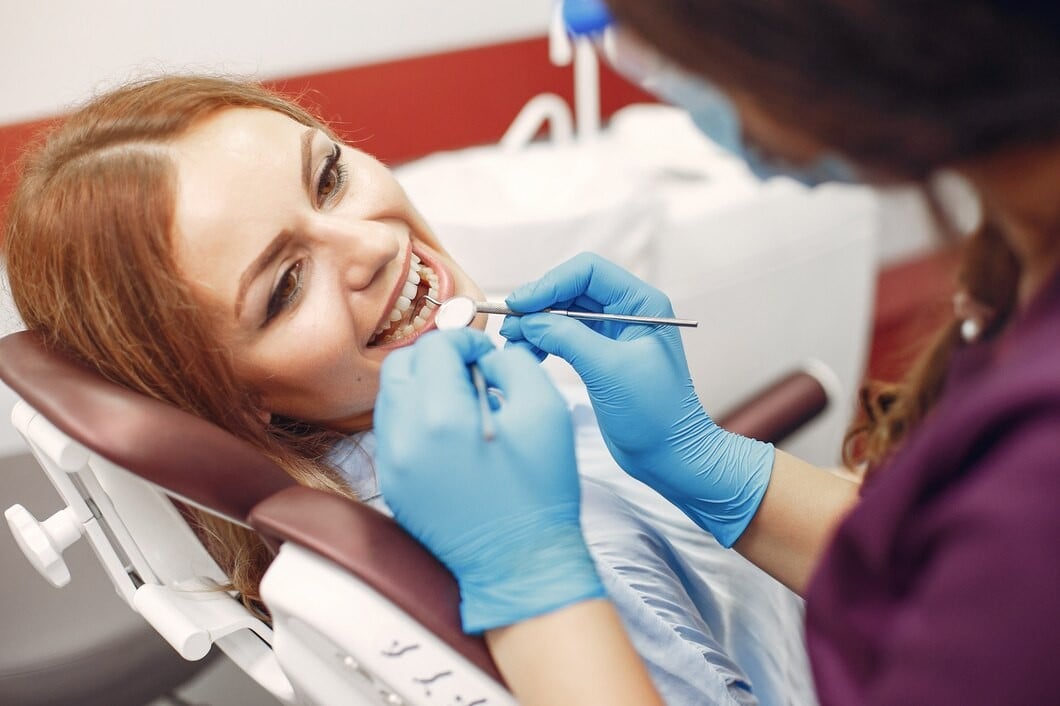
Gum recession is a prevalent issue that affects many of our patients, often leading to sensitivity, an increased risk of decay, and potential tooth loss. Traditional gum grafting methods can be effective but may involve considerable discomfort and a longer recovery period. That’s why we have embraced a less invasive alternative: the Pinhole Surgical Technique (PST). This innovative procedure offers a scalpel-free, suture-free solution to gum recession.
The Pinhole Surgical Technique involves making a small hole in the gum tissue with a needle. Special instruments are then used to gently loosen the gum tissue through this pinhole, allowing us to slide and reposition the gums over the areas with exposed tooth roots. Compared to conventional gum grafting, the simplicity and minimally invasive nature of this technique reduce patient discomfort and speed up the healing process.
By choosing this advanced treatment, we are committed to providing solutions that enhance your oral health and guarantee a more comfortable treatment experience. PST can be a game-changer for individuals suffering from gum recession, offering a quick, effective, and aesthetically pleasing alternative to traditional methods.
Understanding the Pinhole Surgical Technique for Gum Recession
Gum recession is a common issue that affects many of our patients, and addressing this problem effectively and minimally invasively is a priority for us. The Pinhole Surgical Technique (PST), a revolutionary method in the field of periodontal therapy, offers a scalpel-free, suture-free approach to treating gum recession.
Unlike traditional gum grafting, which often involves cutting and removing tissue from the palate to be transplanted to the gum line, PST involves creating a small pinhole in the gum tissue. Through this pinhole, special instruments are used to gently loosen the gum tissue and glide it over the areas of recession. This technique is highly effective at covering exposed roots, thereby reducing further recession and protecting the underlying bone.
We employ this innovative technique not only because it significantly reduces discomfort and recovery time compared to traditional methods but also because it is exceptionally effective in handling multiple recession sites in a single session. Minimal invasiveness is the key, as it allows for a more comfortable patient experience while delivering excellent esthetic and functional results.
Key Benefits of the Pinhole Surgical Technique
The advantages of the Pinhole Surgical Technique are vast, making it a preferred choice for patients experiencing gum recession. One of the primary benefits is the reduced pain and discomfort associated with the procedure.
Since there are no cuts or sutures, many of our patients report feeling minimal pain during and after the treatment, and they often return to their normal activities the next day. Another significant advantage is the aesthetic improvement. The technique allows for instant cosmetic enhancement, as the results are immediate once the gum line is corrected.
The PST reduces the risk of post-operative complications such as infection or bleeding, which are generally associated with traditional grafting methods. The procedure’s minimally invasive nature also leads to a quicker healing process, allowing the gums to recover and adhere to the new position without the need for extensive downtime.
For our patients, this means less time worrying about their recovery and more time enjoying the benefits of healthier gums and a more attractive smile. These benefits collectively underscore why the Pinhole Surgical Technique is at the forefront of modern periodontal treatments.
What to Expect During and After the Pinhole Procedure
When undergoing the Pinhole Surgical Technique (PST), it’s important to know what to expect both during and post-procedure, ensuring you feel confident and prepared for your treatment. During PST, we start by administering local anesthesia to numb the area, ensuring you experience minimal discomfort.
Following this, a tiny pinhole is made in your gum tissue. Through this pinhole, specialized instruments are used to gently loosen and reposition the gum tissue over the areas where the gums have receded. This part of the process typically takes about one to two hours, depending on the number of teeth that need treatment.
After the procedure, most of our patients are surprised by the minimal discomfort and swelling. It’s normal to experience some mild soreness, but this can usually be managed effectively with over-the-counter pain relievers. We advise against brushing the treated area until it has healed sufficiently, and we provide a special mouthwash to keep the area clean.
Recovery typically involves only minor interruptions to daily life, and most patients can return to work the next day. Additionally, the cosmetic improvements are immediate, providing a significant boost to both the function and appearance of your gums.
Comparing Pinhole Technique with Traditional Gum Grafting Methods
Comparing the Pinhole Surgical Technique to traditional gum grafting methods illuminates the advancements in periodontal treatments. Traditional gum grafting often involves the surgical removal of a piece of tissue from the roof of the mouth, which is then stitched to the area of the gums that has receded. This method can be quite invasive, typically resulting in a longer and more uncomfortable recovery period. Patients often report significant discomfort in the donor site area and a slower overall healing process.
In contrast, PST is far less invasive. Since it doesn’t require tissue removal from another part of your mouth, there are no stitches involved, and the discomfort is significantly reduced. The less invasive nature of PST not only minimizes post-operative pain but also reduces the risk of complications such as infections or excessive bleeding.
From an aesthetic standpoint, the Pinhole Technique avoids the potentially unsightly appearance of surgical sites, providing a seamless transition as the gums heal. These comparisons make PST an attractive option for patients seeking effective solutions for gum recession with minimal adverse impacts on their daily lives and overall wellness.
Advancing Gum Recession Treatment with PST
We pride ourselves on adopting the latest techniques in dental care to ensure our patients receive the best possible outcomes. The Pinhole Surgical Technique represents a significant leap forward in treating gum recession for our patients in Gig Harbor. By offering this treatment, we provide our patients with a gentle yet effective alternative to traditional methods, emphasizing comfort, aesthetic satisfaction, and functional restoration.
If you are experiencing gum recession and looking for a minimally invasive solution to improve your dental health and smile aesthetics, the Pinhole Surgical Technique could be the ideal solution. We invite you to reach out to us at Sound Surgical Arts to discuss how this innovative treatment can be tailored to meet your specific needs and help reclaim your smile with confidence.
Sound Surgical Arts: Your Destination for Comprehensive Emergency Dental Care

Dental emergencies can happen to anyone, anytime, and anywhere. From sports injuries and accidents to unexpected toothaches and swelling, it’s crucial to know how to respond promptly and efficiently to diverse dental trauma situations.
At Sound Surgical Arts, we understand the importance of providing timely, comprehensive care to address and resolve emergency dental situations. Our team of experienced dental professionals is dedicated to providing exceptional emergency care, ensuring that residents receive the highest-quality service when they need it most.
Dental trauma can encompass various scenarios, including knocked-out teeth, broken or fractured teeth, damaged or lost dental restorations, and severe toothaches. Faced with these challenges, knowing where to turn and the appropriate steps to take is essential to avoid complications and minimize the risk of permanent damage.
Join us as we explore promptly and effectively addressing dental trauma. Arm yourself with the knowledge you need to take charge of your oral health and experience the steadfast commitment and quality care that set Sound Surgical Arts apart from other dental practices in the region.
Comprehensive Emergency Dental Care at Sound Surgical Arts
Types of Dental Trauma and Their Causes
Dental trauma, as mentioned earlier, can take many forms. In order to provide the best possible care, it is important to understand the various types of trauma and their underlying causes:
- Tooth Avulsion: Also known as a knocked-out tooth, tooth avulsion typically occurs due to an impact or injury, such as a sports accident, vehicle collision, or a fall.
- Tooth Fracture: Tooth fractures can range from mild enamel cracks to extensive damage affecting the tooth’s root. Common causes include biting on hard objects, falls, or accidents.
- Lost or Damaged Dental Restorations: Broken or lost fillings, crowns, or dental implants can occur as a result of wear and tear, injury, tooth decay, or biting on hard objects.
- Severe Toothache: Intense toothaches can be caused by different factors, including the progression of dental decay, tooth fracture, or an infection that requires immediate attention.
First-Aid Measures for Dental Emergencies
When faced with a dental emergency, it is important to take immediate first-aid measures to enhance the chances of a successful outcome:
- Tooth Avulsion: Rinse the tooth gently with clean water without touching or scrubbing the tooth roots. Reinsert it in its socket if possible. If not, store the tooth in milk or saliva and contact our dental professionals immediately for further assistance.
- Tooth Fracture: Collect any broken tooth fragments and apply a cold compress on the affected area to reduce swelling. Reach out to our dental team promptly for immediate treatment.
- Lost or Damaged Dental Restorations: Save the restoration, if possible, and schedule an emergency dental appointment. Avoid using the affected tooth to prevent further damage.
- Severe Toothache: Rinse your mouth with warm water and use dental floss or an interdental brush to clean any debris that may be lodged between your teeth. Call us for urgent consultation and treatment.
Advanced Emergency Dental Treatments at Sound Surgical Arts
When dental trauma strikes, you need to know you can trust the skills and expertise of your dental care provider. We pride ourselves on offering comprehensive emergency dental care services to Tacoma, WA residents, including the following treatments:
- Tooth Reimplantation: When dealing with tooth avulsion, time is of the essence. If caught early enough, our dental professionals may be able to save the tooth by reinserting it into its socket and stabilizing it with a splint or a dental appliance.
- Root Canal Therapy: In cases of severe tooth fractures extending to the dental pulp, we may recommend root canal therapy to eliminate pain, infection, and save the affected tooth.
- Dental Restoration Repair or Replacement: Our team is experienced in repairing or replacing damaged dental restorations, such as fillings, crowns, and dental implants, to restore the appearance and functionality of your smile.
- Antibiotic Therapy: In cases of severe toothache caused by infection, we may prescribe antibiotics to control and eliminate the infection before proceeding with the appropriate dental treatment.
Preventing Dental Trauma and Maintaining Dental Health
While dental emergencies may be unexpected, there are steps you can take to minimize the risk of dental trauma and ensure lasting dental health:
- Mouthguards: Wear a custom-fitted mouthguard while participating in sports or recreational activities to protect your teeth from impact-related injuries.
- Avoidance of Hard Objects: Refrain from chewing on hard objects, such as ice, bones, or pencils, to minimize the risk of fractures or damaging dental restorations.
- Regular Dental Check-ups: Schedule routine dental examinations and cleanings to detect and treat potential dental issues before they escalate into emergencies.
Emergency Dental Services at Sound Surgical Arts: Fast, Effective Relief
At Sound Surgical Arts, we understand that dental emergencies in Tacoma, WA, can be distressing experiences. Our team is committed to providing our clientss with timely, comprehensive care to address dental trauma and restore oral health.
By equipping yourself with the knowledge to act swiftly during a dental emergency, you can trust our team to support you every step of the way. Reach out to us for expert guidance and compassionate care tailored to your unique needs and experience the reassurance of knowing you are in capable hands.
Gum Disease Demystified: Types, Causes, and Treatments at Sound Surgical Arts
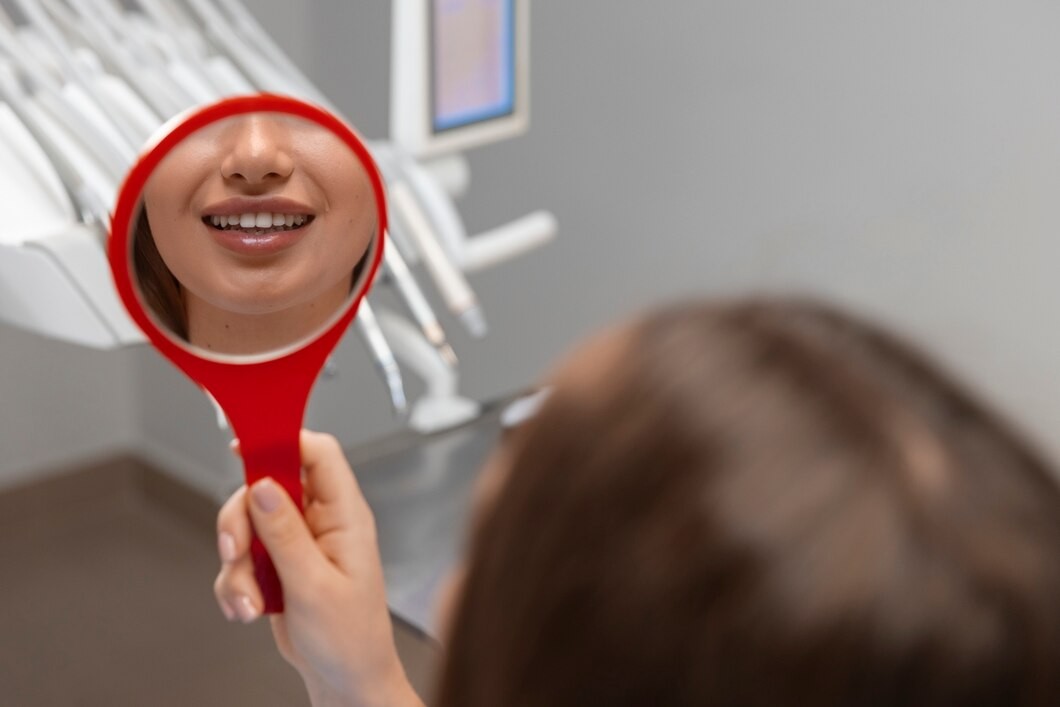
Gum disease, also known as periodontal disease, is a prevalent oral health problem that affects millions of people worldwide. Left undetected or untreated, gum disease can seriously harm your gums, teeth, and the bone supporting them, resulting in tooth loss and other complications.
As dental professionals in Tacoma, WA, our primary goal is to help you maintain excellent oral health and a beautiful smile, which includes educating and empowering our patients about gum disease, its causes, symptoms, and the range of prevention and treatment options available in our clinic.
Our compassionate and experienced team is committed to providing personalized care, utilizing the latest techniques and technology to diagnose, treat, and prevent gum disease effectively. By developing a deeper understanding of this common oral health condition, you can take proactive steps to protect your gums, teeth, and overall well-being, as well as seek timely, professional assistance when necessary.
Navigating Gum Health: Types, Causes, and Solutions at Sound Surgical Arts
Stages of Gum Disease
Gum disease typically progresses through various stages, each with its particular symptoms and treatment requirements:
- Gingivitis: The earliest stage of gum disease, marked by inflammation and redness of the gums, is primarily caused by plaque buildup. If detected at this stage, gum disease is often reversible with good oral hygiene practices and professional dental cleanings.
- Early Periodontitis: In this stage, the inflammation begins to affect the supporting bone structure, leading to bone loss and pocket formation between the teeth and gums. Professional cleanings and scaling and root planing may be necessary to manage early periodontitis.
- Advanced Periodontitis: As gum disease progresses, it leads to more significant bone loss, tooth mobility, and the possibility of tooth loss. In advanced cases, surgical intervention or tooth extraction may be necessary.
Causes and Risk Factors of Gum Disease
Several factors contribute to the development and progression of gum disease:
- Plaque Buildup: The primary cause of gum disease is the accumulation of dental plaque, which consists of bacteria and food particles. When plaque hardens into calculus (tartar), it irritates the gums, leading to inflammation.
- Poor Oral Hygiene: Inadequate brushing and flossing can contribute to plaque and tartar buildup, increasing the risk of gum disease.
- Genetic Predisposition: Some individuals may have a genetic predisposition to gum disease and may be more susceptible despite proper oral hygiene practices.
- Tobacco Use: Smoking or using smokeless tobacco products can significantly increase the risk of gum disease and interfere with the healing process.
- Medical Conditions: Certain conditions, such as diabetes, can impact your immune system, increasing the risk of gum disease.
- Medications: Some medications can cause dry mouth or gum overgrowth, contributing to gum disease.
Preventing Gum Disease
The best way to prevent gum disease is to maintain good oral hygiene and schedule regular dental checkups. Here are some essential preventive measures:
- Brush your teeth at least twice a day for two minutes each session, using a fluoride toothpaste and a soft-bristled toothbrush.
- Floss daily to remove plaque and food particles from between your teeth and under the gumline.
- Attend regular professional dental cleanings and checkups to identify and address early signs of gum disease.
- Avoid smoking or using tobacco products, as they can hinder the healing process and increase gum disease risk.
- Manage systemic diseases, such as diabetes, and maintain overall health to decrease the risk of gum disease.
Treatment Options for Gum Disease
At Sound Surgical Arts, we offer a variety of treatment options to address gum disease depending on its severity and patient-specific needs:
- Professional Dental Cleanings: Regular dental cleanings can remove plaque and tartar buildup, reducing the risk of gum disease or managing gingivitis effectively.
- Scaling and Root Planing: A non-surgical treatment, scaling, and root planing involves deep cleaning below the gumline to remove plaque and tartar and smooth the tooth root surfaces, promoting gum reattachment and reducing pocket depth.
- Periodontal Laser Therapy: In some cases, we may use laser therapy as an alternative or adjunct to scaling and root planing to minimize discomfort and encourage faster healing.
- Osseous Surgery: In cases of advanced periodontitis, osseous surgery may be necessary to gain access to the affected bone and remove bacteria-affected tissue. This procedure helps eliminate pockets and promote healing.
- Bone and Gum Grafting: In some cases, extensive bone or gum tissue loss may require grafting procedures to restore damaged areas and prevent further deterioration.
Understanding and Treating Gum Disease with Sound Surgical Arts
Gum disease can have a profound impact on your oral health and overall well-being when left untreated. At Sound Surgical Arts, we are committed to providing you with the tools and treatments necessary to prevent and manage gum disease effectively.
Our team of dedicated professionals employs the latest technology and evidence-based practices to ensure optimal outcomes for each patient. If you have concerns about gum disease in Tacoma, WA, or would like to schedule a consultation, contact us today and experience the top-notch care and individualized attention we offer at Sound Surgical Arts.
Periodontal Disease: Causes, Symptoms, Treatment Options, and Prevention Tips
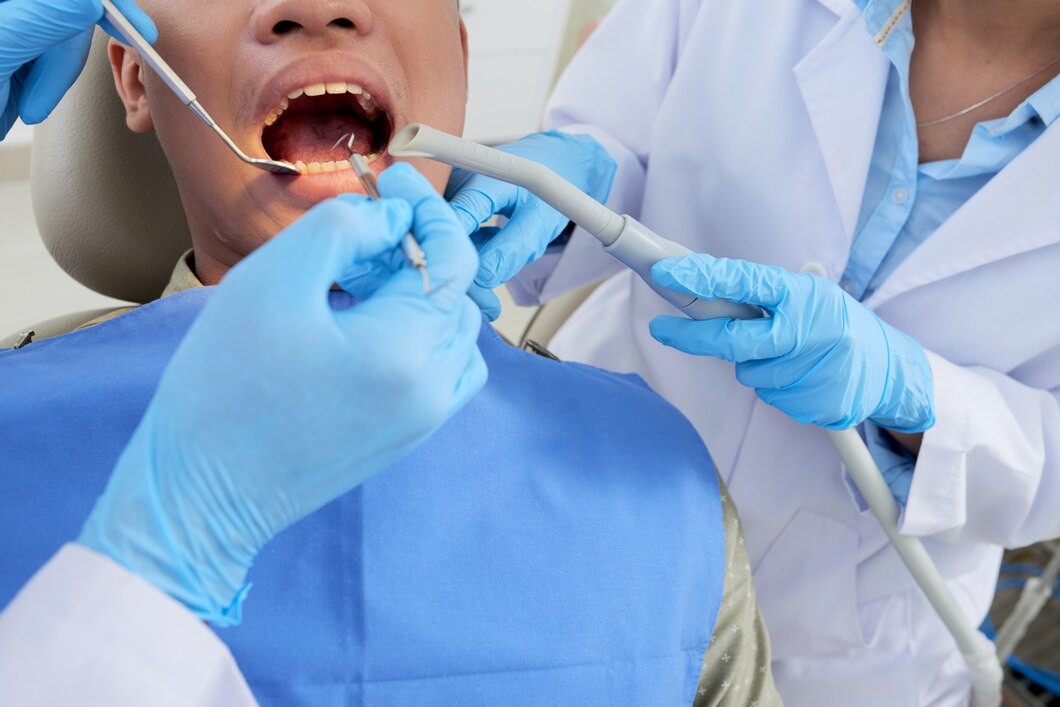
Periodontal disease, also known as gum disease, is an infection of the gums and surrounding tissues that can lead to severe dental problems and even tooth loss. Recognizing the causes, symptoms, and available treatments for periodontal disease is crucial to maintaining good oral health and keeping your smile healthy for years to come.
At Sound Surgical Arts, we are committed to providing comprehensive periodontal care and supporting our patients in achieving and maintaining outstanding oral health.
Causes of Periodontal Disease: Understanding the Risk Factors
Periodontal disease occurs when plaque, a sticky film of bacteria, builds up on the teeth and infects the gum tissue. Various factors contribute to the development and progression of periodontal disease, including:
- Poor Oral Hygiene: Inadequate brushing and flossing can lead to plaque accumulation, which increases the risk of gum infection.
- Tobacco Use: Smoking or chewing tobacco can weaken the immune system, making it difficult for the body to fight off gum infection and facilitating disease progression.
- Genetics: Some individuals may be more susceptible to periodontal disease due to genetic predisposition.
- Medications: Certain medications can affect oral health, leading to gum tissue overgrowth or reduced saliva production, both of which can contribute to periodontal disease.
- Hormonal Changes: Hormonal fluctuations during pregnancy, menopause, or puberty can exacerbate gum sensitivity, increasing the risk of infection.
- Health Conditions: Diabetes, autoimmune diseases, and other systemic illnesses can weaken the immune system and increase susceptibility to periodontal disease.
Symptoms of Periodontal Disease: Recognizing the Warning Signs
Detecting periodontal disease early is crucial for prompt treatment and minimizing potential complications. Common warning signs and symptoms include:
- Bleeding Gums: Gums that bleed during brushing or flossing may indicate early-stage gum disease, known as gingivitis.
- Swollen or Red Gums: Inflammation and redness are indicators of gum irritation, often resulting from bacterial infection.
- Bad Breath: Consistently bad breath, or halitosis, can signal persistent plaque buildup and bacteria.
- Gum Recession: Gums pulling away from the teeth and creating pockets can be a sign of advanced gum disease, or periodontitis.
- Loose or Shifting Teeth: Teeth that feel loose or shift position may indicate severe periodontal disease in which the supporting tissue and bone have been compromised.
Treatment Options for Periodontal Disease: From Non-Surgical to Surgical Intervention
Depending on the severity of periodontal disease, various treatment options are available, ranging from non-surgical to surgical approaches:
- Scaling and Root Planing: This non-surgical procedure involves a deep cleaning of the teeth and gums to remove plaque and tartar buildup. Root planing smooths the tooth root surfaces, making it more difficult for bacteria to adhere and promoting the reattachment of gum tissue.
- Antimicrobial Therapy: In some cases, dentists may prescribe antimicrobial rinses or oral antibiotics to help control bacteria levels in the mouth and enhance periodontal treatment effectiveness.
- Periodontal Maintenance: Regular dental cleanings and examinations after initial treatment are essential for managing periodontal disease and preventing its progression.
- Surgical Treatments: For advanced cases, surgical interventions may be necessary, including flap surgery to remove tartar deposits from deep pockets, bone grafting to restore lost bone structure, or gum grafting to cover exposed tooth roots.
Prevention Tips for Periodontal Disease: Maintaining Optimal Gum Health
Practicing good oral hygiene and adopting healthy habits can significantly reduce the risk of periodontal disease and ensure lasting gum health:
- Brushing: Brush your teeth at least twice a day using a soft-bristled toothbrush and fluoride toothpaste to remove plaque effectively.
- Flossing: Floss daily to clean the spaces between your teeth and beneath the gumline where your toothbrush cannot reach.
- Regular Dental Check-ups: Schedule routine dental appointments at least twice a year for professional cleanings and examinations to detect any developing gum issues early.
- Tobacco Cessation: Quitting smoking or using smokeless tobacco products can dramatically improve gum health and reduce the risk of periodontal disease.
- Healthy Diet: Consuming a balanced diet rich in vitamins, minerals, and nutrients fosters overall oral health and promotes a strong immune system.
Importance of Regular Dental Visits and Expert Treatment: Safeguarding Your Smile
Regular dental visits play a crucial role in managing periodontal disease and maintaining optimal gum health. During routine appointments, dental professionals can detect early signs of gum disease, customize treatment plans to address your unique needs, and provide expert guidance on effective prevention strategies.
Partnering with a trusted periodontal specialist ensures that you receive comprehensive and personalized care to address any existing issues, prevent disease progression, and maintain a healthy, confident smile.
Conclusion
Understanding the causes, symptoms, and various treatment options for periodontal disease is essential for preserving gum health and preventing severe dental complications, such as tooth loss. By adopting effective preventive measures and committing to regular dental visits, you can safeguard your smile and enjoy lasting oral health.
If you suspect that you may have gum disease in Gig Harbor or are in need of a routine check-up, call us at Sound Surgical Arts to schedule a consultation. Our experienced team of professionals is dedicated to helping you enjoy a happy, healthy, and confident smile.
An In-Depth Guide to Bone Grafting for Dental Implants: Ensuring a Strong Foundation for Your New Smile
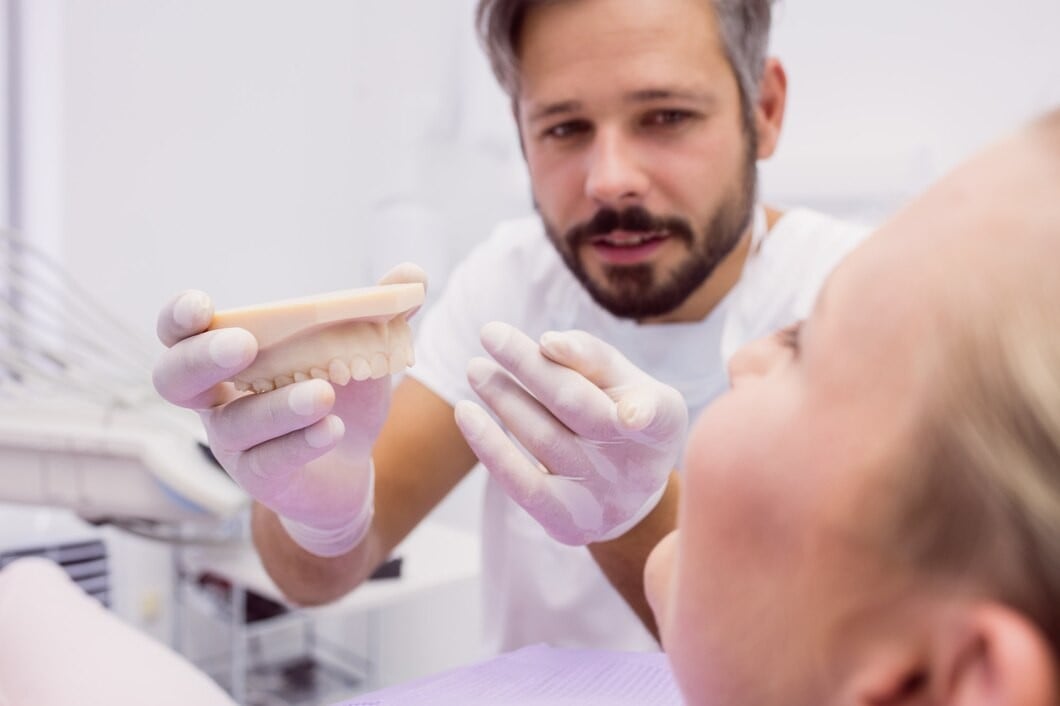
Bone grafting is a dental procedure often employed to strengthen the jawbone, creating a strong and stable foundation for dental implants. Patients with insufficient bone density or quality, usually due to tooth loss, gum disease, or other factors, may require bone grafting to successfully undergo dental implant surgery.
At Sound Surgical Arts, we are committed to providing exceptional bone grafting and dental implant care, ensuring that our patients experience a seamless journey to a restored and confident smile.
If you are considering dental implants and want to learn more about bone grafting or other dental procedures offered at our practice, call Sound Surgical Arts at (253) 242-7500 to schedule a consultation. Our experienced team of professionals is dedicated to helping you achieve the best possible results for your oral health.
Importance of Sufficient Bone Support for Dental Implants: The Foundation for a Lasting Smile
Adequate bone density and quality are essential factors for the success and longevity of dental implants. Dental implants consist of titanium posts that are surgically placed within the jawbone, acting as a root substitute for missing teeth. Over time, the titanium post fuses with the surrounding bone in a process called osseointegration, providing a stable anchor for the artificial tooth or teeth.
Insufficient jawbone density can result in implant failure or complications. The implant may not fuse correctly with the jawbone, leading to poor stability or increased risk of infection. By ensuring your jawbone has sufficient density and volume, the dental implant gains the necessary support to function and maintain a natural appearance.
Causes of Bone Loss: Understanding the Underlying Factors
Several factors can contribute to bone loss in the jaw, leading to the need for bone grafting. Common causes of bone loss include:
- Tooth Loss: Tooth roots stimulate and maintain the surrounding jawbone. When a tooth is lost, the lack of stimulation can cause the jawbone to atrophy, or shrink, over time.
- Gum Disease: Periodontal disease can result in infection and inflammation of the gums and supporting bone, leading to bone loss.
- Trauma or Injury: Broken or fractured jawbones may not heal correctly, resulting in insufficient bone support for dental implants.
- Previous Tooth Extractions: Jawbone density often decreases following tooth extraction, especially if the tooth socket is not preserved with a bone graft.
- Congenital Conditions: Some individuals may be born with a naturally thinner or weaker jawbone.
Bone Grafting Procedure: Preparing for Dental Implants
The bone grafting process begins with an initial consultation, during which the oral surgeon will evaluate your oral health, review your medical and dental history, and assess jawbone density through x-rays or a CT scan. If bone grafting is deemed necessary, the oral surgeon will recommend the most appropriate type of bone graft and develop a treatment plan.
During the bone grafting surgery, the oral surgeon will make an incision in the gum tissue to access the bone. The graft material is then placed in the appropriate area, and the gum tissue is sutured closed over the graft. The healing process generally takes several months, during which time the graft will integrate with the jawbone, creating a stronger foundation for your dental implants.
Types of Bone Grafts: Selecting the Right Material
There are various types of bone graft materials available, including:
- Autografts: The gold standard in bone grafting, autografts utilize the patient’s own bone tissue, often harvested from another area of the body, such as the hip or chin. Autografts have a high success rate due to their biocompatibility and low risk of rejection.
- Allografts: Allografts consist of sterilized human bone tissue from a donor, often sourced from a bone bank. Allografts can reduce the need for a separate surgical site to harvest autografts, potentially lessening recovery time and discomfort.
- Xenografts: Xenografts use bone material sourced from animals, typically bovine (cow) bone. This type of graft is processed and sterilized to eliminate any potential risk of disease and promote compatibility with human bone.
- Alloplasts: Alloplastic grafts are synthetic bone substitutes composed of biocompatible materials, such as hydroxyapatite or tricalcium phosphate. Although alloplasts do not encourage new bone growth as effectively as autografts, they can stimulate bone regeneration in certain cases.
Recovery Expectations and Dental Implant Timeline
Bone grafting recovery varies based on the individual and the type of graft used. Patients can expect mild to moderate discomfort, swelling, and bruising, which can be managed with over-the-counter pain relievers and cold compresses. The surgeon may also prescribe antibiotics to reduce the risk of infection.
The healing time for bone grafts typically ranges from three to six months, at which point the oral surgeon will perform another evaluation to assess whether the grafted bone has successfully integrated, and the jaw is ready for dental implant surgery.
Conclusion
Bone grafting is a necessary procedure for many dental implant patients to ensure a strong, stable foundation for their new smile. Understanding the causes of bone loss, types of bone grafts available, and what to expect during recovery will help to set realistic expectations and ease any concerns associated with the process.
If you are considering dental implants and want to learn more about bone grafting in Gig Harbor or other dental procedures offered at our practice, call us at Sound Surgical Arts to schedule a consultation. Our experienced team of professionals is dedicated to helping you achieve the best possible results for your oral health.
Pinhole Surgical Technique: A Game-Changer for Treating Gum Recession in Tacoma, WA
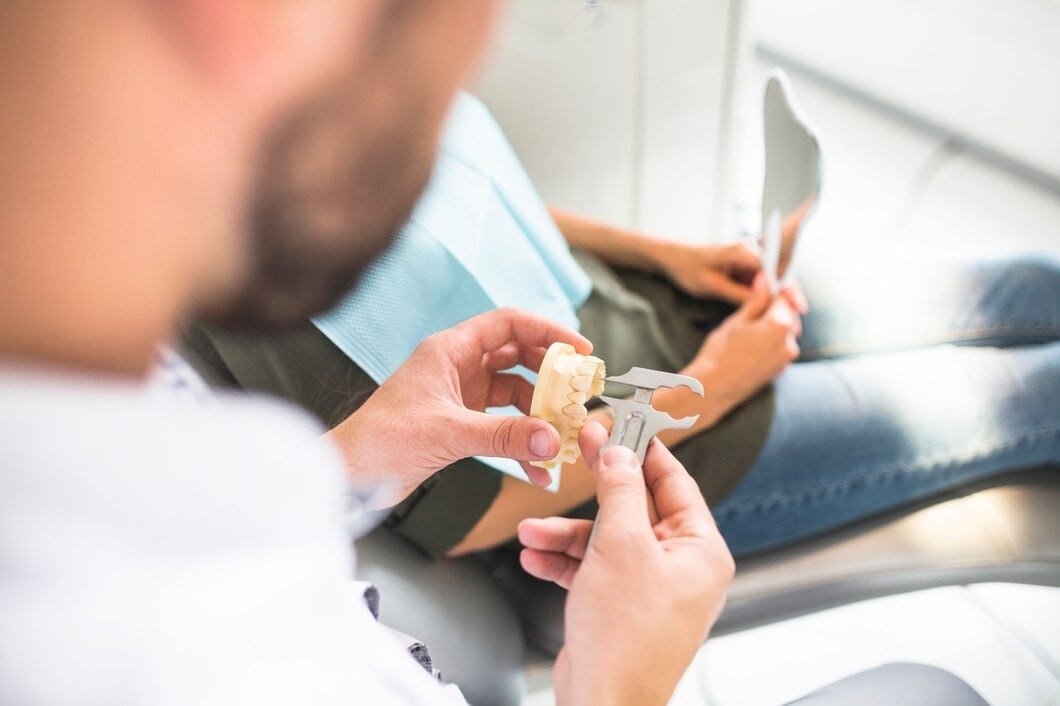
Gum recession, a common dental concern affecting millions of people, can often go unnoticed until it gradually starts impacting your oral health and aesthetics. If left untreated, gum recession may lead to tooth sensitivity, decay, and even tooth loss. Thankfully, innovative dental procedures like the Pinhole Surgical Technique (PST) offer a minimally invasive alternative to traditional gum grafting treatments, delivering effective results with less discomfort and quicker recovery times.
We are excited to offer the Pinhole Surgical Technique as part of our dental services in Tacoma, WA, and help patients combat gum recession in a more comfortable and efficient manner. In this educational blog post, we will explore the reasons behind gum recession, the benefits of using the Pinhole Surgical Technique as a treatment option, and how this procedure compares to traditional gum grafting methods. By understanding the advantages of PST, you’ll be better prepared to make informed decisions about your gum recession treatment and choose the option that best meets your needs and preferences.
As dental professionals, our goal is to provide our patients with the latest advancements in dentistry to ensure optimal oral health and well-being. The Pinhole Surgical Technique is an exciting development in the field of periodontics and offers a more patient-friendly approach to addressing gum recession. Keep reading to discover how the Pinhole Surgical Technique can help you achieve a healthier, more attractive smile by effectively treating gum recession without the need for traditional grafting procedures.
1. Understanding Gum Recession: Causes and Consequences
Before diving into the Pinhole Surgical Technique, it’s essential to understand what gum recession is, its causes, and the potential consequences if left untreated. Gum recession occurs when the gum tissue surrounding the teeth begins to wear away or pull back, gradually exposing more of the tooth or its root. Some common causes of gum recession include:
- Poor oral hygiene leading to plaque buildup and gum disease
- Overaggressive brushing techniques, causing gum tissue damage
- Naturally thin or fragile gum tissue
- Genetic predisposition
- Clenching or grinding teeth (bruxism)
- Tobacco usage
- Hormonal changes
Gum recession can lead to a range of oral health issues, including increased tooth sensitivity, tooth decay, and eventual tooth loss. It also affects the aesthetics of one’s smile, which may impact self-esteem and confidence. Identifying and treating gum recession early is vital to maintaining good oral health and avoiding more severe complications in the future.
2. An Overview of the Pinhole Surgical Technique
The Pinhole Surgical Technique (PST) is a groundbreaking procedure developed by Dr. John Chao, which offers a minimally invasive alternative to traditional gum grafting for treating gum recession. PST involves the following steps:
- A local anesthetic is administered to numb the treatment area.
- A small pinhole is made in the gum tissue above the recessed area using a specialized instrument.
- Special dental instruments are then used through the pinhole to gently reposition the gum tissue over the exposed tooth or root surface.
- Tiny collagen strips are carefully inserted through the pinhole to stabilize and hold the gum tissue in place during the healing process.
No scalpels, sutures, or donor tissue are typically required for this procedure, making it less invasive than traditional gum grafting while still delivering effective results.
3. The Benefits of the Pinhole Surgical Technique
The Pinhole Surgical Technique offers several advantages over traditional gum grafting methods, making it an attractive option for those dealing with gum recession. Some of these benefits include:
- Minimally Invasive: Since PST doesn’t involve cutting, sutures, or the use of donor tissue, it is considered a less invasive approach to treating gum recession, resulting in reduced discomfort and minimal post-operative swelling.
- Quicker Recovery: Patients typically experience a quicker recovery period following PST compared to more invasive gum grafting procedures, with most individuals resuming their normal activities within a day.
- Reduced Treatment Time: The Pinhole Surgical Technique can be completed in less time than traditional gum grafting treatments, often taking only one to two hours to treat multiple teeth affected by gum recession.
- Immediate Aesthetic Improvement: With PST, patients can see instant cosmetic improvement as gum tissue is repositioned over exposed tooth surfaces.
- Low Complication Risk: The minimally invasive nature of the Pinhole Surgical Technique means there is a lower risk of complications or tissue rejection compared to traditional gum grafting procedures that utilize donor tissue.
4. Comparing the Pinhole Surgical Technique to Traditional Gum Grafting
Traditional gum grafting procedures, such as the connective tissue graft or free gingival graft, involve the removal of donor tissue (usually from the patient’s palate) and its surgical attachment to the area of gum recession. While these methods have proven effective over time, they can also be more invasive, cause discomfort and require a longer healing process.
The Pinhole Surgical Technique offers a less invasive and patient-friendly alternative to these traditional grafting methods. By eliminating the need for scalpels, sutures, and donor tissue, PST facilitates a more comfortable procedure and quicker recovery time. Both the Pinhole Surgical Technique and traditional gum grafting procedures aim to treat gum recession effectively; however, each patient’s specific case will dictate the most suitable treatment option.
Reclaim Your Healthy Smile with the Pinhole Surgical Technique
The Pinhole Surgical Technique presents a significant advancement in the treatment of gum recession, offering a minimally invasive and patient-friendly alternative to traditional gum grafting procedures. For those in Tacoma, WA, considering their options for gum recession treatment, the Pinhole Surgical Technique delivers an exceptional blend of efficiency, comfort, and aesthetic improvement.
If you are experiencing gum recession and want to explore the Pinhole Surgical Technique as a treatment option, we encourage you to schedule a consultation with our experienced dental team. Together, we can assess your individual needs, discuss the benefits of PST, and determine the best course of action to help you achieve a healthier and more attractive smile.
Dental Tech Breakthrough: Understanding Intraoral Scanners & Digital Impressions in Tacoma, WA
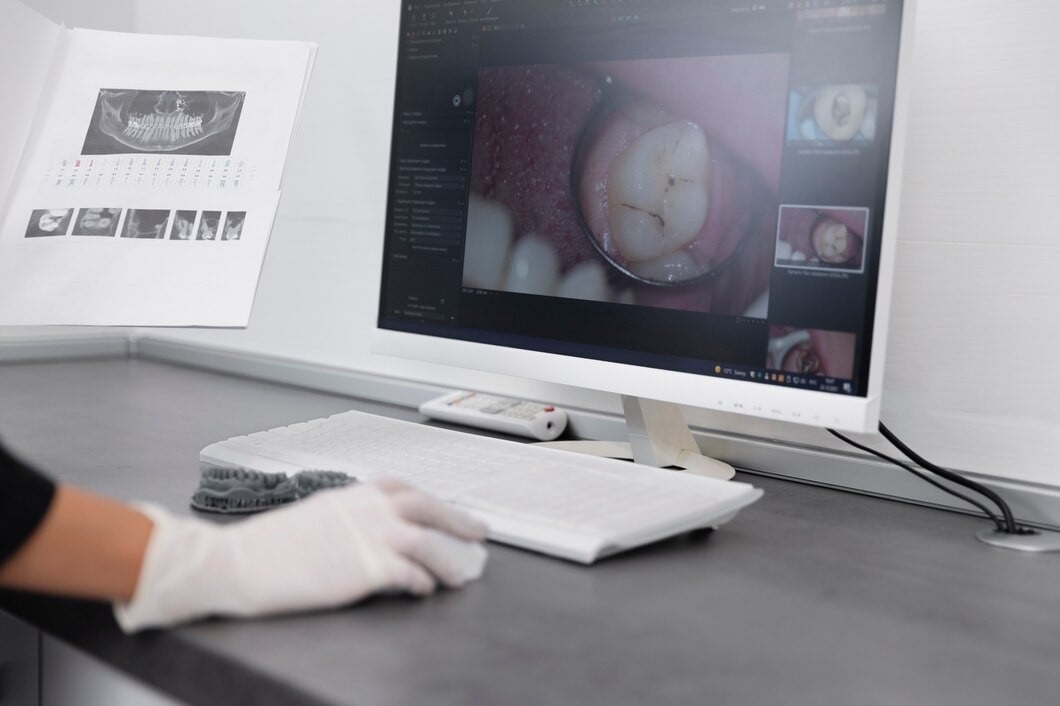
There’s no denying that technologies in dentistry have advanced significantly in recent years, and one such innovation is the utilization of intraoral scanners for digital impressions. Digital impressions have transformed the landscape of dental procedures by providing an accurate, efficient, and more comfortable way to record the patient’s oral structures. Traditional impressions, which often involve the use of impression materials and trays, can be uncomfortable and even anxiety-inducing for some patients. With digital impressions, these concerns are minimized, and dental professionals can deliver higher quality and faster results across various dental treatments.
We are proud to provide comprehensive dental services in Tacoma, WA, that include the use of innovative digital impressions and intraoral scanner technology. In this educational blog post, we will discuss the advantages that digital impressions and intraoral scanning technology bring to the field of dentistry. We will explore how intraoral scanners work and their application across a wide range of dental procedures, from restorative treatments to orthodontics and beyond.
As you continue to read, you will gain a better understanding of the benefits of digital impressions compared to traditional impression methods, including enhanced precision in treatment planning and a more comfortable patient experience. We believe it’s essential for patients to understand the innovations being incorporated into modern dentistry and how these advancements can improve the overall quality of care. Let’s dive into the world of digital impressions and discover how intraoral scanning technology can revolutionize your dental treatment experience in Tacoma, WA!
1. Understanding Intraoral Scanners and Digital Impressions
Intraoral scanners are compact, handheld devices that utilize advanced imaging technology to capture detailed digital impressions of a patient’s oral structures. These digital impressions are then used by dental professionals in various diagnoses and treatment planning processes. Here’s how intraoral scanners work:
- The intraoral scanner is gently maneuvered around the patient’s mouth, capturing precise images of teeth, gums, and surrounding tissues.
- Sophisticated software stitches these images together in real-time, creating a detailed 3D model of the patient’s mouth, which can be viewed on a monitor.
- This digital impression can then be used for treatment planning, laboratory collaboration, and even fabrication of dental restorations and appliances using CAD/CAM (computer-aided design/computer-aided manufacturing) technology.
2. The Advantages of Digital Impressions Over Traditional Methods
Digital impressions gained through intraoral scanning technology provide numerous advantages compared to traditional impression techniques:
- Accuracy: Digital impressions offer superior accuracy, ensuring precise and well-fitting dental restorations and appliances. This level of precision contributes to fewer adjustments and better overall treatment outcomes.
- Efficiency: Intraoral scanners can capture digital impressions quickly and efficiently, reducing the time spent in the dental chair and allowing for a more streamlined workflow for both dental professionals and patients.
- Patient Comfort: Digital impressions eliminate the need for traditional impression materials and trays, providing a more comfortable and less invasive experience for patients. This is particularly beneficial for those with sensitivities or gag reflex concerns.
- Eco-Friendly: The use of digital impressions and the accompanying software reduces the need for physical models and storage, leading to less waste and increased sustainability within the dental practice.
3. Applications of Intraoral Scanner Technology in Various Dental Procedures
The use of digital impressions and intraoral scanning technology spans across a wide array of dental treatments and procedures, enhancing treatment planning and results.
- Restorative Treatments: Digital impressions can be utilized for the planning and fabrication of dental restorations such as crowns, bridges, inlays, and onlays. These precise impressions lead to better-fitting and more aesthetic restorations.
- Orthodontics: In orthodontic treatments, digital impressions help in treatment planning, monitoring progress, and creating customized appliances like clear aligners more accurately and efficiently.
- Implant Dentistry: Digital impressions play an essential role in the precise planning and placement of dental implants, ensuring optimal outcomes and patient satisfaction.
- Cosmetic Dentistry: Accurate digital impressions can be beneficial in planning and achieving desired results in cosmetic dental treatments, such as porcelain veneers, leading to more natural-looking and aesthetically pleasing outcomes.
4. Preparing for Your Digital Impression Appointment
If you’re scheduled for a dental procedure that requires digital impressions, here’s what to expect during your appointment:
- Relaxed Atmosphere: Digital impressions are non-invasive and comfortable, making for a more relaxed and stress-free experience compared to traditional impression methods.
- Quick Scan: The intraoral scanner will gently be moved around your mouth, capturing images of your teeth and gums in a matter of minutes.
- Real-time Visualization: The digital impressions will be displayed on a monitor in real-time, allowing you and your dentist to visualize your oral structures and discuss treatment plans.
- Easy Adjustments: Any necessary adjustments can be easily made using digital impression software, reducing the need for additional appointments and ensuring a more efficient overall process.
Embrace the Future of Dentistry with Digital Impressions and Intraoral Scanner Technology
Digital impressions, made possible by the advancements in intraoral scanner technology, have revolutionized the field of dentistry by providing dental professionals and patients with a superior method for capturing oral structures. This innovative approach allows for accurate, efficient, and comfortable dental treatment planning and execution while delivering improved outcomes across a wide range of dental procedures.
If you’re in the Tacoma, WA, area and seeking dental care that incorporates the latest technology and advancements, we invite you to experience the difference that digital impressions can make in your dental journey. Schedule a consultation with our skilled dental team today, and together, let’s explore how digital impressions and IOS-intraoral surface scans can elevate your dental treatment and deliver the results you deserve.
Wisdom Tooth Extraction: Your Comprehensive Guide to Smooth and Safe Recovery
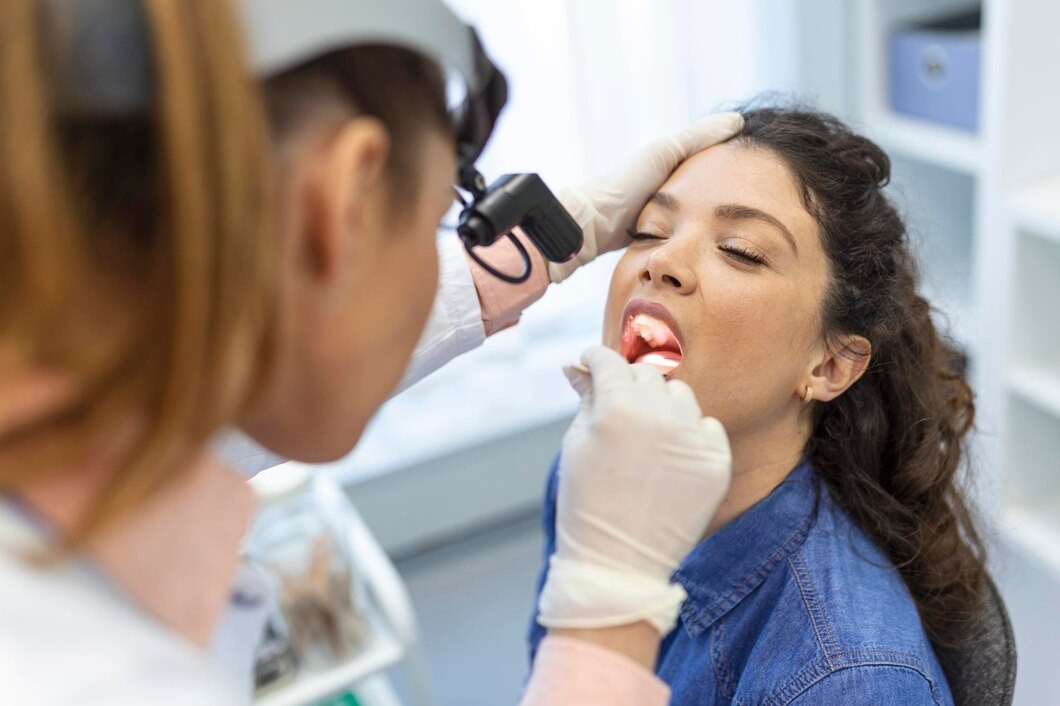
Wisdom tooth extractions are a common dental procedure, often necessary to maintain optimal oral health and avoid complications arising from impacted or misaligned third molars. While the process itself is straightforward under the care of a skilled oral surgeon, it’s equally important to understand how to manage a smooth and safe recovery. In this comprehensive guide, we will cover:
- Wisdom Tooth Extraction: A Brief Overview: Gain a better understanding of the reasons behind wisdom tooth extraction and the process itself.
- Post-Operative Recovery Timeline: Learn about the typical recovery timeline after wisdom tooth extraction and how it may vary depending on individual factors.
- Post-Operative Care Instructions: Discover essential tips and best practices to promote a smooth and safe recovery, including managing pain, swelling, bleeding, and hygiene.
- Potential Complications to Watch Out For: Familiarize yourself with possible post-operative complications and when to seek professional help.
- Importance of Follow-Up Appointments: Recognize the necessity of attending follow-up appointments to ensure a successful healing process.
Under our expert care at Sound Surgical Arts, you can trust that we are committed to providing an exceptional wisdom tooth extraction experience and supporting you throughout the recovery process.
Wisdom Tooth Extraction: A Brief Overview
Wisdom teeth, or third molars, typically emerge during the late teenage years or early twenties. Often, there is insufficient space in the mouth to accommodate these additional teeth, leading to dental problems such as pain, infection, or misalignment of other teeth. Wisdom tooth extraction is a common dental procedure that involves removing one or more third molars to avoid these complications and maintain overall oral health. The extraction process involves a thorough dental exam, X-rays, local anesthesia, and skilled removal of the impaction by an oral surgeon.
Post-Operative Recovery Timeline: What to Expect After Wisdom Tooth Extraction
After wisdom tooth extraction, it’s normal to experience some discomfort, swelling, and bleeding. However, these symptoms should gradually improve over several days, with most patients achieving near-complete recovery within 7-10 days. The actual duration of the healing process varies depending on several factors, such as the complexity of the extraction, individual pain tolerance, and adherence to post-operative care instructions.
Post-Operative Care Instructions: Promoting a Smooth and Safe Recovery
Proper post-operative care is crucial for a successful recovery after wisdom tooth extraction. Adhering to the following guidelines can help minimize discomfort, reduce the risk of complications, and promote faster healing:
- Pain Management: Over-the-counter pain relievers or prescription medications can help alleviate discomfort during the recovery process. Follow your dentist’s recommendations and dosage instructions carefully.
- Swelling Control: Apply ice packs to the cheek area for 15-20 minutes at a time, with intervals every 1-2 hours for the first couple of days. This practice can help reduce swelling and inflammation.
- Bleeding Control: Gently bite down on a gauze pad placed over the extraction site to control bleeding. Replace the gauze as needed, and avoid vigorously rinsing or spitting, as this may dislodge the blood clot.
- Oral Hygiene: Resume brushing and flossing gently 24 hours after surgery, avoiding the extraction site. Consider using a saltwater rinse starting the day after surgery to clean the area and reduce the risk of infection.
- Nutrition: Consume soft foods and liquids initially, gradually reintroducing harder foods as your comfort allows. Avoid hot, crunchy, or spicy foods that may irritate the healing tissues.
Potential Complications to Watch Out For: Know When to Seek Professional Help
While wisdom tooth extraction is generally safe and successful, potential complications may arise in rare cases. Being aware of the following signs and symptoms can help you seek timely professional help, reducing the risk of long-term issues:
- Dry Socket: This condition occurs when the blood clot at the extraction site is dislodged or dissolves, exposing the underlying bone and nerves. Symptoms include severe pain, bad breath, and a foul taste. Seek dentist advice for proper management.
- Infection: Signs of infection include persistent pain, increased swelling, fever, pus discharge, or an unpleasant taste. Contact your dentist immediately if you suspect an infection.
- Nerve Damage: Although uncommon, nerve damage can occur during extraction, causing altered sensation, numbness, or tingling in the lips, chin, and tongue. Report any changes in sensation to your dentist promptly.
- Excessive Bleeding: While some bleeding is normal, continuous or heavy bleeding that does not subside with gauze pressure should be addressed by a dental professional.
Importance of Follow-Up Appointments: Ensuring a Successful Healing Process
Attending follow-up appointments is essential for monitoring the healing progress and detecting potential complications early. Your dentist or oral surgeon will assess the extraction site, investigate any reported symptoms, provide guidance on ongoing care, and advise you on when to resume normal daily activities. Maintaining communication with your dental team and adhering to their recommendations can significantly contribute to a smooth and successful recovery.
Conclusion
Wisdom tooth extraction is a common procedure designed to prevent dental complications associated with impacted or misaligned third molars. By following thorough post-operative care instructions and staying vigilant for potential complications, patients can achieve a smooth and safe recovery. Partnering with a trusted dental team, like Sound Surgical Arts, ensures a positive wisdom tooth extraction experience and access to comprehensive support during the healing process.
If you’re in need of wisdom tooth extraction or simply seeking a routine dental check-up, call us at Sound Surgical Arts at (253) 851-0300 to schedule a consultation at our Gig Harbor dental office. Our dedicated team of professionals is here to help you achieve and maintain a healthy and confident smile.
Bone Grafting for Dental Implants: A Comprehensive Guide by Sound Surgical Arts in Gig Harbor, WA
Bone grafting is an essential and often necessary step for patients who require dental implants but lack sufficient jawbone density to support the procedure. The experienced team at Sound Surgical Arts in Gig Harbor, WA, is dedicated to providing comprehensive bone grafting solutions to ensure the viability of dental implants and promote optimal oral health.
By partnering with the knowledgeable staff at Sound Surgical Arts in Gig Harbor, WA, you can ensure optimal bone grafting care and a successful dental implant journey.
Why Bone Grafting is Necessary: Laying the Foundation for Successful Dental Implants
Adequate jawbone density is vital for the success and stability of dental implants. However, factors such as periodontal disease, tooth loss, trauma, and age can lead to bone loss, making dental implant placement difficult or impossible. Bone grafting addresses this issue by promoting new bone growth or restoring lost bone volume, ultimately ensuring a stable foundation for dental implant surgery. Benefits of bone grafting for dental implants include:
- Improved Stability: Bone grafting provides the necessary support for implant posts, ensuring their long-term success and durability.
- Enhanced Aesthetics: Bone grafting can improve facial contours and minimize sagging or hollowing that occurs due to bone resorption after tooth loss.
- Restored Dental Function: By creating a stable foundation for dental implants, bone grafting facilitates the restoration of optimal dental function, enabling patients to eat, bite, and speak comfortably.
Types of Bone Grafting Procedures: Exploring Your Options for a Stronger Jawbone
Various types of bone grafting procedures are available, with the choice depending on factors such as availability, patient preferences, and clinical requirements. Common bone grafting techniques include:
- Autografts: Using the patient’s bone tissue, typically extracted from the chin or another area within the jawbone, autografts offer a high success rate due to the biocompatibility of the patient’s own bone.
- Allografts: Derived from a deceased donor, allografts involve the use of sterilized and processed human bone tissue. This option eliminates the need for an additional surgical site on the patient.
- Xenografts: Sourced from animals (usually bovines), xenografts consist of sterilized and processed bone tissue modified for human use. This grafting technique allows for a more abundant supply of bone material.
- Alloplasts: Synthetic bone grafts (alloplasts) are composed of bioactive materials designed to encourage the patient’s bone growth. Alloplastic grafts can offer a flexible alternative without the need for a donor or additional surgical site.
The Bone Grafting Process: Understanding the Steps and Recovery
The bone grafting process typically involves the following stages:
- Consultation and Evaluation: Your oral surgeon will assess your jawbone density and overall oral health to determine if bone grafting is necessary before dental implant placement.
- Anesthesia and Sedation: To ensure patient comfort during the procedure, local anesthesia and, if necessary, sedation options will be administered.
- Bone Harvesting (if applicable): For autografts, an additional procedure will be performed to extract bone tissue from the patient’s own body.
- Graft Closure and Stabilization: The harvested or selected grafting material is carefully placed into the surgical site, and the gum tissue is sutured to create a secure closure.
- Recovery and Healing: A healing period of several months is typically required for the grafted bone to integrate with the patient’s jawbone and provide a stable foundation for dental implant placement.
Bone Grafting Success Factors: Ensuring Favorable Outcomes for Dental Implants
Several factors influence the success of a bone grafting procedure and subsequent dental implant placement:
- Patient Health: Patients with good overall health, no existing periodontal disease, and proper oral hygiene habits are more likely to experience a successful bone grafting procedure.
- Graft Material Selection: Choosing the most suitable graft material for the patient’s specific needs and clinical situation can impact the procedure’s success.
- Surgeon Experience: Partnering with an experienced and skilled oral surgeon increases the likelihood of a successful bone grafting procedure and dental implant placement.
- Compliance with Post-Operative Instructions: Adhering to post-operative care guidelines, including proper oral hygiene habits and regular follow-up appointments, is crucial to the long-term success of a bone grafting procedure.
Choosing an Oral Surgeon for Bone Grafting in Gig Harbor, WA: Investing in Your Oral Health
Selecting an experienced and compassionate oral surgeon to perform your bone grafting procedure is crucial to achieving optimal results. When evaluating potential surgeons, consider the following factors:
- Education and Training: Ensure the oral surgeon has specialized training in various bone grafting techniques, as well as dental implant placement.
- Experience: Look for an oral surgeon with extensive experience in performing bone grafting procedures and working with various graft materials.
- Patient Testimonials: Review patient testimonials and online reviews to gain insight into the surgeon’s commitment to successful outcomes and patient satisfaction.
- Communication and Comfort: Evaluate the oral surgeon’s willingness to address your concerns, explain the procedure thoroughly, and prioritize your comfort during the treatment process.
Conclusion
Bone grafting can be a crucial step in preparing for dental implant surgery, providing a stable foundation for implant placement and ensuring long-term success. Trust the skilled and compassionate team at Sound Surgical Arts in Gig Harbor, WA, to guide you through the bone grafting process and pave the way for a fully restored and vibrant smile.
Call (253) 857-1000 to schedule a consultation at our Gig Harbor dental office and let our team of professionals help you achieve the optimal oral health and confidence you deserve.