
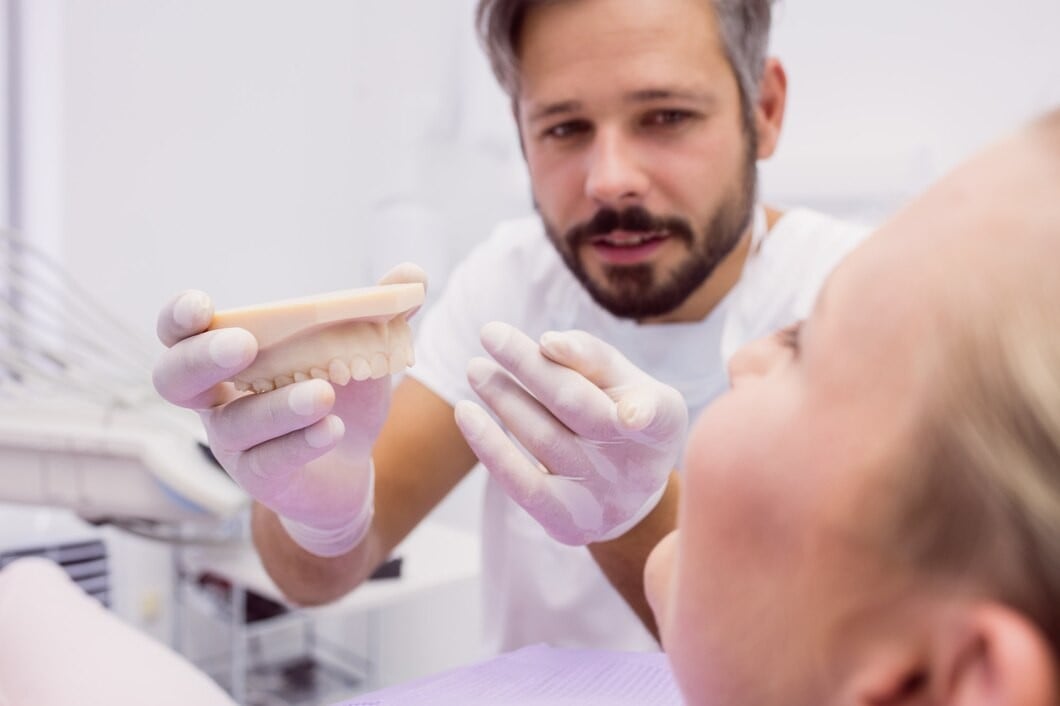
Bone grafting is a dental procedure often employed to strengthen the jawbone, creating a strong and stable foundation for dental implants. Patients with insufficient bone density or quality, usually due to tooth loss, gum disease, or other factors, may require bone grafting to successfully undergo dental implant surgery.
At Sound Surgical Arts, we are committed to providing exceptional bone grafting and dental implant care, ensuring that our patients experience a seamless journey to a restored and confident smile.
If you are considering dental implants and want to learn more about bone grafting or other dental procedures offered at our practice, call Sound Surgical Arts at (253) 242-7500 to schedule a consultation. Our experienced team of professionals is dedicated to helping you achieve the best possible results for your oral health.
Importance of Sufficient Bone Support for Dental Implants: The Foundation for a Lasting Smile
Adequate bone density and quality are essential factors for the success and longevity of dental implants. Dental implants consist of titanium posts that are surgically placed within the jawbone, acting as a root substitute for missing teeth. Over time, the titanium post fuses with the surrounding bone in a process called osseointegration, providing a stable anchor for the artificial tooth or teeth.
Insufficient jawbone density can result in implant failure or complications. The implant may not fuse correctly with the jawbone, leading to poor stability or increased risk of infection. By ensuring your jawbone has sufficient density and volume, the dental implant gains the necessary support to function and maintain a natural appearance.
Causes of Bone Loss: Understanding the Underlying Factors
Several factors can contribute to bone loss in the jaw, leading to the need for bone grafting. Common causes of bone loss include:
- Tooth Loss: Tooth roots stimulate and maintain the surrounding jawbone. When a tooth is lost, the lack of stimulation can cause the jawbone to atrophy, or shrink, over time.
- Gum Disease: Periodontal disease can result in infection and inflammation of the gums and supporting bone, leading to bone loss.
- Trauma or Injury: Broken or fractured jawbones may not heal correctly, resulting in insufficient bone support for dental implants.
- Previous Tooth Extractions: Jawbone density often decreases following tooth extraction, especially if the tooth socket is not preserved with a bone graft.
- Congenital Conditions: Some individuals may be born with a naturally thinner or weaker jawbone.
Bone Grafting Procedure: Preparing for Dental Implants
The bone grafting process begins with an initial consultation, during which the oral surgeon will evaluate your oral health, review your medical and dental history, and assess jawbone density through x-rays or a CT scan. If bone grafting is deemed necessary, the oral surgeon will recommend the most appropriate type of bone graft and develop a treatment plan.
During the bone grafting surgery, the oral surgeon will make an incision in the gum tissue to access the bone. The graft material is then placed in the appropriate area, and the gum tissue is sutured closed over the graft. The healing process generally takes several months, during which time the graft will integrate with the jawbone, creating a stronger foundation for your dental implants.
Types of Bone Grafts: Selecting the Right Material
There are various types of bone graft materials available, including:
- Autografts: The gold standard in bone grafting, autografts utilize the patient’s own bone tissue, often harvested from another area of the body, such as the hip or chin. Autografts have a high success rate due to their biocompatibility and low risk of rejection.
- Allografts: Allografts consist of sterilized human bone tissue from a donor, often sourced from a bone bank. Allografts can reduce the need for a separate surgical site to harvest autografts, potentially lessening recovery time and discomfort.
- Xenografts: Xenografts use bone material sourced from animals, typically bovine (cow) bone. This type of graft is processed and sterilized to eliminate any potential risk of disease and promote compatibility with human bone.
- Alloplasts: Alloplastic grafts are synthetic bone substitutes composed of biocompatible materials, such as hydroxyapatite or tricalcium phosphate. Although alloplasts do not encourage new bone growth as effectively as autografts, they can stimulate bone regeneration in certain cases.
Recovery Expectations and Dental Implant Timeline
Bone grafting recovery varies based on the individual and the type of graft used. Patients can expect mild to moderate discomfort, swelling, and bruising, which can be managed with over-the-counter pain relievers and cold compresses. The surgeon may also prescribe antibiotics to reduce the risk of infection.
The healing time for bone grafts typically ranges from three to six months, at which point the oral surgeon will perform another evaluation to assess whether the grafted bone has successfully integrated, and the jaw is ready for dental implant surgery.
Conclusion
Bone grafting is a necessary procedure for many dental implant patients to ensure a strong, stable foundation for their new smile. Understanding the causes of bone loss, types of bone grafts available, and what to expect during recovery will help to set realistic expectations and ease any concerns associated with the process.
If you are considering dental implants and want to learn more about bone grafting in Gig Harbor or other dental procedures offered at our practice, call us at Sound Surgical Arts to schedule a consultation. Our experienced team of professionals is dedicated to helping you achieve the best possible results for your oral health.