
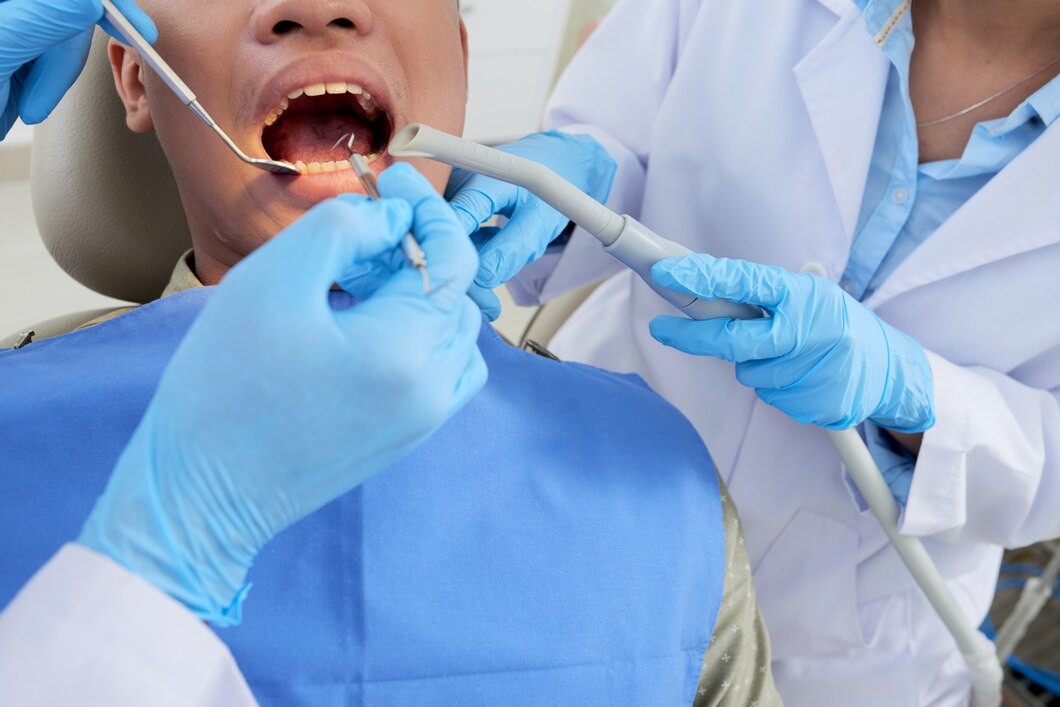
Periodontal disease, also known as gum disease, is an infection of the gums and surrounding tissues that can lead to severe dental problems and even tooth loss. Recognizing the causes, symptoms, and available treatments for periodontal disease is crucial to maintaining good oral health and keeping your smile healthy for years to come.
At Sound Surgical Arts, we are committed to providing comprehensive periodontal care and supporting our patients in achieving and maintaining outstanding oral health.
Causes of Periodontal Disease: Understanding the Risk Factors
Periodontal disease occurs when plaque, a sticky film of bacteria, builds up on the teeth and infects the gum tissue. Various factors contribute to the development and progression of periodontal disease, including:
- Poor Oral Hygiene: Inadequate brushing and flossing can lead to plaque accumulation, which increases the risk of gum infection.
- Tobacco Use: Smoking or chewing tobacco can weaken the immune system, making it difficult for the body to fight off gum infection and facilitating disease progression.
- Genetics: Some individuals may be more susceptible to periodontal disease due to genetic predisposition.
- Medications: Certain medications can affect oral health, leading to gum tissue overgrowth or reduced saliva production, both of which can contribute to periodontal disease.
- Hormonal Changes: Hormonal fluctuations during pregnancy, menopause, or puberty can exacerbate gum sensitivity, increasing the risk of infection.
- Health Conditions: Diabetes, autoimmune diseases, and other systemic illnesses can weaken the immune system and increase susceptibility to periodontal disease.
Symptoms of Periodontal Disease: Recognizing the Warning Signs
Detecting periodontal disease early is crucial for prompt treatment and minimizing potential complications. Common warning signs and symptoms include:
- Bleeding Gums: Gums that bleed during brushing or flossing may indicate early-stage gum disease, known as gingivitis.
- Swollen or Red Gums: Inflammation and redness are indicators of gum irritation, often resulting from bacterial infection.
- Bad Breath: Consistently bad breath, or halitosis, can signal persistent plaque buildup and bacteria.
- Gum Recession: Gums pulling away from the teeth and creating pockets can be a sign of advanced gum disease, or periodontitis.
- Loose or Shifting Teeth: Teeth that feel loose or shift position may indicate severe periodontal disease in which the supporting tissue and bone have been compromised.
Treatment Options for Periodontal Disease: From Non-Surgical to Surgical Intervention
Depending on the severity of periodontal disease, various treatment options are available, ranging from non-surgical to surgical approaches:
- Scaling and Root Planing: This non-surgical procedure involves a deep cleaning of the teeth and gums to remove plaque and tartar buildup. Root planing smooths the tooth root surfaces, making it more difficult for bacteria to adhere and promoting the reattachment of gum tissue.
- Antimicrobial Therapy: In some cases, dentists may prescribe antimicrobial rinses or oral antibiotics to help control bacteria levels in the mouth and enhance periodontal treatment effectiveness.
- Periodontal Maintenance: Regular dental cleanings and examinations after initial treatment are essential for managing periodontal disease and preventing its progression.
- Surgical Treatments: For advanced cases, surgical interventions may be necessary, including flap surgery to remove tartar deposits from deep pockets, bone grafting to restore lost bone structure, or gum grafting to cover exposed tooth roots.
Prevention Tips for Periodontal Disease: Maintaining Optimal Gum Health
Practicing good oral hygiene and adopting healthy habits can significantly reduce the risk of periodontal disease and ensure lasting gum health:
- Brushing: Brush your teeth at least twice a day using a soft-bristled toothbrush and fluoride toothpaste to remove plaque effectively.
- Flossing: Floss daily to clean the spaces between your teeth and beneath the gumline where your toothbrush cannot reach.
- Regular Dental Check-ups: Schedule routine dental appointments at least twice a year for professional cleanings and examinations to detect any developing gum issues early.
- Tobacco Cessation: Quitting smoking or using smokeless tobacco products can dramatically improve gum health and reduce the risk of periodontal disease.
- Healthy Diet: Consuming a balanced diet rich in vitamins, minerals, and nutrients fosters overall oral health and promotes a strong immune system.
Importance of Regular Dental Visits and Expert Treatment: Safeguarding Your Smile
Regular dental visits play a crucial role in managing periodontal disease and maintaining optimal gum health. During routine appointments, dental professionals can detect early signs of gum disease, customize treatment plans to address your unique needs, and provide expert guidance on effective prevention strategies.
Partnering with a trusted periodontal specialist ensures that you receive comprehensive and personalized care to address any existing issues, prevent disease progression, and maintain a healthy, confident smile.
Conclusion
Understanding the causes, symptoms, and various treatment options for periodontal disease is essential for preserving gum health and preventing severe dental complications, such as tooth loss. By adopting effective preventive measures and committing to regular dental visits, you can safeguard your smile and enjoy lasting oral health.
If you suspect that you may have gum disease in Gig Harbor or are in need of a routine check-up, call us at Sound Surgical Arts to schedule a consultation. Our experienced team of professionals is dedicated to helping you enjoy a happy, healthy, and confident smile.