
Sound Surgical Arts
Experience the Precision of Navigated Implant Placement in Tacoma, WA
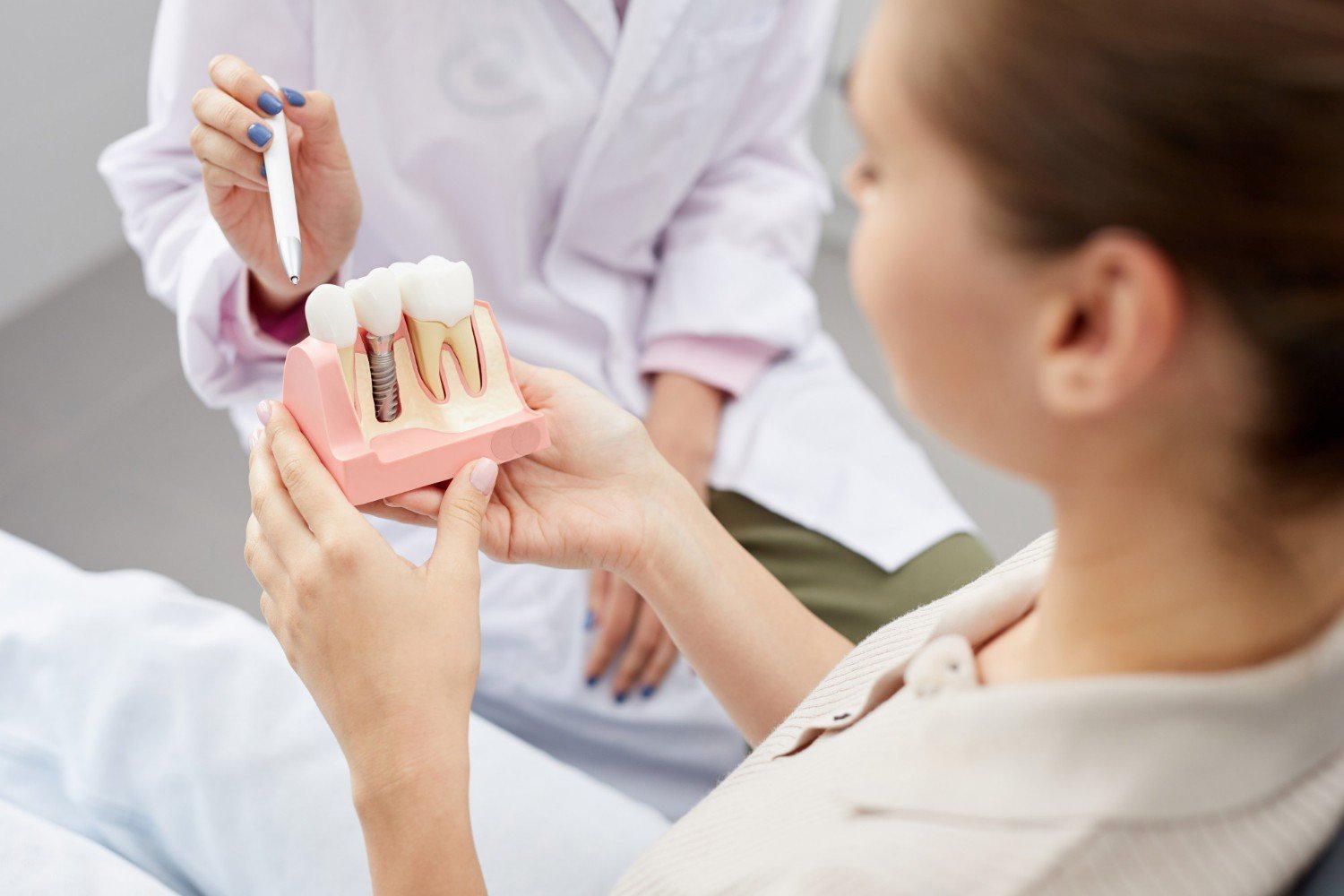
Dental implants have long been considered the gold standard for replacing missing teeth, providing patients with a long-lasting, functional, and aesthetically pleasing solution. As dental technology has advanced, so have the methods and techniques available to ensure the success and efficiency of dental implant surgeries, and one such innovation is navigated implant placement. This cutting-edge technique combines pre-surgical planning and real-time surgical guidance, ensuring a more precise and predictable implant surgery experience.
We are dedicated to providing our patients with the latest advancements in dental care at our Tacoma, WA dental practice, and navigated implant placement is no exception. In this informative blog post, we will delve into the world of navigated implant placement and learn about how it can significantly enhance your dental implant surgical experience. We will discuss how this advanced technology works, the advantages it offers over traditional implant placement methods, and its role in ensuring more successful and predictable surgical outcomes.
Dental implant surgery is a life-altering decision, so we understand the importance of having access to up-to-date information and the most advanced techniques available to make the best choice for your specific needs. Navigated implant placement is a testament to the ongoing evolution of implant dentistry, offering patients and their dental professionals added confidence in the surgical process and the potential for successful, long-lasting dental implants. Continue reading to explore the world of navigated implant placement and see how it can transform your dental implant experience.
1. How Navigated Implant Placement Works
Navigated implant placement is a result of advancements in dental technology, bringing a new level of accuracy and precision to dental implant surgeries. This technique incorporates a comprehensive planning process, real-time guidance during the surgery, and the following essential components:
– Pre-Surgical Imaging and Planning: Prior to surgery, our dental team will use advanced imaging techniques, such as 3D Cone Beam Computed Tomography (CBCT) scans, to create a detailed map of your oral structures. These high-resolution images enable us to evaluate your jawbone density, tooth roots, nerves, and sinus cavities, carefully planning the optimal position and angle for each implant.
– Surgical Guide Creation: Based on the pre-surgical analysis, a custom-made surgical guide is created to facilitate accurate implant placement. This guide ensures that the surgery follows the predetermined plan, reducing the risk of deviations during the procedure.
– Real-Time Surgical Navigation: During the surgery, our dental team utilizes advanced navigation technology in the form of a computer system that communicates with the handheld surgical instruments. This system provides real-time feedback on the position, depth, and angulation of the dental implants, ensuring adherence to the planned trajectory.
2. Advantages of Navigated Implant Placement
Navigated implant placement offers numerous benefits over traditional dental implant surgery, making it an attractive option for patients and dental professionals alike:
– Increased Precision: By using real-time guidance and a custom-made surgical guide, navigated implant placement significantly improves the precision and accuracy of dental implant surgeries, ensuring optimal positioning of the implants.
– Reduced Risk of Complications: The detailed pre-surgical planning and real-time navigation help to minimize the risk of damage to surrounding structures, such as nerves and blood vessels, reducing potential complications during and after surgery.
– Improved Prosthetic Fit: Precise implant placement often results in a better fit for your dental restorations, providing enhanced aesthetics, functionality, and durability.
– Potential for Shorter Treatment Times: Navigated implant placement streamlines the dental implant surgery process, which may allow for faster treatment times and shorter healing periods.
3. Ideal Candidates for Navigated Implant Placement
Navigated implant placement can be an excellent option for various patients considering dental implants, especially those with complex cases or challenging anatomical structures. Some factors that may make you an ideal candidate for this advanced technique include:
– Limited Bone Density: Navigated implant placement can help determine the ideal implant position and orientation, utilizing the available bone for maximum support without needing additional bone grafting procedures.
– Nerve Sensitivity or Proximity: Real-time surgical guidance reduces the risk of nerve damage during surgery. This is particularly beneficial for patients with nerves close to their implant sites.
– Multiple or Complex Implants: For patients requiring several dental implants or complex procedures, such as sinus lifts, navigated implant placement ensures accurate and efficient surgeries by adhering to the pre-planned treatment strategy.
During your consultation at our Tacoma, WA dental practice, our dental team will assess your specific needs, discuss the potential benefits of navigated implant placement, and determine if this advanced technique is suitable for your dental implant journey.
4. Investing in Long-Lasting and Predictable Outcomes
The decision to undergo dental implant surgery is a significant one, and it’s crucial to ensure that you see long-lasting and predictable results. By choosing navigated implant placement as part of your dental implant journey, you’re investing in the precision, accuracy, and improved outcomes that this advanced technique can provide.
Accurate implant placement plays a critical role in the overall success and longevity of your dental implants. Navigated implant placement ensures that your dental implants are positioned correctly, avoiding potential complications and contributing to a successful, long-lasting outcome.
Embrace the Future of Dental Implant Surgery with Navigated Implant Placement
Navigated implant placement represents the cutting edge of dental implant surgery, ensuring exceptional accuracy and precision for improved surgical outcomes. If you are considering dental implants and want to ensure the best possible results, navigated implant placement may be the right choice for your unique needs.
Our dental team in Tacoma, WA, is dedicated to offering the latest dental techniques and technologies, including navigated implant placement, to provide our patients with the best possible care. Schedule a consultation with us today to learn more about this advanced technique and begin your journey to a beautifully restored smile.
Discover the Transformative All-On-Four Dental Implants in Tacoma, WA
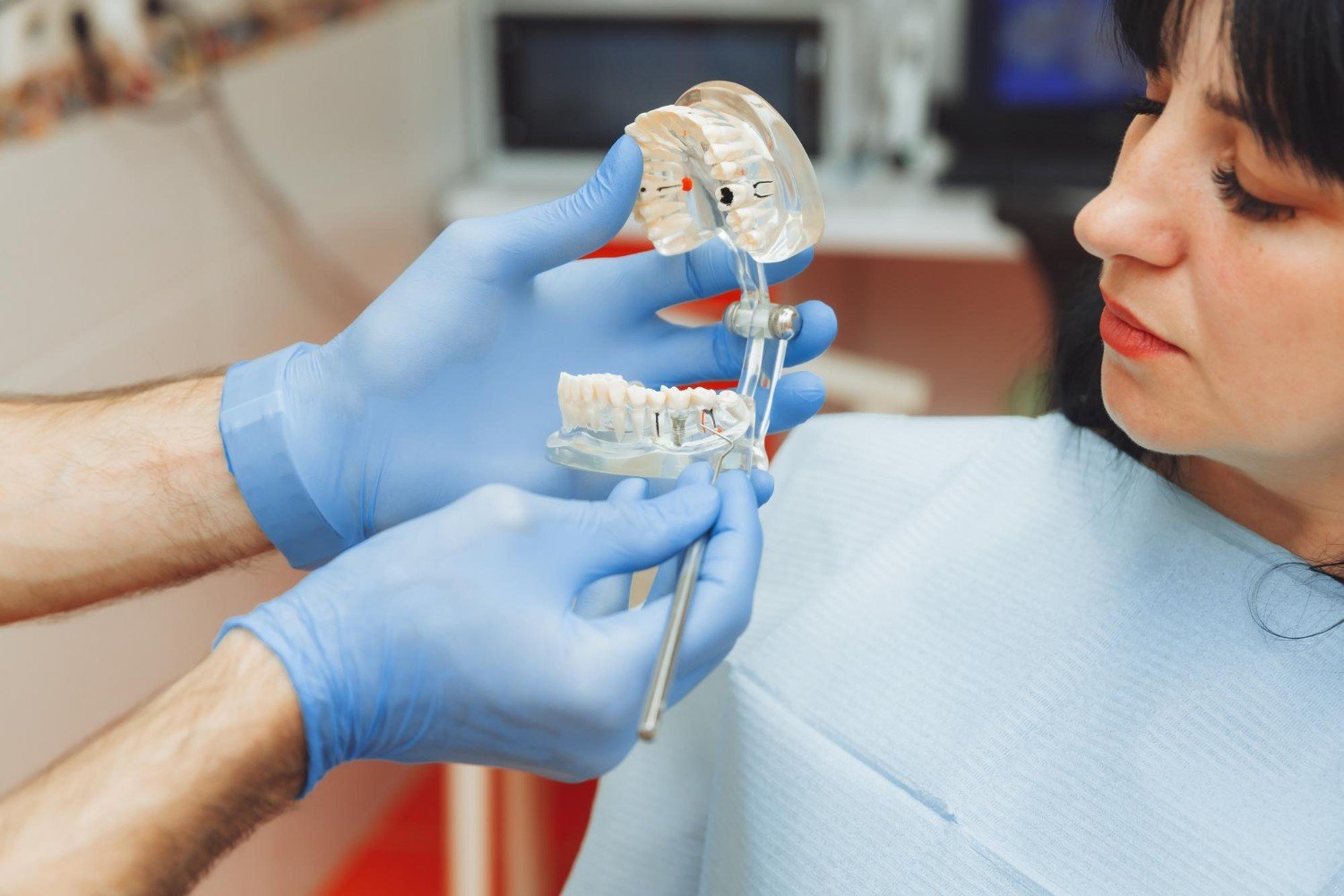
Tooth loss is an issue that affects millions of people worldwide, impacting not only their oral health but also their ability to enjoy life fully. Whether due to aging, gum disease, tooth decay, or accidents, missing teeth can make it challenging to eat, speak, and smile with confidence. Dental implants have been a game-changer in restorative dentistry. Among the many implant-based solutions available, All-On-Four dental implants stand out as an innovative and life-changing option for those looking to replace an entire arch of missing teeth.
We are proud to offer the All-On-Four dental implant procedure as part of our comprehensive dental services in Tacoma, WA, helping patients regain their smiles and confidence. In this informative blog post, we will explore the ins and outs of the All-On-Four dental implant procedure, its advantages compared to other tooth replacement options, and the lasting impact it can have on a patient’s life. Our goal is to provide you with the knowledge and understanding you need to make an informed decision on whether the All-On-Four dental implant procedure is the right solution for your situation.
Dental implants have emerged as the gold standard for tooth replacement, offering an increasingly popular and reliable solution for people with tooth loss. The All-On-Four dental implant procedure can provide you with a full-arch restoration using just four strategically placed implants, offering a lasting, functional, and esthetic solution. Continue reading to discover how the All-On-Four dental implant procedure can help you regain the freedom to eat, speak, and smile without hesitation, and explore your options for a brighter, healthier future.
1. What Sets All-On-Four Dental Implants Apart from Other Tooth Replacement Options
All-On-Four dental implants are a groundbreaking solution for patients who require full-arch tooth replacement. This procedure distinguishes itself from other tooth replacement options, such as traditional dentures or conventional implant-supported dentures, in several ways:
– Fewer Implants Required: As the name suggests, All-On-Four dental implants only require four strategically placed implants to support an entire arch of prosthetic teeth. This reduces the invasiveness of the procedure and shortens the overall treatment time.
– Immediate Functionality: All-On-Four dental implants allow for a temporary full-arch prosthesis to be placed immediately after the implants are inserted, providing patients with near-instant teeth functionality during the healing period.
– Optimal Implant Positioning: The All-On-Four technique takes advantage of available bone in the jaw, often eliminating the need for additional bone grafting procedures. The specialized placement and angling of the implants provide maximum stability and support for the prosthetic teeth.
– High Success Rate: Studies have shown that All-On-Four dental implants have a high success rate, making them a reliable and long-lasting solution for tooth replacement.
2. The All-On-Four Dental Implant Process
The All-On-Four dental implant procedure consists of several stages, from consultation and planning to surgery and final restoration. Here’s an overview of the process:
– Initial Consultation and Assessment: During your initial consultation, our dental team will assess your oral health and determine your eligibility for the All-On-Four dental implant procedure. This includes evaluating bone density, oral hygiene, and overall health.
– Treatment Planning: Advanced imaging techniques, such as 3D CBCT scans, will be used to create a precise and customized treatment plan for your procedure. We will also discuss the type of prosthetic teeth and material options suitable for your needs.
– Implant Surgery: On the day of the surgery, local anesthesia or sedation will be administered to ensure your comfort. Our dental team will then place the four dental implants in your jawbone in the predetermined locations, taking advantage of available bone.
– Temporary Prosthesis Placement: Immediately after implant placement, a temporary full-arch prosthesis will be attached to the implants, providing you with immediate function and aesthetics while your implants heal and integrate with your jawbone.
– Healing Period: Over the next several months, your implants will gradually fuse with your jawbone, strengthening their bond and providing a stable foundation for your permanent prosthetic teeth.
– Final Restoration: After the healing period, our dental team will place your custom-made prosthesis, providing you with a durable and natural-looking set of teeth.
3. The Lasting Impact and Benefits of All-On-Four Dental Implants
Choosing the All-On-Four dental implant procedure can improve your quality of life in various ways. The long-term benefits of this advanced tooth replacement solution include:
– Improved Oral Function: All-On-Four dental implants restore full chewing and biting function, allowing you to enjoy a diverse range of foods and maintain a healthier diet.
– Enhanced Aesthetics: The custom-made prosthesis will be designed to match your natural teeth in terms of shape, size, and color, providing you with a beautiful and natural-looking smile.
– Increased Comfort and Stability: Unlike traditional dentures, All-On-Four implants are securely fixed in your jawbone, eliminating any risk of slipping or clicking while talking or eating.
– Preservation of Jawbone: Dental implants help to stimulate bone growth and prevent bone loss, preserving the integrity of your facial structure and maintaining a more youthful appearance.
– Boosted Confidence: Regaining a functional and attractive set of teeth can significantly boost your self-esteem and confidence in social and professional settings.
4. Caring for Your All-On-Four Dental Implants
Maintaining proper oral hygiene and care for your All-On-Four dental implants is crucial for their longevity and success. Some care recommendations include:
– Regular Dental Checkups and Cleanings: Regular visits to our dental office will ensure that your implants, prosthetic teeth, and surrounding oral structures are in good health.
– Daily Oral Hygiene Routine: Maintain a consistent oral hygiene routine, including brushing, flossing, and using an antimicrobial mouth rinse to keep your mouth clean and healthy.
– Treat Bruxism: If you suffer from teeth grinding or clenching, talk to our dental team about solutions to protect your All-On-Four dental implants.
– Avoid Hard or Sticky Foods: Although your All-On-Four dental implants are durable, it’s best to avoid excessive force on the implants and prosthetics by steering clear of extremely hard or sticky foods.
Rediscover Your Smile with All-On-Four Dental Implants
All-On-Four dental implants offer a life-changing solution for those seeking to replace missing teeth. This innovative procedure provides a permanent and natural-looking choice while improving functionality, comfort, and aesthetics. If you’re ready to take the first step towards regaining your confident smile, we invite you to schedule a consultation with our experienced dental team in Tacoma, WA, and discover if the All-On-Four dental implant procedure is the right fit for your unique needs.
All You Need to Know About Maxillofacial Surgery: Procedures, Benefits, and Recovery
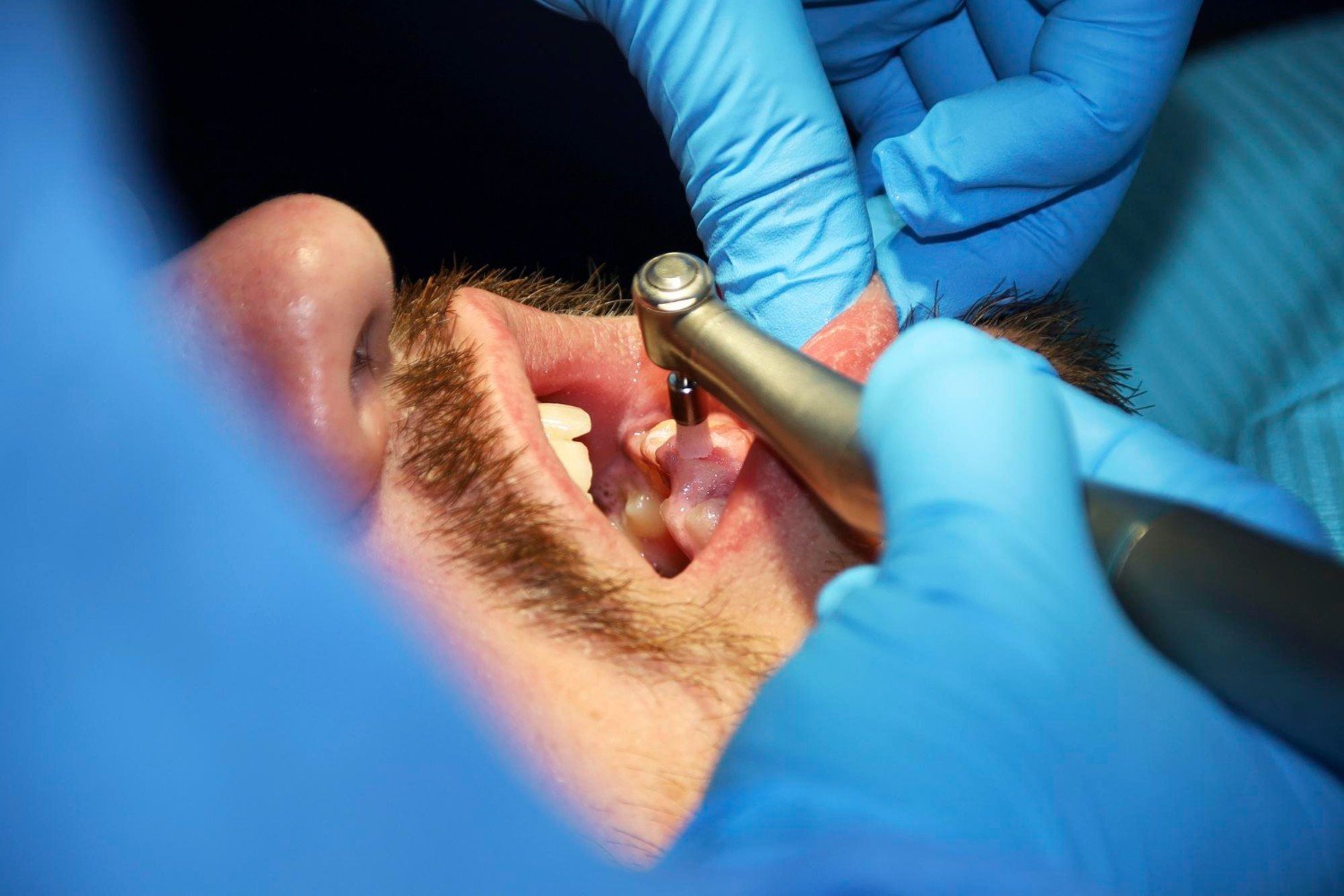
Maxillofacial surgery is a specialized field within dentistry and oral surgery that focuses on diagnosing and treating conditions and deformities affecting the jaws, face, and neck. This domain is vital for individuals who want to improve their overall function, appearance, and oral health. At Sound Surgical Arts, we strive to provide comprehensive care and education to support our clients in this journey to better health.
Alongside our commitment to providing expert maxillofacial surgical care, we aim to empower our patients by equipping them with the necessary knowledge to make informed decisions about their treatment options.
Common Maxillofacial Surgery Procedures
Maxillofacial surgery is a vast field encompassing various procedures targeting the face, jaws, and neck. Let’s examine some of the most common maxillofacial surgeries performed:
1. Corrective Jaw Surgery: Also known as orthognathic surgery, this procedure corrects misaligned jaws, enhancing both function and appearance. It can address issues such as sleep apnea, speech impairment, and difficulties in eating and swallowing.
2. Facial Trauma Repair: Injuries to the facial structure, such as fractures, lacerations, or damage to the teeth, can be effectively treated with facial trauma repair procedures, restoring both function and aesthetics.
3. Cleft Lip and Palate Repair: These congenital anomalies can significantly impact an individual’s speech, eating habits, and appearance. Maxillofacial surgery offers effective solutions to address these issues and improve the overall quality of life.
4. Wisdom Tooth Extraction: Impacted wisdom teeth can lead to severe discomfort and various oral health issues. A maxillofacial surgeon can skillfully remove impacted wisdom teeth to provide relief and prevent complications.
Benefits of Maxillofacial Surgery
Maxillofacial surgery can greatly improve various aspects of an individual’s life. The following are some major benefits associated with these procedures:
1. Improved Oral Function: Corrective jaw surgery and other maxillofacial procedures can significantly enhance oral function, making it easier for patients to chew, speak, and breathe.
2. Enhanced Facial Aesthetics: These surgeries can correct facial deformities and asymmetries, resulting in a more harmonious appearance.
3. Better Oral Health: By addressing issues such as impacted wisdom teeth and misaligned jaws, maxillofacial surgery can help prevent potential complications and improve overall oral health.
4. Increased Self-confidence: The physical improvements achieved through these procedures can boost an individual’s self-esteem and overall sense of well-being.
Preparing for Maxillofacial Surgery
Thorough preparation is key to a successful maxillofacial surgery experience. Here are some essential steps to follow leading up to your procedure:
1. Consult with a Maxillofacial Surgeon: A detailed consultation allows the surgeon to evaluate your case, discuss your goals, and create a personalized treatment plan designed to achieve optimal results.
2. Address Pre-Existing Dental Issues: Prior to surgery, it’s important to resolve any outstanding dental problems such as gum disease or cavities to minimize the risk of complications.
3. Pre-Surgical Testing: Your surgeon may require medical tests, including blood work, X-rays, or CT scans, to obtain a clear understanding of your oral health and anatomy.
4. Adjust Medication Regimens: It’s crucial to disclose any medications or supplements to your surgeon, as they may recommend adjustments to minimize the risk of bleeding or interaction with anesthesia.
5. Pre-Operative Diet: As with most surgical procedures, it’s typically advised to fast for 8-12 hours before surgery to ensure a safe anesthesia experience.
Recovery and Post-Operative Care
After your maxillofacial surgery, proper post-operative care is essential to ensure a smooth recovery and minimize the risk of complications. The following tips can help guide you through this process:
1. Pain Management: Your surgeon will likely prescribe pain medication to alleviate discomfort. Follow the prescribed dosage instructions and do not hesitate to reach out if your pain is not adequately managed.
2. Swelling and Bruising: Apply cold compresses for the first 24-48 hours to minimize swelling, then switch to warm compresses to promote healing. Allow time for any bruising or swelling to subside, which typically occurs within two weeks.
3. Oral Hygiene: Gently brush your teeth and tongue, avoiding the surgical area. Rinse your mouth with warm saltwater several times per day to keep the surgical site clean and reduce the risk of infection.
4. Dietary Modifications: Consume a soft or liquid-based diet for the first few days following surgery to avoid irritation or damage to the surgical site. Gradually reintroduce solid foods as tolerated under the guidance of your surgeon.
5. Rest and Activity: Get plenty of rest and avoid strenuous activity or heavy lifting for at least two weeks following surgery, as advised by your surgeon.
Conclusion
Maxillofacial surgery can significantly improve the functionality, appearance, and overall quality of life for individuals dealing with various jaw, face, and neck conditions. It’s essential to understand the nature of these procedures, their benefits, and the recovery process to make an informed decision about addressing your unique oral health needs.
If you’re considering maxillofacial surgery or would like more information, reach out to our team at Sound Surgical Arts for a consultation. We are dedicated to providing personalized care and support, helping you achieve the best possible results for your oral health and well-being. For digital impressions in Gig Harbor, contact us today.
Comprehensive Guide on Managing Dental Emergencies: Tips and Actions for Optimal Outcomes

Dental emergencies can occur suddenly and can be both painful and distressing. Knowing how to handle these situations appropriately can alleviate discomfort and help prevent further complications.
At Sound Surgical Arts, we are committed to not only providing expert emergency dental care but also empowering our patients with the necessary knowledge to address dental emergencies effectively.
Toothaches: Easing Discomfort and Identifying Causes
Toothaches can range from mild discomfort to severe pain, making it difficult to eat, speak, or even sleep. Causes for toothaches may include dental decay, gum disease, infections, impacted teeth, or injuries. To alleviate tooth pain, rinse your mouth with warm saltwater and take over-the-counter pain relievers like ibuprofen or acetaminophen. You can also apply a cold compress to the affected area to reduce swelling. However, it is essential to visit a dental professional, as they can accurately diagnose and treat the underlying issue.
Broken or Chipped Teeth: Immediate Care and Prevention
If you suffer from a broken or chipped tooth, it’s vital to act quickly to minimize pain and prevent further damage. Rinse your mouth with warm water to remove debris and apply a cold compress to reduce swelling. If bleeding occurs, gently bite down on a piece of gauze until it stops. Avoid biting or chewing with the damaged tooth to prevent further injury. Schedule an appointment with a dental professional as soon as possible, as untreated broken or chipped teeth can lead to complications such as infection or tooth loss.
Knocked-Out Teeth: Crucial Steps for Saving Your Smile
A knocked-out tooth is a true dental emergency, requiring immediate action to improve the chance of successful reimplantation. If you or someone you know experiences a knocked-out tooth, follow these crucial steps:
- Locate and handle the tooth carefully: Do not touch the root; hold the tooth by the crown to prevent damage.
- Rinse the tooth gently: Use water to remove dirt or debris, avoiding scrubbing or using chemicals.
- Attempt to reinsert the tooth: If possible, place the tooth back in the socket, biting down gently on a piece of gauze or cloth to hold it in place.
- Keep the tooth moist: If reinsertion is not possible, store the tooth in a container with milk, saline solution, or a tooth preservation product.
- Seek prompt dental care: Contact a dental professional immediately. The sooner you receive treatment, the better the chances of successful reimplantation.
Dental Abscesses: Recognizing Symptoms and Seeking Urgent Treatment
A dental abscess is a pus-filled pocket formed due to a bacterial infection in or around a tooth. Abscesses can develop from tooth decay, gum disease, or injury. Symptoms may include severe toothache, facial swelling, fever, bad breath, and difficulty swallowing. If you suspect you have a dental abscess, seek urgent dental care, as untreated abscesses can lead to severe complications, such as the spread of infection or tooth loss. Treatment may involve draining the infection, prescribing antibiotics, or more extensive procedures such as root canal therapy or tooth extraction.
Lost or Damaged Fillings and Crowns: Temporary Remedies While Awaiting Care
A lost or damaged filling or crown can cause discomfort and leave the tooth vulnerable to decay or fracture. If your filling or crown becomes dislodged, try the following temporary measures until you can visit a dental professional:
1. For lost fillings: Rinse your mouth with warm water to remove debris and use dental wax or over-the-counter temporary filling material to fill the cavity, providing a barrier against bacteria and food particles.
2. For dislodged crowns: Clean the crown and the affected tooth, then apply a dental adhesive, denture adhesive, or toothpaste to the inner surface of the crown and reattach it, biting down gently to ensure a secure fit.
These remedies should be considered short-term solutions, and it is essential to schedule an appointment with a dental professional to properly assess and repair the damaged filling or crown.
Conclusion
Dental emergencies can be painful and stressful experiences, but understanding how to manage them effectively can make a difference in outcomes and alleviate anxiety. Familiarizing oneself with tips for handling toothaches, broken or chipped teeth, knocked-out teeth, dental abscesses, and lost or damaged fillings or crowns, can help you respond calmly and effectively in such situations.
Remember, the guidance of a dental professional is invaluable in resolving dental emergencies and ensuring optimal oral health. Interested in our teeth in an hour in Gig Harbor? Contact us at Sound Surgical Arts to schedule a consultation if you face a dental emergency or require dental care. Our dedicated and empathetic team is here to support you through any dental challenges and restore your oral health with confidence.
Understanding Dental Implants Costs in Seattle
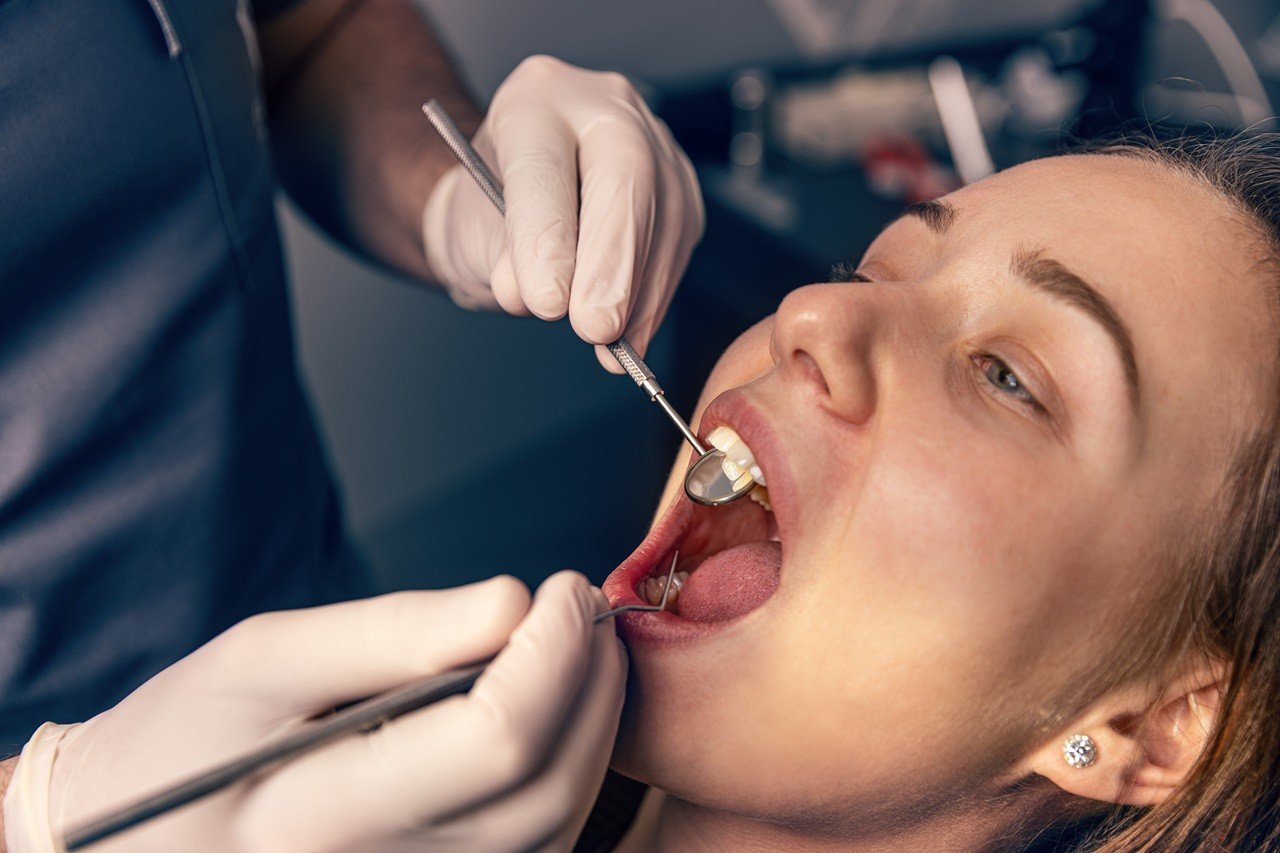
Dental implants represent a significant advancement in dental care, offering long-lasting solutions for those suffering from tooth loss. Here in Seattle, we understand that the decision to opt for dental implants involves careful consideration of several factors, not least of which is the cost. As dental professionals committed to providing top-notch care, we aim to make our treatments accessible and transparent in their pricing.
The cost of dental implants can vary widely, influenced by a number of factors including the quality of materials used, the complexity of the procedure, and the expertise of the dental practitioner. Furthermore, regional factors such as living costs in Seattle also play a role in determining the price. In this discussion, we will delve into the various elements that contribute to the cost of dental implants in Seattle, compare these costs with those in other cities, and explore the long-term benefits that make this investment worthwhile.
Additionally, understanding the available financial options can make the decision easier. Many patients benefit from insurance coverage and financing plans that make the procedure more affordable. We provide clear information on how you can navigate these options, ensuring you make an informed decision to achieve the best possible outcome for your dental health.
Factors Influencing the Cost of Dental Implants in Seattle
The cost of dental implants in Seattle is determined by multiple factors, each contributing in varying degrees to the final price our patients pay. First, the complexity of the individual’s dental condition plays a critical role. Cases requiring additional procedures like bone grafting or treatment for gum disease typically entail higher costs due to the extended treatment scope and materials used.
Additionally, the expertise and qualifications of the dental team are pivotal. We pride ourselves on providing top-tier care through highly skilled professionals who specialize in implant dentistry, which can impact the investment level. The technology and materials used also significantly affect costs; we use the latest advancements in dental technology and high-quality materials to ensure the best outcomes for our patients, which while providing superior results, might reflect in the cost. Local economic factors such as the cost of living and operating expenses in Seattle also influence pricing, setting it apart from less expensive regions.
Comparison of Dental Implant Costs: Seattle vs. Other Cities
When comparing the cost of dental implants in Seattle with those in other cities, various factors come into play, influencing the overall pricing structure. In general, urban areas with a higher cost of living, such as Seattle, may exhibit higher prices due to greater overhead costs related to office leasing, staffing, and local taxes.
However, comparing Seattle to cities like Spokane, WA or Boise, ID, patients might notice that despite higher costs, the level of advanced technology and the availability of specialized services is generally greater in our region. This availability often translates into higher success rates and more aesthetic outcomes which can be a significant consideration for patients deciding where to undergo treatment.
In contrast, places with lower living costs might offer implant services at a lower price, but one must also consider the technology used, the materials’ quality, and the dentist’s expertise. It’s crucial for us to communicate to our patients that when it comes to dental implants, the lowest price might not always equate to the best value or outcome.
Long-Term Benefits and Cost-Effectiveness of Dental Implants
Investing in dental implants offers numerous long-term benefits that greatly contribute to their cost-effectiveness. Firstly, dental implants provide a permanent solution for tooth loss, contrasting with traditional solutions like dentures or bridges that may need frequent replacements. Once securely implanted, they function just like natural teeth, enhancing not only the visual aesthetics but also improving chewing and speech.
Furthermore, dental implants are designed to integrate with bone tissue, which helps to prevent bone loss in the jaw that typically accompanies tooth loss. This preservation of the jawbone contributes significantly to maintaining the structural integrity of the face, preventing the common sunken appearance associated with aging and tooth loss. These benefits make dental implants a valuable investment for not just one’s dental health but also overall well-being and appearance.
Navigating Insurance and Financing Options for Dental Implants in Seattle
Understanding and accessing insurance and financing options for dental implants in Seattle can make this valuable treatment more attainable. Many dental insurance plans categorize implants as a cosmetic procedure, which can limit coverage. However, we work diligently to provide our patients with detailed information and support in navigating these limitations. Our office assists in determining what aspects of the procedure may be covered by your insurance plan and help in optimizing the available benefits.
For cases where insurance may not cover all costs, we offer various financing options tailored to fit different budgets. These plans often include flexible payment terms, allowing you to spread the cost of treatment over time, making it more manageable. By taking advantage of these options, many of our patients have been able to proceed with their dental implant treatments without financial strain.
Conclusion
While the initial cost of dental implants can be higher compared to other dental procedures, the long-term benefits they offer in terms of health, functionality, and aesthetics can provide exceptional value. At Sound Surgical Arts, we believe that everyone deserves access to high-quality dental care.
We are here to guide you through understanding both the cost implications and the vast advantages of dental implants. If you’re considering this life-enhancing treatment, we invite you to discuss your options with Sound Surgical Arts. Together, we can achieve not just a restored smile, but a lasting improvement to your oral health and quality of life.
Essential Guide to Tooth Extraction in Seattle
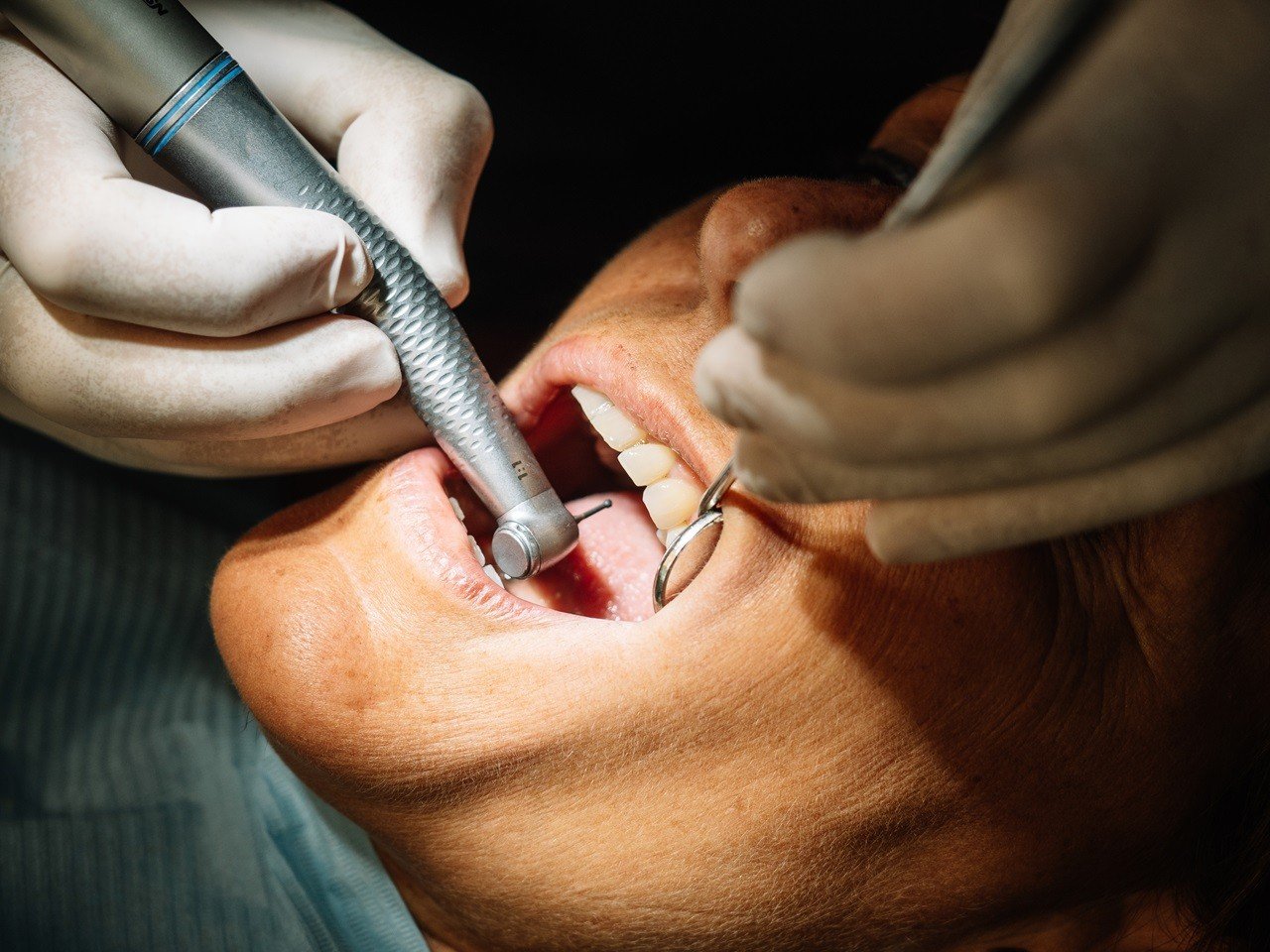
Tooth extraction can often feel daunting, but with the right information and care, the process can be much smoother and less intimidating. At our practice, we are committed to guiding our patients through each step of their dental procedures, ensuring they feel informed and comfortable. Often, a tooth needs to be removed due to severe decay, infection, or as a part of orthodontic treatment to alleviate crowded teeth. Alternatively, wisdom teeth that are impacted or cause discomfort often require extraction to prevent further complications.
Preparing adequately for a tooth extraction can significantly impact the ease of the procedure and the recovery process. We provide tailored advice to each patient based on their specific health needs and the complexity of their situation. For instance, the anticipation of the procedure tends to be less stressful once the rationale and the expected outcomes are clearly understood. Moreover, knowing what to expect during and after the extraction can help alleviate any anxiety surrounding dental procedures. Our team is skilled in various extraction techniques, from simple extractions to more involved surgical procedures, always prioritizing patient comfort and safety.
Understanding the Reasons for Tooth Extraction
Tooth extraction is often seen as a last resort; however, it is sometimes necessary for the prevention of further dental issues and to ensure overall oral health. There are numerous reasons why we might recommend a tooth extraction. Advanced gum disease, which can cause the supporting bone to degrade and the teeth to loosen, is a common cause. Another prevalent reason is tooth decay that has progressed so significantly that it compromises the tooth structure, making restoration impossible. Additionally, in preparation for orthodontic treatments like braces, extractions are performed to address overcrowding and allow for proper alignment of the remaining teeth.
Impacted teeth, particularly wisdom teeth, are also commonly extracted. They may not erupt properly and can cause pain, swelling, and even infection. Moreover, extractions may be necessary when teeth are fractured or damaged due to trauma and cannot be saved by other dental procedures. By understanding these reasons, our patients can feel more at ease with the extraction process, knowing that it is a step towards better dental health.
Preparing for a Tooth Extraction: Steps to Follow
Preparing for a tooth extraction is crucial to ensure a smooth procedure and recovery. Before the extraction, we conduct a thorough examination, which may include X-rays to understand the tooth’s position and the condition of the surrounding bone. Once the need for an extraction has been established, we discuss anesthesia options with our patients to ensure maximum comfort during the procedure. Options typically include local anesthesia, sedation, or general anesthesia, depending on the complexity of the extraction and the patient’s comfort level.
We also provide detailed pre-operative instructions, which play a pivotal role in preparing for the procedure. Patients are advised to avoid eating or drinking for about 6 to 8 hours prior to the extraction if sedation or general anesthesia will be used. Additionally, we recommend arranging for someone to drive the patient home post-procedure if stronger forms of anesthesia are administered. Avoiding tobacco products and informing us about any medications or supplements being taken are also crucial steps, as some products might interfere with anesthesia or the healing process. By carefully following these steps, patients can significantly contribute to a successful extraction and a smoother recovery.
The Tooth Extraction Process: What to Expect During the Procedure
The tooth extraction process is a meticulously planned event to ensure everything goes smoothly and with minimal discomfort. We begin by thoroughly numbing the area around the tooth with local anesthesia. For more complex cases or anxious patients, we might also employ sedation techniques that make the procedure easier to tolerate.
During the extraction, the goal is to remove the tooth as gently as possible. We use specialized tools to carefully dislodge the tooth from its socket. In some instances, a small amount of bone might need to be removed, or the tooth may have to be sectioned (cut into pieces) to facilitate an easier removal. Throughout the procedure, our team ensures that you are comfortable and well-informed about what is happening. Post-extraction, we provide immediate aftercare to manage bleeding and prescribe medication to help manage any discomfort.
Post-Extraction Care and Recovery Tips
Following a tooth extraction, proper aftercare is vital to promote healing and prevent complications such as infection or prolonged bleeding. We instruct our patients to bite down gently on a gauze pad for about 30 to 60 minutes after the extraction. This pressure helps to form a blood clot in the socket, an essential step in the healing process. After the clot forms, it is crucial not to disturb it. We advise against rinsing vigorously, sucking on straws, smoking, or consuming alcohol for the first 24 hours as these activities can dislodge the clot and slow down the healing process.
For managing pain, we may recommend over-the-counter pain relievers or prescribe medications based on individual needs. Applying an ice pack to the facial area near the extraction site can also help reduce swelling. During recovery, we suggest eating soft foods and gradually reintroducing harder foods as the extraction site heals. Following these simple steps significantly aids in a smooth and swift recovery, ensuring that you return to your everyday activities as quickly as possible.
Conclusion
While tooth extraction can seem daunting, understanding the process and following proper aftercare instructions can make it a manageable and complication-free experience. We are committed to providing a supportive environment and expert care throughout your treatment and recovery. Your dental health and comfort are our top priorities, and we aim to ensure that each patient achieves the best outcomes with minimal discomfort or stress.
If you require a tooth extraction or are experiencing dental issues that might lead to one, don’t hesitate to contact us at Sound Surgical Arts. Our team is ready to provide you with the best dental care tailored to your specific needs. Let us help you maintain a healthy and beautiful smile with our expert dental services.
Pinhole Surgical Technique: The Minimally Invasive Solution for Gum Recession
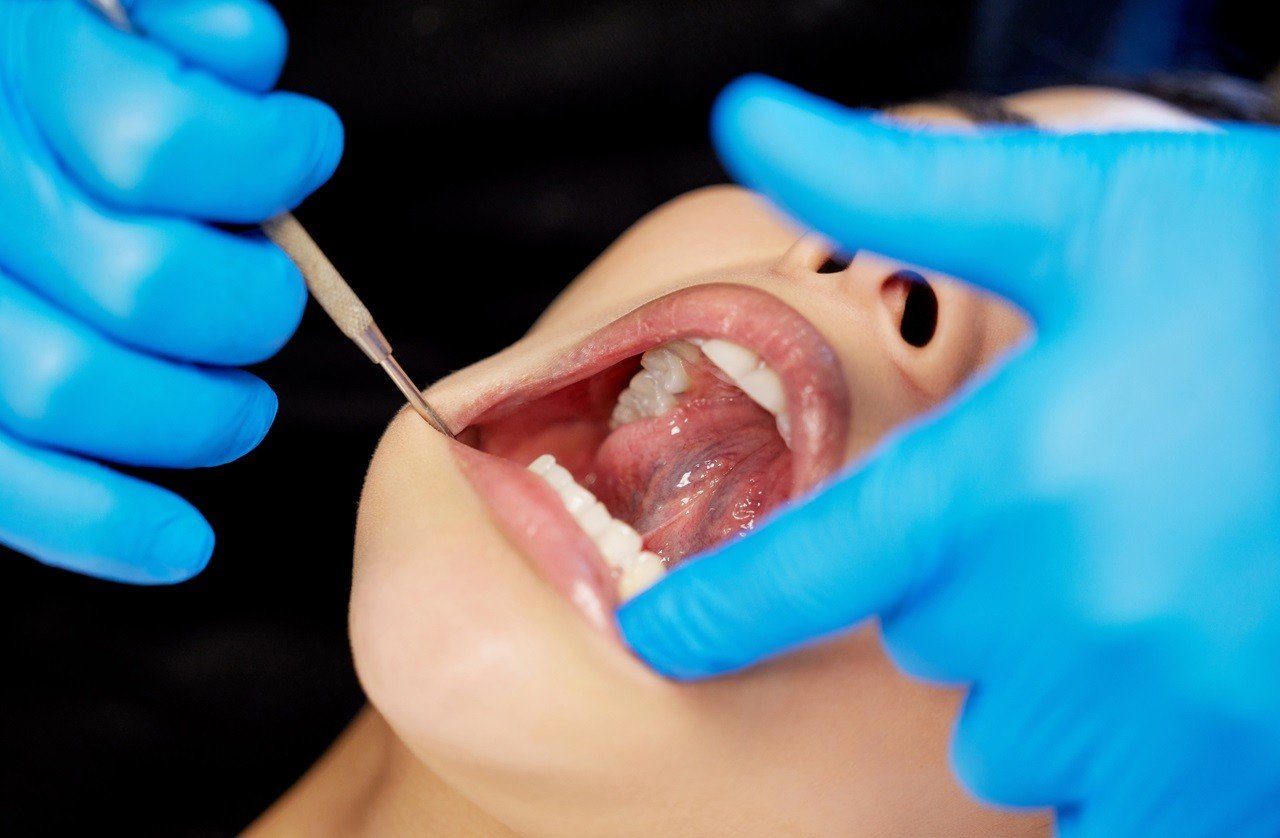
Gum recession is a common dental issue that can not only impact the appearance of your smile but also lead to tooth sensitivity, and, if left untreated, tooth loss. Traditional treatment methods for gum recession, such as gum grafting, often require invasive surgeries and lengthy recovery periods. At Sound Surgical Arts (Tacoma, WA), we are constantly exploring and adopting the latest cutting-edge techniques to ensure our patients receive the best dental care possible. One such innovative procedure we offer is the Pinhole Surgical Technique, a minimally invasive treatment option for gum recession that offers numerous benefits over traditional surgical methods.
The Pinhole Surgical Technique, also known as PST, is a breakthrough procedure that involves making a small pinhole in the gum tissue and using specialized instruments to gently loosen the tissue, allowing it to be repositioned over the exposed tooth roots. This technique eliminates the need for incisions, sutures, and the removal of donor tissue, resulting in a more comfortable experience for the patient and considerably faster healing times. The revolutionary nature of the Pinhole Surgical Technique allows our dental experts to treat receding gums effectively while minimizing discomfort, risk, and recovery time.
In this in-depth article, we will further explore the Pinhole Surgical Technique, discussing its benefits, the treatment process, and post-operative care, to give you a comprehensive understanding of this innovative approach to treating gum recession. With Sound Surgical Arts (Tacoma, WA)’ highly skilled team and state-of-the-art facilities, you can trust that your gum health is in the best hands possible, ensuring an optimal treatment experience and exceptional results.
Why Choose the Pinhole Surgical Technique?
The Pinhole Surgical Technique has rapidly gained popularity in recent years as a preferred method for treating gum recession due to its numerous benefits compared to traditional gum grafting surgeries:
- Minimally Invasive – PST requires only a small pin-sized hole in the gum tissue, eliminating the need for incisions, sutures, and donor tissue removal, resulting in a more comfortable experience for the patient.
- Faster Recovery – The non-invasive nature of the procedure means patients generally recover much quicker than with traditional gum grafting, allowing them to return to their normal routines more rapidly.
- Less Pain and Discomfort – By avoiding incisions and sutures, the Pinhole Surgical Technique significantly reduces post-operative pain and discomfort.
- Immediate Results – Most patients notice an immediate improvement in their gum line, with visible results right after the procedure.
- Higher Success Rate – The Pinhole Surgical Technique offers a high success rate, as the gentle repositioning of existing gum tissue minimizes the risk of complications.
The Pinhole Surgical Technique Procedure: What to Expect
Our expert team at Sound Surgical Arts (Tacoma, WA) will carefully guide you through the Pinhole Surgical Technique process, ensuring a comfortable, efficient, and successful treatment experience:
- Consultation – During your initial consultation, we will examine your gums and evaluate your overall oral health to determine if the Pinhole Surgical Technique is the right choice for treating your gum recession.
- Pre-Procedure Preparation – We will thoroughly clean your teeth and gums, removing plaque and tartar to create the ideal environment for the Pinhole Surgical Technique.
- Anesthesia – Before the procedure, we will administer local anesthesia to ensure your comfort throughout the treatment.
- Pinhole Creation – Our skilled professionals will create a tiny pinhole in the gum tissue above or below the affected teeth, allowing access to the underlying connective tissue.
- Tissue Repositioning – Using specially designed instruments, we will gently loosen and elevate the gum tissue, allowing it to be repositioned over the exposed tooth roots.
- Collagen Placement – Collagen strips are then inserted through the pinhole, helping to stabilize the repositioned gum tissue and promote healing.
- Post-Procedure Care – Following the procedure, we will provide you with detailed aftercare instructions to ensure optimal healing and long-lasting results.
Maintaining Your Gum Health After PST
To ensure the best results and lasting benefits of the Pinhole Surgical Technique, it is essential to maintain proper oral hygiene and follow-up care:
- Regular Dental Check-ups and Cleanings – Schedule regular check-ups and professional cleanings to protect your gums and teeth from plaque and tartar, which can contribute to gum recession and other dental issues.
- Gentle Brushing and Flossing – Practice gentle brushing and flossing techniques to avoid causing irritation or further damage to your gums. Using a soft-bristled toothbrush and non-abrasive toothpaste is also recommended.
- Avoid Smoking – Smoking can negatively impact your gum health, increasing your risk of gum disease and recession. Quitting smoking can greatly improve your oral and overall health.
- Monitor Your Gum Health – Keep an eye on your gums and be vigilant for any signs of recession or gum disease. If you notice any changes or have concerns, contact us for a consultation.
Conclusion
Gum recession doesn’t have to be a lifelong problem. With the innovative Pinhole Surgical Technique, you can effectively address gum recession in a minimally invasive manner, maximizing comfort and minimizing recovery time. Our team at Sound Surgical Arts (Tacoma, WA) is committed to providing cutting-edge care with a personalized touch, ensuring you receive the best possible treatment experience.
If you’re interested in learning more about the Pinhole Surgical Technique or would like to schedule a consultation, reach out to us today and take the first step towards a healthier smile with Sound Surgical Arts (Tacoma, WA).
Get Your Smile Back with All-on-Four Dental Implants at Sound Surgical Arts in Tacoma, WA
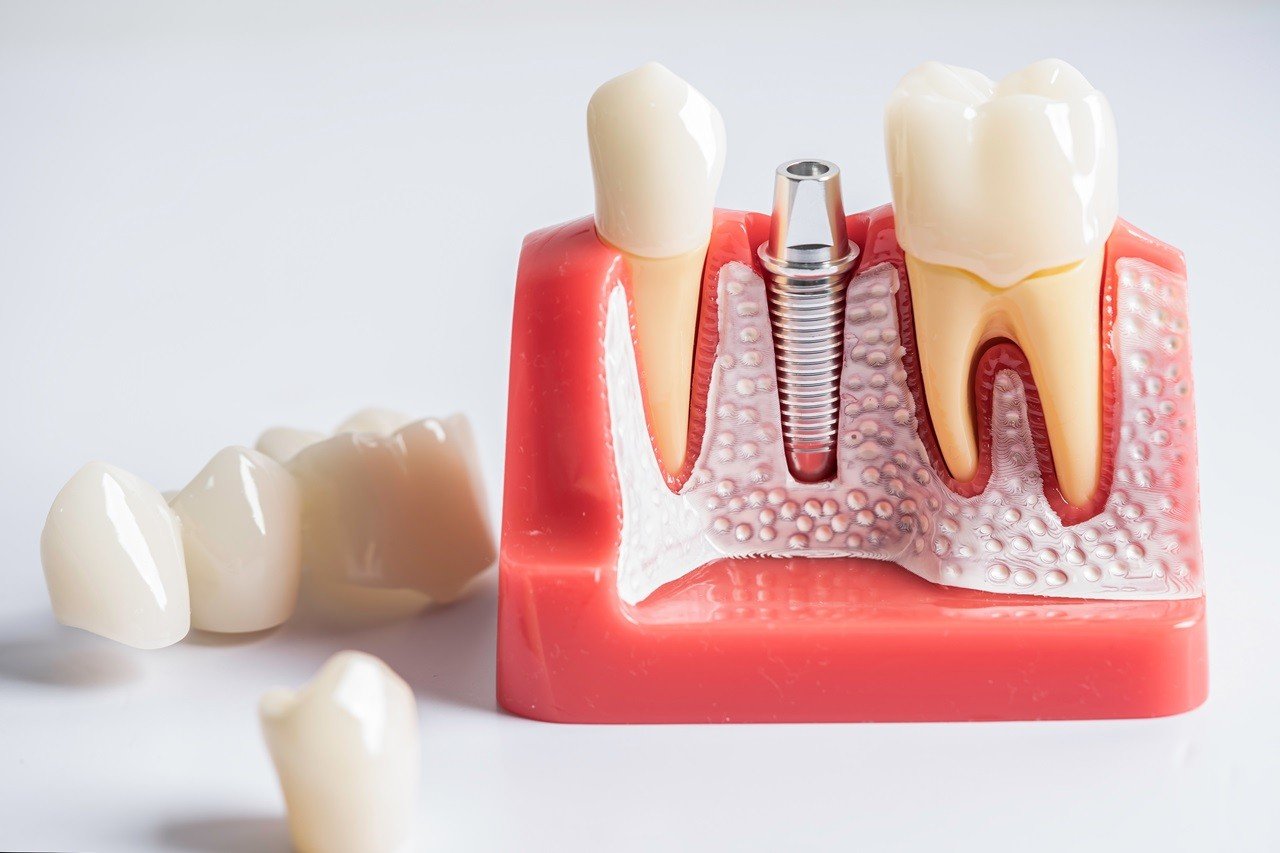
Living with missing or damaged teeth can be both physically and emotionally challenging. From difficulties with eating and speaking to the impact on a person’s self-esteem, the consequences are far-reaching. Traditional tooth replacement options, such as dentures and individual implants, often require multiple procedures and extended treatment times, making it more difficult for patients to regain their beautiful smiles.
However, there’s a remarkable dental solution that can change the lives of patients suffering from tooth loss—All-on-Four dental implants. At Sound Surgical Arts, we’re proud to provide this innovative treatment option for residents in Tacoma, WA, and the surrounding areas, helping them rediscover their confidence and improve their oral health.
The All-on-Four dental implant system is a unique approach to restoring smiles with missing or damaged teeth. It involves placing just four strategically positioned dental implants in the upper or lower jaw to support an entire arch of replacement teeth. This state-of-the-art solution offers several advantages over traditional dental implant techniques, including shorter treatment times, less invasive procedures, and restored function more quickly.
Moreover, All-on-Four implants are suitable for patients who have lost a significant amount of bone mass or have been told they are not candidates for traditional dental implants due to inadequate jawbone support.
In this comprehensive blog article, we’ll explore the transformative world of All-on-Four dental implants. We’ll discuss the procedure itself, the benefits, the technology that makes this life-changing solution possible, and the difference it can make in the lives of those who have experienced tooth loss.
Understanding the All-on-Four Dental Implant Procedure
Breaking Down the Process Step-by-Step
To gain a better insight into the All-on-Four dental implant system, let’s take a look at the steps involved in the procedure:
1. Initial Consultation: Our skilled team will evaluate your dental history, oral health, and jawbone structure to determine if you’re a suitable candidate for All-on-Four dental implants. This consultation may include diagnostic imaging, such as CBCT scans, to ensure precise and accurate treatment planning.
2. Custom Treatment Plan: Based on the assessment, we will develop an individualized treatment plan to address your specific needs and dental goals while ensuring optimal placement of the dental implants.
3. Dental Implant Placement: Through a minimally invasive procedure, the four dental implants will be strategically placed in the jawbone, providing a stable foundation for the future arch of replacement teeth.
4. Temporary Teeth: After implant placement, a temporary fixed denture, also known as a provisional prosthesis, will be attached to the dental implants. This allows you to have immediate function and aesthetics while your jawbone heals and the implants integrate.
5. Healing Period: During the healing period, which typically lasts three to six months, your dental implants will fuse with your jawbone, creating a solid foundation for the permanent restoration.
6. Permanent Restoration: Once the healing period is complete and the implants have fully integrated with your jawbone, we will create a custom-designed arch of replacement teeth. These permanent teeth will be crafted from high-quality materials for maximum durability, function, and natural appearance.
7. Final Adjustments and Follow-up: We’ll ensure your new teeth fit comfortably and function optimally, making any necessary adjustments. Additionally, we’ll schedule follow-up appointments to monitor your progress and oral health.
The Life-Changing Benefits of All-on-Four Dental Implants
The All-on-Four dental implant system offers several advantages over traditional dental implant options, including:
- Expedited Treatment Time: All-on-Four implants often require fewer procedures and appointments, making the entire process faster and more efficient compared to other treatments.
- Minimal Bone Grafting: The strategic placement of implants in areas with existing bone reduces or eliminates the need for bone grafting, making All-on-Four a viable option for many patients who may not qualify for traditional dental implants.
- Immediate Functionality: The All-on-Four system allows for the attachment of temporary teeth on the same day as the implant procedure, enabling patients to regain function and appearance more quickly than with traditional dental implant treatments.
- Long-Lasting Results: With proper care, All-on-Four dental implants can provide a stable, long-lasting solution to missing or damaged teeth, helping patients enjoy a better quality of life by restoring dental function and aesthetics.
All-on-Four vs. Traditional Dental Implants and Dentures
It’s essential to understand the differences between All-on-Four dental implants, traditional implants, and dentures when considering tooth replacement options:
- Number of Implants: While traditional dental implant treatments may require multiple implants to replace an entire arch of teeth, the All-on-Four system uses just four strategically placed implants, making it a more efficient solution.
- Bone Grafting: Traditional dental implant procedures often necessitate bone grafting to ensure adequate jawbone support. On the other hand, All-on-Four implants generally require little to no bone grafting due to their strategic placement.
- Comfort and Stability: Compared to removable dentures, which can be ill-fitting and uncomfortable, All-on-Four dental implants provide a secure, stable foundation for replacement teeth that feel more like natural teeth.
- Longevity: Dental implants, including the All-on-Four system, offer a longer-lasting tooth replacement option than dentures, with a success rate of over 95% when properly maintained.
Revitalize Your Smile with All-on-Four Dental Implants
The All-on-Four dental implant system has revolutionized the way missing or damaged teeth are replaced. Its innovative design, efficient treatment process, and long-term success provide patients with a valuable solution that can positively impact their overall oral health and quality of life.
If you’re seeking a transformative solution for missing or damaged teeth, trust the dedicated team at Sound Surgical Arts to provide you with the life-changing benefits of All-on-Four dental implants. Book a consultation today if you need dental implants in Tacoma, WA!
Bone Grafting: Key to Successful Dental Implants
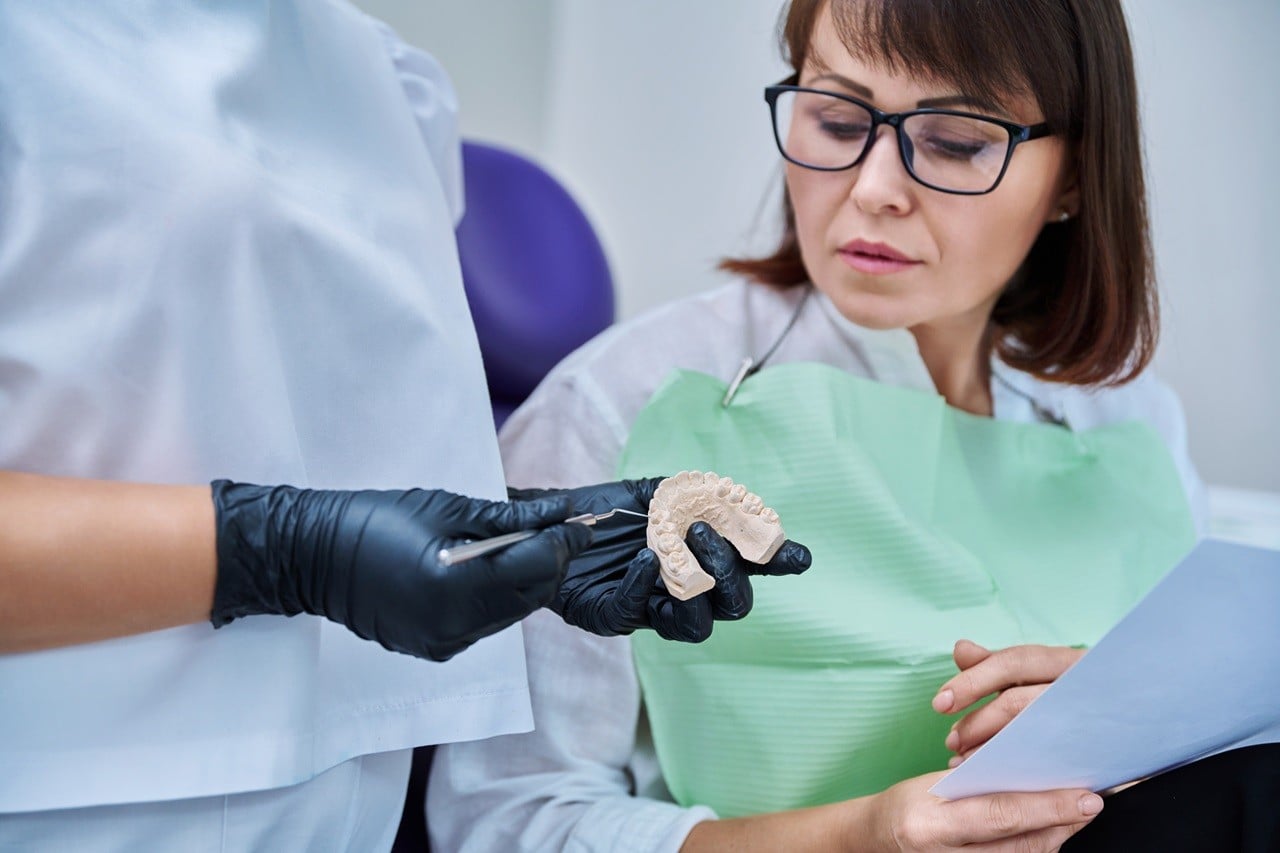
Dental implant procedures have revolutionized the approach to restoring missing teeth, offering solutions that not only mimic but often surpass the functionality of natural teeth. A pivotal element in the success of these implants is bone grafting, a procedure that provides a firm anchor for the implants themselves. In our practice, we frequently employ bone grafting to prepare patients whose jawbones are not adequately prepared to support dental implants due to various reasons such as bone loss from gum disease, injury, or previous tooth extractions.
Understanding the intricate relationship between bone grafting and dental implants is essential for anyone considering this advanced dental treatment. The process involves using bone from the patient’s own body or a biocompatible material to augment the jawbone. This step is crucial because a robust bone structure is necessary not only for the stability of the implants but also for their longevity and functionality. By reinforcing the jawbone, bone grafting ensures that the dental implants will be as secure and effective as possible, thus enhancing the overall outcome of the dental restoration procedure. This foundational preparation helps us achieve our goal of restoring not just the aesthetics of your smile, but its functionality, giving you back your confidence and quality of life.
The Role of Bone Grafting in Dental Implantology
Bone grafting plays a pivotal role in the field of dental implantology, particularly when the natural jawbone isn’t adequate to support dental implants. The essence of a successful implant lies in its foundation, similar to how a strong building requires a robust base. Many of our patients come to us with concerns about bone loss due to various reasons such as periodontal disease, trauma, or long-term tooth loss. In these cases, bone grafting becomes essential to facilitate the implant process.
This procedure involves adding bone or bone-like materials to the jaw to regenerate lost bone mass. It not only provides structural support for the implant but also stimulates new bone growth around it, which is crucial for the long-term stability and functionality of the implant. By enhancing bone density and volume, we ensure that implants are as secure and durable as natural teeth, giving our patients a major boost in confidence and quality of life.
Types of Bone Grafts Used in Implant Surgery
Within our practice, several types of bone grafts are utilized to cater to the specific needs of each patient. The choice of graft typically depends on the extent of bone loss and the particular characteristics of the patient’s jaw. Autografts, or autologous bone, is taken from the patient’s own body, often harvested from areas like the chin or hip. This type is highly effective due to its biocompatibility and growth factor content, which significantly aids the healing process.
Allografts are another common type, sourced from a donor, processed to ensure safety and sterility. These grafts are beneficial for patients who prefer not to undergo additional surgeries for bone harvesting. Synthetic options, composed of biocompatible materials that mimic the properties of real bone, are also employed, especially in patients with conditions that limit the use of natural bone. Each of these graft types has unique advantages, and our approach is to tailor the selection to each patient’s needs, ensuring the graft supports the implant effectively and promotes optimal integration with the jawbone.
Key Benefits of Bone Grafting for Implant Success
Bone grafting is more than just a preparatory procedure for dental implants; it’s a transformative approach that significantly enhances the success rate of implants. One of the primary benefits of bone grafting is its ability to provide a stable and robust foundation for implants. This stability is crucial for the long-term durability and functionality of the implants, mimicking the natural strength of original teeth. Furthermore, grafting helps in maintaining jawbone structure, preventing the bone deterioration that often occurs with tooth loss.
Additionally, bone grafting can improve the aesthetic outcome of dental implants. By restoring the natural contour of the jawline, implants look and feel more like natural teeth, boosting the confidence of our patients. Also, the grafting material stimulates natural bone growth around the implant site, which not only supports the current implant but also preserves the bone health for future interventions if necessary. This benefit is pivotal in preventing further dental issues and contributes to overall oral health.
Post-Procedure Care After Bone Grafting
After a bone grafting procedure, optimum care is crucial to ensure the success of both the graft and the future dental implants. Immediate post-procedure care involves managing minor discomfort, swelling, and ensuring the surgical site remains clean to prevent infection. We provide detailed instructions tailored to each patient’s specific needs, including recommended medications and mouth rinses that promote healing.
Long-term care involves regular check-ups to monitor the integration of the graft with the natural bone and to ensure there are no complications. We counsel our patients on maintaining good oral hygiene practices, which are vital in preserving both natural teeth and dental implants. Special attention is given to habits such as smoking or certain eating habits, which can adversely affect the healing process. Adhering to these care protocols is essential for achieving the best outcomes and ensuring the longevity of dental repairs and enhancements.
As we continue to embrace advanced techniques in dental surgery and care, it’s clear that bone grafting plays a crucial role in implantology. By providing a secure foundation, enhancing aesthetic results, and ensuring long-term oral health, bone grafting stands out as a critical procedure. If you’re considering dental implants, or if you require further information on how bone grafting in Gig Harbor can benefit you, we invite you to contact us at Sound Surgical Arts. Let’s work together to restore your smile and boost your confidence with the latest in dental technology and care.
Impact of Digital Impressions on Dental Treatments
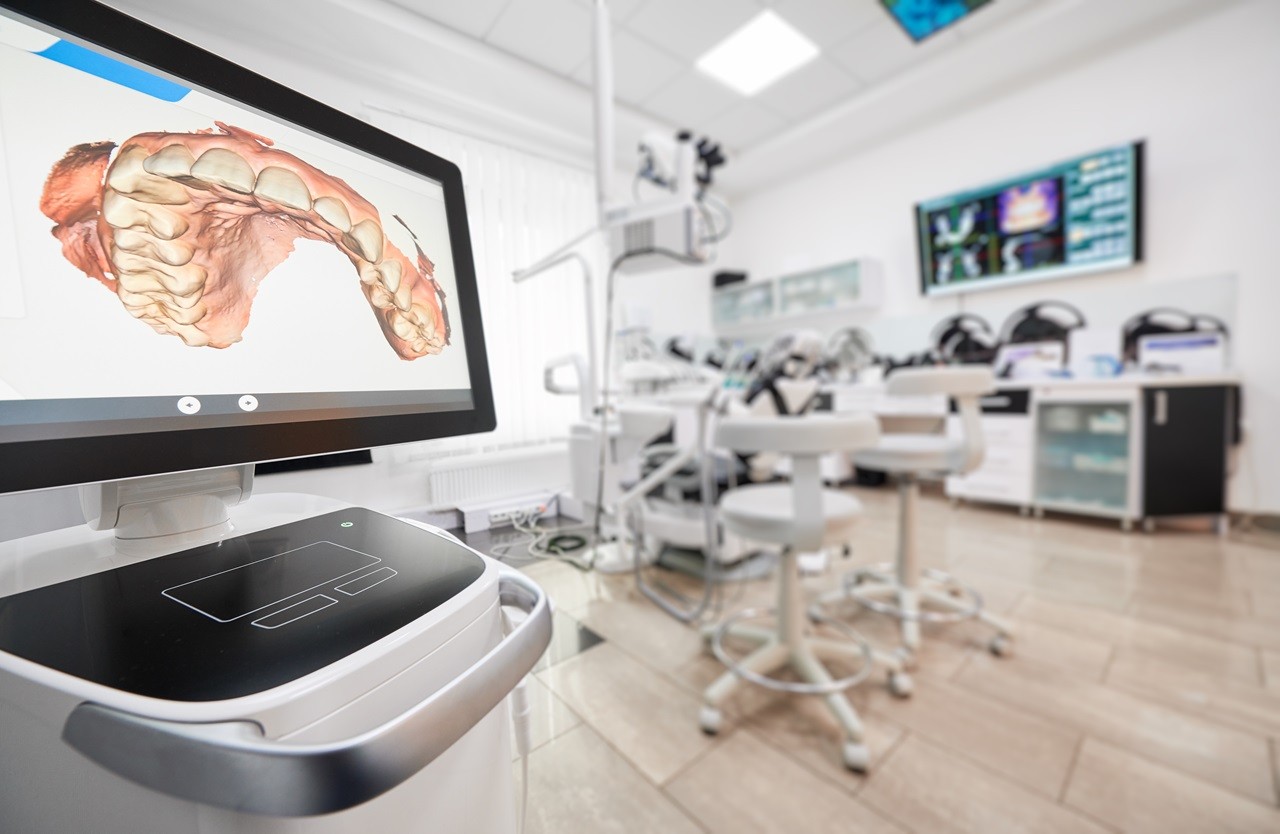
In the ever-evolving world of dentistry, digital technology plays a pivotal role in enhancing treatment processes and outcomes for patients. Among the significant advancements, digital impressions stand out as a revolutionary tool that has transformed the way we approach dental treatments. Unlike the traditional methods that often involved bulky trays and unpleasant tasting impression materials, digital impressions employ advanced imaging technologies to capture precise dental structures in a comfortable, efficient manner.
We have embraced this technology because it not only streamlines the workflow in our practice but also significantly improves the patient experience. Digital impressions are quickly becoming a standard in dental practices, particularly in procedures requiring high precision such as implant placement and orthodontics. This introduction to digital impressions in our practice has allowed us to provide treatments that are not only faster and more efficient but also more comfortable and accurate, ensuring that our patients receive the best care possible. As we continue to explore the capabilities and benefits of digital impressions, we are excited to share how this technology is a game-changer in dental care.
What Are Digital Impressions and How Do They Work?
Digital impressions represent a significant forward leap in dental technology, providing a sophisticated method of capturing a precise, digital map of the teeth and gums. Employing advanced devices like intraoral scanners, we are now capable of creating detailed 3D digital images in minutes. These digital tools come outfitted with compact wand devices that can be easily moved around inside a patient’s mouth, capturing thousands of frames per second, which are then compiled into an exact 3D model of the oral cavity.
The procedure begins with preparing the patient’s mouth by lightly dusting a special powder if necessary, which enhances the accuracy of the scanning process. Our skilled practitioners then use the scanner’s wand to capture images of the teeth and gums. This process is not only faster than traditional impressions but also far more comfortable for the patient, as it eliminates the need for physical molds that can cause gag reflexes and discomfort. Moreover, the immediate availability of data streamlines the subsequent diagnostic and treatment planning stages, enhancing overall treatment efficiency.
Key Advantages of Using Digital Impressions in Dentistry
The integration of digital impressions in dental practices offers a multitude of advantages over traditional methods. Firstly, digital impressions provide unparalleled accuracy. The high-resolution images help in creating restorations and dental appliances that offer a superior fit, reducing the possibility of patient discomfort and adjustment visits. This accuracy is pivotal especially when designing intricate structures like dental implants or complex orthodontic treatments.
Secondly, digital impressions contribute significantly to patient comfort. The quick and non-invasive nature of digital scanning eliminates the need for the uncomfortable trays and putty used in conventional impressions. This aspect is particularly beneficial for patients who experience anxiety or gag reflex issues during dental procedures. Additionally, the efficiency of digital impressions allows for quicker appointment times, meaning less time in the dental chair and more time enjoying a healthier smile.
Enhancing operational efficiency is another critical advantage. Digital files can be easily stored and organized, simplifying record-keeping and reducing physical storage needs. These digital models can be shared instantly with labs or other dental specialists, speeding up the collaboration process and reducing waiting periods for prosthetics or orthodontic devices. This seamless flow from diagnosis to treatment not only shortens the treatment timeline but also enhances the overall patient experience with more predictable and satisfactory outcomes.
Comparison: Traditional vs. Digital Impression Techniques
When we examine the progression from traditional to digital impression techniques, the contrasts in efficiency, accuracy, and patient comfort become starkly apparent. Traditional impressions, which use physical materials to create molds, can be messy, uncomfortable, and time-consuming. These methods often require the patient to endure cumbersome trays filled with impression material that can trigger gag reflexes. Furthermore, traditional molds can be subject to human error and various material instabilities, leading to inaccuracies in the final dental work.
In contrast, digital impressions streamline and refine the process. Utilizing advanced intraoral scanners, we can capture highly accurate and detailed three-dimensional images of a patient’s dental anatomy without discomfort. This method not only eliminates the physical discomfort associated with trays and putty but also significantly reduces the margin for error provided by the precision of digital technology. The data from digital impressions is directly usable in digital workflows, improving not only the speed but also the outcomes of treatments such as crowns, bridges, and veneers.
Future Trends in Digital Dental Technology
Looking forward, the realm of digital dental technology shows immense promise in advancing even further, enhancing how we cater to our patients’ dental needs. As we integrate more sophisticated digital tools, the potential for applications like artificial intelligence (AI) to aid in diagnosis and treatment planning is expansive. AI algorithms are being trained to analyze digital impressions and other dental data to predict treatment outcomes, recommend personalized treatment plans, and even automate some aspects of dental lab work.
Moreover, the integration of augmented reality (AR) in dental practices, especially in orthodontics and surgery, will likely enhance the precision and effectiveness of procedures. AR could enable us to project digital treatment simulations onto patients’ actual anatomical structures, providing a new level of interactive and accurate treatment planning. These advancements will further our mission to deliver minimally invasive, patient-tailored care that emphasizes comfort and results.
As technology evolves, so does the scope of what we can offer at Sound Surgical Arts. Our commitment to embracing state-of-the-art dental technology ensures that our patients not only receive the most modern care possible but also benefit from the increasingly personalized and efficient dental experiences.
We invite you to discuss how our advanced dental technologies can benefit your treatment and offer you the best way forward for your dental health. Ready to upgrade your dental experience with digital impressions in Gig Harbor? Contact us today at Sound Surgical Arts for a consultation to explore the cutting-edge options available for your dental care needs.