
Sound Surgical Arts
Preparing for Tooth Extraction in Seattle: What to Expect
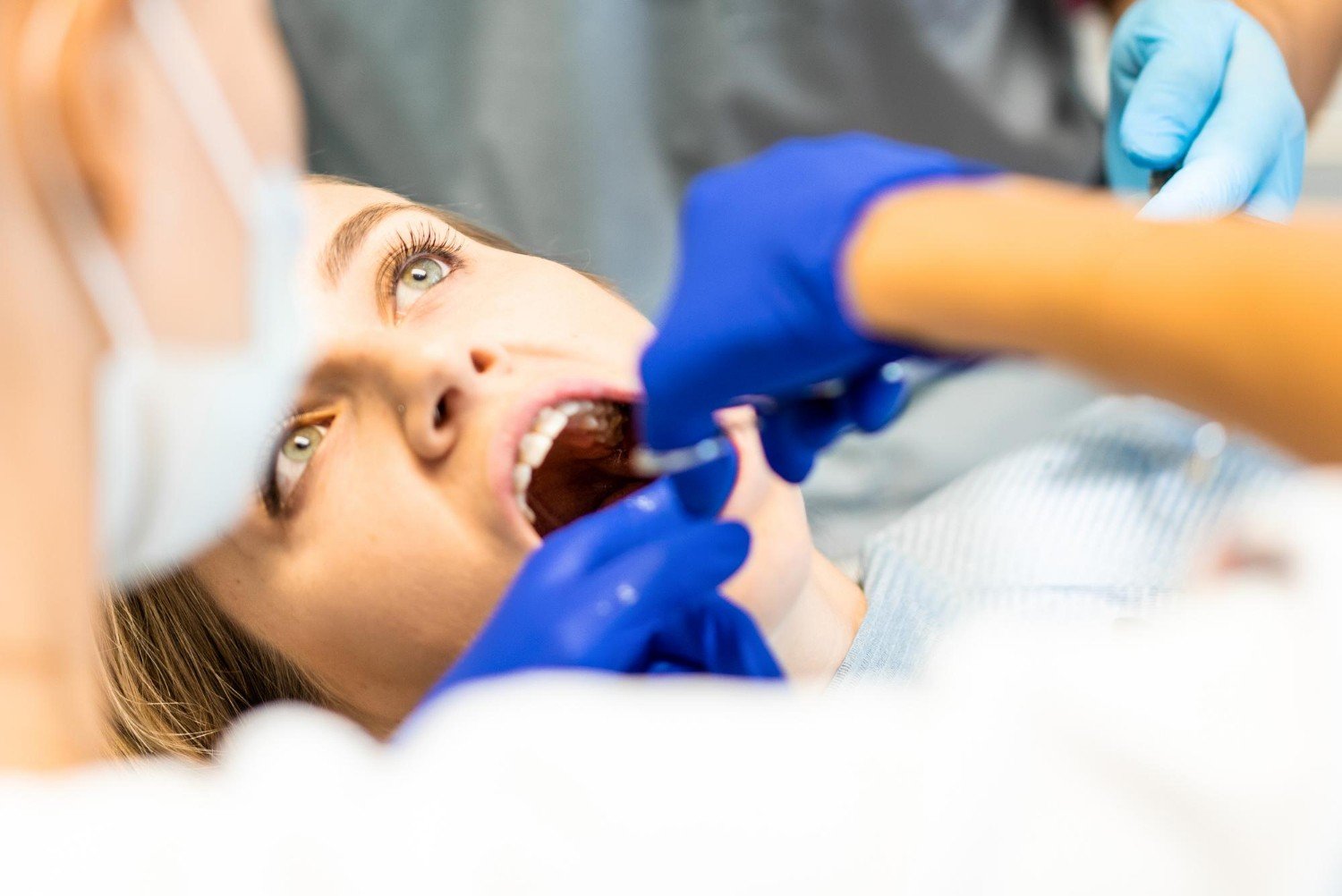
Preparing for a tooth extraction can be a daunting experience, but knowing what to expect can make the process smoother and less stressful. Tooth extraction may be necessary for various reasons, such as severe decay, overcrowding, or damage from trauma. Understanding the reasons behind the extraction and the steps involved can help you feel more confident and prepared.
Before the procedure, it’s important to follow specific preparations to ensure everything goes smoothly. This may include discussing any medical conditions or medications with your dentist to avoid complications. Additionally, knowing what will happen during the extraction procedure can alleviate some of the anxiety you might feel.
After the extraction, proper care is crucial for a smooth recovery. Post-extraction care involves managing pain, reducing the risk of infection, and promoting healing. By following the recommended guidelines, you can significantly improve your recovery experience. This article will walk you through the essential aspects of preparing for tooth extraction, helping you understand each phase and what to expect along the way.
Reasons for Tooth Extraction: When and Why It’s Necessary
Tooth extraction is often a last resort, but sometimes, it’s the most effective solution to maintain overall dental health. One common reason for tooth extraction is severe tooth decay. When decay penetrates deep into the tooth and affects the pulp, the infection can spread, causing significant pain and potential damage to adjacent teeth and gums. In such cases, removing the tooth can prevent further complications.
Another reason for tooth extraction is gum disease. Advanced gum disease can weaken the structures that support the teeth, leading to loosened teeth that may need removal. Additionally, overcrowding can necessitate tooth extraction, especially before orthodontic treatments like braces. Removing one or more teeth can create the necessary space for proper alignment.
Tooth extraction is also common following dental trauma. Accidents or injuries that result in severely damaged teeth might leave extraction as the only viable option. Extracting the damaged tooth can alleviate pain, prevent infection, and make way for restorative treatments like dental implants.
Pre-Extraction Preparations: Steps to Take
Preparing for a tooth extraction involves several important steps to ensure the procedure goes smoothly. First, it is crucial to provide your dentist with a complete medical history. Inform them about any medications you are taking, including over-the-counter drugs and supplements. This helps to avoid potential interactions and complications during the extraction. If you have any medical conditions, such as diabetes or heart disease, share this information as well.
Next, your dentist may recommend a set of pre-operative instructions. These might include guidelines on eating, drinking, and smoking before the procedure. For instance, you may be advised to avoid eating for a few hours before the extraction if a sedative or general anesthesia will be used. Following these instructions rigorously helps minimize risks and ensures that the anesthesia works effectively.
It is also a good idea to arrange for someone to drive you home after the procedure. Since the effects of anesthesia can linger, having support ensures your safety. Additionally, preparing a comfortable recovery space at home with soft foods and necessary medications can make the post-extraction period more manageable. By taking these preparatory steps, you can reduce stress and help ensure a successful extraction.
What Happens During the Tooth Extraction Procedure
Understanding the extraction process can help alleviate any anxiety. The procedure typically begins with the administration of anesthesia. Depending on the complexity of the extraction and your comfort level, we may use local anesthesia to numb the area, or general anesthesia if multiple teeth need extraction or if the tooth is impacted.
Once the anesthesia takes effect, we use specialized instruments to gently loosen the tooth from its socket. For simple extractions, this is often a quick process. However, for more complex cases, such as impacted teeth, we may need to make an incision in the gum and remove some bone surrounding the tooth. This ensures that the tooth can be extracted smoothly and minimizes damage to surrounding tissues.
After removing the tooth, we clean the socket to prevent infection. In some cases, we may place a small piece of gauze over the area to control bleeding and help a blood clot form. Stitches may be used, especially for surgical extractions. These stitches are usually dissolvable, meaning they will disappear on their own after a few days. The entire process aims to ensure that the extraction site heals properly and quickly.
Post-Extraction Care: Tips for a Smooth Recovery
Proper post-extraction care is crucial for a smooth recovery. Following these tips can help ensure the site heals well and reduces the risk of complications:
1. Manage Bleeding:
Keep a piece of gauze over the extraction site and bite down gently. Change the gauze as needed until the bleeding stops, which typically takes a few hours.
2. Control Swelling:
Use an ice pack on your cheek near the extraction site for 15-20 minutes at a time. This helps reduce swelling and provides pain relief.
3. Follow a Soft Diet:
Stick to soft foods like yogurt, soup, and mashed potatoes for the first few days. Avoid hot, spicy, or crunchy foods that can irritate the extraction site.
4. Maintain Oral Hygiene:
While it’s important to keep your mouth clean, be gentle around the extraction site. Rinse with a saline solution or a prescribed mouthwash, but avoid vigorous swishing.
5. Avoid Straws and Smoking:
Using straws or smoking can dislodge the blood clot, leading to a painful condition called dry socket. Refrain from these activities for at least 72 hours post-extraction.
6. Take Prescribed Medications:
If medications are prescribed for pain or to prevent infection, take them as directed. Do not skip doses, as this can delay healing.
Conclusion
Preparing for a tooth extraction in Tacoma, WA involves understanding the reasons behind the procedure, taking necessary pre-extraction steps, and knowing what to expect during the procedure itself. With proper planning and care, the process can be straightforward and manageable. Adhering to post-extraction care guidelines is essential for a smooth and quick recovery.
If you’re facing the prospect of a tooth extraction and want expert care throughout the process, we’re here to help. At Sound Surgical Arts in Tacoma, WA, we prioritize your comfort and dental health. Contact us today to schedule your consultation and ensure the best care for your dental needs.
Exploring Bone Grafting Options for Dental Implants
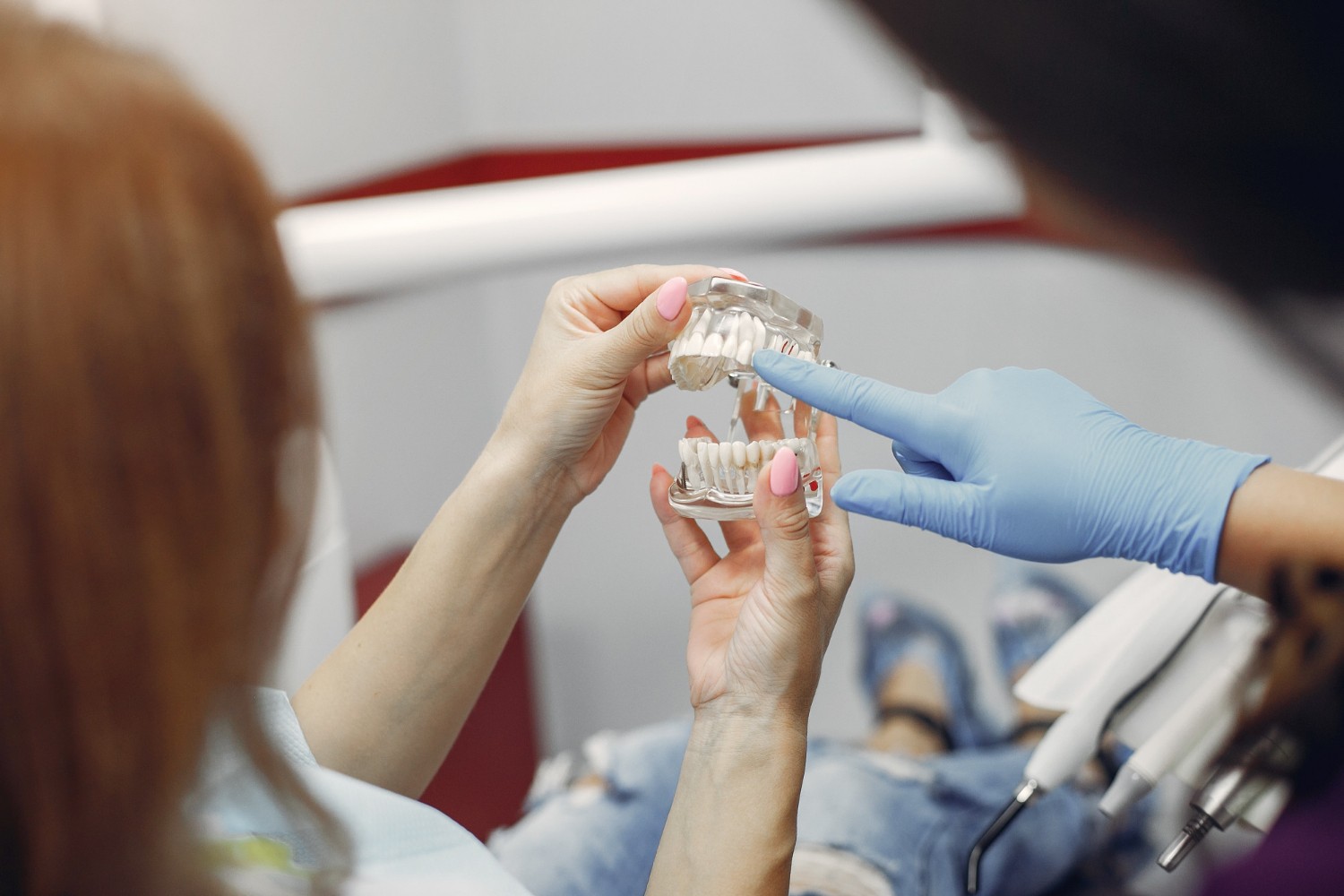
Bone grafting is a crucial procedure in the dental implant process, especially when a patient lacks sufficient bone structure to support an implant. It’s a common challenge faced by many people who have experienced tooth loss, gum disease, or trauma. Without a strong foundation of bone, placing dental implants can be risky and may not achieve the desired stability and function.
When you lose a tooth, the jawbone in that area starts to deteriorate over time. This loss of bone can lead to insufficient bone density, making it difficult to place an implant securely. Bone grafting helps to regenerate and build up this bone tissue, creating a stable base for the implant. It involves transplanting bone tissue to the affected area, which can come from different sources, including your own body (autograft), a donor (allograft), or synthetic materials.
Understanding the need for bone grafting, the types of techniques available, and what to expect during the procedure can help you make informed decisions about your dental health. By preparing adequately and knowing the benefits and risks associated with bone grafting, you can approach this process with confidence and a clear understanding of the steps involved. This article will explore these aspects in detail to provide you with comprehensive information on bone grafting for dental implants.
Understanding the Need for Bone Grafting in Dental Implants
Bone grafting is essential for many patients who require dental implants but do not have enough natural bone in their jaws to support them. This lack of bone can result from several factors, each impacting the structural integrity needed for successful dental implant placement.
- Tooth Loss: When a tooth is lost or extracted, the jawbone in that area begins to deteriorate. Without the stimulation of the tooth root, the bone starts to resorb or dissolve over time. If you’ve been missing a tooth for several years, this bone loss can be substantial, making it difficult to place an implant without additional bone support.
- Periodontal (Gum) Disease: Gum disease can destroy the supporting bone around your teeth. Severe gum disease, also known as periodontitis, accelerates bone loss and can lead to multiple tooth losses. Without adequate bone, the jaw cannot properly support dental implants.
- Dental Trauma: Injuries to the face or jaw can cause immediate bone loss or damage. Trauma from accidents can significantly impact the jawbone’s structure, requiring grafting to rebuild the area before placing an implant.
- Naturally Thin Bone: Some people naturally have a thinner jawbone that cannot sufficiently support implants. This condition can be inherent or due to genetic factors, necessitating bone grafting to enable future dental implants.
By understanding these reasons, you can appreciate why bone grafting may be recommended before proceeding with dental implants. It’s a critical step to ensure long-term stability and success for your implants.
Types of Bone Grafting Techniques
There are various bone grafting techniques available, each tailored to the specific needs of the patient. Understanding the different types can help you know what to expect and how each method works.
- Socket Grafting: This technique is performed immediately after tooth extraction. Bone graft material is placed into the empty socket to preserve the alveolar ridge and prevent bone loss. This makes future implant placement easier and more predictable.
- Block Grafting: For severe bone loss, block grafting may be necessary. This involves taking a block of bone, often from the patient’s own chin or jaw, and securing it to the deficient area with small screws. This approach is suitable for larger defects and provides a solid foundation for implants.
- Sinus Lift (Sinus Augmentation): For patients requiring implants in the upper molar area, a sinus lift may be needed to create sufficient bone height. This procedure involves lifting the sinus membrane and placing bone graft material into the space, increasing the bone height and density to support an implant.
- Ridge Expansion: If the jaw ridge is too narrow to accommodate implants, ridge expansion is performed. The bone is divided and expanded to create a wider ridge, and bone graft material is added to support future implants.
Each technique has specific applications and benefits. Discussing these options with your dental professional can help determine the most suitable approach for your situation. Knowing the various techniques helps you understand the potential treatments and plan appropriately for your dental health journey.
Benefits and Risks of Bone Grafting
Bone grafting offers several benefits, especially for those looking to receive dental implants. However, like any surgical procedure, it comes with its unique set of risks that need to be considered.
1. Benefits:
– Enhanced Implant Success: By providing a solid bone foundation, bone grafting significantly increases the likelihood of successful dental implant placement. It ensures that the implants are stable and secure.
– Improved Oral Health: Restoring lost bone can help prevent further bone loss and maintain the structure and integrity of your jaw. This can prevent future oral health issues.
– Better Aesthetics: Bone grafting can enhance the shape and appearance of your jawline and gums, giving you a more natural-looking and aesthetically pleasing smile.
– Functionality: With sufficient bone support, dental implants can function more like natural teeth, allowing you to eat, speak, and smile confidently.
2. Risks:
– Infection: As with any surgery, there is a risk of infection at the grafting site. Proper post-operative care and hygiene are crucial to minimizing this risk.
– Graft Rejection: In rare cases, the body may reject the graft material, especially if it is taken from a donor. This could necessitate additional treatments.
– Nerve Damage: Depending on the location of the graft, there is a risk of nerve damage, which can cause temporary or permanent numbness or tingling in the affected area.
– Prolonged Healing Time: Bone grafting usually requires several months of healing before implant placement can occur. This extended timeline might be a drawback for some patients looking for quicker solutions.
Considering both the benefits and risks enables you to make a well-informed decision. Discuss these aspects thoroughly with your dental professional to understand what to expect and how to minimize potential complications.
Preparing for Bone Grafting: What to Expect
Preparing for a bone grafting procedure involves several steps to ensure that you are ready for the surgery and the recovery process. Knowing what to expect can help you feel more confident and comfortable as you undergo this treatment.
1. Pre-Procedure Consultations: Before the surgery, you will have a comprehensive consultation with your dental professional. This may involve digital impressions, three-dimensional imaging (CBCT), and thorough evaluations to plan the grafting procedure accurately. We will discuss your medical history, any medications you are taking, and your overall health to tailor the procedure to your needs.
2. Procedure Day: On the day of the surgery, you will be given local anesthesia to numb the area. For more extensive procedures, sedation options are available to help you stay comfortable. The surgeon will then make an incision in the gum to expose the bone. The graft material will be placed, and the area will be secured with sutures. The entire procedure can take anywhere from one to two hours, depending on the complexity.
3. Post-Procedure Care: After the procedure, it’s crucial to follow all post-operative care instructions carefully. This includes keeping the site clean, taking prescribed medications, and avoiding strenuous activities. You may experience some swelling and discomfort, which is normal and can be managed with pain relief medications.
4. Healing Period: The healing process can take several months, during which the graft material will integrate with your natural bone. Regular follow-up visits will be scheduled to monitor your progress and ensure that the graft is healing as expected.
5. Prepare for Implant Placement: Once healed, you will be ready for the next step—dental implant placement. Your dental professional will confirm that the graft has been successfully integrated and will proceed with the implant surgery.
Learning about these steps can facilitate a smoother experience and better prepare you for the journey ahead. Clear communication with your dental professional is key to a successful outcome.
Conclusion
Bone grafting is a pivotal procedure that paves the way for successful dental implants, providing the necessary foundation and support for long-term oral health. Understanding why bone grafting is needed and familiarizing yourself with the various techniques can help you make informed decisions about your treatment. Weighing the benefits and risks, along with thorough preparation, equips you with the knowledge to approach the procedure with confidence.
At Sound Surgical Arts in Tacoma, WA, we are dedicated to offering expert bone grafting in Tacoma and dental implant services. Our team is here to guide you through every step of the process, ensuring you receive the best care possible. Contact us today to schedule your consultation and begin your journey to a healthier, more confident smile.
Periodontic Tips to Prevent Gum Disease

Gum disease, also known as periodontal disease, is one of the most common health issues that we help manage, affecting a significant portion of adults at some point in their lives. This condition can range from simple gum inflammation, known as gingivitis, to more severe forms of periodontitis, which can lead to serious damage to the soft tissue and bone that support the teeth. Understanding the causes and effects of gum disease is crucial not only for treating it but also for preventing it effectively.
At our practice, we emphasize the importance of preventive care in maintaining optimal oral health. Gum disease can be caused by a variety of factors, including poor oral hygiene, smoking, genetic predisposition, and certain illnesses such as diabetes. The effects of untreated gum disease are not limited to oral health; it has been linked to other serious health complications, including heart disease and stroke. That’s why we are committed to providing our patients with comprehensive periodontic treatments that not only address existing conditions but also prevent new issues from arising.
In the following sections, we’ll explore key periodontic treatments that are effective in preventing gum disease, share practical daily oral hygiene tips, and discuss when it’s crucial to consult a periodontist. Through proactive care and expert guidance, we help our patients achieve and maintain healthy gums, which are fundamental to overall well-being.
Understanding Gum Disease: Causes and Effects
Gum disease is a common but preventable condition that begins with bacteria build-up that leads to infections affecting the gum and bone that surround and support your teeth. We often see gingivitis as the first stage, where gums become red, swollen, and bleed easily. If left untreated, gingivitis can advance to periodontitis, which is more severe and can result in the loss of tissues and bones that support your teeth. We believe it’s essential to understand both the causes and effects of gum disease to effectively prevent and manage it.
The primary cause of gum disease is plaque, a sticky film composed mostly of bacteria. When plaque is not removed through regular brushing and flossing, it produces toxins that irritate the gum tissue, causing gingivitis. Over time, plaque can form tartar, a harder substance that can further irritate the gums, leading to more severe forms of gum disease. Risk factors that can contribute to this include smoking, diabetes, stress, clenching and grinding teeth, medication, and poor nutrition.
Key Periodontic Treatments to Prevent Gum Disease
To prevent the onset or progression of gum disease, we offer several key periodontic treatments that focus on controlling the infection and restoring healthy gums. These treatments not only improve oral health but also enhance the overall quality of life. The first step in any periodontic treatment is a thorough examination to assess the extent of the gum disease and tailor a specific treatment plan.
For mild cases of gingivitis, a professional dental cleaning may suffice. However, for more advanced cases, we often recommend scaling and root planing. This procedure involves deep cleaning below the gum line to remove plaque, tartar, and bacterial toxins. Scaling involves scraping off the tartar from above and below the gum line, while root planing smooths rough spots on the tooth root where germs gather, helping to remove bacteria that contribute to the disease. In certain cases, we may also use antimicrobial treatments or prescribe antibiotic medications to manage infection and reduce pocket depth.
In addition to these treatments, we may suggest flap surgery or soft tissue grafts for patients experiencing severe gum recession or significant loss of tissue. These therapies help reduce the gum pockets and restore tissues, which can prevent future gum disease progression. Our approach is always personalized to each patient, ensuring that we address their specific needs and concerns.
Daily Oral Hygiene Tips for Gum Disease Prevention
Maintaining your gums’ health is crucial, and it starts with daily oral hygiene. Proper care can significantly reduce your risk of developing gum disease. First and foremost, brushing your teeth at least twice a day with fluoride toothpaste is essential. It helps remove food particles and plaque that can harbor bacteria causing gum disease. Don’t rush this process; spend at least two minutes each time to ensure thorough cleaning.
Equally important is the role of flossing, which should be done at least once a day. Flossing reaches areas between the teeth and under the gumline that your toothbrush can’t reach. Completing your routine with an antibacterial mouthwash will help kill any remaining bacteria and reduce plaque buildup. Remember, the choice of toothbrush, toothpaste, and floss matters, and we are here to recommend the best options tailored to your specific oral health needs.
When to Consult a Periodontist: Recognizing Warning Signs
Knowing when to consult a periodontist can prevent the progression of gum disease and save your natural teeth. It’s time to make an appointment if you notice persistent bad breath, red or swollen gums, bleeding during brushing or flossing, or teeth that feel loose. These symptoms could indicate the presence of gum disease, requiring professional intervention.
A periodontist specializes in treating gum disease and can offer more advanced care methods than general dentistry. Whether it’s performing deep cleaning procedures like scaling and root planing or more advanced surgical interventions, a periodontist is equipped to help. Early professional assessment and intervention can prevent further damage and promote quicker recovery, preserving your oral health.
Conclusion
Taking these proactive measures towards maintaining oral hygiene and recognizing the signs to seek specialized care will contribute significantly to your overall oral health. Remember, preventing gum disease not only preserves your smile but also supports your general wellbeing, as oral health is closely linked to your body’s overall condition.
If you experience any of the above symptoms, or wish to learn more about how to effectively prevent and manage gum disease in Gig Harbor, contact Sound Surgical Arts today for a consultation. We are here to help you achieve and maintain a healthy, beautiful smile through expert, compassionate periodontal care.
How Dental Implants Improve Oral Health

Dental implants have become an important part of modern dental care. They offer a reliable way to replace missing teeth and restore oral function. Losing a tooth can impact not just your smile but also your overall oral health. When gaps are left in your mouth, it can lead to various dental issues. This is where dental implants come into play.
Dental implants act like natural teeth. They are strong and stable, allowing you to chew and speak normally. Unlike dentures, which can slip out of place, implants stay secure. This makes them a popular choice for people who want a permanent solution to missing teeth. Over time, they integrate with your jawbone, providing support much like a natural tooth root.
In addition to improving your appearance, dental implants can prevent bone loss in your jaw. When a tooth is lost, the bone that used to surround the root can start to deteriorate. By placing an implant, we can help keep your jaw strong and healthy. Dental implants not only fill the gap but also contribute to better long-term oral health.
The Role of Dental Implants in Replacing Missing Teeth
Dental implants are designed to replace missing teeth and function just like your natural teeth. When you lose a tooth, the gap left behind isn’t just a cosmetic issue—it can also affect your oral health. Gaps from missing teeth can cause other teeth to shift, which can lead to misalignment and bite problems. This can make it harder to chew and speak properly.
Implants are placed in the jawbone and act as artificial roots. This helps maintain the alignment of the surrounding teeth and provides a stable base for the replacement tooth, which is usually a crown. Because implants are anchored directly into the bone, they offer a level of stability that other tooth replacement options, like dentures or bridges, cannot. This stability ensures that you can enjoy your favorite foods without worrying about your teeth slipping or moving.
Key Benefits of Dental Implants for Oral Health
Dental implants offer several important benefits for maintaining and improving oral health. One of the most significant advantages is that they help prevent bone loss. When a tooth is missing, the bone that used to surround the root begins to deteriorate because it is no longer needed to support a tooth. Dental implants keep this from happening because they stimulate the jawbone, just like natural teeth do.
Another key benefit of dental implants is that they improve your ability to chew and speak. Missing teeth can make it difficult to pronounce certain words and enjoy a variety of foods. Implants help restore your chewing function and allow you to speak clearly. Additionally, dental implants improve the appearance of your smile, and with proper care, they can last a lifetime. This long-term solution contributes to overall oral health and well-being, making dental implants a wise investment for those who have lost teeth.
Steps Involved in the Dental Implant Procedure
Getting dental implants involves several steps, and understanding the process can help you prepare for the procedure. First, we conduct a comprehensive evaluation, including X-rays and 3D imaging, to assess the condition of your jawbone and plan the implant placement. If necessary, preliminary treatments like bone grafting may be recommended to ensure there is sufficient bone structure to support the implant.
The next step is the surgical placement of the implant. Under local anesthesia, we make a small incision in your gum to access the jawbone. A hole is drilled into the bone, and the titanium implant is inserted. The gum is then stitched up, and the implant is left to heal and integrate with the bone in a process known as osseointegration, which usually takes a few months. After osseointegration, an abutment is attached to the implant, followed by a custom-made crown that matches your natural teeth in color and shape. This completes the procedure, restoring both function and appearance to your smile.
Long-term Care and Maintenance of Dental Implants
Taking care of your dental implants is essential to ensure their longevity and maintain your oral health. The first step in implant care is practicing good oral hygiene. This means brushing your teeth twice a day with a soft-bristled toothbrush and using dental floss to clean around the implant. Regular check-ups and cleanings are also crucial, as they allow us to monitor the health of your implants and detect any potential issues early on.
In addition to routine care, avoiding habits that can damage your implants, such as smoking or chewing on hard objects, is important. Dental implants are designed to last a long time, but they can be affected by the same conditions that impact natural teeth, like gum disease. Therefore, keeping your gums healthy by maintaining proper oral hygiene and visiting us for regular periodontal care is vital. By following these steps, you can enjoy the benefits of your dental implants for many years.
Conclusion
Dental implants play an essential role in restoring and maintaining oral health by replacing missing teeth with strong, natural-looking alternatives. They not only enhance your smile but also provide the stability needed for proper chewing and speaking. The procedure involves careful planning, skilled implantation, and attentive aftercare, ensuring the best possible outcomes.
Incorporating dental implants into your oral care routine can make a significant difference in your dental health and overall quality of life. If you want to learn more about dental implants in Gig Harbor and how they can benefit you, we encourage you to reach out to Sound Surgical Arts. Our team is here to help you achieve a healthier, more beautiful smile. Contact us today to schedule a consultation and take the first step toward improved oral health with dental implants.
Sinus Grafting for Dental Implants: A Complete Guide
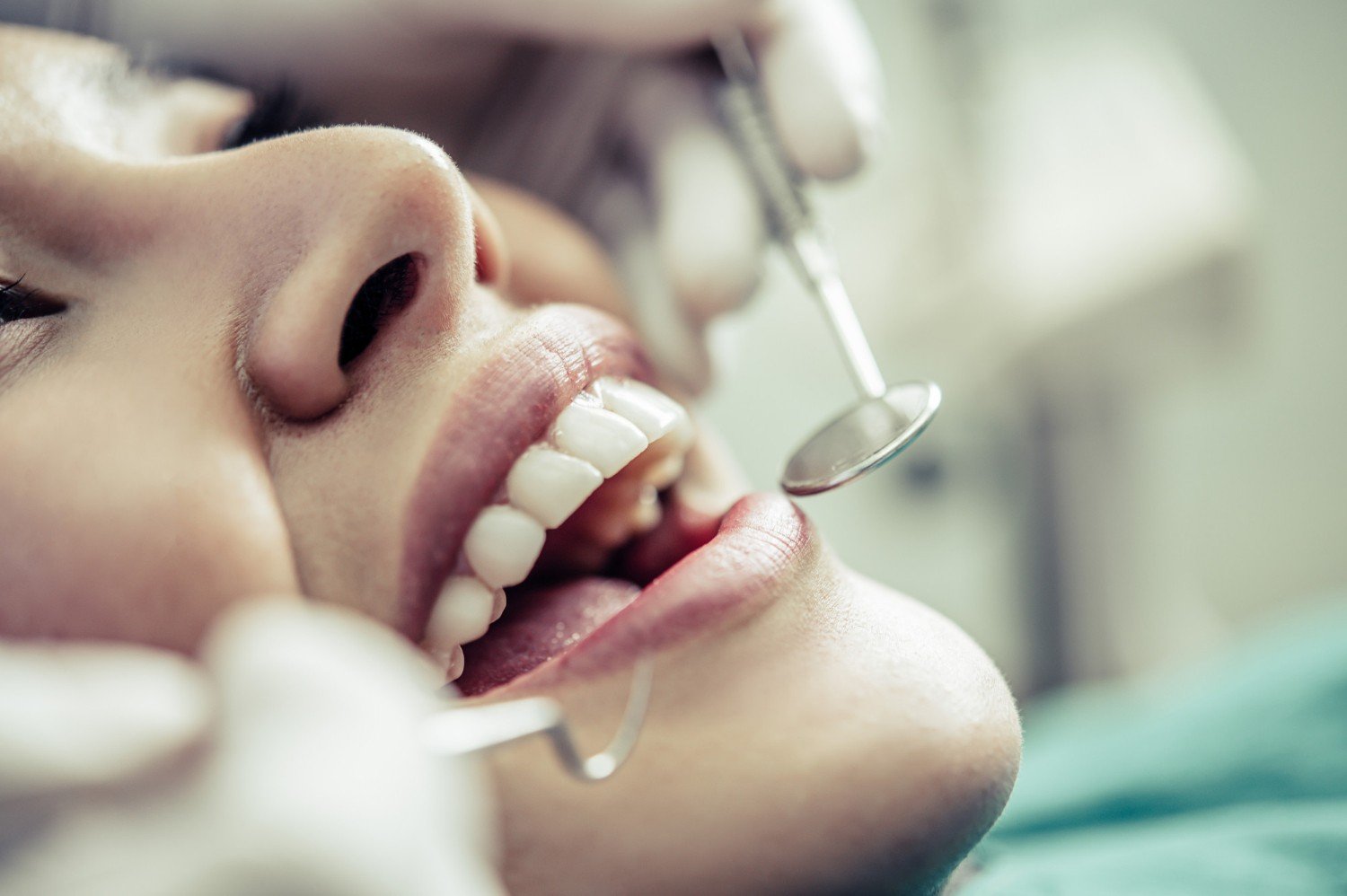
Dental implants are a popular and effective solution for replacing missing teeth. However, successful dental implant placement requires sufficient bone structure to anchor the implant securely. In the upper jaw, the proximity of the sinus cavity can pose a challenge for patients with insufficient bone height. This is where sinus grafting comes into play. Sinus grafting, also known as sinus lift surgery, is a procedure that helps create a stable foundation for dental implants by increasing the amount of bone in the upper jaw.
Sinus grafting involves adding bone material to the area between the jaw and the maxillary sinuses, which are located on either side of the nose. This procedure is often necessary for patients who have experienced bone loss due to tooth extraction, gum disease, or long-term tooth absence. By augmenting the bone height, sinus grafting ensures that the dental implants have a solid base for integration, increasing the chances of long-term success and stability.
Understanding the importance of sinus grafting and how it complements dental implant procedures can help patients make informed decisions about their oral health. With the right information, you can feel confident and prepared as you embark on the journey to restore your smile and dental function.
Understanding Sinus Grafting: What It Is and Why It’s Needed
Sinus grafting, or sinus lift surgery, is a procedure designed to enhance the bone structure in the upper jaw. This is essential for ensuring the successful placement and stability of dental implants. The sinus cavity, located above the upper teeth, can create a challenge when placing implants, especially if there is insufficient bone height. Various factors like tooth loss, gum disease, or long periods without teeth can lead to bone loss in this area.
When you have inadequate bone height in the upper jaw, dental implants cannot be securely anchored. Sinus grafting resolves this issue by adding bone material to the area between your upper jaw and maxillary sinuses. This increases the height and volume of the bone, creating a solid foundation for implants. Without this augmentation, implants might fail due to lack of support. So, sinus grafting is crucial for patients who otherwise might not qualify for dental implants.
The Sinus Grafting Procedure: Step-by-Step Guide
Understanding the steps involved in a sinus grafting procedure can help alleviate anxiety and prepare you better for the process. Here’s a simplified step-by-step guide to what you can expect:
1. Initial Consultation: We start with a comprehensive assessment of your oral health, including digital impressions (IOS-intraoral surface scans) and three-dimensional imaging (CBCT). This helps us evaluate the bone structure and plan the procedure accurately.
2. Preparation: On the day of the surgery, local anesthesia is administered to ensure you are comfortable throughout the procedure. In some cases, sedation might be offered for additional comfort.
3. Making the Incision: An incision is made in the gum tissue to expose the bone. A small window is then created in the bone to access the sinus cavity.
4. Lifting the Sinus Membrane: The sinus membrane is carefully lifted upward to create space for the bone graft material. This is a delicate step that requires precision to avoid damaging the membrane.
5. Inserting the Bone Graft: Bone graft material, which can be sourced from your body, a donor, or synthetic materials, is placed into the space created by lifting the sinus membrane. The graft promotes new bone growth over time, increasing the bone volume in your upper jaw.
6. Closing the Incision: The gum tissue is stitched back into place, covering the graft area. Healing time is crucial at this point to allow the bone graft to integrate with the existing bone.
Each step in the sinus grafting process is performed with meticulous care to ensure the best outcomes. After the procedure, you’ll receive detailed aftercare instructions to aid in a smooth recovery.
Benefits of Sinus Grafting for Dental Implants
Sinus grafting provides substantial benefits for patients seeking dental implants, especially those who have experienced bone loss in the upper jaw. After bone grafting, patients can enjoy a stronger foundation for their implants. A solid bone structure ensures that the dental implants are securely anchored, which increases their longevity and functionality. Without adequate bone, implants may fail, leading to further complications and discomfort.
Beyond the physical benefits, sinus grafting also enhances overall oral health. By adding bone to the upper jaw, we can prevent further bone deterioration and maintain the natural structure of the face. This is particularly important for patients who have been missing teeth for an extended period, as tooth loss can lead to bone resorption and changes in facial appearance. By addressing these issues early with sinus grafting, we help patients retain their natural facial contours and avoid future oral health problems.
Post-Procedure Care and Recovery Tips
Proper care following a sinus grafting procedure is crucial for a successful recovery. Immediately after the surgery, it’s common to experience some swelling and discomfort. We recommend using ice packs to reduce swelling and over-the-counter pain medications to manage any discomfort. Be sure to follow any specific medication instructions provided by your dental surgeon.
Maintaining good oral hygiene is essential, but it needs to be done gently to avoid disturbing the surgical site. Rinse your mouth with a saline solution to keep the area clean and avoid using straws or smoking, as these actions can dislodge the bone graft material. Additionally, avoid blowing your nose or sneezing forcefully, as this can put pressure on the sinus area and potentially disrupt the healing process.
Dietary adjustments are also necessary for a smooth recovery. Stick to soft foods and stay hydrated, but avoid hot or spicy foods that might irritate the surgical site. Foods like mashed potatoes, yogurt, and smoothies are good options during the initial recovery period. Follow-up appointments are key; they allow us to monitor the healing process and address any concerns promptly.
Conclusion
Sinus grafting is an essential procedure for many patients looking to receive dental implants in the upper jaw. By enhancing bone volume and providing a stable foundation, sinus grafting ensures the long-term success and functionality of dental implants. Understanding the procedure, its benefits, and how to care for yourself post-surgery can make a significant difference in your overall dental health journey.
If you are considering dental implants and think you might need a sinus graft, please feel free to reach out to us at Sound Surgical Arts (Tacoma, WA). Our experienced team is dedicated to providing the highest quality care and personalized treatment plans to help you achieve a healthy, beautiful smile. Contact us today to schedule your consultation and take the first step toward restoring your dental health.
Understanding Dental Implant Costs in Seattle
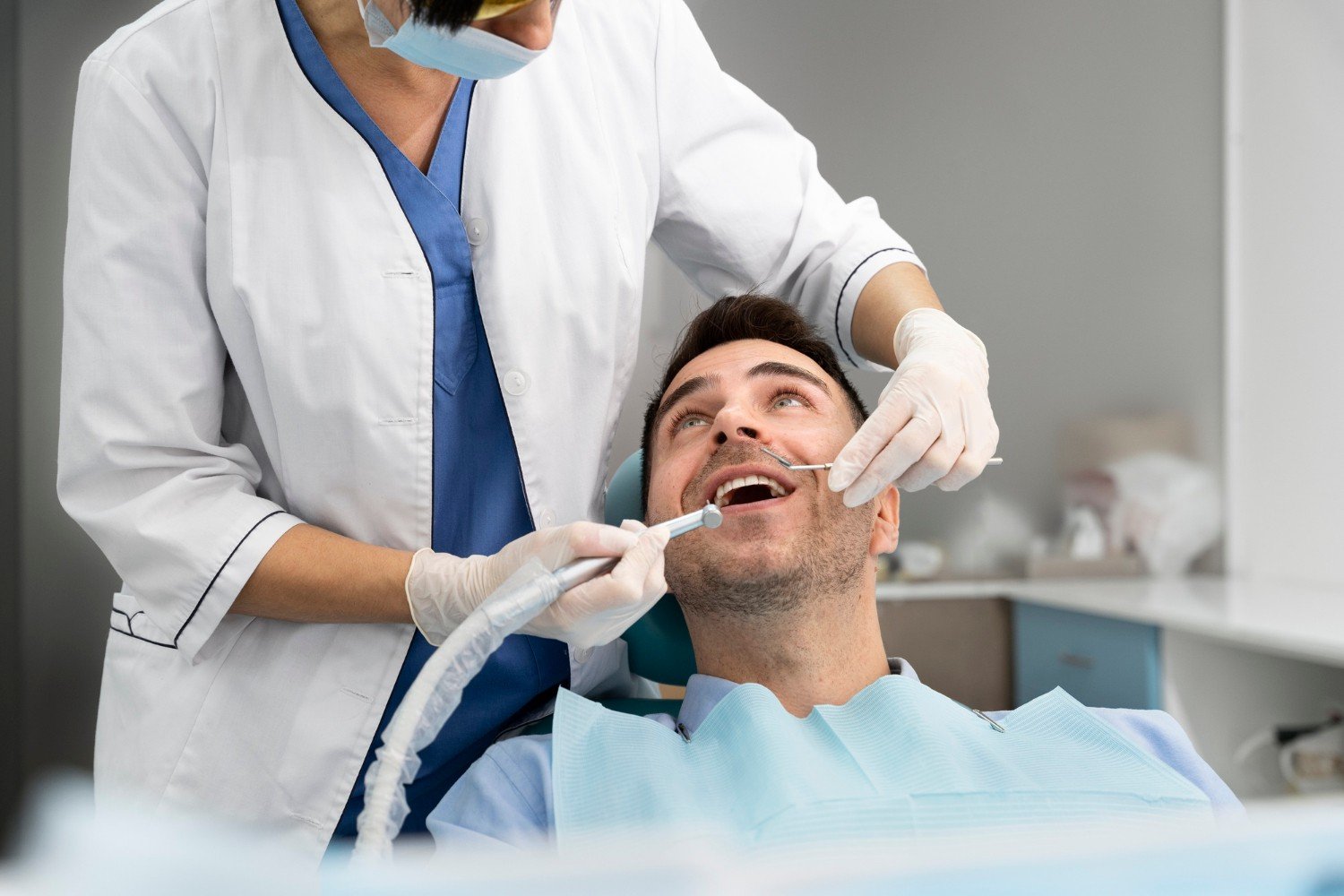
Navigating the cost of dental implants can sometimes seem as complex as the procedure itself. Here in Seattle, we understand that our patients need clear and concise information to make informed decisions about their dental health. Dental implants represent a significant investment not only in your oral health but in your overall quality of life. They provide a durable, long-term solution for tooth loss, offering benefits that go far beyond aesthetics.
When considering dental implants, it’s essential to understand the various cost factors that come into play. These can range from the type of implant and procedural technique used to the geographic location of our clinic. Costs can also vary widely depending on individual needs and the extent of the procedure. We’re committed to helping our patients understand these factors and providing transparent information about the potential costs involved.
Moreover, we offer comprehensive consultations to assess your unique condition, discuss your options, and provide a detailed breakdown of costs. This process ensures that there are no surprises and that each patient feels confident and informed about their investment in dental implants. Through this introduction, we hope to ease any concerns about costs and reaffirm our commitment to providing exceptional care at our Tacoma-based practice.
Breaking Down the Cost Factors for Dental Implants in Seattle
Understanding the cost of dental implants in Seattle begins with recognizing the diverse factors that contribute to pricing. One of the primary cost drivers is the quality of materials used. We prioritize top-grade titanium or ceramic for implants to ensure durability and biocompatibility, which might affect the initial cost but significantly enhances the longevity and safety of the treatment. Additionally, the complexity of individual cases also plays a crucial role. Factors such as the need for bone grafting, the number of teeth to be replaced, and the specific type of implants being installed—whether single, multiple, or full arch—can vary the cost.
Another significant aspect is the technology used during the procedure. We utilize advanced digital imaging and computer-aided design/manufacturing (CAD/CAM) technologies to increase the precision of implant placement. This technology, while contributing to the cost, is pivotal in minimizing risks and improving success rates. Surgical expertise is also a critical component. Our team comprises highly trained specialists whose expertise in navigated implant placement and osseous surgery contributes to the overall cost but ensures a higher standard of care and better long-term outcomes.
Comparative Analysis of Dental Implant Costs in Seattle vs. Other Regions
When comparing the costs of dental implants in Seattle to those in other regions, several factors come into play. Region-specific economic conditions, such as the cost of living and the local healthcare market, influence dental service prices. Seattle’s position as a tech-forward city with a relatively high cost of living means that dental services, including implants, might be priced higher than in more rural areas where the cost of living is lower.
Furthermore, the availability of specialized dental professionals in Seattle increases competition but also brings a higher standard of care, which can affect costs. In regions with fewer specialized practitioners, prices may be lower, but the options for advanced treatments like bone grafting, pinhole surgical techniques, or three-dimensional imaging might not be as readily available. Additionally, the regulatory environment in Washington may impose standards that necessitate higher operational costs compared to other areas, ensuring high-quality healthcare but also reflecting in the pricing. By understanding these regional differences, patients can appreciate why investing in dental implants in a city like Seattle is beneficial despite potentially higher costs.
Long-Term Financial Benefits of Choosing Dental Implants
Investing in dental implants is not merely about addressing immediate oral health issues; it’s about securing long-term financial benefits. Unlike traditional dentures or bridges, dental implants offer a permanency that eliminates the need for frequent replacements. Given the durability of implants and their ability to prevent bone loss and gum recession, our patients enjoy a reduced need for future dental expenditures related to these common dental issues. This factor alone can be a significant cost-saver over the decades.
Additionally, the functionality provided by implants promotes better overall health. With the ability to chew food properly restored, our patients experience improved digestion and nutrition, possibly reducing medical bills related to gastrointestinal problems linked to poor chewing. Moreover, dental implants maintain natural facial structures and prevent the bone deterioration that often occurs with missing teeth, potentially averting costly cosmetic or surgical interventions in the future.
How We Make Dental Implants More Accessible: Financing and Insurance Options
Understanding that the upfront cost of dental implants can be a hurdle, we are committed to making dental implants more accessible for those who need them. To this extent, we offer a variety of financing plans that allow our patients to spread the cost of the treatment over time, making payments manageable within their monthly budgets. Our financial coordinators are dedicated to working closely with each patient to tailor a payment plan that best suits their financial situations.
Additionally, we navigate insurance queries with proficiency to maximize your benefits. Although not all insurance plans cover dental implants, we explore every avenue to secure any available coverage and also assist in pre-treatment estimates to provide clear financial planning. For cases where insurance may not offer substantial help, we provide information about alternative financing options such as medical credit lines, which often cover procedures not included in typical health or dental insurance plans.
Conclusion
At Sound Surgical Arts (Tacoma, WA), our focus is always centered on providing our patients with the best care, which includes making treatments like dental implants accessible and affordable. We believe that everyone deserves a healthy, confident smile, and financial constraints should not prevent anyone from achieving optimal oral health. Dental implants have revolutionized dental care, providing long-lasting solutions that not only enhance aesthetics but also significantly improve quality of life.
If you’re considering dental implants, or if you would like to know more about our financing options, we invite you to contact us at Sound Surgical Arts (Tacoma, WA). Our team is here to help you navigate your path to a healthier smile with clear, straightforward guidance and support. Rediscover your smile’s potential and take the first step towards a lasting investment in your health and well-being.
Exploring Options for Urgent Dental Care When You Have a Toothache

Toothaches can strike at any time and can be a source of great discomfort. They might be sharp, throbbing, or constant, and they can make eating, speaking, and even sleeping a challenge. Understanding the best course of action when you experience a toothache is vital for relieving pain and ensuring that any underlying issues are appropriately addressed.
Toothache pain can be caused by various factors, and knowing the root cause can help determine the steps to take for relief. Sometimes, it might be a minor issue that can be managed at home. However, it could also indicate a more serious condition that needs prompt professional attention. Knowing when to seek emergency dental care can make a significant difference in the outcome.
Taking immediate steps to alleviate pain and taking preventive measures to avoid future incidents are crucial parts of managing your dental health. This guide will cover the common causes of toothaches, what to do for immediate relief, when it’s essential to seek emergency dental care, and how to prevent toothaches from recurring. With this knowledge, you’ll be better prepared to handle dental emergencies effectively and maintain a healthier mouth.
Common Causes of Toothaches
Toothaches can be caused by a variety of dental problems, making it important to identify the specific issue to find the right solution. One common cause is tooth decay, which happens when bacteria in the mouth produce acids that eat away at your tooth enamel. This can create cavities that may cause pain, especially when eating or drinking.
Another frequent cause of toothaches is gum disease, which affects the tissues that support your teeth. When gums become infected, they can swell, recede, and cause pain. Additionally, sometimes toothaches are caused by an abscess, which is a pocket of pus caused by a bacterial infection. Abscesses can form in different parts of the tooth or gum and can be very painful.
Other causes include teeth grinding, which can wear down teeth and lead to pain, and a cracked or broken tooth, which can expose sensitive inner layers of the tooth. Sometimes, toothaches can also be due to issues not directly related to dental health, such as sinus infections that cause pressure and pain in the upper teeth.
Immediate Steps to Take for Toothache Relief
When you experience a toothache, there are several immediate steps you can take to alleviate the pain and prevent further issues. First, rinse your mouth with warm water to clean the affected area. Floss gently to remove any food particles or debris stuck between the teeth that might be causing discomfort. Avoid using sharp objects to dig around the affected tooth as this can cause more harm.
Over-the-counter pain relievers like ibuprofen or acetaminophen can help reduce pain and inflammation. Follow the recommended dosage instructions and never place aspirin directly on the tooth or gums, as it can cause tissue damage. Applying a cold compress to the outside of your cheek can also help numb the area and reduce swelling.
It’s crucial to avoid eating very hot, cold, or sugary foods that could aggravate the toothache. Stick to soft foods and lukewarm beverages until you can see a dentist. These steps can provide temporary relief, but remember that they are not a substitute for professional dental care. If the pain persists, it’s important to seek help to address the underlying cause of the toothache.
When to Seek Emergency Dental Care
Knowing when to seek emergency dental care is crucial for addressing serious toothaches effectively. If you experience severe pain that doesn’t improve with over-the-counter pain relievers, it’s time to see a dentist immediately. Severe pain can indicate issues like a deep cavity, an abscess, or significant gum disease, which need professional treatment to prevent complications.
Other signs that you need emergency dental care include swelling around the tooth or jaw, fever, and a foul taste in your mouth, which could indicate an infection. Additionally, if you have a broken or knocked-out tooth, immediate attention is necessary. A knocked-out tooth has the best chance of being saved if treated within an hour, so prompt action is critical.
Unusual, persistent bleeding from your gums or significant tooth sensitivity to temperature changes can also be signs of serious dental issues. If you experience any of these symptoms, don’t delay in seeking emergency dental care to address the problem and prevent further damage.
Preventative Measures to Avoid Future Toothaches
Preventing toothaches involves maintaining good oral hygiene and regular dental check-ups. Brush your teeth at least twice a day with fluoride toothpaste and floss daily to remove plaque and food particles between your teeth. Regular dental visits, typically every six months, allow us to identify and treat issues like cavities or gum disease before they cause pain.
In addition to routine dental care, there are lifestyle habits that can help prevent toothaches. Avoid foods and drinks high in sugar, which can lead to tooth decay. Eat a balanced diet rich in vitamins and minerals that strengthen your teeth and gums. Drinking plenty of water, especially after meals, can help wash away food particles and bacteria.
Wearing a mouthguard if you grind your teeth at night or play contact sports can protect your teeth from damage. Avoid using your teeth as tools to open packages or bite non-food objects, as this can cause cracks or breakages. By following these preventative measures, you can significantly reduce the risk of experiencing toothaches and maintain a healthy, pain-free smile.
When a Toothache Warrants Emergency Dental Care
Toothaches can be an overwhelming and painful experience, but knowing how to handle them can make a significant difference. Recognizing the common causes, taking immediate relief steps, understanding when emergency care is necessary, and applying preventive measures are all crucial aspects of managing your dental health.
At Sound Surgical Arts, we are committed to providing comprehensive dental care to help you maintain a healthy mouth and address any emergencies that arise. If you find yourself dealing with a toothache or want to take steps to prevent future dental issues, our team is here to help.
Contact our emergency dentists in Gig Harbor today to schedule a consultation and ensure your teeth and gums stay healthy and pain-free.
Maximizing Function and Aesthetics: A Guide to Maxillofacial Surgery for Complex Dental Problems
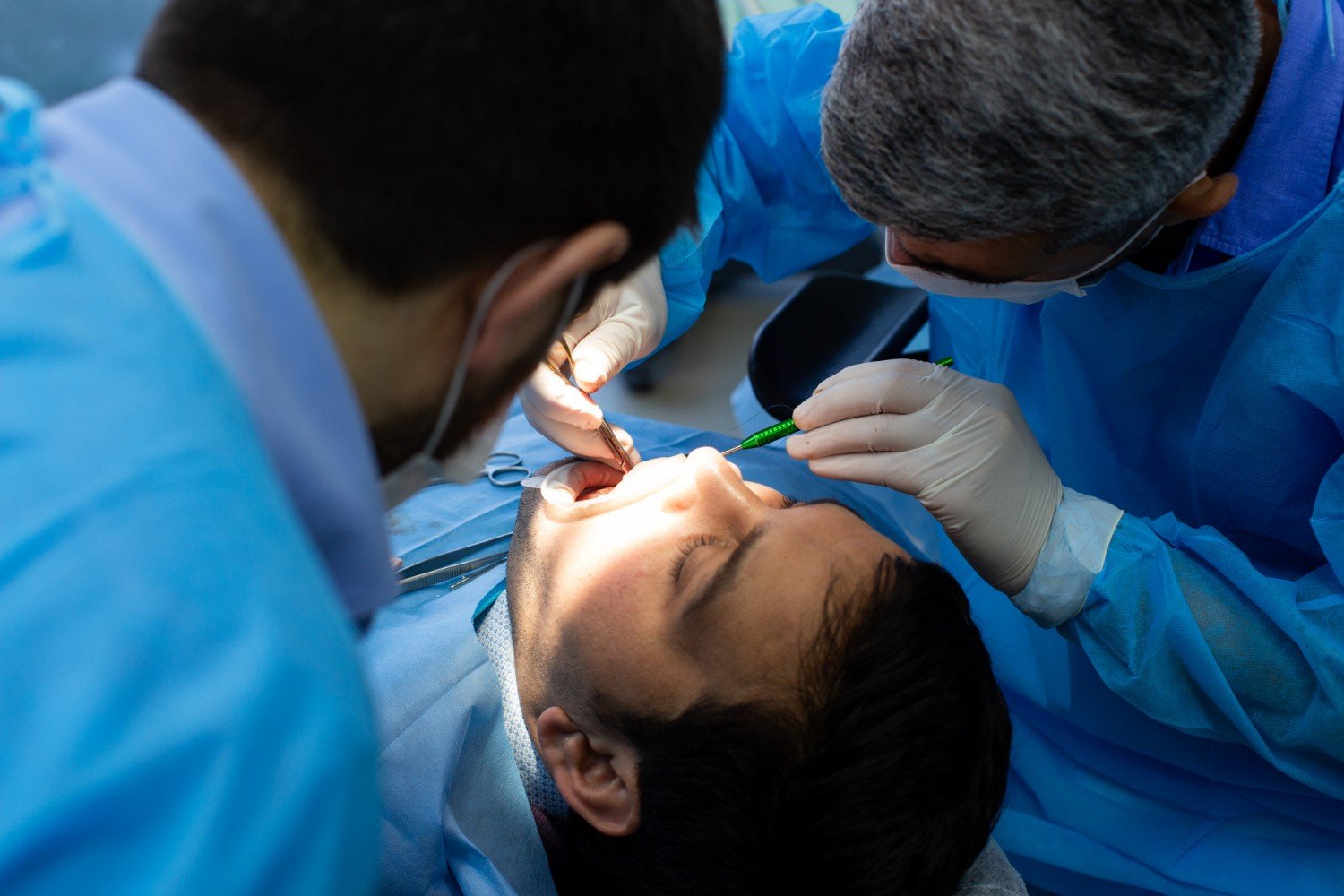
Maxillofacial surgery is a specialized field of oral surgery focusing on the treatment of complex dental and facial issues. This type of surgery can address problems ranging from facial trauma to congenital abnormalities and severe dental conditions. Understanding maxillofacial surgery can help you make informed decisions about your oral health and know what to expect if you need such procedures.
Many conditions treated with maxillofacial surgery involve the bones, tissues, and structures of the face, mouth, and jaw. Whether you’re dealing with a misaligned jaw, impacted teeth, or facial injuries, maxillofacial surgery offers solutions that can improve both function and appearance. By correcting these issues, the surgery can enhance your quality of life, making everyday activities like chewing, speaking, and smiling much easier.
Before undergoing maxillofacial surgery, learning about the process and what it entails is crucial. Knowing the steps involved, from the initial consultation to post-surgery recovery, can ease any anxiety you may have and help you prepare better.
What Is Maxillofacial Surgery?
Maxillofacial surgery is a specialized branch of surgery that focuses on the diagnosis and treatment of diseases, injuries, and defects in the head, neck, face, and jaw. This type of surgery addresses issues with these areas’ hard and soft tissues, aiming to improve both function and aesthetics. Procedures can range from corrective jaw surgeries to facial reconstructive operations and the removal of impacted teeth.
This field of surgery often requires extensive training and expertise, as it involves complex structures and intricate procedures. Many maxillofacial surgeries are performed by oral and maxillofacial surgeons trained in dental and medical fields. By employing advanced techniques and technologies, these specialists can effectively address a wide range of conditions, significantly improving patients’ quality of life.
Common Conditions Treated with Maxillofacial Surgery
Maxillofacial surgery addresses a variety of conditions that affect the mouth, jaw, face, and neck. One common issue treated by this type of surgery is facial trauma. Injuries from accidents can result in broken bones, lacerations, and other damage that require surgical intervention to restore normal function and appearance.
Jaw misalignment is another condition often treated with maxillofacial surgery. Procedures such as orthognathic surgery can correct misaligned jaws, helping to improve bite function, speech, and facial symmetry. This surgery can alleviate issues like difficulty chewing, chronic jaw pain, and sleep apnea.
Maxillofacial surgery also addresses congenital abnormalities, such as cleft lip and palate. These surgeries can significantly improve a child’s ability to eat, speak, and breathe properly. Additionally, maxillofacial surgery is used to treat severe cases of Temporomandibular Joint (TMJ) disorders, where patients experience chronic jaw pain and dysfunction.
Understanding these common conditions can help you see the broad scope of problems that maxillofacial surgery can resolve, providing effective solutions for complex dental and facial issues.
The Maxillofacial Surgery Process: What to Expect
Understanding the process of maxillofacial surgery can help alleviate fears and ensure you know what to expect every step of the way. The journey typically starts with a detailed consultation. During this visit, the surgeon will review your medical history, perform a physical examination, and might take imaging studies like X-rays, CT scans, or MRIs. This information helps the surgeon plan the most effective course of action tailored to your specific needs.
On the day of the surgery, the procedure will take place in a hospital or specialized clinic. Depending on the complexity of the surgery, local or general anesthesia will be administered to ensure comfort. The surgeon will then perform the necessary steps, which might include repositioning bones, removing impacted teeth, or repairing tissues. The length of the surgery can vary greatly depending on the condition being treated.
After the surgery, a recovery plan will be implemented. This includes initial monitoring in a recovery room and instructions on how to take care of the surgical site once you return home. Medications will likely be prescribed to manage pain and prevent infection. Follow-up appointments will be scheduled to monitor the healing process and ensure that everything is progressing smoothly.
Benefits and Recovery from Maxillofacial Surgery
Maxillofacial surgery offers numerous benefits that can improve both your health and quality of life. One of the main advantages is that it can alleviate pain and discomfort associated with many dental and facial conditions. For instance, correcting a jaw misalignment can enhance your ability to chew and speak, and also reduce chronic pain related to TMJ disorders. Furthermore, surgery can restore facial symmetry and improve aesthetics, boosting self-confidence.
Recovery from maxillofacial surgery varies depending on the complexity of the procedure. Most patients can expect some swelling, bruising, and discomfort, which typically subside within a few days to weeks. Following the surgeon’s aftercare instructions is crucial for a smooth recovery. This may include eating soft foods, avoiding strenuous activities, and practicing good oral hygiene to prevent infection.
Regular follow-up visits help monitor your healing and allow the surgeon to address any concerns promptly. Proper aftercare ensures a quick recovery and maximizes the long-term benefits of the surgery, providing lasting improvements in function and appearance. With today’s advanced techniques, maxillofacial surgery can lead to remarkable results that enhance both health and quality of life.
How Maxillofacial Surgery Solves Challenging Dental Issues
Maxillofacial surgery is a powerful solution for complex dental and facial issues, offering benefits that can significantly improve both function and aesthetics. From understanding what maxillofacial surgery entails to knowing the conditions it can treat, being informed helps in making confident decisions about your oral health.
The surgery process might seem overwhelming, but with proper preparation and following your surgeon’s advice, you can ensure a smoother experience and faster recovery. If you’re dealing with any of the conditions discussed, consider consulting with a qualified maxillofacial surgeon to explore your options. Maxillofacial surgery can provide effective, long-lasting solutions, enhancing your daily life activities like eating, speaking, and overall facial harmony.
At Sound Surgical Arts, we specialize in offering personalized and advanced maxillofacial surgical care in Gig Harbor to meet your unique needs. Reach out to us to learn how we can help you achieve optimal oral health and improved quality of life!
Implant Success: Navigated Placement for a Flawless, Long-Lasting Smile
Navigated implant placement is transforming the way dental implants are performed. Utilizing advanced technology, this method allows us to place implants with unparalleled accuracy and efficiency. For patients, this means a more comfortable experience and a better overall outcome.
Traditional dental implant procedures often rely on the surgeon’s skill and experience to manually place the implant. While effective, this approach can sometimes lead to placement errors, which may affect the implant’s stability and longevity.
Navigated implant placement leverages digital imaging and real-time guidance, ensuring the implants are positioned with pinpoint precision. The enhanced accuracy of this technique reduces the risk of complications and often results in a quicker, smoother recovery.
With the rise of navigated implant placement, we can now offer our patients a more reliable and consistent option. The advantages of this technology are evident from those requiring single-tooth implants to more complex cases involving multiple implants or bone grafting. Our commitment to incorporating state-of-the-art solutions keeps us at the forefront of dental care, providing you with the best possible results.
The Technology Behind Navigated Implant Placement
Navigated implant placement is a cutting-edge technique that utilizes advanced technology to enhance the precision of dental implant procedures. This approach combines three-dimensional imaging (CBCT) with real-time navigation systems, ensuring that implants are placed with remarkable accuracy.
1. Three-Dimensional Imaging (CBCT):
The process begins with obtaining a detailed 3D scan of your oral structure using Cone Beam Computed Tomography (CBCT). This scan provides comprehensive images of your teeth, jawbone, and surrounding anatomical features. These images are crucial for planning the exact location, angle, and depth of the implant placement.
2. Real-Time Navigation Systems:
Once the 3D model is created, it is integrated into navigation software. During the procedure, surgeons use a navigated system that resembles a GPS device. The system tracks the precise position of the surgical instruments relative to your anatomy in real-time. This live guidance allows the surgeon to follow the planned pathway accurately, avoiding critical structures such as nerves and sinuses.
This technology is pivotal in ensuring that the dental implants are placed optimally, reducing the risk of complications and enhancing the overall success rate of the procedure. By leveraging navigated implant placement, we can offer you highly personalized and precise dental care.
Advantages of Navigated Implant Placement for Patients
Navigated implant placement offers numerous advantages that can significantly enhance patient outcomes and experiences. Here are some key benefits you can expect:
1. Enhanced Precision:
The combination of three-dimensional imaging and real-time navigation ensures that implants are placed with exceptional accuracy. This precision minimizes the risk of errors and misalignment, leading to better functional and aesthetic results. It is particularly beneficial in complex cases where precise placement is crucial.
2. Reduced Surgery Time:
The use of navigation systems streamlines the surgical process. With a clear visual path and real-time guidance, the procedure can be completed more efficiently. This reduction in surgery time often translates to less time spent under anesthesia and a quicker overall experience.
3. Improved Patient Safety:
Real-time tracking allows the surgeon to avoid vital anatomical structures, reducing the risk of complications such as nerve damage or sinus perforation. This enhanced safety profile is especially important in complex cases or when dealing with limited bone volume.
4. Better Post-Operative Outcomes:
The precision of navigated implant placement often results in less post-operative discomfort, reduced swelling, and faster healing times. Patients can typically expect a smoother recovery process compared to traditional methods.
5. Higher Success Rates:
By ensuring that implants are placed in the optimal position, navigated implant placement increases the overall success rate of the procedure. Well-placed implants are more stable and integrate better with the surrounding bone, contributing to the longevity of your dental restoration.
These advantages make navigated implant placement a valuable option for patients seeking dental implants in Seattle.
Common Applications and Procedures Utilizing Navigated Implant Placement
Navigated implant placement is employed in a variety of dental procedures due to its accuracy and safety. Here are some common applications:
1. Single Tooth Implants:
When replacing a single missing tooth, precision is crucial for the implant to integrate well with the surrounding teeth. Navigated implant placement ensures that the implant is positioned optimally, providing a stable and natural-looking result.
2. Multiple Tooth Implants:
For patients needing multiple teeth replaced, navigated implant placement allows for accurate alignment of each implant. This precision is especially important for procedures like “Teeth in a Day” or “Smile in a Day,” where multiple implants are placed in one session for immediate function.
3. Full Arch Restorations:
In cases where an entire arch of teeth needs replacement, the navigated system aids in positioning the implants in the most supportive locations. This approach is essential for procedures like “All-on-4” or “All-on-6,” which provide a fixed solution for full-arch tooth loss.
4. Sinus Lift and Grafting Procedures:
Sinus grafting for implants often requires precise placement to avoid the sinus cavity. Using navigation technology ensures that implants are placed with the exact depth and angle, minimizing the risk of complications.
5. Complex Bone Grafting:
Bone grafting procedures often precede implant placement to ensure enough bone volume and density. Navigated implant placement allows for accurate assessment and planning, ensuring that grafts are placed effectively and integrate well with existing bone structures.
6. Treatment of Dental Trauma:
For patients who have suffered dental trauma, precise implant placement is crucial for restoring function and aesthetics. Navigated systems help in placing implants in areas where the bone may be compromised, providing stability and support.
By using navigated implant placement in these applications, we can achieve better treatment outcomes and higher patient satisfaction. The technology’s versatility allows for a tailored approach to dental restoration, ensuring that each patient receives the most appropriate and effective care.
Preparing for Navigated Implant Placement: What Patients Can Expect
If you’re preparing for navigated implant placement, knowing what to expect can help ease any concerns. Here is a step-by-step overview of the process:
1. Initial Consultation:
During your first visit, we’ll conduct a comprehensive evaluation to understand your dental needs. This includes a thorough examination, discussion of your medical history, and capturing imaging using CBCT. The 3D images help us plan the implant placement accurately.
2. Treatment Planning:
Post-evaluation, we’ll use the detailed CBCT scans to create a customized treatment plan. The virtual model allows us to simulate the implant placement, ensuring optimal positioning and alignment. We will discuss the plan with you, addressing any questions or concerns you might have.
3. Day of the Procedure:
On the day of the implant placement, you’ll be made comfortable and given appropriate anesthesia. The real-time navigation system will track the surgical instruments and guide the placement of the implants based on the pre-planned pathway. This ensures a smooth and precise procedure.
4. Post-Operative Care:
After the procedure, we’ll provide you with detailed aftercare instructions to ensure a smooth recovery. This may include advice on diet, oral hygiene, and medication to manage discomfort or prevent infection. Follow-up appointments will be scheduled to monitor healing and integration of the implants.
5. Healing Period:
The healing period typically spans a few months, during which the implants integrate with the jawbone (osseointegration). We’ll closely monitor your progress through regular check-ups to ensure everything is on track.
6. Final Restoration:
Once the implants have successfully integrated, we’ll proceed with placing the final dental restorations, such as crowns, bridges, or full-arch prosthetics. These restorations are designed to blend seamlessly with your natural teeth, restoring both function and aesthetics.
By understanding these steps, you can approach your navigated implant placement with confidence. Our goal is to ensure your experience is as comfortable and successful as possible, leading to long-lasting and satisfactory results.
How Navigated Implant Placement Improves Outcomes
Navigated implant placement is a significant advancement in dental care, offering unparalleled precision and improving patient outcomes. This technology is essential for various dental procedures, from single-tooth implants to full-arch restorations, providing accuracy that traditional methods can’t match. By understanding the technology and its benefits, you can appreciate how it contributes to your oral health and overall quality of life.
At Sound Surgical Arts, we are committed to utilizing the best technology to provide you with exceptional dental care. If you’re considering dental implants and want the most precise approach available, contact our dentists to schedule your consultation. Let us help you achieve a beautiful, functional smile with the latest in navigated implant placement technology in Tacoma, WA!
How Digital Impressions are Transforming Dentistry
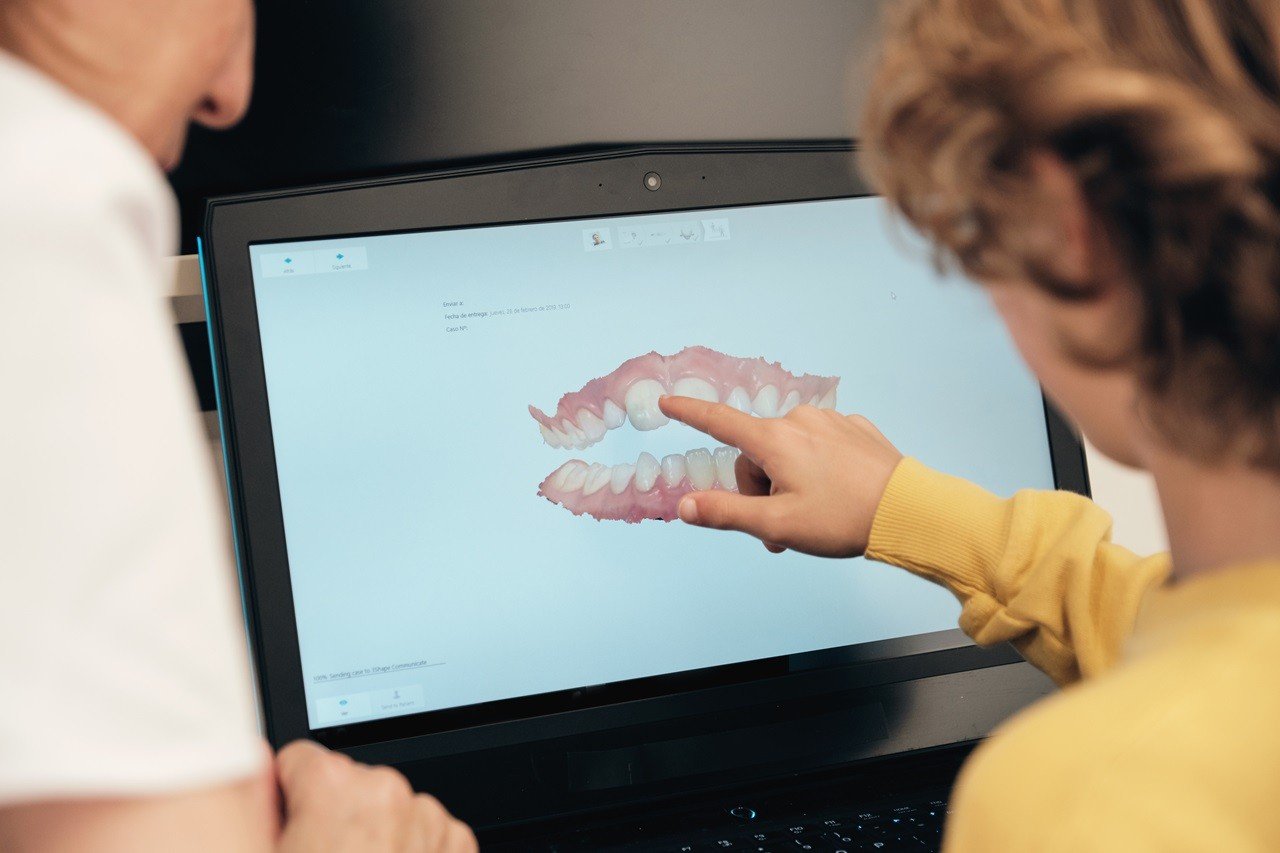
Digital impressions are transforming the way dental professionals create accurate and efficient models of patients’ teeth. These innovative tools have largely replaced traditional molds, enhancing both the speed and precision of dental procedures. Whether it’s for creating crowns, bridges, or planning for dental implants, digital impressions have revolutionized the dental landscape.
Traditionally, obtaining an impression involved filling a tray with a putty-like material and pressing it over the patient’s teeth. This method often led to discomfort and occasional inaccuracies. With the advent of digital impressions using intraoral scanning technology, these issues are now a thing of the past. Digital scans capture detailed, three-dimensional images of the teeth and gums, providing a clearer and more precise blueprint for dental treatments.
This shift to digital enhances patient comfort while also streamlining various dental procedures. By understanding the evolution, benefits, and applications of digital impressions, you can appreciate how they’ve become a fundamental part of modern dentistry.
The Evolution of Digital Impressions in Dentistry
Digital impressions have revolutionized the field of dentistry, improving accuracy and patient comfort. Traditionally, dental impressions were taken using trays filled with putty-like material, which many patients found uncomfortable and messy. The process could be time-consuming and often required multiple attempts to get a perfect mold. This method also left room for human error, which could lead to less accurate models and potentially ill-fitting dental restorations.
With the advent of digital impressions, also known as iOS-Intraoral Surface Scans, we now have a more precise and efficient alternative. Using advanced scanning technology, these digital impressions capture detailed images of your teeth and gums, creating a highly accurate 3D model. This method eliminates the discomfort associated with traditional impressions and significantly speeds up the process. The digital data is instantly available for review, allowing for quicker diagnosis and treatment planning.
The shift towards digital impressions has enhanced the accuracy of dental procedures and improved the overall patient experience. By reducing the time spent in the dental chair and eliminating the need for messy impression materials, digital technology offers a more patient-friendly approach. This evolution has paved the way for better outcomes in various dental treatments, from simple crowns to complex dental implant procedures.
Key Benefits of Digital Impressions (iOS-Intraoral Surface Scan)
Digital impressions offer several key benefits that make them a preferred choice in modern dentistry. Here are some of the most significant advantages:
1. Increased Accuracy: Digital impressions provide highly accurate 3D images of your teeth and gums. This precision ensures that dental restorations, such as crowns, bridges, and implants, fit perfectly, reducing the need for adjustments and rework.
2. Enhanced Comfort: The traditional method of taking dental impressions with trays and putty can be uncomfortable and even gag-inducing for some patients. Digital impressions eliminate this discomfort, as the scanner simply glides over your teeth without any intrusive materials.
3. Time Efficiency: The digital process is much faster than traditional methods. The scans can be completed in a matter of minutes, and the digital files are instantly available for the dental lab, speeding up the entire treatment timeline.
4. Real-Time Visualization: Digital impressions allow us to visualize the scanned area in real time. This immediate feedback helps in making necessary adjustments on the spot, ensuring a more accurate and efficient planning process for treatments.
5. Environmentally Friendly: Digital impressions reduce the need for physical materials and shipping, making them a more environmentally friendly option. The elimination of impression trays, putties, and plaster models reduces waste and minimizes the environmental impact of dental procedures.
These benefits underscore why digital impressions are becoming a staple in dental practices. They enhance the quality of care while providing a more comfortable and efficient experience for patients. By utilizing this advanced technology, we can offer better diagnostic capabilities and more precise treatment outcomes, ultimately leading to improved oral health for our patients.
Applications of Digital Impressions in Various Dental Procedures
Digital impressions are increasingly being used in a wide range of dental procedures due to their accuracy and efficiency. Here are some key applications:
1. Crown and Bridge Restorations: Digital impressions provide highly detailed 3D models, which are essential for creating perfect-fitting crowns and bridges. This precision ensures that the restorations align well with the surrounding teeth, improving both function and aesthetics.
2. Dental Implants: For dental implants in Seattle, digital impressions help in planning the exact placement of implants. The accurate models allow for better visualization and more effective navigated implant placement, leading to improved outcomes and reduced complications.
3. Orthodontics: Digital impressions are widely used in orthodontic treatments, such as the design of clear aligners like Invisalign. The detailed scans help in creating custom aligners that fit snugly over the teeth, facilitating efficient and effective teeth movement.
4. Inlays and Onlays: These restorations benefit greatly from the precision of digital impressions. Accurate models ensure that the inlays and onlays fit perfectly, reducing the need for multiple adjustments.
5. Veneers: Digital impressions are also integral in the design and placement of veneers. They allow for precise mapping of the teeth’s surface, ensuring that the veneers fit well and provide a natural look.
6. Gum Grafting Procedures: For procedures like gum grafting around implants or for cosmetic purposes, digital impressions help in planning the graft accurately. This aids in achieving better results with minimized risk of errors.
By leveraging digital impressions in these varied applications, we can offer more accurate and patient-friendly dental procedures. The technology’s versatility underscores its importance in modern dentistry, enhancing both the efficiency and effectiveness of treatment plans.
Preparing for Your First Digital Impression: What to Expect
Stepping into a dental office for your first digital impression can be an unfamiliar experience, but knowing what to expect can make it more comfortable for you. Here’s a step-by-step guide on how the process typically unfolds:
1. Initial Consultation: During the initial consultation, we will discuss your dental needs and determine if digital impressions are suitable for your required treatment. This session often involves a comprehensive examination and the use of three-dimensional imaging (CBCT) to gather detailed information about your oral structure.
2. Preparation: On the day of the digital impression, we will ensure that your teeth are clean. Sometimes, a quick polish is done to remove any debris that might interfere with the scanning. Unlike traditional impressions, there’s no need for trays filled with putty-like material, making the process more pleasant.
3. The Scanning Process: The actual digital impression involves using an intraoral scanner. We will guide the scanner around your mouth to capture high-resolution images of your teeth and gums. The scanner is typically small and comfortable, and the process is quick, taking only a few minutes per arch. You might see the images being created in real-time on a nearby screen.
4. Review and Planning: Once the scanning is complete, we will review the digital images with you. These highly accurate models allow for immediate adjustments if necessary. The digital files are then used to plan your treatment, whether it’s for a crown, bridge, dental implant, or other procedures.
5. Aftercare and Follow-ups: There’s no special aftercare needed following a digital impression. You can resume your normal activities immediately. The subsequent steps depend on your specific treatment plan, and we will schedule follow-ups to continue with your dental procedure.
Being prepared mentally and understanding each step can make your experience with digital impressions smooth and straightforward. This modern approach improves accuracy and enhances your overall comfort and satisfaction.
Exploring the Advantages of Digital Technology for Dental Impressions
Digital impressions have transformed the landscape of dentistry, offering more precise, efficient, and comfortable alternatives to traditional methods. From facilitating the accurate placement of dental implants to improving the fit and aesthetics of crowns and bridges, digital impressions play a crucial role in various dental procedures. Understanding their benefits and applications can help you appreciate the advancements in dental technology that contribute to better treatment outcomes.
At Sound Surgical Arts, we pride ourselves on utilizing cutting-edge technologies like digital impressions in Tacoma, WA, to provide the highest standard of care. If you’re considering dental work and want to experience the advantages of digital impressions, contact us today to schedule your consultation. We’re here to help you achieve a healthier, more confident smile with the latest in dental advancements!