
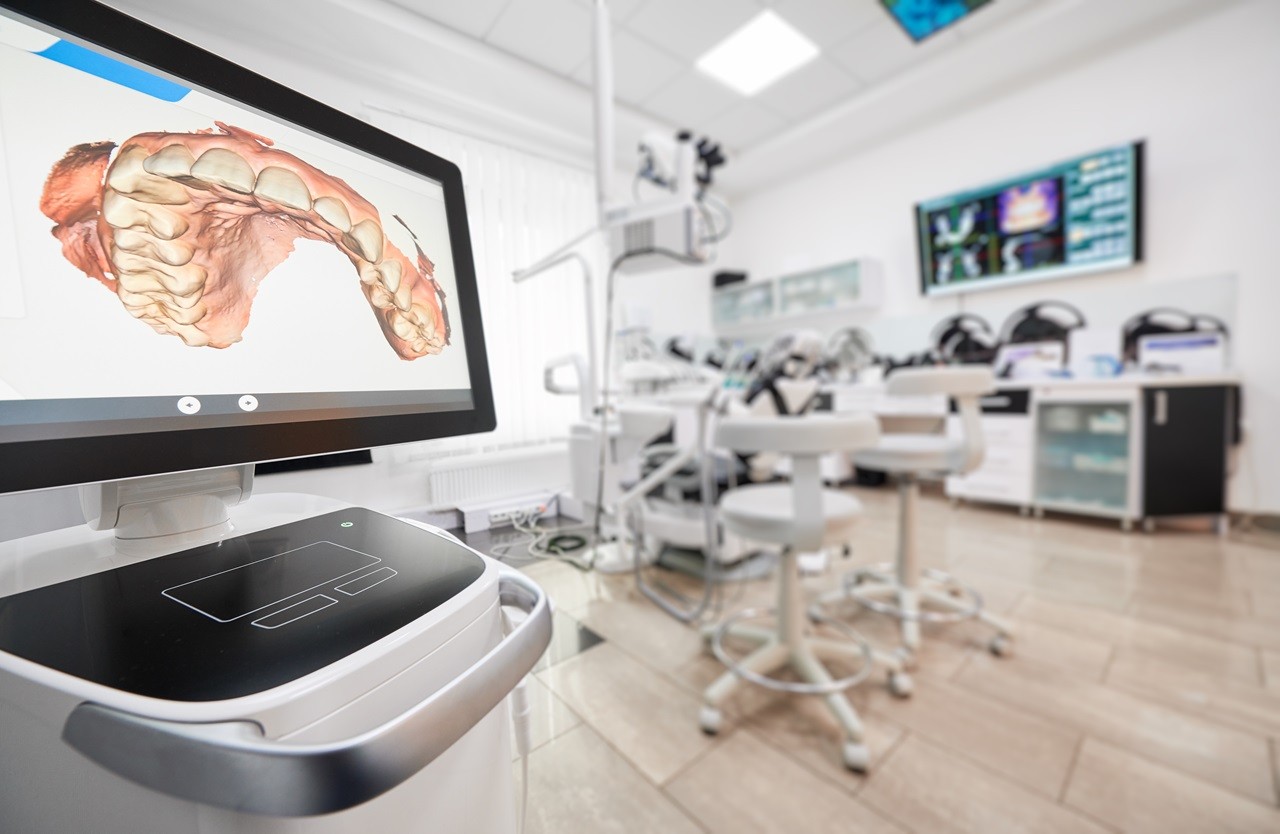
In the ever-evolving world of dentistry, digital technology plays a pivotal role in enhancing treatment processes and outcomes for patients. Among the significant advancements, digital impressions stand out as a revolutionary tool that has transformed the way we approach dental treatments. Unlike the traditional methods that often involved bulky trays and unpleasant tasting impression materials, digital impressions employ advanced imaging technologies to capture precise dental structures in a comfortable, efficient manner.
We have embraced this technology because it not only streamlines the workflow in our practice but also significantly improves the patient experience. Digital impressions are quickly becoming a standard in dental practices, particularly in procedures requiring high precision such as implant placement and orthodontics. This introduction to digital impressions in our practice has allowed us to provide treatments that are not only faster and more efficient but also more comfortable and accurate, ensuring that our patients receive the best care possible. As we continue to explore the capabilities and benefits of digital impressions, we are excited to share how this technology is a game-changer in dental care.
What Are Digital Impressions and How Do They Work?
Digital impressions represent a significant forward leap in dental technology, providing a sophisticated method of capturing a precise, digital map of the teeth and gums. Employing advanced devices like intraoral scanners, we are now capable of creating detailed 3D digital images in minutes. These digital tools come outfitted with compact wand devices that can be easily moved around inside a patient’s mouth, capturing thousands of frames per second, which are then compiled into an exact 3D model of the oral cavity.
The procedure begins with preparing the patient’s mouth by lightly dusting a special powder if necessary, which enhances the accuracy of the scanning process. Our skilled practitioners then use the scanner’s wand to capture images of the teeth and gums. This process is not only faster than traditional impressions but also far more comfortable for the patient, as it eliminates the need for physical molds that can cause gag reflexes and discomfort. Moreover, the immediate availability of data streamlines the subsequent diagnostic and treatment planning stages, enhancing overall treatment efficiency.
Key Advantages of Using Digital Impressions in Dentistry
The integration of digital impressions in dental practices offers a multitude of advantages over traditional methods. Firstly, digital impressions provide unparalleled accuracy. The high-resolution images help in creating restorations and dental appliances that offer a superior fit, reducing the possibility of patient discomfort and adjustment visits. This accuracy is pivotal especially when designing intricate structures like dental implants or complex orthodontic treatments.
Secondly, digital impressions contribute significantly to patient comfort. The quick and non-invasive nature of digital scanning eliminates the need for the uncomfortable trays and putty used in conventional impressions. This aspect is particularly beneficial for patients who experience anxiety or gag reflex issues during dental procedures. Additionally, the efficiency of digital impressions allows for quicker appointment times, meaning less time in the dental chair and more time enjoying a healthier smile.
Enhancing operational efficiency is another critical advantage. Digital files can be easily stored and organized, simplifying record-keeping and reducing physical storage needs. These digital models can be shared instantly with labs or other dental specialists, speeding up the collaboration process and reducing waiting periods for prosthetics or orthodontic devices. This seamless flow from diagnosis to treatment not only shortens the treatment timeline but also enhances the overall patient experience with more predictable and satisfactory outcomes.
Comparison: Traditional vs. Digital Impression Techniques
When we examine the progression from traditional to digital impression techniques, the contrasts in efficiency, accuracy, and patient comfort become starkly apparent. Traditional impressions, which use physical materials to create molds, can be messy, uncomfortable, and time-consuming. These methods often require the patient to endure cumbersome trays filled with impression material that can trigger gag reflexes. Furthermore, traditional molds can be subject to human error and various material instabilities, leading to inaccuracies in the final dental work.
In contrast, digital impressions streamline and refine the process. Utilizing advanced intraoral scanners, we can capture highly accurate and detailed three-dimensional images of a patient’s dental anatomy without discomfort. This method not only eliminates the physical discomfort associated with trays and putty but also significantly reduces the margin for error provided by the precision of digital technology. The data from digital impressions is directly usable in digital workflows, improving not only the speed but also the outcomes of treatments such as crowns, bridges, and veneers.
Future Trends in Digital Dental Technology
Looking forward, the realm of digital dental technology shows immense promise in advancing even further, enhancing how we cater to our patients’ dental needs. As we integrate more sophisticated digital tools, the potential for applications like artificial intelligence (AI) to aid in diagnosis and treatment planning is expansive. AI algorithms are being trained to analyze digital impressions and other dental data to predict treatment outcomes, recommend personalized treatment plans, and even automate some aspects of dental lab work.
Moreover, the integration of augmented reality (AR) in dental practices, especially in orthodontics and surgery, will likely enhance the precision and effectiveness of procedures. AR could enable us to project digital treatment simulations onto patients’ actual anatomical structures, providing a new level of interactive and accurate treatment planning. These advancements will further our mission to deliver minimally invasive, patient-tailored care that emphasizes comfort and results.
As technology evolves, so does the scope of what we can offer at Sound Surgical Arts. Our commitment to embracing state-of-the-art dental technology ensures that our patients not only receive the most modern care possible but also benefit from the increasingly personalized and efficient dental experiences.
We invite you to discuss how our advanced dental technologies can benefit your treatment and offer you the best way forward for your dental health. Ready to upgrade your dental experience with digital impressions in Gig Harbor? Contact us today at Sound Surgical Arts for a consultation to explore the cutting-edge options available for your dental care needs.