
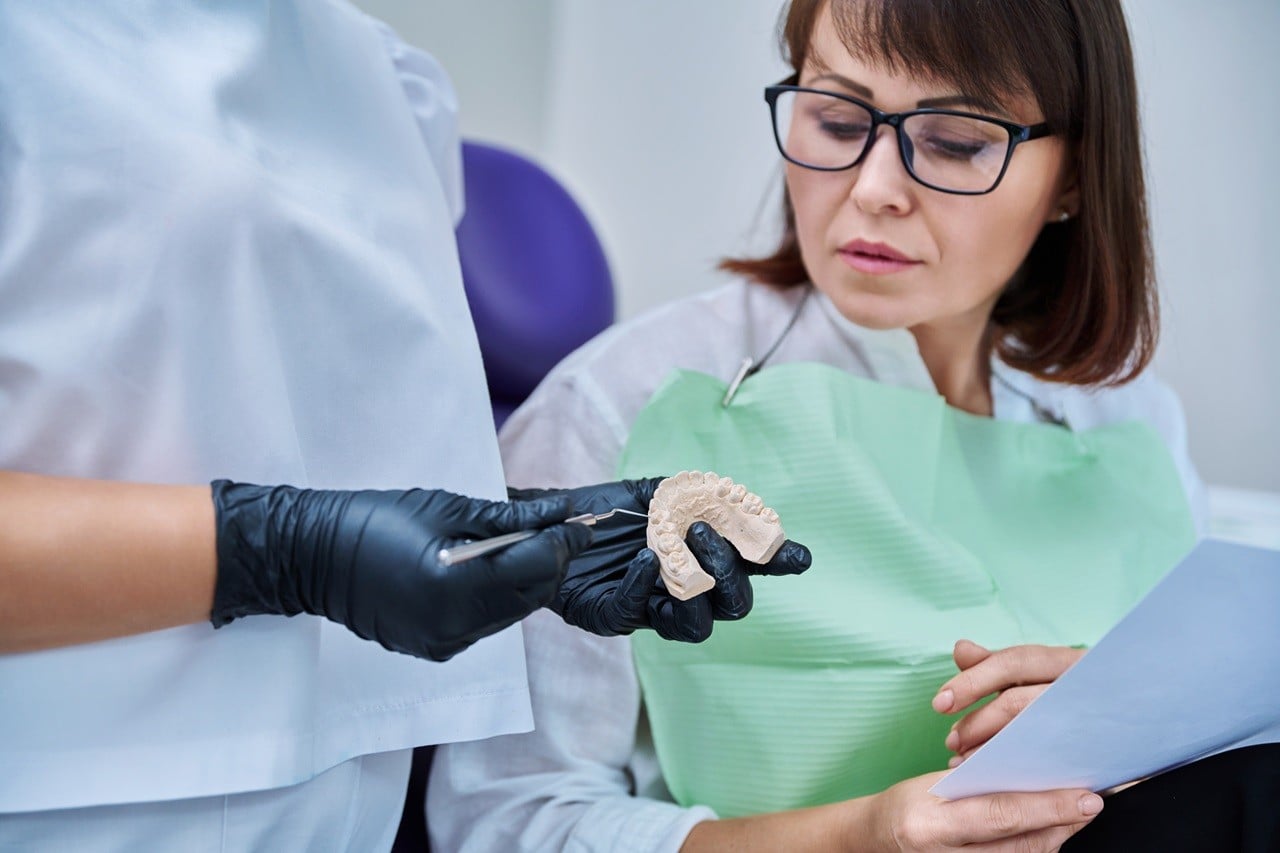
Dental implant procedures have revolutionized the approach to restoring missing teeth, offering solutions that not only mimic but often surpass the functionality of natural teeth. A pivotal element in the success of these implants is bone grafting, a procedure that provides a firm anchor for the implants themselves. In our practice, we frequently employ bone grafting to prepare patients whose jawbones are not adequately prepared to support dental implants due to various reasons such as bone loss from gum disease, injury, or previous tooth extractions.
Understanding the intricate relationship between bone grafting and dental implants is essential for anyone considering this advanced dental treatment. The process involves using bone from the patient’s own body or a biocompatible material to augment the jawbone. This step is crucial because a robust bone structure is necessary not only for the stability of the implants but also for their longevity and functionality. By reinforcing the jawbone, bone grafting ensures that the dental implants will be as secure and effective as possible, thus enhancing the overall outcome of the dental restoration procedure. This foundational preparation helps us achieve our goal of restoring not just the aesthetics of your smile, but its functionality, giving you back your confidence and quality of life.
The Role of Bone Grafting in Dental Implantology
Bone grafting plays a pivotal role in the field of dental implantology, particularly when the natural jawbone isn’t adequate to support dental implants. The essence of a successful implant lies in its foundation, similar to how a strong building requires a robust base. Many of our patients come to us with concerns about bone loss due to various reasons such as periodontal disease, trauma, or long-term tooth loss. In these cases, bone grafting becomes essential to facilitate the implant process.
This procedure involves adding bone or bone-like materials to the jaw to regenerate lost bone mass. It not only provides structural support for the implant but also stimulates new bone growth around it, which is crucial for the long-term stability and functionality of the implant. By enhancing bone density and volume, we ensure that implants are as secure and durable as natural teeth, giving our patients a major boost in confidence and quality of life.
Types of Bone Grafts Used in Implant Surgery
Within our practice, several types of bone grafts are utilized to cater to the specific needs of each patient. The choice of graft typically depends on the extent of bone loss and the particular characteristics of the patient’s jaw. Autografts, or autologous bone, is taken from the patient’s own body, often harvested from areas like the chin or hip. This type is highly effective due to its biocompatibility and growth factor content, which significantly aids the healing process.
Allografts are another common type, sourced from a donor, processed to ensure safety and sterility. These grafts are beneficial for patients who prefer not to undergo additional surgeries for bone harvesting. Synthetic options, composed of biocompatible materials that mimic the properties of real bone, are also employed, especially in patients with conditions that limit the use of natural bone. Each of these graft types has unique advantages, and our approach is to tailor the selection to each patient’s needs, ensuring the graft supports the implant effectively and promotes optimal integration with the jawbone.
Key Benefits of Bone Grafting for Implant Success
Bone grafting is more than just a preparatory procedure for dental implants; it’s a transformative approach that significantly enhances the success rate of implants. One of the primary benefits of bone grafting is its ability to provide a stable and robust foundation for implants. This stability is crucial for the long-term durability and functionality of the implants, mimicking the natural strength of original teeth. Furthermore, grafting helps in maintaining jawbone structure, preventing the bone deterioration that often occurs with tooth loss.
Additionally, bone grafting can improve the aesthetic outcome of dental implants. By restoring the natural contour of the jawline, implants look and feel more like natural teeth, boosting the confidence of our patients. Also, the grafting material stimulates natural bone growth around the implant site, which not only supports the current implant but also preserves the bone health for future interventions if necessary. This benefit is pivotal in preventing further dental issues and contributes to overall oral health.
Post-Procedure Care After Bone Grafting
After a bone grafting procedure, optimum care is crucial to ensure the success of both the graft and the future dental implants. Immediate post-procedure care involves managing minor discomfort, swelling, and ensuring the surgical site remains clean to prevent infection. We provide detailed instructions tailored to each patient’s specific needs, including recommended medications and mouth rinses that promote healing.
Long-term care involves regular check-ups to monitor the integration of the graft with the natural bone and to ensure there are no complications. We counsel our patients on maintaining good oral hygiene practices, which are vital in preserving both natural teeth and dental implants. Special attention is given to habits such as smoking or certain eating habits, which can adversely affect the healing process. Adhering to these care protocols is essential for achieving the best outcomes and ensuring the longevity of dental repairs and enhancements.
As we continue to embrace advanced techniques in dental surgery and care, it’s clear that bone grafting plays a crucial role in implantology. By providing a secure foundation, enhancing aesthetic results, and ensuring long-term oral health, bone grafting stands out as a critical procedure. If you’re considering dental implants, or if you require further information on how bone grafting in Gig Harbor can benefit you, we invite you to contact us at Sound Surgical Arts. Let’s work together to restore your smile and boost your confidence with the latest in dental technology and care.