
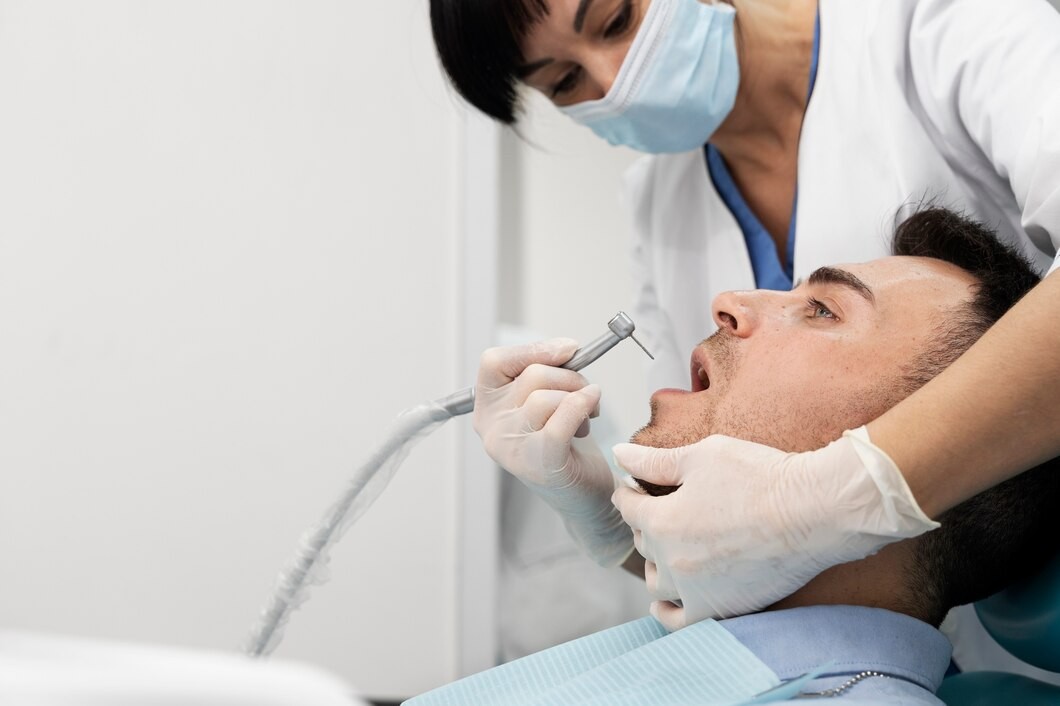
Periodontics is a specialized field of dentistry focused on the prevention, diagnosis, and treatment of gum-related diseases and conditions. A vital component of comprehensive oral health care, periodontics plays a significant role in maintaining the health of your gums and the supporting structures of your teeth. Our dental professionals specialize in various services, including dental implants, emergency dental care, periodontics, oral surgery, and maxillofacial surgery, ensuring a diversified and informed approach to your oral health needs.
This informative article will take a deep dive into the realm of periodontics, discussing the importance of maintaining healthy gums, the range of periodontal treatment options available, and the benefits these procedures offer in combatting gum disease. Understanding periodontics can empower individuals to make educated decisions regarding their oral health care, ultimately promoting healthy gums and supporting a strong and beautiful smile.
The Importance of Periodontal Health: Gums as the Foundation
Healthy gums are crucial for maintaining the overall wellness of your teeth and supporting structures. Neglecting gum health can lead to a variety of complications, including tooth loss and systemic health issues. Consider the following reasons why periodontal health matters:
- Tooth Stability: Healthy gums firmly hold teeth in place, providing the necessary stability for normal functions such as chewing and speaking.
- Prevention of Gum Disease: Taking care of your gums helps prevent gingivitis and periodontitis, two common forms of gum disease that could lead to more severe oral health problems.
- Overall Health: Numerous studies indicate a connection between gum disease and systemic health conditions, such as heart disease, diabetes, and respiratory infections.
Types of Periodontal Treatments: Achieving Healthy Gums and a Strong Smile
Depending on the specific gum-related issues, a variety of periodontal treatments are available to address and manage gum health effectively. Let’s explore some common procedures:
- Scaling and Root Planing: This deep cleaning procedure involves removing plaque and tartar buildup from the tooth’s surface and beneath the gum line, smoothing the root surfaces to promote healing and prevent bacteria from re-colonizing.
- Gum Graft Surgery: Exposed tooth roots caused by gum recession can be treated with gum graft surgery, where healthy gum tissue from another part of the mouth is transplanted to the affected area, protecting the roots and enhancing aesthetics.
- Periodontal Surgery: When non-surgical treatments are insufficient, periodontal surgery may be necessary to access and clean deep pockets of bacteria, reduce inflammation, and promote regeneration of lost gum and bone tissue.
- Dental Implants: For patients with missing teeth due to gum disease, dental implants provide a permanent and stable tooth replacement solution that also helps prevent further bone loss.
Detecting Gum Disease: Signs and Symptoms
Early detection and treatment of gum disease are crucial in preventing complications and maintaining oral health. Look out for these common signs and symptoms indicating a potential periodontal issue:
- Red, Swollen, or Bleeding Gums: Healthy gums are pink, firm, and should not bleed during routine brushing and flossing.
- Persistent Bad Breath: Chronic bad breath or a foul taste in the mouth, despite maintaining proper oral hygiene, can indicate the presence of gum disease.
- Loose or Shifting Teeth: Advanced gum disease can cause teeth to become loose or shift positions, a sign that the supporting gum structures are becoming damaged.
- Gum Recession: Gum recession, or the exposure of a tooth’s root, can result from the loss of gum tissue due to periodontal disease, leading to increased sensitivity and a higher risk of decay.
Preventative Measures: Keeping Gum Disease at Bay
Preventing gum disease is not only possible but also essential for maintaining optimal oral health. Consider implementing the following preventative measures:
- Oral Hygiene: Brush at least twice a day, floss daily, and use antibacterial mouthwash to eliminate harmful bacteria.
- Professional Cleanings: Schedule regular dental cleanings to remove plaque and tartar buildup, as well as receive a thorough periodontal evaluation.
- Balanced Diet: Consume a nutrient-rich diet low in sugar to strengthen your immune system and promote gum health.
- Tobacco and Alcohol Intake: Avoid tobacco products and excessive alcohol consumption, as they can increase the risk of gum disease.
In Conclusion
Periodontal health is an integral component of your overall oral well-being and should not be overlooked. Understanding the importance of periodontics, the range of treatments available, and the necessary steps to prevent gum disease can empower you to take charge of your oral health and maintain a strong, healthy smile. By prioritizing periodontal care, you can ensure a lifetime of excellent gum health and support your teeth and their surrounding structures.
For expert guidance on periodontal wellness and access to a comprehensive range of periodontal treatments, please contact our dedicated team of dental professionals at Sound Surgical Arts. We are committed to providing you with the highest quality care to help you maintain healthy gums and enjoy an exceptional oral health experience with our gum disease services and more.