
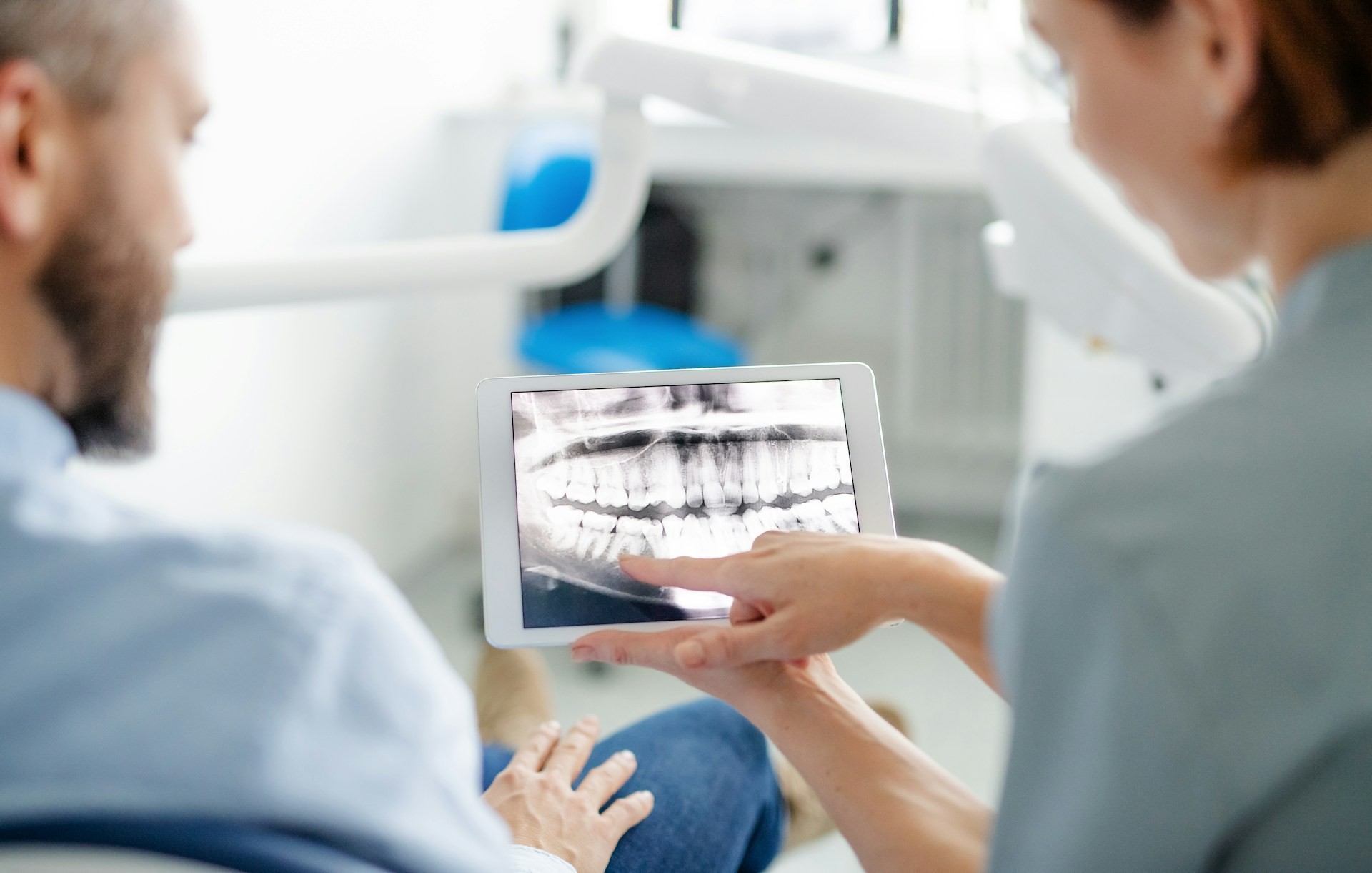
Dental trauma, which refers to any injury to the teeth, gums, or surrounding oral structures, is a prevalent issue that can occur due to accidents, sports injuries, or other unexpected events. While dental trauma may vary from mild to severe, prompt and appropriate treatment is crucial in promoting optimal healing, preserving oral health, and minimizing the risk of complications. As dental professionals at Sound Surgical Arts (Tacoma, WA) in Tacoma, WA, our top priority is to provide you with the highest quality care, utilizing the latest techniques and technology to address your dental trauma and restore your beautiful smile.
In this informative article, we’ll discuss various types of dental trauma, their consequences, and the tailored treatment options available at Sound Surgical Arts (Tacoma, WA). We understand that addressing dental trauma can often be stressful and intimidating; thus, we aim to educate and empower our patients to make informed decisions regarding their oral health. Our talented and compassionate team will guide you every step of the way and ensure your comfort and well-being during your dental trauma treatment at our state-of-the-art facility.
Types of Dental Trauma
Dental trauma refers to a wide range of injuries that can affect the teeth, gums, and other supportive oral structures. Some common types of dental trauma include:
1. Chipped or Fractured Teeth: A chipped or broken tooth may occur due to biting hard foods or objects, accidents, or injuries during sports. The extent of the damage determines the necessary treatment, which may range from dental bonding to dental crowns or root canal therapy.
2. Dislodged (Luxated) Teeth: A traumatic event can cause a tooth to become displaced, either partially out of the socket or pushed deeper into the jawbone. Immediate intervention is crucial in such cases to reposition and stabilize the affected tooth to prevent further complications.
3. Avulsed (Knocked-out) Teeth: One of the most severe forms of dental trauma, a knocked-out tooth requires immediate attention to increase the likelihood of successful reimplantation. It’s essential to store the tooth in a suitable medium, such as milk or a tooth preservation kit, and visit our clinic without delay.
4. Root Fractures: Root fractures often occur due to direct impact and can vary in severity. Treatment depends on the fracture’s location and extent and may involve bonding, splinting, or even extraction and tooth replacement.
5. Injuries to Soft Tissues: Dental trauma may also involve damage to the gums, lips, cheeks, or tongue. Wounds may require sutures and proper care to ensure proper healing and prevent infections.
Consequences of Dental Trauma
Left untreated or improperly managed, dental trauma can lead to more severe oral health problems, including:
1. Infections: Damaged teeth or soft tissues may become vulnerable to bacterial infections and require immediate treatment to prevent their spread.
2. Tooth Loss: Dislodged or avulsed teeth can result in tooth loss if not treated appropriately and promptly.
3. Altered Oral Function: Untreated dental trauma can cause difficulty in speaking, eating, and maintaining proper oral hygiene.
4. Changes to Facial Appearance: Severe dental trauma can lead to visible changes in facial appearance, such as misaligned teeth or bone structure.
Treatment Options for Dental Trauma
At Sound Surgical Arts (Tacoma, WA), we offer a wide range of treatment options to address dental trauma effectively:
1. Dental Bonding: If a tooth is chipped or cracked, dental bonding can restore its shape and function with a tooth-colored composite resin material.
2. Dental Crowns: In cases where a tooth is fractured or weak, a dental crown can cover and protect the tooth, ensuring full restoration of its function and esthetics.
3. Root Canal Therapy: When dental trauma affects the tooth’s nerve, a root canal treatment may be necessary to preserve the tooth structure and prevent extraction.
4. Implants and Prosthodontics: For teeth that cannot be saved, dental implants or other tooth replacement solutions can provide excellent long-term options for restoring function and appearance.
5. Soft Tissue Management: Depending on the extent of injuries to the soft tissues, sutures and specialized wound care may be necessary to promote proper healing and reduce the risk of infection.
Preventing Dental Trauma
Although it is impossible to predict or prevent all instances of dental trauma, some preventive measures can minimize the risk:
1. Wear mouthguards during sports activities.
2. Implement proper precautions while engaging in high-risk activities.
3. Maintain routine dental checkups to address any underlying oral health issues that may increase the risk of dental trauma.
Conclusion
Dealing with dental trauma can be a challenging and anxiety-inducing experience. At Sound Surgical Arts (Tacoma, WA), we prioritize your comfort and well-being while providing skilled and compassionate care to address your dental trauma efficiently and effectively.
If you or a loved one is experiencing dental trauma, don’t hesitate; contact Sound Surgical Arts (Tacoma, WA) today to schedule an appointment and begin your journey toward restored oral health and a confident smile.