
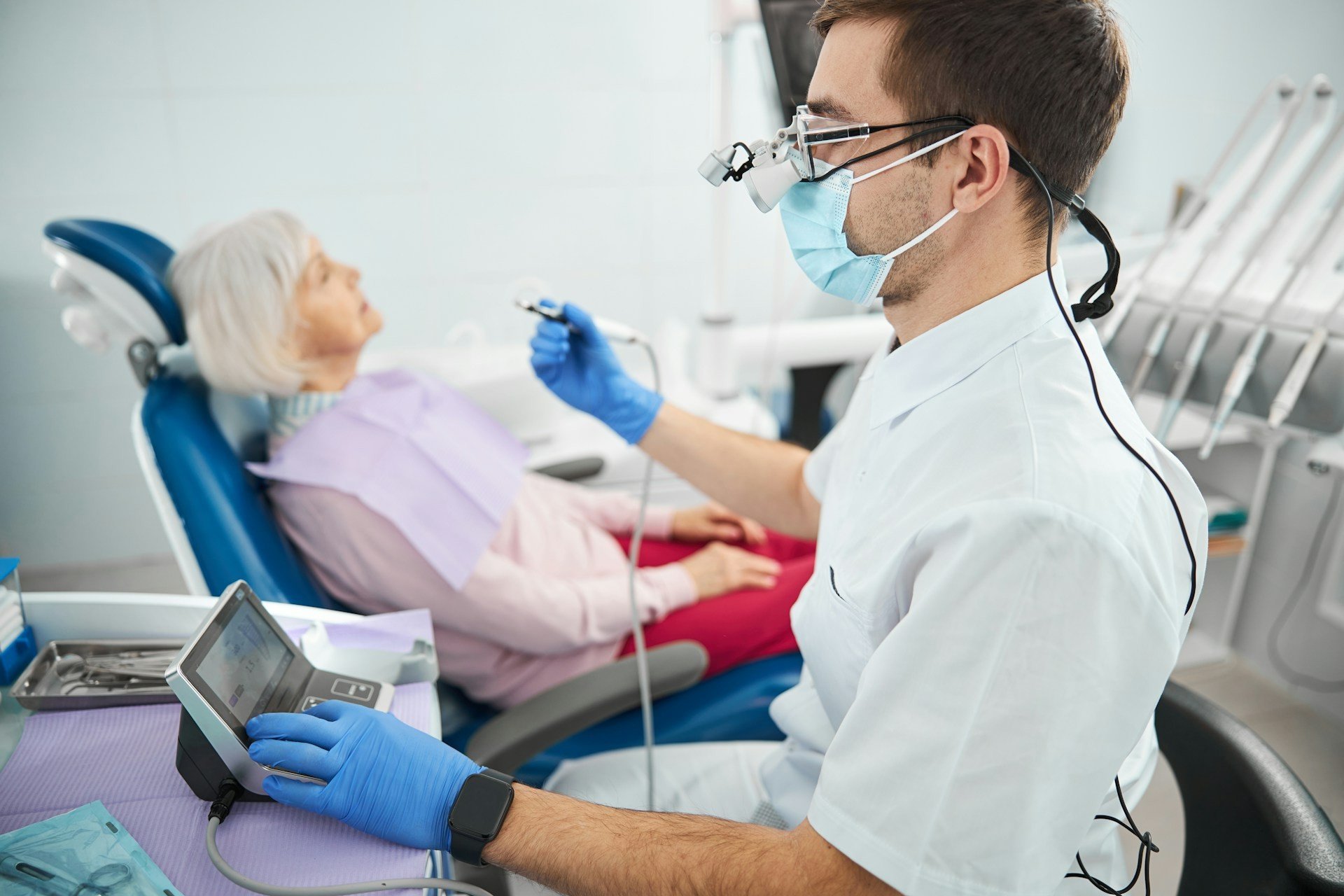
Reconstructive surgery is a specialized area of dental care that focuses on repairing and restoring dental function and appearance. Whether it’s addressing congenital defects, damage caused by trauma, or the aftermath of disease, reconstructive surgery can play a significant role in restoring patients’ dental health and overall well-being.
In this article, we will explore reconstructive surgery, including its goals of improving function, aesthetics, and oral health. We’ll discuss common procedures like dental implants, bone grafts, maxillofacial surgery, soft tissue grafts, and their applications and benefits. Additionally, we’ll provide advice on selecting an experienced reconstructive dental surgeon and outline the process from consultation to post-operative care.
At Sound Surgical Arts, our team of dental professionals is committed to providing expert reconstructive dental care that caters to each patient’s unique circumstances. Through personalized treatment plans and a dedication to patient comfort, our team strives to deliver unparalleled service and superior results.
The Goal of Reconstructive Surgery
The primary goal of reconstructive dental surgery is to restore dental function, appearance, and oral health for patients experiencing damage, defects, or disease-related complications. By addressing these issues, reconstructive surgery can have a profound impact on patient’s lives, including:
1. Restored or improved chewing and speech abilities
2. Enhanced oral health and prevention of further dental complications
3. Reinforced self-confidence through heightened dental aesthetics
4. Alleviation of pain or discomfort related to dental issues
Through individualized treatment plans and expert dental care, reconstructive surgery can help patients regain a healthy and functional oral foundation.
Common Types of Reconstructive Surgery Procedures
There are numerous reconstructive dental procedures available to address a wide range of issues, including:
1. Dental Implants: Used to replace missing teeth, dental implants consist of a titanium post that is surgically inserted into the jawbone and a custom-made dental crown to mimic the appearance of a natural tooth. Dental implants offer a permanent, comfortable, and aesthetically pleasing solution for tooth replacement.
2. Bone Grafting: For patients lacking sufficient bone density for dental implants or other reconstructive procedures, bone grafting can help build up the jawbone and create the necessary support for successful dental treatment.
3. Maxillofacial Surgery: This specialization includes corrective jaw surgery, addressing issues related to jaw misalignment, TMJ disorders, and facial reconstruction following trauma or disease.
4. Soft Tissue Grafts: In cases of gum recession, soft tissue grafts can be used to restore and reinforce gum tissue, protecting the roots of teeth and reducing the risk of tooth sensitivity, decay, or loss.
Factors to Consider When Choosing a Reconstructive Dental Surgeon
Selecting a qualified reconstructive dental surgeon is essential for achieving optimal results and ensuring a comfortable, safe surgical experience. Consider the following factors when choosing a reconstructive dental professional:
1. Education and Experience: Look for a dental professional who has participated in specialized training related to reconstructive surgery and has ample experience performing the specific procedures you require.
2. Board Certification: A board-certified oral and maxillofacial surgeon or a dentist certified in prosthodontics is highly recommended for complex reconstructive procedures.
3. Consultation: Schedule a consultation with your prospective dental professional to discuss your needs, ask questions, and learn more about their treatment approach and philosophy.
4. Patient Testimonials: Seek testimonials or reviews from past patients to gauge the dental professional’s reputation and success rate.
5. Location and Facilities: Consider a dental practice that is conveniently located and offers a state-of-the-art facility to ensure the best possible treatment experience.
The Process of Dental Reconstruction
Reconstructive dental surgery typically involves several stages, each critical for ensuring optimal outcomes:
1. Consultation and Diagnosis: Your dental professional will conduct a thorough evaluation of your oral health, including x-rays or 3D imaging, to determine the most appropriate course of action for your situation.
2. Treatment Planning: The dental professional will develop a personalized plan outlining the specific procedures, timeline, and potential costs involved in your reconstructive dental treatment.
3. Pre-Operative Preparations: Preparations may include dental impressions, pre-surgical imaging, and obtaining necessary materials, appliances, or medications in preparation for surgery.
4. Surgery and Post-Operative Care: Reconstructive dental procedures will be performed according to the treatment plan, and post-operative care will focus on proper pain management, healing, and oral hygiene.
5. Follow-up and Maintenance: Regular dental check-ups and any necessary ongoing treatment will help ensure the long-term success and maintenance of your reconstructive dental care.
The Impact of Reconstructive Procedures on Patients’ Lives
Reconstructive dental surgery has the power to transform patients’ lives, offering a multitude of benefits:
1. Improved Function: Patients often experience enhanced chewing, speaking, and overall oral function following reconstructive procedures.
2. Aesthetics: Reconstructive surgery can improve dental appearance and contribute to increased self-esteem and self-confidence.
3. Oral Health: By addressing damaged or missing teeth, bone loss, and other dental complications, reconstructive surgery can help prevent further issues and maintain a healthy oral foundation.
4. Quality of Life: The combined benefits of restored function, aesthetics, and oral health can contribute significantly to an improved overall quality of life for patients who undergo reconstructive dental procedures.
Conclusion
Reconstructive dental surgery plays an essential role in restoring dental function and ensuring optimal oral health for patients facing a variety of dental challenges. By understanding the various reconstructive procedures and their benefits, as well as selecting an experienced dental professional, patients are well-equipped to achieve a healthier, more confident smile. Contact Sound Surgical Arts to schedule a consultation and explore your reconstructive dental surgery options, like dental implants in Gig Harbor, taking the first steps toward a brighter, more functional smile.