
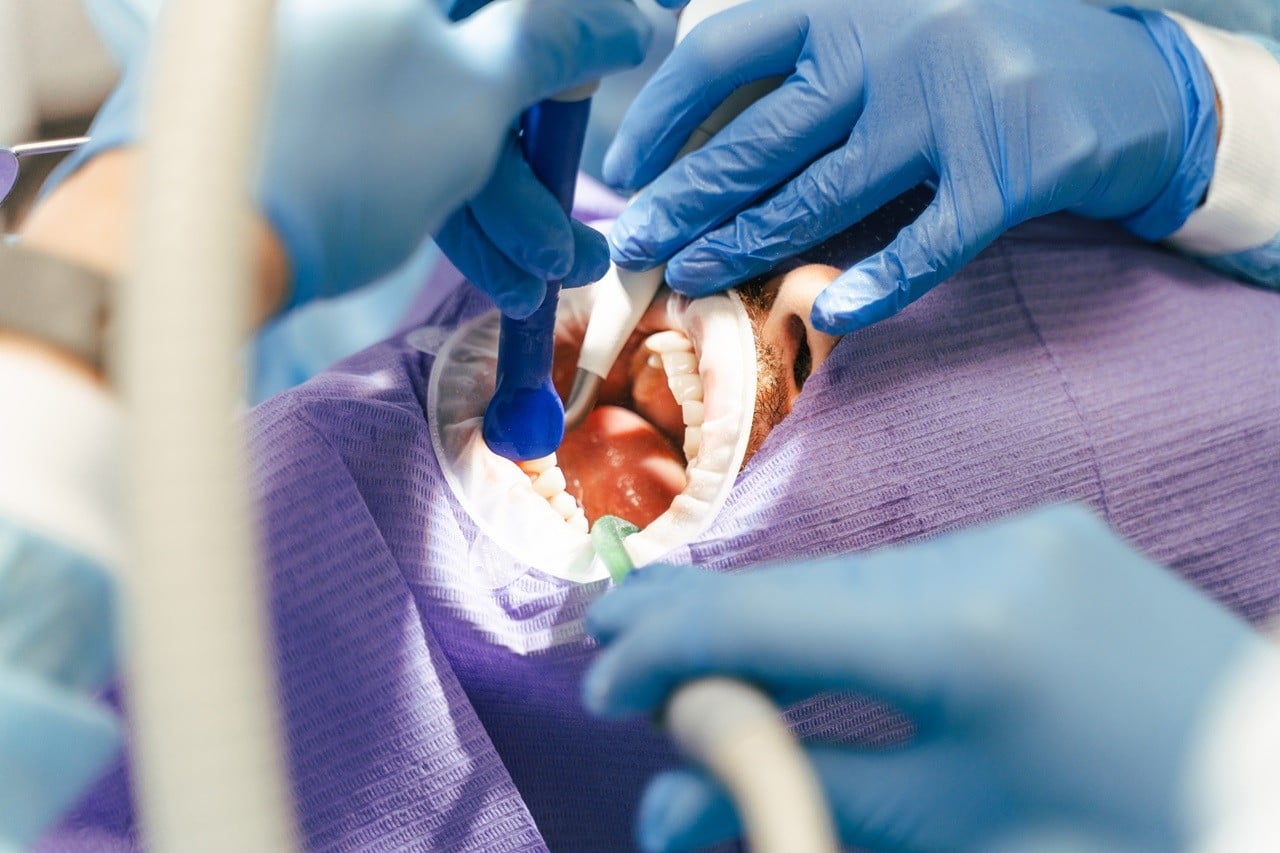
Oral surgery can seem daunting, but understanding the process can help ease some of your worries and ensure a smoother experience. Whether you need tooth extractions, dental implants, or other surgical procedures, proper preparation and post-operative care are vital. We believe that informed patients have better surgical outcomes and smoother recoveries, which is why we prioritize education at every step.
Preparing for oral surgery involves more than just showing up on the day of your appointment. There are important steps to take beforehand to ensure your procedure goes as smoothly as possible. This includes following dietary restrictions, arranging for transportation, and understanding what to expect during the surgery itself.
After the procedure, immediate care and long-term recovery practices are crucial. Knowing how to take care of your surgical site, what foods to eat, and when to contact your dentist for follow-up can make a significant difference in your healing process.
By following these guidelines, you can minimize discomfort, prevent complications, and ensure a faster, more effective recovery. Our goal is to equip you with the knowledge and tools needed to handle every phase of your oral surgery journey confidently.
Preparing for Oral Surgery: Steps to Take Before Your Procedure
Preparing for oral surgery can help ensure a smoother experience and a faster recovery. It’s crucial to follow certain steps before your procedure. First, make sure to discuss your medical history with us, including any medications you are taking. This information helps us plan your surgery and manage any potential risks. We may advise you to stop taking certain medications, such as blood thinners, to reduce the risk of excessive bleeding during the procedure.
Another important aspect of preparation is arranging transportation for the day of your surgery. Since anesthesia will likely be used, driving yourself home is not safe. Plan to have a friend or family member accompany you, so you have someone to support you immediately after the surgery. Additionally, stock up on soft foods like yogurt, soup, and applesauce, as you will need to follow a soft diet during the initial recovery period. It is also wise to create a comfortable recovery area at home with plenty of pillows and any prescribed medications within easy reach.
What Happens During Oral Surgery: An Overview
Understanding what happens during oral surgery can help ease any anxiety you may have about the procedure. On the day of your surgery, you will initially meet with your oral surgeon to go over any last-minute questions or concerns. We will also review your anesthesia options, as most oral surgeries require either local anesthesia, sedation, or general anesthesia to ensure your comfort throughout the procedure.
During the surgery, we will begin by administering the chosen form of anesthesia to make sure you are comfortable and pain-free. The specific steps of the surgery will depend on the type of procedure being performed. For example, if you’re having a dental implant placed, we will first make an incision in the gum to expose the bone. Then, we will drill a small hole in the bone where the titanium post will be inserted. The post will act as a root for your new tooth.
After the surgery is complete, we will close any incisions with stitches if needed. You will be monitored as the anesthesia wears off to ensure you are stable and comfortable. We will provide you with detailed post-operative instructions to help you manage pain and prevent complications as you begin the healing process.
Immediate Post-Operative Care: What to Do After Your Surgery
Taking proper care of yourself immediately after oral surgery is crucial for a smooth recovery. After the procedure, you will likely feel groggy and disoriented due to the effects of anesthesia. Rest is vital during this time. Make sure to keep your head elevated with pillows to reduce swelling and promote healing. Applying an ice pack to the affected area for 15 minutes at a time can help minimize swelling and discomfort.
Managing pain is another primary focus right after surgery. We will provide you with pain medications to ensure your comfort. Follow the prescribed dosage instructions carefully and avoid taking aspirin, as it can increase the risk of bleeding. It is also essential to maintain proper oral hygiene. Gently rinse your mouth with warm salt water, avoiding vigorous swishing or spitting, which can disturb blood clots and delay healing. Stick to a soft diet, consuming foods that are easy to chew and won’t irritate the surgical site.
Long-Term Recovery Tips and Expectations
Long-term recovery from oral surgery requires diligence and patience. While most immediate discomfort subsides within a few days, complete healing can take several weeks or even months, depending on the procedure. To ensure a smooth recovery, follow these tips. First, continue to avoid hard, crunchy, or spicy foods that could irritate the surgical site. Gradually reintroduce a more varied diet as you heal.
Maintaining follow-up appointments is crucial. We will monitor your healing progress and address any concerns during these visits. If you’ve had dental implants, we will check the integration of the implant with the bone. Keep an eye out for signs of complications, such as persistent pain, swelling, or unusual discharge, and report these to us immediately. Adhering to a good oral hygiene routine remains essential; use a soft-bristled toothbrush and be gentle around the surgical area.
Final Thoughts
Oral surgery, while intricate and sometimes daunting, offers the promise of enhanced oral and facial health. From preparation to post-operative care and long-term recovery, understanding each phase of the process can significantly improve your experience and results. By taking the right steps before, during, and after surgery, you contribute to a successful outcome. Maxillofacial surgery not only addresses immediate health concerns but also paves the way for a better quality of life.
At Sound Surgical Arts, we’re committed to guiding you through every step of your oral surgery journey. Our team is here to provide you with the expertise and care you need for a successful recovery. If you have any concerns or need further information, please reach out to us. Schedule your oral surgery consultation with Sound Surgical Arts today, and take the first step towards a healthier, more confident you.