
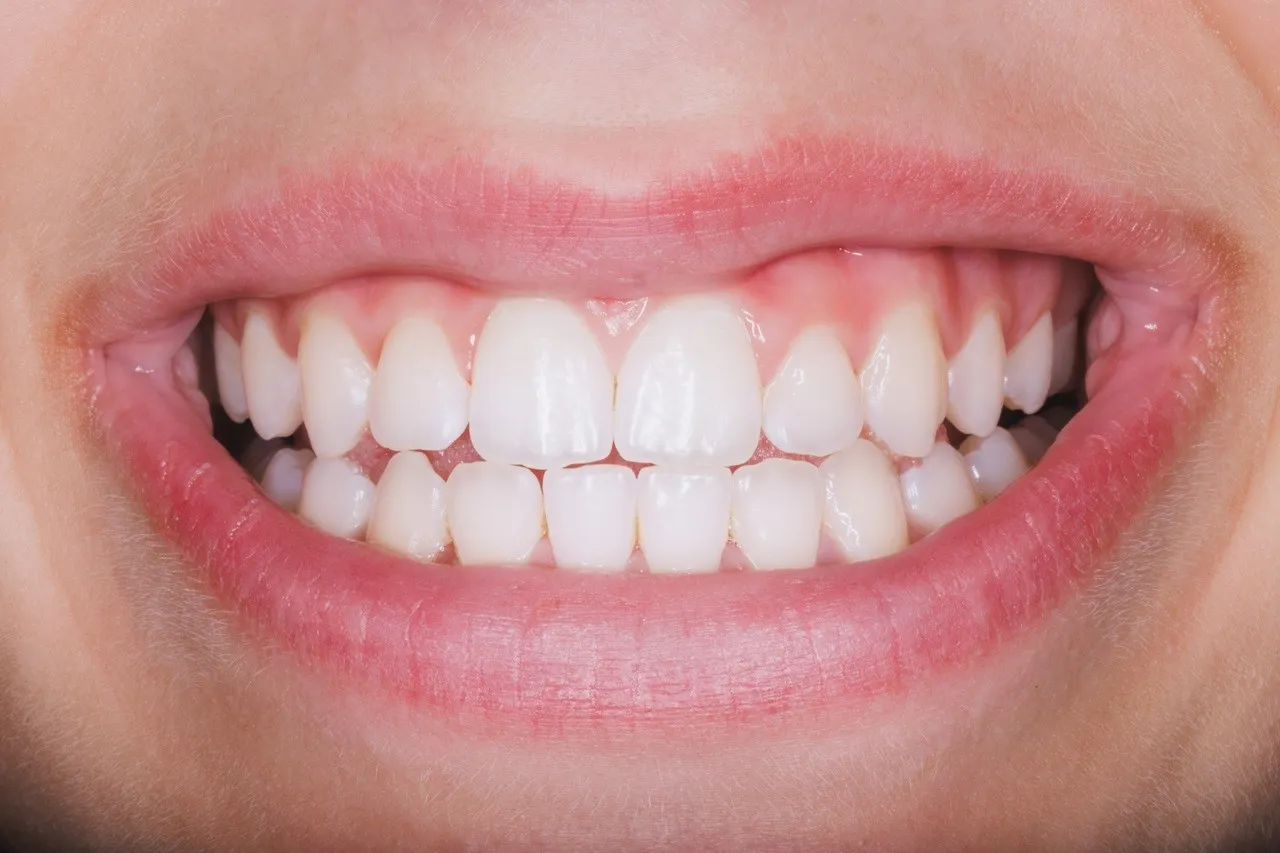
Gum health is foundational to overall dental wellness and the longevity of dental treatments such as bridges. In our ongoing commitment to providing top-tier dental care, we emphasize the importance of solid gum support for any dental appliance, particularly dental bridges. Gum grafting emerges as a pivotal procedure in cases where the natural gum tissue has receded or isn’t adequate to support the dental structure properly.
Gum recession can be caused by a variety of factors, including periodontal disease, aggressive brushing, or even genetic predisposition. When the gums recede, the roots of the teeth become exposed, which not only increases the risk for decay and sensitivity but can also lead to instability of dental bridges. This is where gum grafting comes into play. By transplanting healthy gum tissue to areas where the gums have receded, we can ensure that your dental bridges have the robust support they need. This not only enhances the function of the bridge but also improves the aesthetic appearance of your smile.
This introduction into the world of gum grafting for bridges sets the stage for a deeper exploration into why this procedure is beneficial, what types are available, how it is performed, and the lasting benefits it holds for your dental health. By understanding these elements, you’ll be better equipped to make informed decisions about your oral health needs and treatment options.
What Is Gum Grafting and Why Is It Needed for Dental Bridges?
Gum grafting is a surgical procedure that involves the transplantation of gum tissue to areas where it is absent or insufficient. This need typically arises when there has been significant gum recession which can expose tooth roots, potentially leading to decay, sensitivity, and even tooth loss. In the context of dental bridges, sufficient gum tissue is critical for supporting the pontics (the false teeth that fill the gap in a bridge) and the abutments (the natural teeth or implants that support the bridge).
For patients with insufficient gum tissue around the proposed bridge area, grafting ensures that the dental bridge has a strong foundation, thereby enhancing both functionality and aesthetic appearance. The presence of healthy, robust gum tissue around the bridge helps in distributing the biting pressure evenly, which is vital for the longevity and stability of the bridge. Furthermore, well-contoured gums contribute significantly to a natural-looking smile, making this procedure not only a necessity for oral health but also a desirable choice for cosmetic enhancements.
Types of Gum Grafts Used Around Dental Bridges
Various types of gum grafts are available, each tailored to address specific needs around dental bridges. The choice of graft typically depends on the extent of gum recession and the specific aesthetic and functional needs of the patient. Here are the most common types:
1. Connective Tissue Grafts: This is the most common type of graft used for treating root exposure. A flap of skin is cut at the roof of the mouth (palate) and tissue from under the flap, known as subepithelial connective tissue, is removed and then stitched to the gum area surrounding the bridge.
2. Free Gingival Grafts: Similar to connective tissue grafts, this method involves the direct extraction of a small strip of tissue from the palate. This type of graft is typically used when the aim is to increase the amount of thick gum tissue around a dental bridge.
3. Pedicle Grafts: In this technique, instead of taking tissue from the palate, a flap (pedicle) is partially cut away from the gum around or near the tooth needing repair. The flap is then pulled over or down to cover the exposed roots and sewn in place. This method is preferred when there is plenty of gum tissue near the tooth.
Each type of gum graft offers unique benefits and is chosen based on specific patient needs. Our expertise allows us to evaluate your particular situation and recommend the most effective grafting technique to support your dental bridge and improve your oral health.
Step-by-Step Process of Performing Gum Grafting for Bridges
Performing gum grafting is a meticulous process that we handle with the utmost care and precision to ensure the best outcomes for our patients. The procedure typically begins with a thorough consultation and examination to determine the specific needs of your gums and teeth. Here’s how we usually proceed:
First, we administer a local anesthetic to ensure comfort throughout the procedure. Once the area is numb, we select the appropriate type of gum graft—be it a connective tissue graft, free gingival graft, or a pedicle graft—depending on your specific dental scenario and gum condition.
For a connective tissue graft, a small flap is made in the roof of your mouth to remove some tissue from beneath it. This tissue is then stitched to the gum area around the bridge, covering any exposed roots and increasing gum tissue volume. The flap at the donor site is then stitched back up, usually healing without issue. In the case of a pedicle graft, the gum tissue near the bridge is partially cut and stretched over the area where it’s needed and then secured in place.
Throughout this process, we ensure that the graft integrates well with the surrounding tissues to promote optimal healing and functionality. This careful attention to technique and detail helps set the foundation for a successful recovery and lasting dental health.
Aftercare and Long-Term Benefits of Gum Grafting for Dental Bridges
After the gum grafting procedure, proper care is critical to ensure effective healing and to maximize the long-term benefits of the graft. Immediately following the surgery, it’s vital to keep the area clean yet undisturbed. We generally advise against brushing or flossing the grafted area until it has healed sufficiently. Instead, using an antimicrobial mouthwash can help prevent plaque buildup and infections.
We’ll schedule follow-up visits to monitor the healing process, making any necessary adjustments to your post-care regime. It’s also essential to avoid any actions that could put pressure on the new graft, such as chewing hard foods directly on it or engaging in activities that could impact the mouth until full healing has occurred.
The benefits of undergoing gum grafting for a dental bridge extend far beyond the immediate improvement of your dental architecture. Over time, this procedure helps prevent further recession of the gums and bone loss around the dental bridge and adjacent teeth, contributing to a healthier oral environment and maintaining your natural tooth alignment. Additionally, it significantly enhances the aesthetic appearance of your smile and leads to improved self-confidence.
If you are experiencing gum recession or need gum grafting around bridges in Gig Harbor, don’t hesitate to reach out to us at Sound Surgical Arts. Our dedicated team is here to guide you through each step, ensuring you receive the quality care you deserve to achieve a healthy, beautiful smile.