
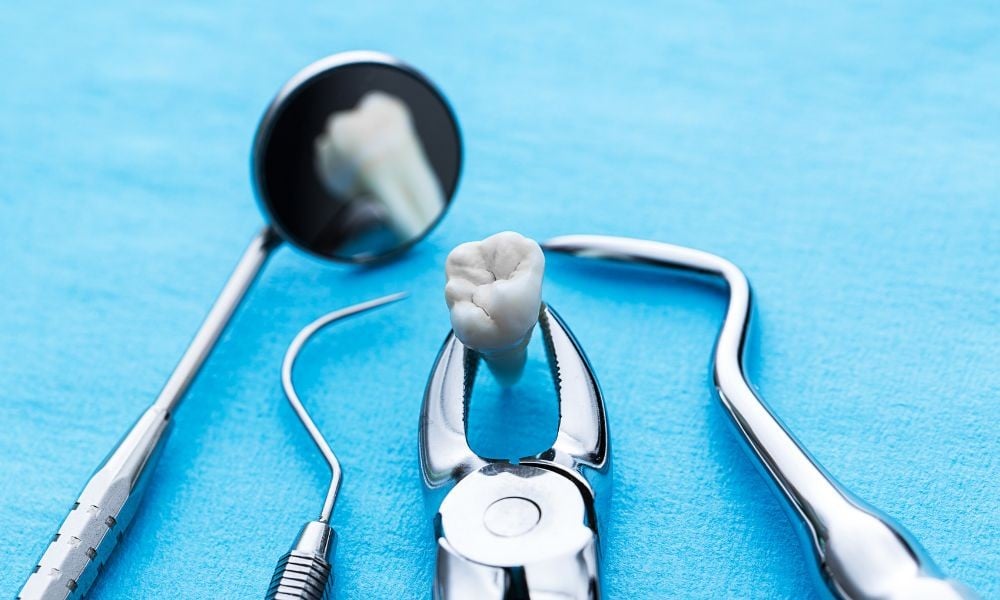
Are you experiencing pain, discomfort, or swelling around the back of your mouth? Has your dentist advised you to consider wisdom tooth extraction as a possible solution? With the top dentists in Tacoma, WA, Sound Surgical Arts is equipped to provide you with a comprehensive guide to understanding the process of wisdom tooth extraction and our approach to this type of oral surgery.
Wisdom teeth are the last set of molars to grow in, usually making their appearance during the late teens or early twenties. However, in some cases, wisdom teeth might not have enough space to grow properly and might cause crowding, misalignment, or other issues with your teeth and jaw. This is where our team of experts at Sound Surgical Arts can help you decide if wisdom tooth extraction is the best course of action, taking into account your individual circumstances and overall dental health.
In this article, we aim to provide valuable information on the subject of wisdom tooth extraction in Tacoma, WA. We will cover the top reasons why wisdom tooth extraction might be recommended, the procedure itself, the recovery process, and aftercare recommendations to avoid complications. This guide will also highlight the expertise and cutting-edge technology used by Sound Surgical Arts, ensuring a safe, efficient, and comfortable experience for our patients.
Reasons for Wisdom Tooth Extraction
In many cases, wisdom teeth might not have enough space to grow properly, causing various dental issues. At Sound Surgical Arts, we assess your individual oral health before recommending a wisdom tooth extraction. Some of the common reasons for this procedure include:
- Impacted Wisdom Teeth: When a wisdom tooth becomes trapped beneath the gum or partially emerges, it is considered impacted. This may lead to inflammation, infection, and even damage to neighboring teeth.
- Overcrowding: A lack of space in the mouth may cause wisdom teeth to push against other teeth, leading to crowding and misalignment issues.
- Gum infections: Improperly erupted wisdom teeth can create pockets where bacteria grow, causing gum infections such as pericoronitis.
- Cysts or tumors: In some cases, impacted wisdom teeth can lead to the development of cysts or benign tumors around the tooth, causing additional damage to surrounding bone and tissue.
The Wisdom Tooth Extraction Procedure
Our experienced team at Sound Surgical Arts follows a precise and safe procedure for wisdom tooth extraction. The process usually begins with a consultation to determine the best course of action. The extraction procedure typically involves the following steps:
- Anesthesia Administration: We administer either local or general anesthesia, depending on the complexity of the extraction and your personal preference. This ensures a comfortable and pain-free experience during the surgery.
- Incision and Tooth Removal: The oral surgeon makes a small incision in the gum to expose the tooth. Depending on its position, the tooth may be divided into smaller pieces for easier removal. The surgeon then extracts the tooth carefully to minimize any potential damage to the surrounding bone.
- Wound Closure: After successful tooth extraction, the wound is cleaned to remove any debris, which helps prevent postoperative complications. The surgeon may also place stitches (dissolvable or removable) to aid in the healing process.
- Recovery Monitoring: Our team monitors you closely for a brief period before you are discharged with detailed aftercare instructions.
Post-Extraction Recovery and Aftercare
At Sound Surgical Arts, we prioritize patient care to ensure a smooth recovery after wisdom tooth extraction. Here are some essential steps and recommendations to help you recover faster and prevent complications:
- Manage Pain and Swelling: You can take prescribed or over-the-counter pain medications as advised by the oral surgeon. Applying an ice pack on the area can also help to reduce swelling and discomfort.
- Maintain Oral Hygiene: Rinse your mouth gently with warm salt water after 24 hours of the surgery. Continue to brush and floss your teeth gently, ensuring you avoid the extraction site.
- Follow Dietary Recommendations: Stick to a soft food diet consisting of soups, mashed potatoes, yogurt, and other easily consumable foods. Avoid hot or spicy meals and gradually transition to solid foods over time as your healing process continues.
- Avoid Smoking and Drinking: Refrain from smoking or drinking alcohol during the recovery period, as these behaviors can hinder the healing process and even increase the risk of complications.
- Monitor for Infection: Although rare, infections can occur post-extraction. Keep an eye out for signs such as fever, increased swelling, or severe pain, and consult your surgeon immediately if you suspect anything unusual.
- Attend Follow-Up Visits: Make sure to attend any scheduled follow-up visits with your oral surgeon to monitor the progress of your healing.
Avoiding Dry Socket
One of the most common complications following wisdom tooth extraction is a dry socket or alveolar osteitis. It occurs when the blood clot that forms at the extraction site becomes dislodged, exposing the underlying bone and nerves and causing significant pain. To prevent dry socket, follow these recommendations:
- Avoid vigorous rinsing or spitting within the first 24 hours following surgery.
- Refrain from using straws, as the sucking action can dislodge the clot.
- Avoid smoking or consuming tobacco, as it can hinder the healing process and increase the risk of dry socket.
Conclusion
Wisdom tooth extraction is a common procedure to help maintain optimal oral health and correct various issues caused by impacted or misaligned teeth. At Sound Surgical Arts, our team of experts strives to provide safe and efficient wisdom tooth extractions, assisting with pre- and post-operative care to ensure a smooth recovery. By understanding the steps involved in the extraction process, recovery and aftercare measures, and potential complications, you can make informed decisions about your dental health and be well on your way to a healthier, more confident smile.