
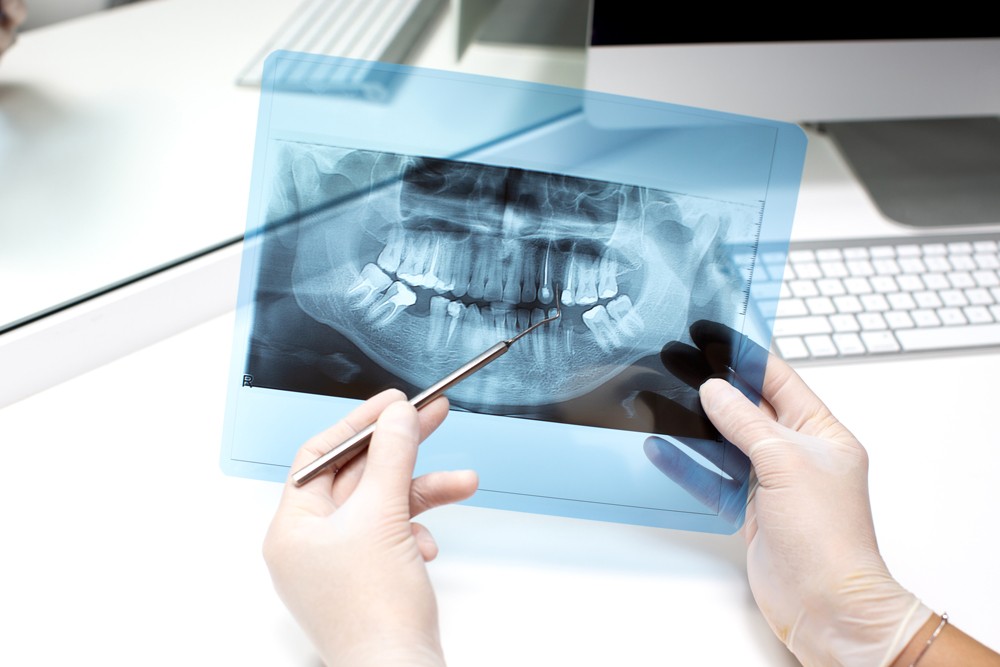
When considering dental implant surgery, some patients may face additional challenges caused by bone loss in their jaw. This bone loss can occur for various reasons, including tooth loss, gum disease, or even the natural aging process. In order to create a strong foundation for dental implants, bone grafting might be required to restore the jawbone’s integrity.
Sound Surgical Arts, located in Gig Harbor, WA, has been providing bone grafting procedures and other dental services such as dental implants, gum grafting, and reconstructive surgery to our valued patients since 2011.
This educational blog aims to provide you with a comprehensive overview of the role bone grafting plays in dental implant success, the different bone grafting techniques, and the recovery process involved.
Adequate bone support is critical to the success of dental implants. Without a healthy and robust jawbone, the implants cannot properly fuse with the bone, meaning they cannot support the prosthetic teeth effectively.
Bone grafting is a surgical procedure aiming to augment the jawbone’s size and density to provide the necessary support for dental implant placement. This procedure involves transplanting bone material, either from the patient’s own body, a donor source, or synthetic bone materials, to the area where the implant will be placed. Over time, the transplanted material integrates with the existing bone, creating a stronger and healthier foundation for the dental implant.
In this blog, we will discuss the different bone grafting techniques, including sinus lifts, ridge augmentation, and socket preservation. Additionally, we will provide an in-depth explanation of the bone grafting procedure and what to expect during the recovery process. Our goal is to equip you with the knowledge and understanding needed to make well-informed decisions regarding your dental implant journey.
At Sound Surgical Arts in Gig Harbor, WA, your dental health is our top priority. We are dedicated to providing you with the highest quality care and treatment options for a successful dental implant experience. Feel free to reach out to our professional team with any questions or concerns, or to schedule a personalized consultation. Together, we can help you achieve a healthy and beautiful smile that will last a lifetime.
The Role of Bone Grafting in Dental Implant Success
Adequate bone support is critical to the success of dental implants. Without a healthy and robust jawbone, the implants cannot properly fuse with the bone, meaning they cannot support the prosthetic teeth effectively. Bone grafting is a surgical procedure aiming to augment the jawbone’s size and density to provide the necessary support for dental implant placement.
This procedure involves transplanting bone material, either from the patient’s own body, a donor source, or synthetic bone materials, to the area where the implant will be placed. Over time, the transplanted material integrates with the existing bone, creating a stronger and healthier foundation for the dental implant.
Different Bone Grafting Techniques
There are several bone grafting techniques that can be utilized to prepare the jawbone for dental implant placement. The choice of technique depends on the extent of bone loss, the location of the missing tooth, and the patient’s unique needs. Some common bone grafting techniques include:
- Sinus Lift: A sinus lift, or sinus augmentation, is performed when there is insufficient bone height in the upper jaw, particularly in the back areas near the molars and premolars. The procedure involves lifting the sinus membrane and placing bone graft material in the newly created space, increasing the bone height and allowing for successful dental implant placement.
- Ridge Augmentation: Ridge augmentation is used to restore the natural contours of the jawbone, usually following tooth loss or extraction. The procedure involves placing bone graft material onto the affected area to build up the lost bone volume and create an ideal foundation for dental implants.
- Socket Preservation: Socket preservation is performed immediately after tooth extraction to prevent bone resorption. A bone graft material is placed into the empty tooth socket, helping to maintain bone density and volume, ensuring that the site is ready for future dental implant placement.
Understanding the Bone Grafting Procedure
The bone grafting procedure can vary depending on the technique used and the patient’s specific needs. In general, the steps include:
- Consultation and Treatment Planning: During the initial consultation, your oral surgeon will conduct a thorough examination, including X-rays or 3D imaging, to assess the extent of bone loss and determine the most suitable bone grafting technique for your needs.
- Anesthesia: Bone grafting procedures can be done under local anesthesia, sedation, or general anesthesia, depending on the extent of the surgery and patient preferences.
- Harvesting Bone: If your own bone is being used for the graft, a small amount of bone will be harvested from another area, such as the chin or hip.
- Graft Placement: The bone graft material is placed onto the site that requires augmentation. Depending on the technique used, this may involve lifting the sinus membrane or placing the material into a fresh tooth socket.
- Closing the Site: The graft site is covered with a protective membrane and closed with sutures. Over time, the graft material will integrate with the surrounding bone, creating a strong and stable foundation for dental implant placement.
Recovering from Bone Grafting Surgery
Recovery from a bone grafting procedure can vary depending on the technique used and the individual’s healing ability. Some general tips for a successful recovery include:
- Rest: Take it easy for the first few days following surgery, avoiding any strenuous activities or heavy lifting.
- Pain Management: Take prescribed pain medication as directed, or use over-the-counter pain relievers to manage your discomfort.
- Oral Care: Maintain a gentle oral hygiene routine, avoiding brushing on the graft site for the first few days. Rinse your mouth with a warm saltwater solution to help keep the surgical area clean.
- Diet: Stick to a soft food diet for the first few days or weeks after surgery, gradually introducing firmer foods as you heal and feel comfortable.
Conclusion
Bone grafting plays a vital role in the success of dental implant surgery, providing the necessary support for long-lasting and stable implant solutions. At Sound Surgical Arts in Gig Harbor, WA, we’re committed to offering the highest quality of care and ensuring the best possible outcomes for our patients.
Should you have questions or concerns about bone grafting or the dental implant process, please don’t hesitate to contact Sound Surgical Arts for a personalized consultation. With our collaborative approach, we’ll work together to achieve a healthy and functional smile that you can feel confident in. Contact us for dental implants!