
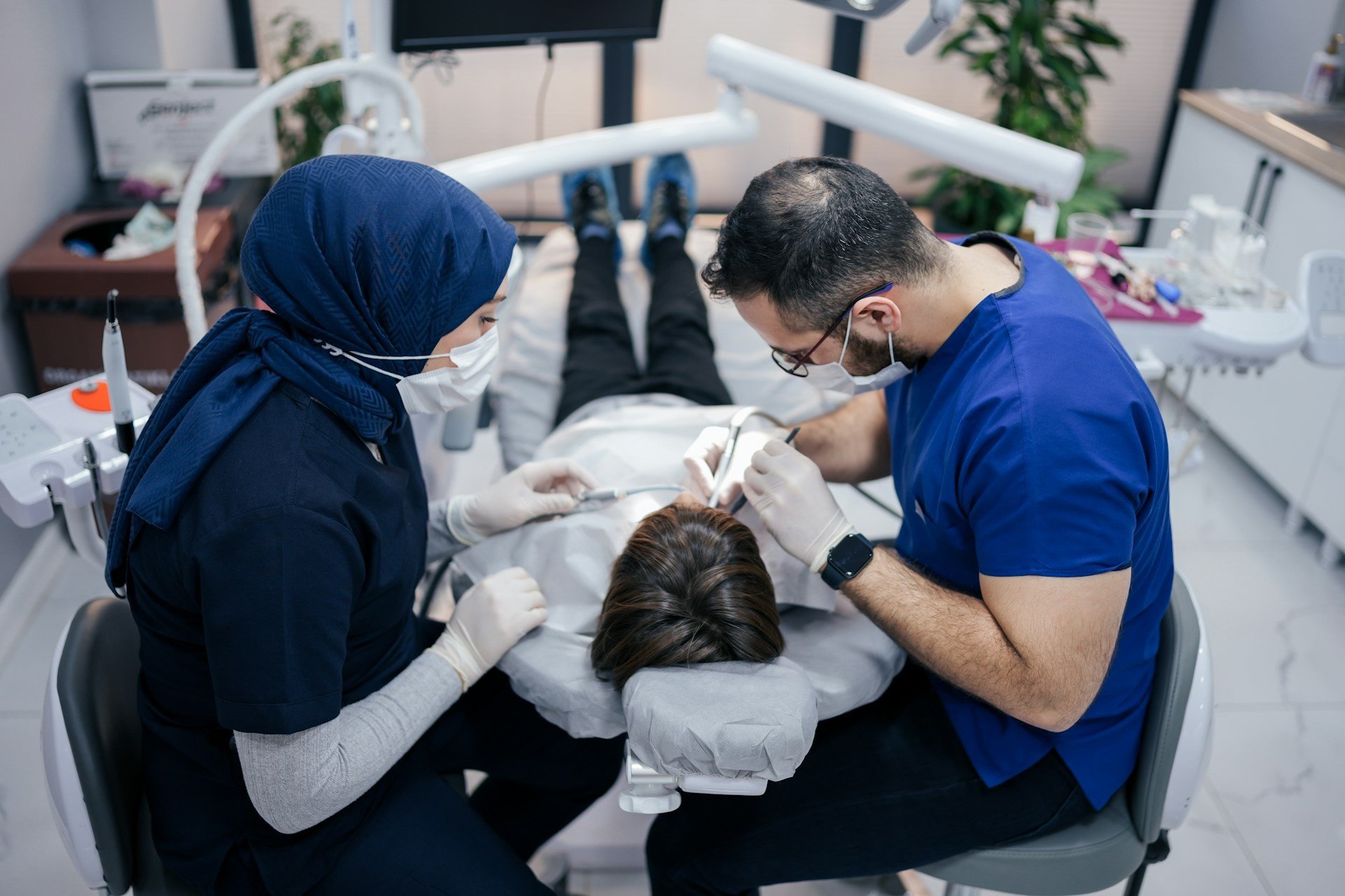
Oral surgery procedures, such as dental implant placement, wisdom tooth extraction, bone grafting, and reconstructive surgery, are crucial components of comprehensive dental care. However, traditional surgical methods can sometimes cause significant discomfort, swelling, and longer healing times for patients. In recent years, advancements in dental technology and surgical approaches have led to the development of minimally invasive oral surgery techniques that have transformed the patient experience, resulting in reduced postoperative pain, faster healing, and improved patient satisfaction.
Minimally invasive oral surgery techniques involve the use of advanced instruments, such as piezosurgery devices, laser dentistry, and guided implant surgery systems, combined with innovative surgical approaches to preserve healthy tissue, minimize the risk of complications, and expedite the healing process. These techniques are suitable for various oral surgery procedures, from dental implant placement and bone grafting to wisdom tooth extractions and periodontal treatments.
In this comprehensive article, we will explore the numerous benefits of minimally invasive oral surgery techniques, explaining how they enhance patient comfort, recovery times, and overall treatment success.
1. Advantages of Minimally Invasive Oral Surgery Techniques
Minimally invasive oral surgery techniques offer a multitude of benefits compared to traditional surgical methods. Below, we elaborate on some of these advantages, which contribute to enhanced patient experience and improved treatment outcomes:
a. Reduced Pain and Discomfort: Minimally invasive techniques involve smaller incisions, preserve healthy tissue, and cause less trauma to the surrounding areas. Consequently, patients generally experience less postoperative pain and discomfort.
b. Faster Healing and Recovery: By minimizing tissue damage and complications, minimally invasive procedures often result in quicker healing times, allowing patients to return to their daily routines in less time.
c. Decreased Swelling and Bruising: Minimal trauma to the soft tissue during surgery often leads to reduced swelling and bruising in the treated areas, providing additional comfort during the healing process.
d. Minimal Scarring: Smaller incisions lead to less visible scarring, ensuring a more aesthetic outcome for patients, especially when the surgery involves visible areas of the mouth and face.
2. Minimally Invasive Techniques in Oral Surgery Procedures
Several innovative techniques and technologies contribute to the success of minimally invasive oral surgery:
a. Piezosurgery: This cutting-edge technology uses ultrasonic vibrations to cut through bone while preserving the surrounding soft tissues. It is often used in procedures like dental implant placement, bone grafting, and sinus lifts, resulting in more precise and less invasive procedures.
b. Laser Dentistry: Dental lasers can effectively treat various oral conditions with minimal discomfort and faster healing compared to traditional methods. For example, lasers are used in periodontal treatments to remove diseased tissue and bacteria with minimal bleeding and discomfort.
c. Guided Implant Surgery: Advanced digital imaging and planning software enable oral surgeons to pre-plan dental implant procedures, creating customized surgical guides to ensure accurate and optimal implant placement. This precise planning allows for smaller incisions and quicker postoperative healing.
d. Flapless Implant Surgery: This method involves placing dental implants directly through the gum tissue without the need for a large incision or raising a surgical flap. By eliminating the need to cut and suture the gum tissue, patients experience reduced pain, bleeding, and quicker healing times.
3. Preparing for a Minimally Invasive Oral Surgery Procedure
To ensure the best possible experience and outcome, patients should follow these steps when preparing for their minimally invasive oral surgery:
a. Discuss Expectations with Your Oral Surgeon: Talk with your oral surgeon regarding the expected results, benefits, and risks of the minimally invasive procedure. This conversation will help manage expectations and ensure that you have a thorough understanding of the treatment process.
b. Follow Preoperative Instructions: Adhere to any preoperative guidelines provided by your oral surgeon, which may include avoiding specific medications, arranging transportation, and fasting before the procedure.
c. Prepare for Postoperative Care: Be ready for a smooth recovery by planning and preparing for postoperative care, including stocking up on soft foods, comfortable pillows, and necessary pain medications as prescribed by your oral surgeon.
4. Ensuring a Successful Recovery
Following your minimally invasive oral surgery, it is essential to follow your oral surgeon’s instructions for a successful recovery:
a. Maintain Proper Oral Hygiene: It is crucial to keep the surgical area clean, which may involve gently rinsing with a prescribed mouth rinse, careful brushing, or using a soft toothbrush around the treatment area.
b. Adhere to Recommended Dietary Guidelines: Consuming soft foods and gradually reintroducing harder foods as you heal will help expedite the healing process and prevent potential complications.
c. Follow Medication Instructions: Take any prescribed medications as directed, and avoid self-medication with over-the-counter drugs without your oral surgeon’s approval.
d. Attend Follow-Up Appointments: Monitor your healing progress through follow-up appointments with your oral surgeon. This helps ensure successful treatment and address any concerns or complications early on.
Conclusion
Minimally invasive oral surgery techniques have revolutionized the field of oral and maxillofacial surgery by offering numerous benefits to patients, including reduced pain and discomfort, faster healing, and minimal scarring. With advanced technologies and innovative surgical approaches, our team is dedicated to providing the most comfortable and effective oral surgery experience possible for our patients.
If you’re considering oral surgery and would like to learn more about minimally invasive techniques, please don’t hesitate to contact us. Our experienced team of dental specialists at Sound Surgical Arts is here to help answer any questions and guide you through the process. Learn how we perform navigated implant placement and use lasers to treat gum disease in Gig Harbor today!